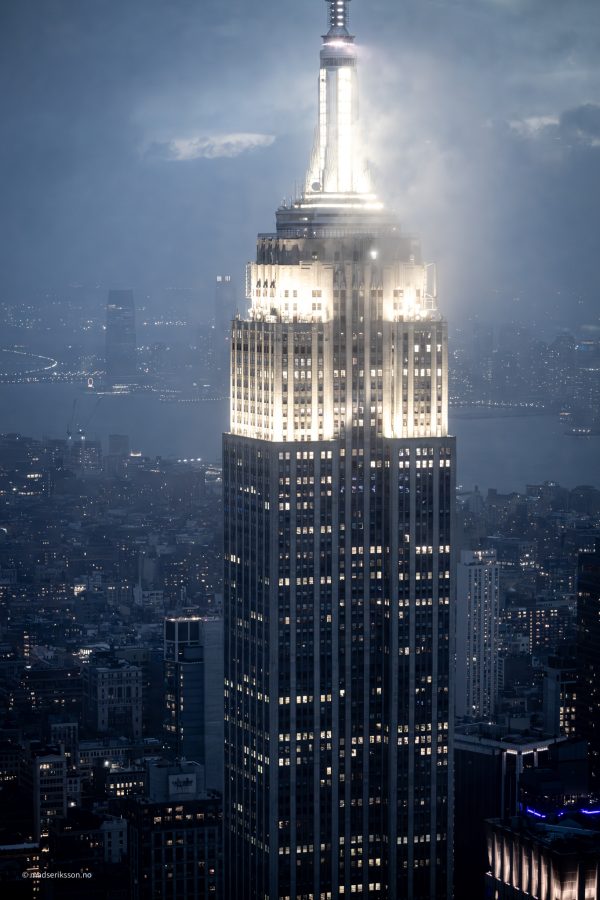
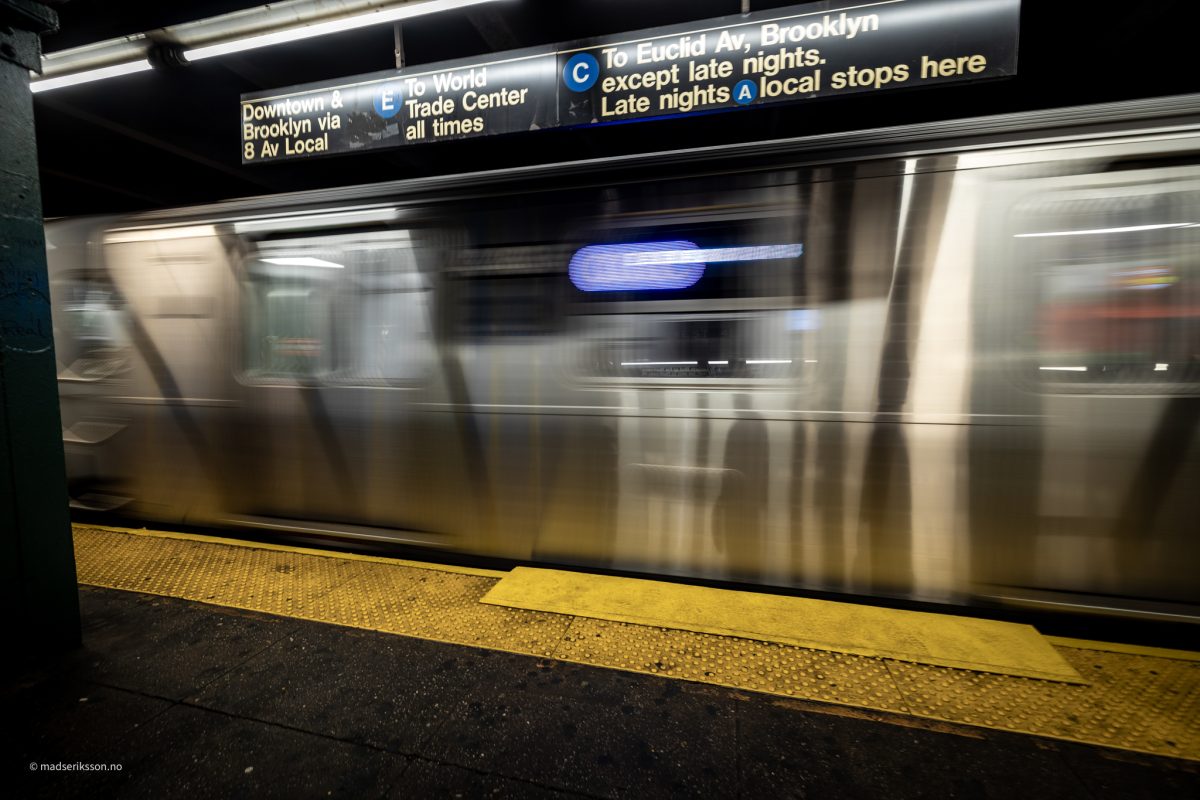
New York City does not ease you in. From the moment the skyline appears — whether from the air, from the water, or from the New Jersey side of the Hudson — the scale of it lands like a statement. Eight million people, five boroughs, eight hundred languages, and an energy that never fully stops, not even at three in the morning when the subway runs and the bodegas are lit and the city produces its particular brand of late-night light. You can come here expecting spectacle, and the spectacle is real. What surprises most visitors is how much else there is.

Manhattan in 3D
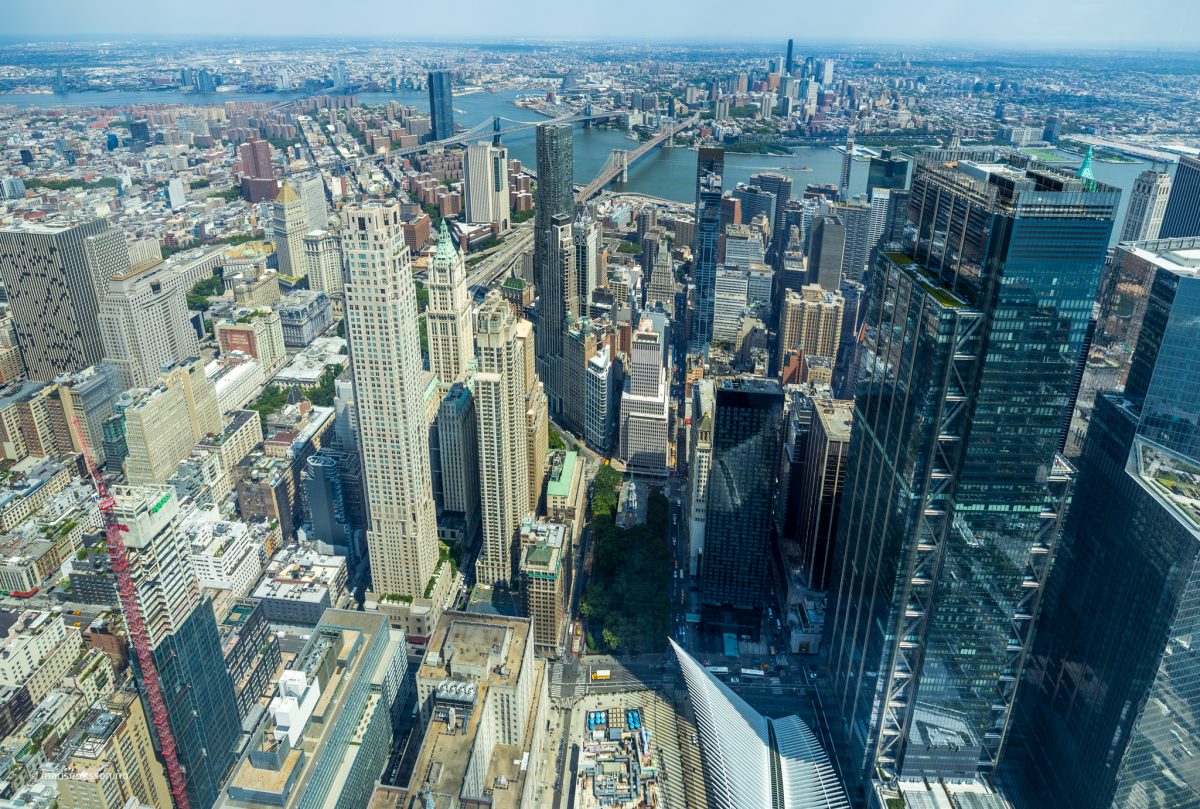
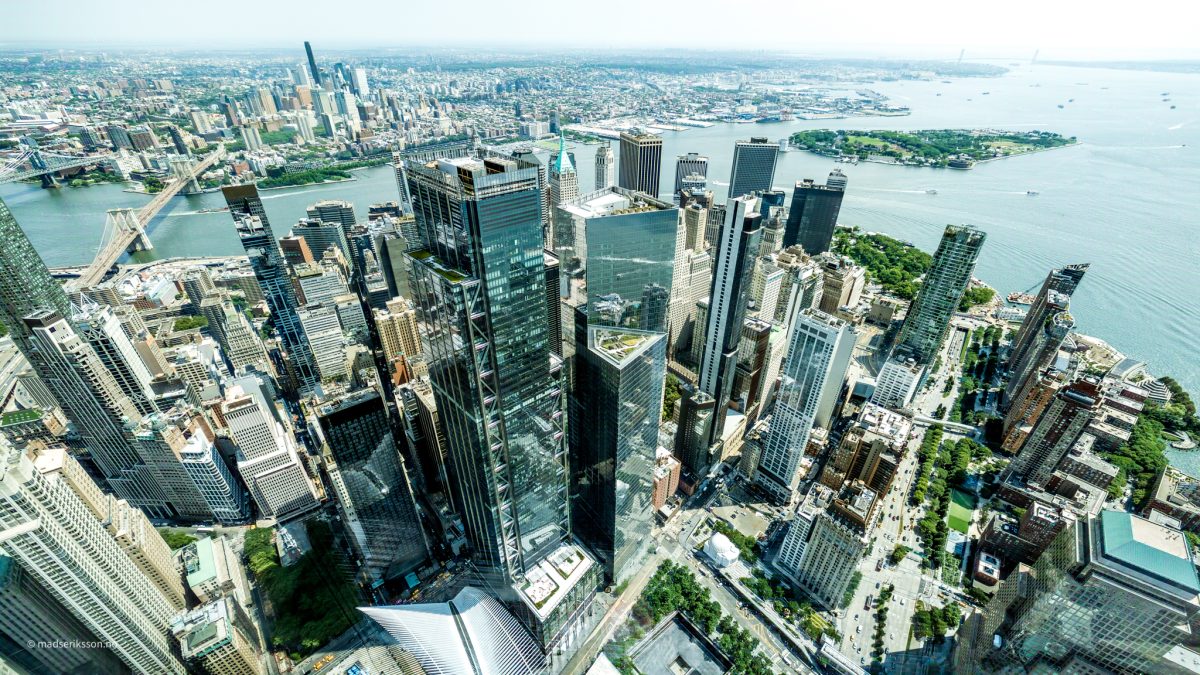
Manhattan is a narrow island about 21 km long. Every building on it is drawn here at its real footprint and height. Scroll to fly from Midtown to Central Park, down to the harbour and across the East River — and move the sun from dawn to night.
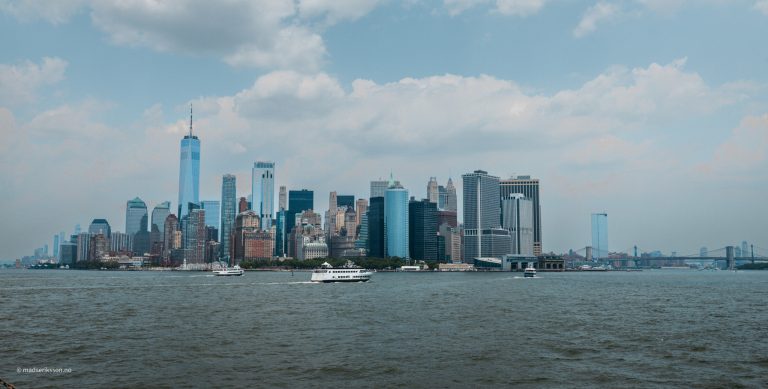
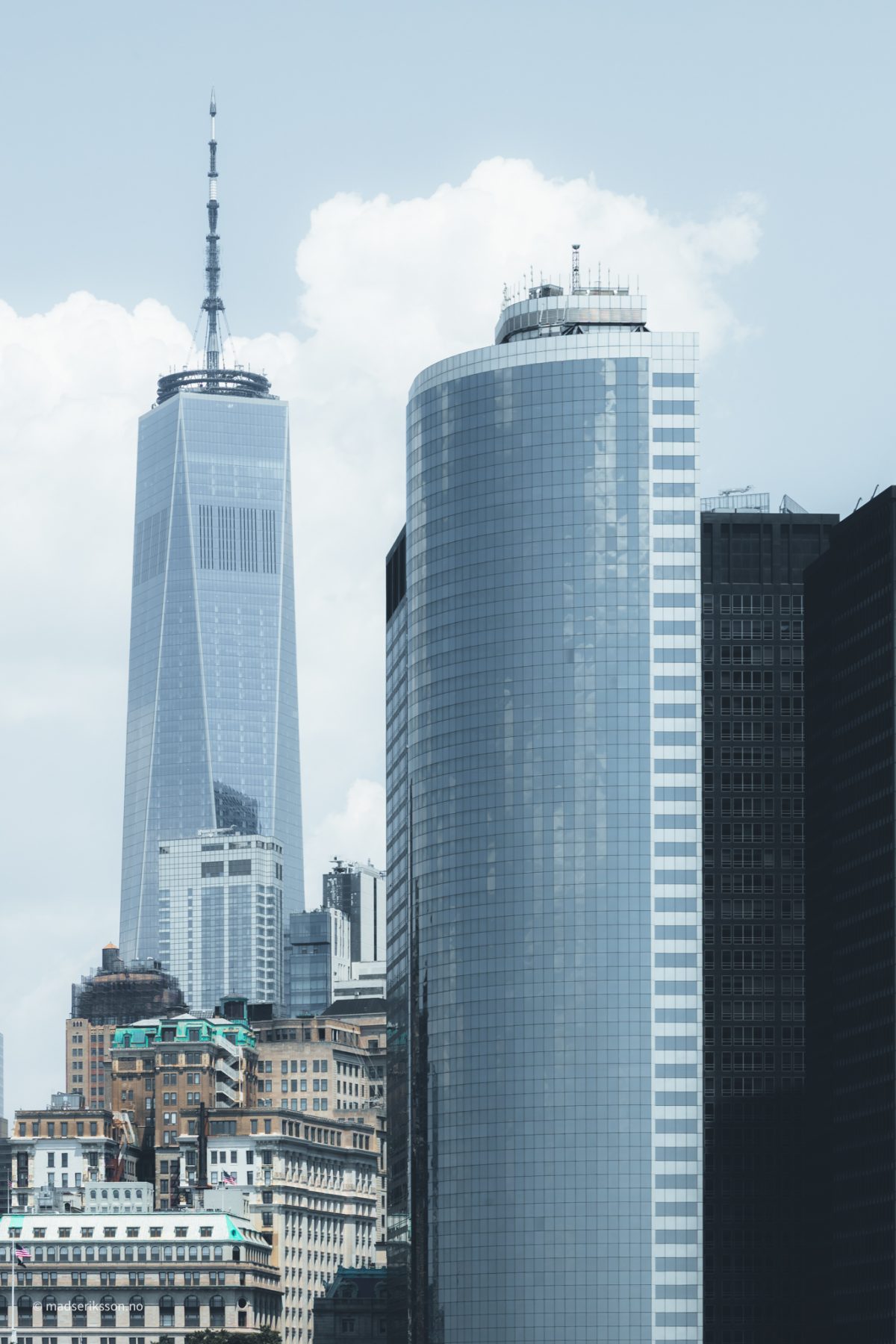
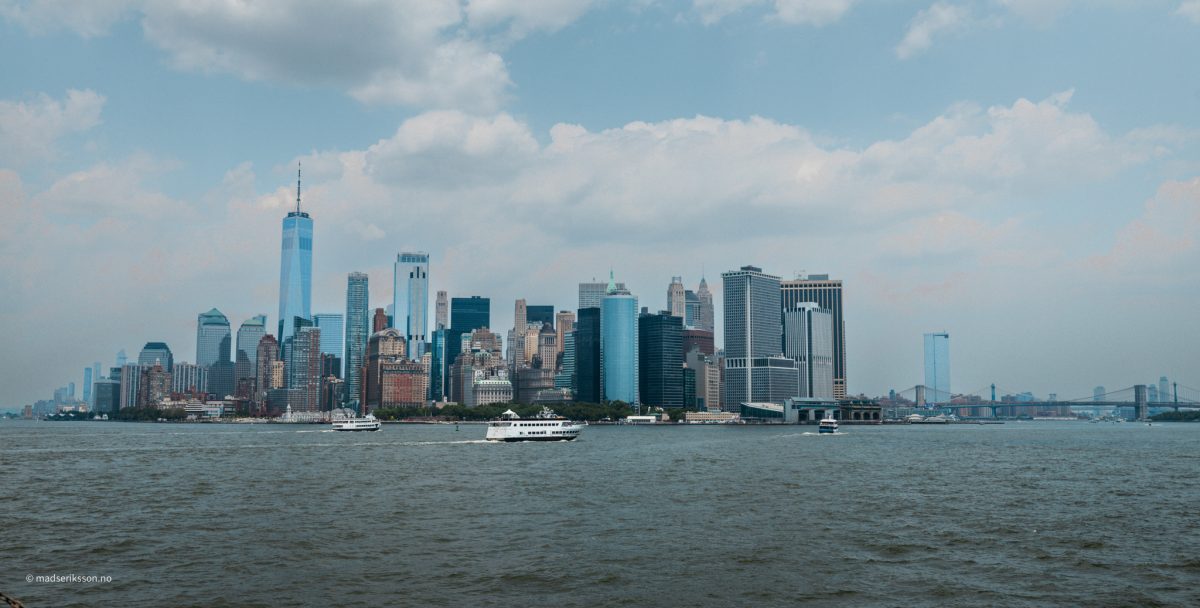
The Lower Manhattan skyline and One World Trade Center seen across the water from New York Harbor
Midtown
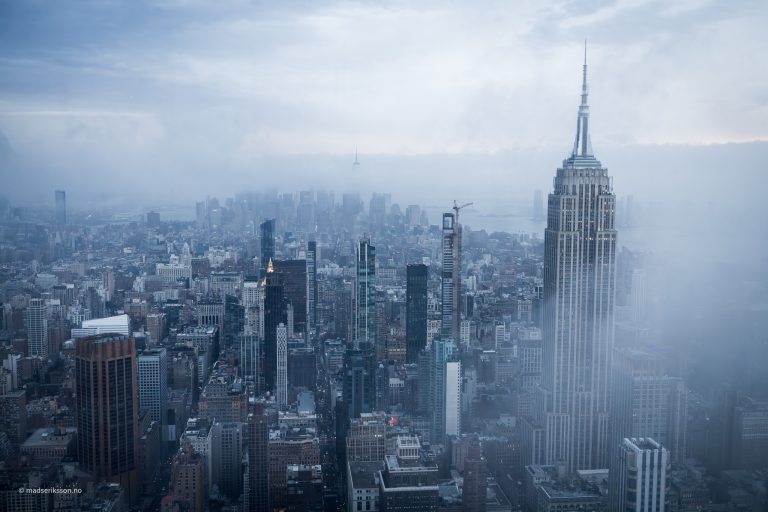
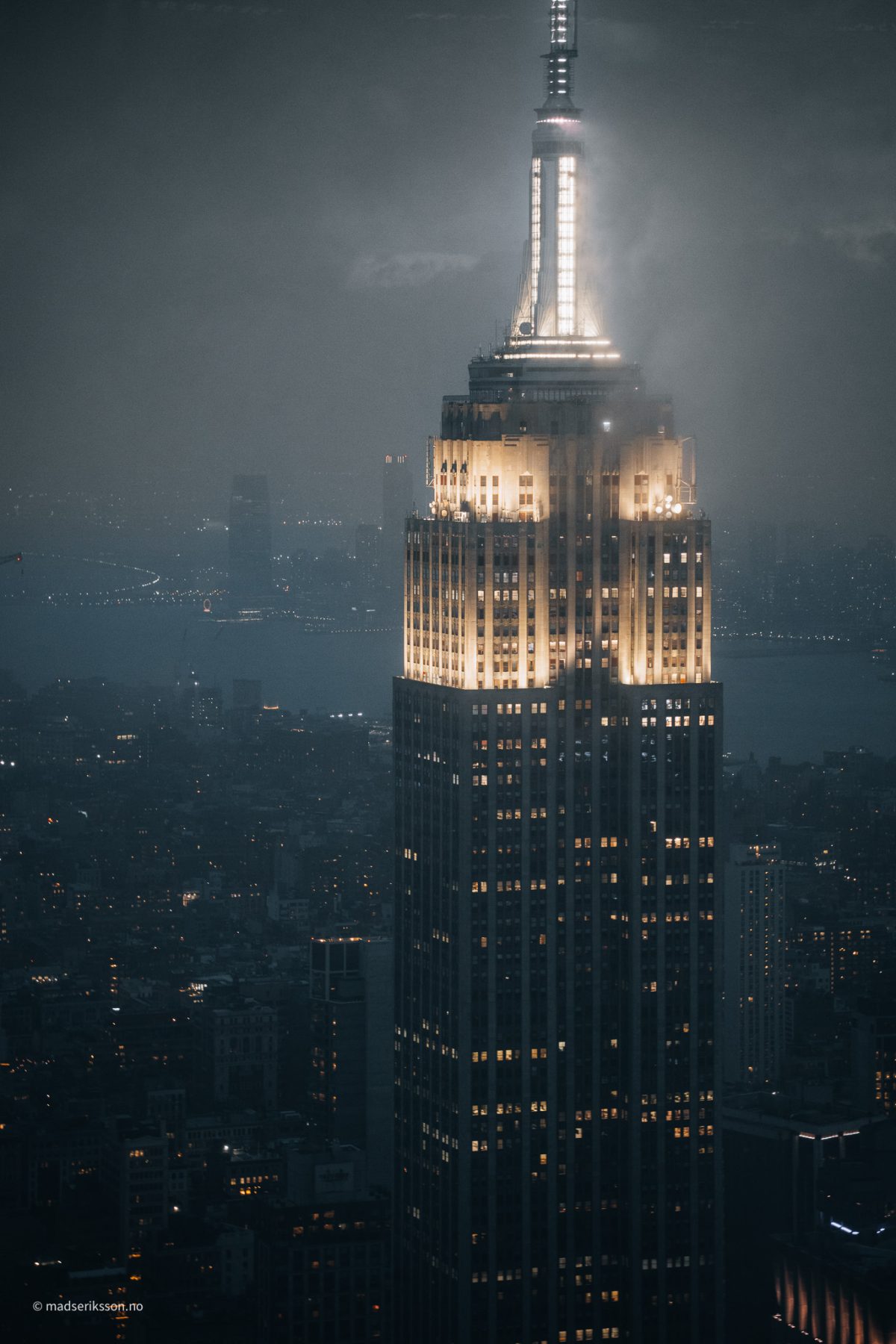
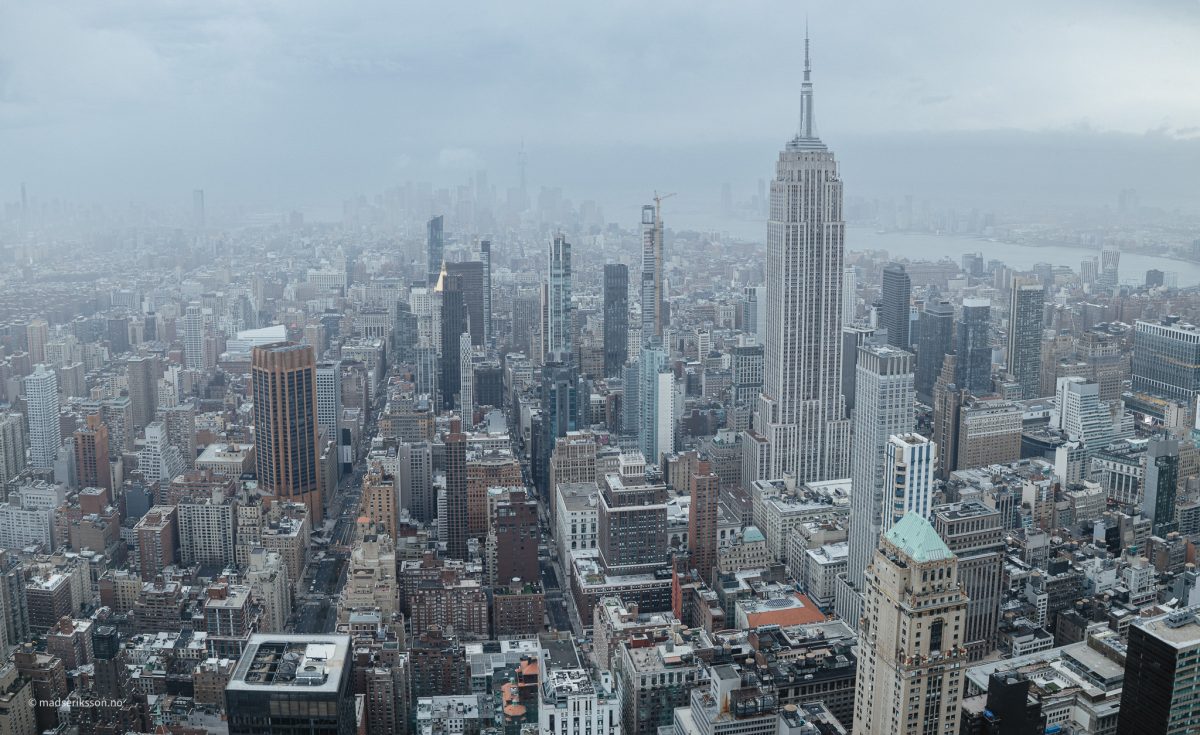
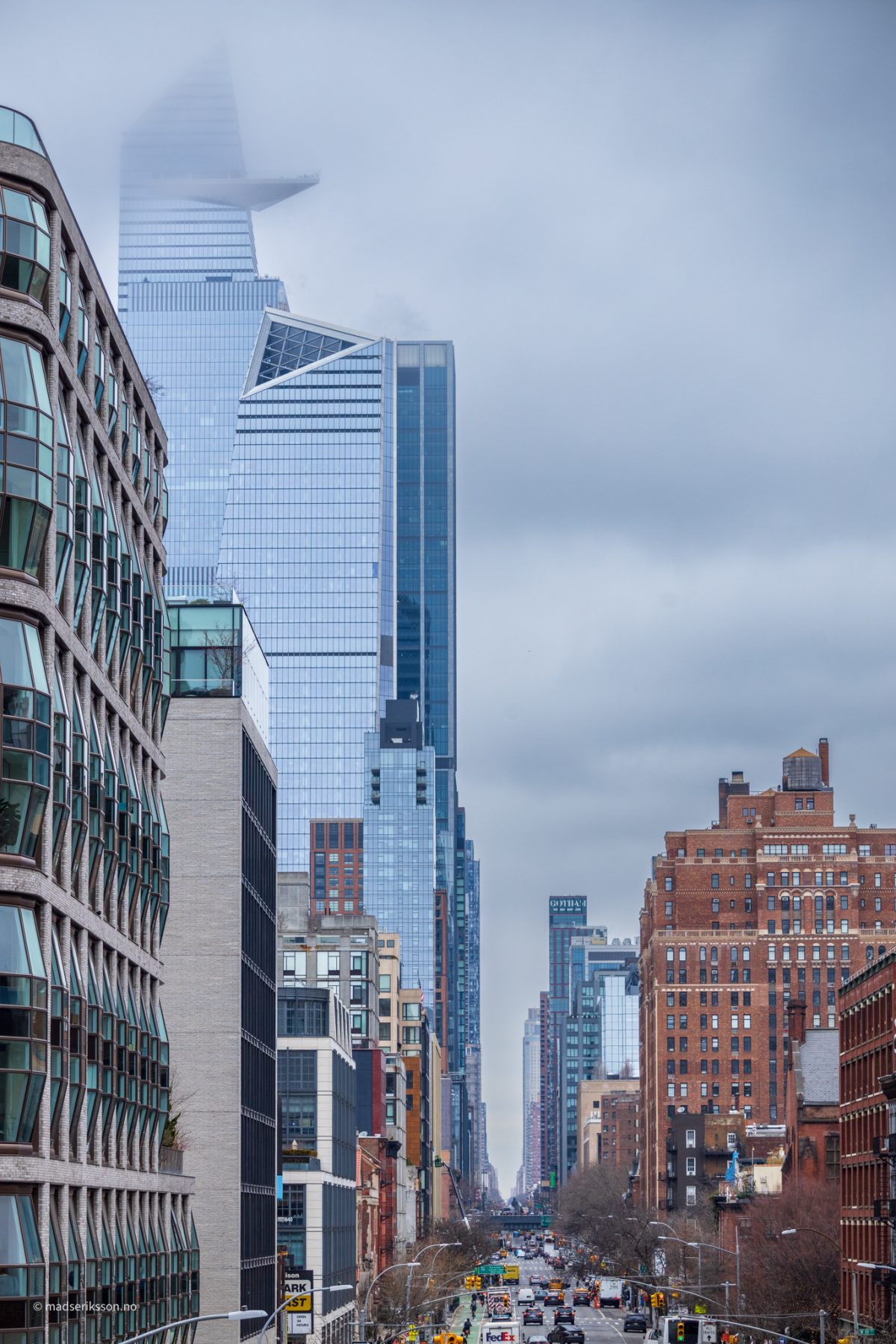
The Empire State Building is 443 m to the tip of its mast and anchors Midtown. About a kilometre to the north lie Times Square and Rockefeller Center, with the Top of the Rock observation deck. MoMA sits a few blocks further north.
The Empire State Building rising out of low cloud over Midtown Manhattan, seen from a higher observation deck
Central Park
Central Park covers 341 hectares, a green rectangle cut into the street grid. The Metropolitan Museum and the Guggenheim line Fifth Avenue on its east side, and the American Museum of Natural History stands on the west side.
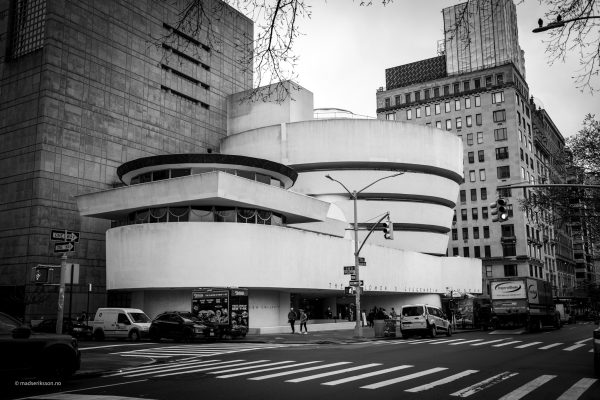
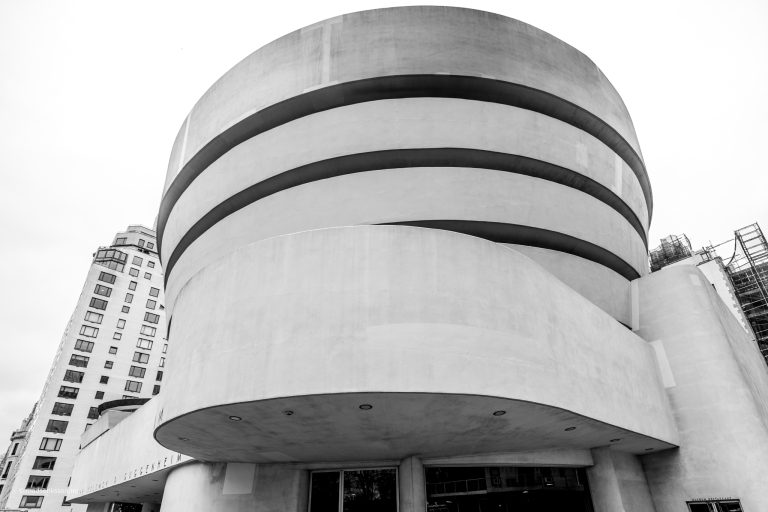
The widening rings of the Guggenheim Museum rotunda rising above Fifth Avenue, New York
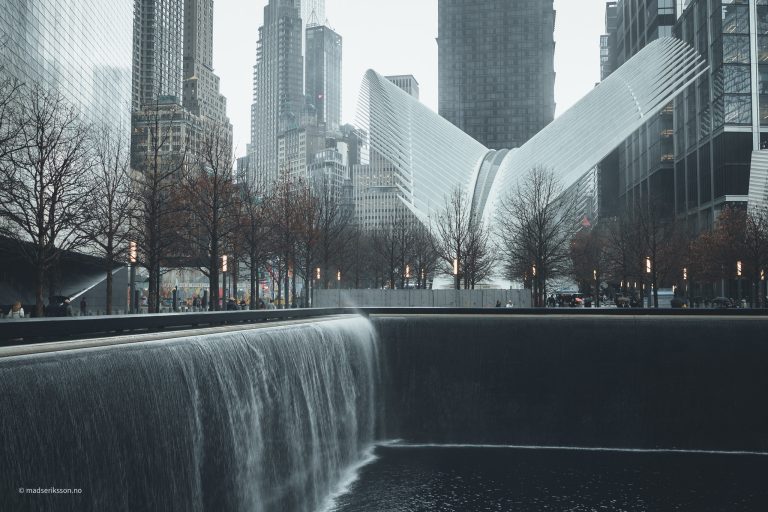
One World Trade Center
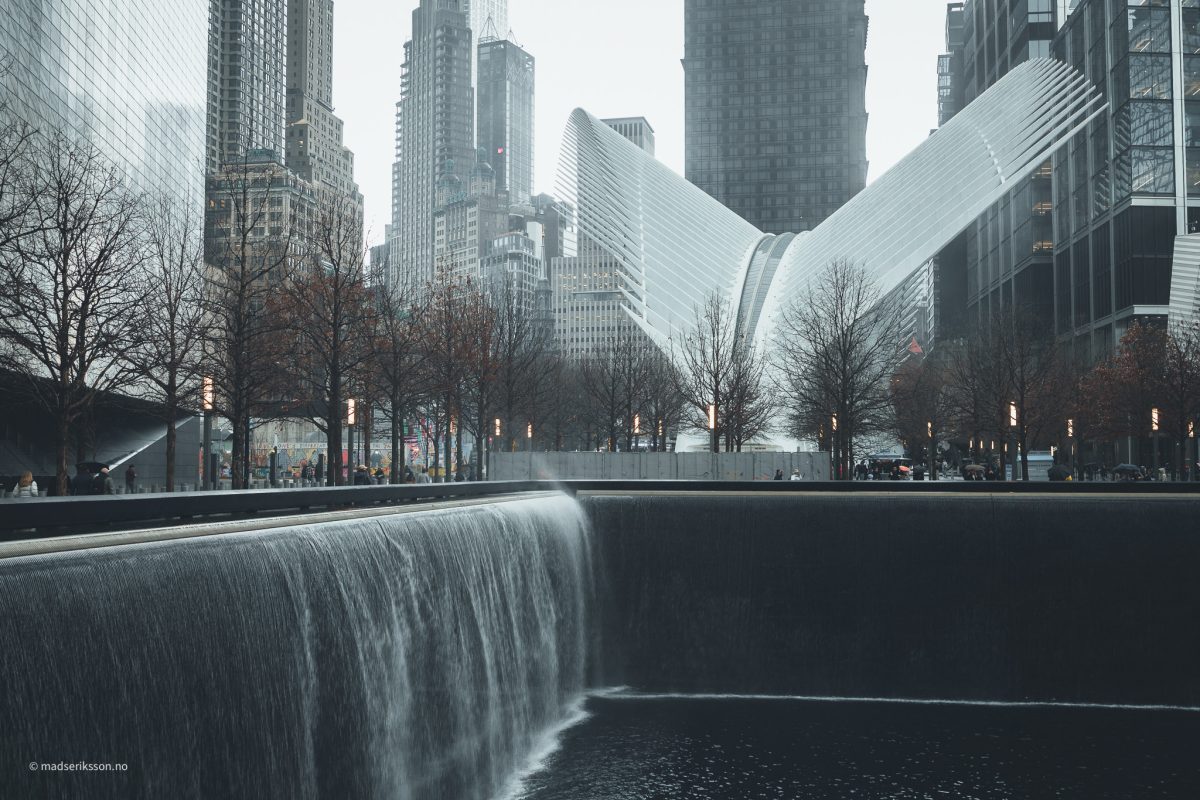
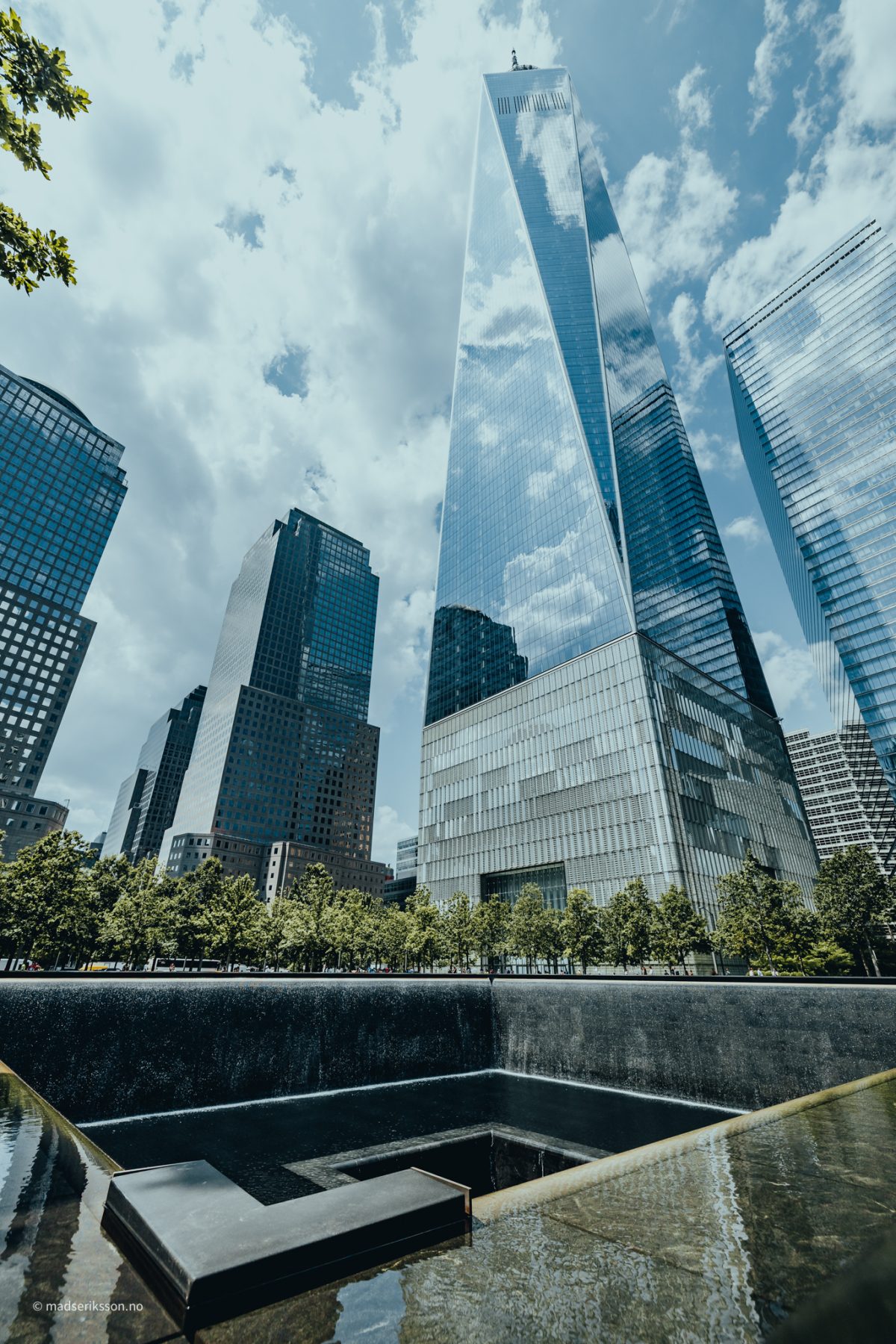
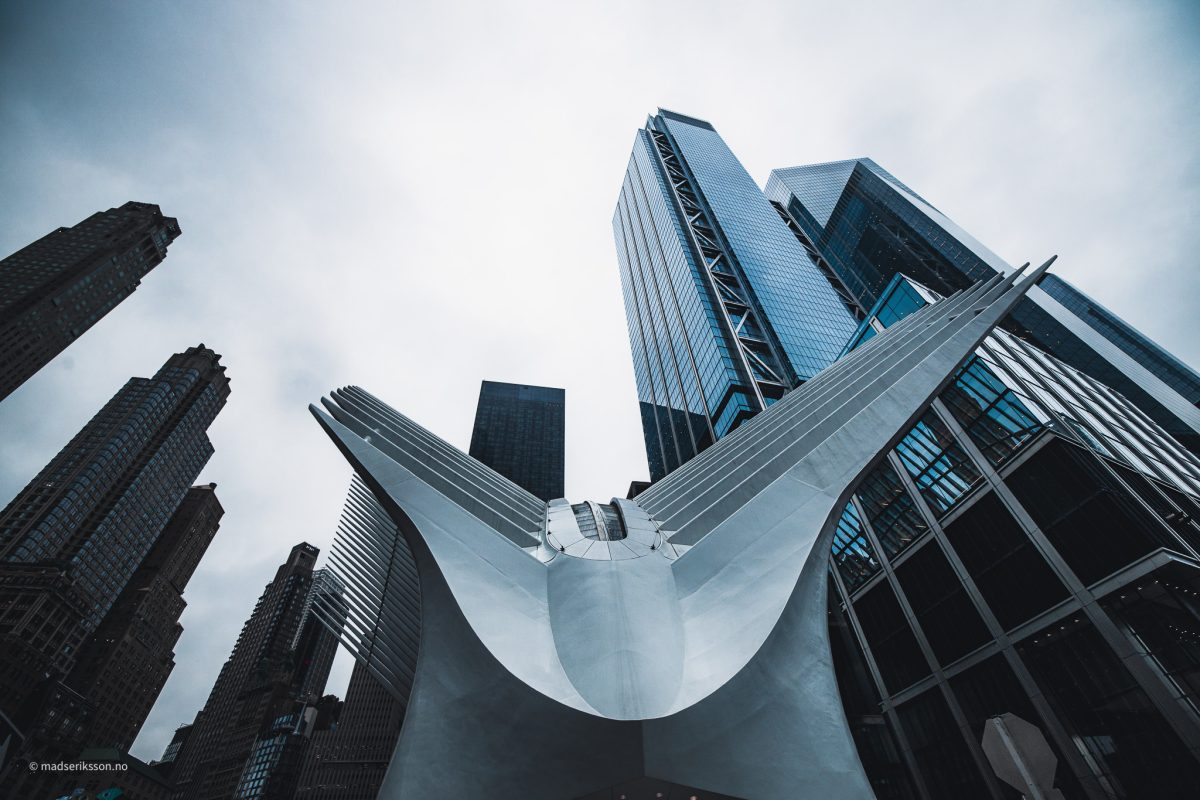
One World Trade Center rises 541 m including its spire. Just south of it, the two reflecting pools of the 9/11 Memorial mark where the Twin Towers stood.
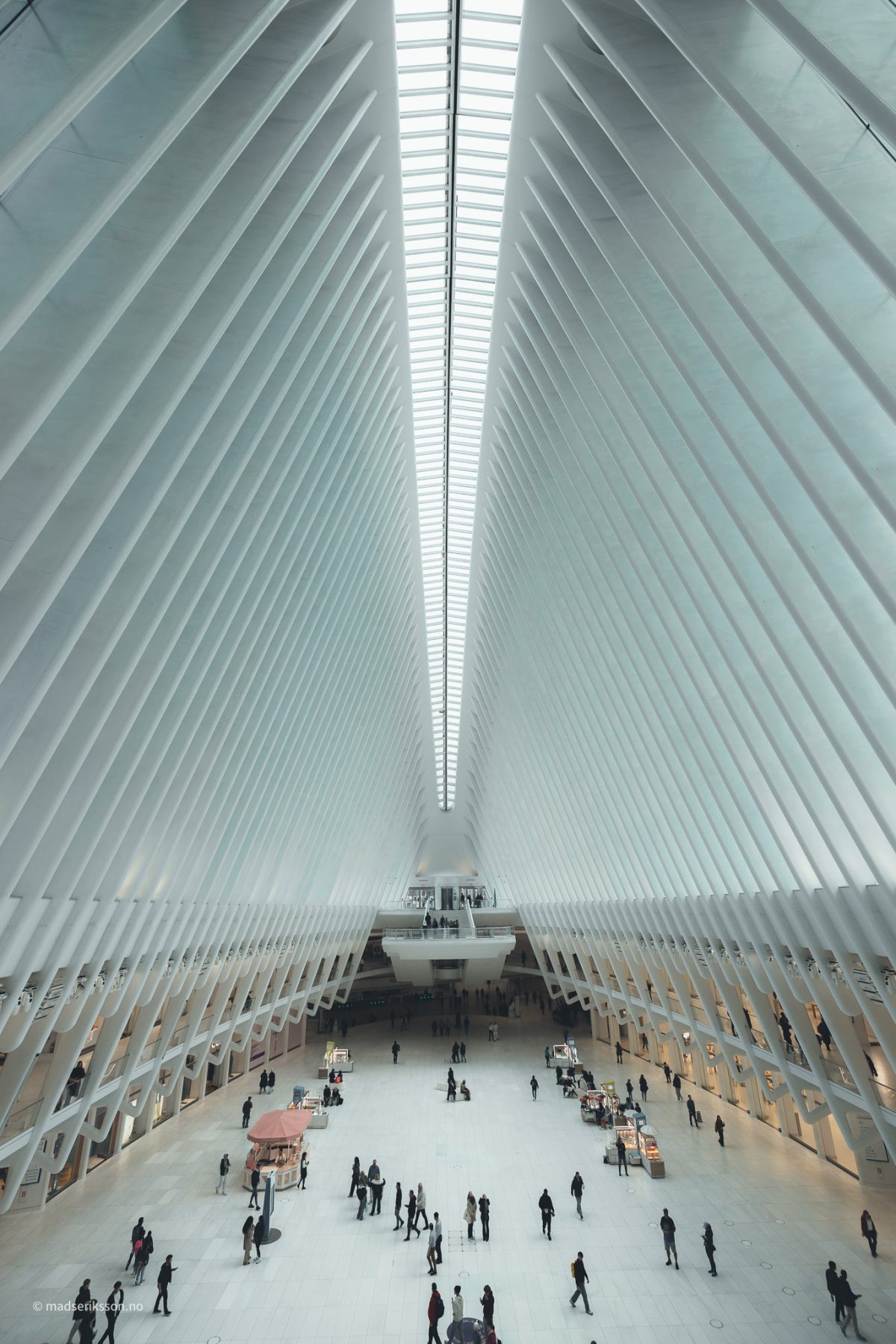
Water pouring into one of the 9/11 Memorial pools, with the white ribs of the Oculus behind in Lower Manhattan
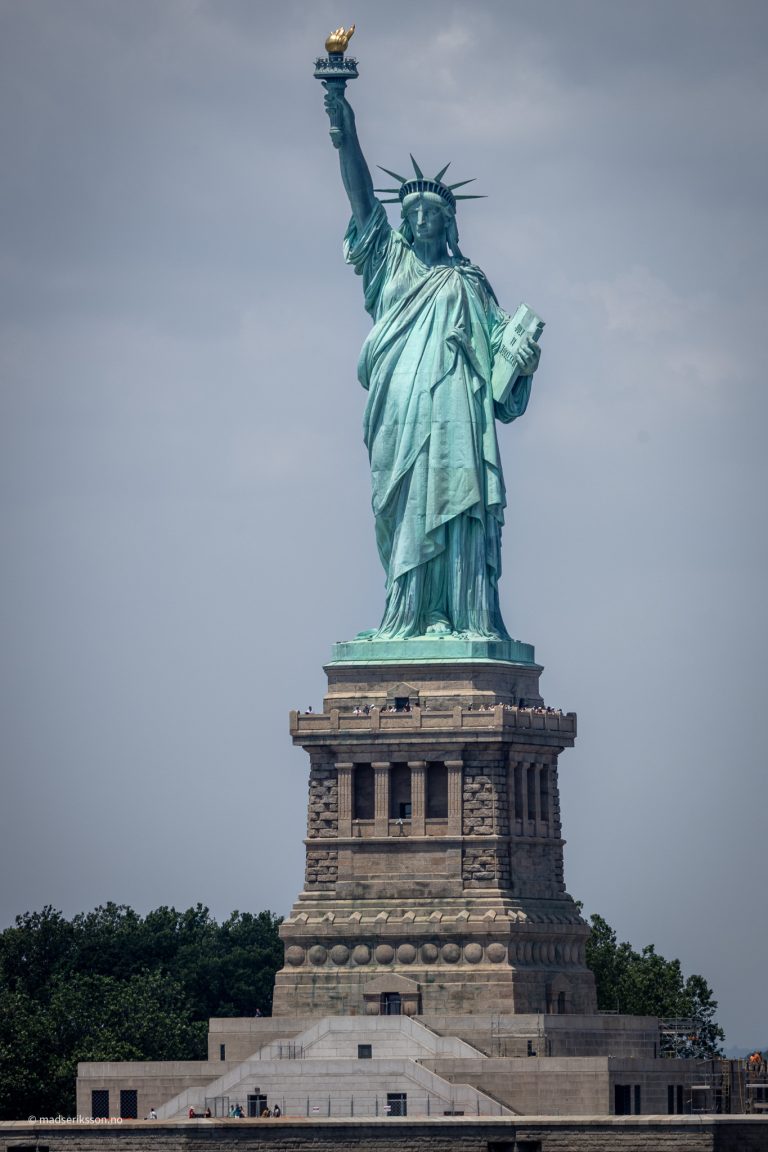
The Statue of Liberty
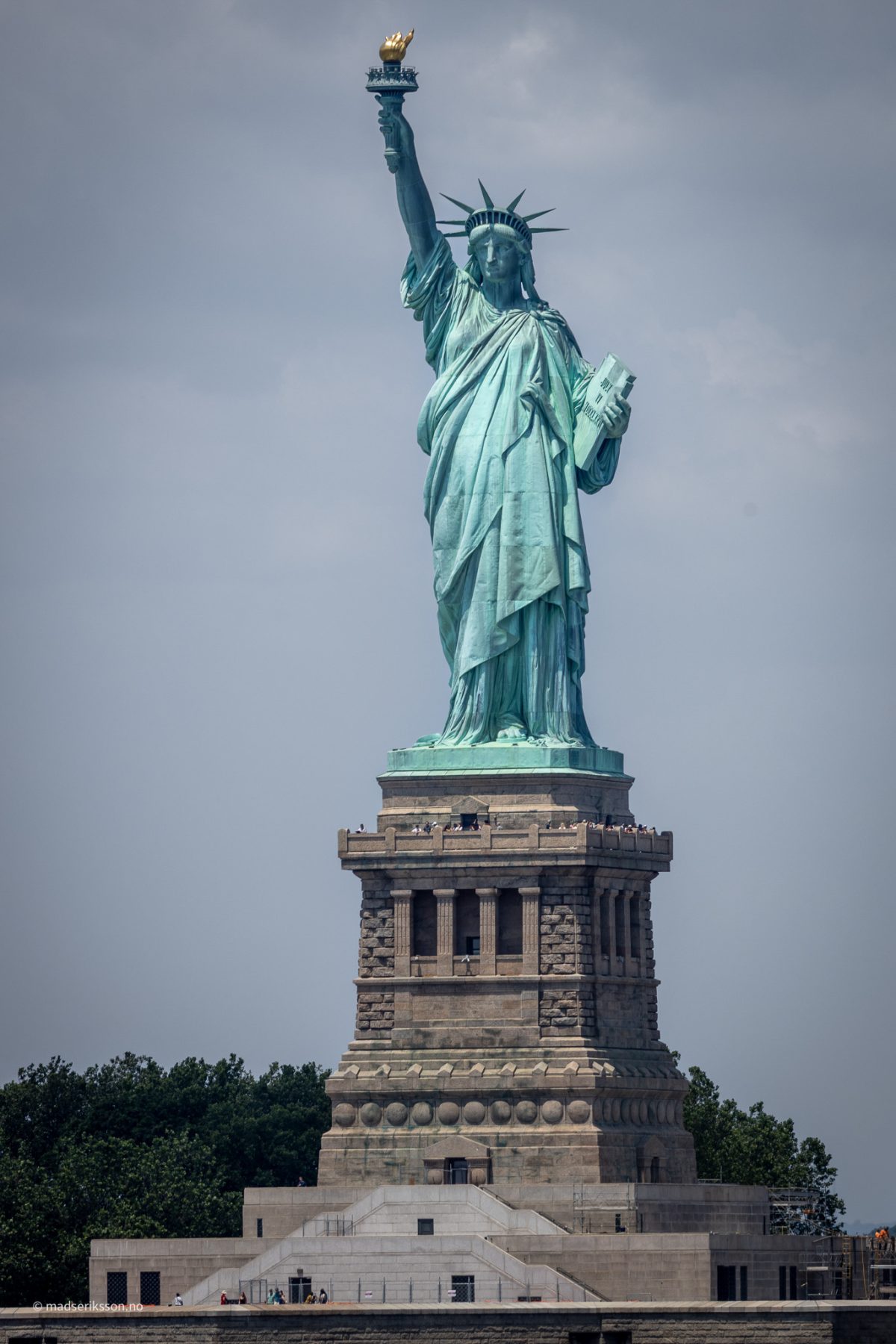
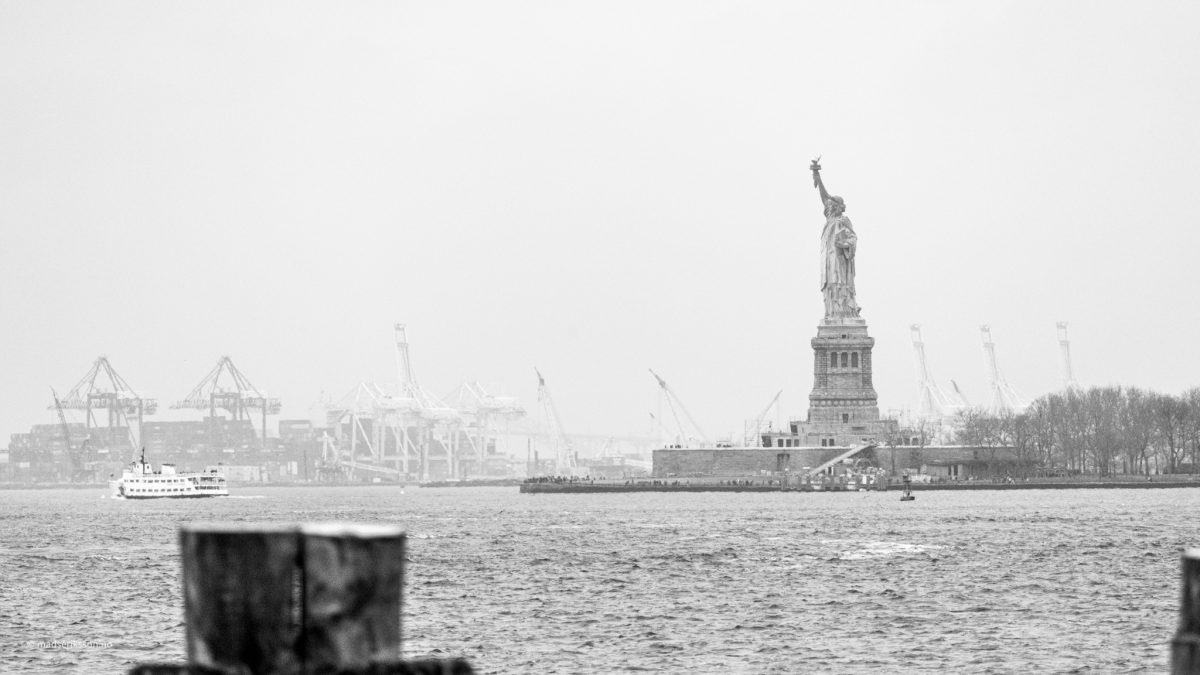
The Statue of Liberty stands on Liberty Island, 93 m from the ground to the tip of the torch. Ferries to the island leave from Battery Park, at the southern tip of Manhattan.
The Statue of Liberty on Liberty Island, torch raised above its granite pedestal in New York Harbor
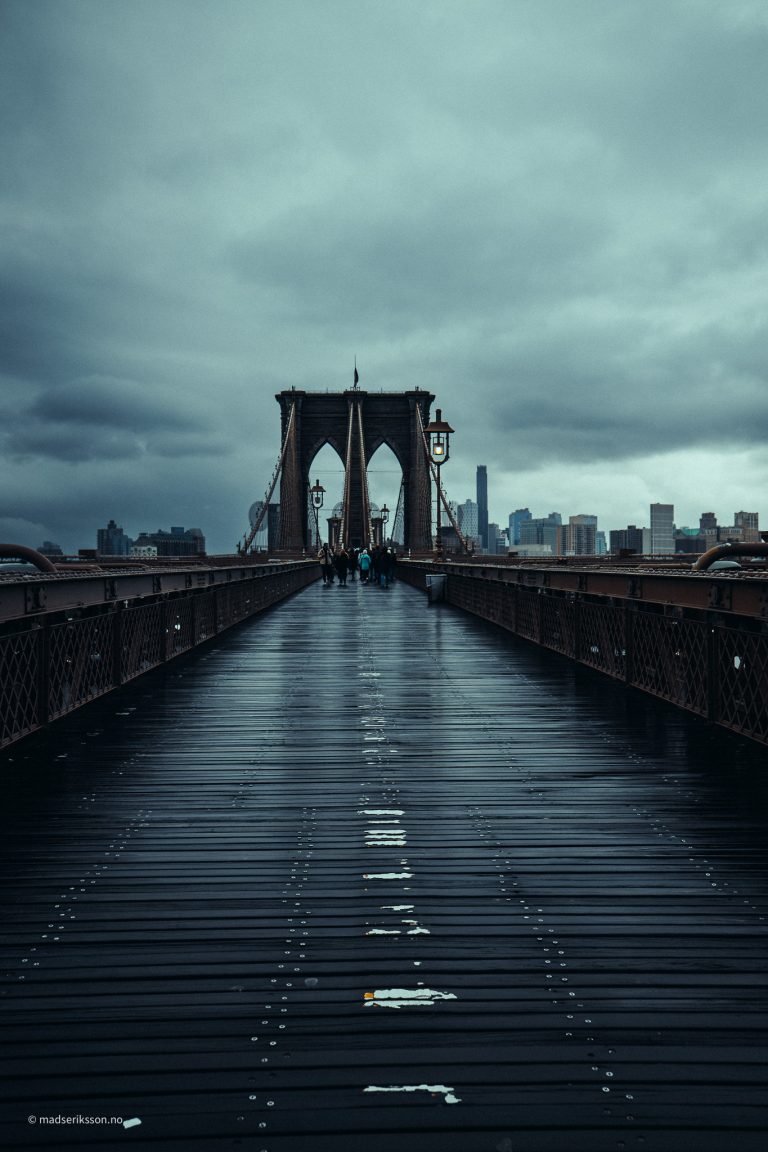
The Brooklyn Bridge
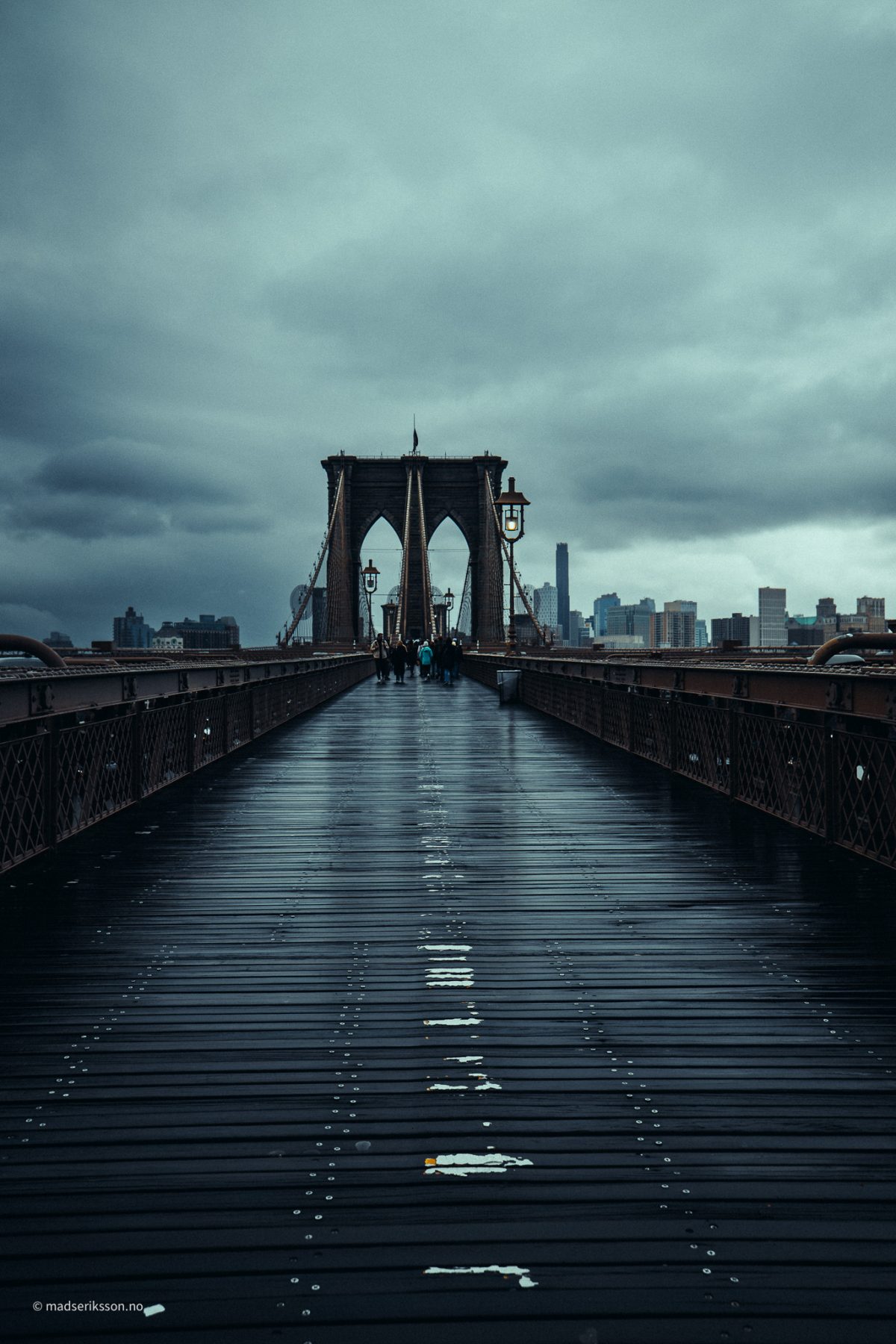
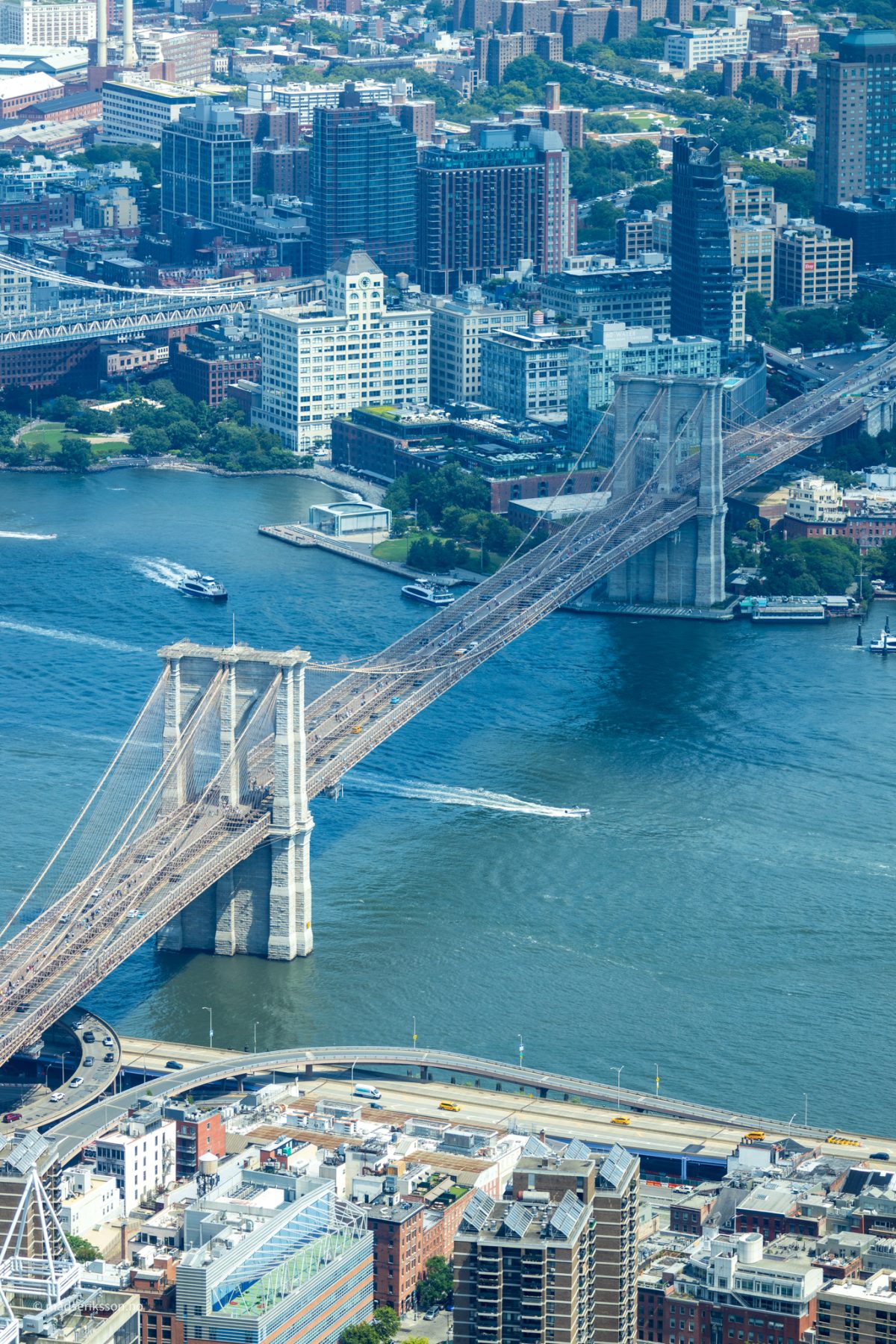
The Brooklyn Bridge opened in 1883 and was the first fixed crossing of the East River. A pedestrian walkway runs above the traffic between the granite towers, and walking across is the classic way to reach Brooklyn.
The wet wooden walkway of the Brooklyn Bridge leading towards its stone Gothic tower under storm clouds
The High Line
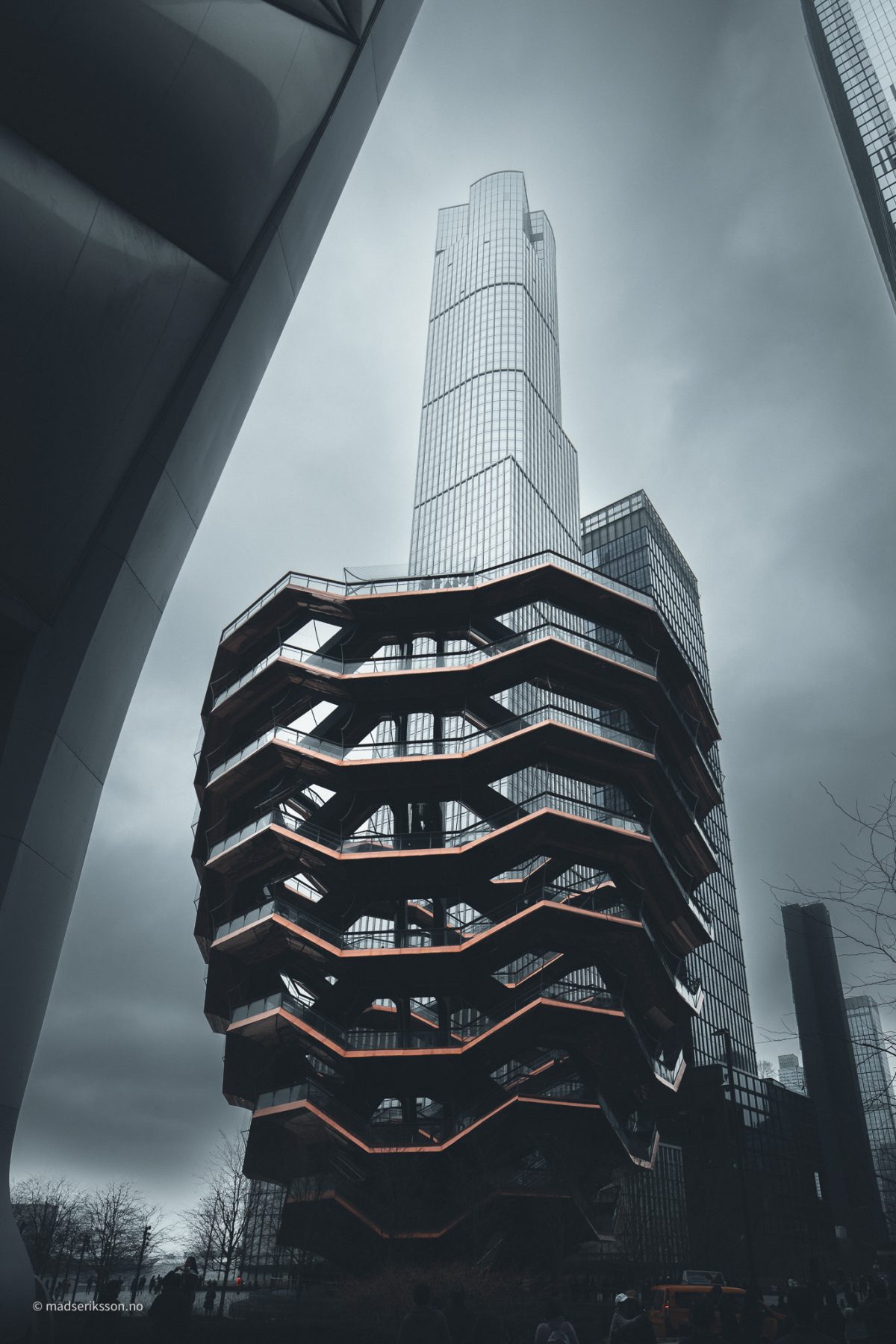
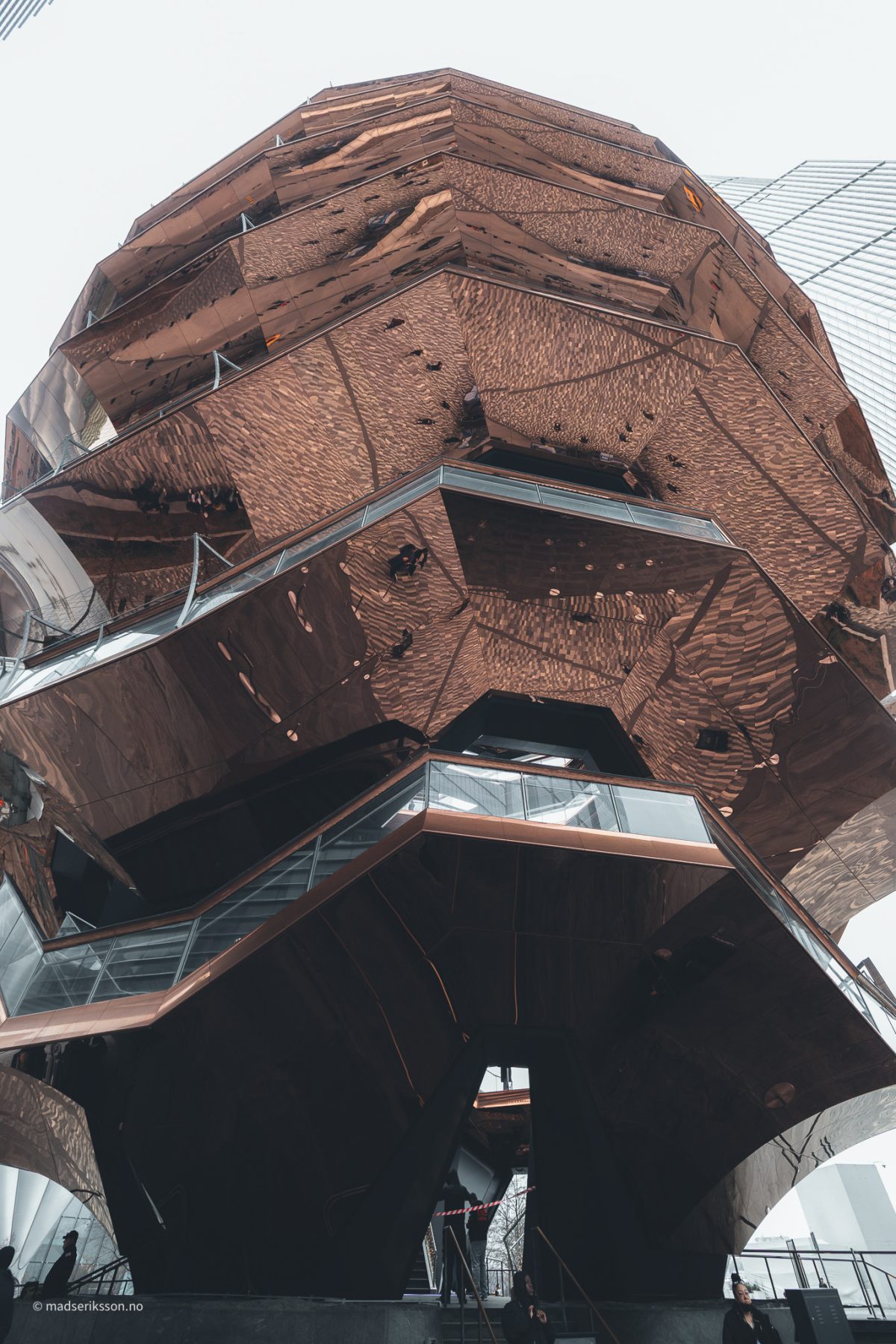
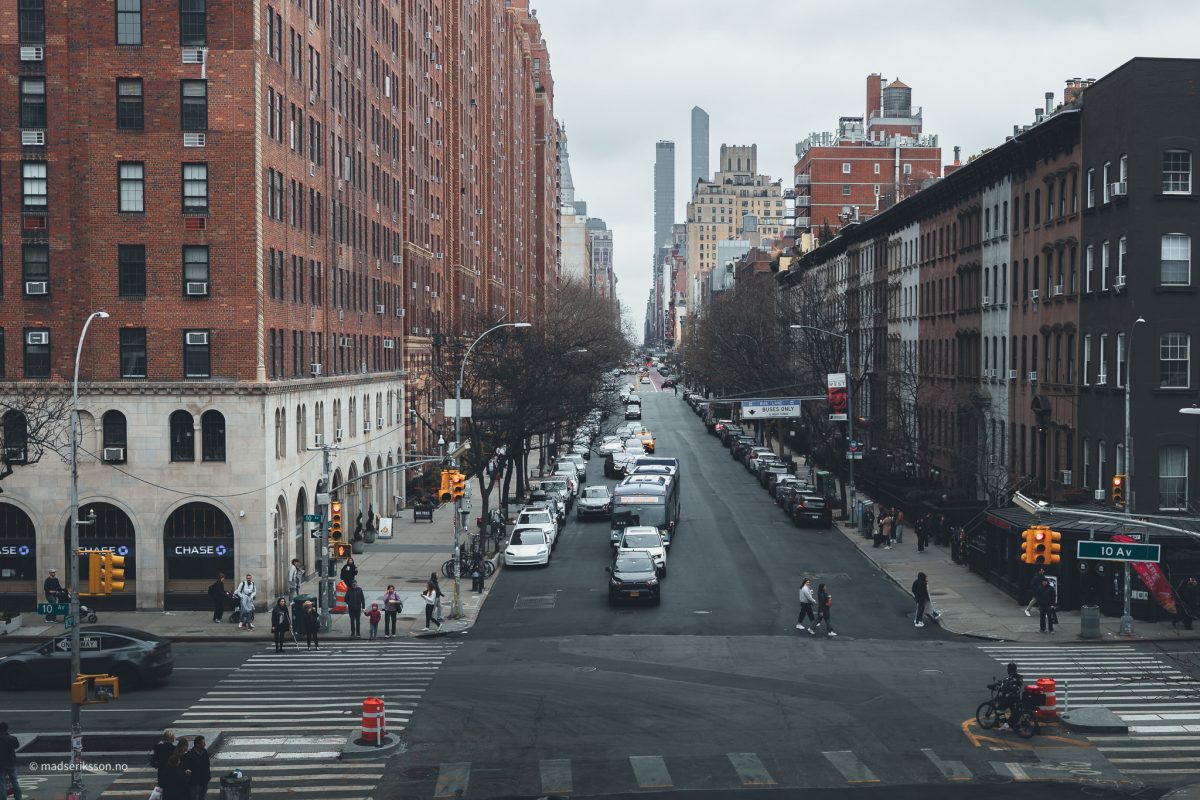
The High Line is a park built on an old elevated freight railway. It runs about 2.3 km along the west side of Manhattan, from the Meatpacking District through Chelsea to Hudson Yards, drawn here in green.
Lower East Side and Chinatown
Below Houston Street the street grid gives way to lower, older blocks. The Lower East Side, long the heart of immigrant New York, is known for its delis and bagel shops, and Chinatown lies just to the west.
Brooklyn and Queens
Across the East River, Brooklyn has its own restaurant scenes. Williamsburg is on this map; Park Slope, Carroll Gardens, Flushing and Jackson Heights lie beyond its edge. After dark, the grid becomes lines of lit windows.
3D model © 2026 madseriksson.no · Photographs © madseriksson.no. Buildings: NYC Building Footprints, NYC OpenData (heights to the roofline; the spires of One World Trade Center and the Empire State Building are added to match their official heights). Coastline: NYC Department of City Planning. Ground imagery: Sentinel-2 cloudless 2016 by EOX IT Services GmbH (CC BY 4.0). High Line route: OpenStreetMap contributors (ODbL). The Statue of Liberty and the Brooklyn Bridge are simplified models; sun positions are approximate.
New York was founded in 1624 as New Amsterdam, a Dutch trading post at the southern tip of Manhattan island. The British took it in 1664, renamed it New York, and the city began the long accumulation that would make it the largest and most economically powerful city in the world. By the early 20th century it was already the greatest port, the greatest financial centre, and the greatest destination for immigrants in the Western hemisphere. Between 1892 and 1954, more than twelve million people passed through the processing station at Ellis Island, in the harbour below the Statue of Liberty, on their way to becoming Americans. The city they arrived in was being built upward at a pace no city had ever achieved — the Flatiron Building in 1902, the Chrysler Building in 1930, the Empire State Building in 1931. The skyline that resulted is the most recognisable in the world.
Today New York comprises five boroughs — Manhattan, Brooklyn, Queens, the Bronx and Staten Island — with a city population of around 8.3 million and a metropolitan area of over 20 million. Manhattan is the island most visitors know, and it delivers: the density of things to see, eat, hear and do within its 59 square kilometres is without parallel. But the city is larger than its most famous borough, and some of its most interesting neighbourhoods — Williamsburg, Park Slope, Astoria, Jackson Heights — lie across the bridges and tunnels in the outer boroughs, where the city is louder, cheaper and considerably less arranged for tourism.
How to approach New York
This guide covers four aspects of New York: the iconic Manhattan landmarks and public spaces; the waterfront, the bridges and the parks; the museum culture that makes New York one of the world’s great cultural capitals; and the food scene — from the corner slice of pizza to the neighbourhood delis, Brooklyn’s restaurant rows and the culinary ambition of a city that holds more Michelin stars than any other in the United States. New York is best approached without a fixed itinerary and with comfortable shoes. Walk more than you plan to. The best discoveries are always between the listed destinations.
Manhattan — The Island That Invented the Skyline
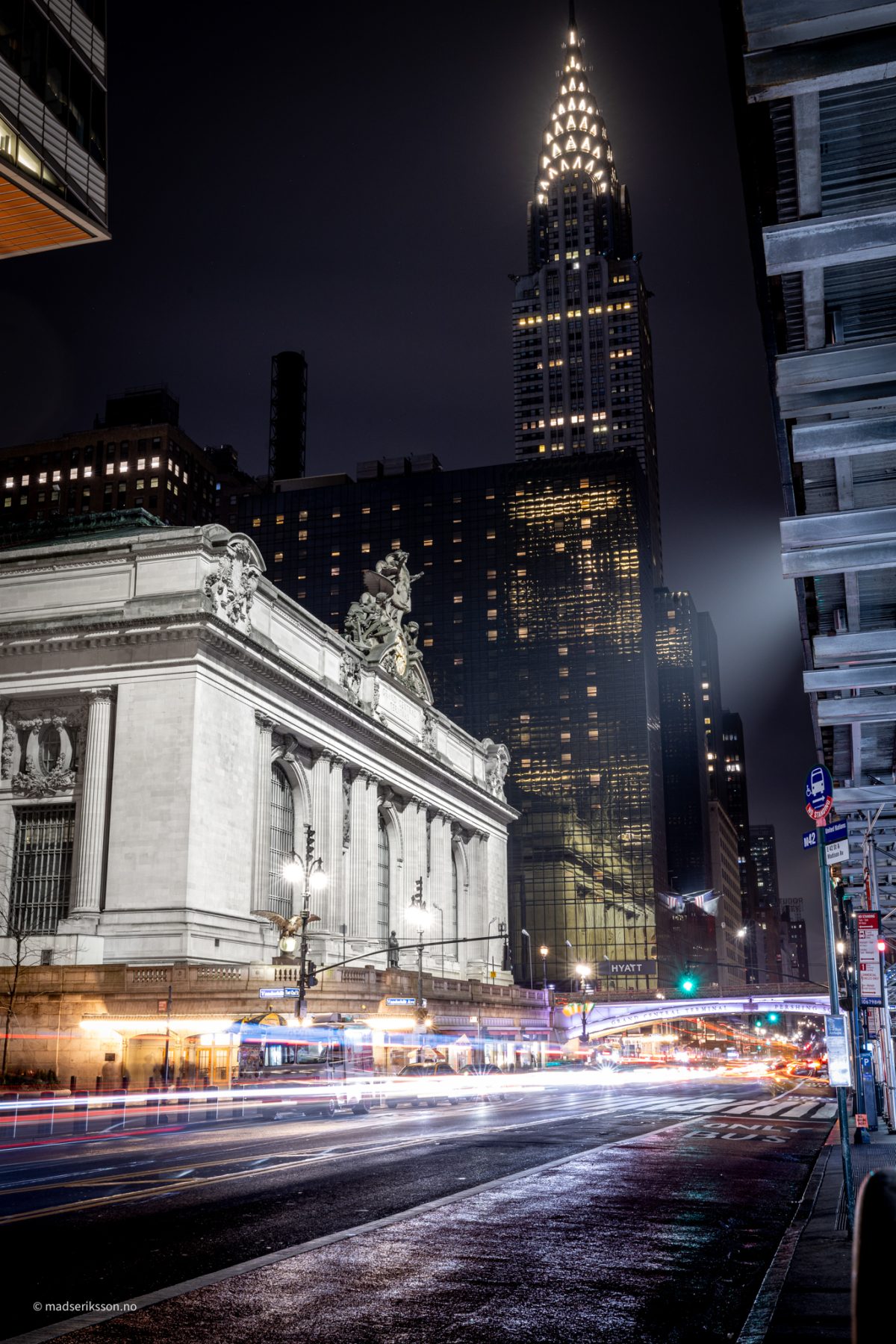
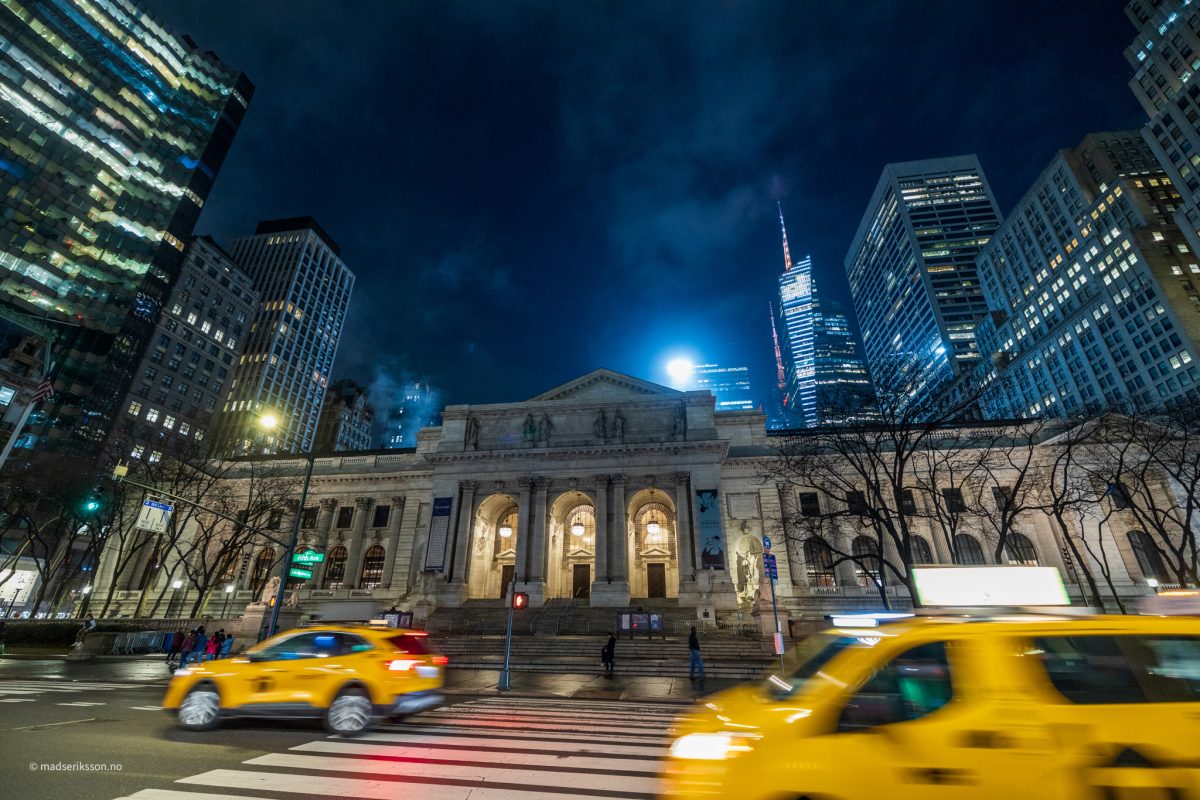
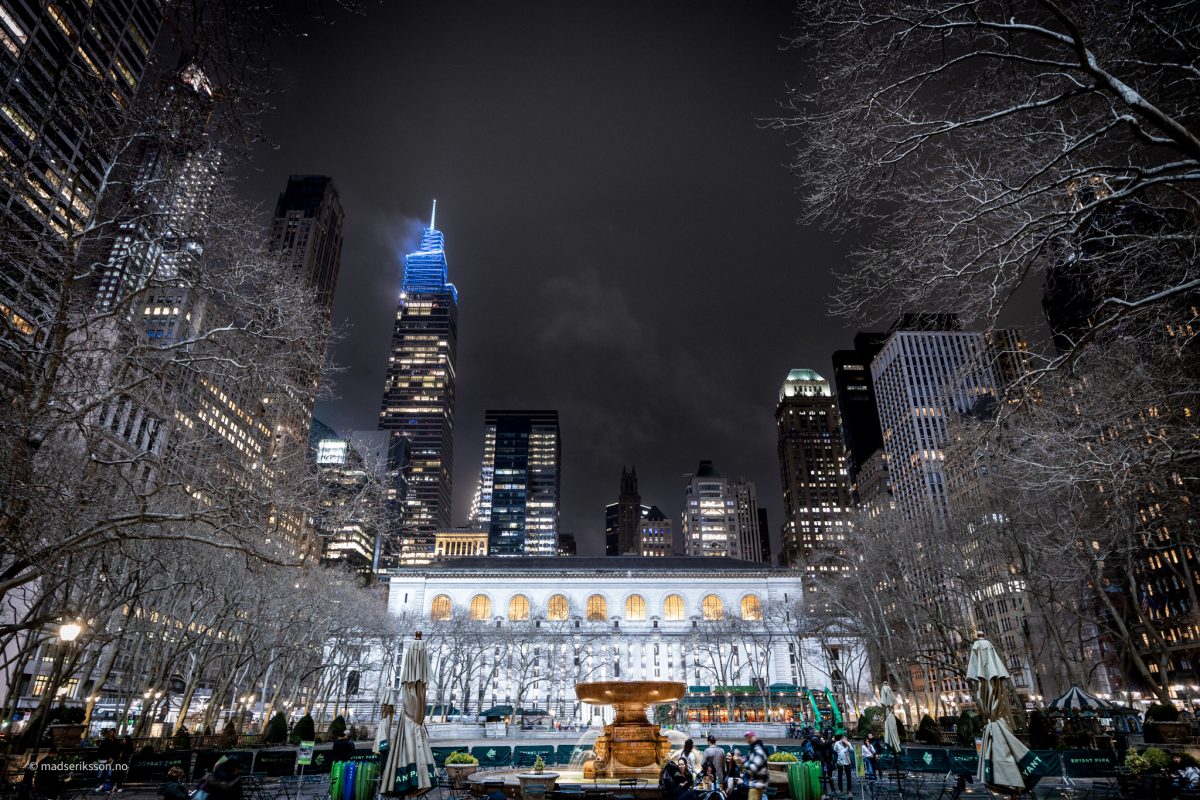
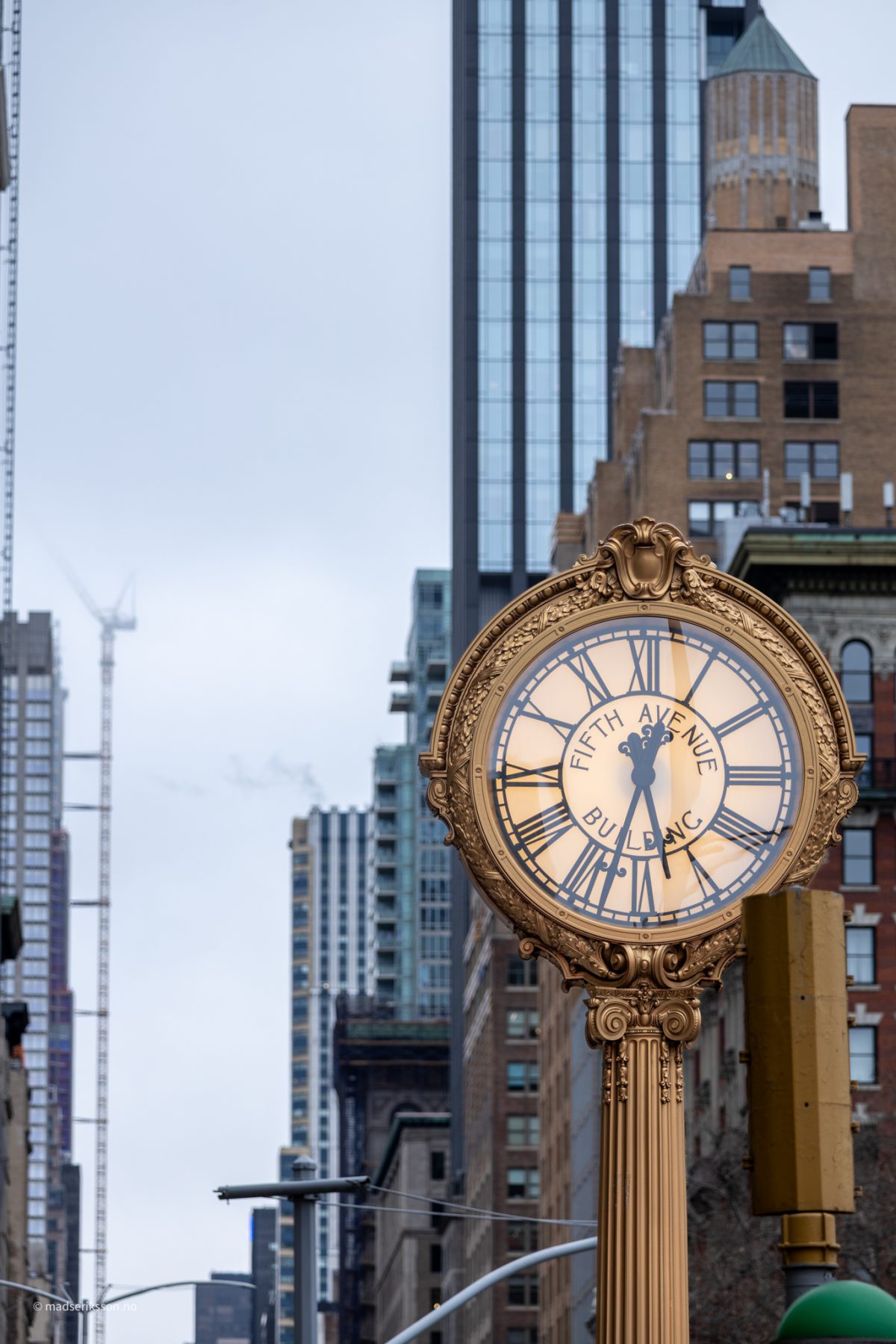
Midtown Manhattan contains the greatest concentration of skyscrapers in the world — and Central Park, directly above it, contains 341 hectares of green
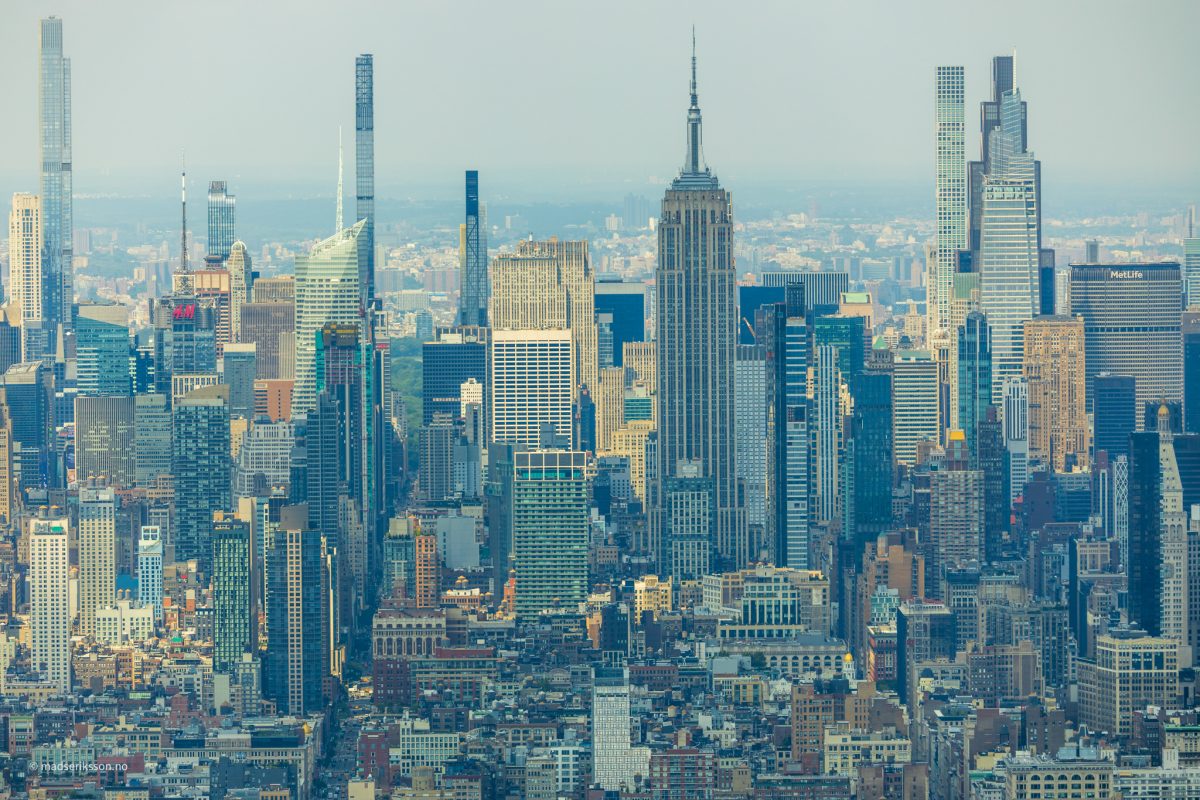
The Empire State Building rises 443 metres above Midtown Manhattan and was, for 40 years, the tallest building in the world. It was built in 410 days — a construction pace that has never been matched for a building of comparable scale — and opened in April 1931 during the depths of the Great Depression. Its 86th-floor observation deck is one of the most visited viewpoints in the world, and the view from it explains Manhattan instantly: the island laid out north and south, the grid unwavering, the rivers on both sides, and the other boroughs stretching away beyond the bridges. The building’s Art Deco crown — lit in varying colours for public occasions — is visible from as far as 130 kilometres on a clear night.
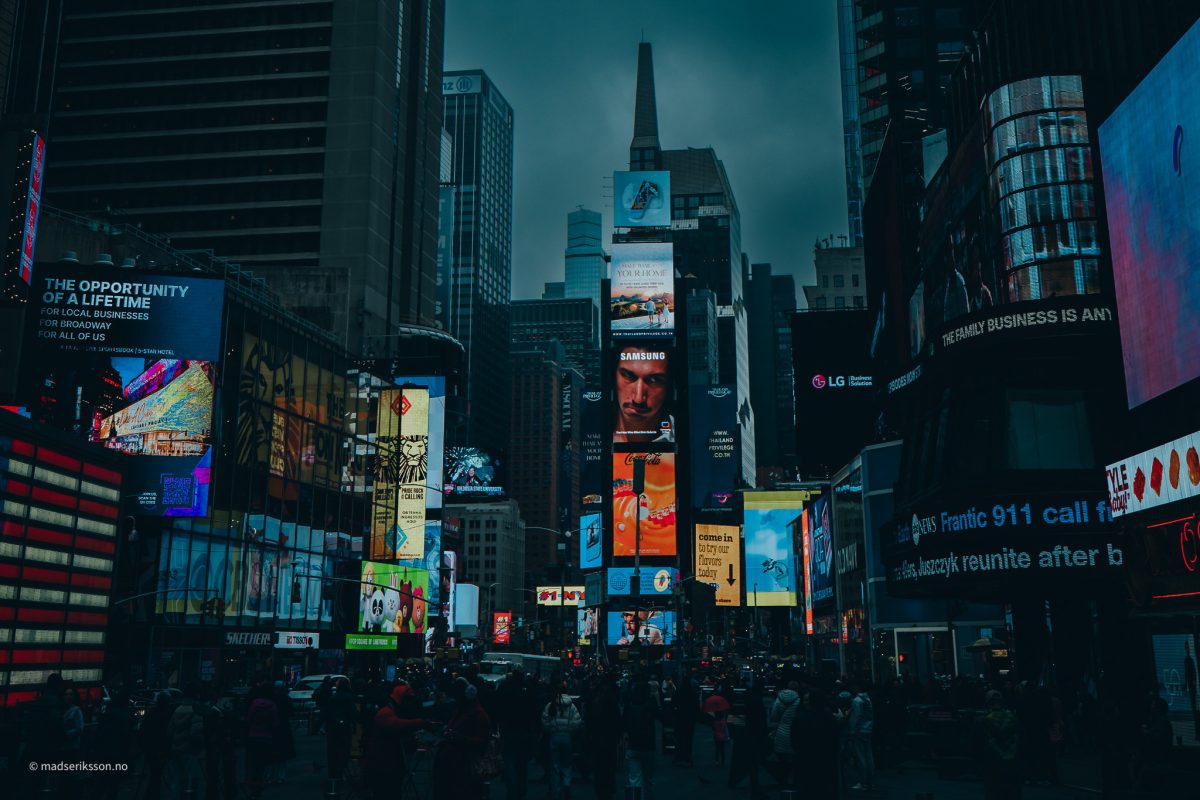
Times Square, where Broadway crosses Seventh Avenue at 42nd Street, is one of the busiest pedestrian intersections on Earth, receiving approximately 380,000 people daily and 50 million a year. The electronic billboards that cover every surface are technically mandatory — city zoning requires illuminated signs in the district — and the result is a light environment unlike anything else in the world. Times Square divides opinion sharply. It is genuinely overwhelming, relentlessly commercial, and at the same time one of a handful of places that look exactly as spectacular in person as they do in photographs. The Theatre District that surrounds it contains over 40 major Broadway houses, making New York the world capital of commercial theatre.
The Empire State Building was built in 410 days. In the same period, the Great Depression was deepening and 3,400 workers were on site every day. The building opened ahead of schedule and under budget.
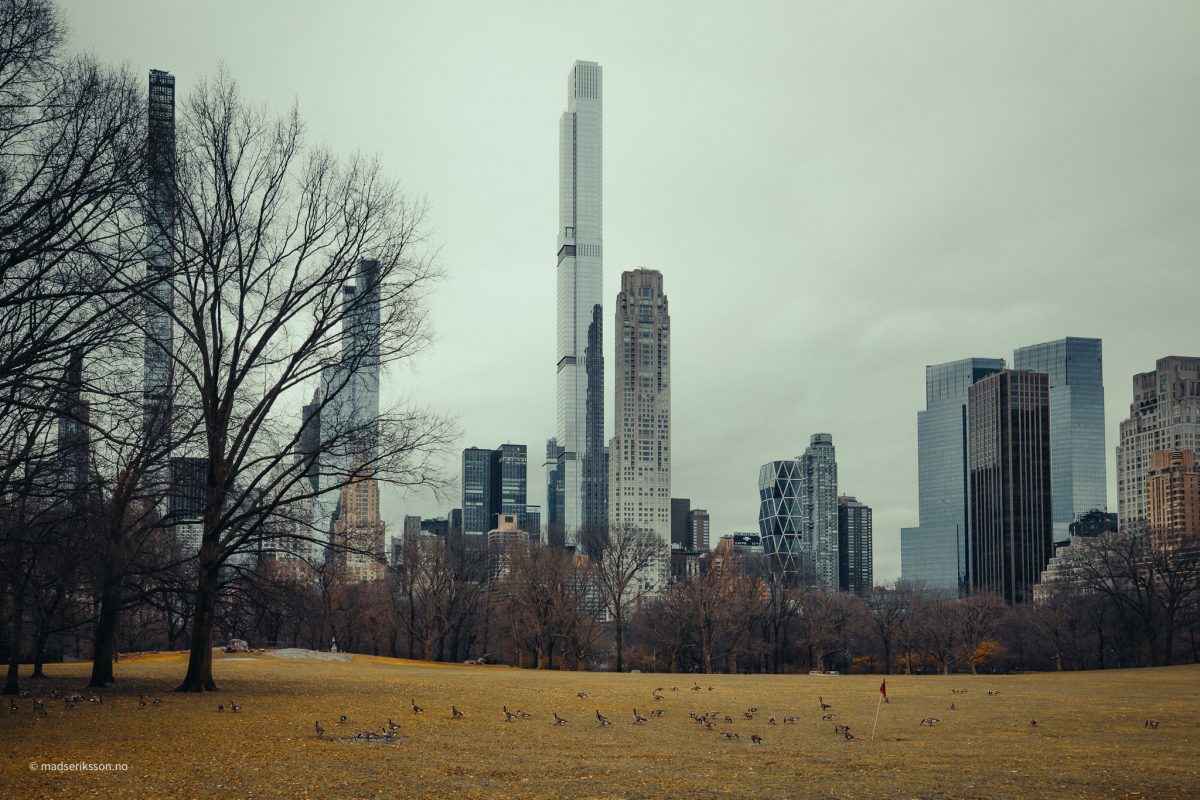
Central Park occupies a rectangle of 341 hectares running from 59th to 110th Street in the middle of Manhattan — a green space that Frederick Law Olmsted and Calvert Vaux designed in 1858 to give the city’s residents access to landscape that the grid otherwise denied them. Today it contains lakes, forests, meadows, a reservoir, an ice rink, a zoo, multiple museums on its perimeter, and a programme of free concerts and public events. The park changes character with the seasons in a way that repays repeated visits: in winter it is spare and brown and very quiet; in autumn, the rows of American elms that line the Mall turn gold; in spring, the cherry trees around the Reservoir bloom with the same brief intensity as anything in Kyoto. Rockefeller Center, two blocks south of the park’s southeast corner, contains the Top of the Rock observation deck — a view many prefer to the Empire State for the fact that it includes the Empire State, looking exactly as it should, in the foreground.
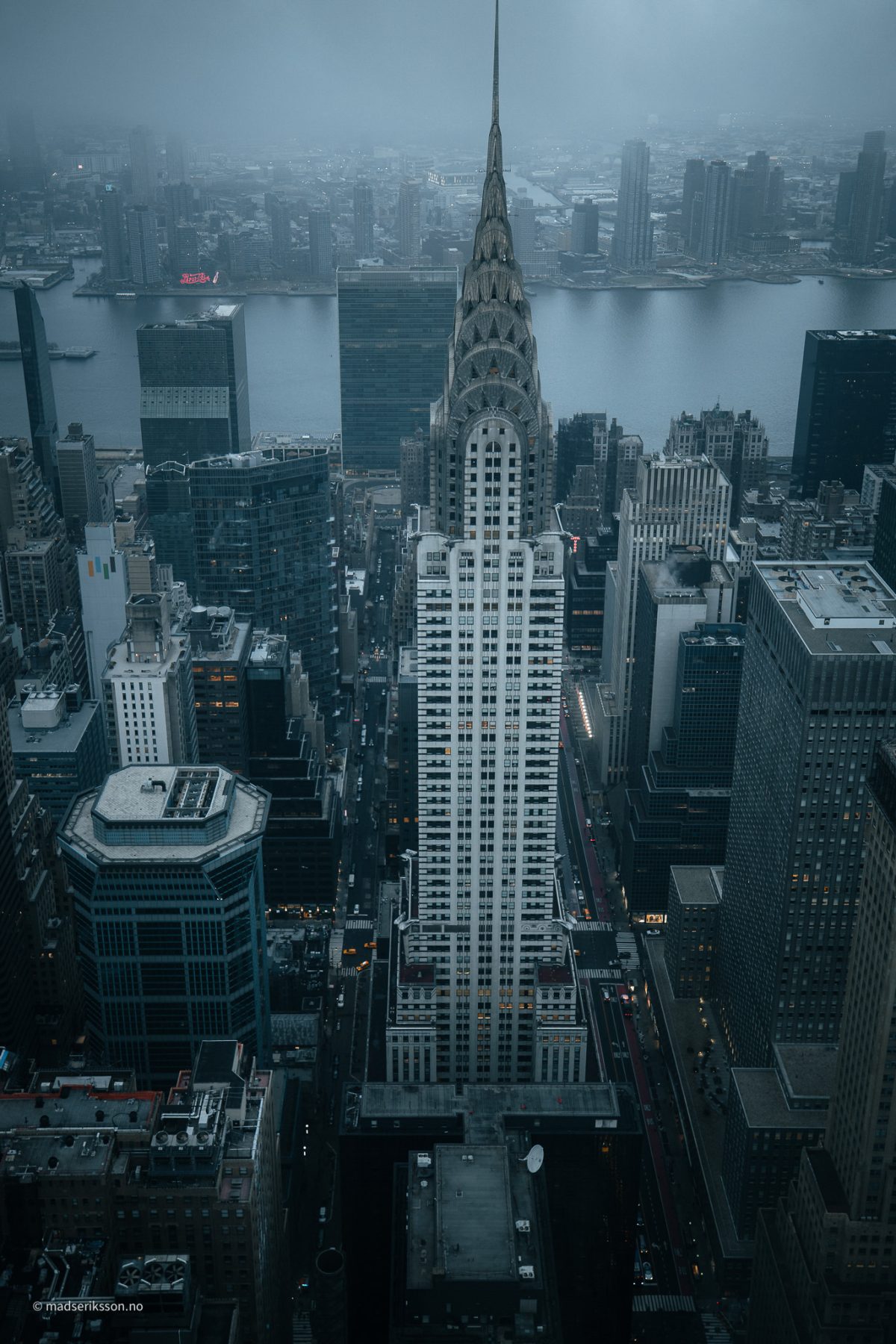
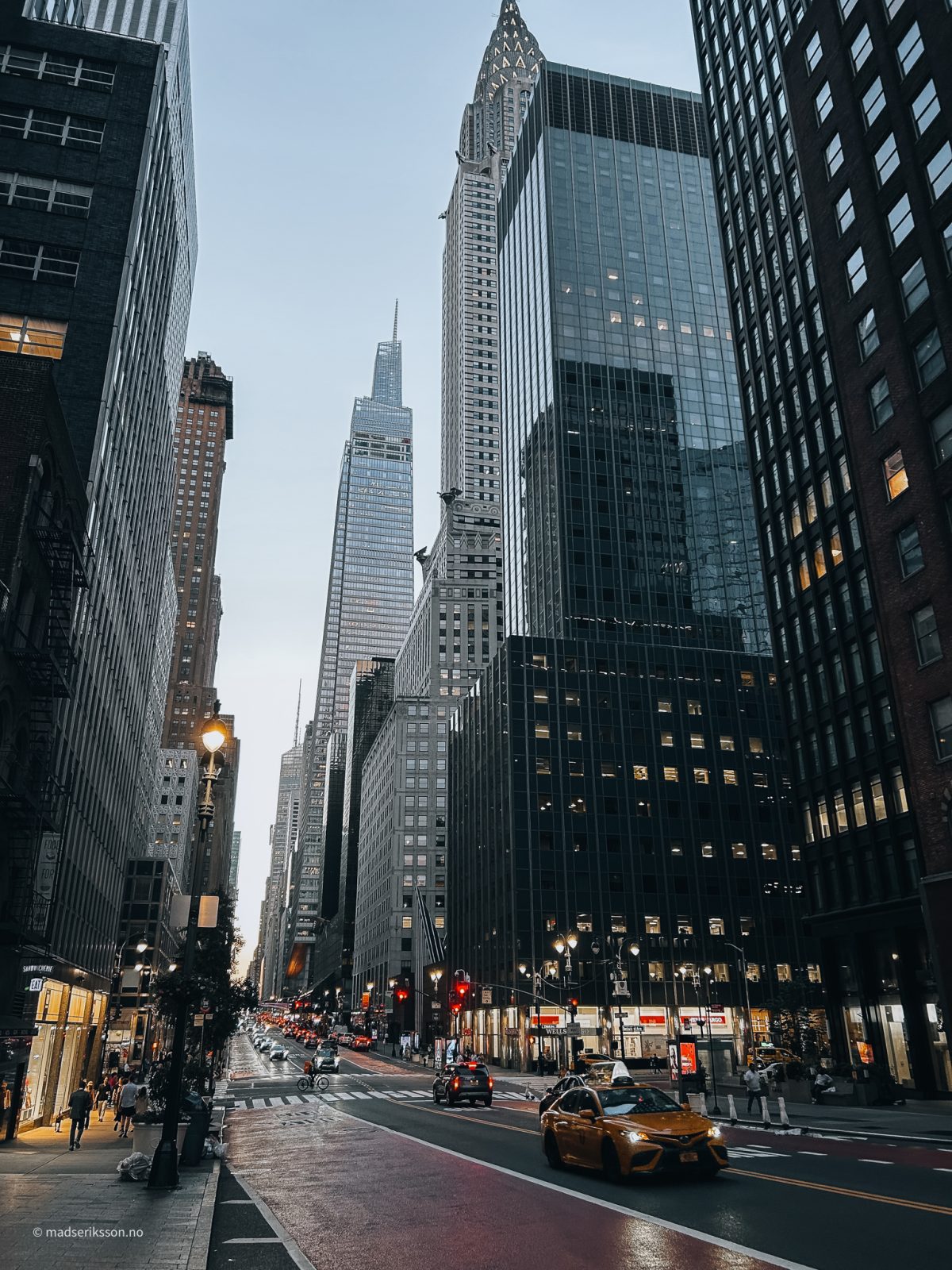
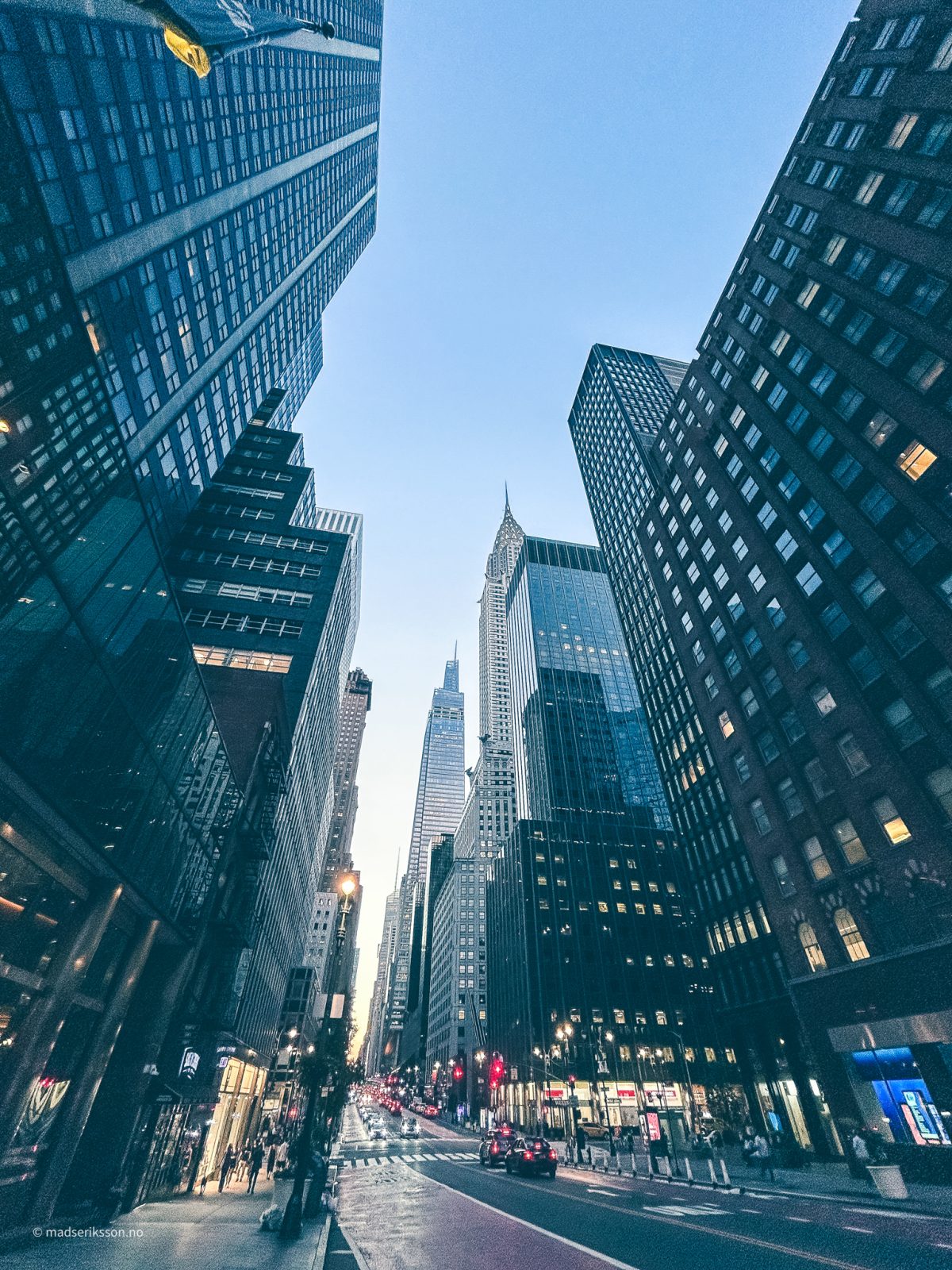
The Waterfront — Bridges, Parks and the Harbour
New York is a city of water — surrounded by the Hudson, the East River and the Upper Bay, and shaped by them at every turn
The Brooklyn Bridge was completed in 1883 and was, at the time, the longest suspension bridge in the world — a feat so far beyond the engineering norms of the period that many engineers declared it impossible before it was built. The chief engineer, John Roebling, died from an injury sustained during the survey; his son Washington took over and was then disabled by decompression sickness from working in the caissons below the East River. Washington’s wife Emily Roebling managed the project through its final years and was the first person to cross the completed bridge. Walking across it takes about 20 minutes and gives an unobstructed view of Lower Manhattan’s skyline from the water — the best free view in the city.
The Statue of Liberty stands in New York Harbor on Liberty Island, 93 metres tall including its pedestal. A gift from France to the United States, designed by sculptor Frédéric Auguste Bartholdi with a skeletal iron framework engineered by Gustave Eiffel, it was dedicated in October 1886. The ferry from Battery Park in Lower Manhattan passes Ellis Island and takes approximately 15 minutes. Access to the pedestal and crown requires advance booking and sells out far ahead in peak season. The view from the crown — 25 windows, 354 steps above the base — is one of the most sought-after perspectives in New York.
The Brooklyn Bridge took 14 years to build and killed 27 workers. On opening day, a rumour spread that it was about to collapse — and 12 people were trampled to death in the resulting panic.
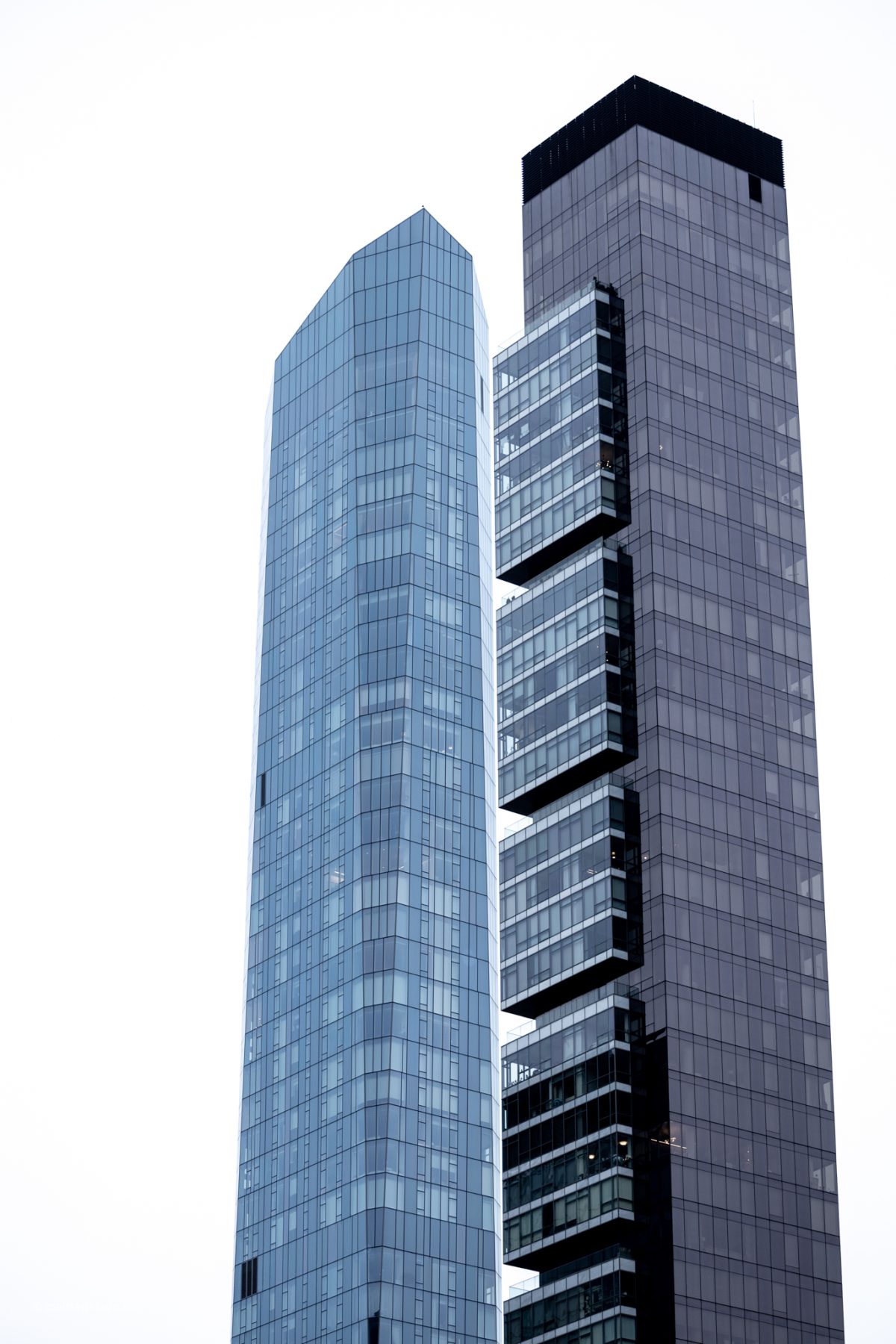
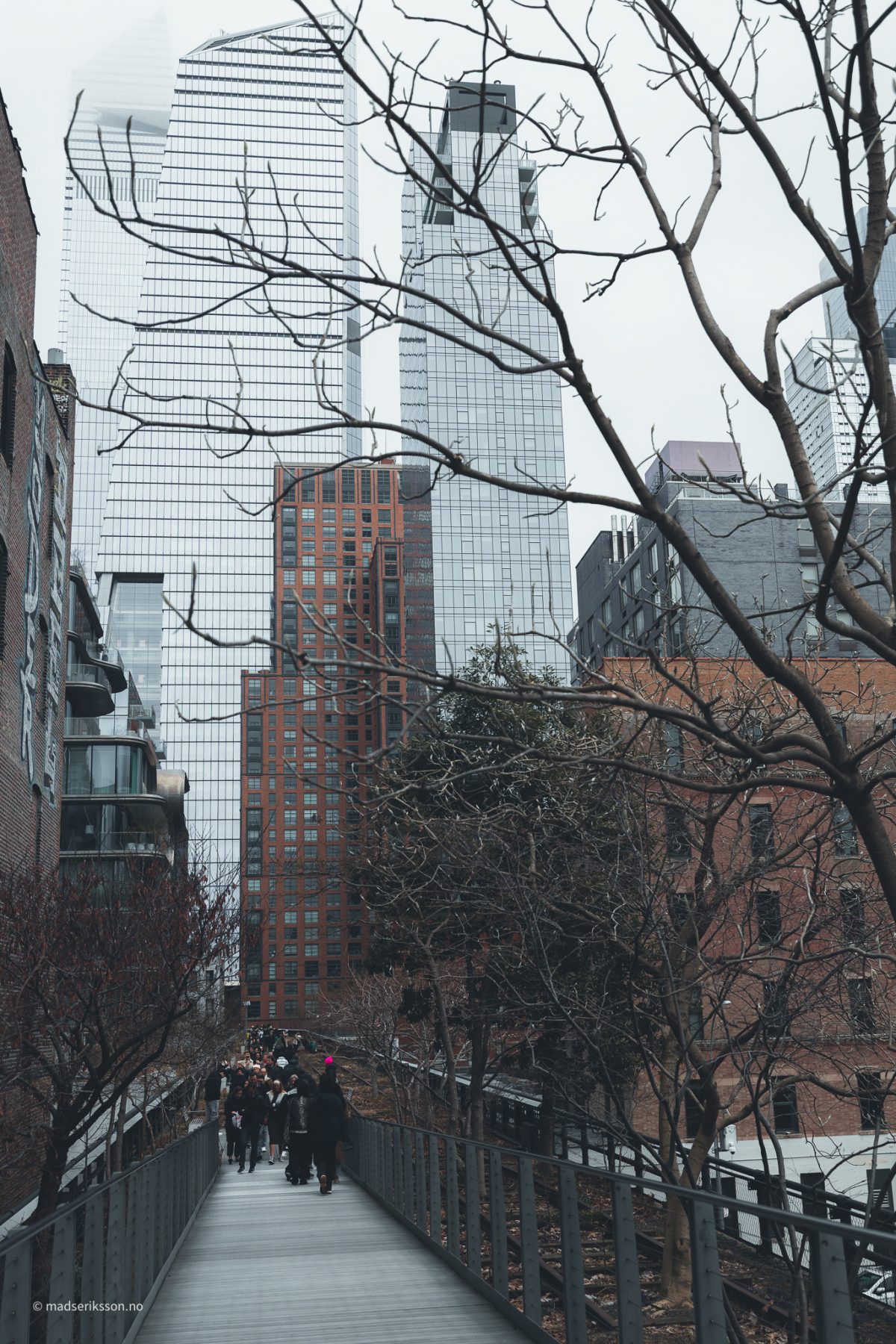
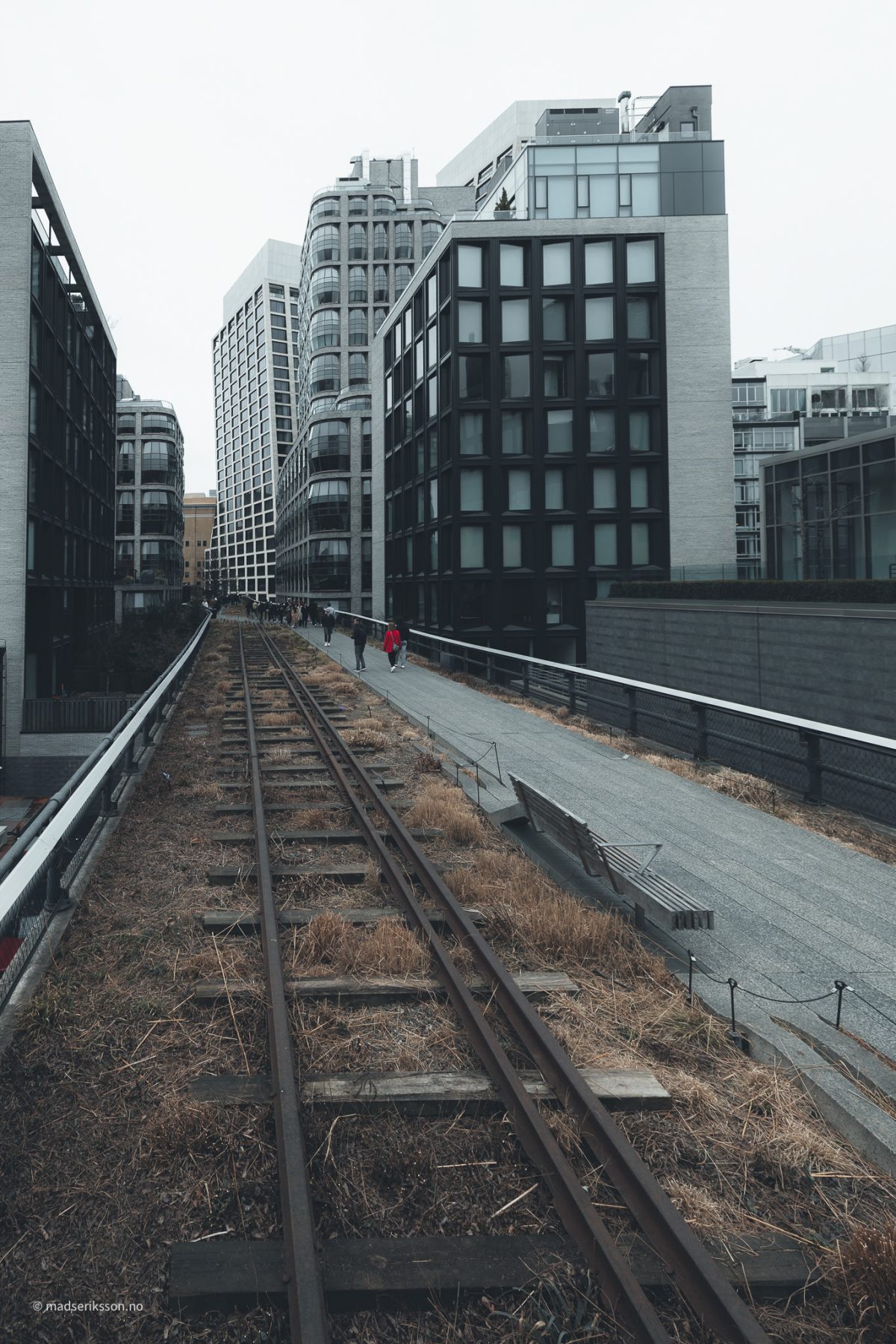
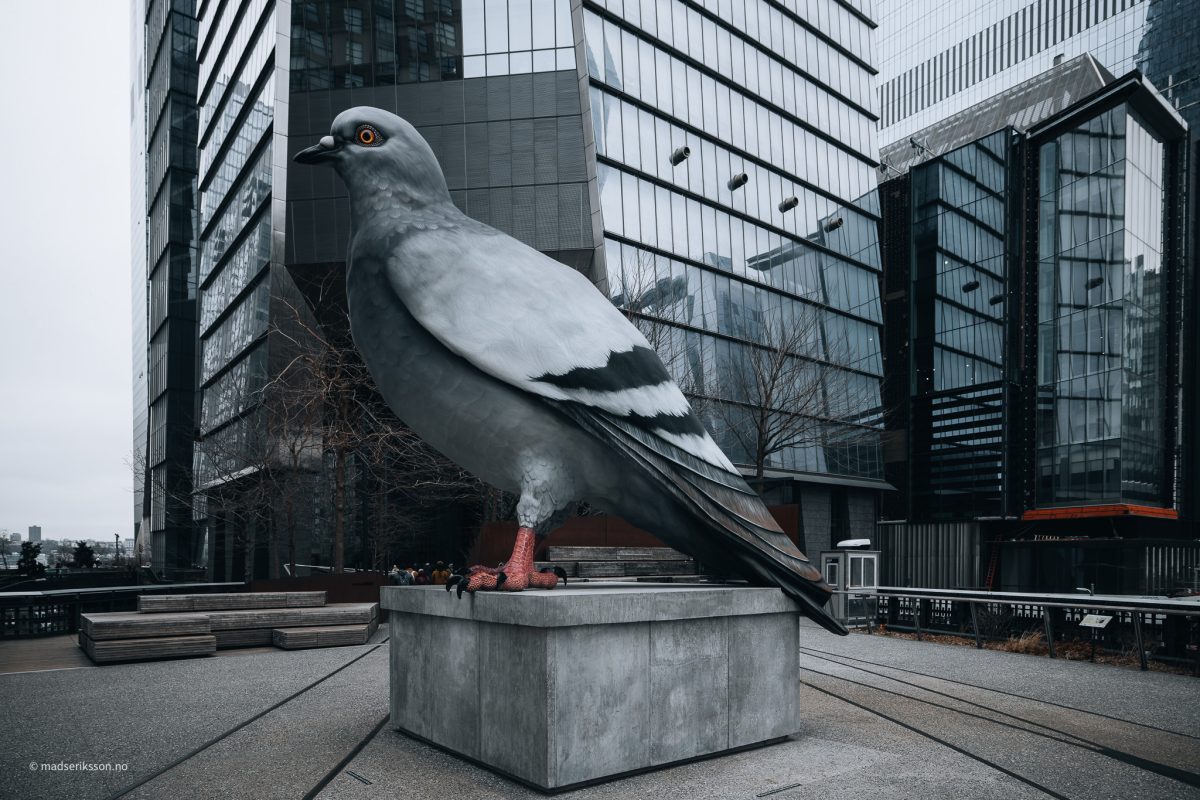
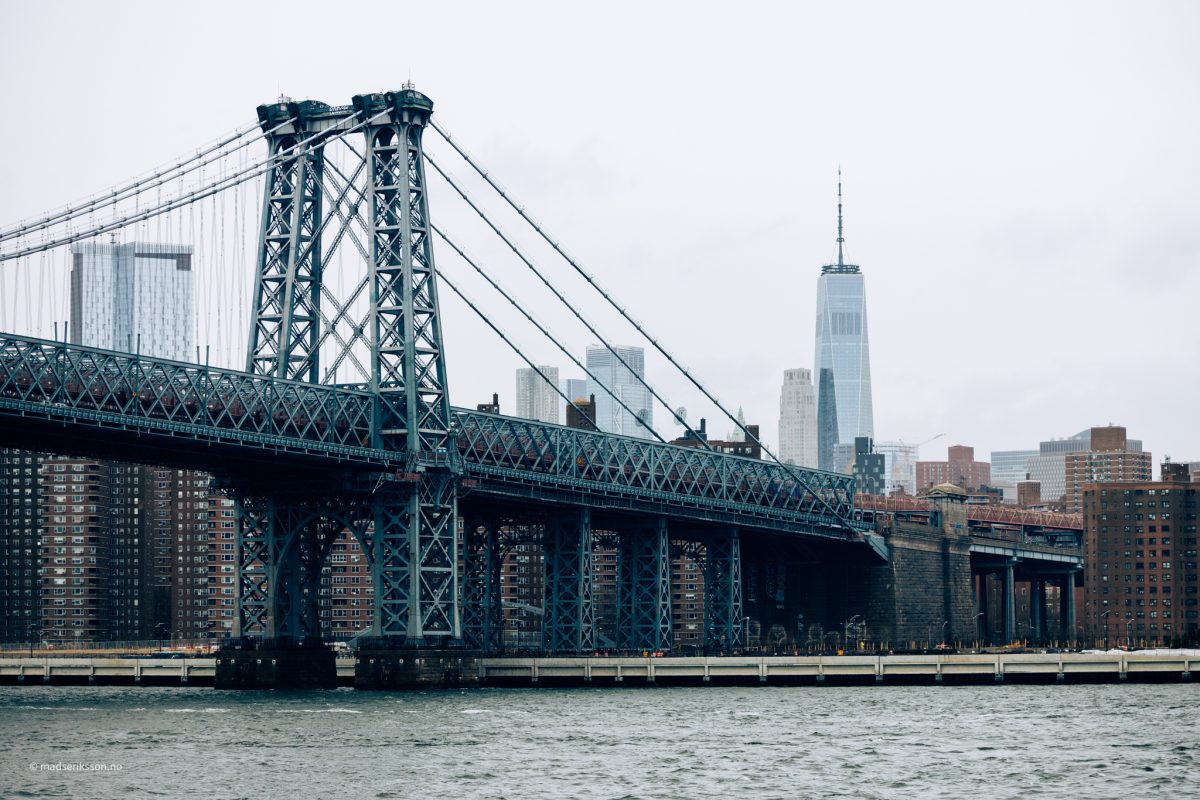
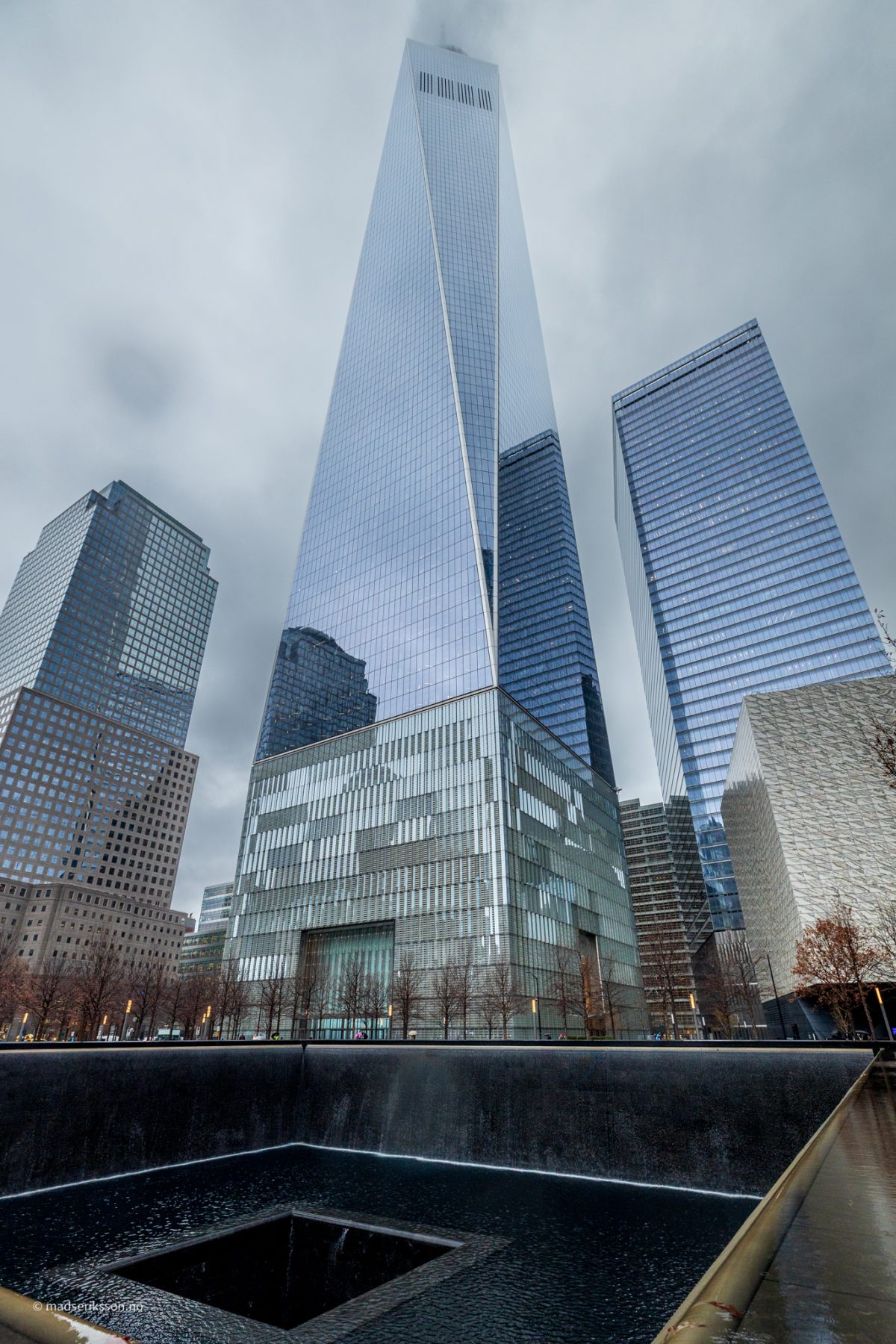
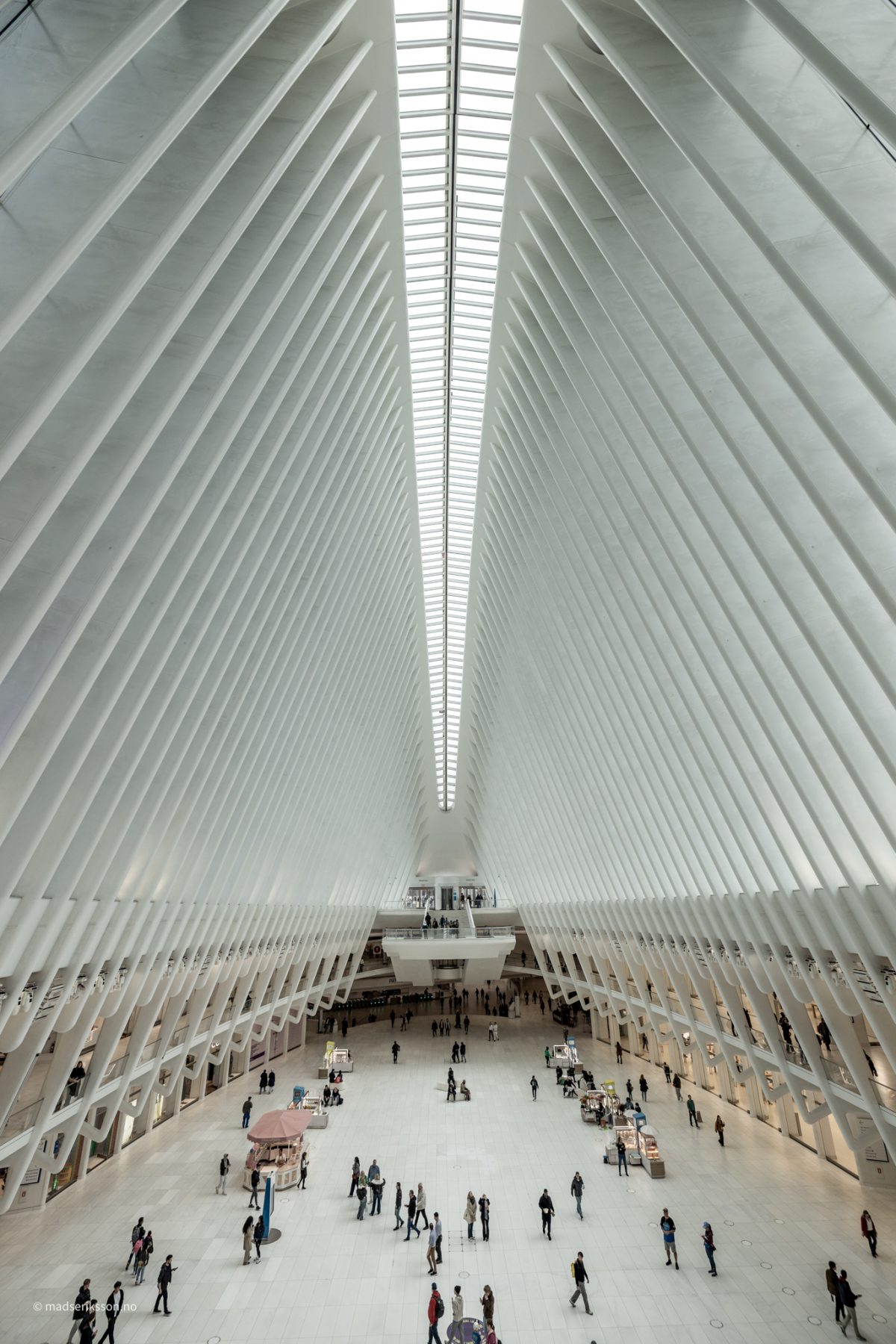
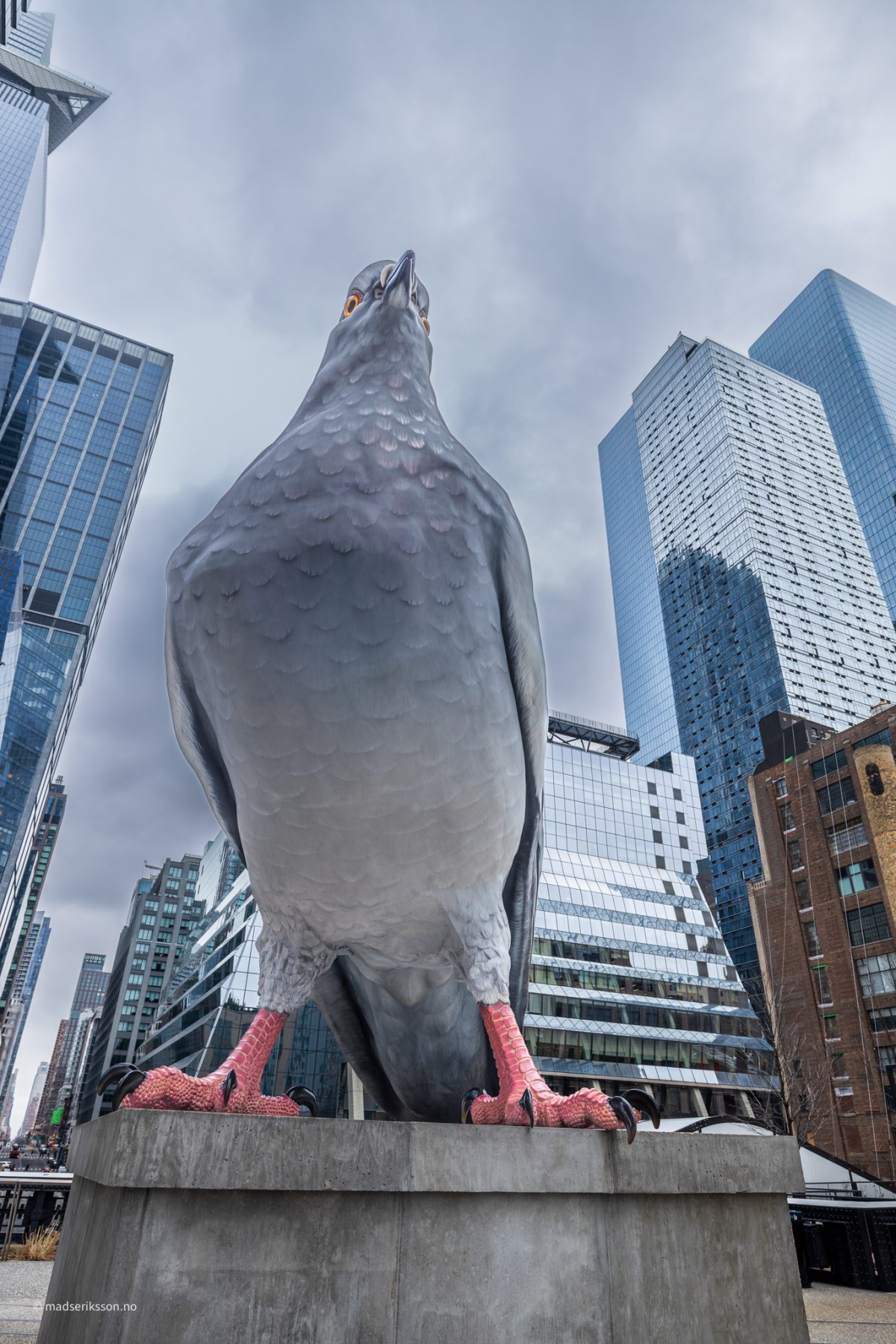
The High Line is an elevated park built on a disused freight railway line on the west side of Manhattan, running 2.3 kilometres from the Meatpacking District through Chelsea to Hudson Yards. Opened in 2009, it passes at second-storey height through the middle of a neighbourhood that has been transformed around it: galleries, restaurants, hotels and the Hudson Yards development below 34th Street have followed the park’s path. The planting design, by Piet Oudolf, is exceptional — wild-looking grasses and perennials that change through the seasons and maintain the railway’s industrial character. One World Trade Center, in Lower Manhattan, opened in 2014 on the site of the World Trade Center destroyed in the attacks of September 2001. At 541 metres it is the tallest building in the Western hemisphere. The 9/11 Memorial below — two reflecting pools set in the footprints of the original towers, with the names of the 2,977 victims inscribed in bronze around their edges — is one of the most moving public memorials in the world.
The Museums — Two Million Objects and a Frank Lloyd Wright
New York’s museum culture is among the richest in the world — concentrated on Museum Mile along Fifth Avenue, and scattered across every borough
The Metropolitan Museum of Art — the Met — is the largest art museum in the United States and one of the largest in the world, with a permanent collection of over two million objects spanning 5,000 years across 19 curatorial departments. Egyptian art, Greek and Roman sculpture, European painting from Giotto to Cézanne, Islamic decorative arts, American furniture, arms and armour, musical instruments, photography — the breadth is so extraordinary that a useful strategy is to choose two or three departments and see them properly rather than attempting a survey. The Met’s Fifth Avenue building, opened in 1872 and expanded repeatedly since, covers four city blocks. Its rooftop garden — open seasonally with commissioned contemporary installations — has one of the best views over Central Park in the city.
The Museum of Modern Art — MoMA — was founded in 1929 and holds the defining collection of modern and contemporary art in the world: van Gogh’s The Starry Night, Picasso’s Les Demoiselles d’Avignon, Monet’s Water Lilies, Warhol’s Gold Marilyn Monroe, Pollock’s One: Number 31. The permanent collection fills six floors of the Midtown building; temporary exhibitions consistently draw the most ambitious shows in contemporary art. Advance booking for timed entry is recommended, particularly on weekends and during major exhibitions.
The Guggenheim is a building that people go to see before they know what is inside it. Frank Lloyd Wright spent 16 years designing it. It was his last major project, and he died six months before it opened.
The Solomon R. Guggenheim Museum, designed by Frank Lloyd Wright and opened in 1959, is one of the most celebrated buildings of the 20th century — a continuous spiral ramp descending from skylight to ground level, with the collection displayed along the curve. Wright’s relationship with the site and commission was troubled from the beginning; he considered the urban context unworthy of the building and quarrelled with the museum’s founding director for years. The result is a building that rewards time inside it regardless of what is on the walls. On Museum Mile, further north, the American Museum of Natural History occupies a large block on the western edge of Central Park and contains the most extensive natural history collection in the world — including the Rose Center for Earth and Space, a sphere 26 metres in diameter suspended inside a glass cube, visible from Central Park West at night.
New York Food — The Slice, the Bagel and Everything Else
New York has more Michelin-starred restaurants than any other city in the United States — and the best cheap food on the planet
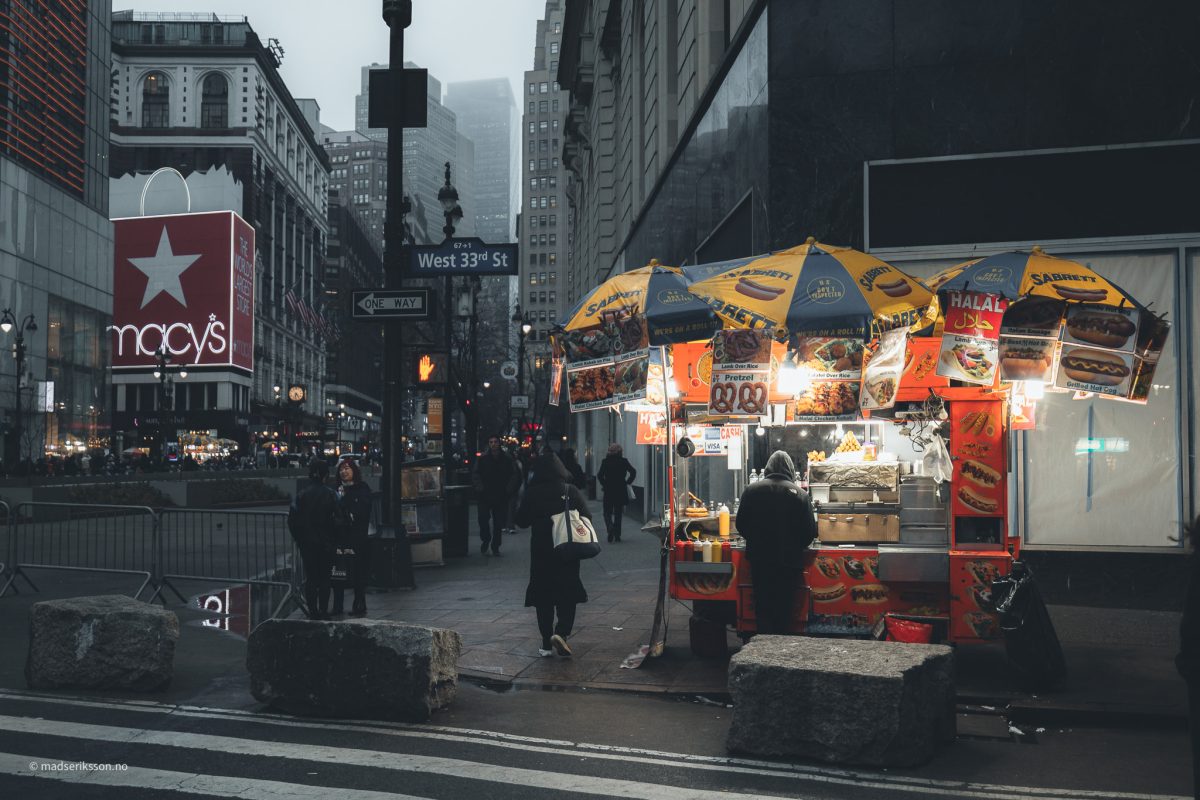
The New York pizza slice — a large, foldable triangle of thin-crust pizza with a crisp-bottomed base, sold from behind a glass counter at establishments that have often been operating in the same location for decades — is one of the great street foods of the world. The best places operate on high turnover: fresh pies in the oven constantly, slices reheated in the deck oven until the cheese is properly melted, sold for two or three dollars to be eaten standing at the counter or walking. The debate over which pizzeria is finest has been conducted in New York with the intensity normally reserved for politics for over a hundred years. It is unresolvable and completely beside the point: the floor is high enough that almost any slice from a proper New York pizzeria is excellent.
The New York bagel — boiled before baking, which gives it a chew and a crust that oven-only bagels never achieve — is a direct inheritance from Eastern European Jewish immigrants who arrived in the late 19th and early 20th centuries, and the Lower East Side neighbourhood where many settled remains one of the best places to understand New York’s immigrant food culture. Katz’s Delicatessen, on East Houston Street since 1888, has been serving hand-carved pastrami and corned beef on rye for over 130 years. The menu has not changed significantly. The pastrami is cured for weeks, steamed daily, and served in slices so thick and numerous that the sandwich requires both hands. It is, by the consensus of most people who eat it, one of the finest things in New York.
The New York bagel is boiled before it is baked. This is the reason it is different from every other bagel in the world, and the reason New Yorkers consider all other bagels not to be bagels.
Brooklyn’s restaurant scene — particularly in Williamsburg, Park Slope, and the increasingly dense culinary strip along Smith Street in Carroll Gardens — rivals Manhattan’s in quality and far exceeds it in value and neighbourhood character. The concentration of serious restaurants, wine bars, independent coffee shops and weekend food markets makes Williamsburg worth an afternoon in itself, independent of any museum or monument. Elsewhere: the two Chinatowns (Manhattan’s original and the larger, more complete Flushing neighbourhood in Queens) offer some of the most authentic Chinese regional cooking outside China. Jackson Heights in Queens is one of the most culinarily diverse square miles in the world, with South Asian, Latin American, Tibetan, Nepalese and South-East Asian restaurants within a few blocks of each other. New York contains the world, in food as in almost everything else.
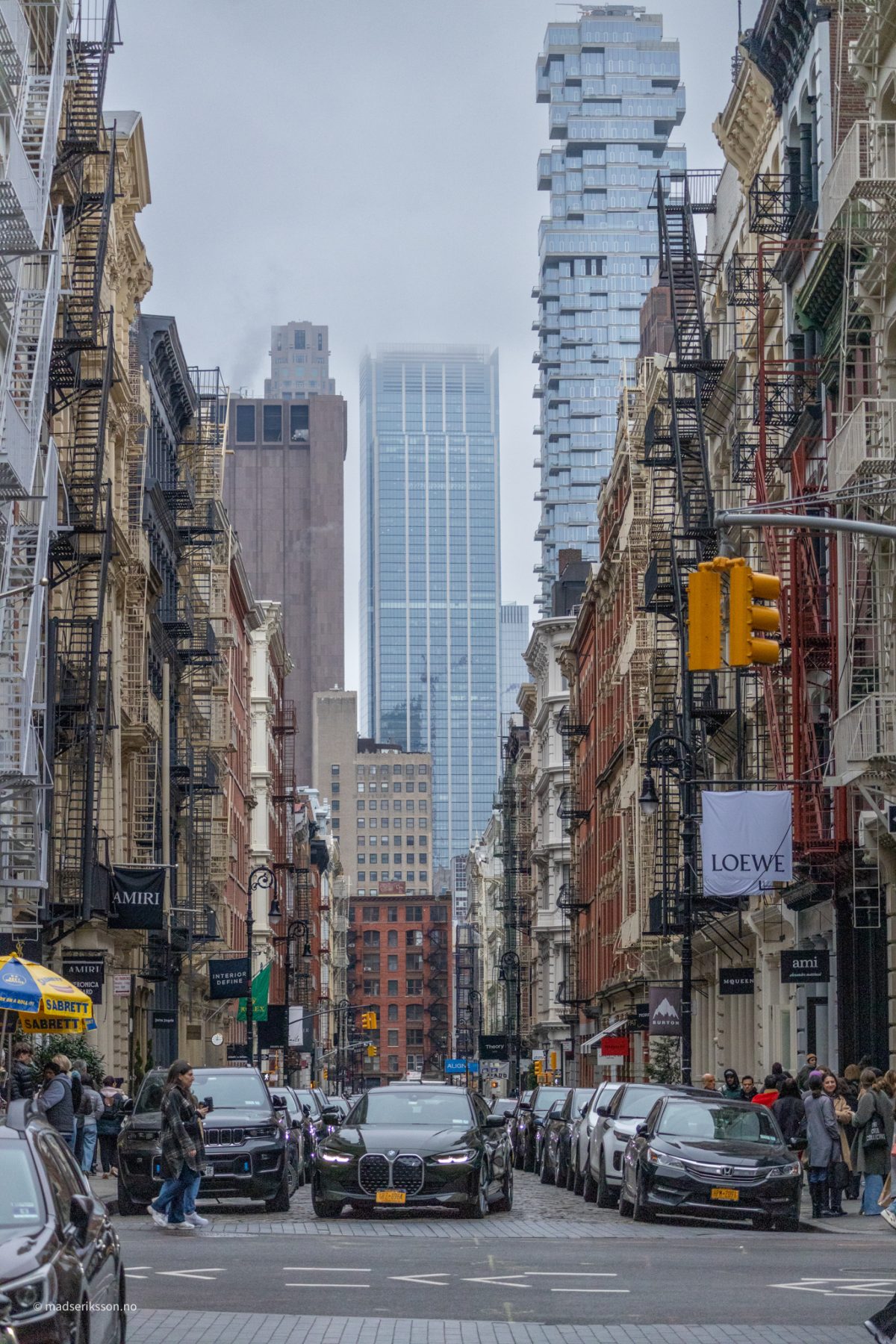
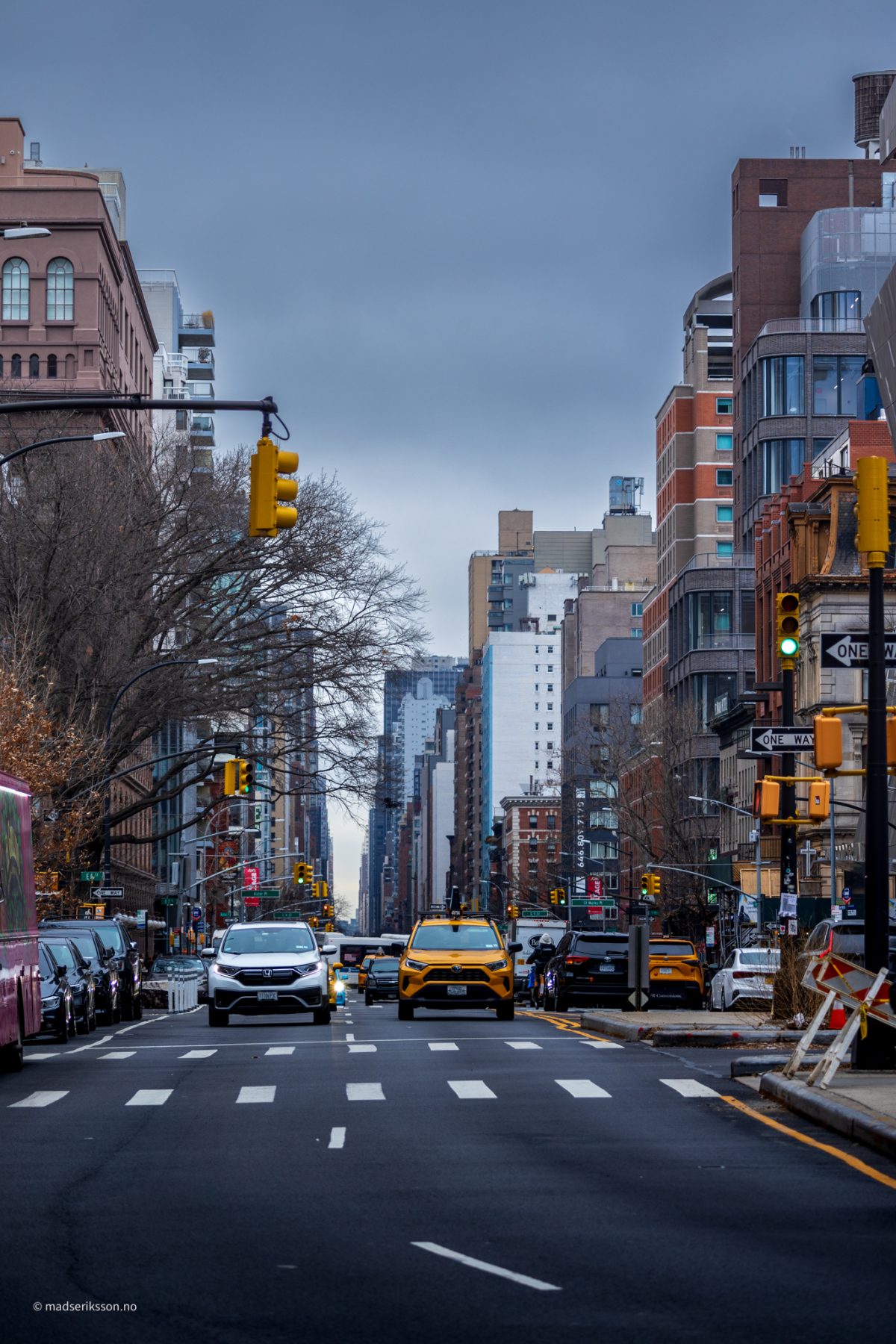
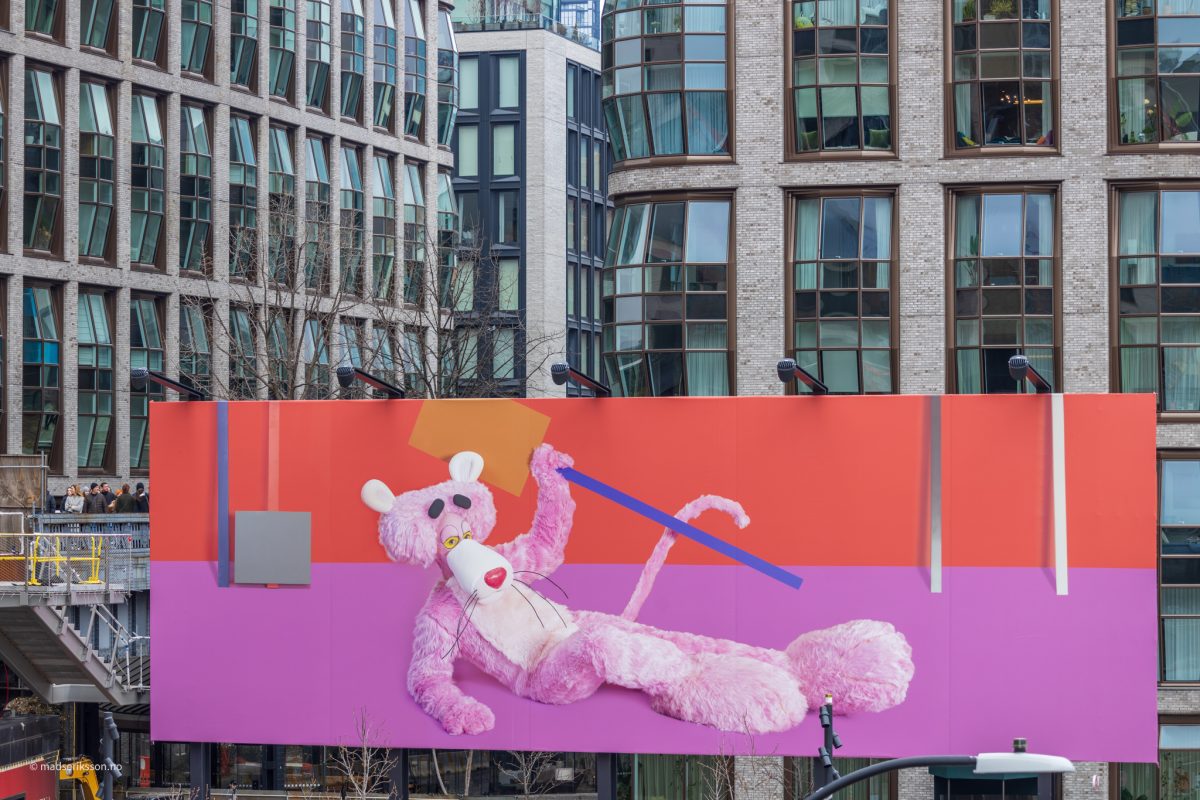
«New York is a city that asks something of you. It is noisy, expensive, relentlessly stimulating and built at a scale that assumes you will keep up. In return, it offers more per hour than almost any city in the world: the art, the food, the streets, the accidental conversations, the view from a bridge at dusk, the particular sound of the subway approaching from below. Most visitors leave planning to come back. Most of them do.»
More in the same area
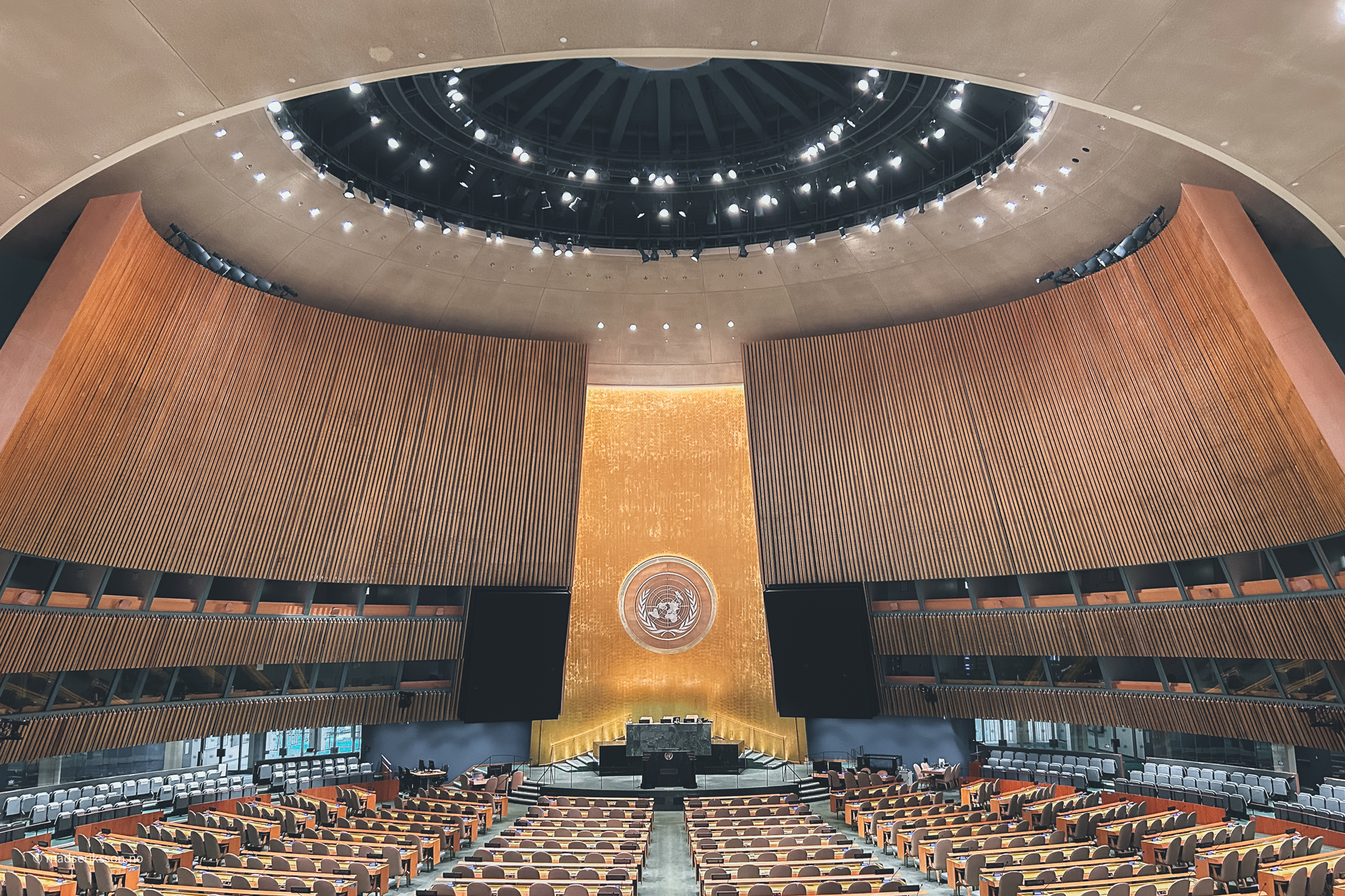 ArchitectureThe United Nations in New York: A Hub for Global Diplomacy
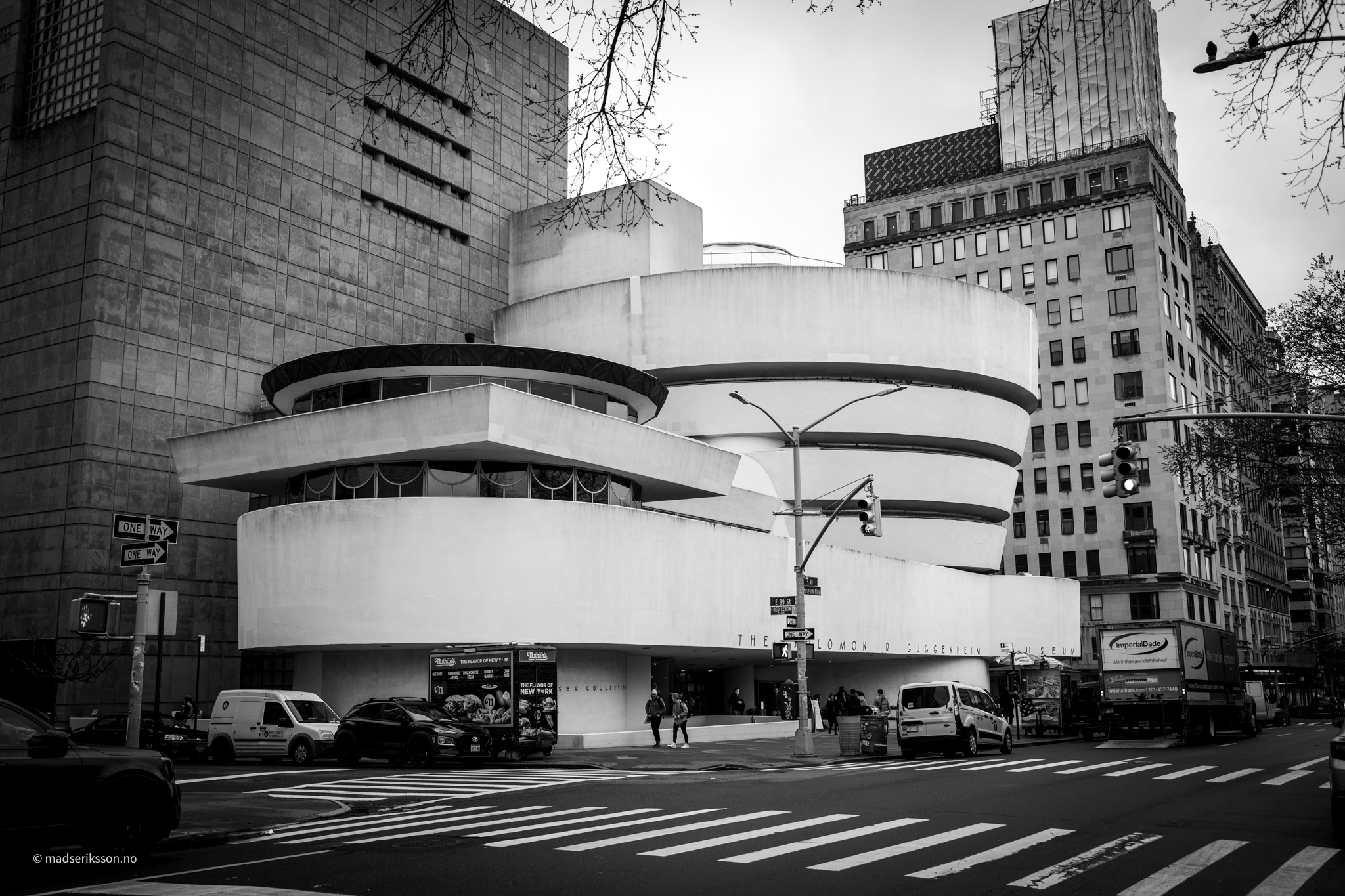 ArchitectureGuggenheim Museum, New York: Frank Lloyd Wright’s Spiral on Fifth Avenue
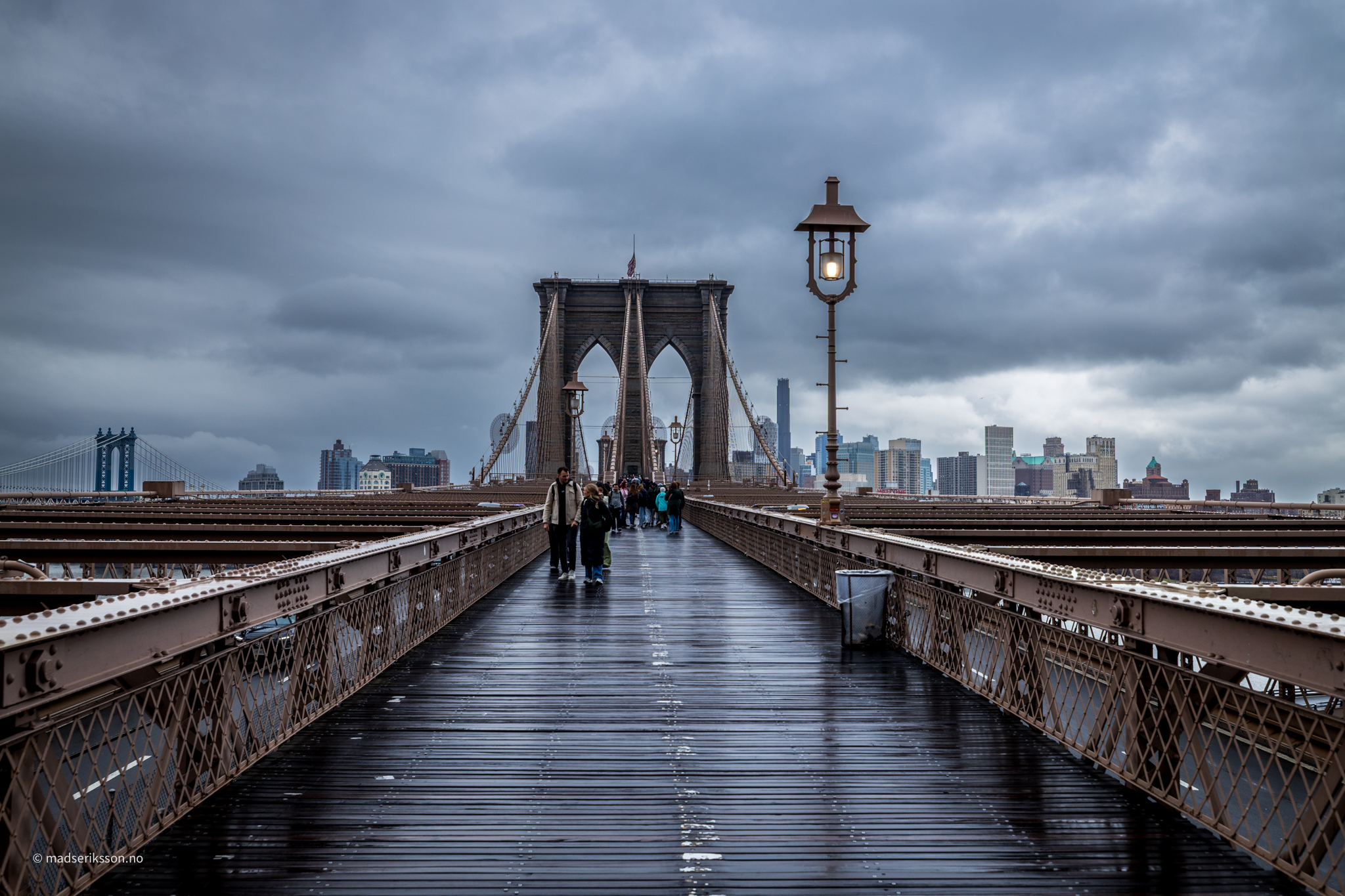 ArchitectureBrooklyn Bridge: Roebling’s Steel-Wire Span and the Walk Across the East River
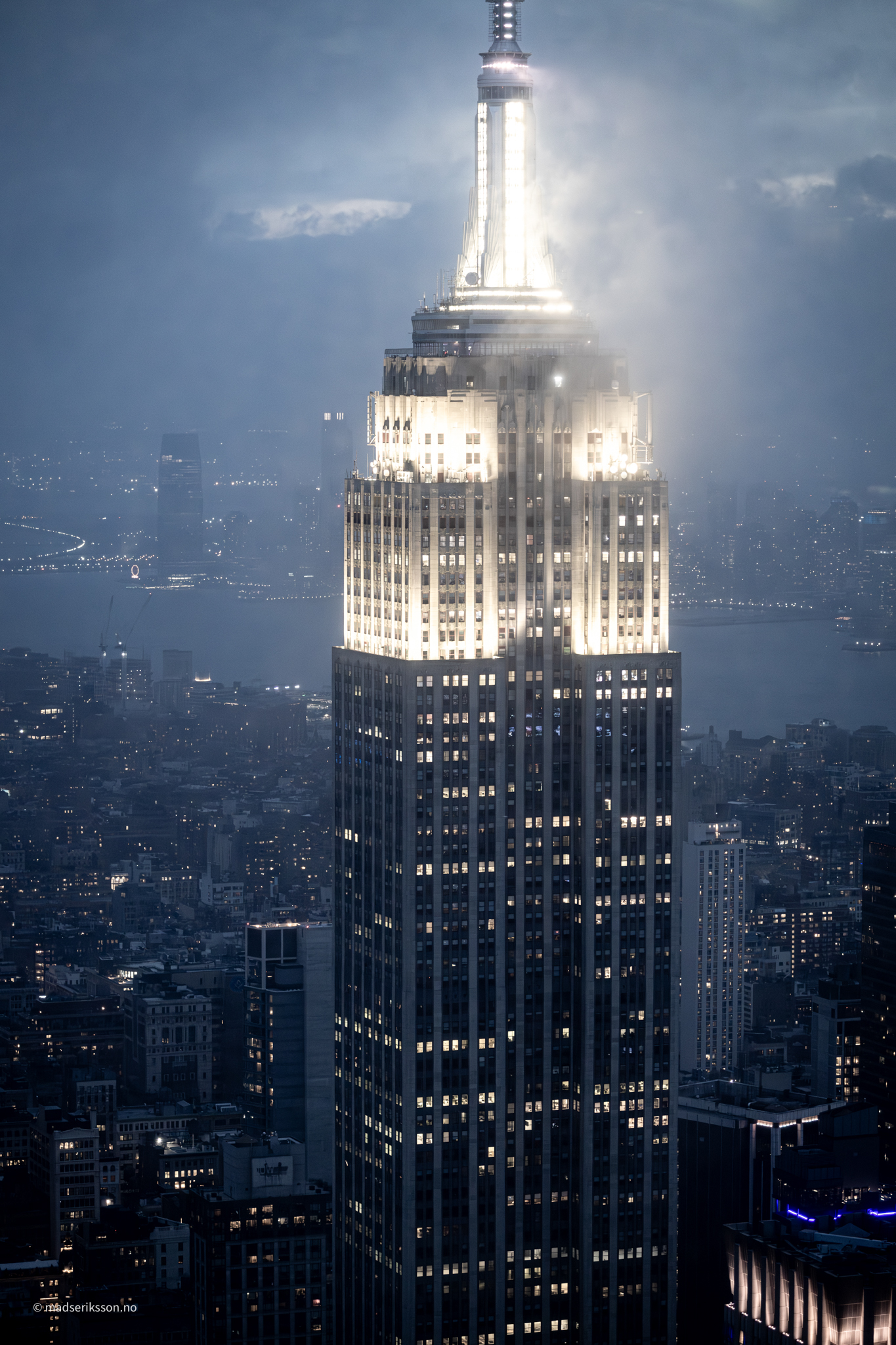 ArchitectureEmpire State Building: The 410-Day Skyscraper and Its Observation Decks
 ArchitectureTen Buildings That Changed Their Cities — Modern Architecture Ranked on Impact, Not Image
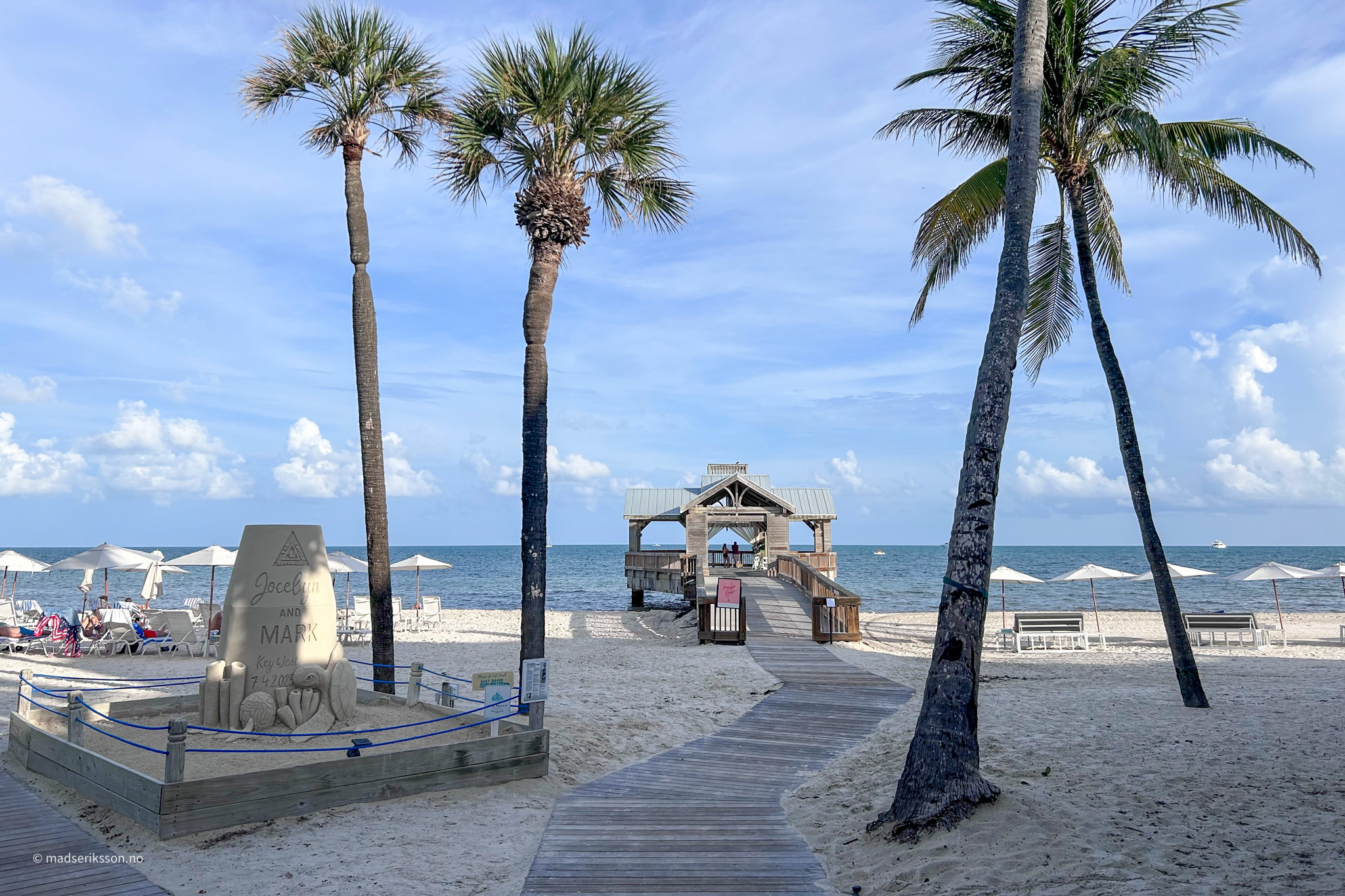 TravelFlorida Keys and Key West: The Overseas Highway, the Reef and the End of the Road