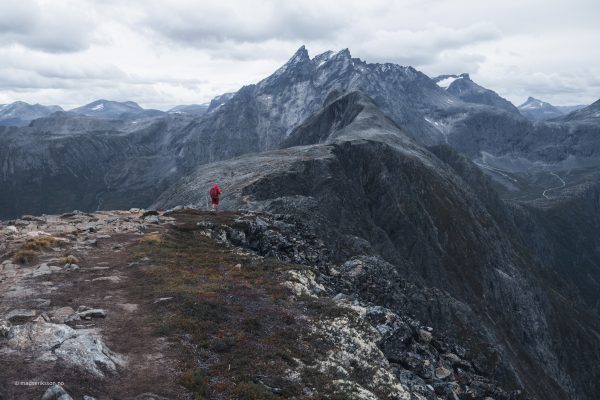
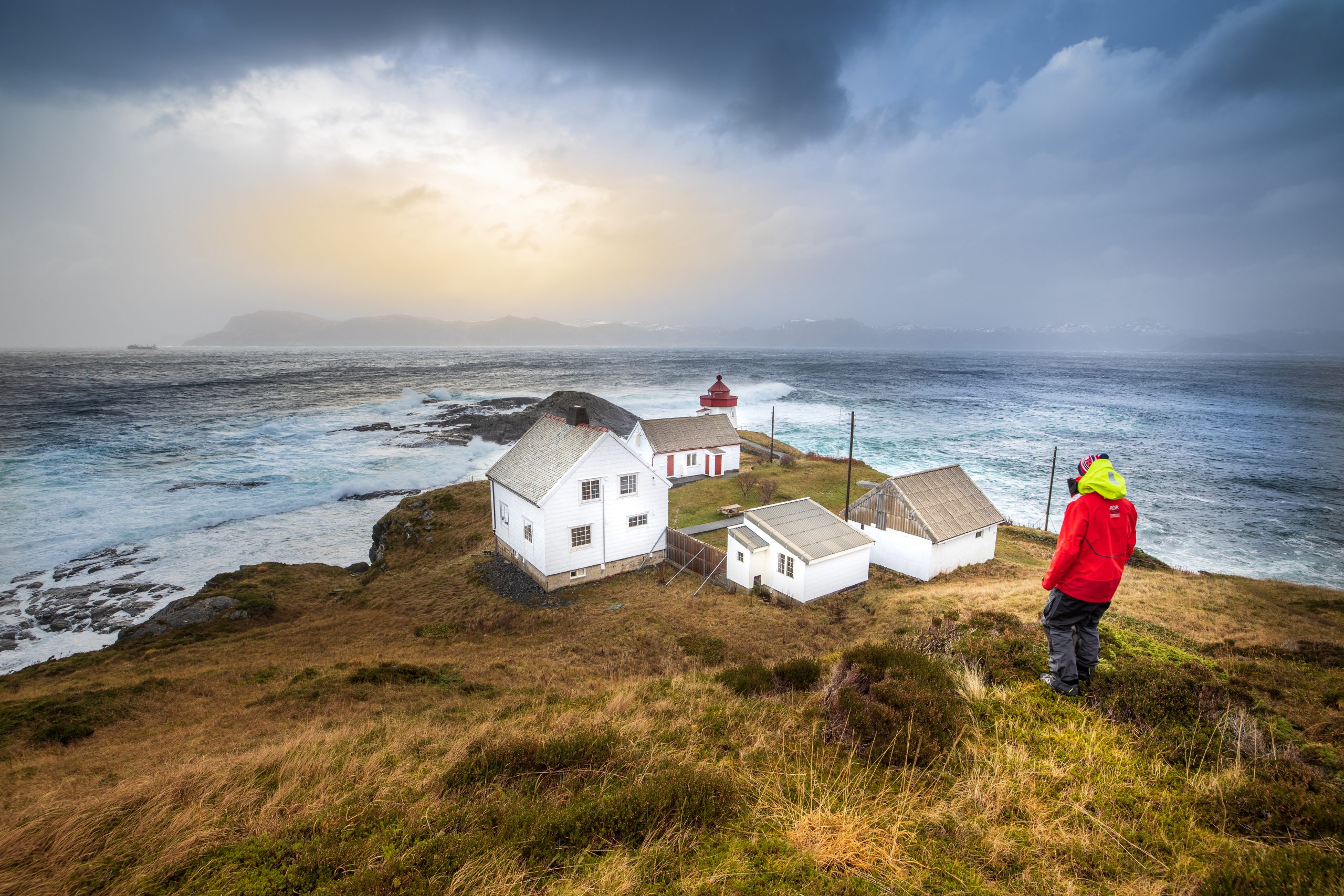
Oslo is a small capital by European standards — just over 700,000 people — but it sits in a landscape of extraordinary ambition. The Oslofjord reaches 100 kilometres south. The Nordmarka forest starts where the city ends. The ski trails from Holmenkollen into the centre have been used for commuting in winter since the 19th century. Oslo is also, quietly, one of the wealthiest and most liveable cities in the world, with an architecture that has grown considerably more confident since the Opera House opened in 2008, and a food culture that has discovered its own ingredients with the energy of a city that arrived late and is making up for it.

Oslo’s recorded history begins around 1048 CE, when King Harald Hardråde founded a settlement at the mouth of the Alna river on the eastern shore of the fjord. The city grew steadily through the medieval period, acquiring a cathedral, a Franciscan monastery and the Akershus fortress that still guards the harbour. In 1624, a fire destroyed most of the city. King Christian IV rebuilt it on a new site, closer to the Akershus walls, and renamed it Christiania in his own honour. The city kept that name — Christiania, then Kristiania — until 1925, when it reverted to Oslo. The history of those three centuries of renaming is, in compressed form, the history of Norwegian sovereignty: lost to Denmark, regained in 1814, then constrained within a union with Sweden until independence in 1905.
The modern city that emerged from independence has been shaped by two things above all: its relationship with the surrounding landscape, and the wealth that North Sea oil has generated since the 1970s. Norwegians do not distinguish sharply between urban and outdoor life — the T-bane metro runs directly into the Nordmarka forest, the fjord is swimmable from city beaches in summer, and the Holmenkollen ski jump is a 25-minute train ride from Karl Johans gate. The oil wealth, managed through a sovereign fund that is the largest in the world, has funded a transformation of the waterfront that includes the Opera House, the Munch Museum, and a series of public spaces that have converted an industrial harbour into one of the most liveable urban waterfronts in Europe.
How to approach Oslo
This guide covers four areas of Oslo: the city centre and waterfront, from Karl Johans gate to the Opera House and Aker Brygge; the Bygdøy peninsula and the fjord, where the Viking ships are being rehoused in a new world-class museum opening in late 2027; Holmenkollen, Vigeland Sculpture Park and the forests; and the food culture and neighbourhoods — Grünerløkka, Mathallen and the new Oslo table. Oslo is compact enough to cover much of on foot and by T-bane, and the landscape around it is accessible enough that a city visit easily becomes a nature visit on the same day.
Oslo in 3D
Oslo lies at the head of the Oslofjord, which runs about 100 km south to the open sea. This frame covers the centre from the Bygdøy peninsula in the west to Bjørvika and Sørenga in the east, and from the harbour up to the Royal Palace. Founded around 1048, the city was rebuilt after the fire of 1624, named Christiania and only became Oslo again in 1925.
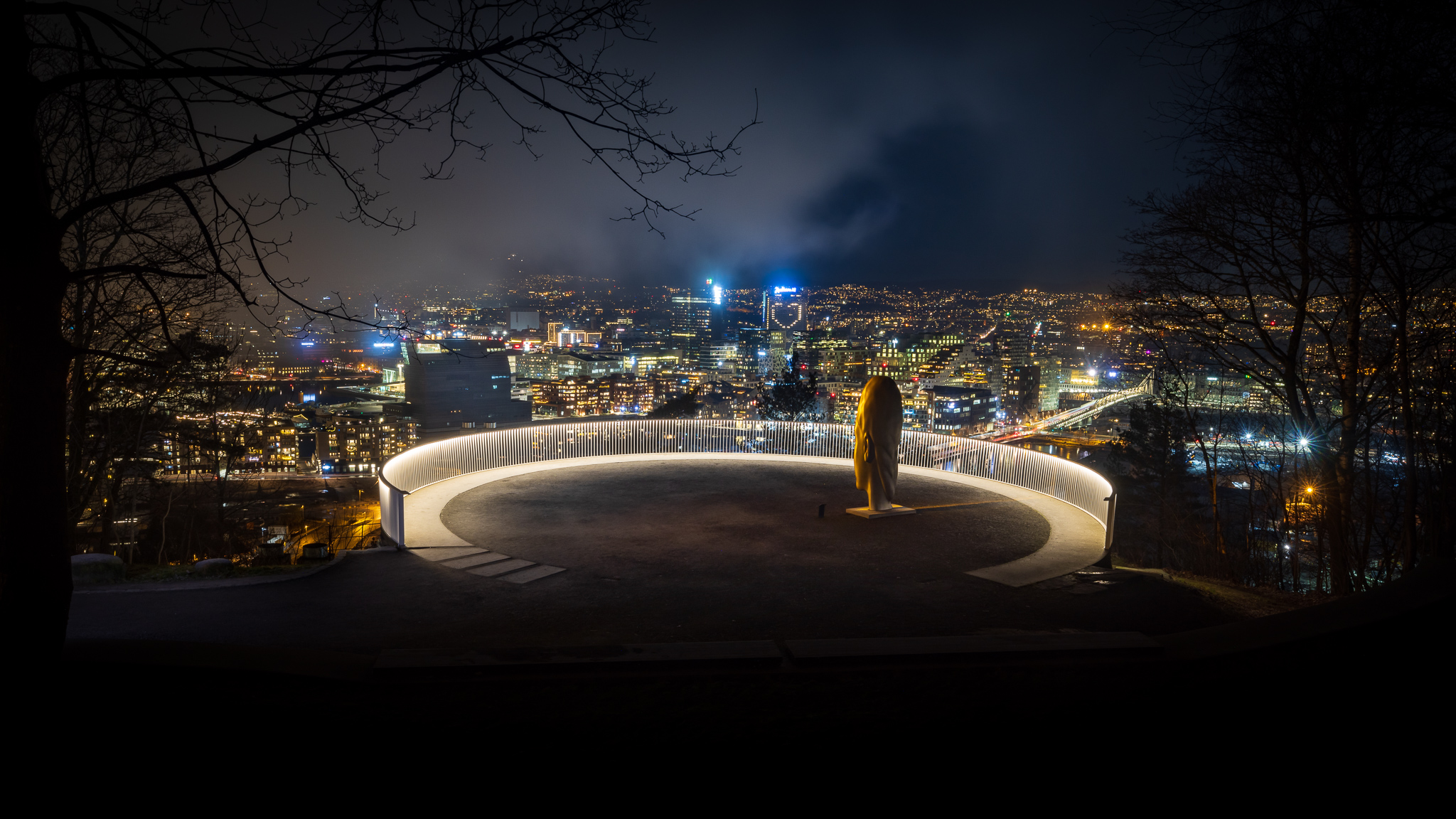
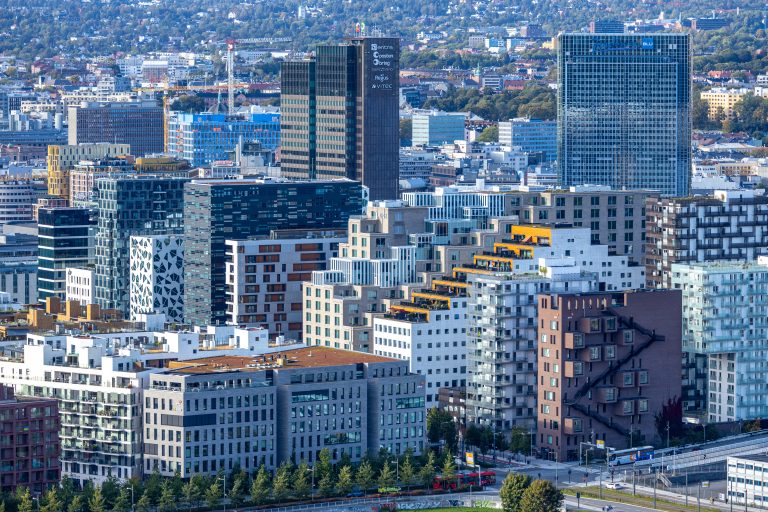
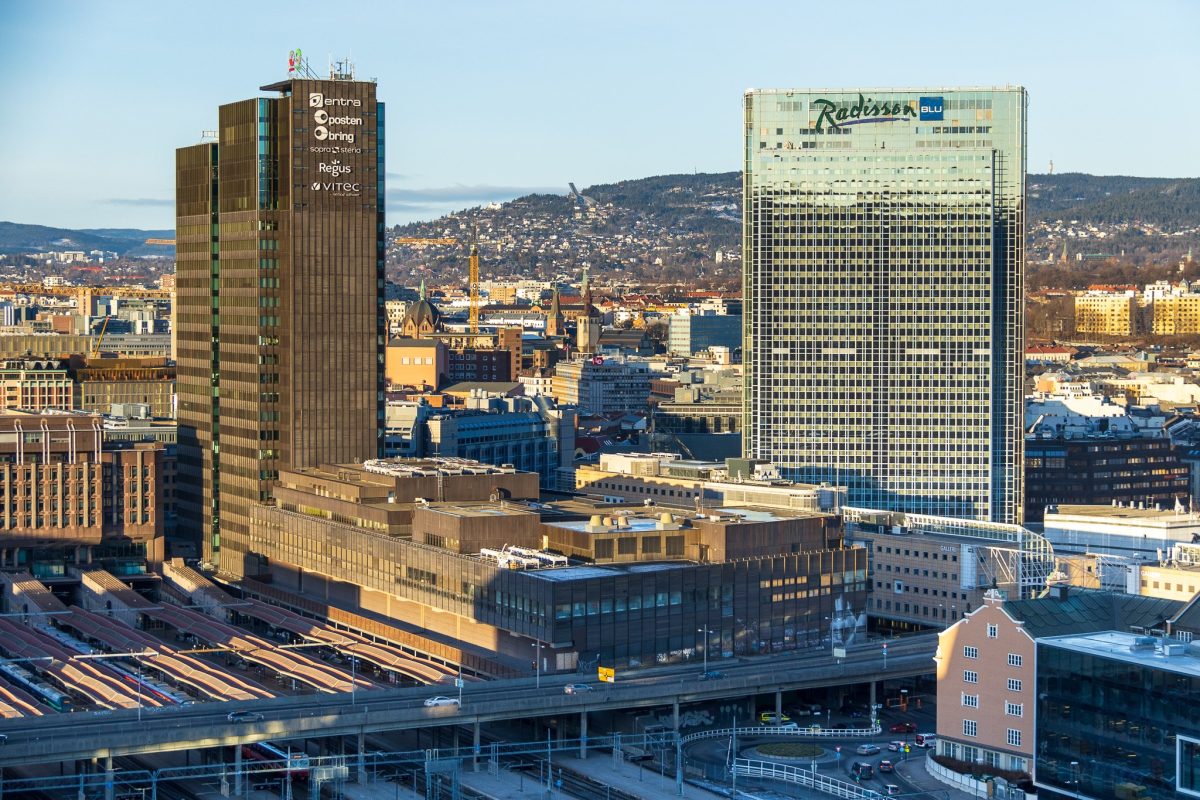
Oslo Skyline and Barcode.
Vigeland Sculpture Park
Vigeland Sculpture Park, inside the 45-hectare Frognerparken, holds 212 sculptures in bronze and granite, all by Gustav Vigeland. Its main axis runs about 850 m from the gate on Kirkeveien to the Monolith, a single granite column 14.12 m tall carved with 121 human figures.
The Bygdøy museums
The Bygdøy peninsula holds a cluster of maritime museums, reached by ferry from Aker Brygge in summer. The Fram Museum, opened in 1936, is built around the polar ship Fram, and the Kon-Tiki Museum beside it houses Thor Heyerdahl's 1947 balsa raft. The Oseberg, Gokstad and Tune ships are being rehoused in the new Museum of the Viking Age, due to open in 2027.
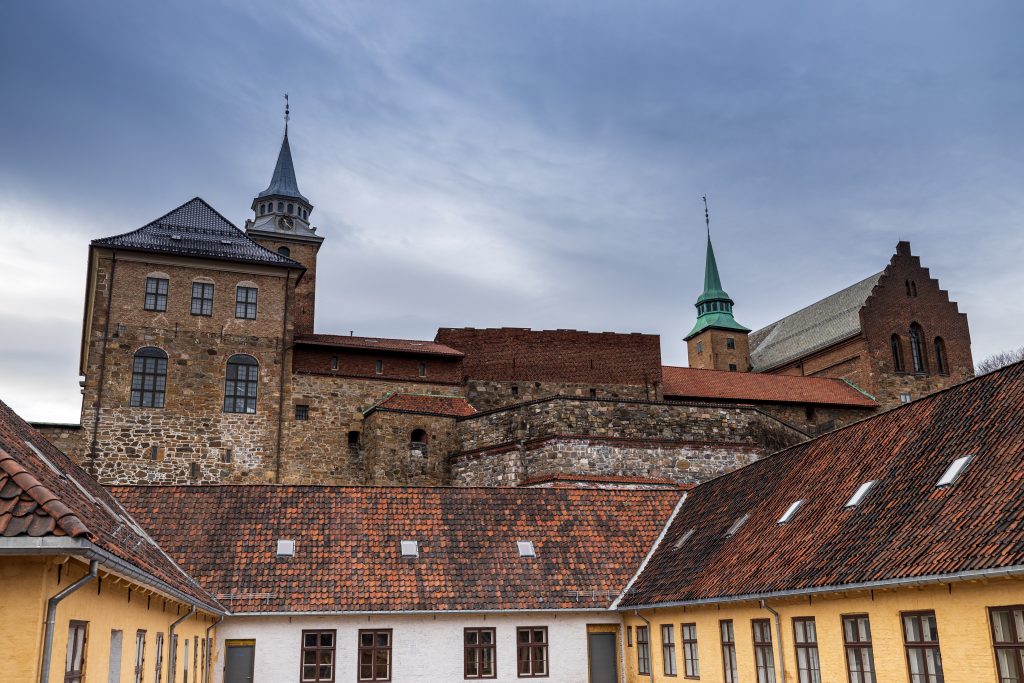
City Hall, Aker Brygge and Akershus
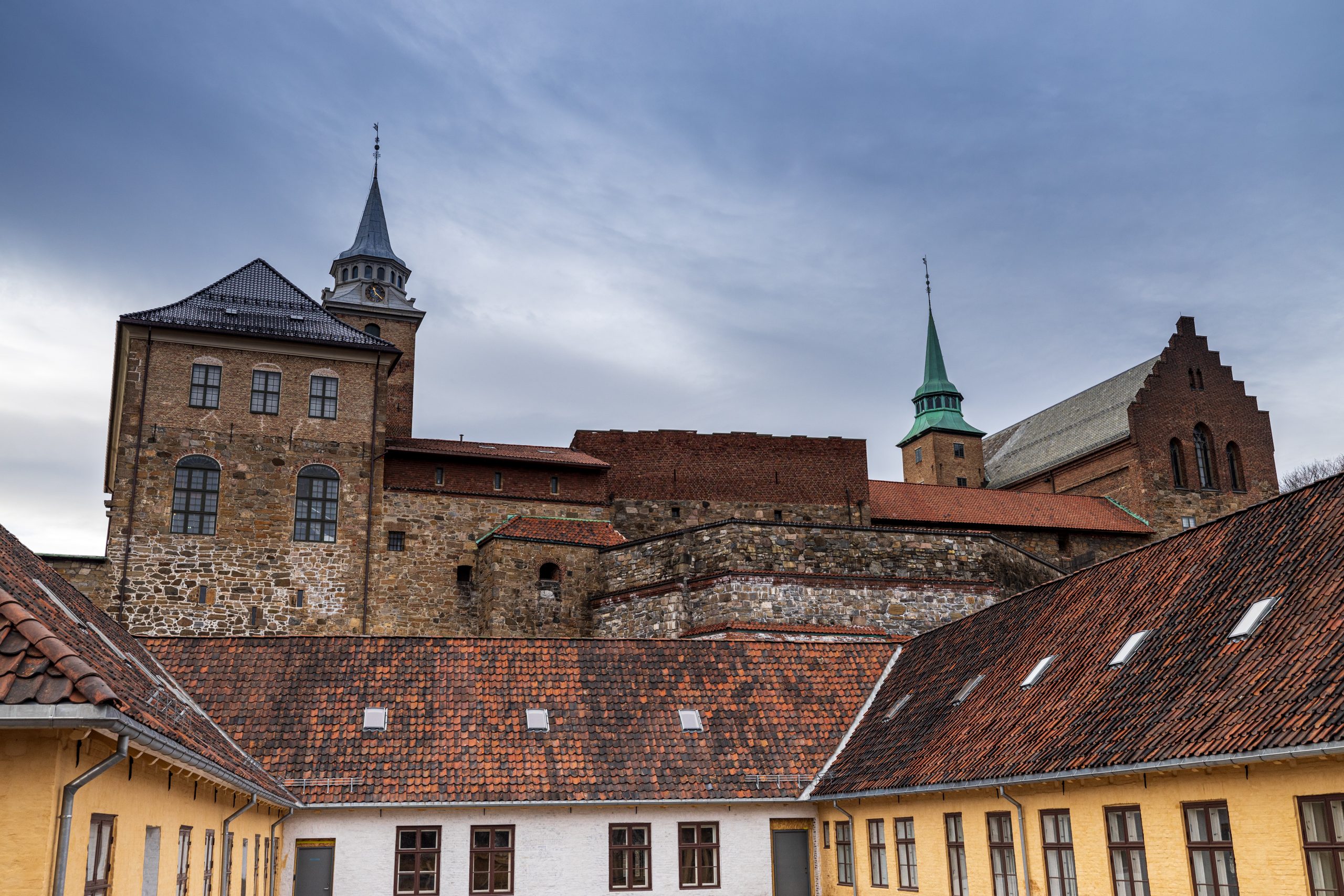
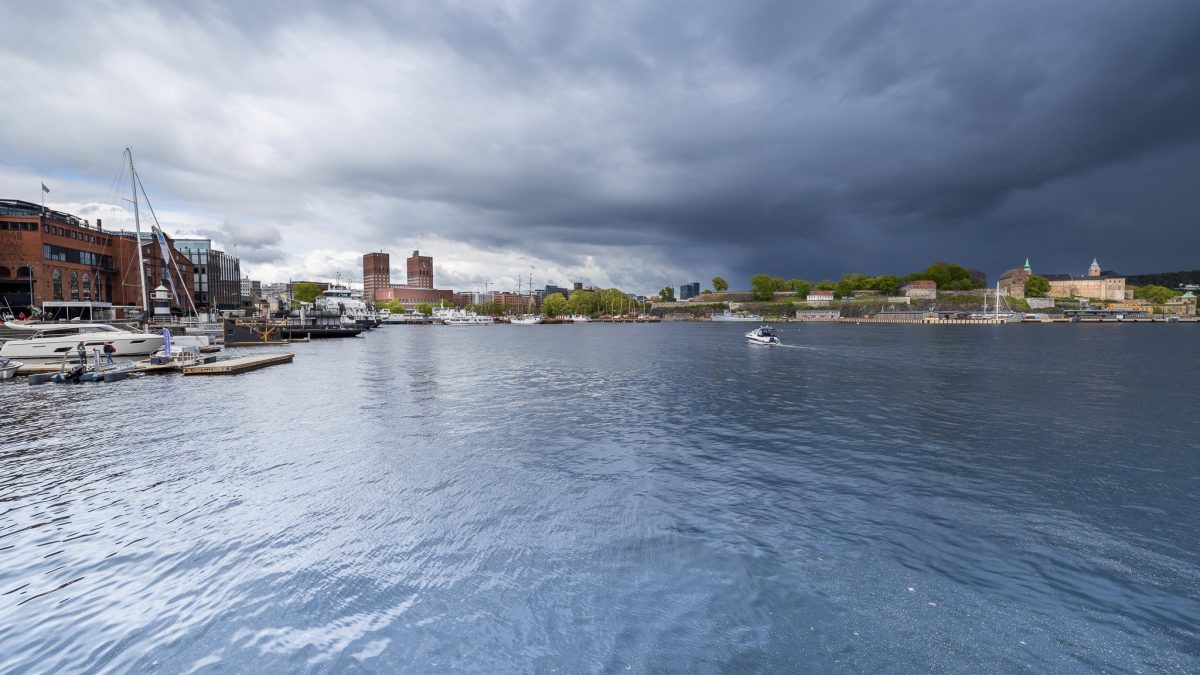
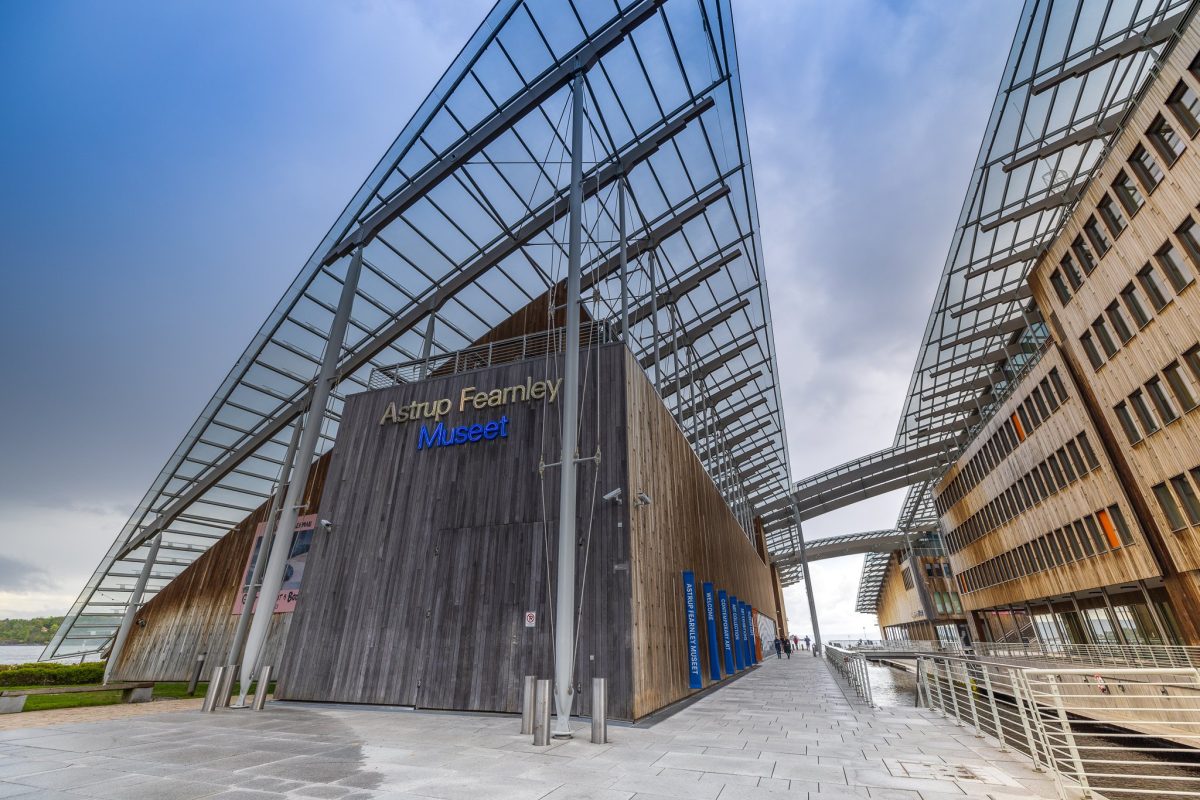
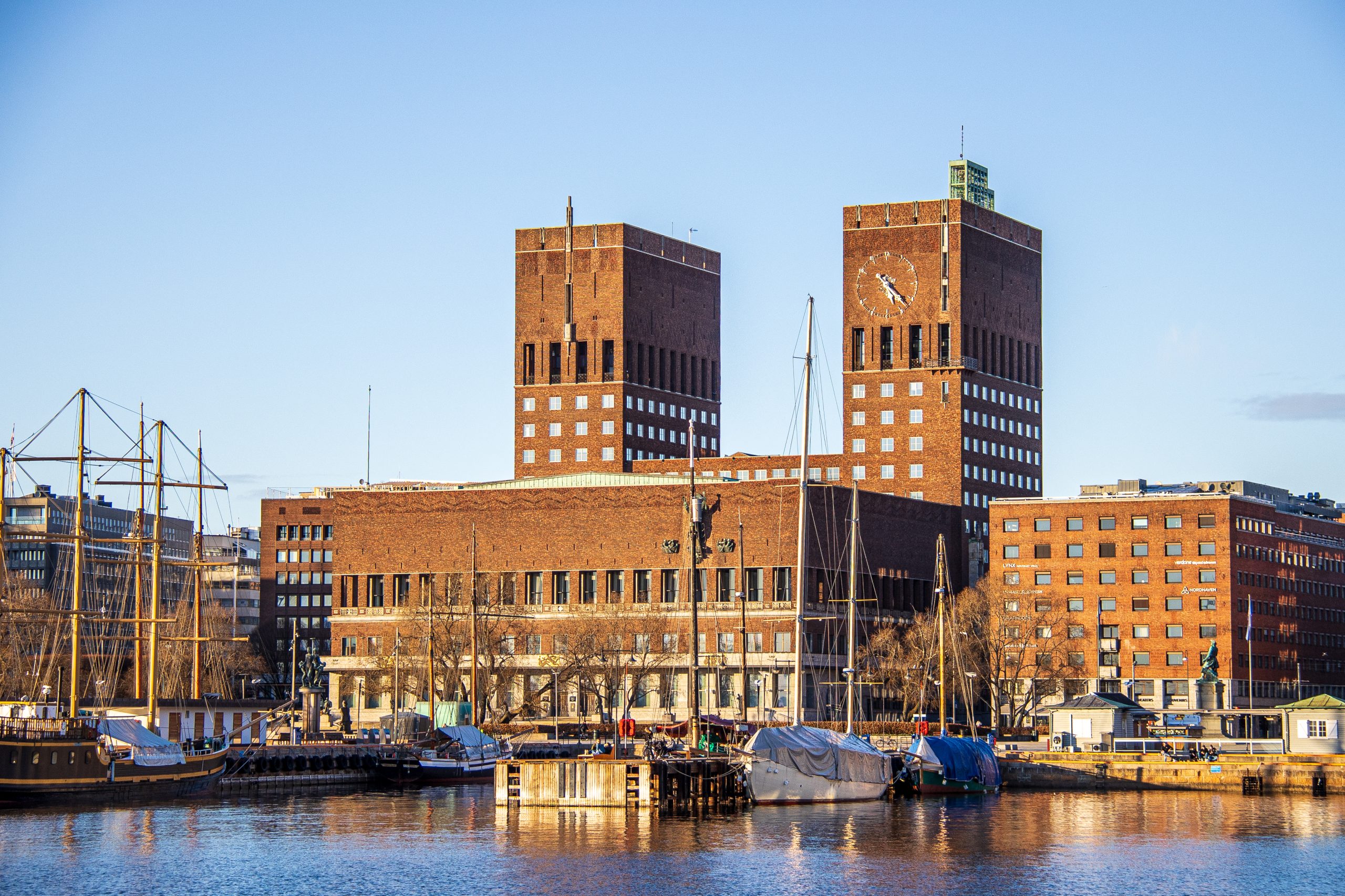
Oslo City Hall, inaugurated in 1950, has two brick towers of 63 and 66 m and hosts the Nobel Peace Prize ceremony every 10 December; the National Museum, opened in 2022, stands just west of it. Aker Brygge was built in the 1980s and 1990s on the Akers mekaniske verksted shipyard, closed in 1982, and Tjuvholmen continues it with Renzo Piano's Astrup Fearnley Museum from 2012. Akershus Fortress, begun around 1299, guards the eastern side of the bay.
The towers and steep tiled roofs of Akershus Fortress rise above its inner courtyard buildings
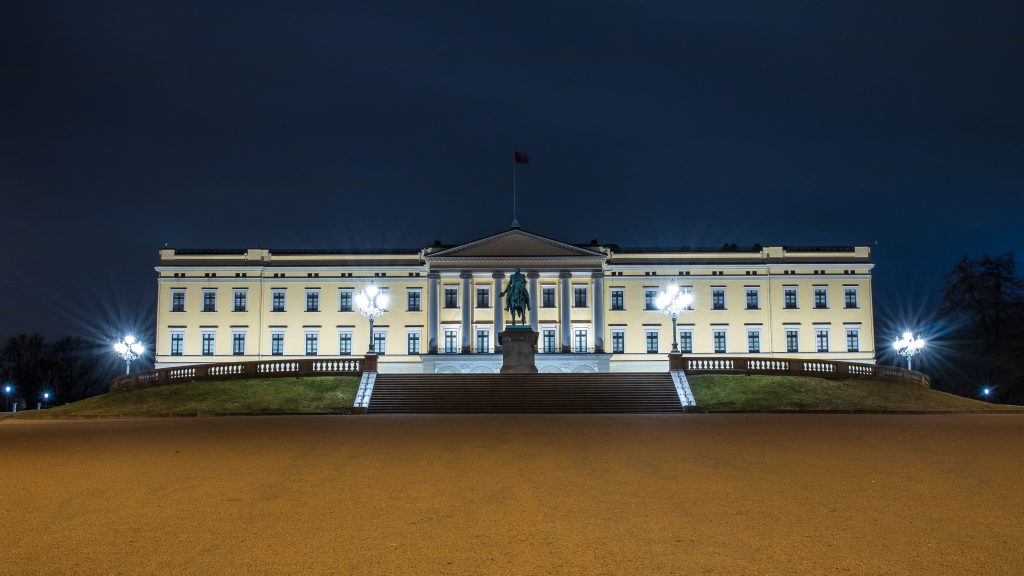
Karl Johans gate and the Royal Palace
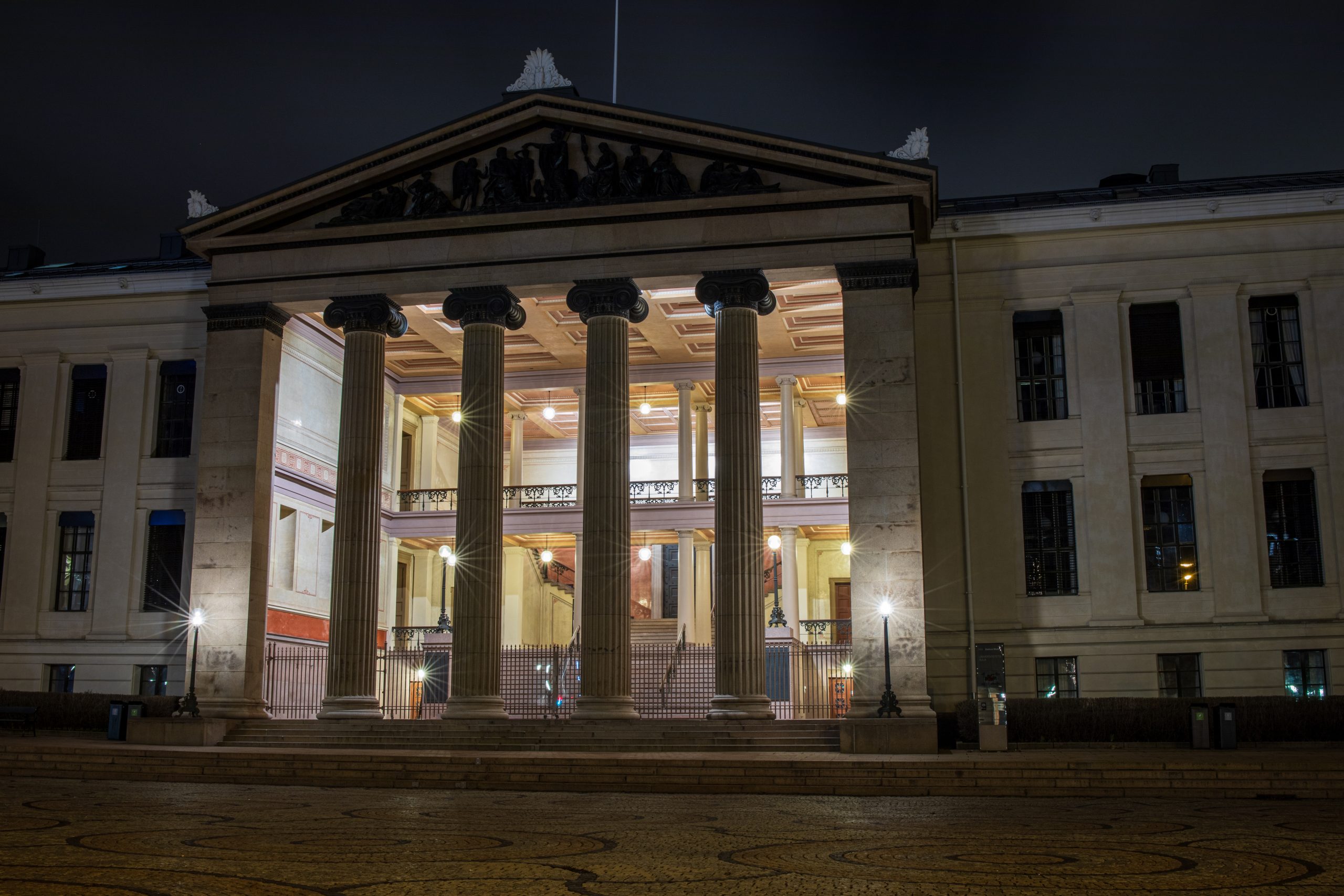
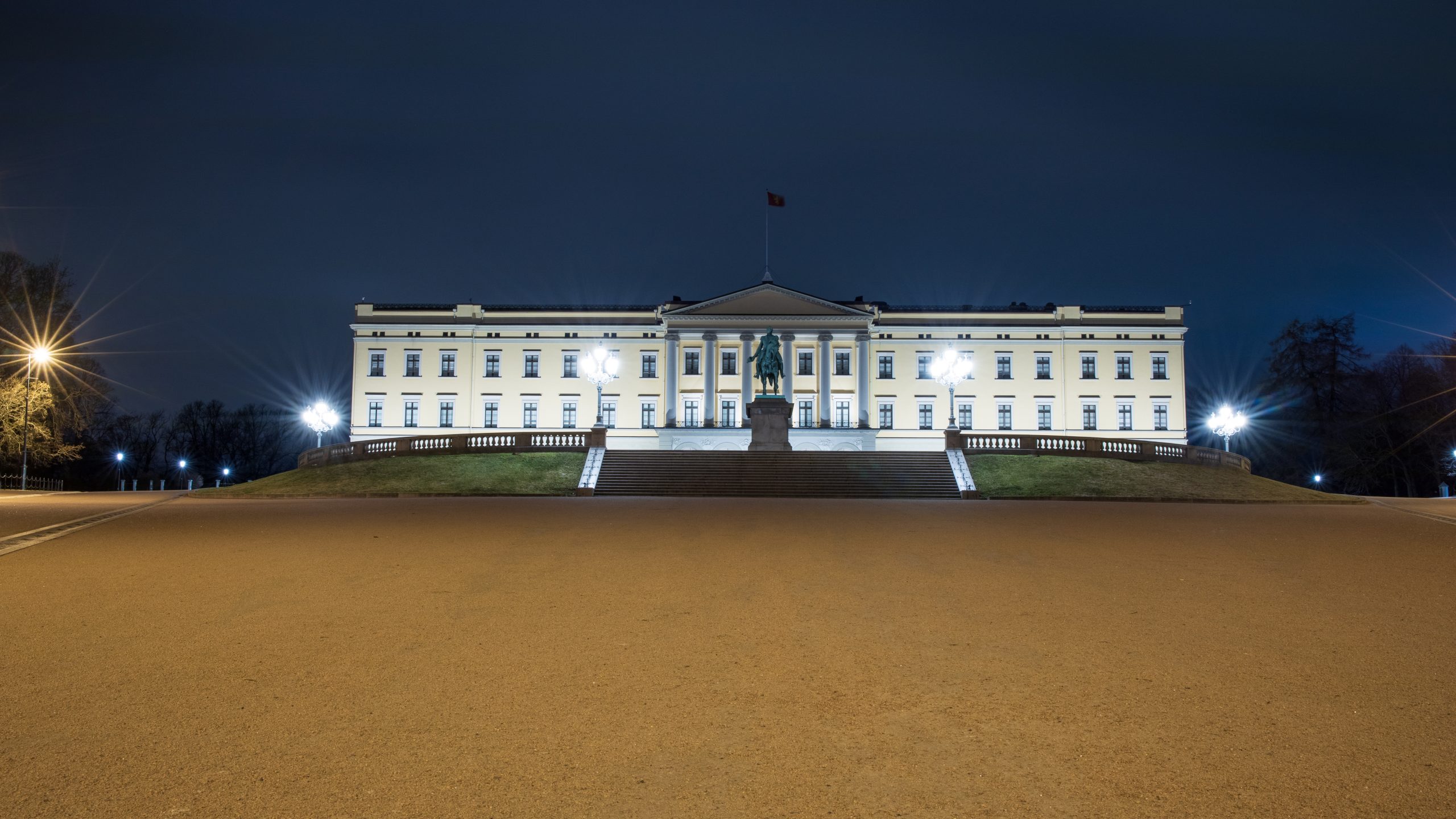
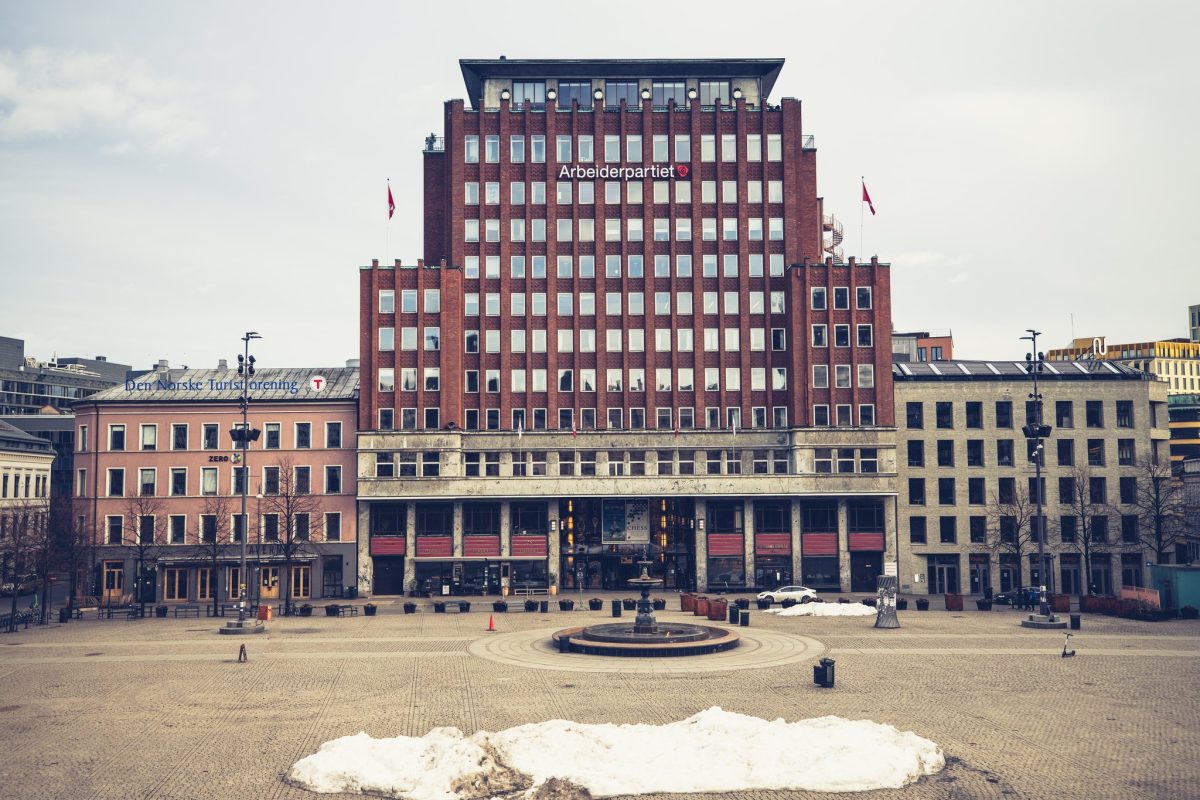
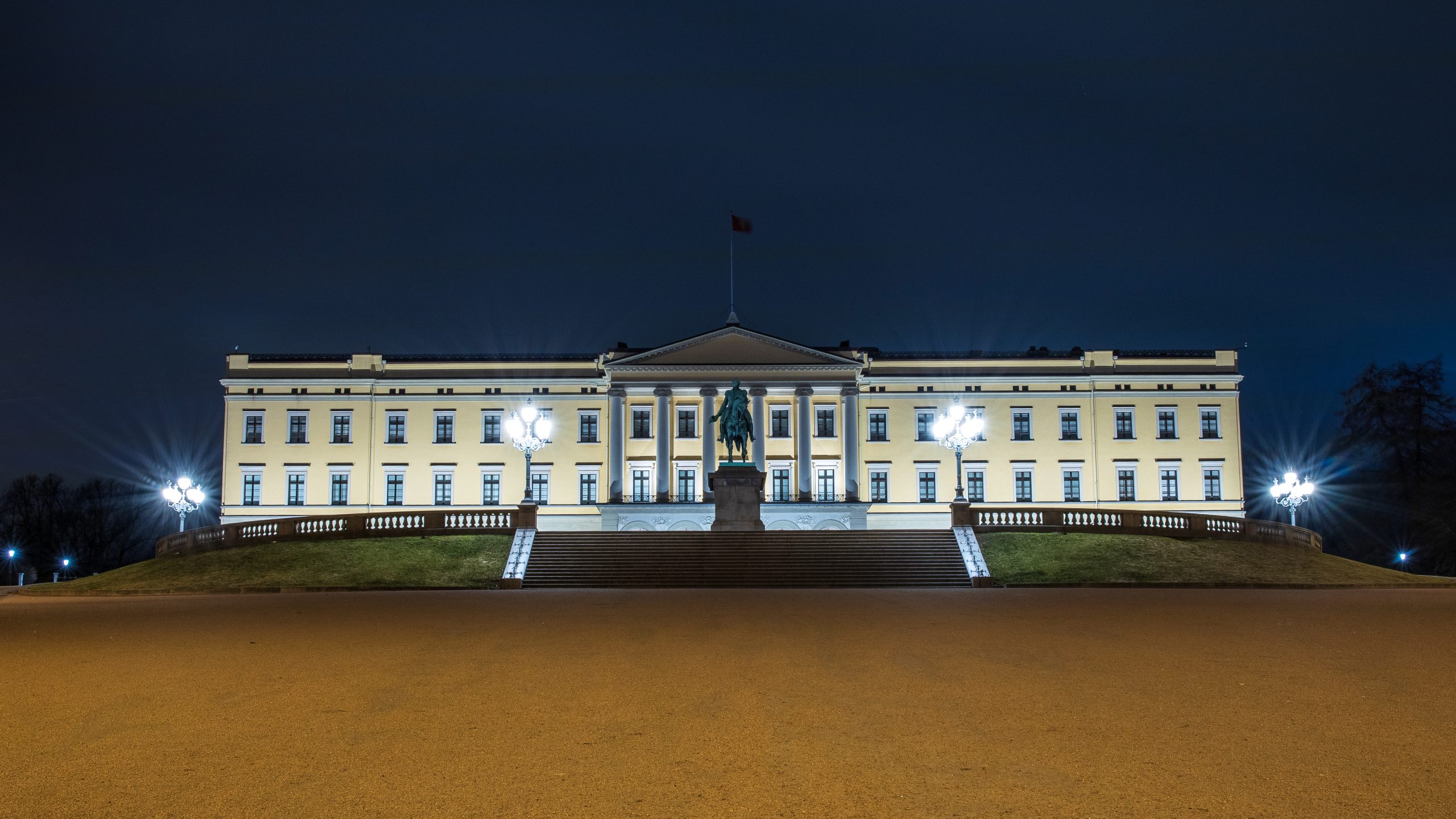
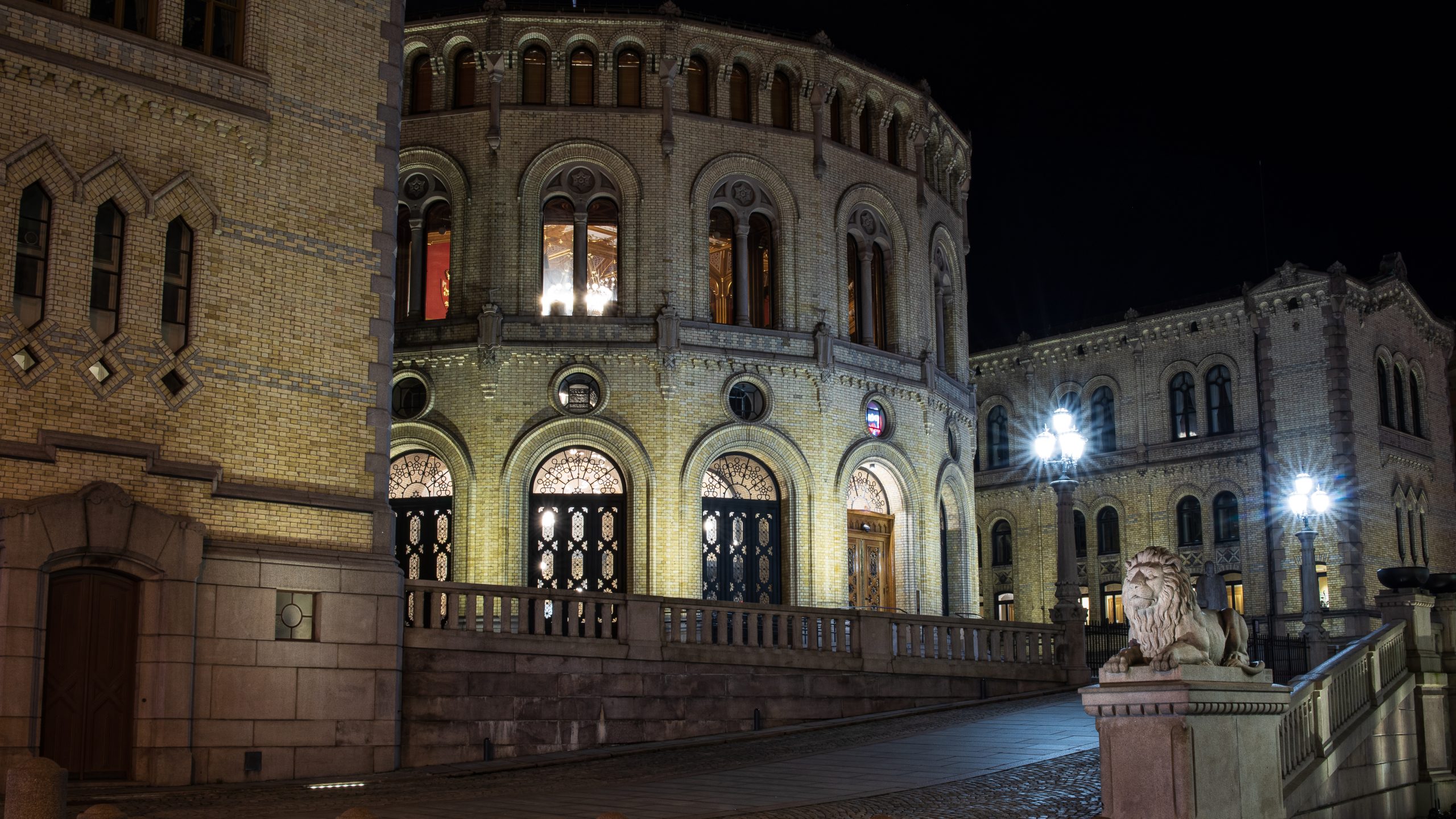
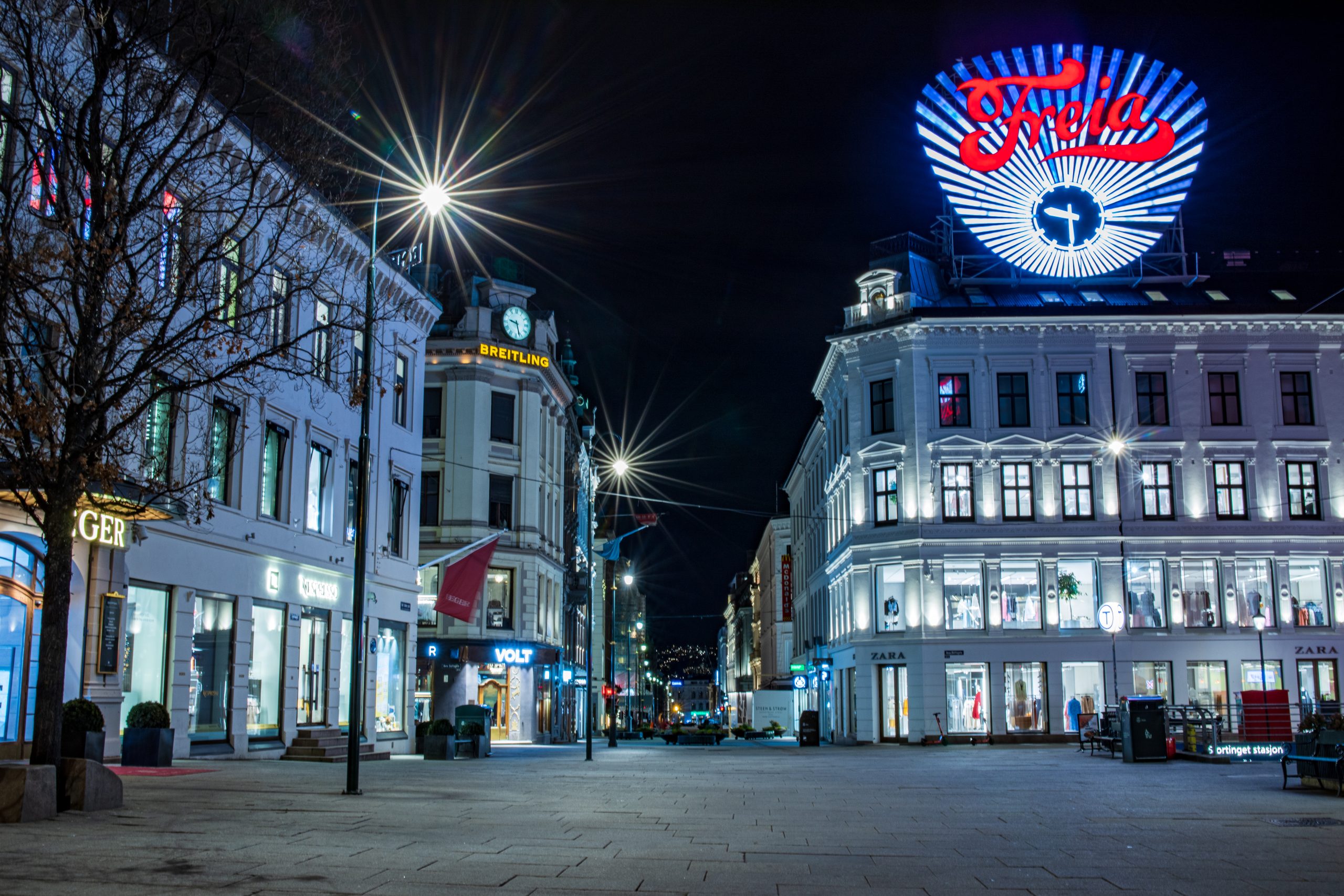
Karl Johans gate runs from Oslo Central Station to the Royal Palace, completed in 1849 to designs by Hans Linstow. On the way it passes Egertorget, the Storting building, home of parliament since 1866, and the old University of Oslo buildings.
The Royal Palace in Oslo floodlit at night, with the equestrian statue of Karl Johan in front
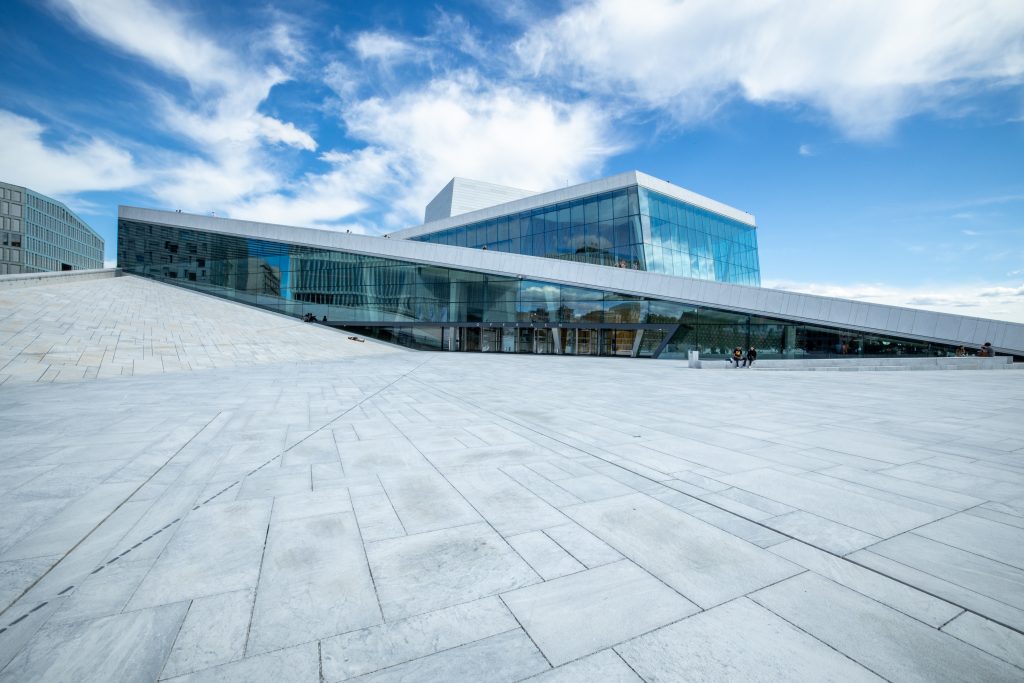
The Oslo Opera House
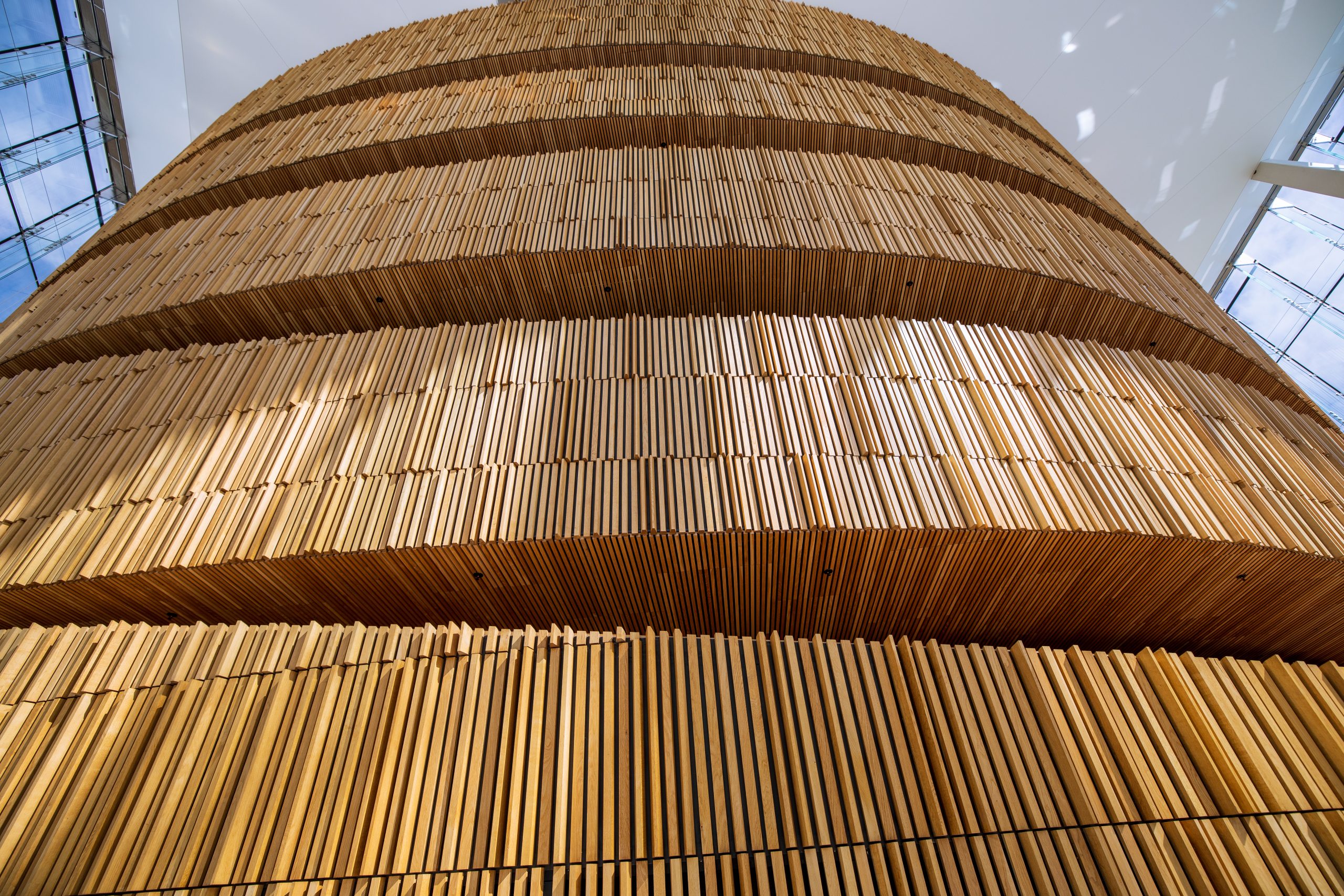
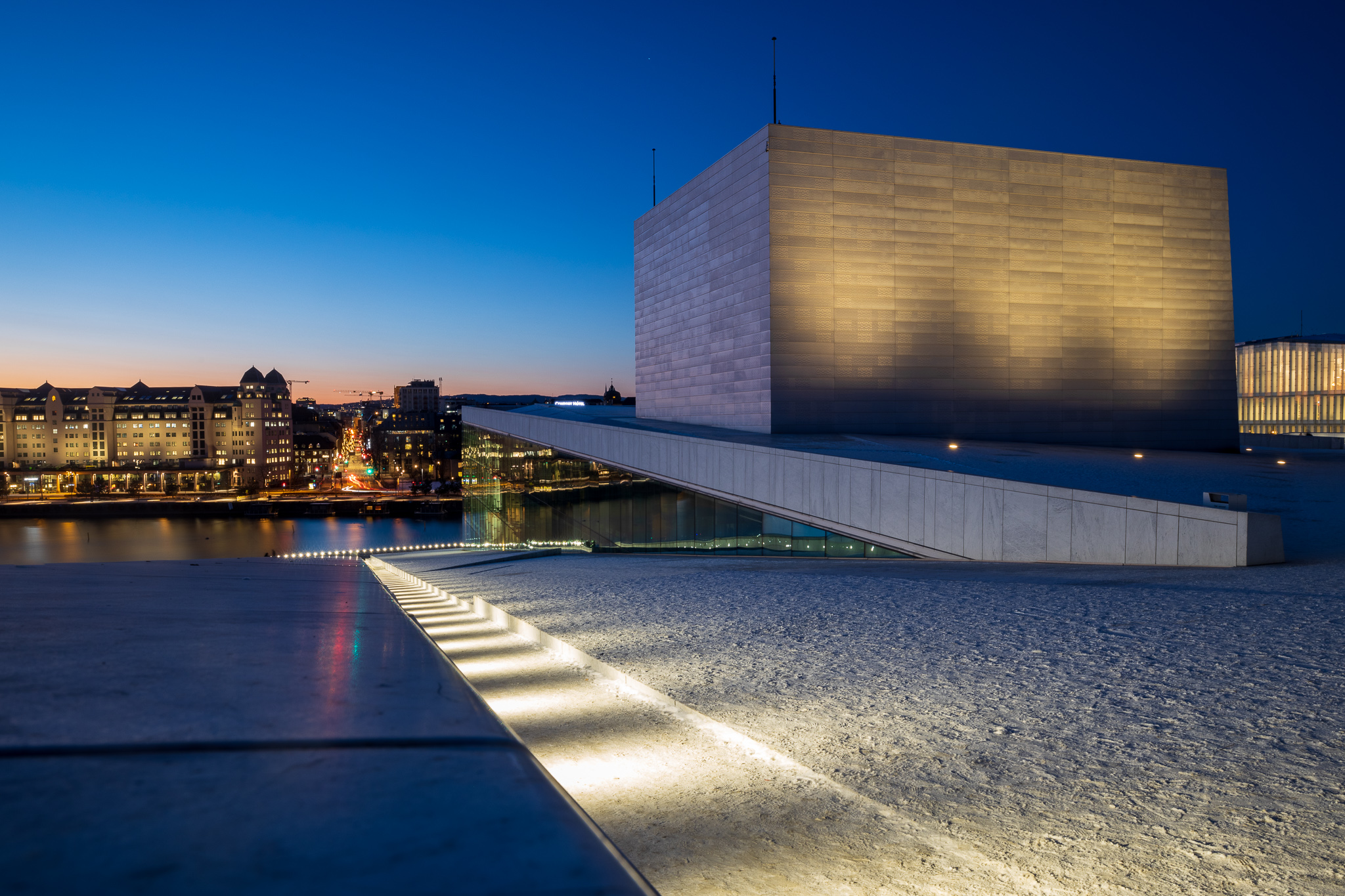
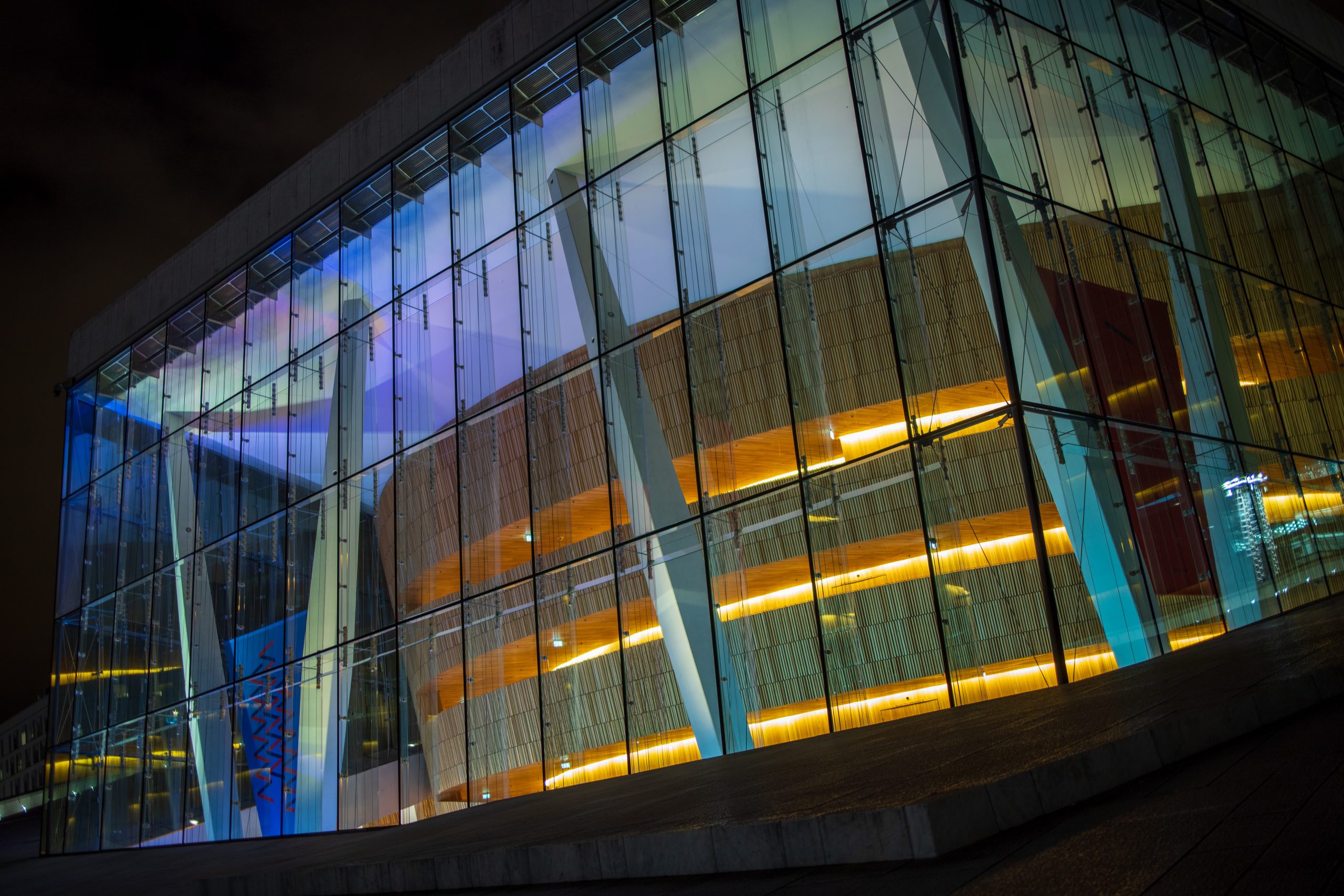
The Opera House, designed by Snøhetta, opened on 12 April 2008, and its roof slopes down to the water as a public square. The sloping surfaces are clad in Italian Carrara marble and white granite, and the main auditorium seats about 1,400. In 2009 it won the EU Prize for Contemporary Architecture, the Mies van der Rohe Award.
The marble rooftop of the Oslo Opera House under a blue sky, rising towards the glazed foyer and stage tower
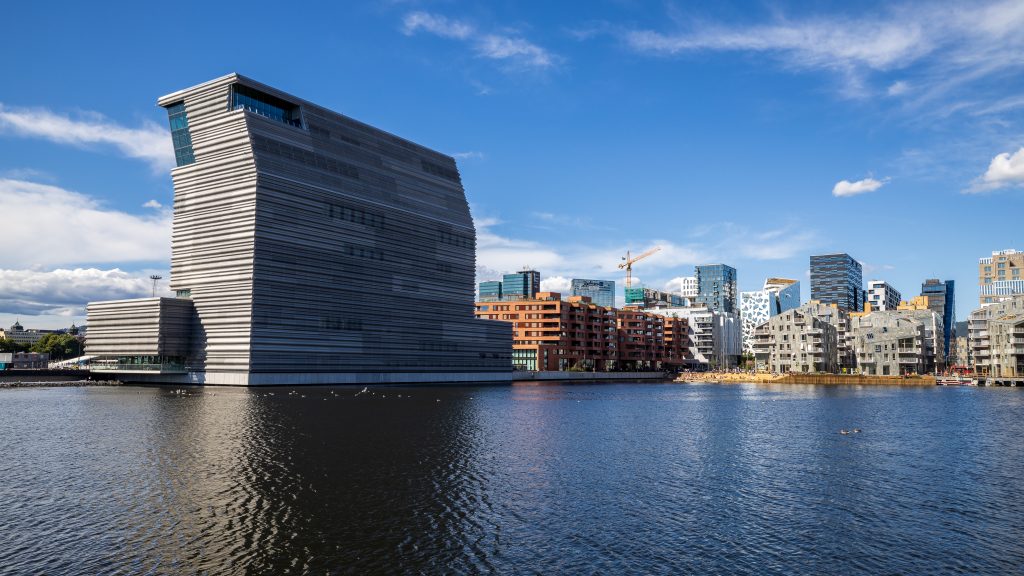
MUNCH and Sørenga
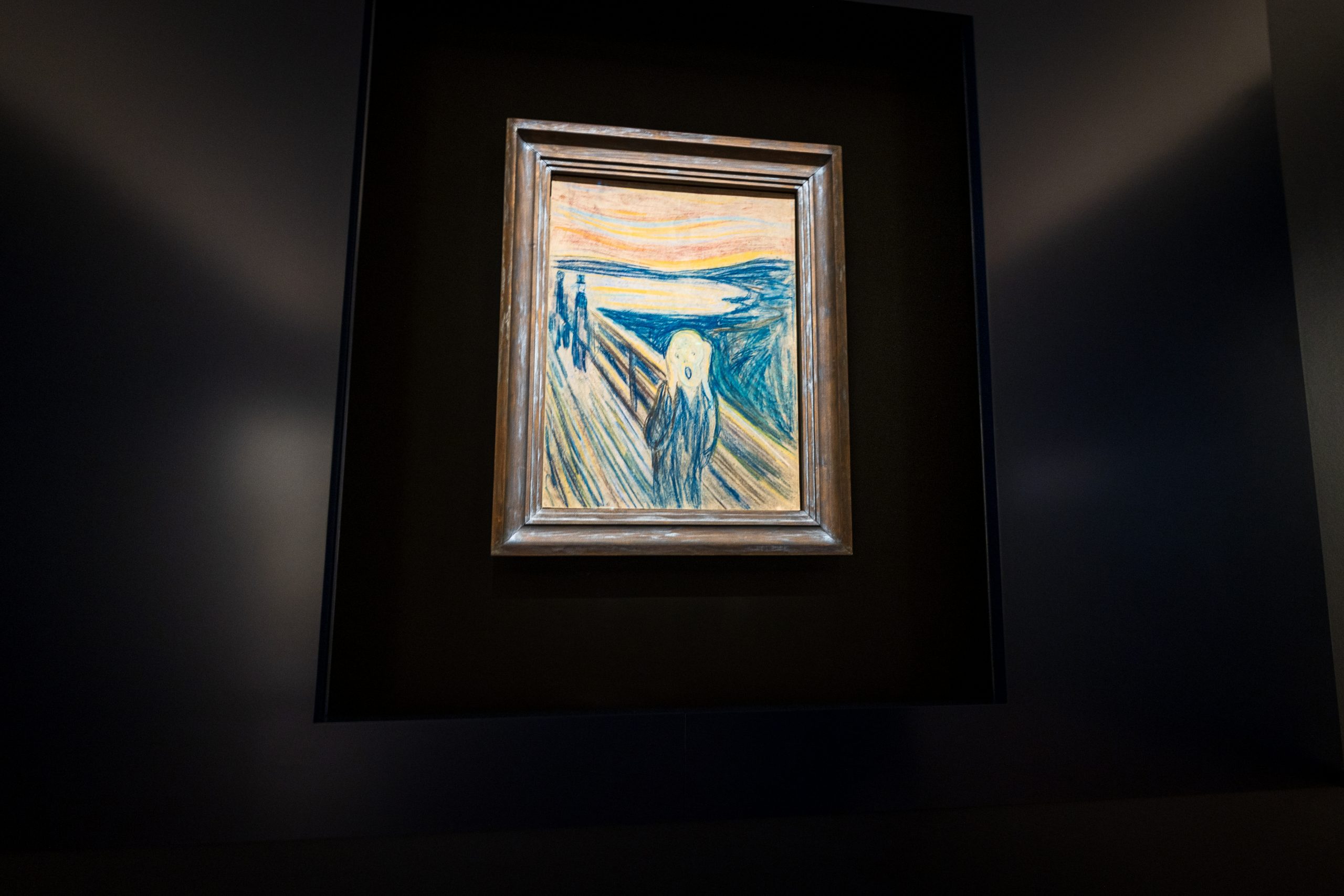
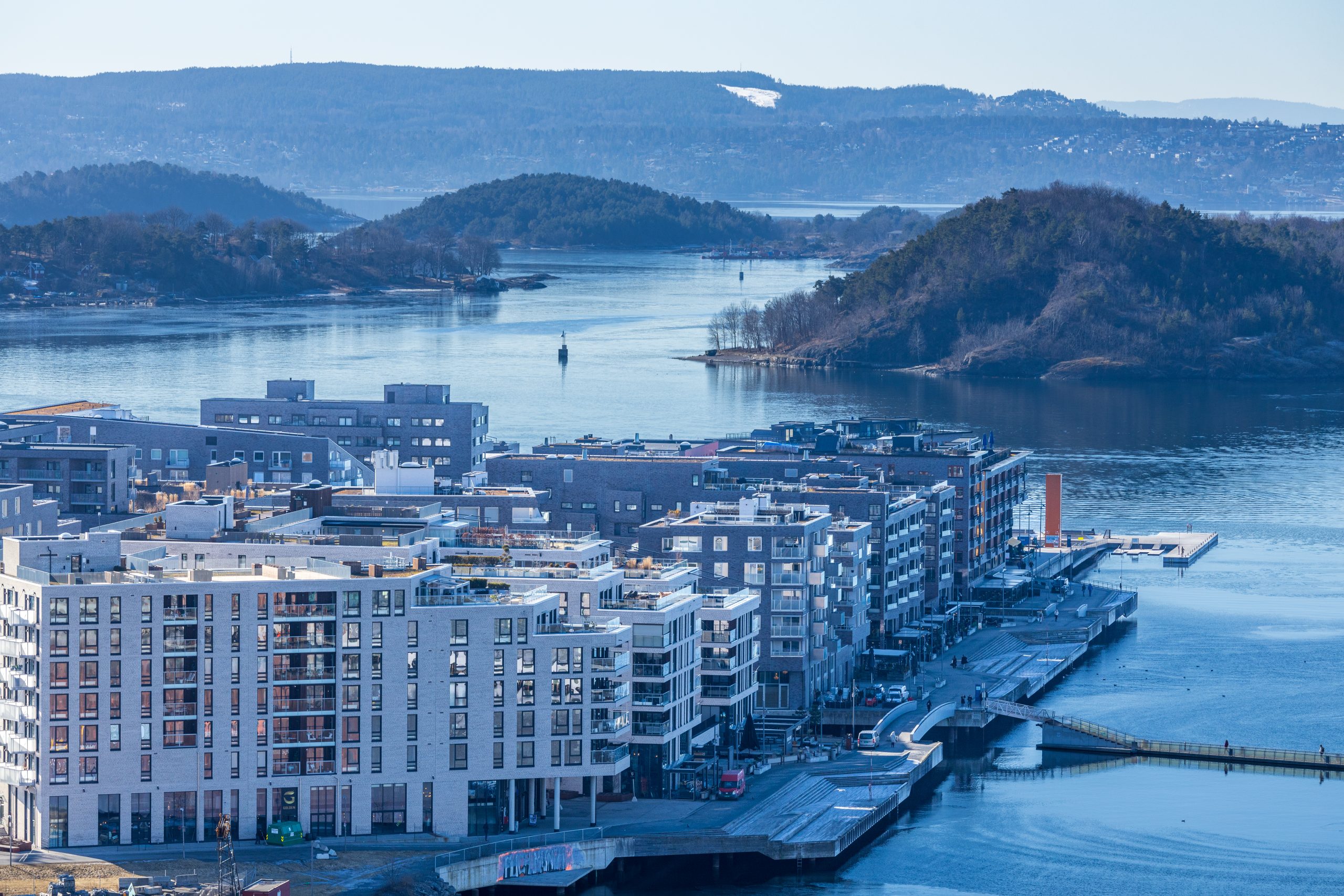
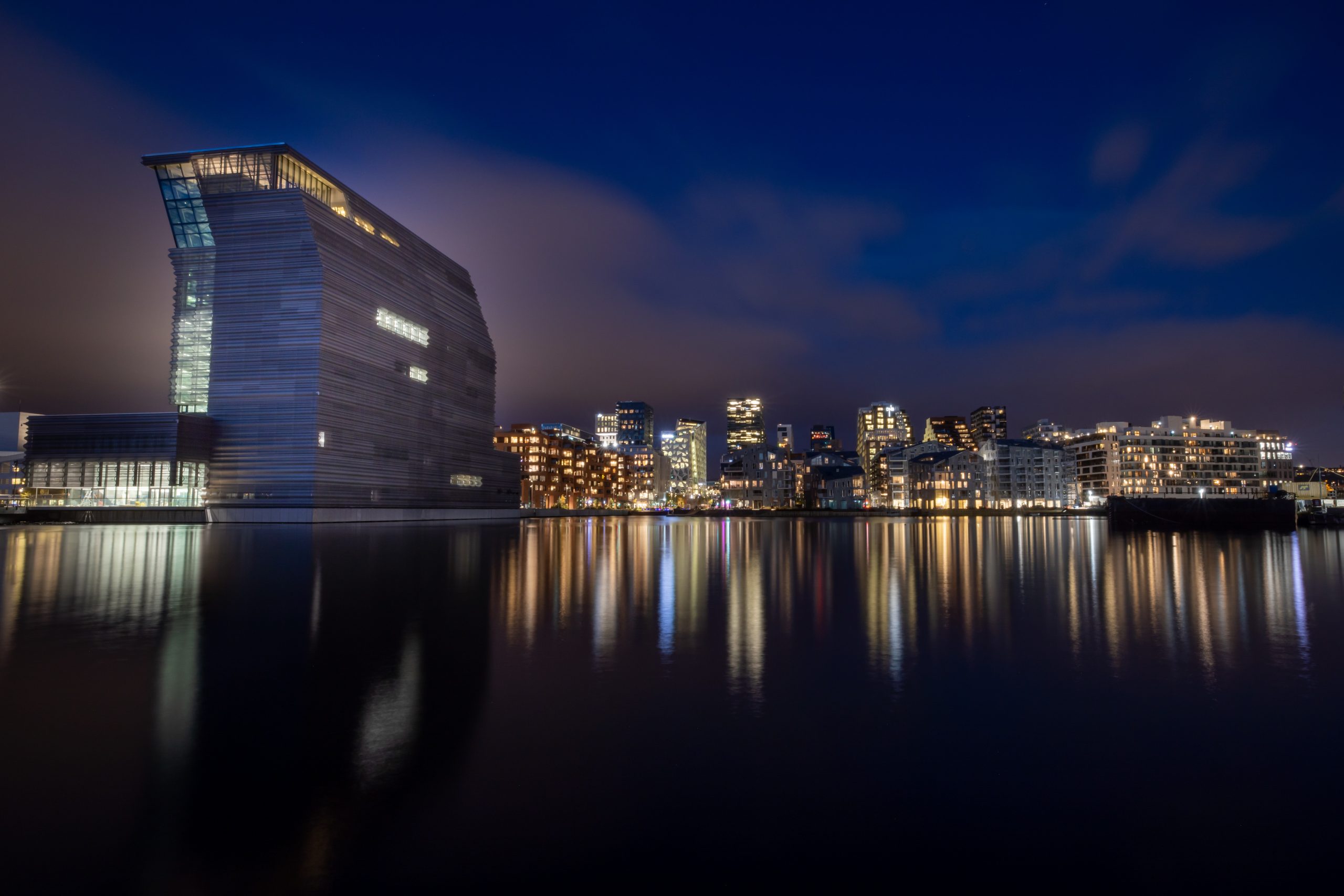
MUNCH, designed by Estudio Herreros and opened on 22 October 2021, rises 60 m over 13 floors, with its top section leaning out over the harbour. It holds almost 28,000 works by Edvard Munch. To the south, the Sørenga pier has housing built from 2010 onwards and a seawater pool that opened in 2015.
MUNCH rises above the harbour at Bjørvika on a bright summer day with the city skyline beside it
Read more: Munch Museum in Oslo: A Modern Icon of Art and Architecture
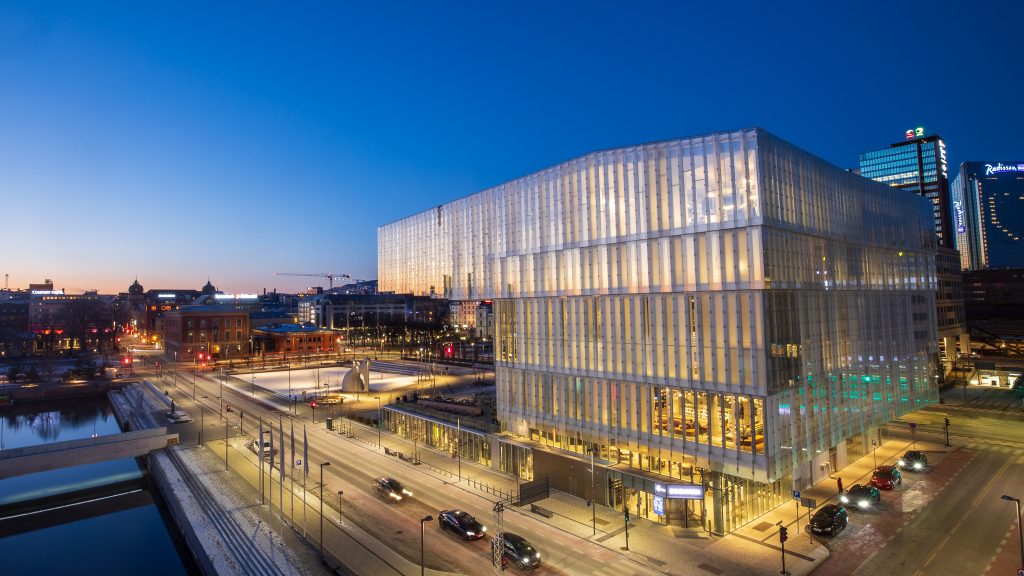
Deichman Bjørvika
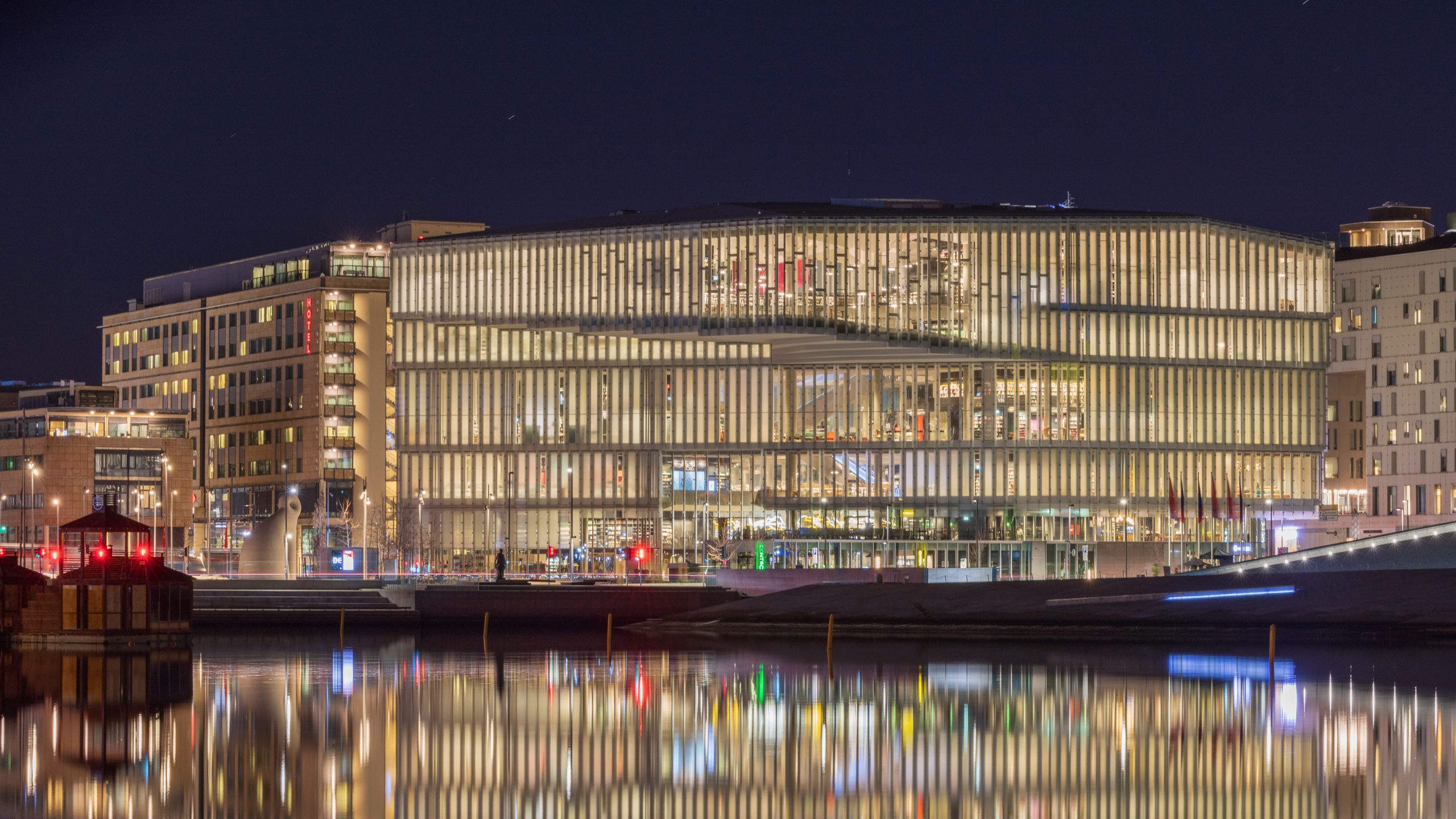
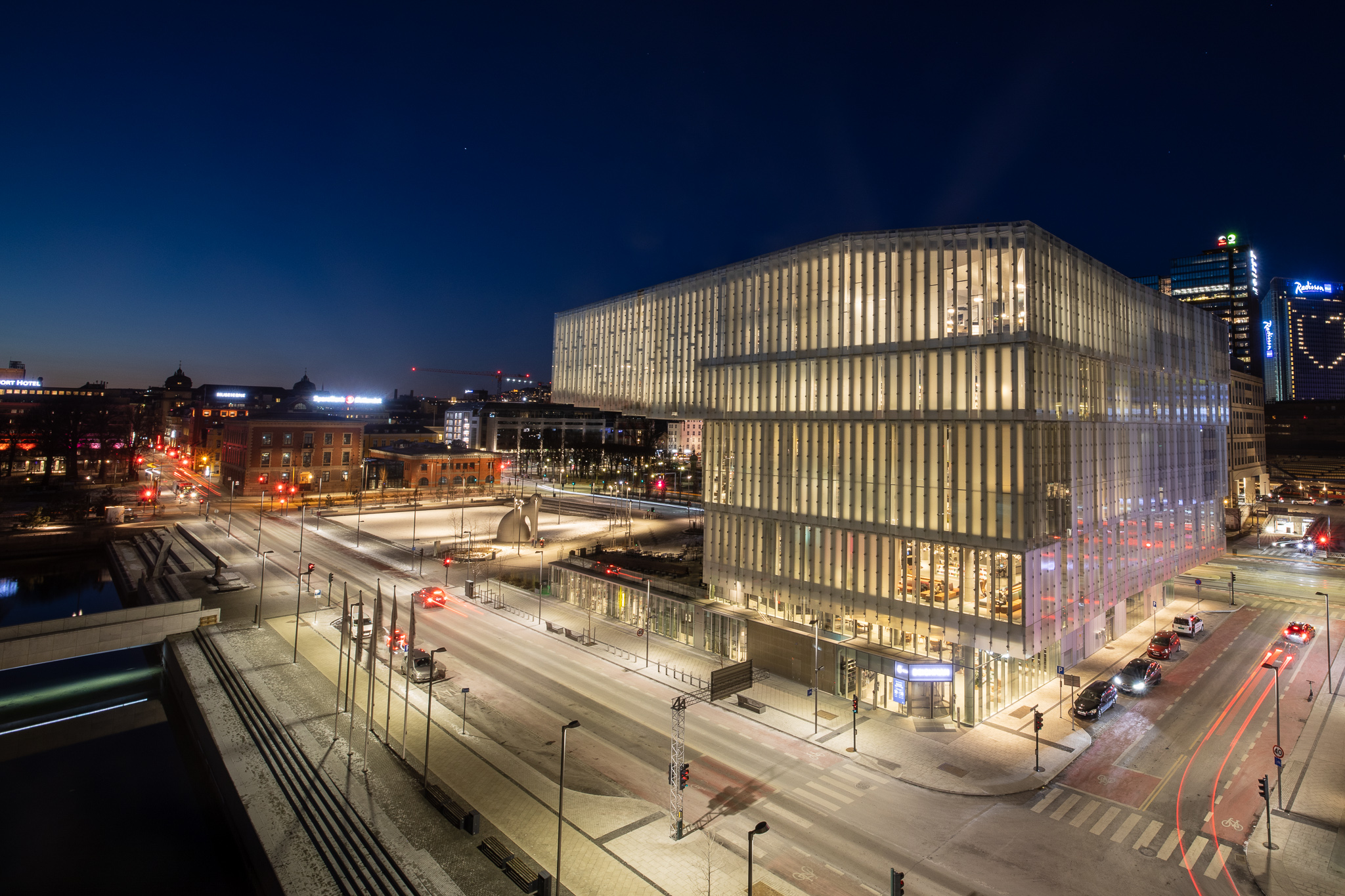
Oslo's main public library opened on 18 June 2020 between the Opera House and Oslo Central Station, designed by Lund Hagem and Atelier Oslo. Its top floor cantilevers about 18 m over the square, and diagonal light shafts cut down through the reading floors.
Deichman Bjørvika glows at blue hour beside the street and the plaza by the Opera House
Read more: Deichman Bjørvika: Oslo’s Main Library on the Fjord
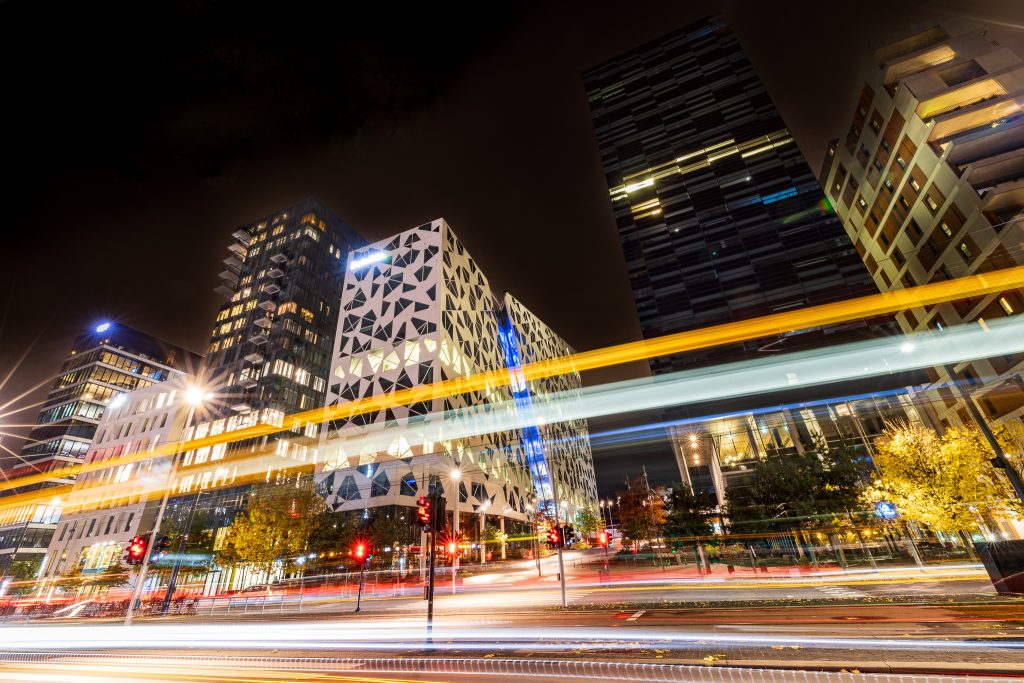
The Barcode
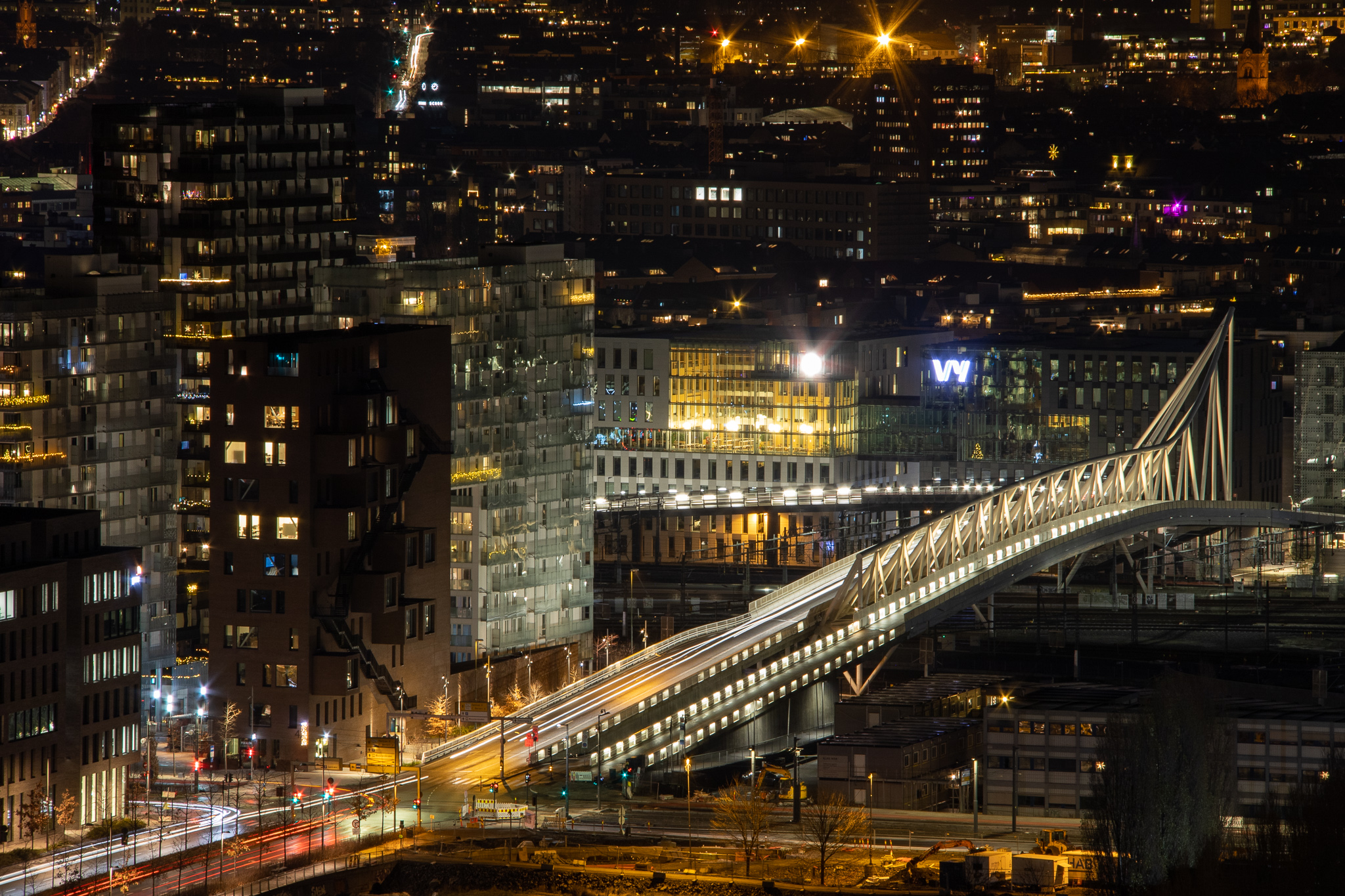
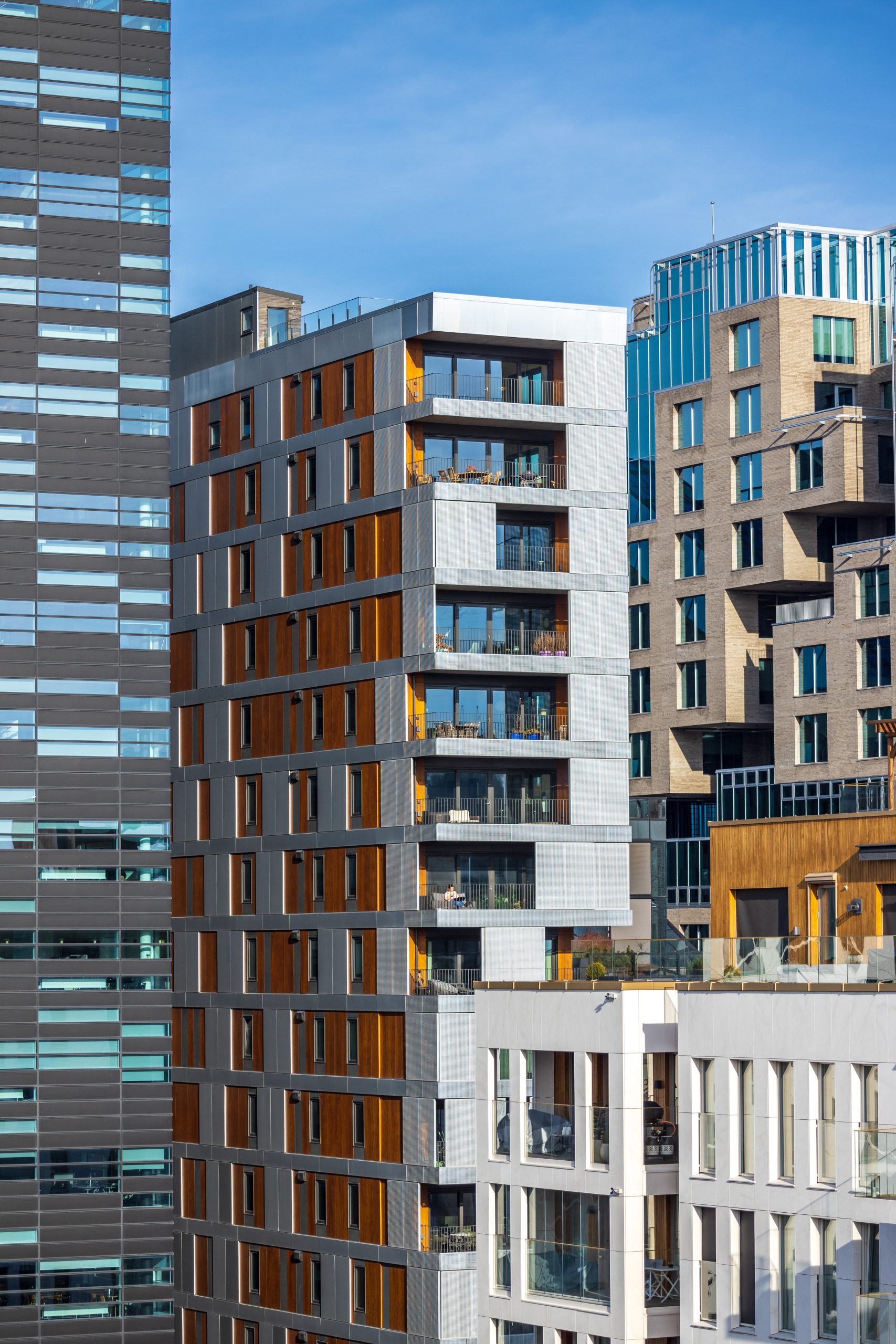
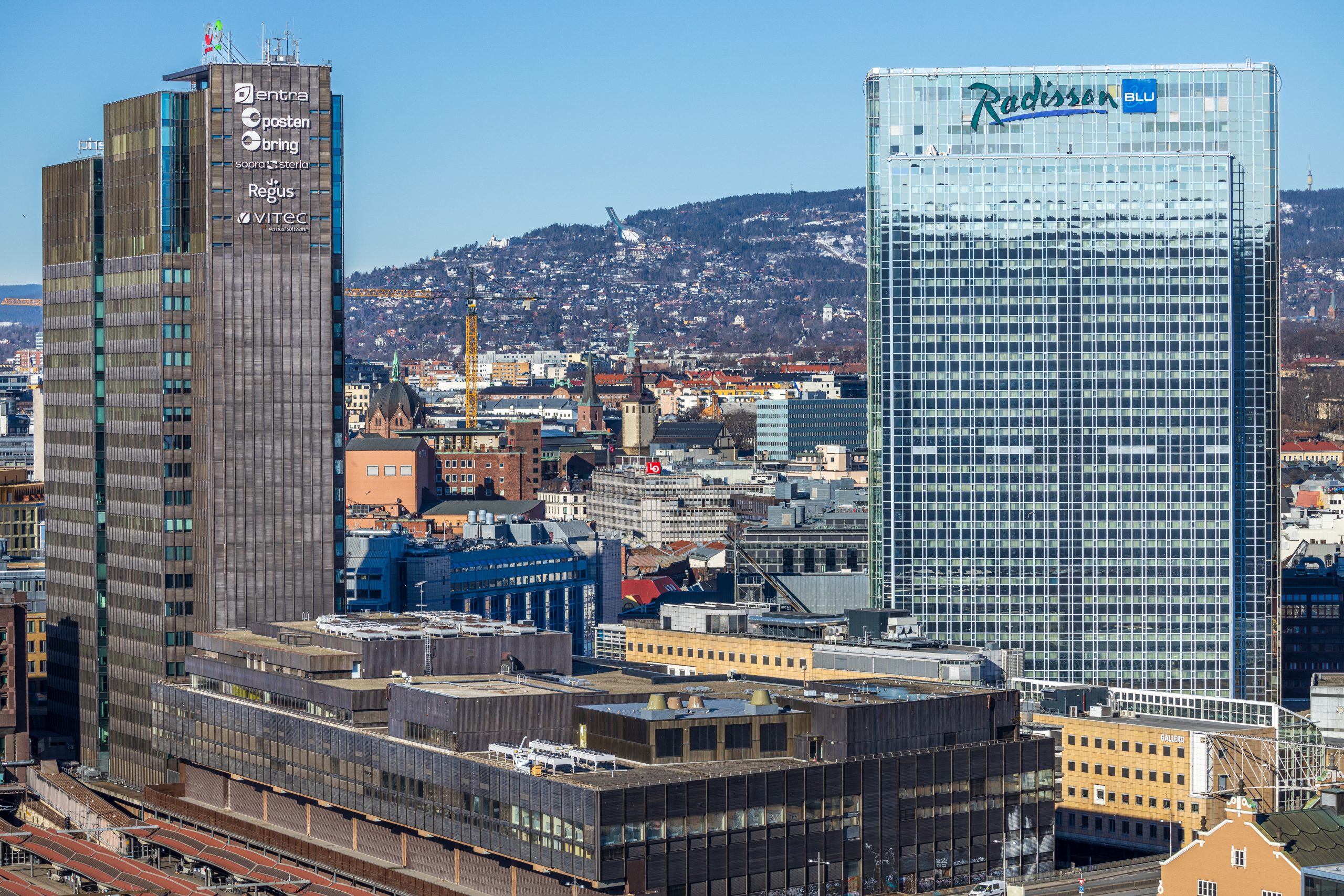
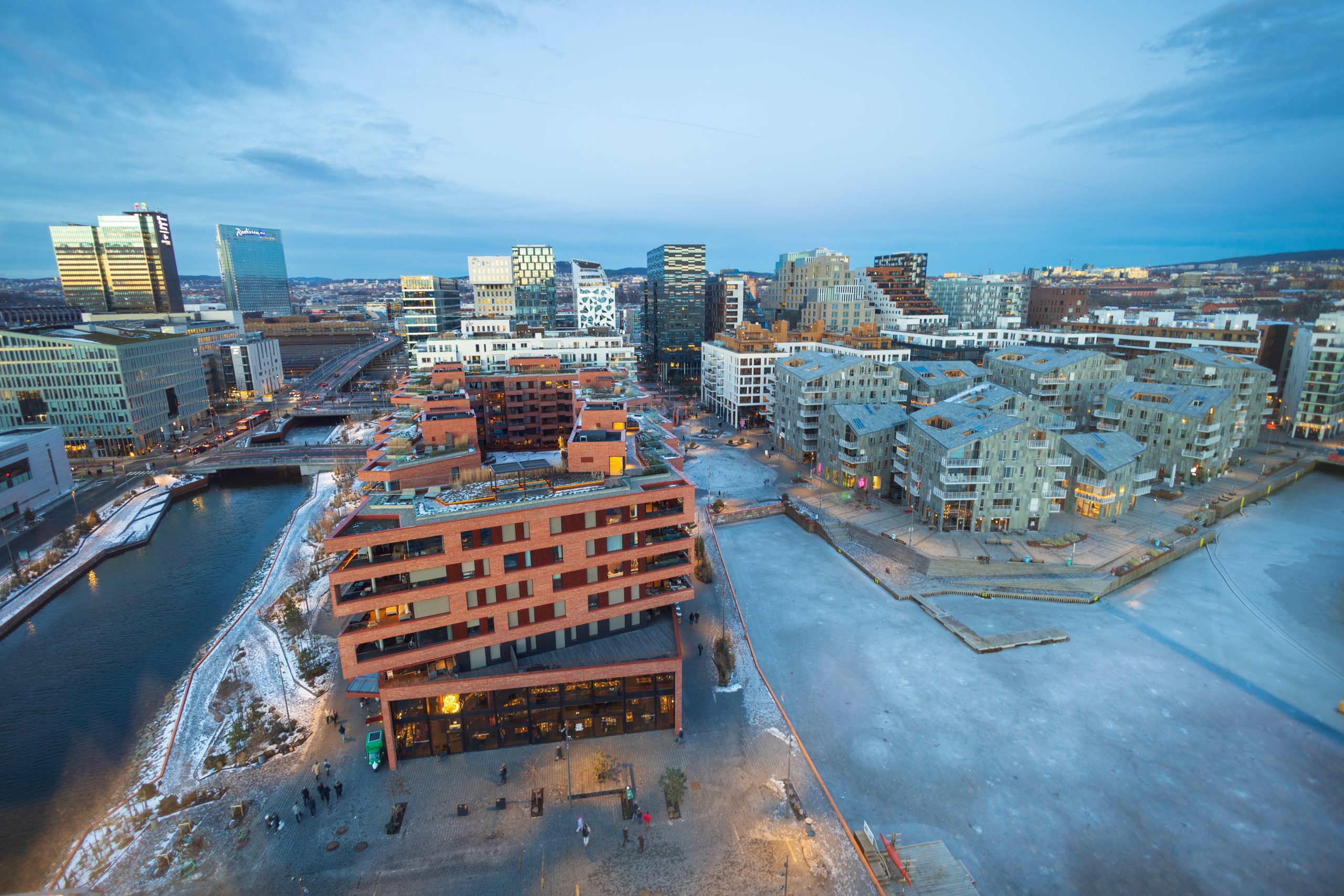
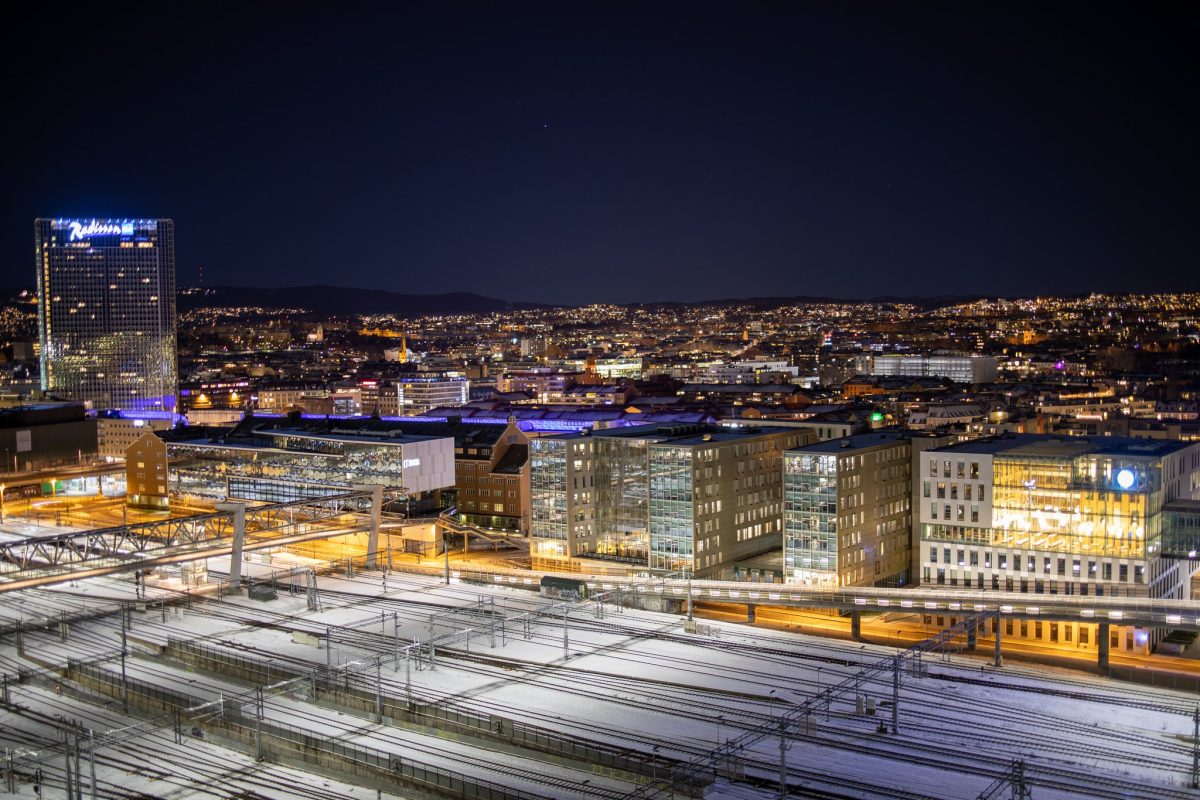
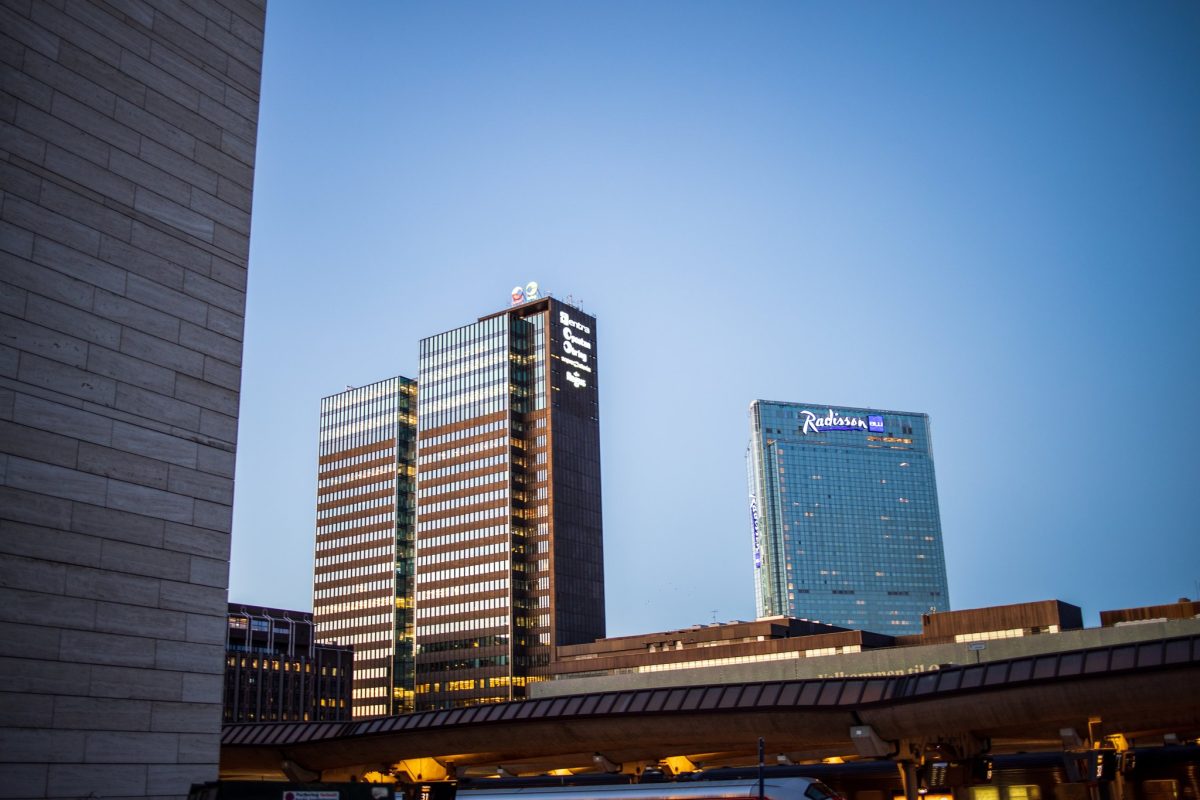
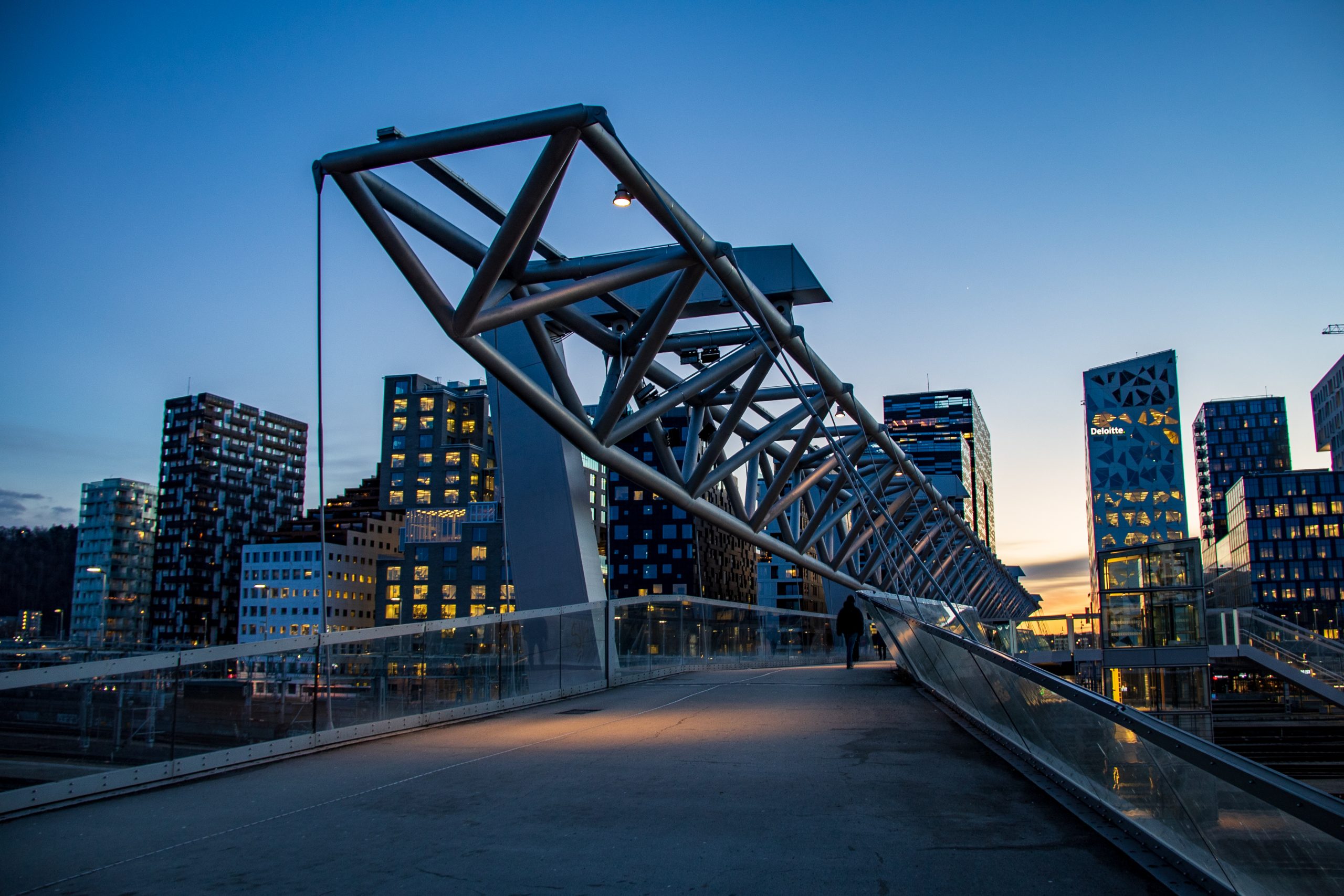
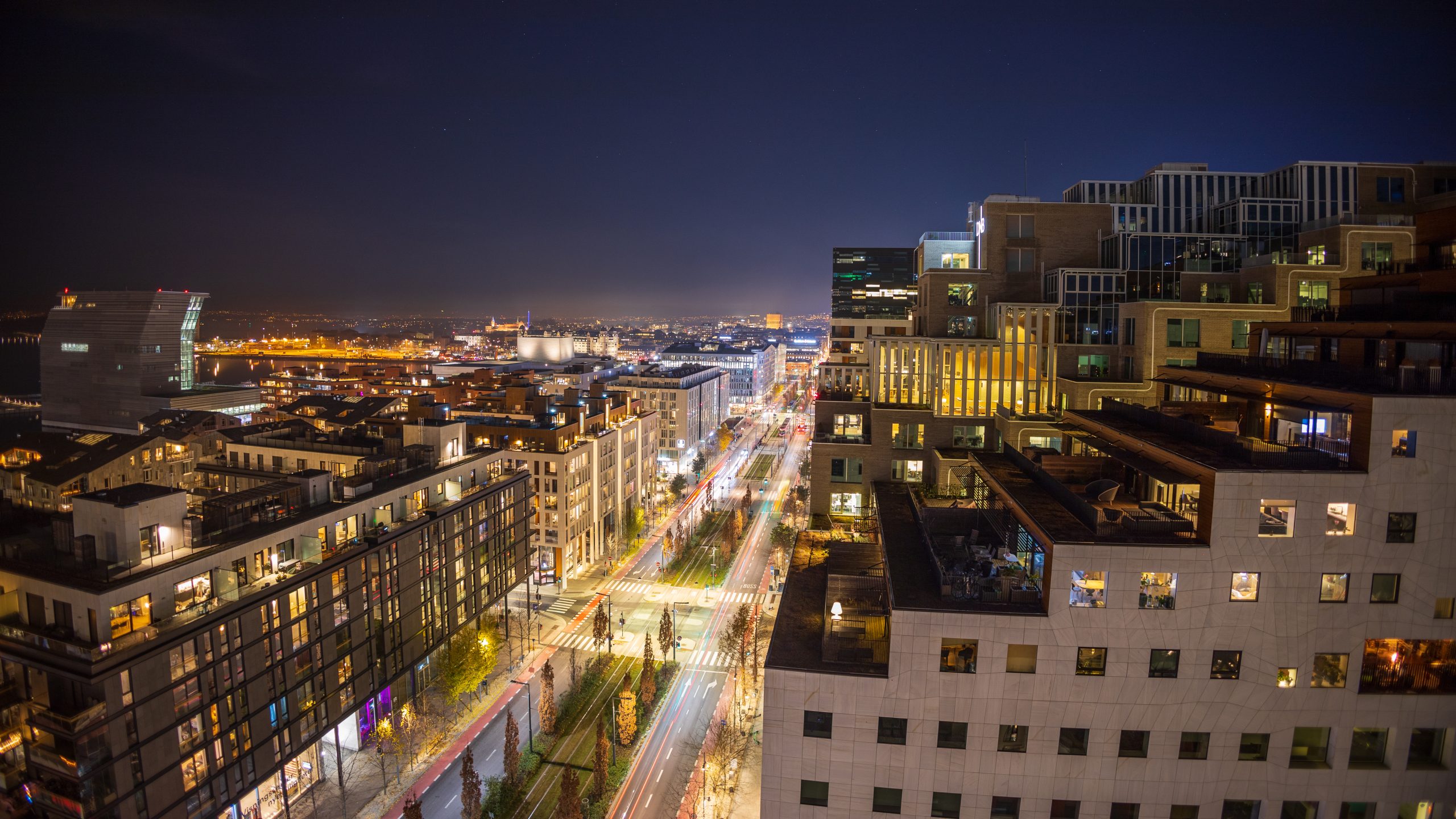
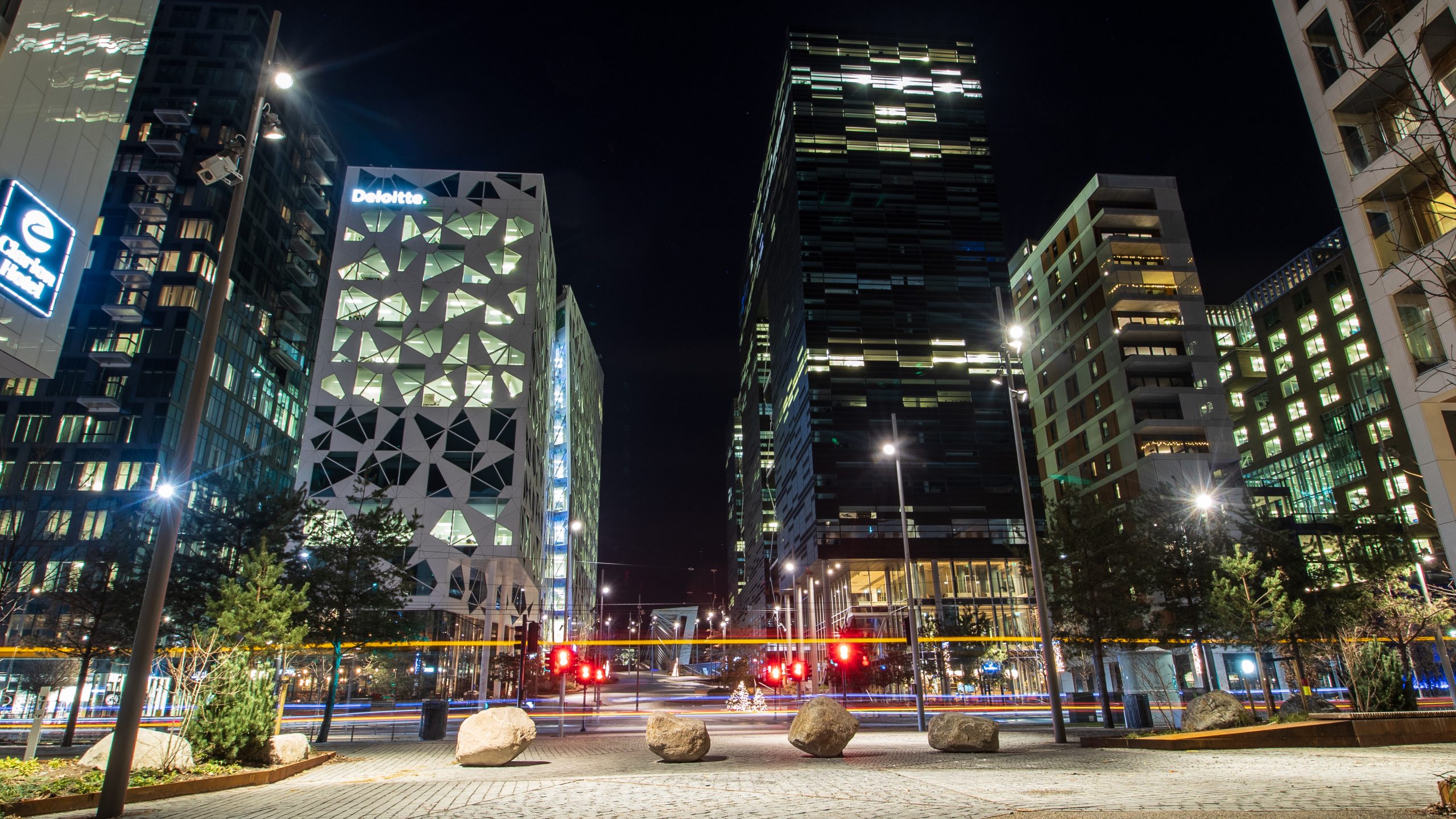
The Barcode is a row of narrow high-rises along Dronning Eufemias gate, built between 2008 and 2016 on the former container port. The tallest, the Visma building, is 67 m, while the 117 m Oslo Plaza hotel from 1990 rises behind the station. After dark, the towers and the Bjørvika waterfront become rows of lit windows.
Traffic light trails on Dronning Eufemias gate at night, with the Barcode towers lit up behind
Read more: Bjørvika, Oslo: From Container Port to Cultural Waterfront
3D model © 2026 madseriksson.no · Photographs © madseriksson.no. Buildings and heights: © OpenStreetMap contributors (ODbL), via OpenMapTiles. Ground imagery: Sentinel-2 cloudless 2023 by EOX IT Services GmbH (contains modified Copernicus Sentinel data 2023; CC BY 4.0). Heights are approximate where OpenStreetMap has no measured value; sun positions are approximate.
The City Centre — From the Palace to the Fjord
Karl Johans gate runs from the Royal Palace to the Cathedral in a straight line — and the waterfront below it has been transformed into one of Europe’s most compelling urban spaces
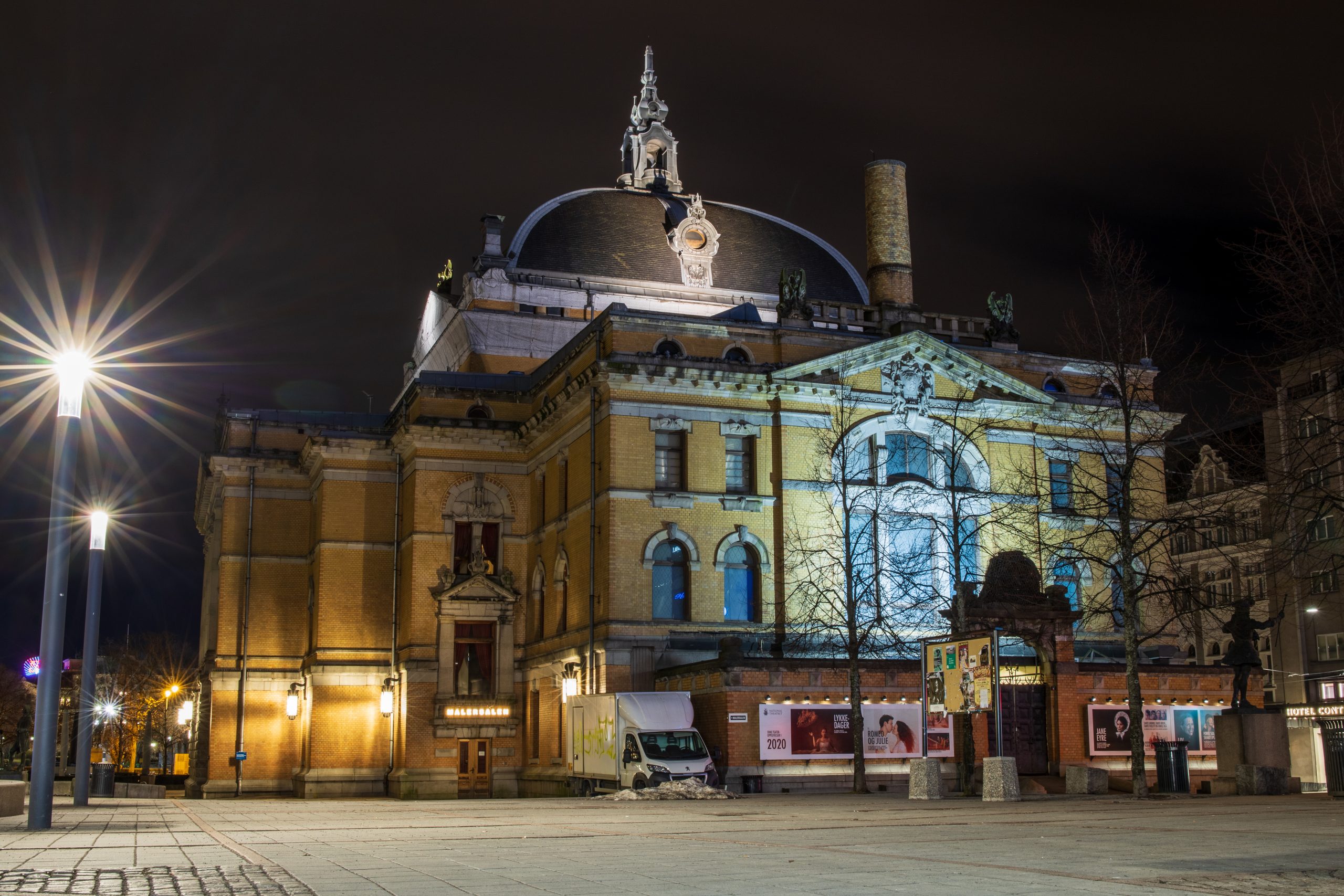
Karl Johans gate — Oslo’s main pedestrian street, named for the Swedish-Norwegian king who commissioned the Royal Palace in 1824 — runs approximately one kilometre from Oslo Central Station at the eastern end to the Palace at the western. Along the way it passes the Parliament building (Stortinget), the National Theatre and the University of Oslo’s central buildings. The Palace itself sits at the top of a gentle slope on the western edge of the city centre, surrounded by the Slottsparken and guarded by a mounted statue of Karl Johan. The changing of the guard takes place daily at 13:30. The view back down Karl Johans gate from the Palace steps — the street stretching east with the Cathedral spire at the far end — is one of the characteristic Oslo perspectives.
Akershus Fortress, on a promontory above the harbour, has guarded Oslo since around 1299. It was rebuilt as a Renaissance palace in the early 17th century and has served as a prison, a military headquarters and a royal residence. During the German occupation of Norway (1940–1945) it was used by the Nazi administration; Norwegian resistance fighters were executed in the courtyard, and the Norwegian Resistance Museum within the fortress walls gives one of the most rigorous accounts available of the occupation and resistance. The fortress grounds are open to the public and the view over the fjord — the container port to the left, the Bygdøy peninsula to the right, and the open fjord beyond — is excellent.
The Oslo Opera House is built so that the public can walk from street level directly onto the roof — a slope of white Italian marble that rises from the water to the building’s peak. On a clear day the view takes in the fjord and the hills above the city.
The transformation of the Bjørvika waterfront east of Akershus Fortress represents the most significant urban development in Oslo’s recent history. The Oslo Opera House, designed by Snøhetta and opened in 2008, rises from the harbour with a roof of white marble and granite that slopes down to the water and is fully accessible to the public. The building won the European Union Prize for Contemporary Architecture (Mies van der Rohe Award) in 2009. Adjacent to it, the MUNCH Museum — the Lambda building, opened in 2021 — holds the world’s largest collection of works by Edvard Munch: approximately 28,000 works including paintings, drawings, prints and documentary materials. The museum’s building, a 13-floor tilted tower on the waterfront, is as much a point of discussion as the collection it houses.
Bygdøy and the Fjord — The Peninsula of Ships
The Viking ships, the polar vessel Fram, Thor Heyerdahl’s Kon-Tiki — and the fjord that connects everything
The three Viking ships in Oslo’s collection — the Oseberg (buried 834 CE), the Gokstad (c. 900 CE) and the Tune (c. 900 CE) — are the best-preserved Viking vessels in the world and among the most significant archaeological finds in Norwegian history. The Oseberg ship, in particular, is extraordinary: elaborately carved throughout, buried as part of a royal funeral mound with a rich assemblage of grave goods including sledges, carts, textiles and two human skeletons. The old Viking Ship Museum at Bygdøy closed in October 2022 to make way for a comprehensive new institution: the Museum of the Viking Age (Vikingtidsmuseet). All three ships have been successfully moved into the new building at Bygdøy as of spring 2026, and the museum is expected to open to the public in late 2027. Until then, Viking Age objects can be seen at the Historical Museum (Historisk museum) in central Oslo.
The Fram Museum, on the same peninsula, houses the Fram — the ship that carried Fridtjof Nansen as close to the North Pole as any vessel had reached (1893–1896), and later took Roald Amundsen to Antarctica for his successful race to the South Pole in 1910–1912. The Fram is the world’s strongest wooden vessel, purpose-built to withstand the pressure of sea ice, and the museum is built around it: you enter the building and the ship fills the space. You can go aboard, descend into the hold, and stand in the cabin where Amundsen and Nansen planned their expeditions. Adjacent to it, the Kon-Tiki Museum houses the balsa-wood raft on which Thor Heyerdahl crossed the Pacific from Peru to Polynesia in 1947.
The Oseberg ship was buried as a funeral monument in 834 CE with two women, a horse-drawn cart, four sledges, a ship’s boat and 15 horses. The carvings on the stern post are among the finest examples of Viking Age art in existence.
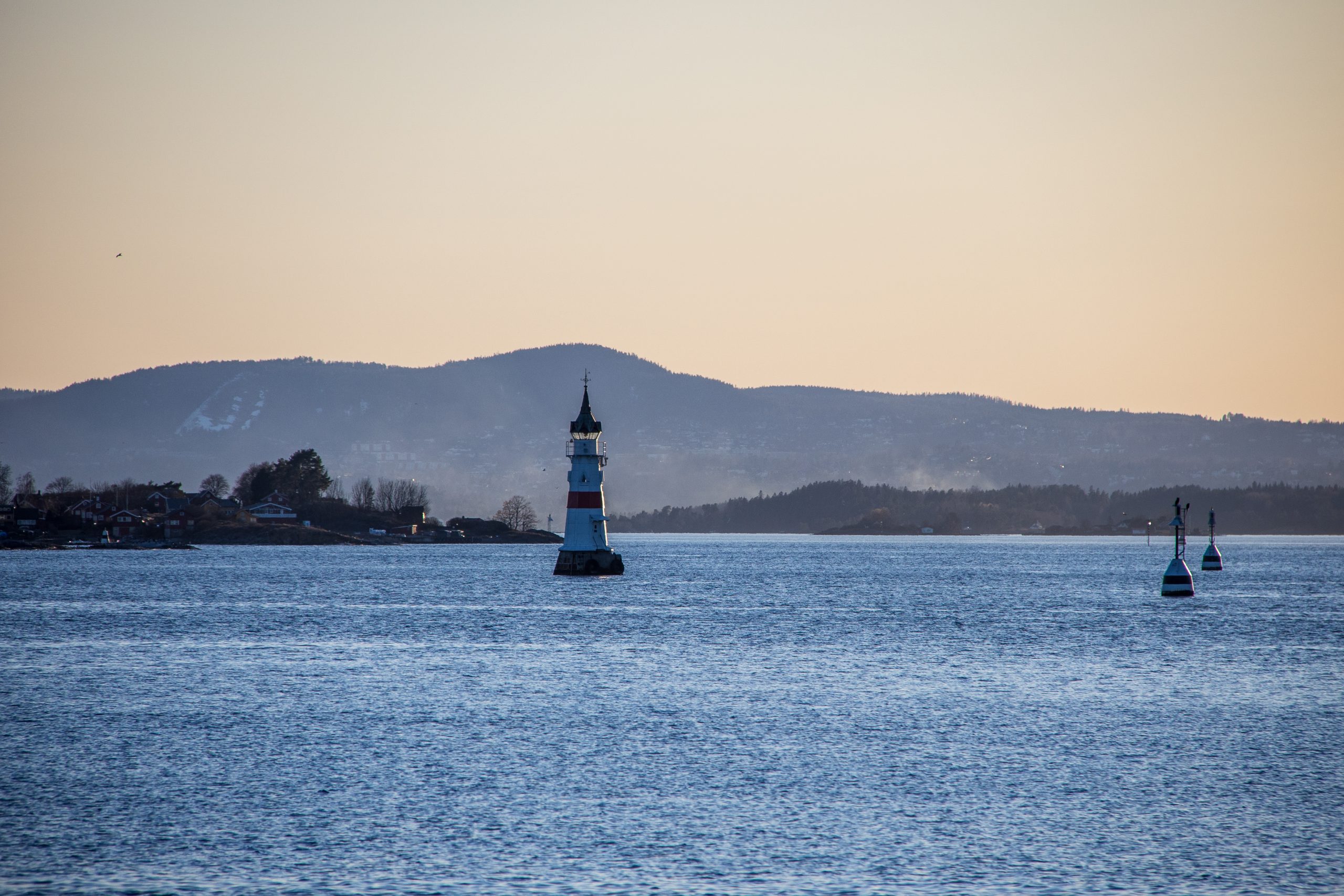
The Oslofjord is 100-plus kilometres long, running south from the city through a landscape of islands, straits, forested shores and summer cottages. The inner fjord islands — Hovedøya, Gressholmen, Langøyene — are reachable by public ferry from Aker Brygge in 10 to 25 minutes, and in summer they are heavily used for swimming, picnicking and kayaking. The ferry also runs from Aker Brygge to Bygdøy from spring through autumn, making the museum peninsula accessible without needing to take a bus. Aker Brygge itself — the former Aker shipyard, converted into a restaurant, bar and shopping complex in the 1980s — is the most atmospheric stretch of Oslo’s waterfront, with the Akershus Fortress walls rising behind and the fjord directly in front.
Vigeland, Holmenkollen and the Forest
A sculpture park of 212 works by one man, a ski jump with a century of history, and a forest that begins where the city ends
Vigeland Sculpture Park, within the larger Frognerparken in the western part of the city, contains 212 sculptures in bronze, granite and wrought iron, all by Gustav Vigeland (1869–1943). Vigeland spent 40 years on the project — the city gave him a studio, materials and a lifetime salary in exchange for all his output — and the result is unlike anything else in public art: a complete symbolic universe centred on the human body and the cycle of life, arranged along a 850-metre axis from the main gate through the bridge, past the fountain, to the Monolith plateau. The Monolith itself is a single column of granite 14.12 metres tall, carved with 121 intertwined human figures, requiring 14 years of daily work to complete. The park receives approximately 1 million visitors a year and is free to enter at all times.
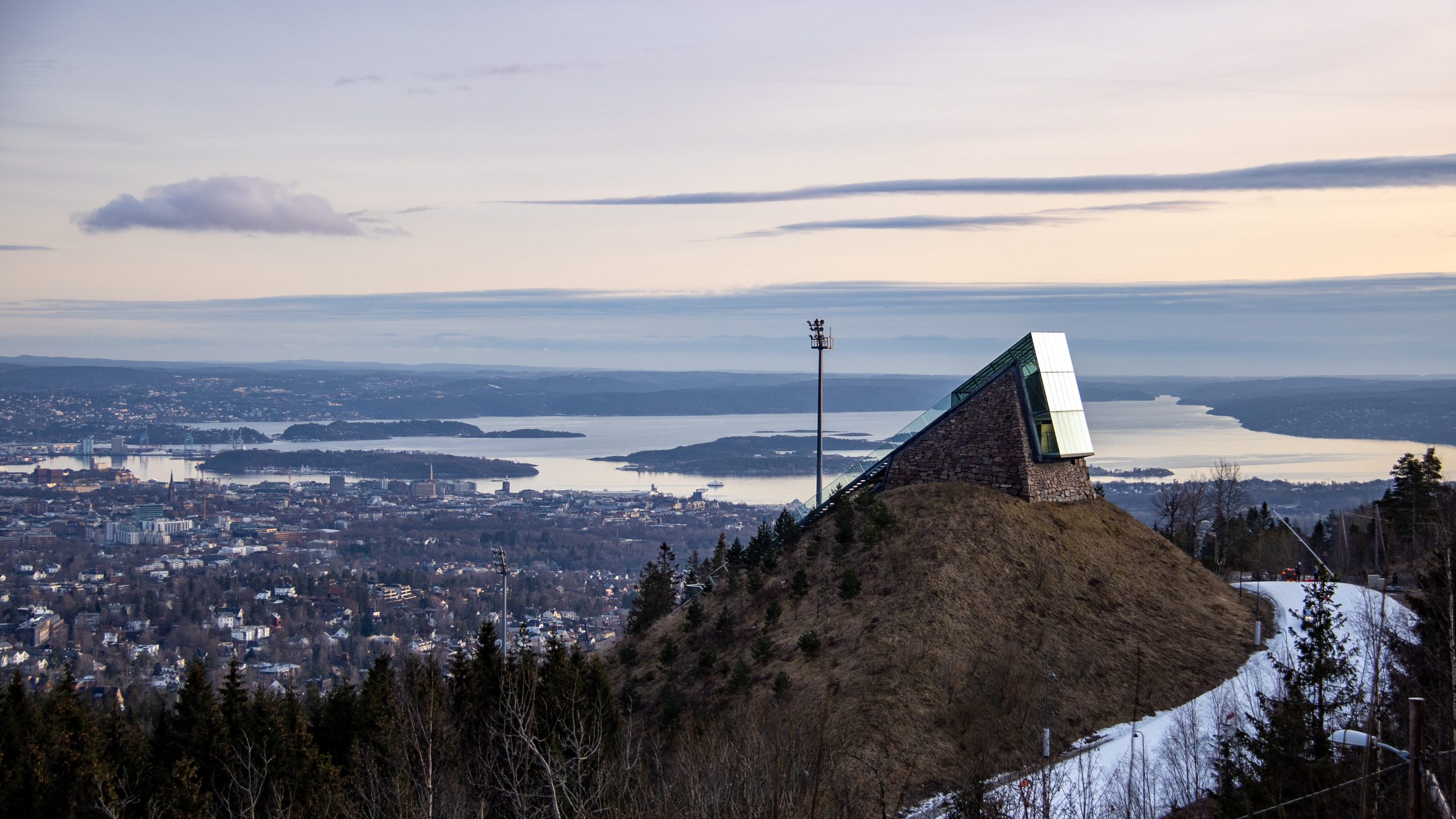
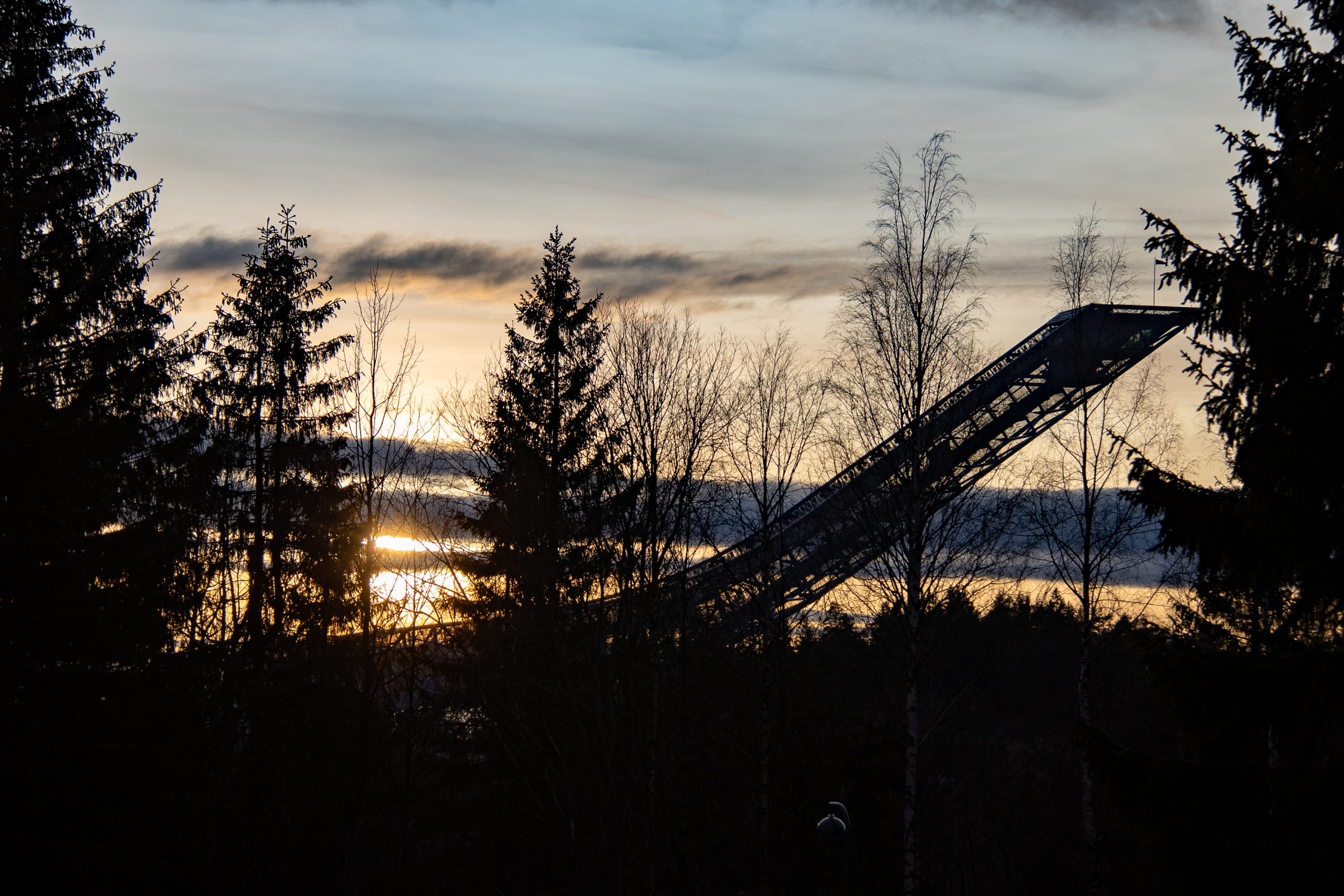
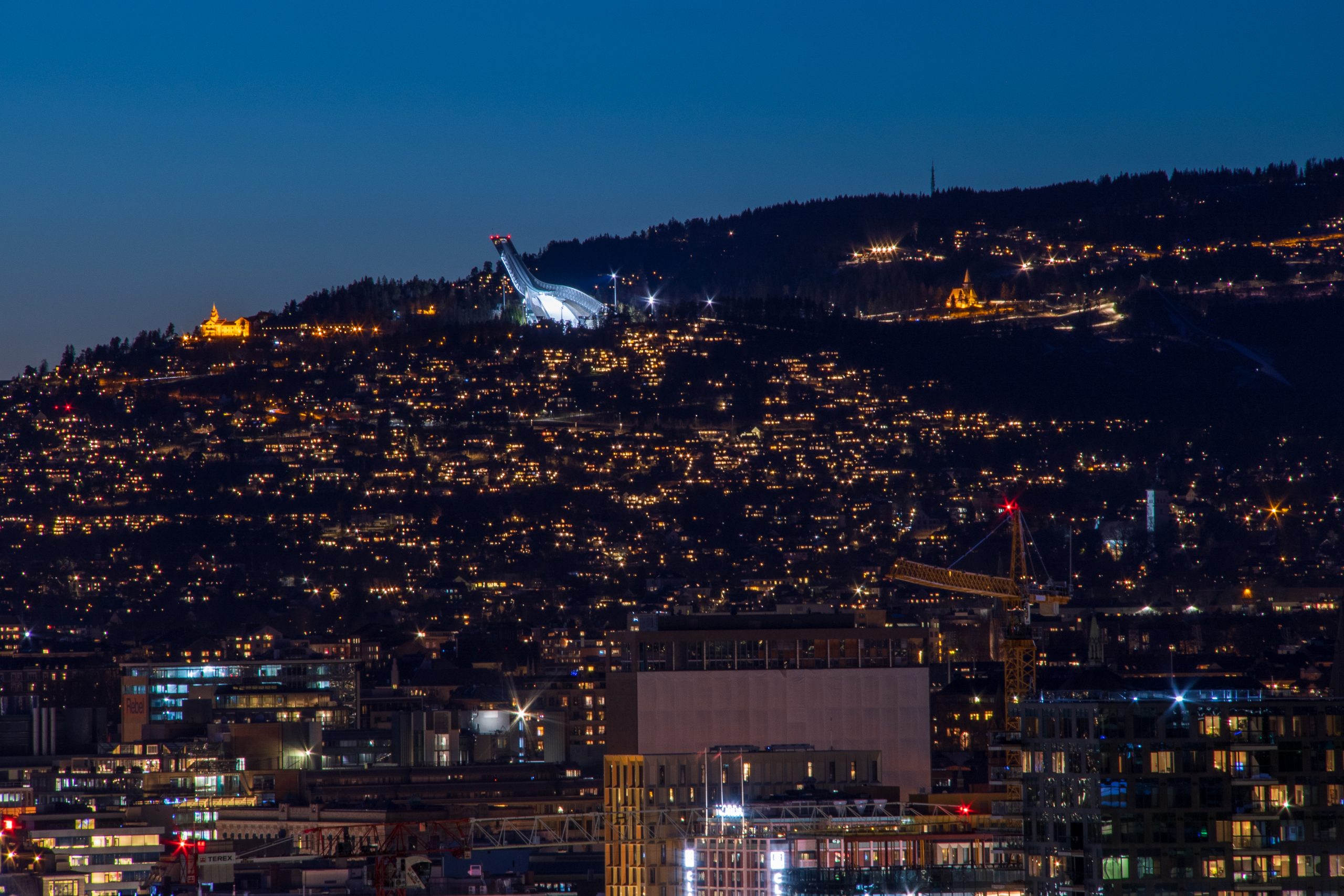
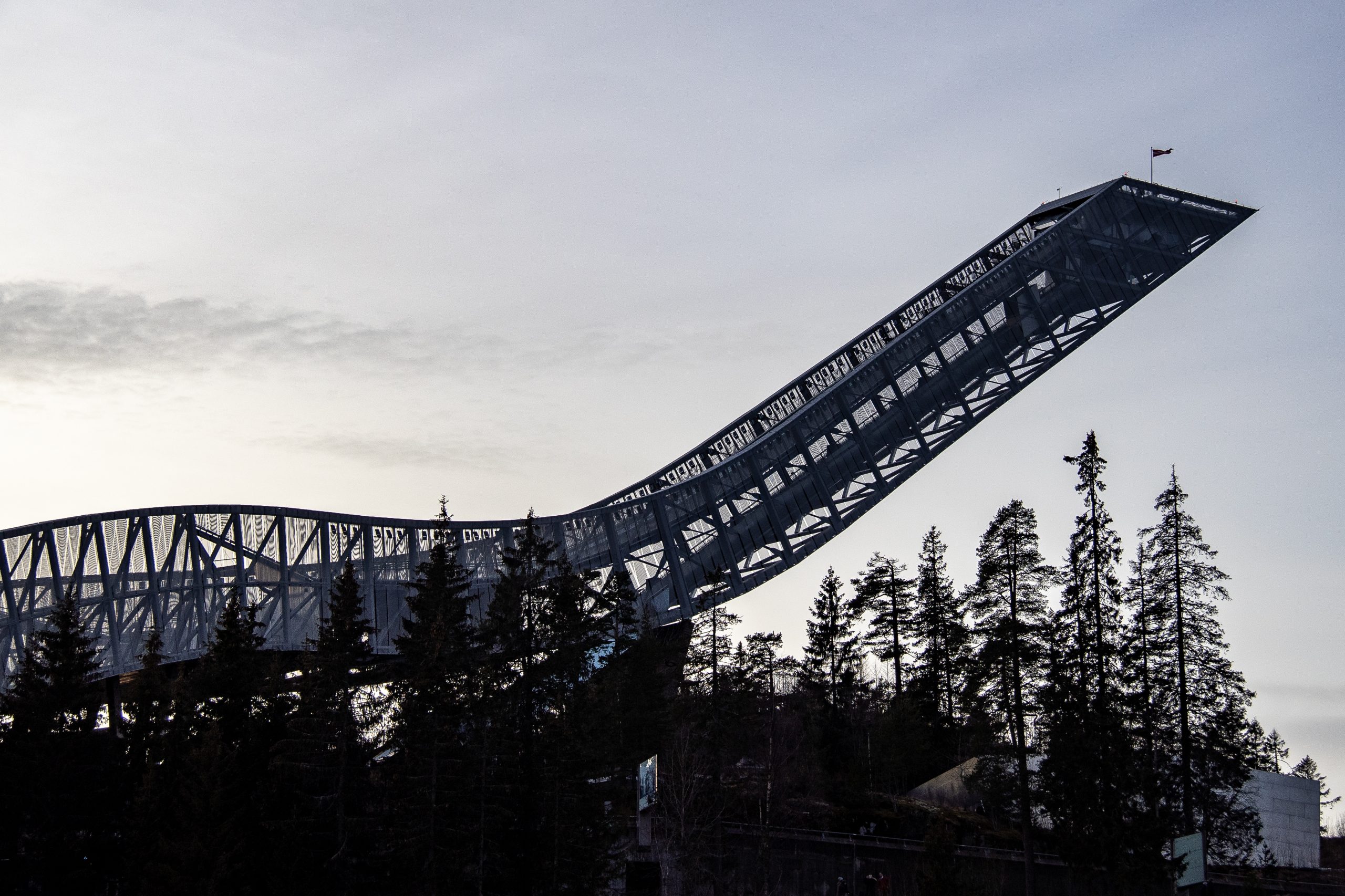
Holmenkollen ski jump has existed on the ridge above Oslo in various forms since 1892 — making it one of the oldest continuously operated ski jumps in the world. The current structure, rebuilt for the 2011 FIS Nordic World Ski Championships, is a 64-metre steel tower from which the world’s best ski jumpers compete each March during the Holmenkollen Ski Festival. The festival, held annually since 1892, typically draws crowds of 100,000 over its central weekend and is one of the most attended winter sports events in the world. The T-bane line 1 runs from the city centre directly to Holmenkollen station in approximately 25 minutes, and in winter the slope below the jump is operated as a public toboggan run.
The Vigeland Monolith is a single piece of granite 14.12 metres tall, carved with 121 figures by Gustav Vigeland alone over 14 years of daily work. It took three stonecutters to execute the design from his model.
Nordmarka — the forested hills that begin where the northern suburbs end — contains over 2,600 kilometres of marked hiking and skiing trails, along with numerous lakes, huts and overnight cabins managed by the Norwegian Trekking Association (DNT). T-bane line 1 terminates at Frognerseteren station (387 metres above sea level), from which marked trails lead in all directions into the forest. The classic Sognsvann loop — a flat 3.5-kilometre trail around the lake at Sognsvann, reached by T-bane line 3 — is probably the most walked path in Norway, used year-round by commuters, families and recreational walkers alike. In winter the same trails are groomed for cross-country skiing. In summer the lakes are swimmable. Oslo is the only major European capital where urban mass transit connects directly to genuine wilderness.
Oslo Food — The New Nordic Table and the Old Norwegian Kitchen
From gravlaks and brunost to the foraging-and-fermentation cooking that has made Scandinavian restaurants some of the most talked-about in the world
The New Nordic food movement — the philosophy of cooking developed at Copenhagen’s Noma and articulated in the 2004 New Nordic Manifesto — transformed Scandinavian restaurant culture entirely, and Oslo arrived late but with considerable force. The city now has a cluster of restaurants operating at an international level, using Norwegian ingredients — wild herbs, sea vegetables, fermented dairy, cold-water fish, foraged mushrooms, cloudberries, game — with a rigour and creativity that makes Oslo one of the more interesting dining cities in northern Europe. The restaurants are expensive by any standard; Oslo prices reflect Norwegian wages and the cost of the ingredients. But the quality justifies the comparison with Copenhagen and Stockholm.
Mathallen Oslo, in the Vulkan district of Grünerløkka, is a converted industrial building housing over 30 specialist food vendors — fishmongers, cheesemongers, butchers, bakers, charcutiers, coffee roasters, international food counters. It opened in 2012 and has become the reference point for Oslo food culture: a place to buy gravlaks cured to order, brunost from small Norwegian dairies, akevitt from the country’s growing number of distilleries, and a very good lunch from any of a dozen different cuisines. Brunost — the caramel-brown whey cheese that is uniquely Norwegian and genuinely unlike anything else in the dairy world — comes in dozens of varieties here, from the mild Ski Queen to aged, deeply savoury farmhouse versions that bear no resemblance to the supermarket product.
Brunost is made by boiling whey until the lactose caramelises. The result is a sweet, brown, fudge-like cheese that Norwegians eat for breakfast on bread, use as a sauce for game, and feel strongly about. Non-Norwegians either understand it immediately or find it baffling.
Grünerløkka, Oslo’s most consistent neighbourhood for cafés, restaurants, bars and independent shops, occupies the area around the Akerselva river northeast of the city centre. The streets around Olaf Ryes plass and Thorvald Meyers gate concentrate a density of coffee shops, wine bars, brunch spots and small restaurants that changes considerably across the day — morning coffee culture giving way to lunch, afternoon to the Oslo tradition of the long Saturday brunch, evening to restaurants that fill early by Nordic standards (Norwegians eat dinner at 5 or 6pm). The neighbourhood is also the location of some of Oslo’s better independent bookshops, vintage clothing stores and record shops, and has retained a character more neighbourhood than tourist despite its popularity.
«Oslo asks less of you than most capitals. It is small enough to navigate without anxiety, prosperous enough to work without friction, and surrounded by a landscape that has shaped its inhabitants in ways that remain visible in how they move through the world. The ski jump on the hill, the fjord at the foot of the city, the forest reachable by metro — these are not amenities. They are the conditions under which Oslo thinks about itself. Visitors who understand that — who take the T-bane to the end of the line and walk into the trees, or who take the ferry to an island and swim in the fjord — tend to understand Oslo in a way that the museums alone cannot give.»
More in the same area
 CitiesBjørvika, Oslo: From Container Port to Cultural Waterfront
 ArchitectureDeichman Bjørvika: Oslo’s Main Library on the Fjord
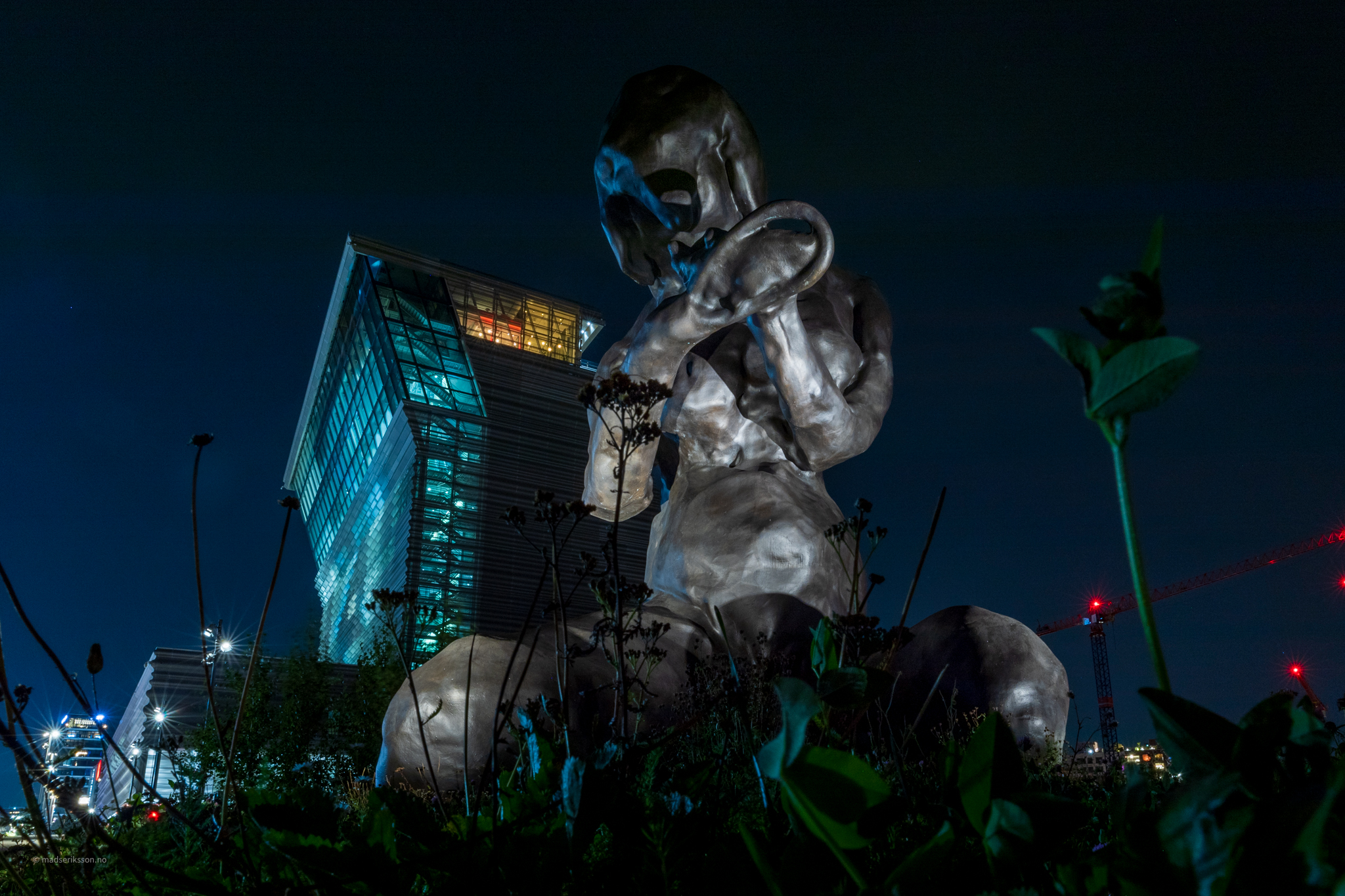 ArchitectureMunch Museum in Oslo: A Modern Icon of Art and Architecture
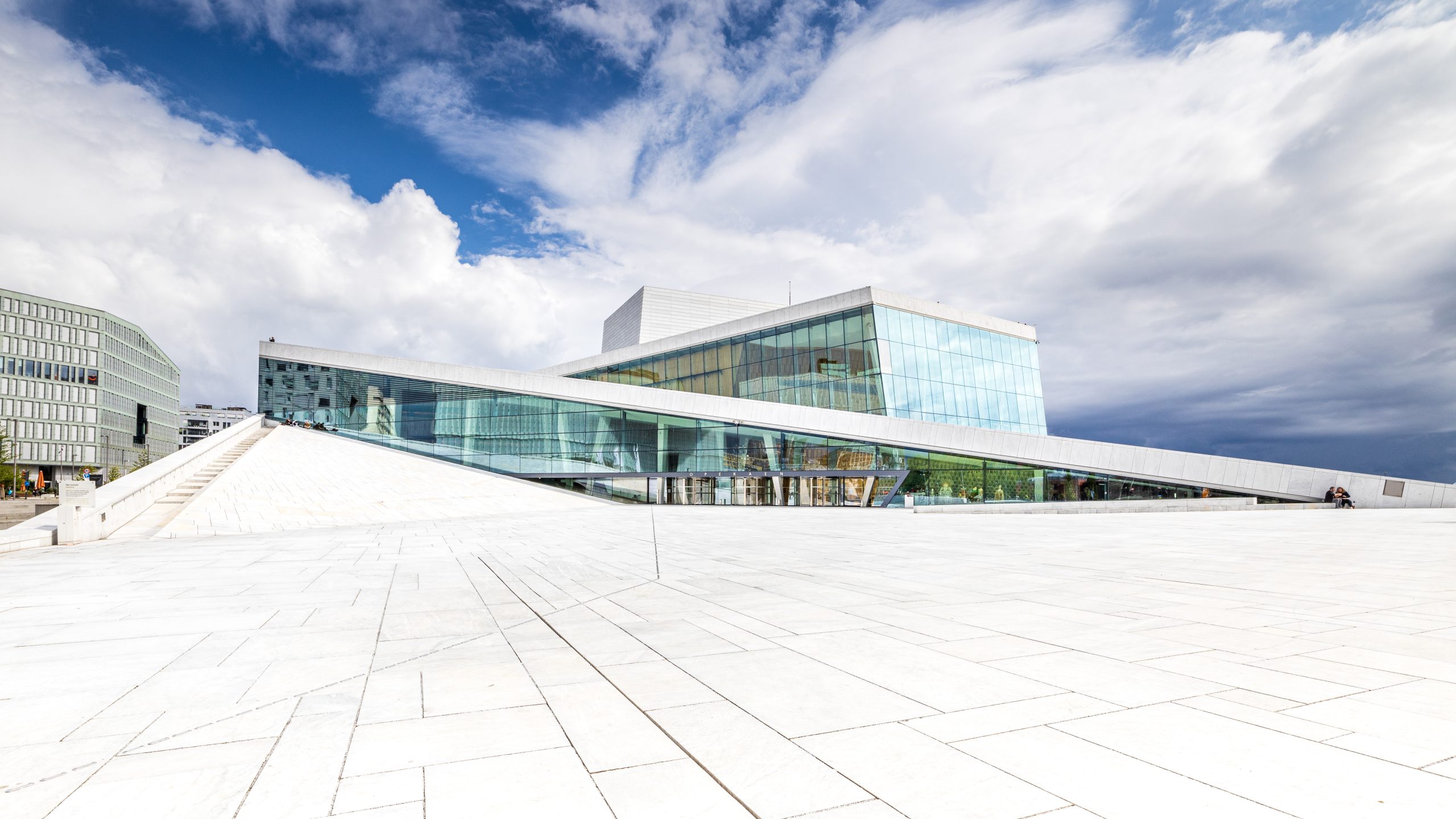 ArchitectureOslo Opera House
 ArchitectureTen Buildings That Changed Their Cities — Modern Architecture Ranked on Impact, Not Image
 CitiesLongyearbyen — The World’s Northernmost City
City Frames · scroll-driven 3D
More cities in three dimensions
54 city guides open with a model built from open map data. Scroll, and the camera moves from landmark to landmark.
Departures · City Frames
Where to next?
| Time | Destination | Country | Status |
|---|
Live · position of the sun
Golden hour, right now
The low, warm light just after sunrise and just before sunset. These are the cities on the site where it is happening at this moment.