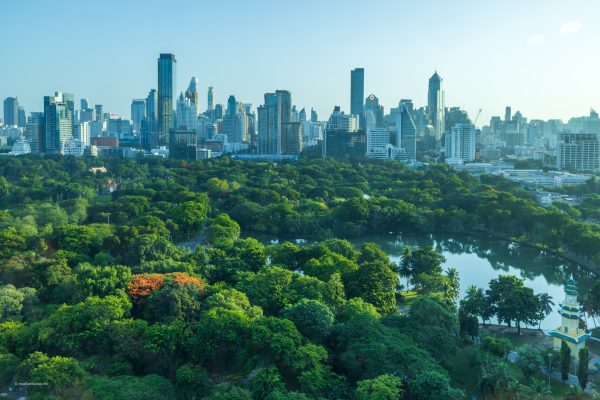
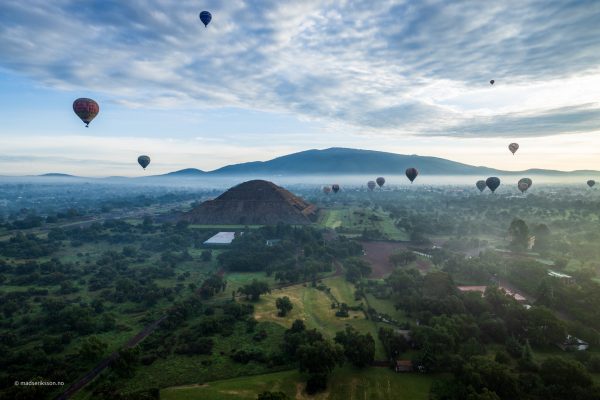
Europe’s great cities are where the continent’s history happened. The arguments about democracy began in Athens. The Roman Empire was administered from Rome. Napoleon rebuilt Paris into the template for every subsequent capital. The Berlin Wall divided a continent for 28 years and its fall reunified it in a single night. From Istanbul — the only city on two continents — to Marseille, the oldest city in France, this is a guide to Europe’s 25 largest metropolitan areas: what makes each one distinctive, what it has contributed to the story of the continent, and why it rewards a visit.

Europe is a small continent with an extraordinary density of significant cities. Within an area roughly the size of the continental United States, it contains capitals that have been centres of empire, revolution, art, science, religion and commerce for two thousand years or more. The ranking in this guide is based on metropolitan area population — the city and its functional commuter hinterland — using the most recent available estimates. Istanbul leads at approximately 16 million, a figure that reflects both the city’s unique position straddling two continents and Turkey’s rapid urbanisation over the past half-century. Moscow has been excluded; the remaining 25 cities represent the full geographical and cultural range of the continent, from the Atlantic coast to the Ukrainian steppe, from Scandinavia to the Mediterranean.
Thirteen of the twenty-five cities in this ranking have their own full guides on madseriksson.no, linked in the relevant sections. The remaining twelve are covered here in sufficient depth to orient a first-time visitor and suggest what is most worth attention in each. No European city is without interest; the twenty-five in this guide are simply the largest, and size in a European context tends to correlate with historical significance, cultural density and the quantity of things worth seeing — with a few notable exceptions that are interesting precisely because they are not what their size would lead you to expect.
How to read this ranking
The cities are presented in order from largest to smallest metropolitan area. Each section covers the city’s defining character, its most significant historical and cultural contributions, and its key attractions. Cities with full guides on madseriksson.no are flagged with a direct link at the end of their section.
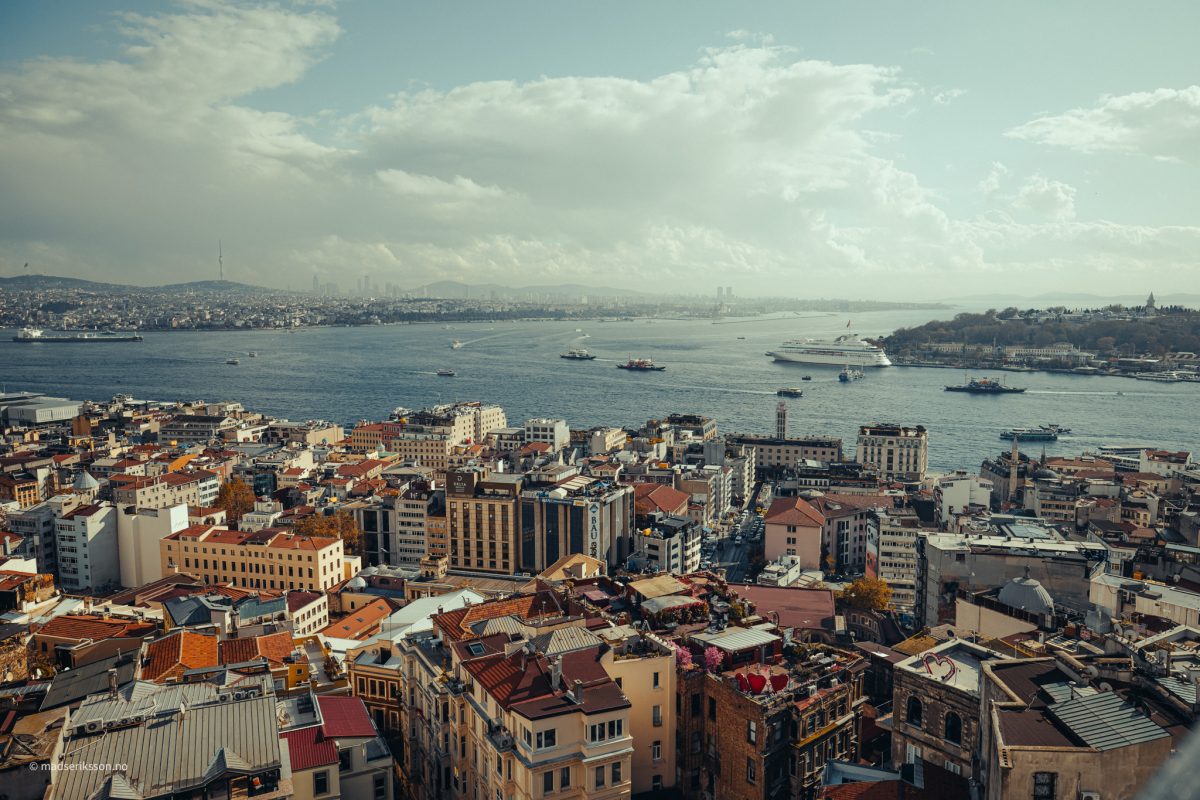
#1 Istanbul — The City Where Europe Ends and Asia Begins
16 million people on both sides of the Bosphorus, capital of three empires, home to the Hagia Sophia, Topkapı Palace and the Grand Bazaar — and the most historically layered city in Europe
Istanbul is the only city in the world that spans two continents, the only city to have served as capital of both the Eastern Roman (Byzantine) and Ottoman empires, and by most measures the most historically significant city in Europe. Founded as the Greek colony of Byzantium around 657 BCE, it was refounded as Constantinople by the Emperor Constantine in 330 CE, served as the capital of the Roman Empire’s eastern half for over a thousand years, fell to the Ottoman Sultan Mehmed II in 1453 after a 53-day siege, and served as the Ottoman capital until the proclamation of the Turkish Republic in 1923. The physical evidence of this layered history is everywhere: in the Hagia Sophia (built by Justinian in 537 CE as the greatest church in Christendom, converted to a mosque in 1453, a museum from 1934, and reconverted to a mosque in 2020); in the Topkapı Palace (administrative heart of the Ottoman Empire for 400 years); in the Hippodrome (the Byzantine chariot-racing stadium still visible as a public square); and in the underground Basilica Cistern (532 CE), a cathedral-like space of 336 marble columns built to supply water to the Great Palace.
The city’s contemporary character is shaped by its position as Turkey’s economic and cultural capital — not the political capital, which is Ankara — and by the extraordinary density of its historic peninsula. Beyoglu, across the Golden Horn, offers the 19th-century European character of İstiklal Avenue and the Galata district; the Asian side, Kadiköy and Uşküdar, offers a quieter, more residential Istanbul less visited by international tourists but equally rewarding. The Grand Bazaar, established in 1455, has approximately 4,000 shops under its domed roofs and remains one of the world’s oldest and largest covered markets; the Spice Bazaar, smaller and more aromatic, is the logical next stop. Turkish cuisine — meze, kebab, börek, baklava — at its best in Istanbul is genuinely world-class.
When Mehmed II entered Constantinople on 29 May 1453, he rode to the Hagia Sophia, dismounted, and poured a handful of earth over his head as an act of humility before God. He then ordered the church converted to a mosque. It had been a church for 916 years.
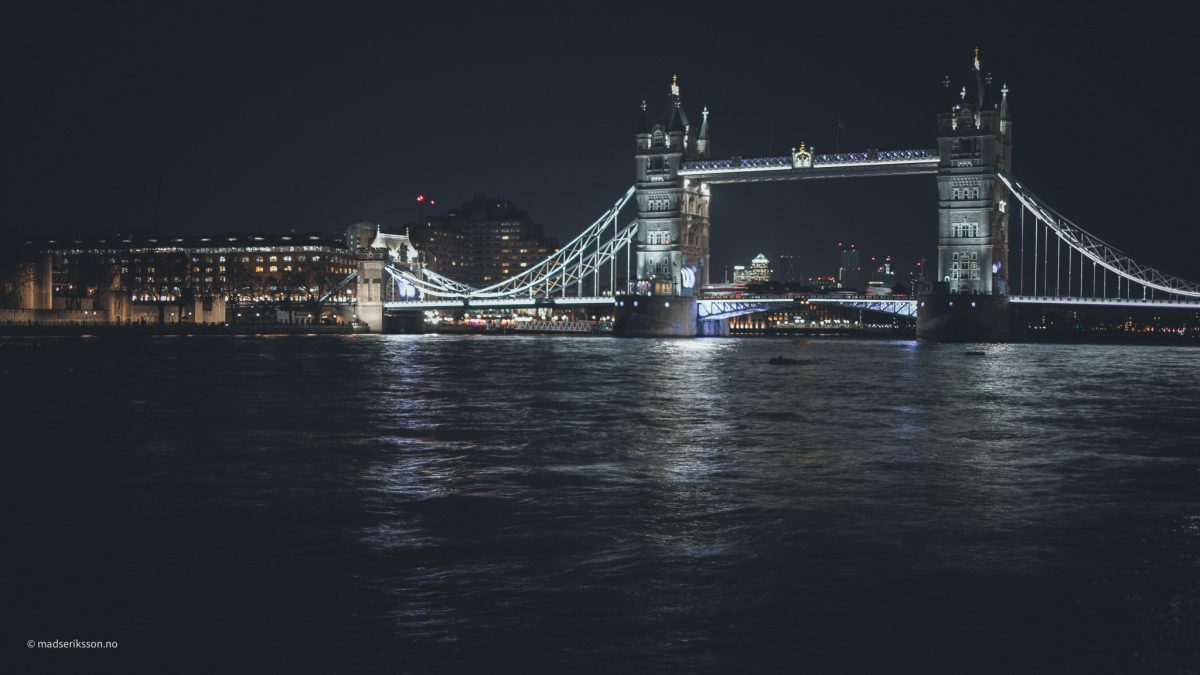
#2 London — The City That Spoke 300 Languages and Built an Empire
14 million people in the world’s most linguistically diverse city, the global capital of finance, theatre and the English language — and a museum collection free to enter that has no equal on Earth
London was founded by the Romans as Londinium around 43 CE, grew into the largest city in the medieval world north of the Alps, and became the capital of an empire that at its peak covered a quarter of the Earth’s land surface. The legacy of that empire is visible in the city’s extraordinary diversity — approximately 300 languages are spoken as first languages within Greater London — and in its museum collections, assembled from across the world over three centuries and now displayed, free of charge, in the British Museum, the Victoria and Albert Museum, the Natural History Museum and the National Gallery. The British Museum alone holds the Elgin Marbles, the Rosetta Stone, the Lewis chessmen and some 8 million objects; the debate about what belongs where is ongoing and unlikely to be resolved soon.
Contemporary London is defined by its financial districts (the City of London and Canary Wharf), its theatre culture (the West End runs approximately 50 major productions simultaneously, more than Broadway), its food scene (transformed since the 1990s from a European punchline into a genuinely world-class dining city), and its neighbourhood character: Shoreditch and Dalston for creative culture, Notting Hill for the famous Carnival, Brixton for Caribbean London, Soho for nightlife and media. The Thames, from the Tower of London through the South Bank to Tate Modern and Borough Market, is the most rewarding walking route in the city. The Underground, the world’s oldest metro system (opened 1863), connects all of it.
The British Museum is free to enter and contains 8 million objects from across 2 million years of human history. The queue for the temporary exhibitions can be long. The permanent collection almost never has a queue. Most people walk past the Sutton Hoo helmet without stopping.
Full London guide on madseriksson.no →
#3 Paris — The City That Became the Template for All Other Cities
12 million people in the boulevards that Haussmann built, among the museums that hold the greatest collection of Western art, in the city that gave the world revolution, haute cuisine, haute couture and the Eiffel Tower
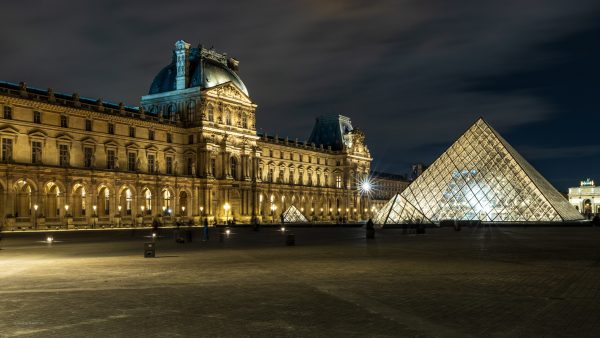
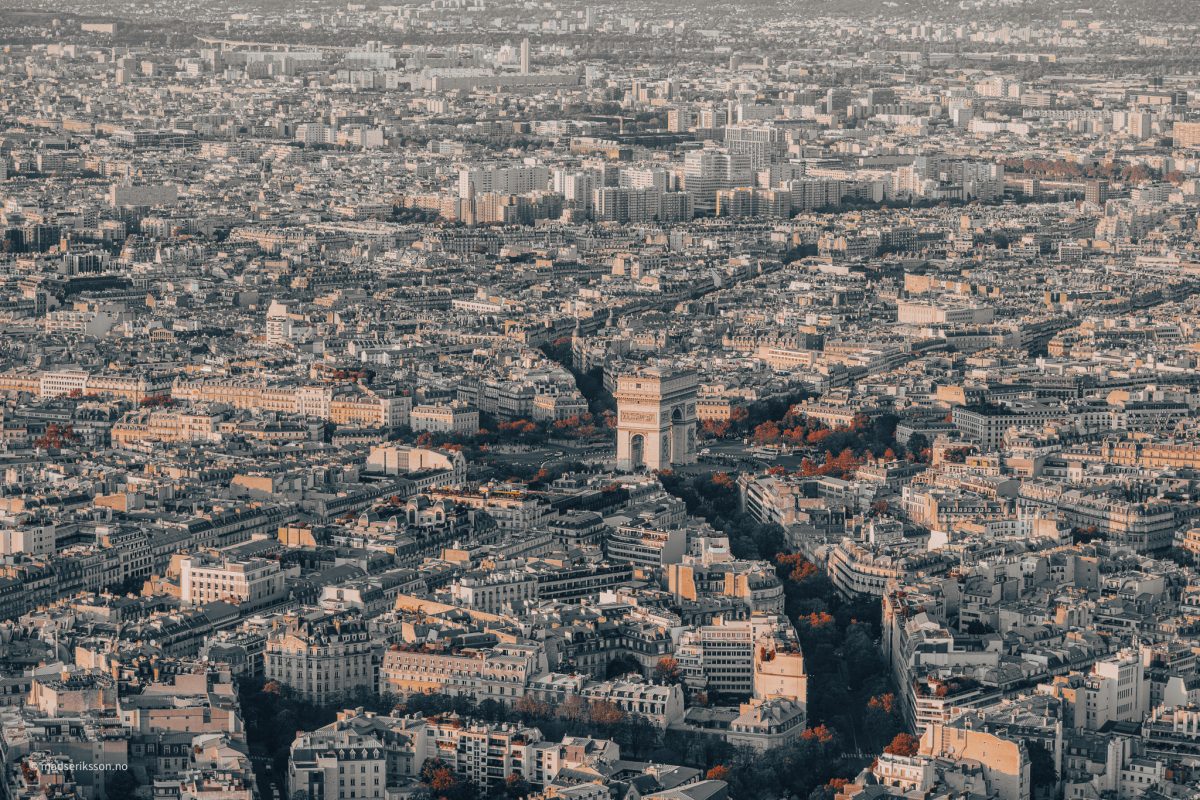
Paris was rebuilt in a single 17-year period between 1853 and 1870, when Baron Haussmann demolished approximately 12,000 medieval buildings to create the wide, uniform boulevards, stone apartment façades, parks and sewers of the city as it exists today. The transformation was designed to create a city that was both beautiful and militarily manageable — wide boulevards made barricades harder to build and cannon fire more effective — and it produced the template that every subsequent capital redevelopment has followed. The Paris that tourists visit is largely Haussmann’s invention, overlaid on a medieval city of which relatively little survives. The Louvre, which holds the Mona Lisa, the Venus de Milo and the Winged Victory of Samothrace, among approximately 35,000 other works on display, receives around 9 million visitors per year — the most visited art museum in the world.
Beyond the monuments — the Eiffel Tower (1889), Notre-Dame de Paris (currently being restored after the 2019 fire, reopened December 2024), the Arc de Triomphe, Sacré-Cœur — Paris rewards neighbourhood-level exploration: the Marais for medieval streets, Jewish heritage and contemporary galleries; the Canal Saint-Martin for a younger, less touristic Paris; the Latin Quarter for bookshops and Sorbonne energy; the covered passages (Galerie Vivienne, Passage des Panoramas) for 19th-century commercial Paris in near-perfect preservation. French food at its most refined is in Paris — the city has more Michelin-starred restaurants than any European city except perhaps Tokyo — but the best value eating is in the neighbourhood bistro with a handwritten menu and a carafe of house wine.
The Eiffel Tower was supposed to be demolished after 20 years. It was saved because its iron lattice made it the ideal antenna for the new wireless telegraphy technology. Paris kept its defining landmark because of radio, not aesthetics.
Full Paris guide on madseriksson.no →
#4 Madrid — Europe’s Highest Capital and Its Golden Triangle of Art
7 million people on the Castilian plateau at 667 metres, the capital of a former global empire, home to the Prado, the Reina Sofía and the Thyssen-Bornemisza — and a nightlife culture that starts where other cities finish
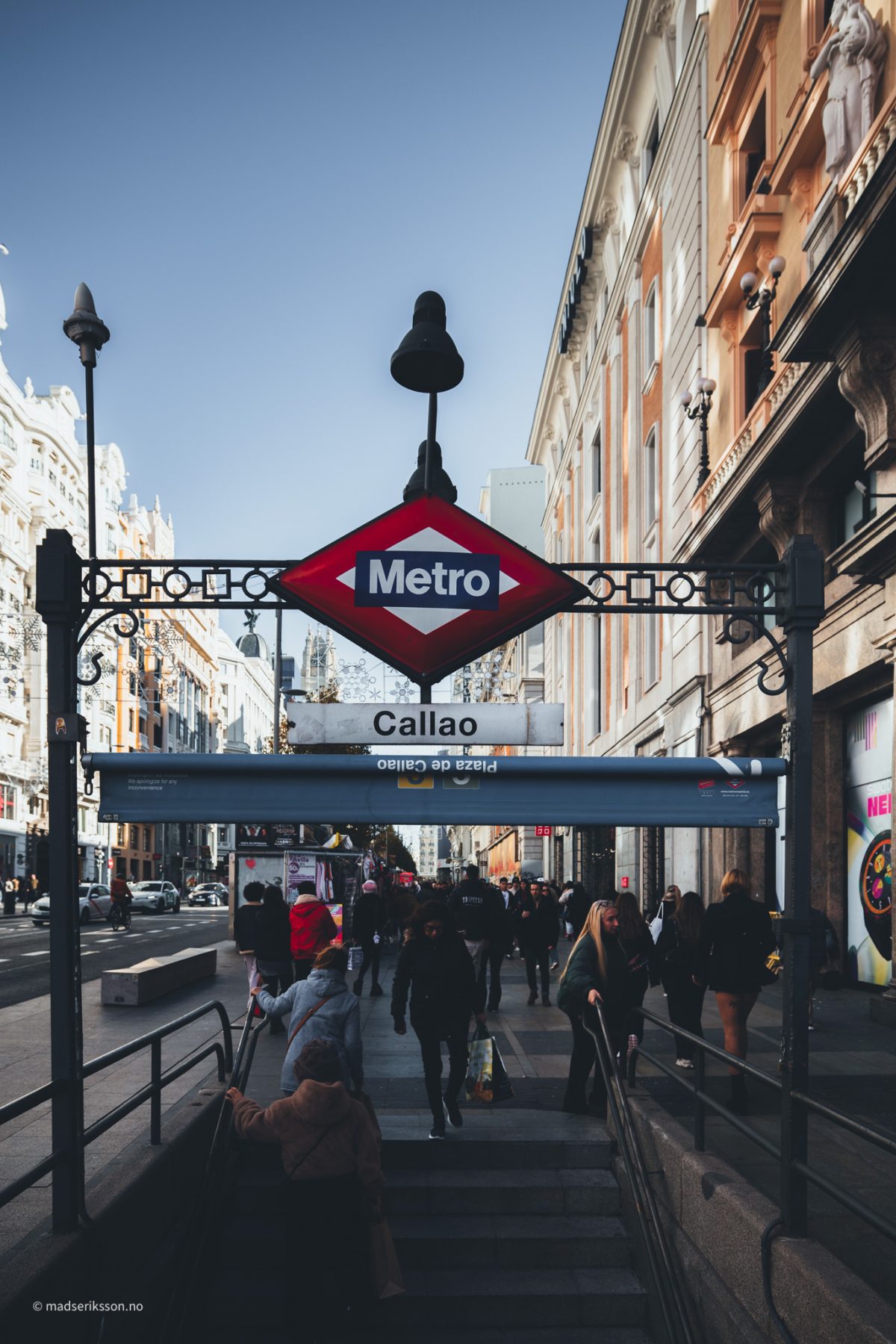
Madrid became the capital of Spain in 1561 when Philip II moved his court there from Toledo, choosing a geographically central location on the Castilian plateau that had no particular historical significance and no natural harbour or river. It grew rapidly on the back of Spain’s American empire and is now at 667 metres the highest capital city in the European Union. The Prado — opened in 1819 and holding the world’s finest collection of Spanish painting, including 14 Velázquez masterworks, Goya’s Black Paintings and 50 Goyas in total, and major works by El Greco, Zurbarán and Murillo — is one of the two or three most important art museums in the world. Adjacent, the Reina Sofía holds Picasso’s Guernica (1937), the most politically significant painting of the 20th century, along with major works by Dalí and Miró. The Thyssen-Bornemisza, a block away, fills the gaps with a collection spanning from the medieval to the contemporary. The three museums together constitute the “Golden Triangle of Art” — arguably the finest concentration of museum-quality painting in any single neighbourhood in the world.
Madrid’s character is defined by its relationship with time: dinner before 10pm is considered eccentric, clubs open at 2am and close at dawn, and the afternoon rest (not siesta, which Madrileños regard as a provincial habit) is replaced by the extended sobremesa — the post-meal conversation that can last as long as the meal itself. The tapas culture of the La Latina neighbourhood, the vermouth bars of Lavapiés, the covered Mercado de San Miguel and the street food of the Sunday Rastro flea market constitute a food culture that is less internationally celebrated than its quality warrants.
Goya painted his Black Paintings — Saturn Devouring His Son, The Dog, Witches’ Sabbath — directly onto the walls of his own house outside Madrid between 1819 and 1823. He never exhibited them and never explained them. They were transferred to canvas after his death and are now in the Prado.
Full Madrid guide on madseriksson.no →
#5 Barcelona — Gaudí’s City by the Sea
5.5 million people between the mountains and the Mediterranean, a Gothic quarter that predates Columbus, and a modernista architecture programme that has been under construction for 144 years and is still not finished
Barcelona is simultaneously a Spanish city and a Catalan capital, a medieval city and a modernist one, a beach resort and a serious cultural metropolis. The Gothic Quarter at its centre preserves the Roman walls, medieval streets and the Cathedral of the Holy Cross — built between 1298 and 1448 — within walking distance of the Ramblas, the 1.2-kilometre pedestrian boulevard that connects the city centre to the sea. But what defines Barcelona architecturally and touristically is the work of Antoni Gaudí (1852–1926): nine of whose buildings are collectively inscribed as UNESCO World Heritage Sites. The Sagrada Família basilica, begun in 1882 and still under construction, is the most visited building in Spain — a structure of extraordinary organic complexity, inspired by natural forms, that Gaudí worked on exclusively for the last 16 years of his life. Park Güell, Casa Batlló and Casa Milà (La Pedrera) complete the essential Gaudí itinerary in the city.
Barcelona’s Mediterranean position gives it a beach culture unusual for a city of its historical depth — the Barceloneta beach is minutes from the Gothic Quarter — and a food scene anchored in Catalan cooking traditions: pa amb tomàquet (bread rubbed with tomato and olive oil), fideuà (paella made with noodles), escalivada, crema catalana. The Boqueria market on the Ramblas, though increasingly touristic, retains excellent produce; the Sant Pere and Gràcia neighbourhoods offer more authentic neighbourhood restaurant experiences. The question of Catalan independence — which produced the 2017 referendum and subsequent constitutional crisis — remains politically unresolved and shapes the city’s relationship with the Spanish state in ways that are audible in everyday conversation.
Gaudí died when he was hit by a tram in 1926. He was wearing worn-out clothes and carrying no identification; passers-by assumed he was a beggar. He was taken to a pauper’s hospital. He was buried in the crypt of the Sagrada Família, which he had been building for 43 years.
#6 Berlin — The City That Carries the Weight of the 20th Century
5 million people in a city that was divided by a wall for 28 years, bombed to rubble and rebuilt twice, and has turned its traumatic history into the most honest confrontation with the past of any capital in the world
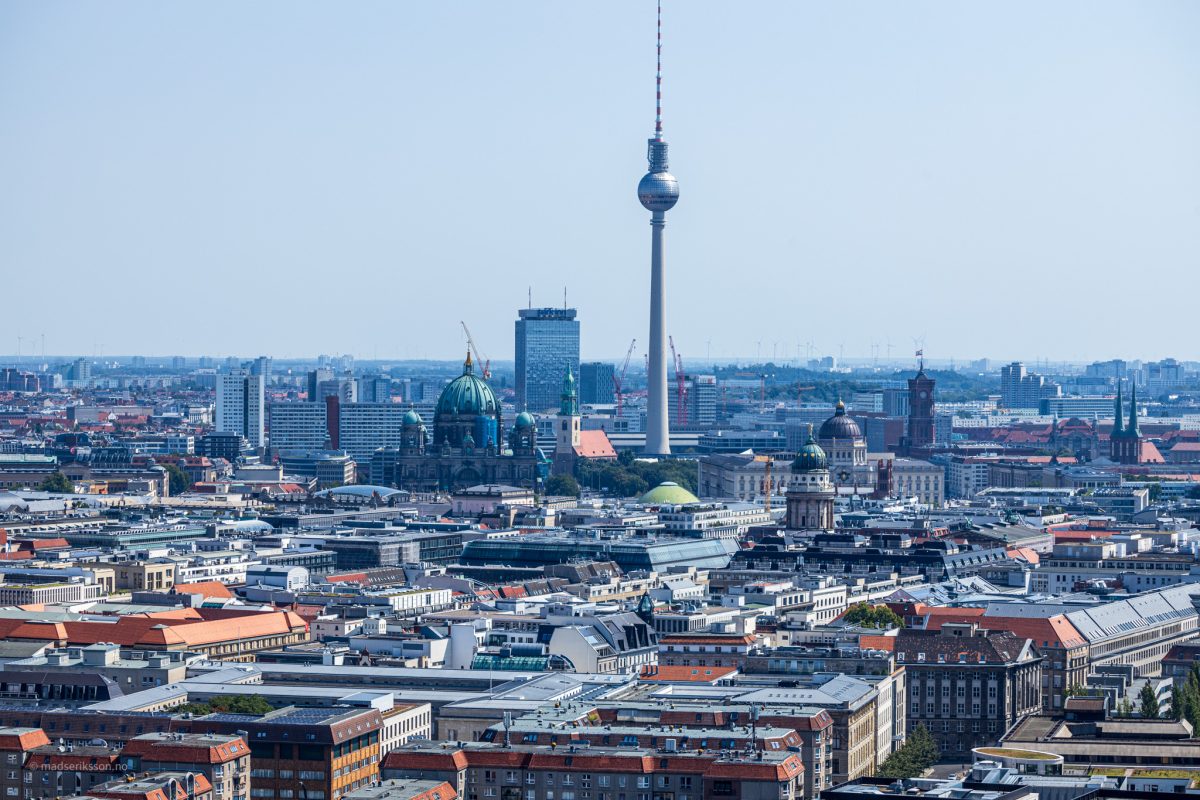
Berlin is the city that experienced the full extremity of 20th-century European history — Weimar Republic, Nazi dictatorship, total war destruction, Cold War division, reunification — and has responded by building the most comprehensive infrastructure of historical memory of any European capital. The Holocaust Memorial (2005), designed by Peter Eisenman, covers 19,000 square metres south of the Brandenburg Gate with 2,711 concrete steles of varying heights; the Jewish Museum (Daniel Libeskind, 2001), with its deliberately disorienting architecture, is the most visited Jewish museum in Europe. The Topography of Terror, on the site of the former SS and Gestapo headquarters, documents the mechanisms of Nazi terror in sober, forensic detail. These are not optional additions to a Berlin itinerary — they are the essential context for understanding why the city looks as it does, why so much of it was rebuilt from nothing, and why Berliners carry a relationship to their history that is visible in every public conversation about politics and memory.
Museum Island in the Spree, a UNESCO World Heritage Site, holds five world-class museums including the Pergamon (housing the reconstructed Pergamon Altar and the Ishtar Gate of Babylon) and the Neues Museum (Egyptian collection, Nefertiti bust). The Berlin Philharmonic, in Hans Scharoun’s 1963 building at the Kulturforum, is widely considered the world’s finest orchestra. Berlin is also Europe’s nightlife capital — Berghain and its peers operate on a scale and with a seriousness about electronic music that has made the city a global destination for a specific kind of weekend — and one of its most affordable major capitals, with rents and restaurant prices considerably below London or Paris.
On the night the Wall fell — 9 November 1989 — the announcement was made by mistake. An East German official read out a new travel regulation at a press conference and, when asked when it took effect, said “immediately, without delay.” Within hours, hundreds of thousands of Berliners were at the checkpoints.
Full Berlin guide on madseriksson.no →
#7 Rome — The Eternal City
4.3 million people in a city continuously inhabited for 2,800 years, where the ruins of the Roman Empire coexist with Baroque fountains, Renaissance churches and the world’s smallest sovereign state
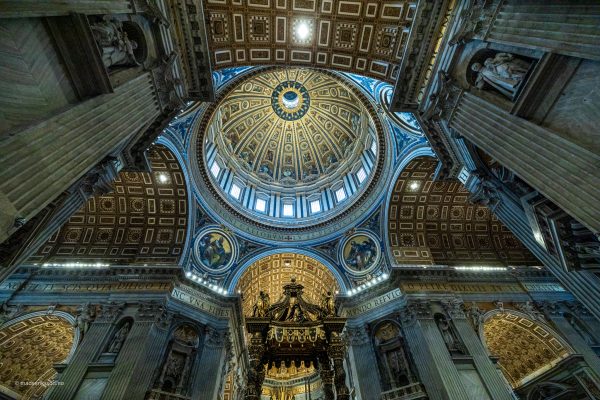
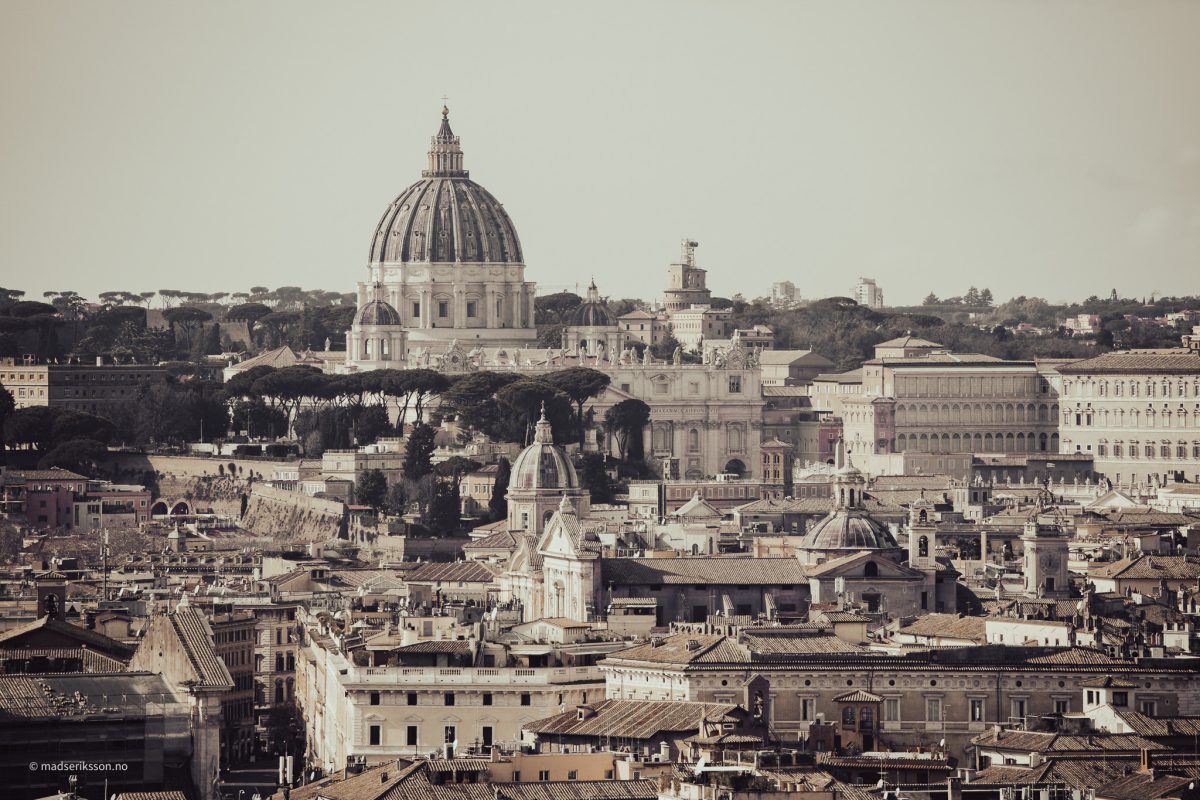
Rome has been the most important city in the Western world, at various points in history, for a longer continuous period than any other. From the Roman Republic through the Empire, from the early papacy through the Renaissance, the city has generated laws, religions, artistic movements and political ideas that have shaped every subsequent European civilisation. The archaeological zone at its centre — the Forum Romanum, Palatine Hill, Colosseum and Imperial Fora — is covered in detail in a separate article on this site; the Vatican, an independent sovereign state within Rome’s boundaries covering 0.44 square kilometres, holds St Peter’s Basilica (the largest church in the world), Michelangelo’s Sistine Chapel ceiling (painted 1508–1512 while lying on scaffolding) and the Vatican Museums with their extraordinary collection of ancient sculpture and Renaissance art. The city also contains more Baroque fountains than any other — the Trevi, the Navona, the Borghese — and more obelisks than Egypt.
Rome’s food culture is among the most distinctive in Italy: cacio e pepe (pasta with pecorino and black pepper), carbonara (eggs, guanciale, pecorino, pepper — no cream), amatriciana, and coda alla vaccinara (oxtail stew) are the canonical dishes, produced with a conservatism about recipes that is itself a form of cultural inheritance. The city’s neighbourhood character — Trastevere, Pigneto, Prati, Testaccio — rewards exploration away from the tourist centre, where the ratio of quality to price improves significantly.
Michelangelo was 33 when he started the Sistine Chapel ceiling and 37 when he finished it. He later said painting was not his art — he was a sculptor. The ceiling he considered a distraction from the tomb of Julius II that he never completed.
Full Rome guide on madseriksson.no →
#8 Athens — Where Democracy, Philosophy and Theatre Were Invented
3.7 million people in the city where Socrates was tried and executed, where Sophocles wrote his tragedies, and where the Parthenon has stood on its rock above the city for 2,500 years
Athens is the city where the foundational concepts of Western civilisation were developed: democracy (Cleisthenes, 507 BCE), Western philosophy (Socrates, Plato, Aristotle), theatre (Aeschylus, Sophocles, Euripides, Aristophanes), and the writing of history (Thucydides, Herodotus). The Acropolis, rising 156 metres above the city on a limestone plateau, holds the Parthenon (447–432 BCE), the Erechtheion with its Caryatid porch, the Temple of Athena Nike, and the Propylaea gateway — the most complete surviving ensemble of Classical Greek architecture in the world. The Acropolis Museum at the base of the hill, opened in 2009 and designed specifically to display the Acropolis sculptures in daylight, is among the finest new museums built in Europe in the past 30 years; its top floor is oriented to align visually with the Parthenon on the hill above. The question of the Elgin Marbles — removed to the British Museum by Lord Elgin between 1801 and 1812 — is visible from the museum’s windows, where the originals and the casts that fill their place are displayed side by side.
Modern Athens is a city of considerable energy that is not always immediately visible to visitors focused on antiquity. The Monastiraki flea market, the Psirri neighbourhood’s tavernas, the Exarcheia district’s anarchist bookshops and coffee culture, and the evening stroll of the Dionysiou Areopagitou pedestrian walkway around the base of the Acropolis constitute a living city worth engaging with on its own terms. Greek food — mezedes, souvlaki, fresh fish at a harbour taverna in Piraeus — is best and most affordable in Athens rather than in the tourist restaurants of the islands.
Socrates was tried in 399 BCE for impiety and corrupting the youth of Athens. He was convicted by a jury of 500 citizens and sentenced to death by hemlock. He refused to flee when he had the chance, on the grounds that the law must be obeyed. He was 70 years old.
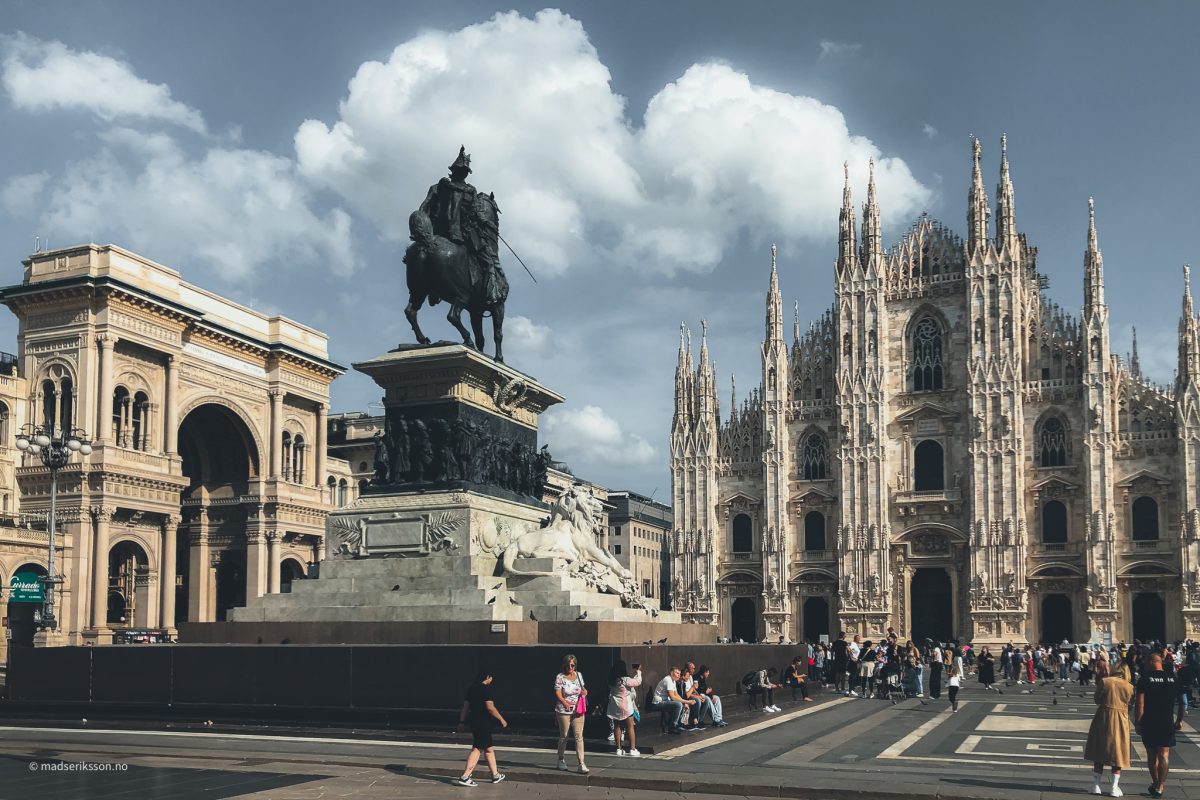
#9 Milan — Italy’s Financial Capital and the City of the Last Supper
3.5 million people in the city that drives Italian finance and fashion, houses Leonardo da Vinci’s Last Supper, and operates La Scala — the world’s most demanding opera house
Milan is Italy’s economic engine — generating approximately 10% of national GDP — and its fashion and design capital, but it is also the city that contains Leonardo da Vinci’s Last Supper, one of the most technically innovative and compositionally revolutionary paintings in the history of Western art. Painted in the refectory of Santa Maria delle Grazie between 1495 and 1498 in an experimental tempera-on-plaster technique that began deteriorating within decades, the painting has been restored, damaged by Napoleonic troops who stabled horses in the room, nearly destroyed by a 1943 bomb, and restored again most recently between 1978 and 1999. It receives 300,000 visitors per year in groups of 25, each given exactly 15 minutes. Book months ahead. The Duomo — a Gothic marble cathedral of extraordinary complexity, with 135 spires and 3,400 statues, begun in 1386 and not completed until 1965 — dominates the city centre; the rooftop walk among its spires is one of the more unusual urban experiences in Europe.
La Scala, opened in 1778 and rebuilt after wartime bombing, remains the most prestigious and demanding opera house in the world: its opening night on 7 December (the feast of Sant’Ambrogio, Milan’s patron) is a social event of Italian national significance. The Brera neighbourhood, with its art academy and gallery (Raphael, Caravaggio, Mantegna), independent bookshops and aperitivo bars, is the most rewarding part of the city for street-level exploration. The Quadrilatero d’Oro — the “golden rectangle” of Via Montenapoleone and its side streets — is the most concentrated luxury shopping district in the world.
The Last Supper began deteriorating within 20 years of its completion because Leonardo used an experimental technique instead of true fresco. It has been described as “the most ruined great painting in the world.” The most recent restoration took 21 years. It is still worth the 15-minute visit.
Full Milan guide on madseriksson.no →
#10 Kyiv — The Golden-Domed City at War
3.5 million people in the oldest Slavic capital, a city of extraordinary medieval churches and brutal Soviet legacy, fighting for its survival since Russia’s full-scale invasion of February 2022
Kyiv is the oldest and most historically significant capital in the Slavic world — the “mother of Rus’ cities” from which both Russian and Ukrainian civilisation trace their origins, a fact that Russia has used as a justification for its invasion and Ukraine has asserted as the basis of its distinct national identity. The city sits on the high western bank of the Dnipro River, its skyline defined by the gold domes of the Kyiv Pechersk Lavra (Monastery of the Caves, founded 1051) and the Saint Sophia Cathedral (1037), both inscribed as UNESCO World Heritage Sites. The Lavra complex — a fortified monastery on a hill above the river, with its network of underground cave churches where Orthodox monks are buried in their habits — is one of the most significant religious sites in Eastern European Christianity. The Maidan Nezalezhnosti (Independence Square) is where both the 2004 Orange Revolution and the 2013–2014 Euromaidan revolution that preceded the current war took place.
Since February 2022, Kyiv has been subject to missile and drone attacks as part of Russia’s full-scale invasion of Ukraine. The city has not fallen; its population, which dropped significantly in the early months of the war, has partially returned. The cultural monuments have been protected where possible. Travel advice changes rapidly; independent tourism is currently not recommended, though journalists and some humanitarian visitors continue to access the city. Kyiv’s place in this ranking reflects its pre-war metropolitan population and its historical and cultural significance, which the war has not diminished.
The Kyiv Pechersk Lavra’s underground cave churches contain the mummified remains of Orthodox monks, preserved naturally by the cool dry air of the tunnels. Pilgrims have been visiting by candlelight since the 11th century. The caves are still open to visitors during the war.
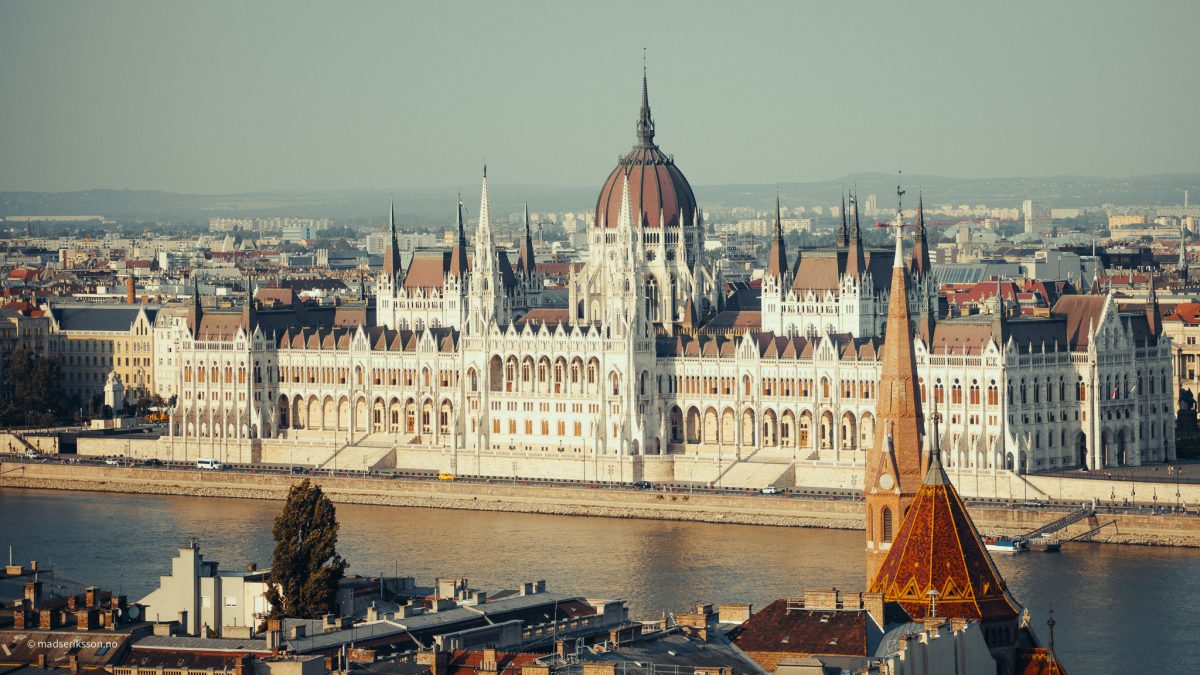
#11 Budapest — The Danube Divides It; the Thermal Waters Define It
3.3 million people in a city split by the Danube into the hilly, historic Buda and the flat, energetic Pest — with thermal baths that have been running since Roman times, ruin bars in derelict courtyards and a Parliament building that is the third-largest in the world
Budapest was formed in 1873 by the merger of three separate cities: Buda (the historic castle hill on the west bank), Óbuda (the ancient Roman settlement, now a suburb) and Pest (the flat commercial city on the east bank). The Danube between them, lined with UNESCO-listed banks on both sides, is the defining physical fact of the city. Buda Castle, the Matthias Church and the Fishermen’s Bastion on Castle Hill constitute the medieval and Baroque core on the west bank; the neo-Gothic Parliament building (1904) on the Pest side, the third-largest parliamentary building in the world, is one of the great 19th-century civic buildings in Europe. The city sits on a geological fault that produces 80 natural hot springs, and the thermal bath culture — Séchényi (outdoor, 1913), Gellért (Art Nouveau, 1918), Rudas (Ottoman, 16th century) — has been a defining feature of Budapest life since the Roman settlement of Aquincum in the 1st century CE.
The ruin bar scene — which began in the early 2000s when young Budapestians began occupying derelict Jewish Quarter courtyards and filling them with mismatched furniture and cheap beer — has made Budapest one of the most distinctive nightlife destinations in Europe. Szimpla Kert, the original ruin bar, now also operates as a Sunday farmers’ market. Hungarian food — gulyás, paprikás csirke, lángos — is hearty, inexpensive and best eaten in the central market hall or a neighbourhood ét terem rather than the tourist restaurants of the Castle District.
Budapest has 80 natural thermal springs producing 70 million litres of water per day at temperatures of 21–78°C. The Séchényi baths in City Park, opened in 1913, have outdoor pools heated to 38°C. Old men play chess on floating boards in them in winter, surrounded by snow.
Full Budapest guide on madseriksson.no →
#12 Warsaw — The City That Rebuilt Itself from Nothing
3.1 million people in a city that was 85% destroyed in World War II, rebuilt its Old Town from 18th-century paintings and is now one of the fastest-growing economies in Europe
Warsaw is the most remarkable urban reconstruction in European history. After the Warsaw Uprising of 1944 — in which the Polish Home Army fought the German occupation for 63 days before being crushed, followed by the systematic destruction of the city by German forces on Hitler’s direct order — approximately 85% of the city lay in ruins. The post-war Polish government rebuilt the Old Town and Royal Route from 18th-century veduta paintings by the Italian artist Bernardo Bellotto, achieving a level of historical accuracy remarkable enough for UNESCO to inscribe the reconstructed Old Town as a World Heritage Site in 1980. Visiting Warsaw’s Old Town knowing that every cobblestone, facade and gable was rebuilt from a painting in the 1950s is an experience unlike any other in Europe. The POLIN Museum of the History of Polish Jews (opened 2013), built on the site of the Warsaw Ghetto where 400,000 Jews were confined before deportation to the death camps, is one of the finest and most emotionally demanding museums in Europe.
Contemporary Warsaw is one of Europe’s most dynamic economies — a tech and startup hub with a young, internationally mobile population, a thriving restaurant scene, and real estate prices still significantly below Western European capitals. The Palace of Culture and Science (1955), Stalin’s unwanted gift to the Polish people, dominates the skyline at 237 metres and now houses a cinema, theatres, offices and a viewing platform; the surrounding city has grown up around it in a way that has made it, against all probability, something of a beloved local landmark.
The Warsaw Old Town was rebuilt from paintings. The 18th-century Venetian artist Bernardo Bellotto painted the city’s streets in such precise architectural detail that post-war architects used his canvases as blueprints. The rebuilt city is now a UNESCO World Heritage Site.
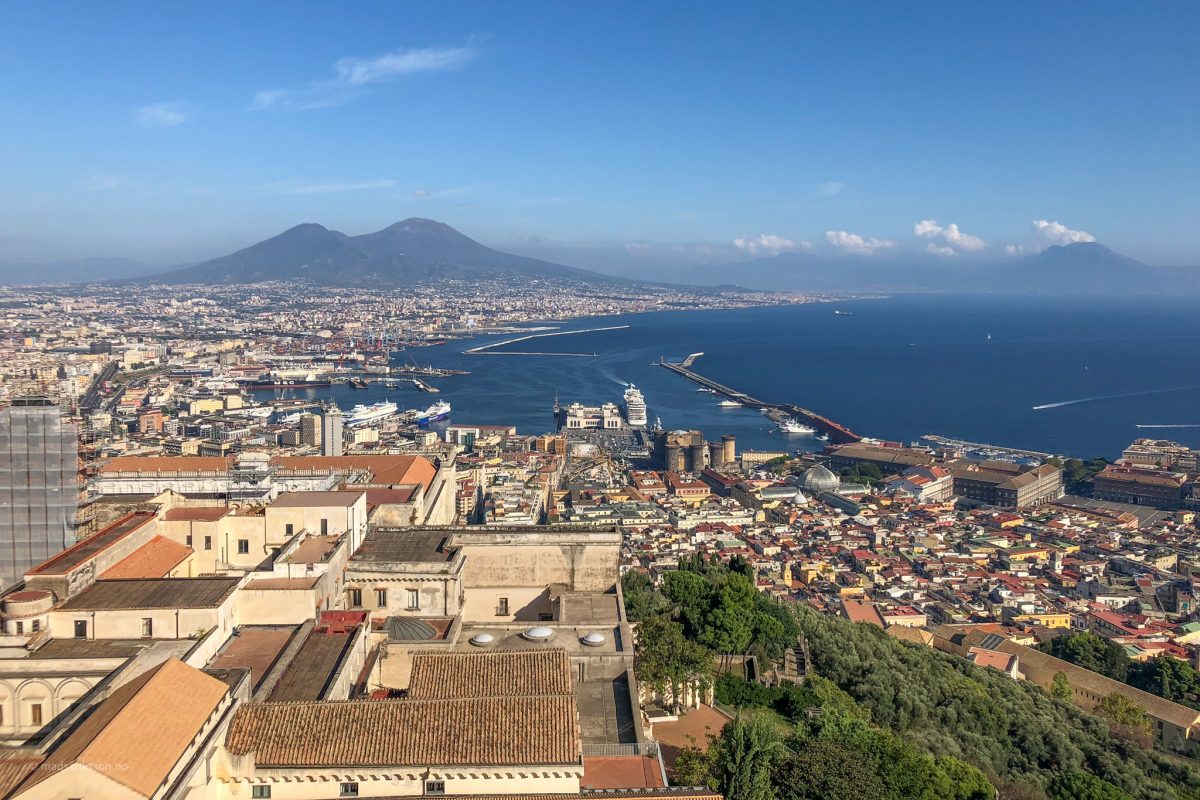
#13 Naples — Where Pizza Was Born and Vesuvius Still Smokes
3.1 million people in Italy’s most chaotic, operatic and culturally dense city — birthplace of pizza, gateway to Pompeii, home to the finest Greek sculpture outside Greece and an underground city older than the one above
Naples is the most intensely Neapolitan city in Europe: loud, crowded, beautiful, chaotic, and in possession of a cultural identity so strong it functions as a gravitational field. Founded by Greek colonists as Neapolis around 470 BCE, it was subsequently Roman, Byzantine, Norman, Swabian, Angevin, Aragonese, Spanish and Bourbon before becoming part of unified Italy in 1861. Each layer of this history is visible in the city: in the Greek walls beneath the Spanish Quarter, the Roman remains under the Cathedral, the Norman and Aragonese castles on the waterfront, the Bourbon royal palace and the extraordinary collection of the National Archaeological Museum — which holds the finest assembly of ancient Greek and Roman sculpture, mosaic and fresco outside Athens, including the complete contents of Pompeii and Herculaneum removed during excavations. The Sansevero Chapel, with Sammartino’s Veiled Christ (1753) — a marble sculpture of such refinement that visitors have refused to believe it is carved stone — must be booked in advance.
Pizza was invented in Naples and the city’s relationship with its most famous export remains non-negotiable: a true Neapolitan pizza margherita (San Marzano tomatoes, fior di latte, basil, olive oil, wood-fired at 485°C for 60–90 seconds) is a different object from any pizza made elsewhere. The street food culture — frittatina di pasta, cuoppo of fried seafood, sfogliatelle pastry, caffè at a stand-up bar — is the best in Italy. Pompeii is 35 kilometres south by Circumvesuviana train; Herculaneum, smaller but better preserved, is 12 kilometres and far less crowded.
The Pizza Margherita was created in 1889 for Queen Margherita of Savoy, who was visiting Naples. The pizzaiolo Raffaele Esposito made three pizzas; she preferred the one with tomato, mozzarella and basil — the colours of the Italian flag. He named it after her.
Full Naples guide on madseriksson.no →
#14 Lisbon — The City at the Edge of the Known World
3 million people on seven hills above the Tagus estuary — the city from which Vasco da Gama sailed to India, where fado was born in the narrow streets of Alfama, and where azulejo tiles cover everything from palace walls to metro stations
Lisbon was, in the 15th and 16th centuries, the wealthiest city in Europe: the capital of a maritime empire that reached Brazil, Africa, India and East Asia, and the port from which Vasco da Gama sailed in 1497 to find the sea route to India, opening the spice trade that funded the Manueline architecture of Belém — the Torre de Belém (1516) and the Jerónimos Monastery (begun 1501), both UNESCO World Heritage Sites. The earthquake of 1 November 1755, which killed an estimated 30,000–40,000 people and was followed by a tsunami and fires, destroyed approximately 85% of the city. The Marquis of Pombal rebuilt the Baixa district on a rational grid with earthquake-resistant construction — the “Pombaline cage” of flexible timber frames within masonry walls — that was one of the first applications of seismic engineering principles in urban planning. The rebuilt Baixa and the surviving medieval Alfama district (which sits on bedrock that resisted the earthquake) constitute the two essential poles of Lisbon’s urban experience.
Fado — the Portuguese musical genre of longing, loss and the sea, centred on the concept of saudade (an untranslatable word describing a bittersweet nostalgia for something absent) — was born in Lisbon’s Alfama and Mouraria neighbourhoods in the 19th century and inscribed by UNESCO as Intangible Cultural Heritage in 2011. The best fado is heard in small, informal casas de fado in Alfama late in the evening. Pastel de nata — the custard tart created by monks at the Jerónimos Monastery in the early 19th century and sold at the adjacent Pastéis de Belém since 1837 — is the most discussed pastry in Europe at present, with good reason.
The Marquis of Pombal rebuilt Lisbon after the 1755 earthquake with timber frames designed to flex during tremors — the first seismic-resistant building standard in European history. He tested the prototype by having soldiers march around it to simulate vibration. It worked.
#15 Vienna — The Capital of an Empire That No Longer Exists
2.9 million people in the city that was capital of the Habsburg Empire for 600 years, where Mozart, Beethoven, Schubert, Brahms, Mahler and Freud all worked, and where the coffee house is still a functioning institution
Vienna was the capital of the Habsburg Empire from 1440 to 1918 — an empire that, at its peak, covered much of central Europe and was the dominant political force on the continent. The Ringstrasse, the great circular boulevard commissioned by Emperor Franz Joseph I in 1857, was built in eight years and lined with the neo-Gothic Rathaus, the neo-Renaissance Burgtheater and Opera House, the neoclassical Parliament and the Kunsthistorisches and Naturhistorisches museums as a deliberate demonstration of Habsburg cultural ambition. The Kunsthistorisches Museum, opened in 1891 in a building designed as a pair with the Naturhistorisches across the Maria-Theresien-Platz, holds one of the world’s great collections of European painting — including the largest collection of Bruegel the Elder in the world — as well as the Egyptian, Greek and Roman antiquities. The Imperial Crypt (Kaisergruft) beneath the Kapuzinerkirche contains the coffins of 149 Habsburg rulers, including Empress Maria Theresa and Emperor Franz Joseph, in an extraordinary underground chamber of baroque funerary excess.
Vienna’s coffee house culture — the Café Central, Hawelka, Landtmann — functions as it has since the 17th century: a public living room where newspapers are provided on reading frames, where a single coffee can be nursed for hours without pressure, and where the Viennese tradition of sitting, reading and observing is accommodated as a legitimate use of urban space. Freud’s consulting room at Berggasse 19 (now the Freud Museum), the Belvedere with Klimt’s The Kiss, and the Secession building with its gilded cabbage dome complete an itinerary of extraordinary cultural density.
Vienna’s coffee houses were inscribed by UNESCO as Intangible Cultural Heritage in 2011 — the first time a social institution (rather than a practice or object) received that recognition. The citation described them as “places where time and space are consumed, but only coffee is found on the bill.”
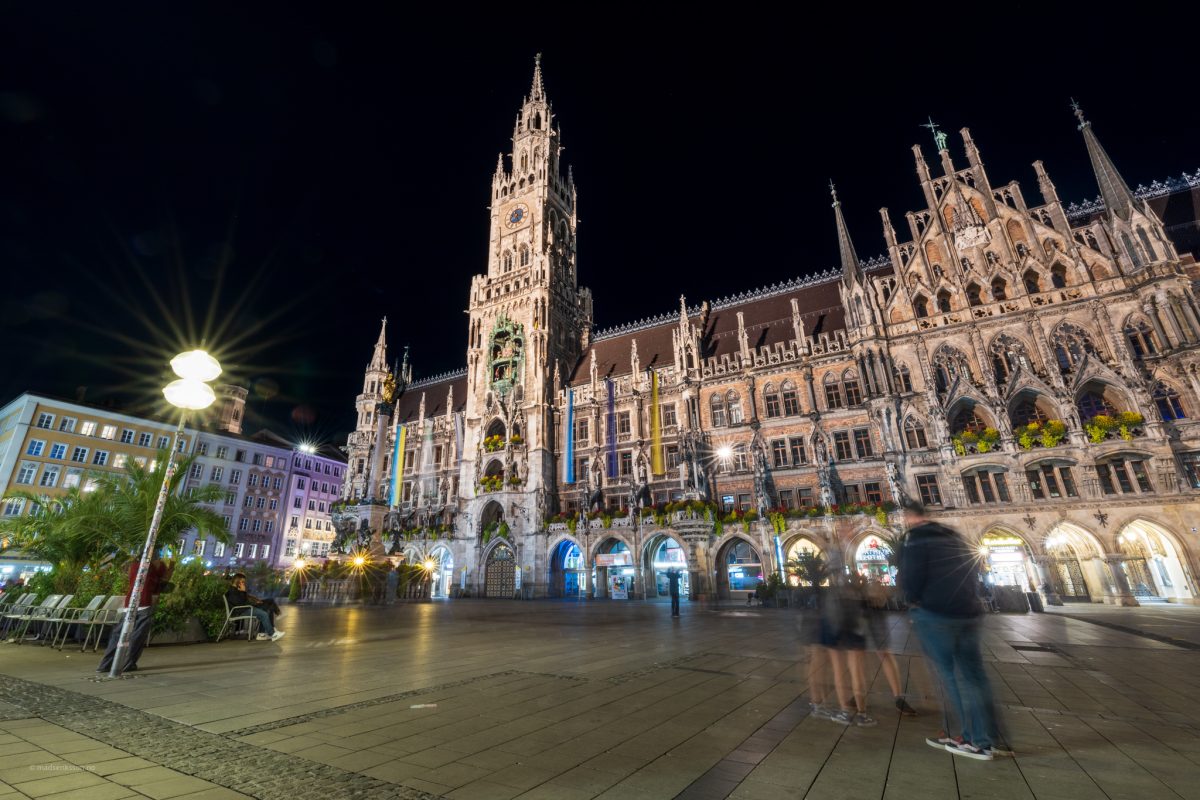
#16 Munich — Beer Halls, BMW and the Alps on the Horizon
2.9 million people in the capital of Bavaria, the wealthiest German state — a city of beer culture, world-class museums, a vast urban park and, on clear days, the Alps visible from the city centre
Munich is the capital of Bavaria and the wealthiest major city in Germany, combining a strong industrial and technological base (BMW, Siemens, MAN, Allianz all headquartered here) with a quality of life consistently ranked among the highest in Europe. The Englischer Garten (English Garden), 910 hectares of parkland in the city centre — larger than Central Park in New York — was laid out in 1789 and remains one of the great urban parks in the world; it contains a Chinese pagoda beer garden, a Japanese tea house, a surf wave on the Eisbach stream where surfers ride a standing wave year-round, and enough space to absorb Munich’s entire population on a summer Sunday. The three Pinakothek museums (Alte, Neue and Modern) constitute one of the finest concentrations of European painting in a single city quarter: the Alte Pinakothek alone holds the largest collection of Rubens in the world, alongside major works by Dürer, Raphael, Leonardo and Titian.
The beer hall culture of Munich — the Hofbräuhaus (founded 1589), the Augustinerkeller, the vast tents of Oktoberfest (which began as a celebration of Crown Prince Ludwig’s 1810 wedding and now hosts 6 million visitors over 16 days) — is both a genuine cultural institution and a global tourist industry. The Alps are approximately 50 kilometres south; on clear days the Zugspitze (2,962m) is visible from the city. Salzburg, Neuschwanstein Castle and the Bavarian lakes (Starnberger See, Chiemsee) are within 90 minutes.
The surf wave on the Eisbach in the English Garden has been running since the 1970s. It is artificial — created by a concrete ledge under the water — and surfers have been riding it illegally, then legally, ever since. On warm days there is a queue of people in wetsuits waiting their turn in the middle of a city park.
Full Munich guide on madseriksson.no →
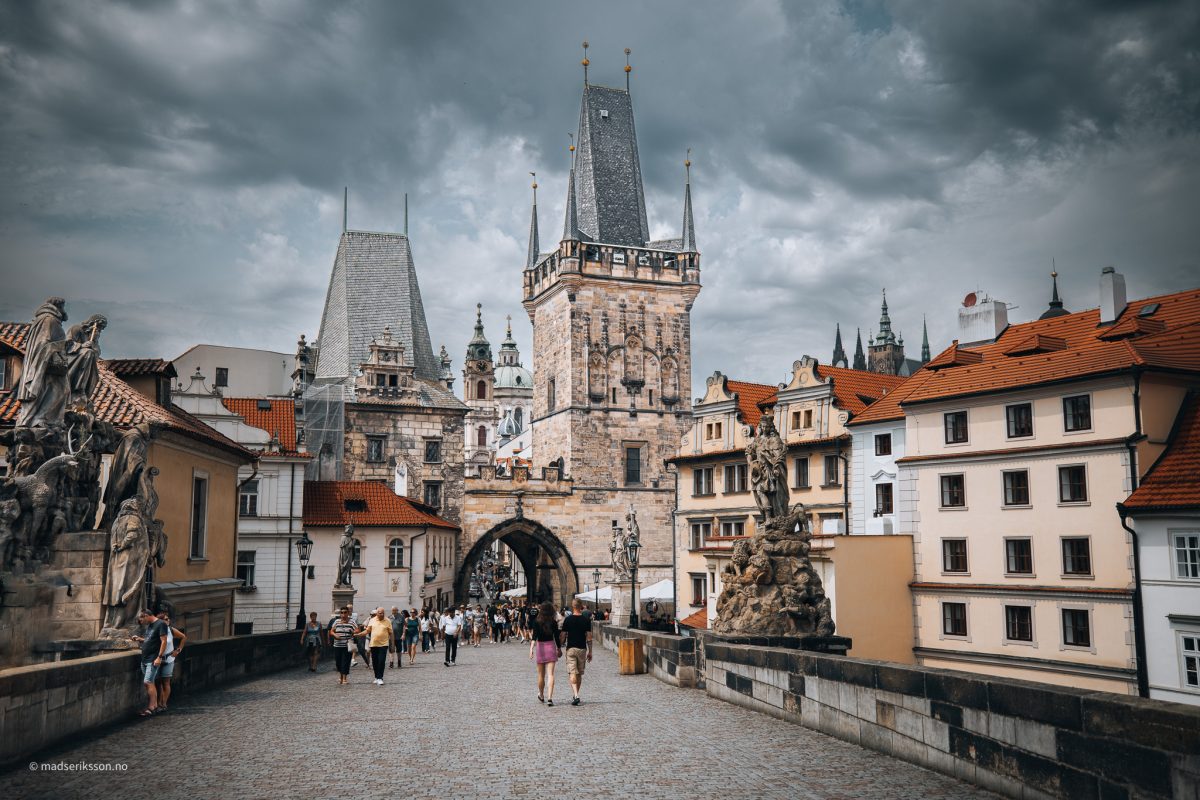
#17 Prague — The City That War Forgot and Tourism Found
2.7 million people in the best-preserved medieval city in Central Europe — a Baroque cityscape on the Vltava, a castle that has been the seat of Bohemian power for 1,000 years, and the city where Kafka was born and wrote about bureaucratic dread
Prague is the most completely preserved medieval and Baroque city in Central Europe, largely because it escaped the bombing campaigns of World War II that destroyed Dresden, Warsaw and much of Berlin. The historic centre — inscribed as a UNESCO World Heritage Site in 1992 — contains Prague Castle (the largest ancient castle complex in the world by area, continuously occupied since the 9th century), the Charles Bridge (1357–1402, lined with 30 Baroque statues), the Astronomical Clock (1410, the third-oldest functioning astronomical clock in the world), the Old Jewish Quarter of Josefov with its medieval cemetery and synagogues, and the Art Nouveau Municipal House where Alfons Mucha’s decorative programme reaches its most complete expression. The city’s architectural coherence — Gothic, Renaissance, Baroque and Art Nouveau in continuous sequence without the gaps of wartime destruction — is what makes it uniquely affecting as an urban experience.
Franz Kafka was born in Prague in 1883, worked as an insurance clerk in the city, wrote The Trial, The Metamorphosis and The Castle here, and asked his friend Max Brod to burn all his manuscripts after his death. Brod did not. Kafka’s Prague — the bureaucratic labyrinth, the castle that is always visible but never accessible, the city of corridors and incomprehensible authority — is readable in the actual city in ways that feel less like literary coincidence than literal description. Prague receives approximately 8 million visitors per year, most of them concentrated in a small area around the Old Town Square; the Vinohrady and Žižkov neighbourhoods offer a less touristed experience of the city.
Kafka asked Max Brod to burn everything he had written after his death. Brod published it instead. Kafka is now the most famous writer associated with Prague, the city’s most visited literary site, and the origin of the adjective “Kafkaesque.” He sold nothing in his lifetime.
Full Prague guide on madseriksson.no →
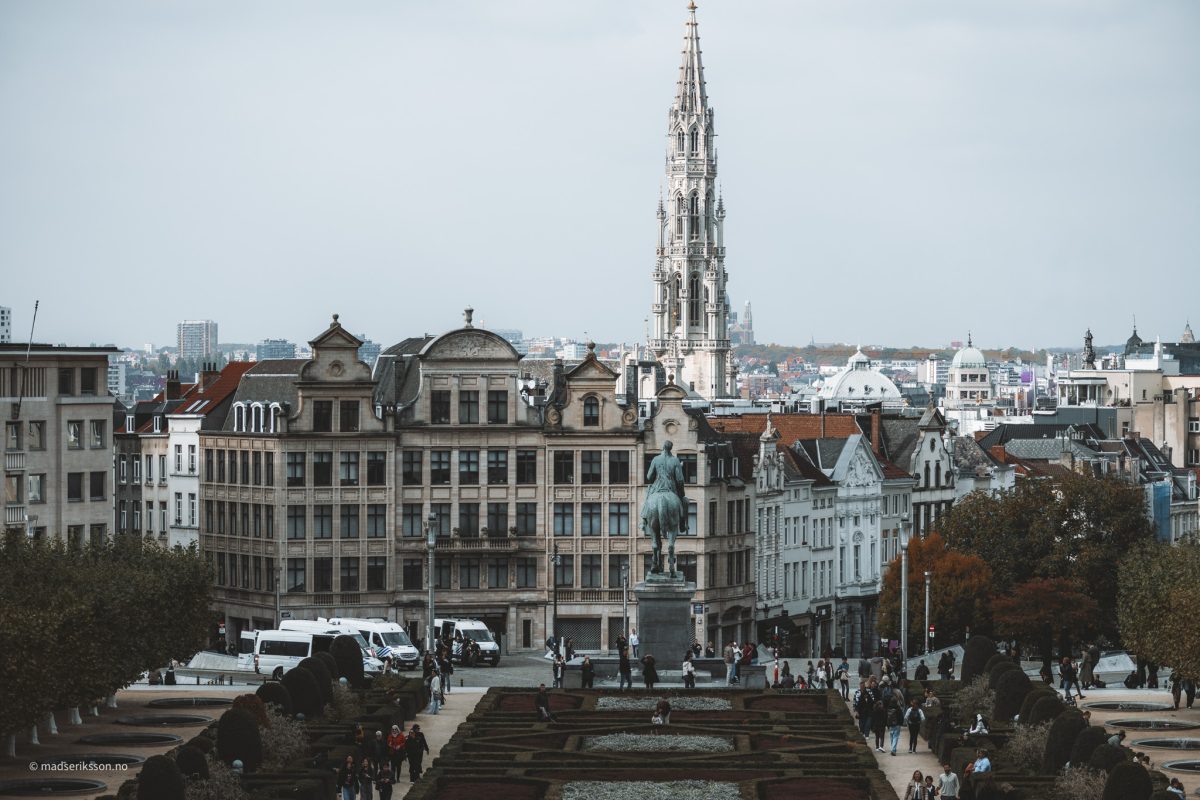
#18 Brussels — The Capital of Europe and the City That Invented the Comic Strip
2.5 million people in the de facto capital of the European Union, a city of extraordinary Art Nouveau architecture, 1,500 varieties of beer and a Grand Place that Victor Hugo called the most beautiful square in the world
Brussels is the administrative capital of the European Union, home to the European Commission, the Council of the EU and the European Parliament (which also sits in Strasbourg), NATO headquarters, and a concentration of international civil servants, lobbyists and diplomats that gives the city a particular kind of multilingual, institutional energy. It is also, simultaneously, a city of extraordinary architectural beauty: the Grand Place, the medieval market square surrounded by gilded guild houses and the Gothic Town Hall, was described by Victor Hugo as the most beautiful square in the world and was inscribed as a UNESCO World Heritage Site in 1998. Victor Horta’s Art Nouveau buildings — the Hôtel Tassel (1893), the Hôtel van Eetvelde, the Maison & Atelier Horta (now a museum) — are UNESCO-listed and constitute the most complete surviving example of the Art Nouveau style in any single city. The Magritte Museum, dedicated to the Brussels-born Surrealist, holds the world’s largest collection of his work.
Belgian food culture is underrated: the moules-frites and steak-frites of the brasseries near the Grand Place are the public face, but the city has a serious fine dining scene and a chocolate and beer culture of genuine depth — Belgian chocolate (Neuhaus invented the praline in Brussels in 1912) and the Trappist and lambic beers brewed in the surrounding countryside are among the finest in the world. The comic strip heritage — Tintin, the Smurfs, Lucky Luke and Spirou were all created by Belgian artists — is celebrated in the Belgian Comic Strip Center, housed in a Horta building.
The Manneken Pis — a 61-centimetre bronze statue of a small boy urinating — is Brussels’ most famous landmark and has been stolen, vandalized and dressed in over 1,000 costumes since 1619. The original is in the City Museum. What stands at the fountain is a copy. Visitors queue for it regardless.
Full Brussels guide on madseriksson.no →
#19 Hamburg — The Port City That Made the Beatles and Kept Its Independence
2.4 million people in Germany’s largest port, a city-state since the medieval Hanseatic League, where the Beatles played 800 hours before they were famous and the Elbphilharmonie rises from the old warehouse district
Hamburg has been a free city — governed by its own merchant class rather than by a surrounding territorial ruler — since the medieval Hanseatic League, and the independent, commercially self-reliant character this produced is still visible in the city’s culture. It is Germany’s largest port and the third-largest in Europe, and the Speicherstadt — the vast red-brick warehouse district built between 1883 and 1927 on artificial islands in the Elbe, now UNESCO-listed — is the largest warehouse complex in the world and the most atmospheric. The Elbphilharmonie (Herzog & de Meuron, 2017), a concert hall built on top of a former cocoa warehouse with a wave-form glass roof, is the most significant new concert building in Europe in a generation and has transformed the HafenCity district from a derelict port into a major urban destination. The Hamburg Kunsthalle, spread across three buildings with a collection spanning from medieval altarpieces to contemporary art, is one of the largest and most comprehensive art museums in Germany.
The Beatles played over 800 hours of live music in Hamburg’s Reeperbahn clubs between 1960 and 1962, developing the tight, relentless live performance style that defined their early recordings. John Lennon’s line — “I was born in Liverpool but grew up in Hamburg” — is the most often quoted testimony to the city’s role in their formation. The Reeperbahn, Hamburg’s entertainment and red-light district, remains one of the more concentrated nightlife areas in Europe, operating with a pragmatic tolerance that reflects the city’s port heritage.
The Elbphilharmonie cost €789 million and was 10 years late. When it opened in 2017, 100,000 people applied for the first concert tickets. The wave-form roof contains 1,000 individually shaped acoustic panels. The acoustics are described by conductors as among the finest in the world.
#20 Stockholm — The Venice of the North on 14 Islands
2.4 million people spread across 14 islands where Lake Mälaren meets the Baltic — the city that gave the world ABBA, IKEA and the Nobel Prize, and where the archipelago begins at the city limits
Stockholm was founded in the 13th century on a small island at the point where Lake Mälaren empties into the Baltic Sea, a position that gave it control over Baltic trade and made it the capital of a Swedish empire that, at its 17th-century peak, controlled much of the Baltic littoral. The Gamla Stan (Old Town), still on its original island, is one of the best-preserved medieval city centres in northern Europe: narrow lanes, coloured facades, the Royal Palace (the largest palace in the world still used as a working royal residence, with 600 rooms) and the Storkyrkan cathedral. The Vasa Museum on Djurgården holds the Vasa warship, which sank on its maiden voyage in Stockholm harbour in 1628, lay on the seabed for 333 years, and was raised in 1961 in a remarkable state of preservation; it is the only surviving 17th-century warship in the world and the most visited museum in Scandinavia.
Stockholm’s design culture — clean lines, natural materials, functional beauty — has influenced global aesthetics through IKEA (founded 1943 in southern Sweden), H&M and a design tradition traceable to the Swedish Arts and Crafts movement of the early 20th century. The city’s food scene, transformed by the New Nordic movement that began in Copenhagen, is now one of the most innovative in Europe. The archipelago of 30,000 islands east of the city is accessible by ferry from the city centre and offers a landscape of rock, pine and water that is specific to the Baltic in a way nothing else in Europe replicates.
The Vasa warship was the most powerful warship in the Swedish fleet when it sank 1,400 metres into its maiden voyage in 1628. It was too top-heavy. It lay on the seabed for 333 years, was raised in 1961, and is now 95% original timber. It smells, very faintly, of the 17th century.
#21 Bucharest — The Little Paris of the East and the Palace That Bankrupted a Country
2.3 million people in a city once celebrated for its French-influenced boulevards, scarred by Ceauşescu’s Soviet-scale redevelopment, and now one of the fastest-growing tech and cultural hubs in southeastern Europe
Bucharest was known in the interwar period as “the Little Paris of the East” for its French-influenced boulevards, Belle Époque architecture and cosmopolitan cultural life. Much of this was destroyed by Nicolae Ceauşescu’s megalomaniacal redevelopment programme of the 1980s, which demolished approximately one-fifth of the historic city — including entire neighbourhoods, churches and monasteries — to build the Centrul Civic, a Soviet-scale administrative boulevard culminating in the Palace of Parliament (1984–1997). The Palace of Parliament is the second-largest administrative building in the world (after the Pentagon), with 1,100 rooms, 12 storeys and a floor area of 365,000 square metres; it was built by 20,000 workers around the clock while the Romanian population experienced food and electricity rationing. Ceauşescu was arrested, tried by a summary military tribunal and executed with his wife Elena on Christmas Day, 1989. The building was never completed to his specification and is still partially empty.
Contemporary Bucharest is a city in rapid transition: a growing tech and startup scene (Romanian IT exports are among the highest per capita in Eastern Europe), a reviving old town (the Lipscani district) of bars, restaurants and music venues, and a generation of young Romanians who are redefining what their capital can be. The surviving Belle Époque architecture — the Romanian Athenaeum concert hall (1888), the CEC Palace, the Cantacuzino Palace (now the George Enescu Museum) — gives glimpses of the city that existed before the demolitions.
The Palace of Parliament consumed one-third of Romania’s national budget during construction. Ceauşescu never saw it completed — he was executed on Christmas Day 1989, five years before it opened. The building has 480 chandeliers, 1,409 ceiling lights and 1,100 rooms. Many are still unfurnished.
#22 Amsterdam — The City Built on Water, Trade and Tolerance
2.3 million people in a city built on wooden piles in a peat bog, enriched by the 17th-century spice trade, home to Rembrandt and Anne Frank — and the most cycle-friendly major city in the world
Amsterdam was built, literally, on water: the city rests on millions of wooden piles driven into the peat and clay of the IJ river delta, and its famous canal ring — the Grachtengordel, inscribed as a UNESCO World Heritage Site in 2010 — was dug in the early 17th century as part of the most ambitious urban planning project of its era. The Dutch Golden Age (roughly 1588–1672), during which the Dutch East India Company (VOC) controlled much of the global spice trade and Amsterdam was the wealthiest city in the world, produced the canal houses, the civic institutions and the art collection that define the city today. The Rijksmuseum, reopened in 2013 after a 10-year renovation, holds the greatest collection of Dutch Golden Age painting: Rembrandt’s Night Watch, Vermeer’s The Milkmaid and The Love Letter, and works by Frans Hals, Jan Steen and hundreds of others. The Anne Frank House, where Anne Frank and her family hid from the Nazis for two years before their arrest in 1944, is Amsterdam’s most visited attraction; book months in advance.
Amsterdam has more bicycles than people — approximately 900,000 bikes for 850,000 city residents — and the infrastructure that makes this possible: dedicated cycle lanes, bicycle traffic lights, and a road hierarchy that puts cyclists above cars. The city has approximately 1,500 kilometres of cycle paths. The Jordaan neighbourhood, the NDSM wharf for contemporary art, the street markets of Albert Cuyp and the brown cafes (bruine kroegen) of the old city offer the most rewarding ground-level experience.
Amsterdam’s canal houses lean forward — deliberately. Goods were hoisted to upper floors by rope from the street (lifts hadn’t been invented); the forward lean prevented them from scraping the facade. The hook at the top of each gable is still there. Some are still used.
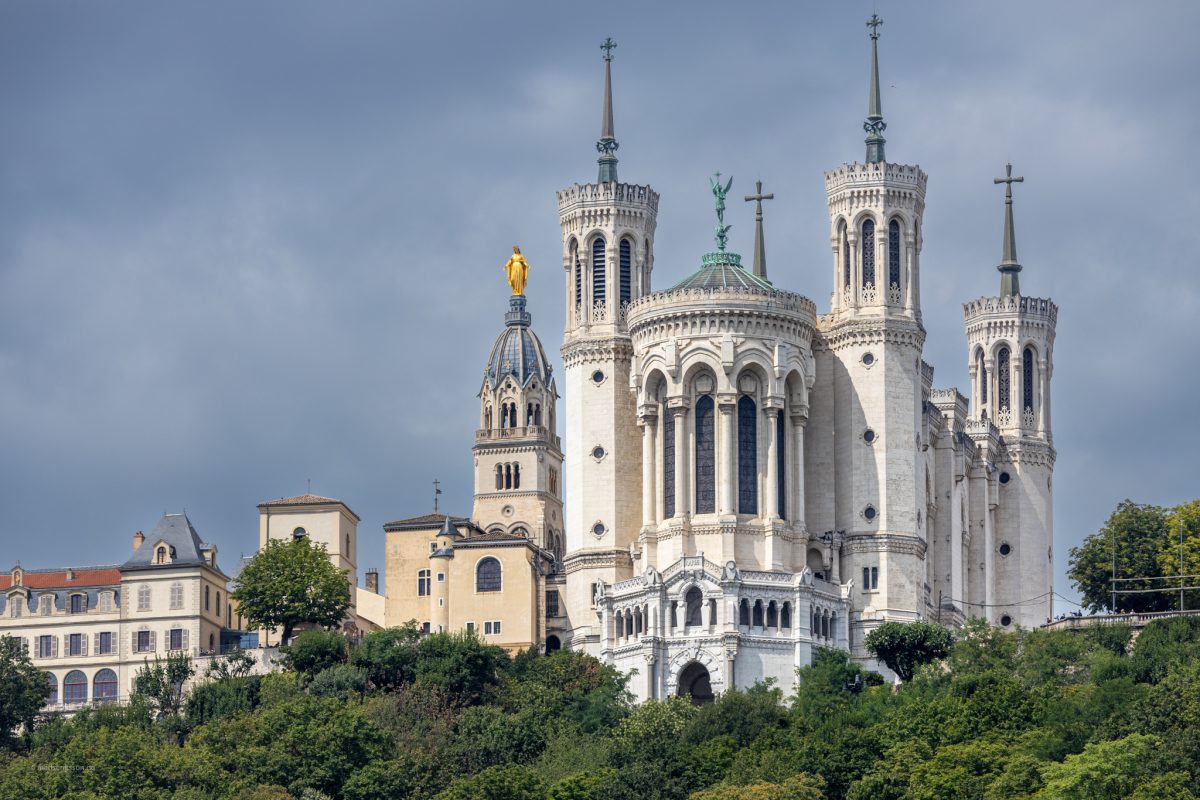
#23 Lyon — The Gastronomic Capital of France
2.2 million people at the confluence of the Rhône and Saône, the city that calls itself the gastronomic capital of the world — and has a reasonable case for the title — with a UNESCO-listed historic centre and the traboules that thread through its Renaissance architecture
Lyon has the most defensible claim of any city to the title of gastronomic capital of the world. Paul Bocuse — the chef who defined nouvelle cuisine and held three Michelin stars continuously from 1965 until his death in 2018 — was born, worked and is buried near Lyon; his restaurant at Coll onges-au-Mont-d’Or, north of the city, maintained its three stars for 53 consecutive years. The city’s bouchons — the traditional Lyonnaise restaurants serving the working-class dishes of the silk weavers (quenelles de brochet, salade lyonnaise, tablier de sapeur, tarte aux pralines, cervelle de canut) — operate according to an informal standard of quality policed by the Association of Lyon Bouchons and represent a food culture as specific and as resistant to change as Neapolitan pizza. The Halles Paul Bocuse, the covered market named in the chef’s honour, is the finest food market in France outside Paris and a destination in itself.
Lyon’s historic centre, inscribed as a UNESCO World Heritage Site in 1998, encompasses the Renaissance Vieux-Lyon district on the right bank of the Saône — one of the largest Renaissance neighbourhoods in Europe — and the medieval Presqu’île peninsula between the two rivers. The traboules — covered passageways threading through the interior of Renaissance buildings, connecting street to street without going outside — were used by silk workers to transport fabric protected from rain, and by Resistance members during the Occupation. Over 500 survive and are open to visitors. The city’s Fête des Lumières (Festival of Lights), held annually in December, is one of the largest light festivals in the world.
Paul Bocuse held three Michelin stars for 53 consecutive years — from 1965 until his death in 2018. The Michelin Guide awarded them posthumously the following year in a gesture without precedent in the guide’s history. They were later withdrawn. The restaurant continues.
Full Lyon guide on madseriksson.no →
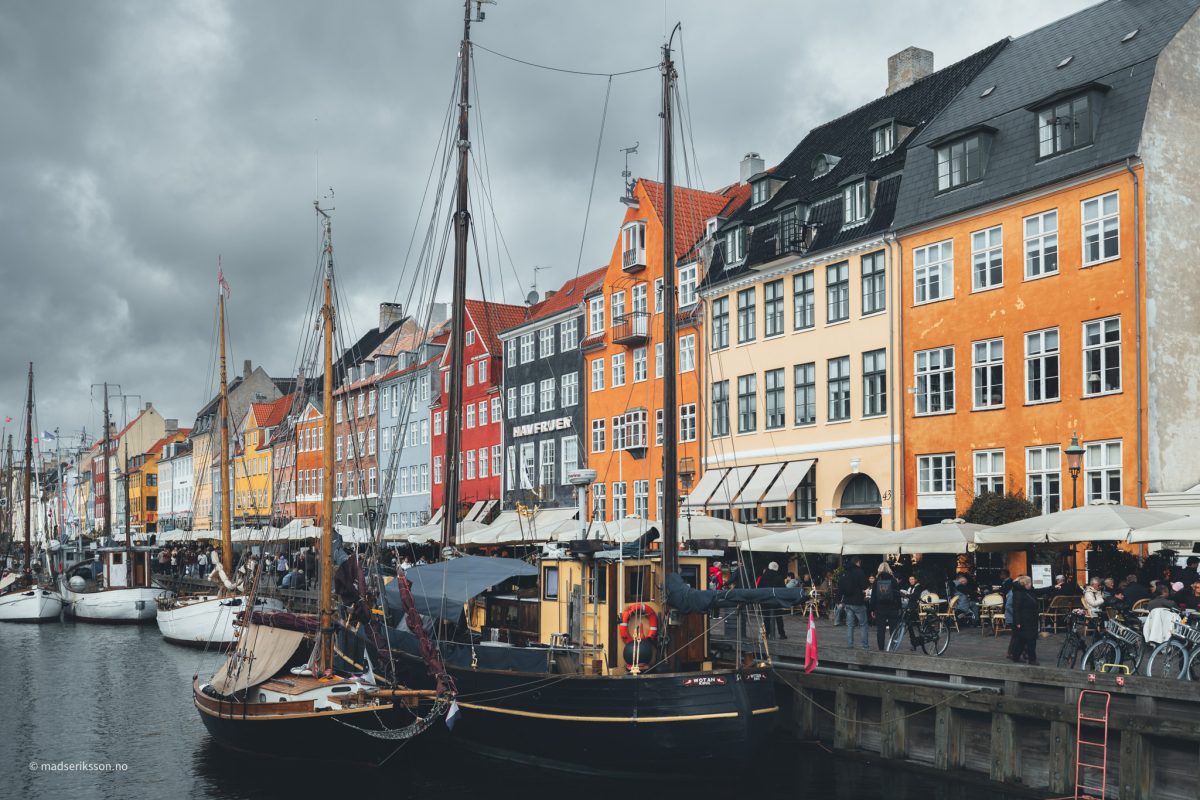
#24 Copenhagen — The Happiest City in the World’s Most Consistently Happy Country
1.9 million people on the Øresund strait — the city that reinvented global cuisine with New Nordic, is the most cycle-friendly capital in the world, and has been ranked the most liveable city in Europe more times than any other
Copenhagen has been ranked the world’s most liveable city more often than any other, and Denmark consistently tops global happiness indices — a combination of universal healthcare, high social trust, low inequality, generous parental leave and the concept of hygge (the Danish/Norwegian idea of cosy, convivial well-being) that has attracted international attention since approximately 2016. The city’s food scene has had an outsized global influence: René Redzepi’s Noma, which opened in a converted Christianshavn warehouse in 2003 and closed in January 2024, was voted the world’s best restaurant four times and launched the New Nordic food movement that changed how chefs worldwide approached seasonality, fermentation and hyper-local ingredients. The legacy of that movement in Copenhagen is visible in dozens of restaurants operating at a very high level from unpretentious premises, with menus that change weekly by season.
Copenhagen’s cycling infrastructure — dedicated lanes on virtually every major road, bicycle traffic lights timed for cyclists rather than cars, cyclist priority at intersections — produces a modal share of approximately 62%, meaning more than half of all commuter journeys in the city are made by bicycle. Nyhavn, the 17th-century canal lined with coloured townhouses, is the city’s most photographed location and was Hans Christian Andersen’s home for many years. The National Museum, the Glyptotek (French Impressionists and Gauguin’s South Sea paintings) and the new Nationalmuseet represent a museum culture of surprising breadth for a city of this size.
Noma served a dish called “The Snowman”: a sphere of frozen cream on soil made from malt and hazelnut. The soil was edible. The snowman melted as you watched it. The meal cost €600 per person. When reservations opened, the website crashed within minutes. It was booked for two years.
Full Copenhagen guide on madseriksson.no →
#25 Marseille — France’s Oldest City and Its Most Misunderstood
1.8 million people in the oldest city in France — founded by Greek sailors 2,600 years ago, France’s second city by population and first by authenticity, with the best bouillabaisse in the world and a Vieux-Port that has been working for 26 centuries
Marseille was founded around 600 BCE by Greek colonists from Phocaea, on the Aegean coast of what is now Turkey, who sailed west seeking trading opportunities and established a settlement at a natural harbour on the Mediterranean coast of Gaul. The Vieux-Port — the old harbour — has been in continuous operation as a fishing and commercial port since that founding, making it one of the longest-functioning harbours in the Western world. The city is France’s oldest and, in many respects, its most genuinely diverse: its position as France’s primary Mediterranean port made it the arrival point for successive waves of Italian, Spanish, Armenian, North African and sub-Saharan African immigration, and its culture reflects this accumulation in its food, its music, its street life and its football (Olympique de Marseille is the most supported club in France outside Paris). Marseille has long had a reputation for crime and disorder that is partly justified and partly the projection of a Paris-centric French culture onto a city that has always operated by different rules.
Bouillabaisse — the Provençal fish stew made with rockfish, saffron, fennel and rouille, traditionally served in two courses (the broth first, then the fish) — is a dish specific to Marseille and properly made only with the rascasse and other Mediterranean rockfish caught in the waters outside the harbour. The MuCEM (Museum of European and Mediterranean Civilisations), opened in 2013 in a striking perforated concrete building by Rudy Ricciotti at the entrance to the Vieux-Port, is the finest new museum building in France since the Pompidou Centre and holds a collection centred on the cultures of the Mediterranean basin.
The Vieux-Port of Marseille has been a functioning harbour for 2,600 years. The fish market that operates on its north quay every morning — fishermen selling directly from their boats — has been running since antiquity. The rascasse they sell is the essential ingredient of a bouillabaisse made as it should be made.
«Europe’s cities are the record of the continent’s arguments with itself — about how to govern, how to worship, what beauty is, how to eat, who belongs and who doesn’t. The Parthenon and the Forum Romanum are the physical evidence of political ideas that are still being disputed. The rebuilt Old Town of Warsaw is a statement about what it means to insist on continuity when continuity has been destroyed. The Elbphilharmonie is a city’s argument that beauty is worth waiting and paying for. Istanbul is the argument that a city can be the bridge between two civilisations rather than the property of either. Twenty-five cities, three thousand years, one remarkably small peninsula. The arguments are ongoing. That is the point.»
More in the same area
 CitiesThe World’s 10 Great Food Markets
 ArchitectureTen Buildings That Changed Their Cities — Modern Architecture Ranked on Impact, Not Image
 CitiesThe World’s 10 Most Beautiful City Parks
 CitiesCities Beyond Scale — The World’s 10 Largest Metropolises
 HikingNorway’s 15 Greatest Day Hikes
 GlaciersEurope’s 10 Greatest Glaciers — And How to Experience Them