Looking out over Rome from any elevated point — the Vittoriano, the Pincian Hill, the edge of the Palatine — the scale of what the city contains becomes almost impossible to take in. Three thousand years of continuous habitation, layer after layer of empire, republic, papacy and nation, stacked one atop the other in an accumulation that has no equal in the Western world. Rome does not ask you to choose between eras. It simply presents all of them at once.

Rome is the capital of Italy and the country’s largest city, with a metropolitan population of around 4.3 million. But its significance has nothing to do with size. The city was founded, according to tradition, in 753 BCE — and for the following eight centuries it was the centre of gravity for the entire Mediterranean world. At its height, the Roman Empire stretched from Scotland to Mesopotamia and controlled a population estimated at 50 to 90 million people. When the empire fell, Rome became the seat of the Western church, and the papacy transformed it again — filling it with Baroque palaces, fountains and churches over the course of the 17th and 18th centuries. Almost nothing of that history has been cleared away. In Rome, you walk between it.
The result is a city unlike any other in Europe. The Colosseum stands in the middle of the modern road network. The Pantheon, built in 125 CE with a concrete dome that was the largest in the world for over thirteen centuries, serves as an active church and is surrounded by café tables. The Forum Romanum — the administrative and political heart of the republic and empire — lies open to the sky, visited by millions each year but still somehow quiet in the early morning. None of this has been moved to a museum. It is simply where it has always been.
How to approach Rome
This guide covers four aspects of Rome: ancient Rome and its principal monuments, the Vatican and Christian Rome, Baroque Rome and the great public spaces, and the city’s food culture from street food to the trattorias of Trastevere. Rome rewards time and repetition above almost any city in the world. Three days is enough to see the surface. A week begins to reveal the depth. And those who visit repeatedly report that the city continues to give back long after the guidebook has been set aside.
Rome in 3D
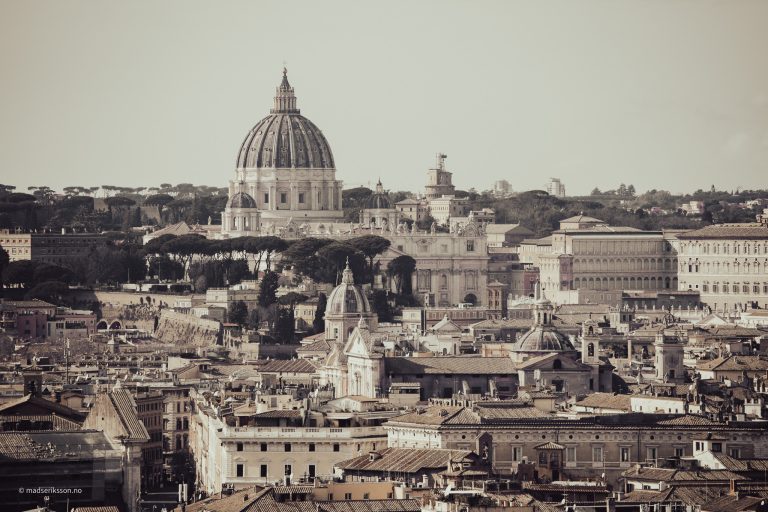
Rome grew up beside the Tiber on the seven hills of the ancient city, and by tradition was founded in 753 BCE. This frame runs from St Peter's and Vatican City in the west to the Colosseum in the east, and from Piazza del Popolo south to the Circus Maximus. Vatican City, an independent state since the Lateran Treaty of 1929, covers just 0.44 km² of it.
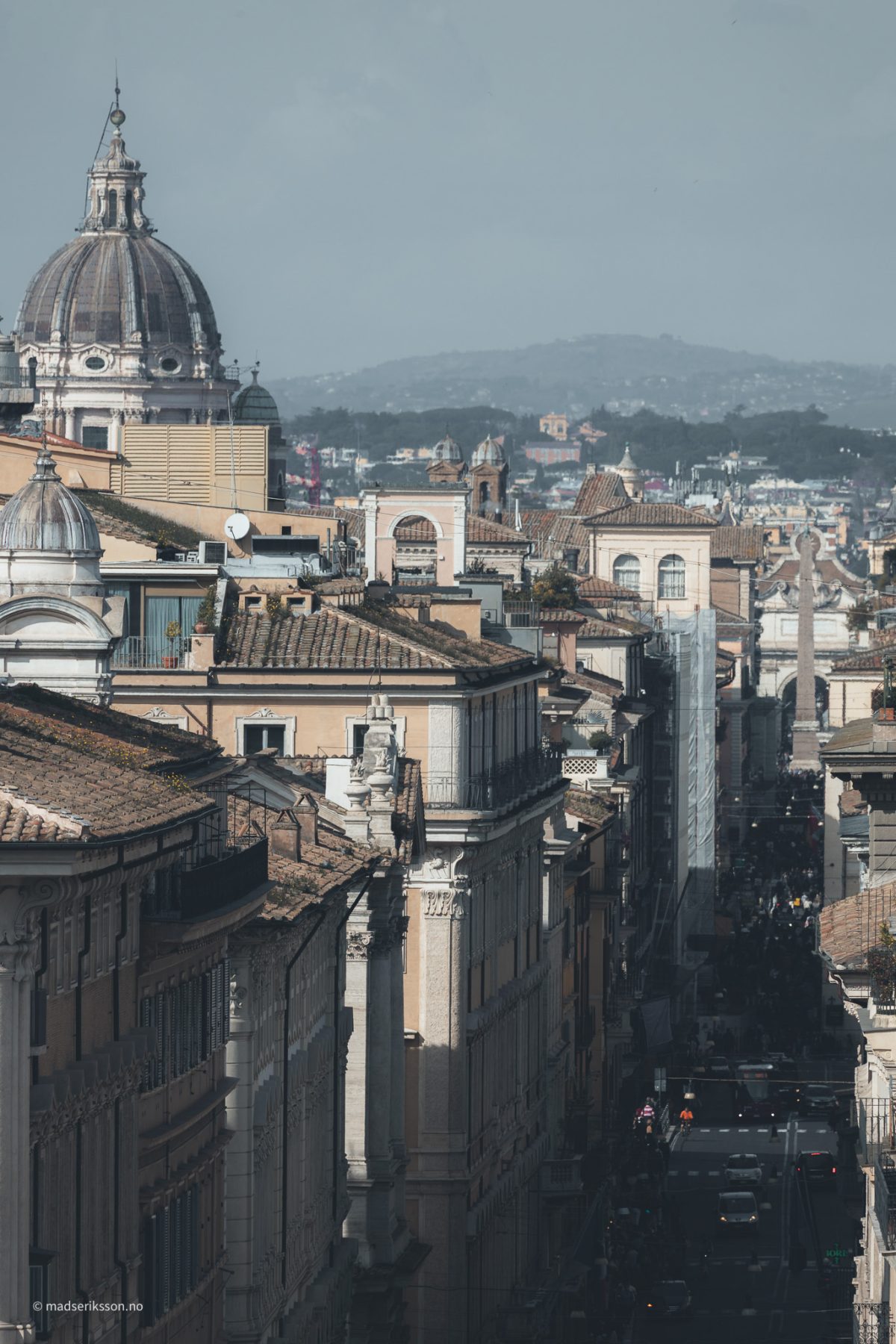
The dome of St Peter’s Basilica rising above the rooftops of Rome
The Forum and the Colosseum
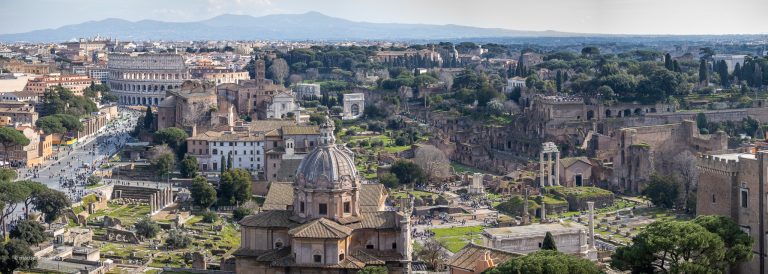
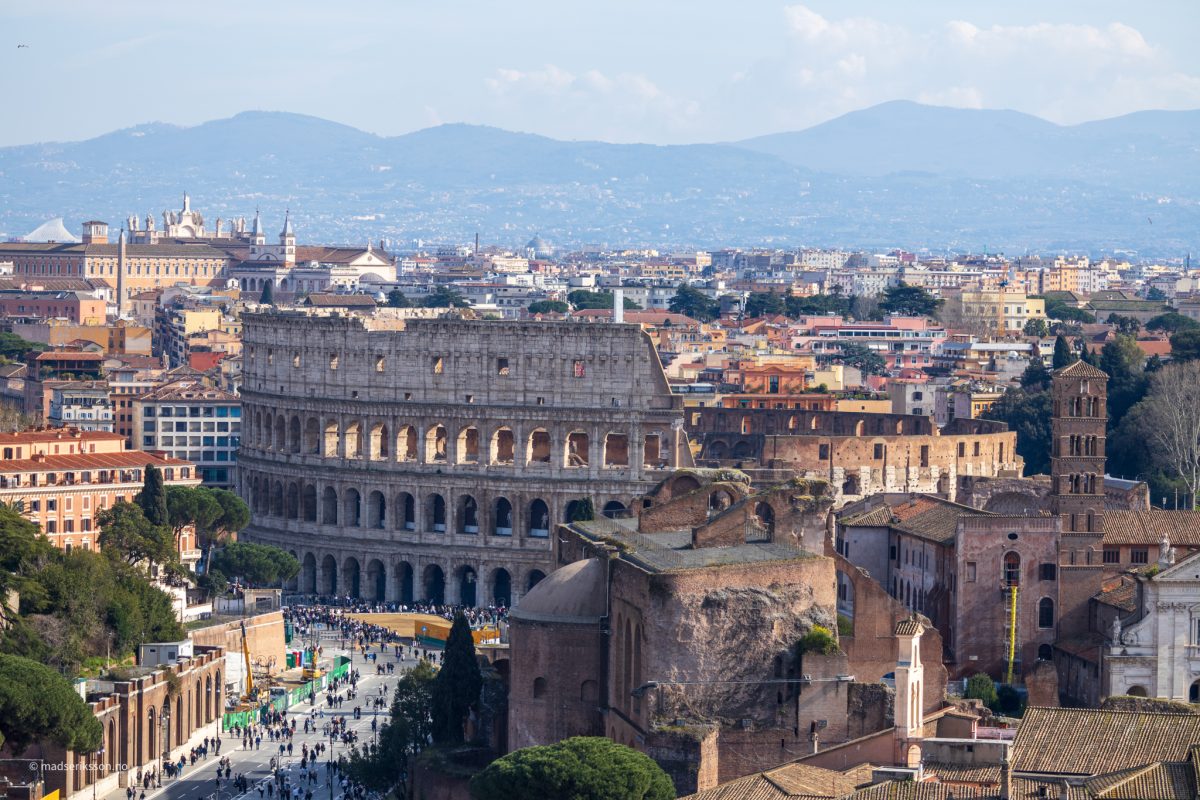
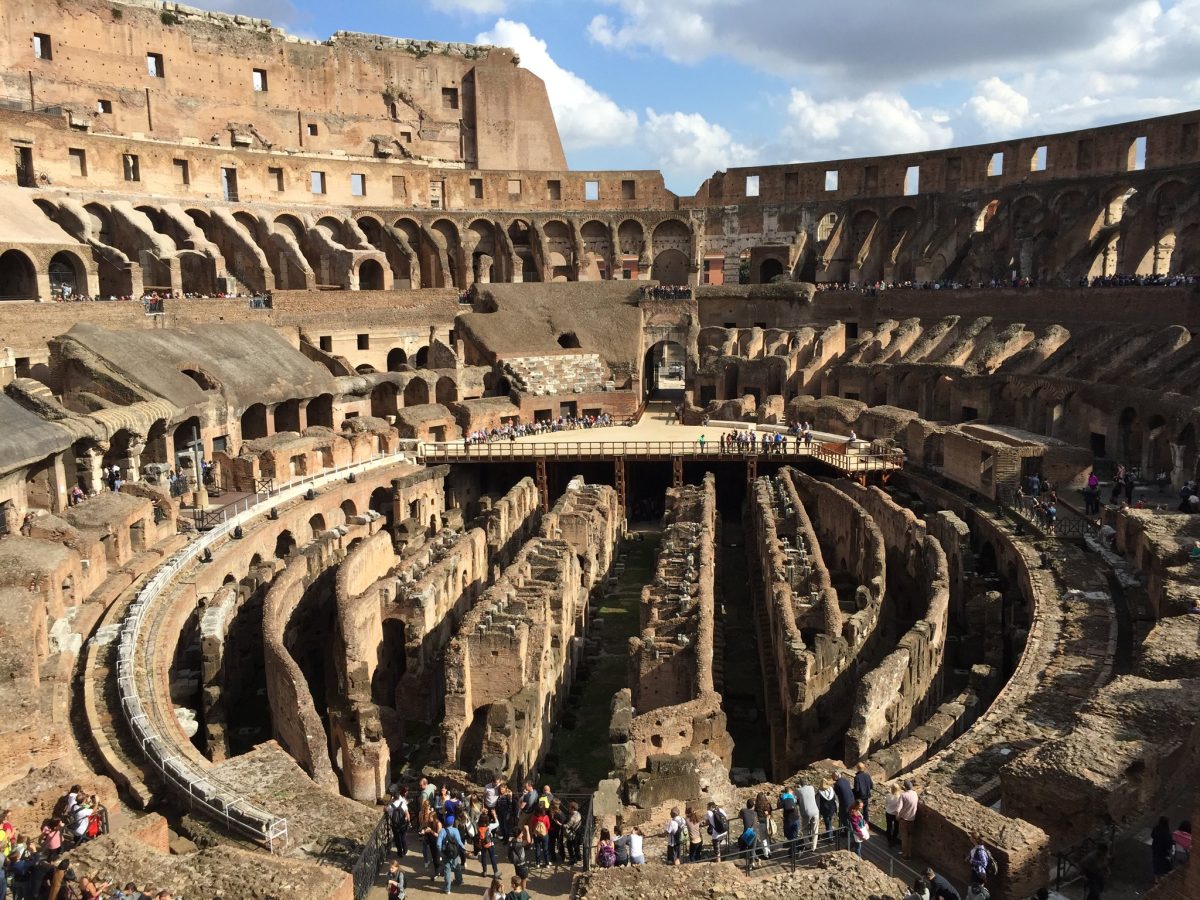
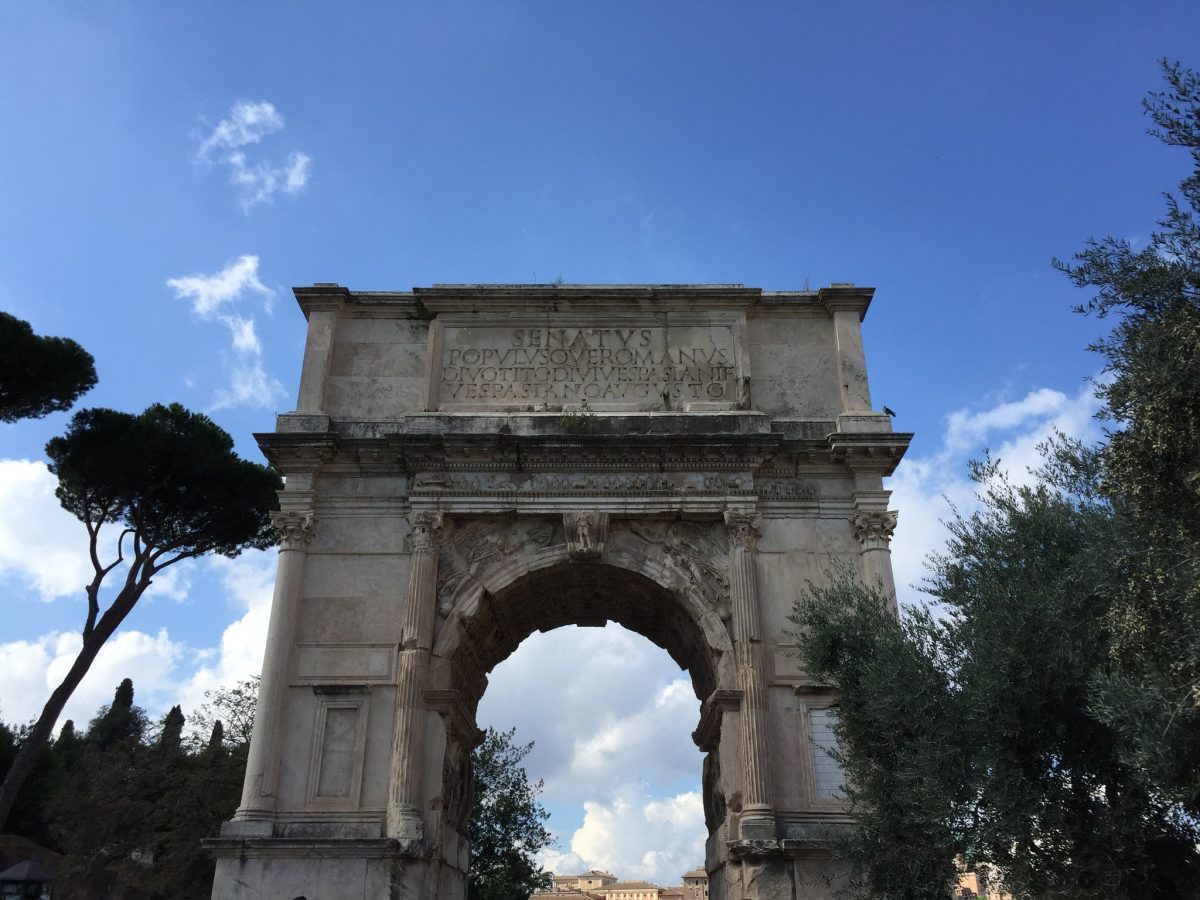
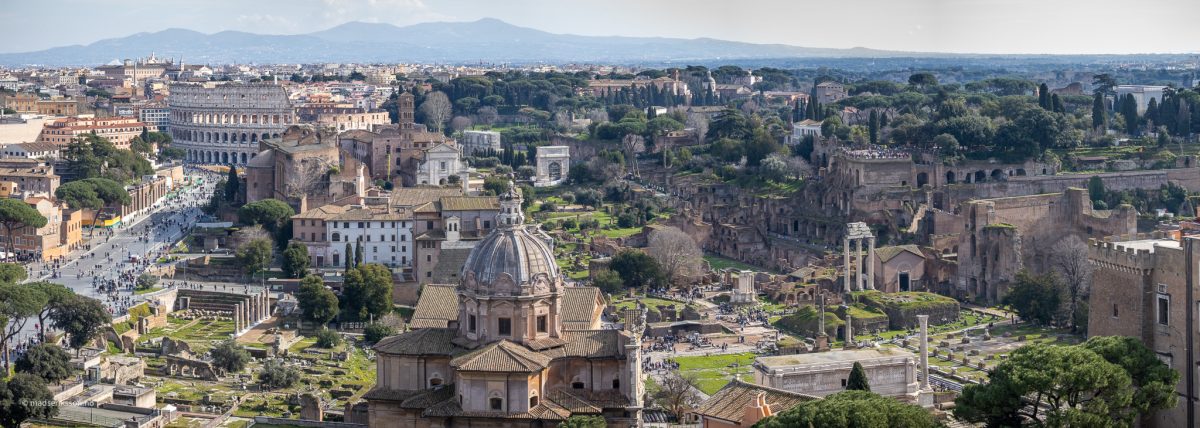
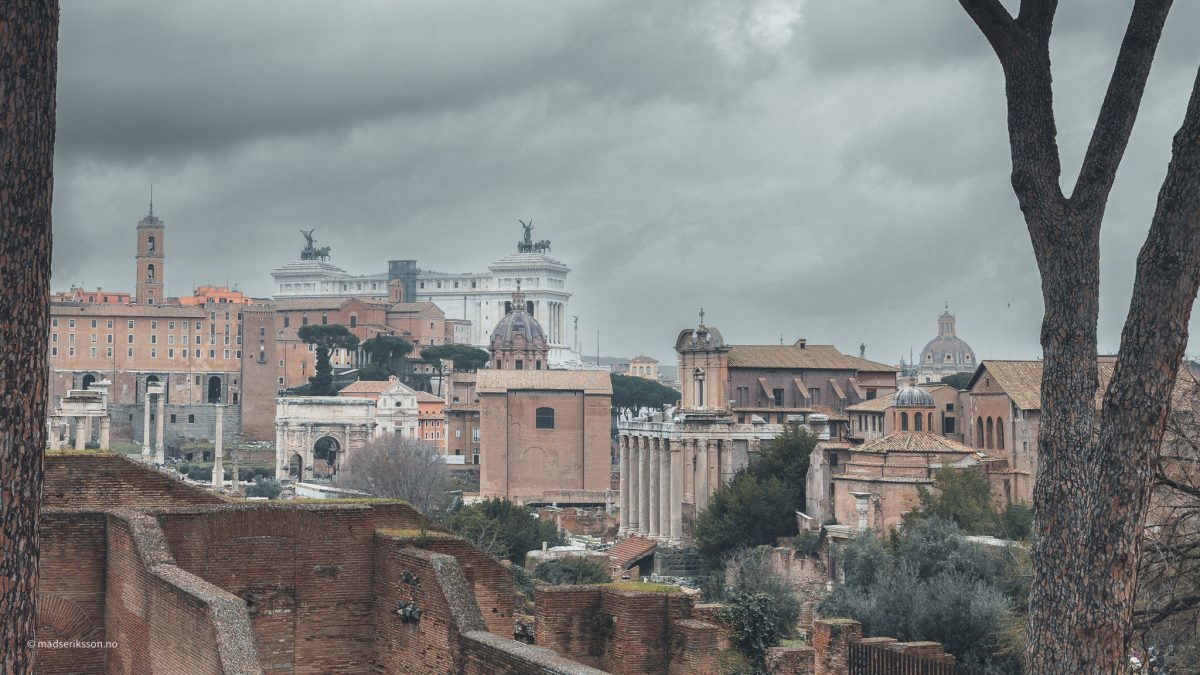
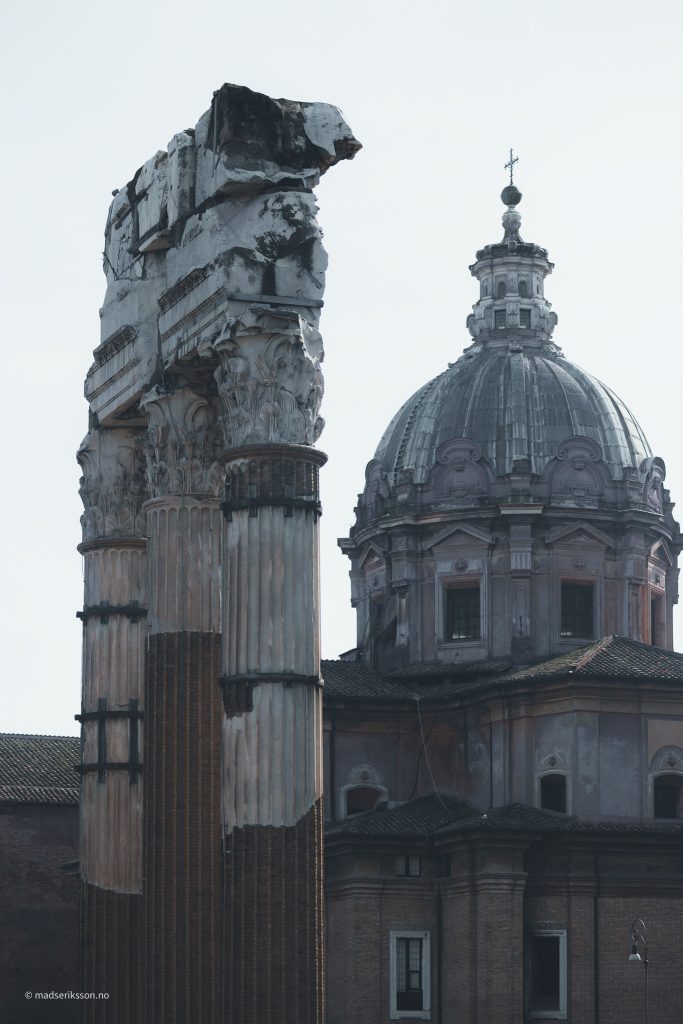
The Forum Romanum, the political and religious centre of ancient Rome, lies in the valley between the Capitoline and Palatine hills, where the emperors later built their palaces. The Via Sacra runs east past the Temple of Castor and Pollux and the Arch of Titus to the Colosseum. Begun under Vespasian around 70 CE and completed by Titus in 80 CE, the amphitheatre is 189 m long, 48 m high and held between 50,000 and 80,000 spectators.
Panorama over the Forum Romanum from the Capitoline side, with the Colosseum in the distance
The Vittoriano and Trajan’s Column
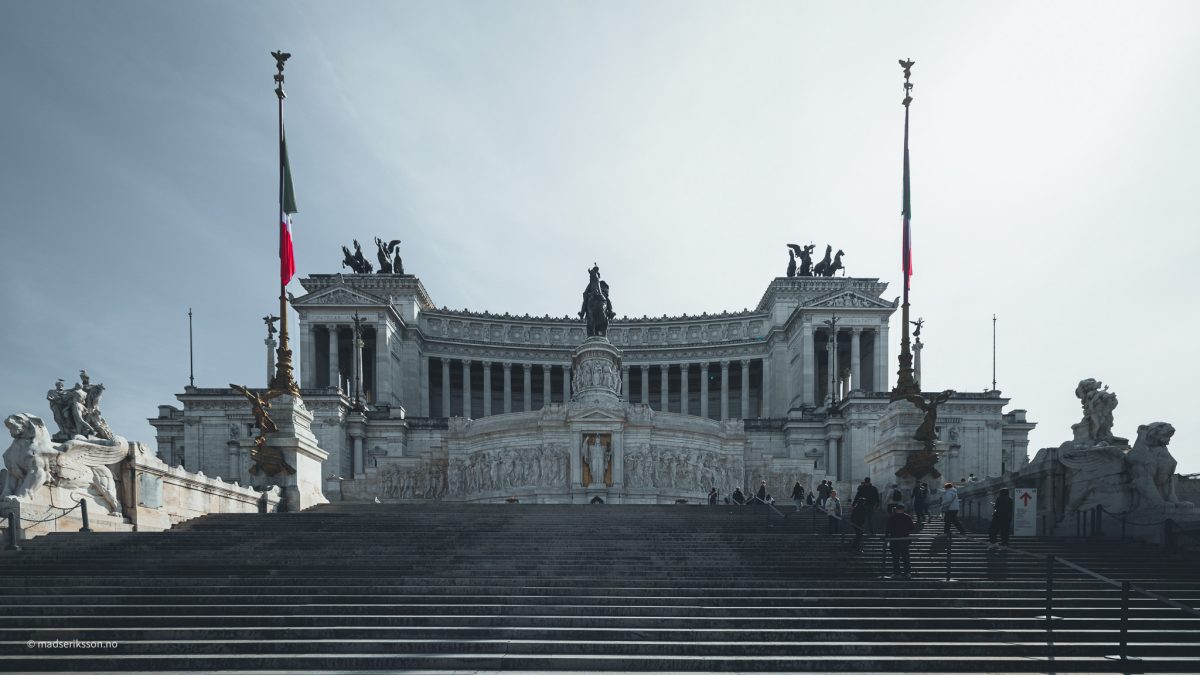
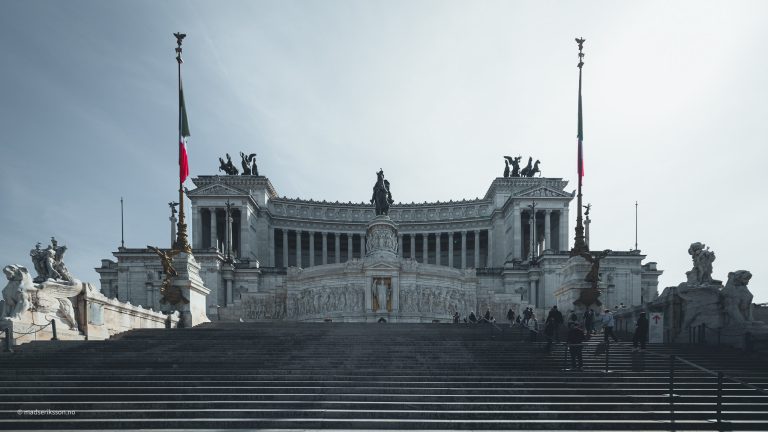
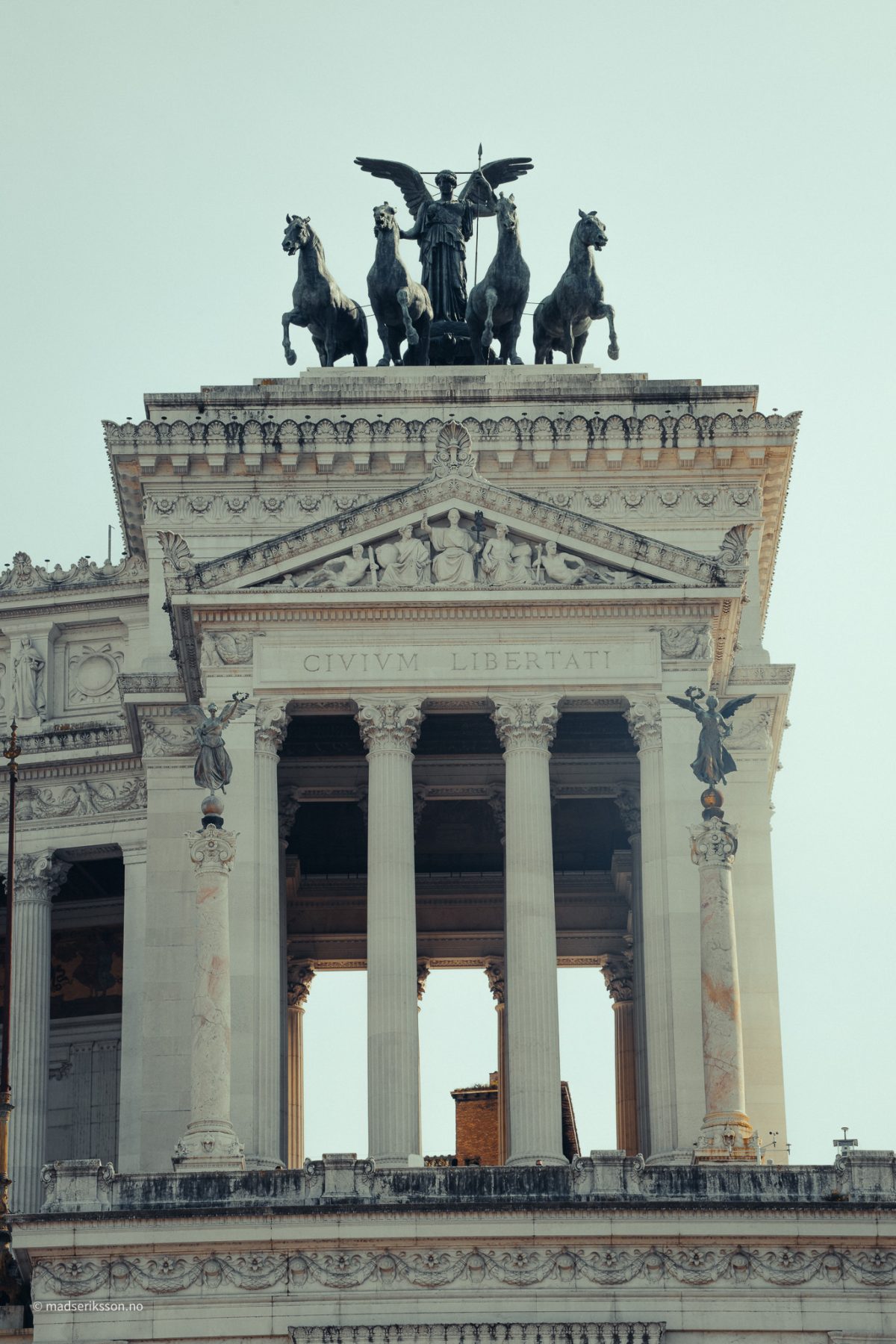
The Vittoriano, Giuseppe Sacconi's monument to Victor Emmanuel II, the first king of united Italy, was inaugurated in 1911 and completed in 1935. It is 135 m wide and 81 m high including its bronze quadrigas, and since 1921 it has held the Tomb of the Unknown Soldier. Just to the north, Trajan's Column of 113 CE rises about 30 m above the remains of the Imperial Fora.
The Vittoriano on Piazza Venezia, its broad stairs rising to the colonnade and bronze quadrigas
The Pantheon and Piazza Navona
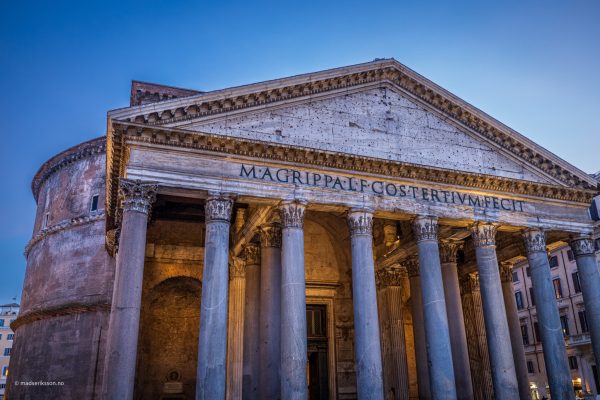
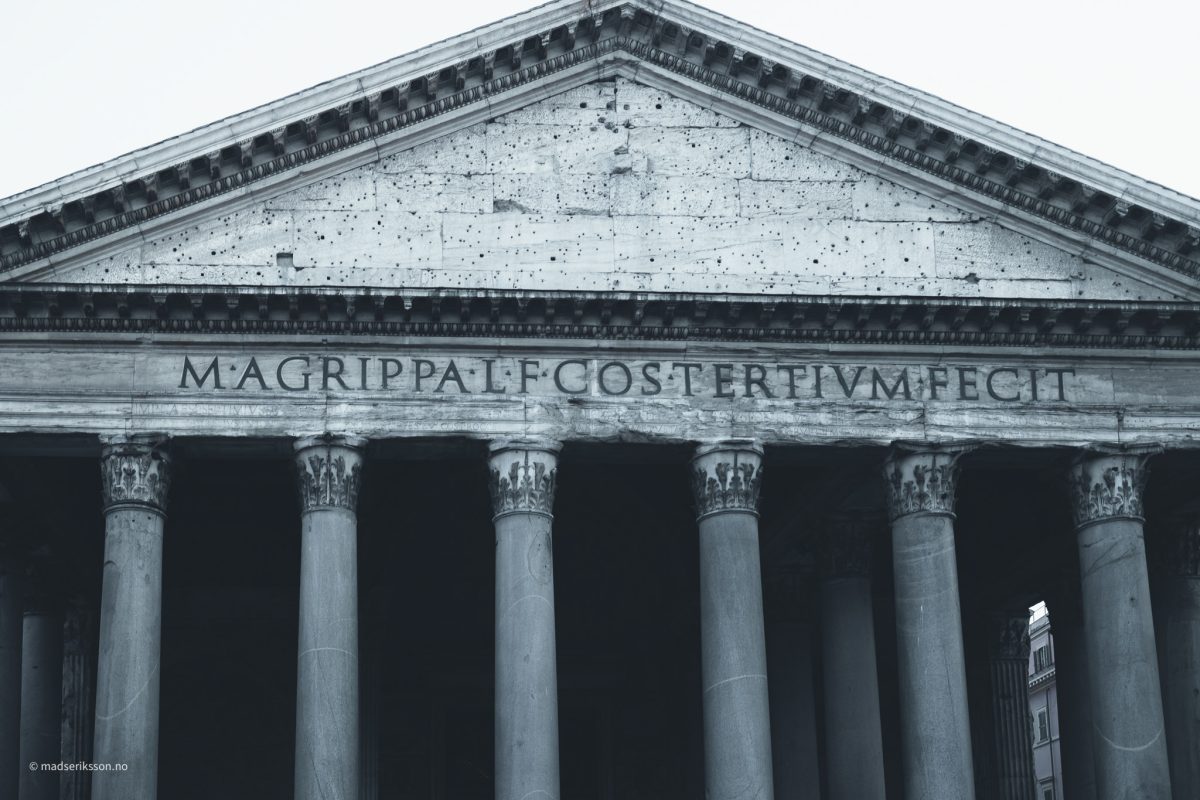
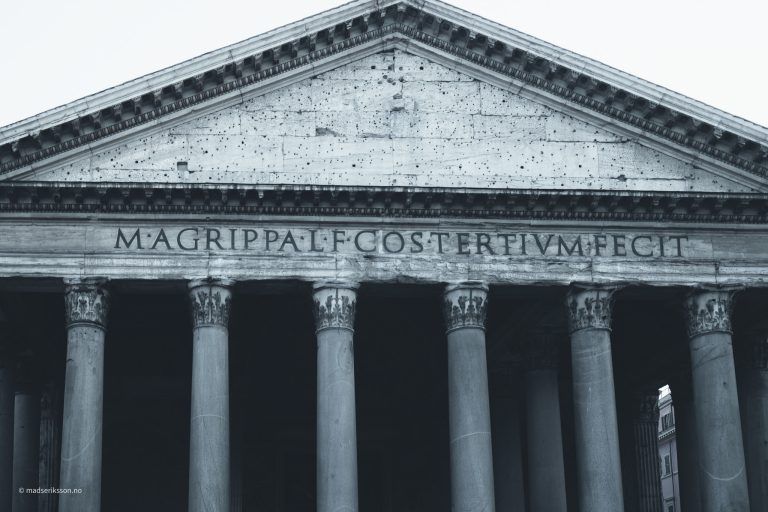
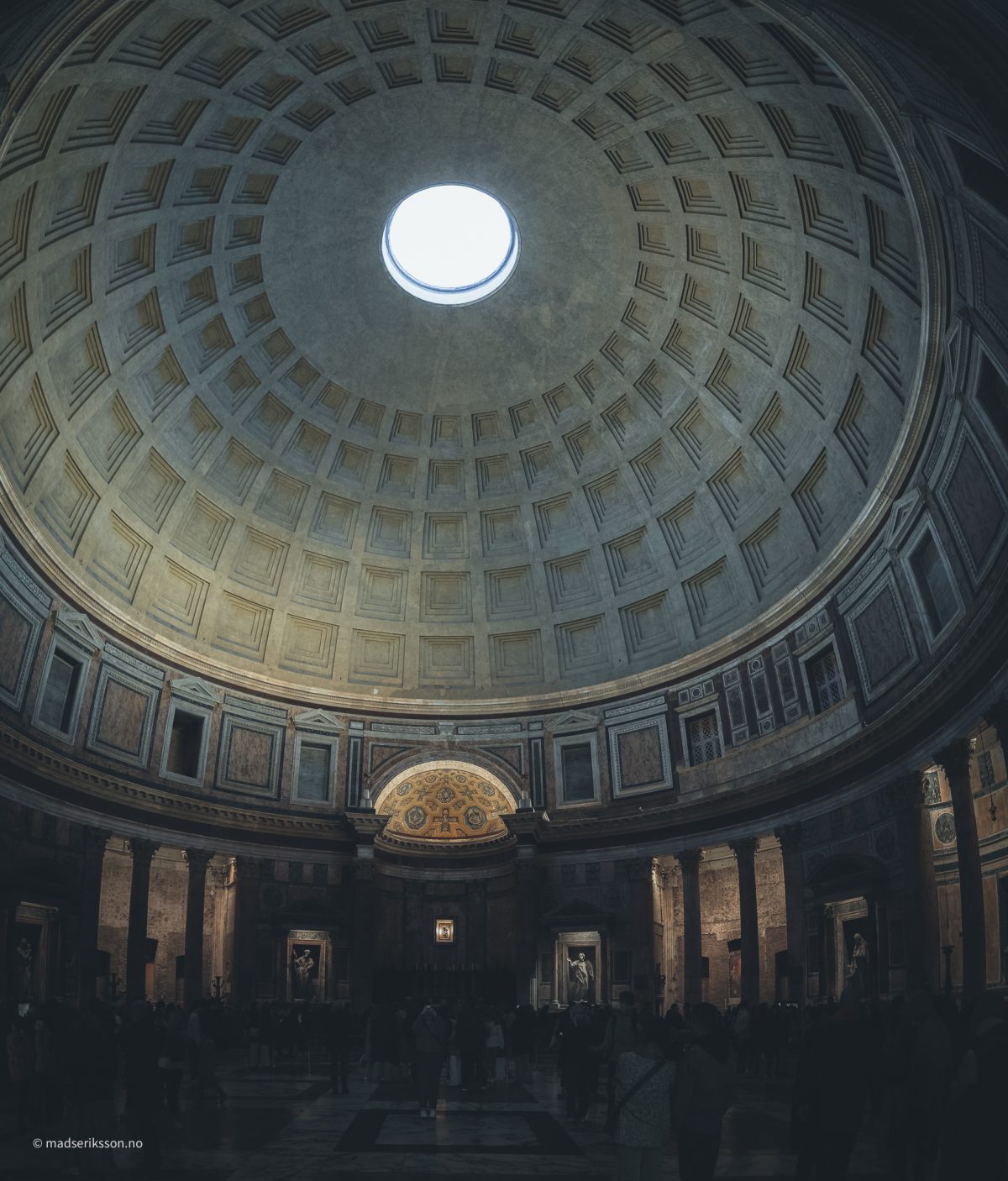
The Pantheon was completed around 125 CE under Hadrian, although the inscription on its portico credits Marcus Agrippa, who built the first temple on the site. Its unreinforced concrete dome spans 43.3 m, with an oculus 8.7 m across, and the building has been a church since 609. A few hundred metres to the west, Piazza Navona keeps the shape of the Stadium of Domitian from the 1st century CE, with Bernini's Fountain of the Four Rivers of 1651 at its centre.
Agrippa’s inscription on the portico of the Pantheon, above its granite Corinthian columns
Read more: The Pantheon in Rome: A Marvel of Ancient Architecture
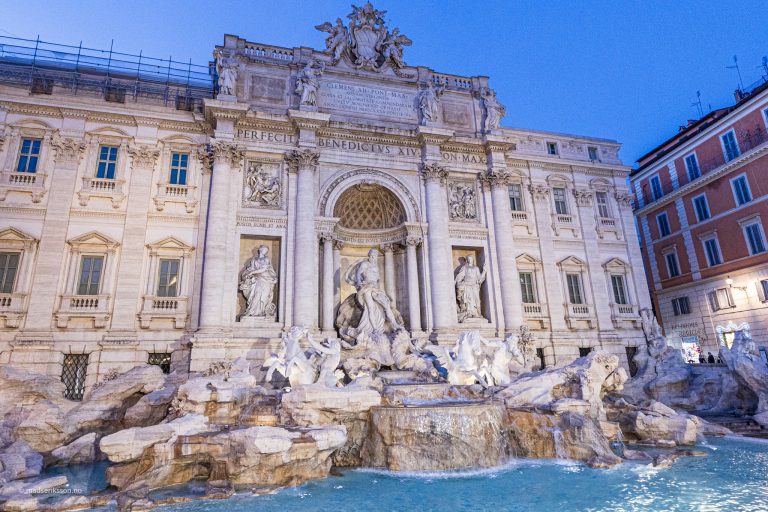
Trevi, the Spanish Steps and Piazza del Popolo
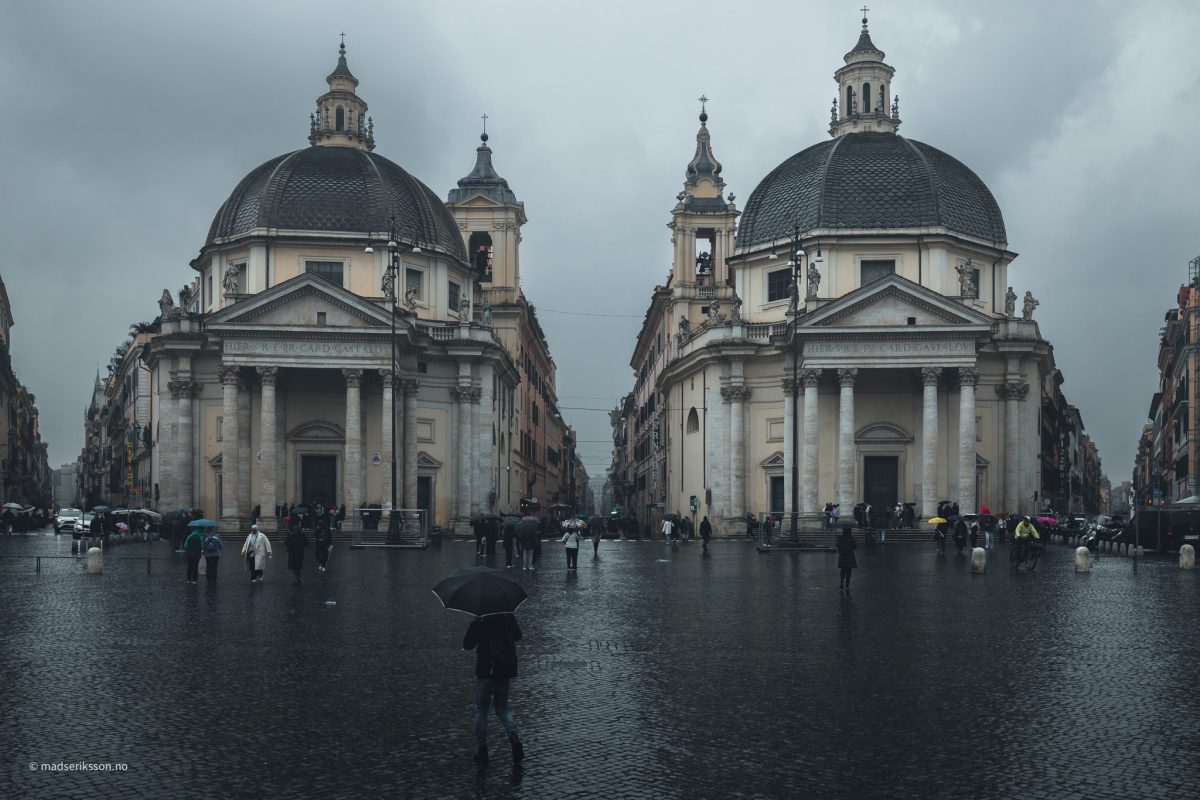
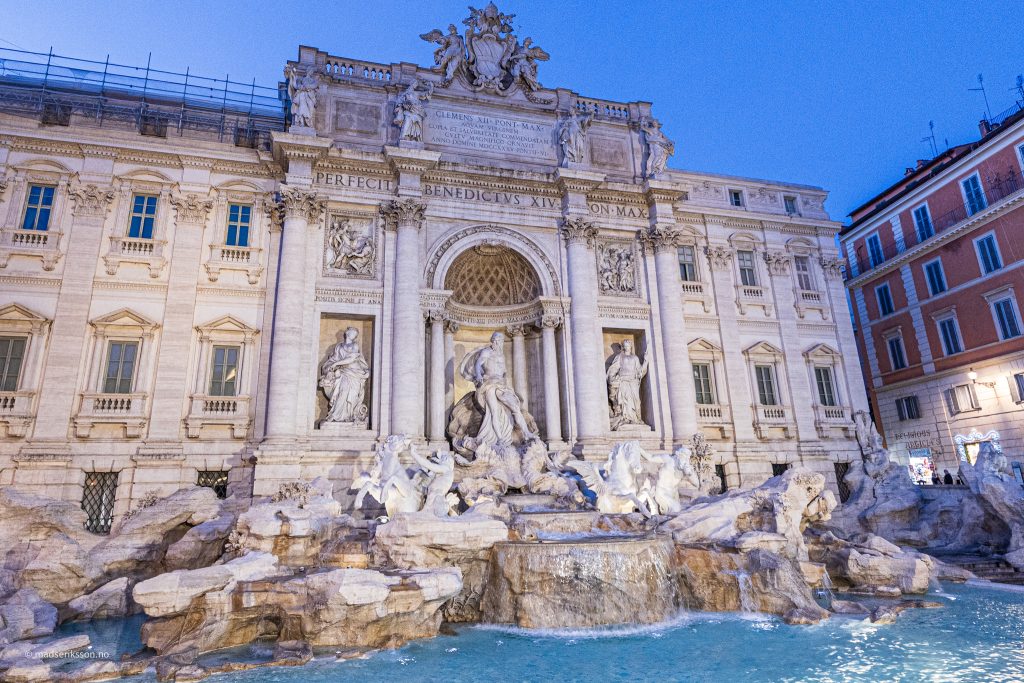
The Trevi Fountain, designed by Nicola Salvi and completed in 1762, is 26.3 m high and 49.15 m wide, set against the back of Palazzo Poli. The 135 Spanish Steps, built between 1723 and 1725, climb from Piazza di Spagna to the church of Trinità dei Monti. Further north, Piazza del Popolo marks the old northern gate of the city, where the Via Flaminia entered Rome.
The Trevi Fountain at dusk, with Neptune and the tritons set against the Palazzo Poli façade
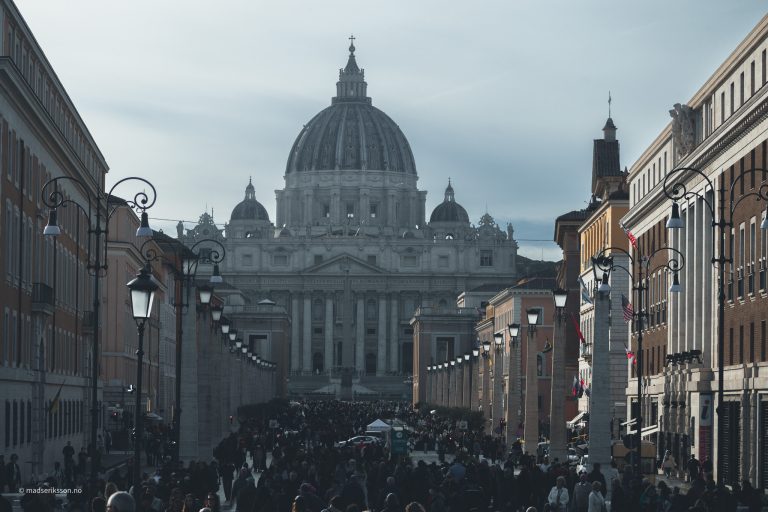
St Peter's Basilica
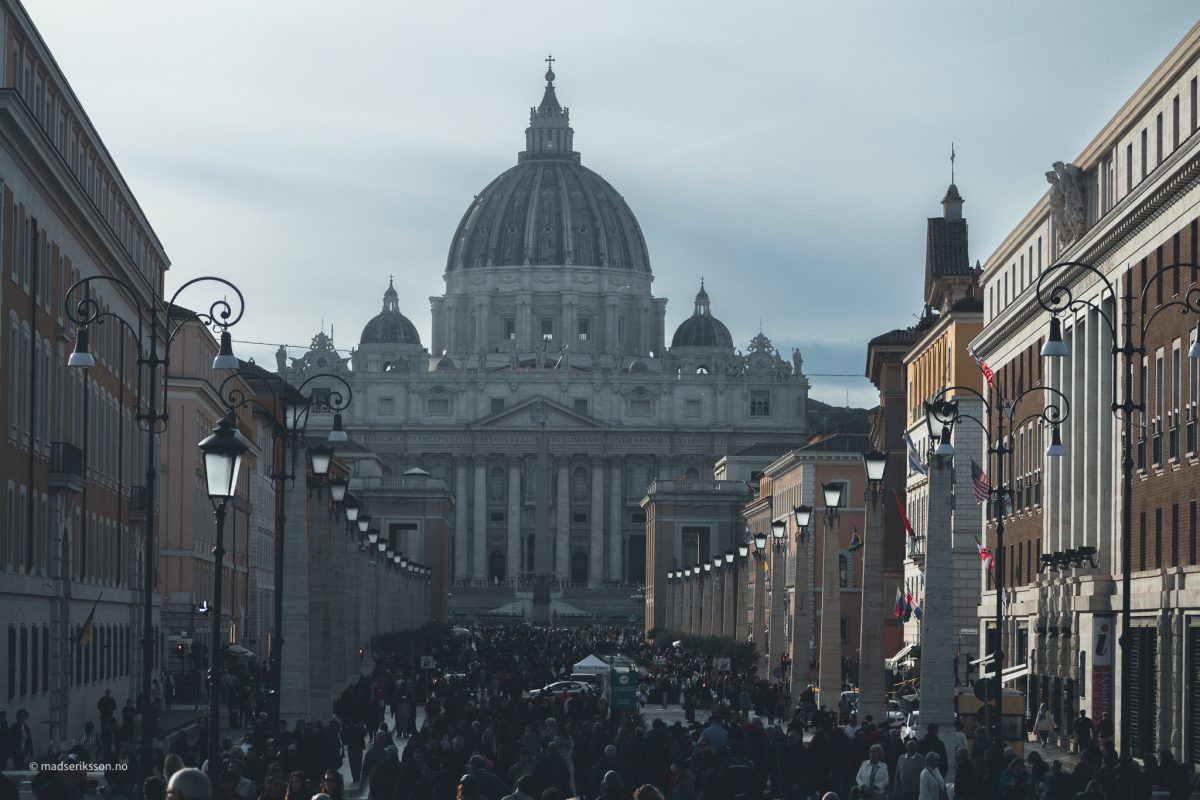
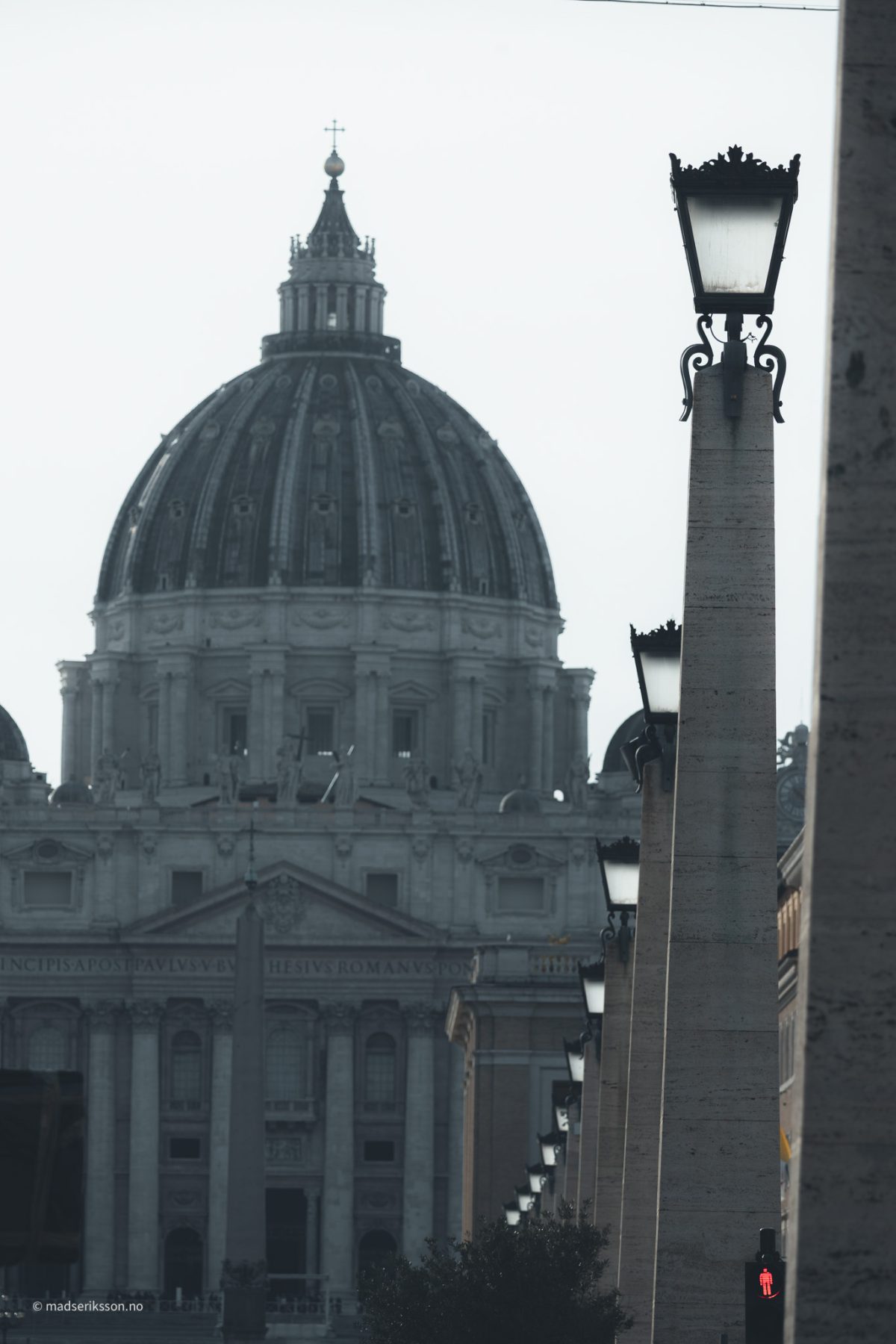
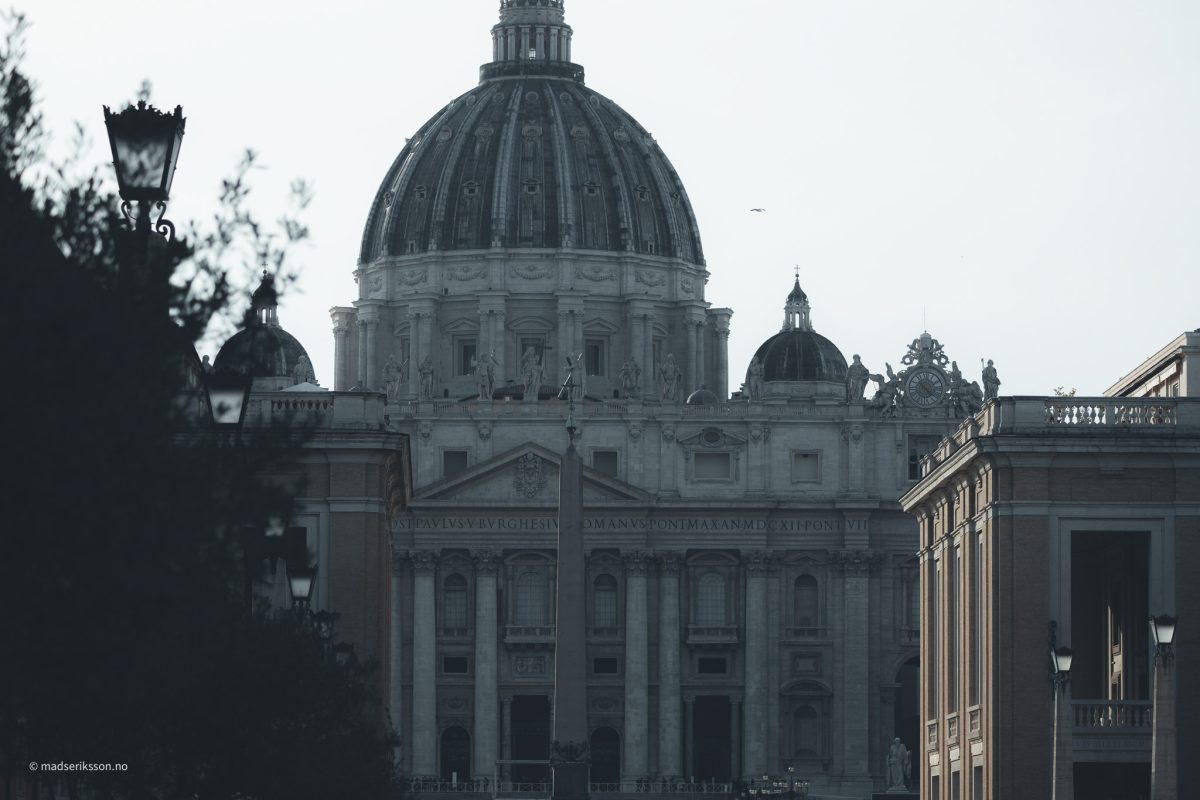
St Peter's Basilica was begun in 1506 under Pope Julius II and consecrated in 1626, with Bramante, Michelangelo, Giacomo della Porta and Carlo Maderno among its architects. Michelangelo's dome rises about 136 m above the ground. Via della Conciliazione, cut through the old Borgo quarter from 1936, leads from the Tiber to St Peter's Square and its 25.5 m Egyptian obelisk, moved there in 1586.
St Peter's Basilica at the end of Via della Conciliazione, with crowds walking towards the square
Read more: Exploring the Basilica di San Pietro: A Marvel of Renaissance Architecture
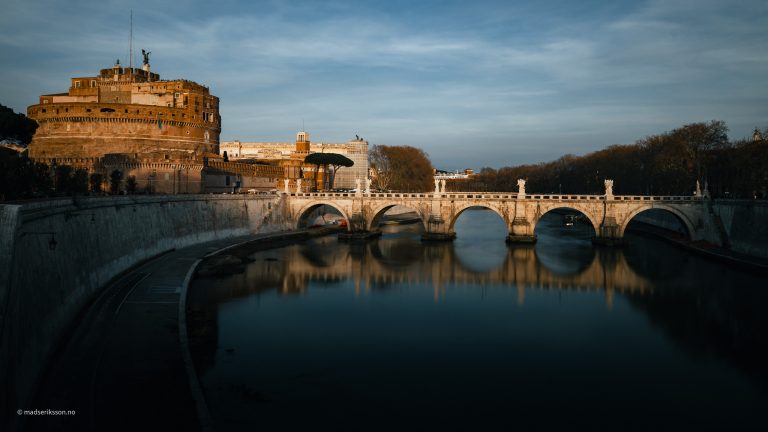
Castel Sant'Angelo
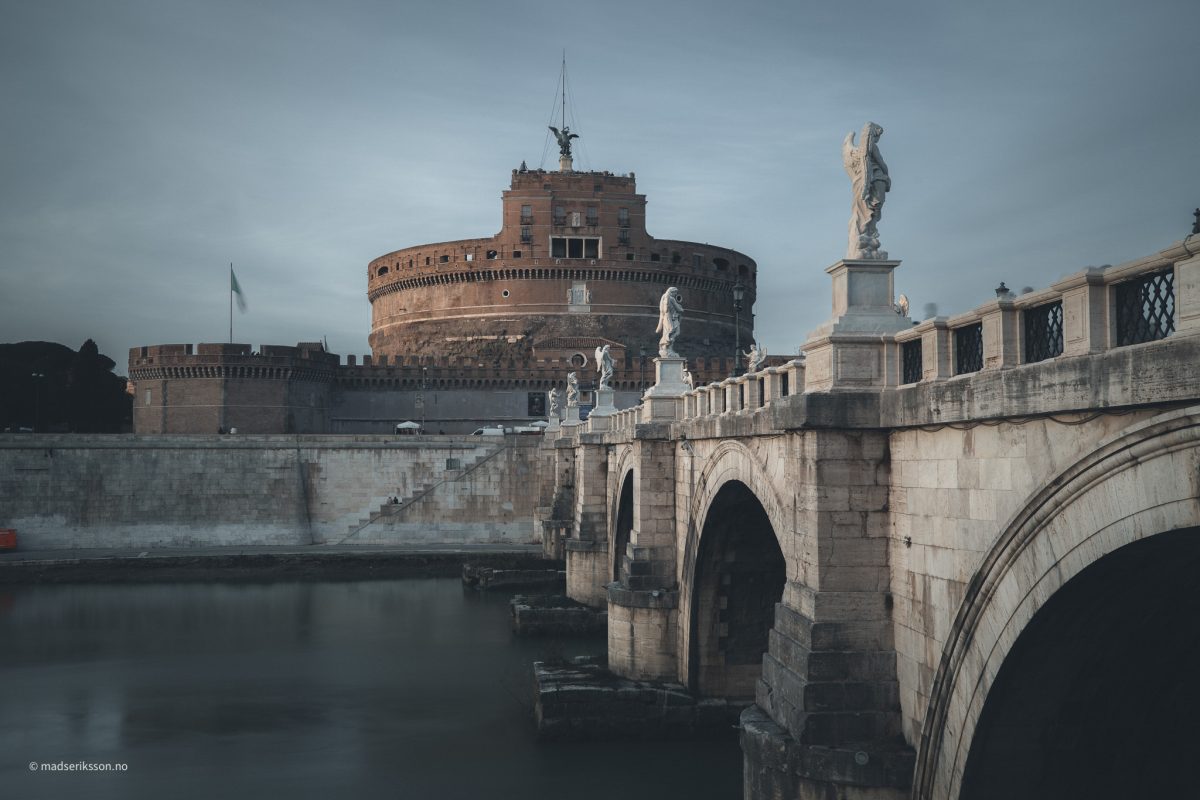
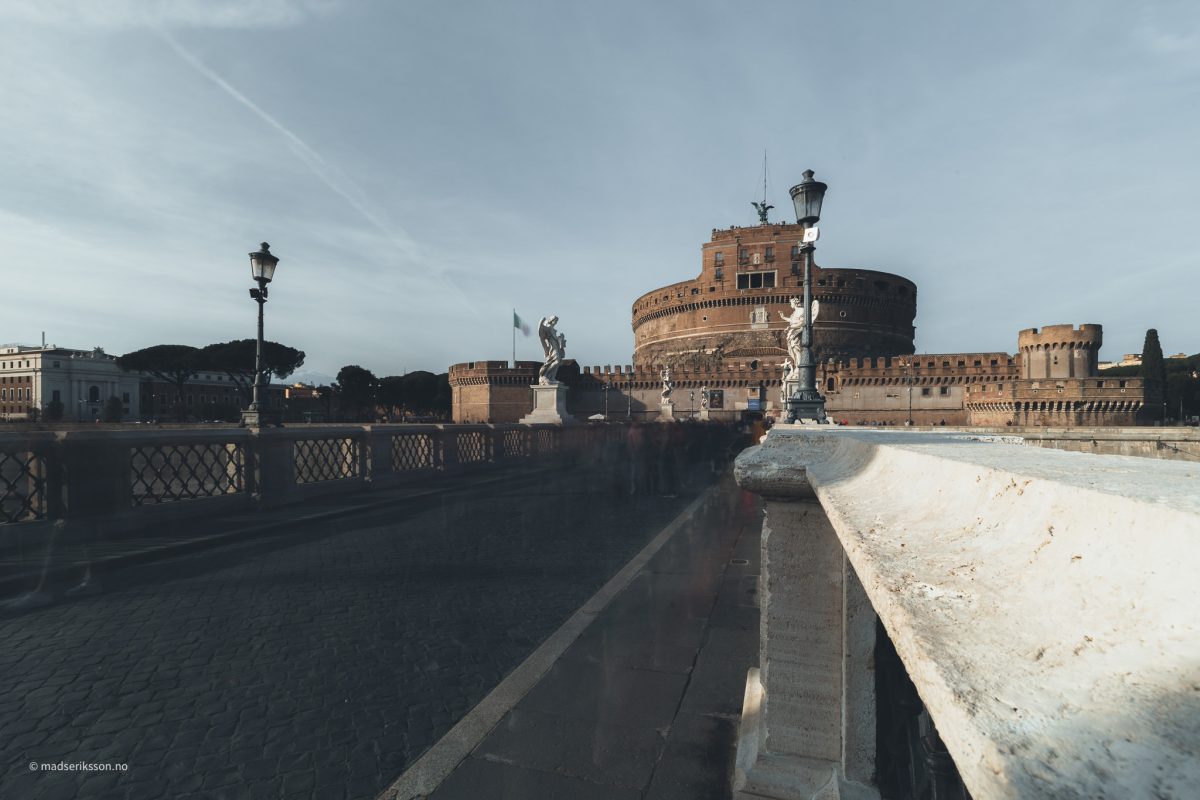
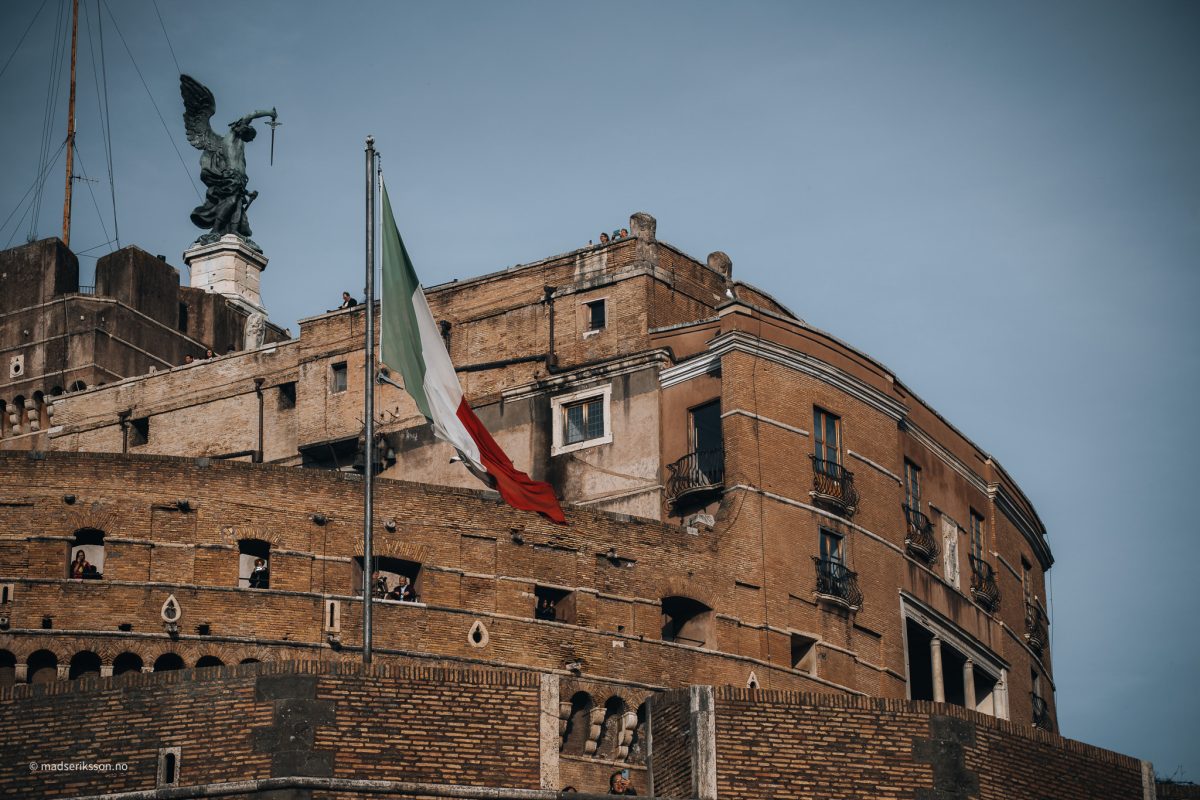
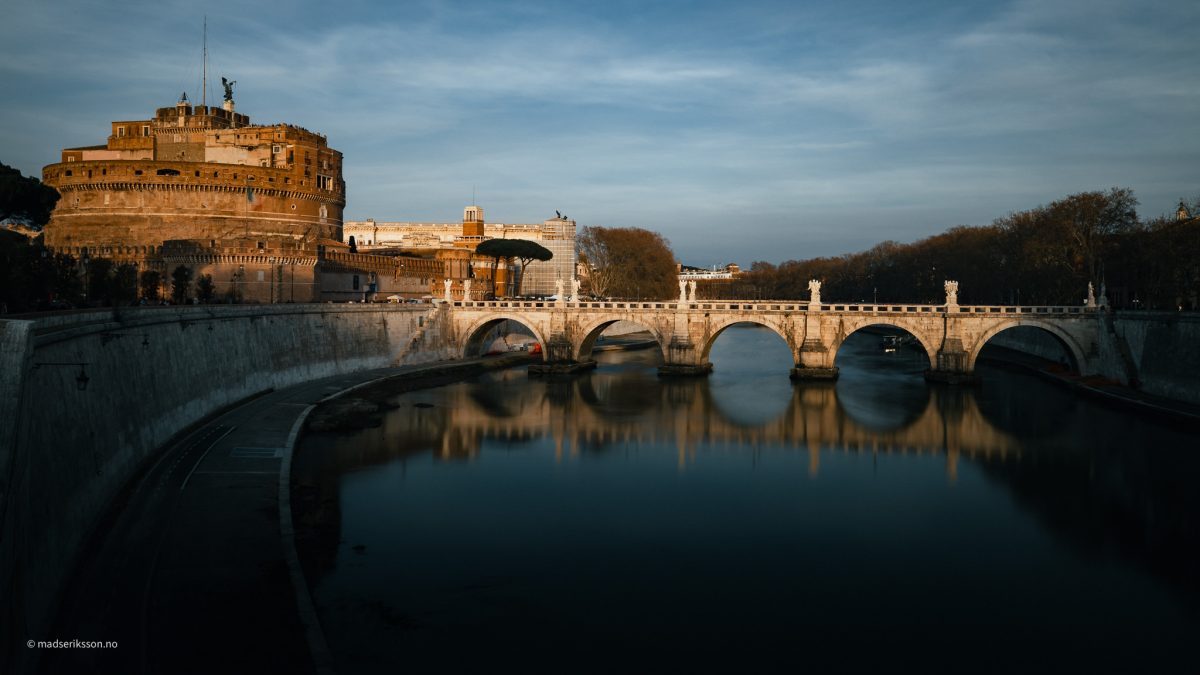
Castel Sant'Angelo was built between 134 and 139 CE as the mausoleum of Hadrian and later became a papal fortress, linked to the Vatican by the raised corridor of the Passetto di Borgo. The Ponte Sant'Angelo in front of it was completed by Hadrian in 134 CE as the Pons Aelius, and in 1669 Pope Clement IX commissioned Bernini to line it with ten marble angels.
Castel Sant'Angelo and Ponte Sant'Angelo reflected in the Tiber in warm evening light
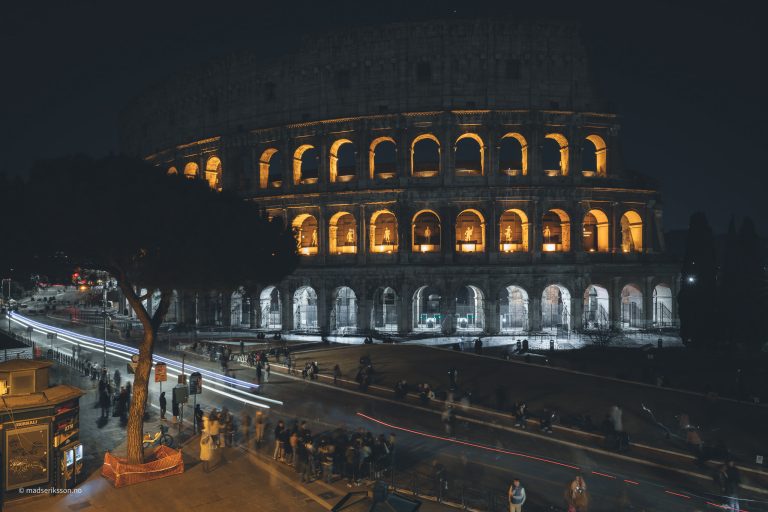
The Colosseum at night
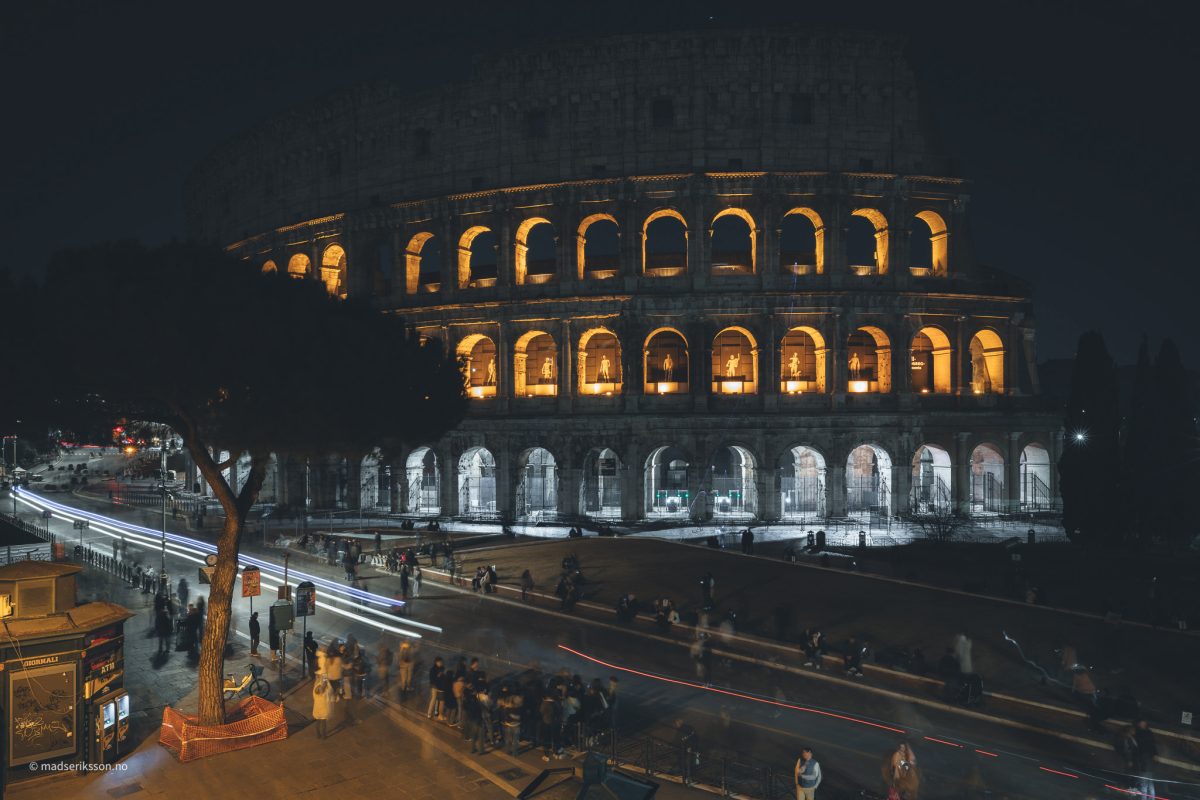
Via dei Fori Imperiali, opened in 1932, runs in a straight line from Piazza Venezia to the Colosseum alongside the remains of the Imperial Fora of Trajan, Augustus, Caesar and Nerva. After dark the arcades of the Colosseum are floodlit, as are Trajan's Market and Trajan's Column at the northern end of the road.
The Colosseum lit up at night, with traffic trails and people gathered along the road in front
3D model © 2026 madseriksson.no · Photographs © madseriksson.no. Buildings and heights: © OpenStreetMap contributors (ODbL), via OpenMapTiles. Ground imagery: Sentinel-2 cloudless 2023 by EOX IT Services GmbH (contains modified Copernicus Sentinel data 2023; CC BY 4.0). Heights are approximate where OpenStreetMap has no measured value; sun positions are approximate.
Ancient Rome — Empire Written in Stone
The monuments of the Roman Republic and Empire stand exactly where they were built — in the middle of the modern city
The Colosseum is the most visited ancient monument in the world and the largest amphitheatre ever built. Construction began under Emperor Vespasian around 70 CE and was completed by his son Titus in 80 CE. At capacity it held between 50,000 and 80,000 spectators, seated by rank and class, to watch gladiatorial combat, animal hunts, public executions and occasionally staged naval battles when the arena was flooded. It operated for more than four centuries. At night, lit against the city sky, it retains an authority that daylight photographs rarely convey — the sheer mass of brick and travertine, and the precision of its three tiered arcades, demand a different kind of attention.
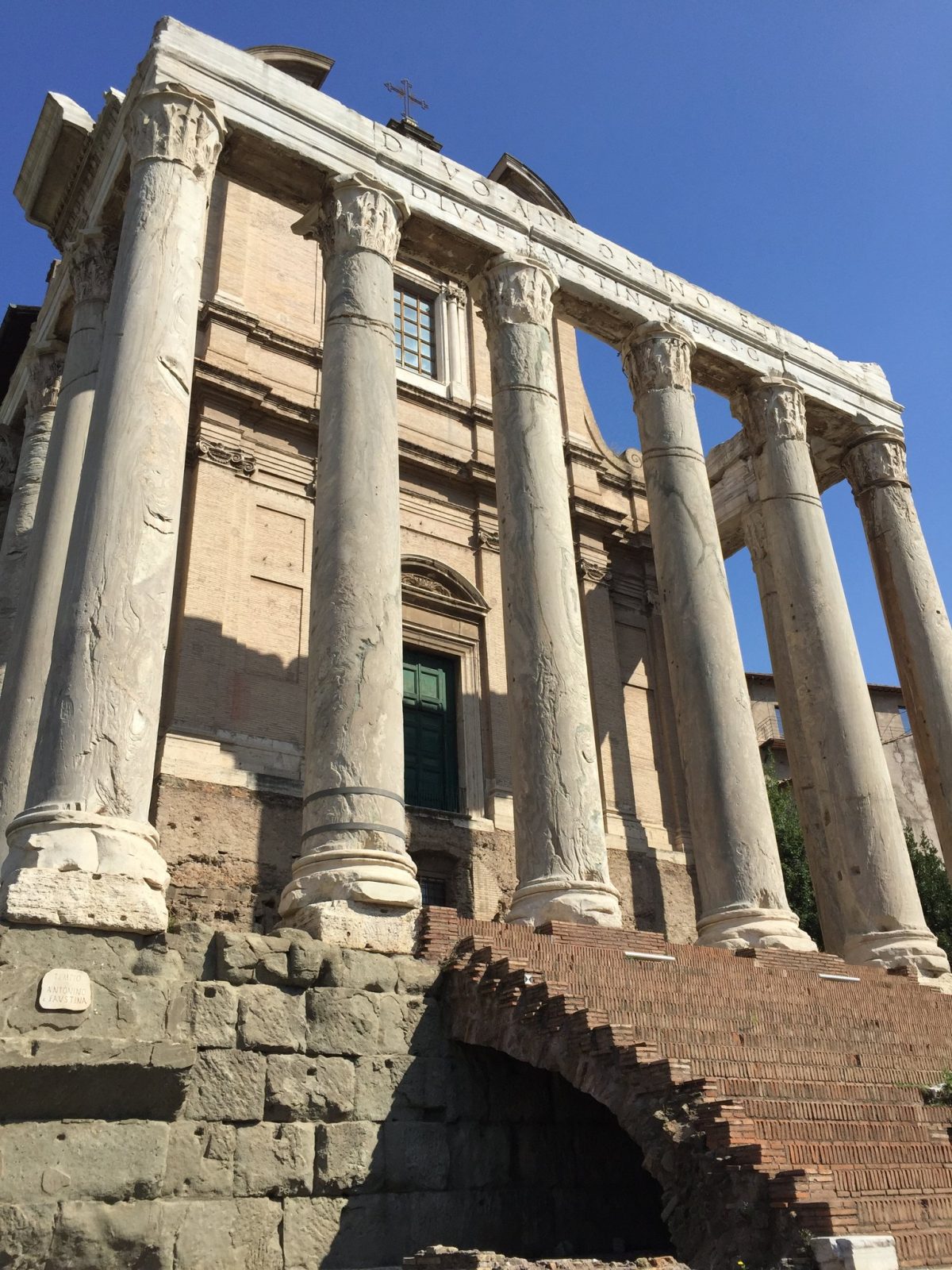
Immediately west of the Colosseum lies the Roman Forum — the Foro Romano — the administrative, legal and religious heart of the ancient city. Walking the Via Sacra through the ruins, past the Temple of Saturn, the Arch of Titus and the Temple of Vesta, gives the best single view of what the centre of the Roman world looked like. The view from the Palatine Hill above — where the emperors built their palaces — takes in the Forum from above, with the Colosseum and the white bulk of the Vittoriano in the background. This is the panorama that features in almost every representation of ancient Rome, and it earns its reputation.
The Pantheon’s dome is still the world’s largest unreinforced concrete dome. When it was built in 125 CE, no one knew how to build it — and no one has fully explained how they did.
The Pantheon stands in the Piazza della Rotonda in central Rome, surrounded by café tables and tourist crowds. Built around 125 CE under the Emperor Hadrian — though the portico inscription credits Marcus Agrippa, from whose original building on the site it derives — it is one of the best-preserved buildings of antiquity and one of the most structurally remarkable in all of architecture. The concrete dome rises 43.3 metres, with a central oculus of 8.7 metres through which light, and sometimes rain, falls directly onto the marble floor below. The building has been in continuous use as a place of worship since 609 CE. You can enter for free, on a timed ticket, and stand beneath a dome that has remained structurally unchanged for nineteen centuries.
Vatican City — The Smallest State, the Largest Basilica
An independent state within Rome, covering 0.44 km² and containing some of the world’s most important art and architecture
Vatican City is an independent city-state — the smallest in the world by both area and population — governed by the Holy See and the Bishop of Rome, the Pope. It sits on the west bank of the Tiber, surrounded entirely by Rome, and has been an independent entity since the Lateran Treaty of 1929. Its principal buildings — St. Peter’s Basilica, the Apostolic Palace and the Vatican Museums — represent one of the largest concentrations of significant art and architecture in the world.
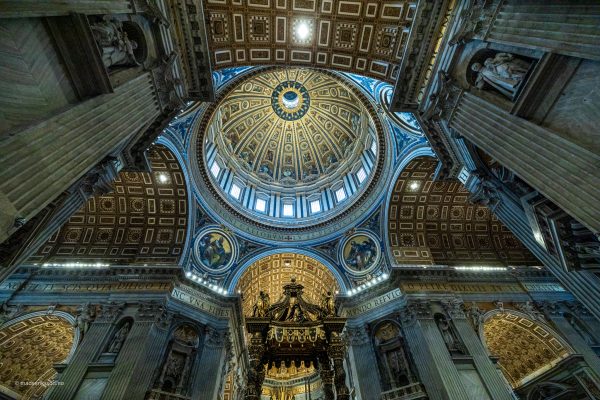
St. Peter’s Basilica is the largest church in the world by interior volume. Construction began in 1506 under Pope Julius II, replacing the earlier basilica built by Constantine in the 4th century, and was not completed until 1626 — meaning it was under construction for 120 years, during which Bramante, Raphael, Michelangelo, Giacomo della Porta and Carlo Maderno all contributed to its design. The dome — 136 metres high at the lantern — was designed by Michelangelo, who died before it was finished. Climbing to the top of the dome gives the highest available view over Rome, and the view down into the nave from the drum is among the most extraordinary interior perspectives in any building in the world.
Michelangelo painted the Sistine Chapel ceiling between 1508 and 1512, lying on his back on scaffolding 20 metres above the floor. He was 33 when he began and 37 when he finished.
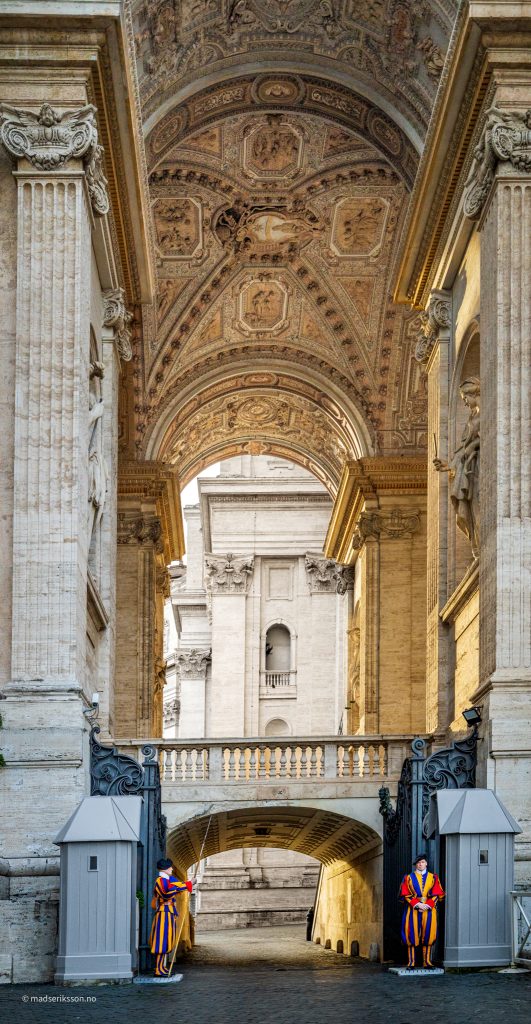
The Swiss Guards, who have protected the Pope since 1506, are Switzerland’s oldest military unit still in active service. Their distinctive Renaissance-era uniform — designed in vertical stripes of blue, yellow and red — has remained essentially unchanged for centuries. The guards visible at the Vatican entrances are active military personnel, not ceremonial figures. Entry to St. Peter’s Square and the Basilica itself is free; the Vatican Museums and Sistine Chapel require a ticket, and advance booking is strongly recommended. The museums contain approximately 70,000 works spanning ancient sculpture, Renaissance painting, maps, tapestries and the papal collections accumulated over five centuries.
Baroque Rome — Fountains, Piazzas and the Art of the Public Space
The 17th-century popes transformed Rome into Europe’s most theatrical city, filling it with fountains, churches and monumental piazzas
The Trevi Fountain is the largest Baroque fountain in Rome — 26 metres high and 49 metres wide — and one of the most visited monuments in the city. It was completed in 1762 by Nicola Salvi, who had begun work on it in 1732 following a competition won during the papacy of Clement XII. The central figure is Neptune, god of the sea, riding a chariot drawn by sea horses guided by Tritons. The tradition of throwing a coin over the left shoulder into the fountain — ensuring a return to Rome — generates approximately €1.5 million per year, collected each night and donated to charity. The fountain is fed by the Aqua Virgo, one of ancient Rome’s aqueducts, constructed in 19 BCE and still functioning today.
Castel Sant’Angelo stands on the right bank of the Tiber, directly north of the Vatican. It began as the mausoleum of the Emperor Hadrian, built between 135 and 139 CE, and was subsequently converted into a fortress, a papal residence and a prison. The Ponte Sant’Angelo — the bridge leading to it, lined with angels sculpted under the direction of Bernini in the 1660s — is one of Rome’s most photogenic views, particularly in the blue hour of early morning or at dusk when the castle is lit from below and reflected in the water. The fortress is connected by a covered passageway to the Vatican, which popes used as an escape route in times of threat — including Clement VII during the Sack of Rome in 1527.
The Trevi Fountain collects around €1.5 million in thrown coins each year. The water that feeds it has flowed through the same aqueduct since 19 BCE.
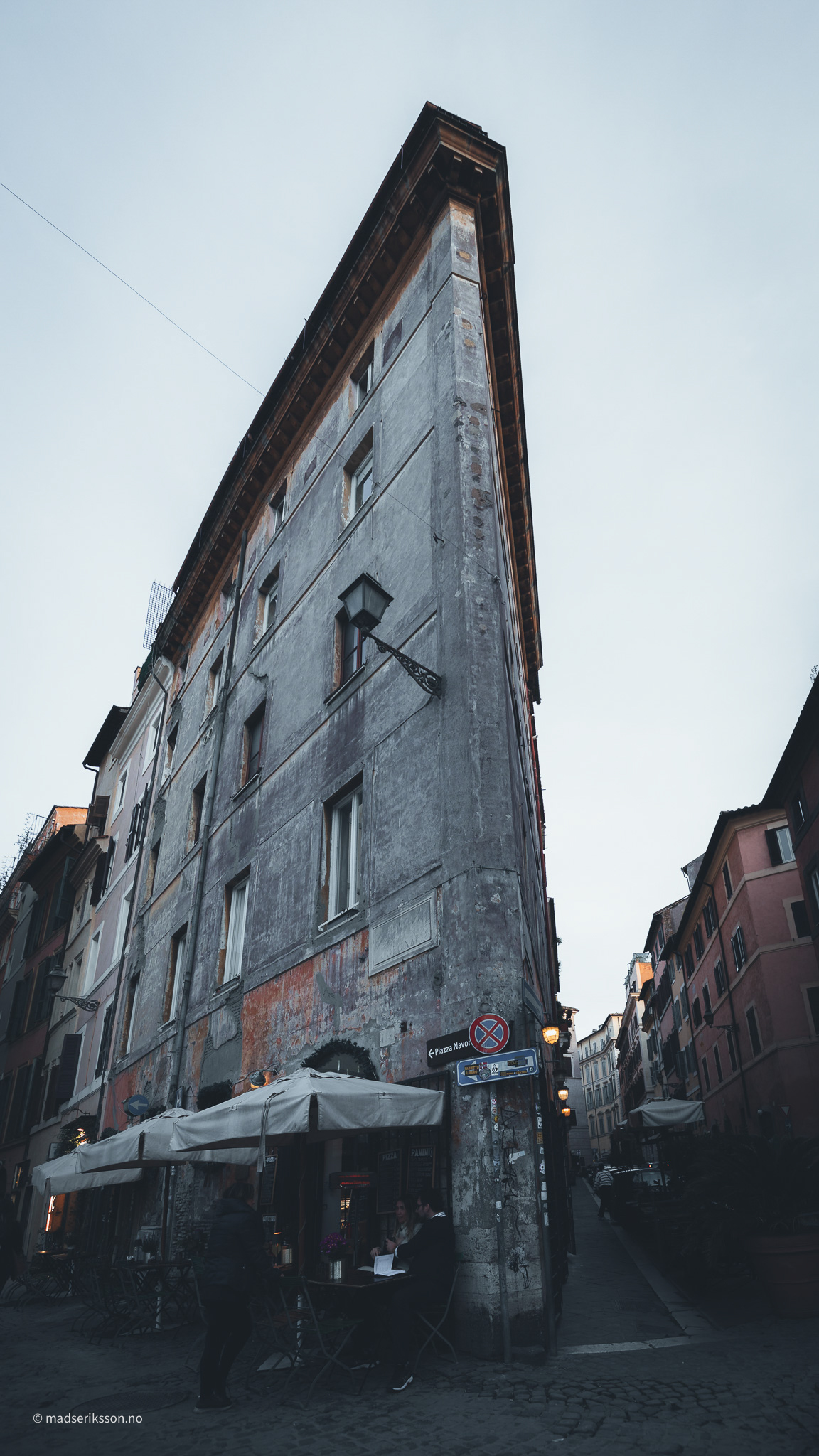
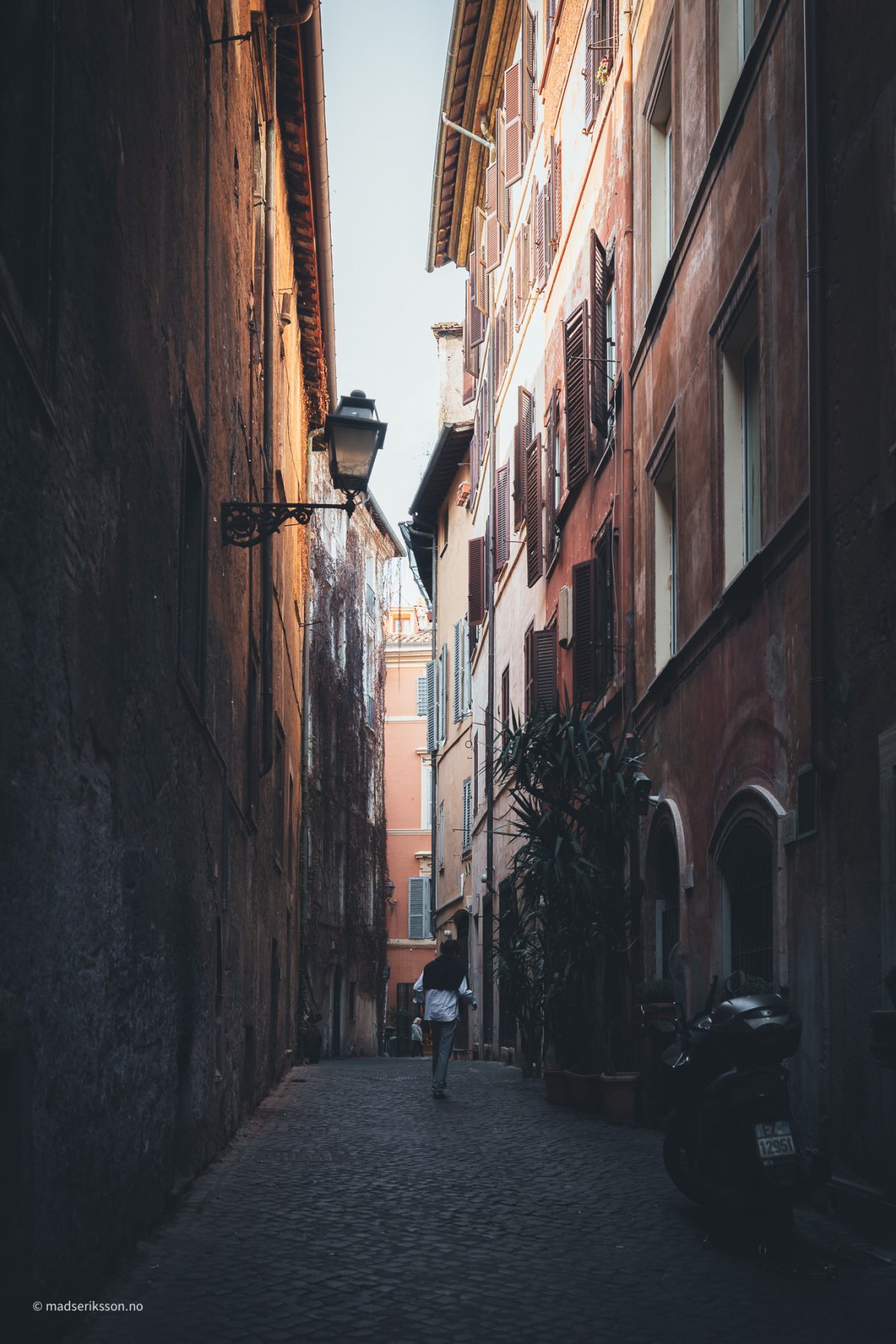
The narrow streets of Rome’s centro storico — particularly around Campo de’ Fiori, the Jewish Ghetto, and the lanes between the Pantheon and Piazza Navona — reward slow walking without a fixed agenda. Rome’s vicoli (alleys) change character constantly: a dark passage opens into a sunlit piazza, a plain wall gives way to the facade of a Baroque church. Piazza Navona, built on the site of the ancient Stadium of Domitian, contains three fountains including Bernini’s Fountain of the Four Rivers (1651). On summer evenings it fills with street artists, tourists and locals — one of the great outdoor stages of European city life.
Roman Food — Simple Ingredients, Centuries of Practice
Roman cooking is not sophisticated in the way that Milanese or Florentine cooking is — it is peasant food, perfected over generations
Roman cooking developed from necessity rather than abundance, and its defining characteristic is restraint. The great Roman dishes — cacio e pepe (pasta with Pecorino Romano and black pepper), carbonara (pasta with guanciale, egg, Pecorino Romano and black pepper), amatriciana (pasta with guanciale, tomato and Pecorino) — use four or five ingredients and no compromises. Carbonara, in particular, divides the world: the Roman version contains no cream, no pancetta and no peas. It is guanciale — the cured cheek of the pig, not the belly — combined with eggs, Pecorino Romano (not Parmesan) and coarsely ground black pepper. The result is rich, complex and entirely unlike the international versions that share its name.
Street food in Rome centres on a few simple preparations that have remained constant for decades. Supplì — fried rice balls filled with tomato sauce and mozzarella — are sold from counters throughout the city and are best eaten immediately, too hot to hold comfortably, from a paper wrapper. Pizza al taglio (pizza by the cut) is the Roman street lunch: sold by weight from large baking trays, with combinations of toppings that change daily. Artichokes prepared alla giudia (Jewish-style, deep fried whole until the outer leaves become crisp) are a Roman speciality with roots in the city’s ancient Jewish community. Campo de’ Fiori hosts a daily morning market for produce, flowers and local food — one of the most vivid and practicable ways to understand Roman daily life.
Roman pasta is made with four ingredients. The discipline is in knowing exactly what each one does, and doing nothing else to it.
Trastevere — the neighbourhood on the west bank of the Tiber, south of the Vatican — is the most walkable and atmospheric of Rome’s traditional quarters. Its narrow medieval streets lined with ivy-covered buildings, small piazzas and independent restaurants represent the informal, neighbourhood side of Roman life that the centro storico has largely lost to tourism. The best restaurants here have no menus in multiple languages and no photographs of the dishes. The wine comes in carafes, the pasta is made that morning, and the prices remain reasonable. Trastevere is also the neighbourhood where Rome’s nightlife is most concentrated — the streets fill from late evening and remain busy until well after midnight.

«Rome is not a city you understand on a first visit. It is a city you begin to understand — and keep returning to revise that understanding. The Pantheon looks different the third time than the first. The Forum makes more sense once you have read something about what happened there. The streets of Trastevere at night feel different after you have spent a day among the monuments. What Rome gives you, more than any other city, is a sense of the weight of time — and the somewhat vertiginous realisation that the people who built all of this were not so different from the people eating lunch beside it today.»
More in the same area
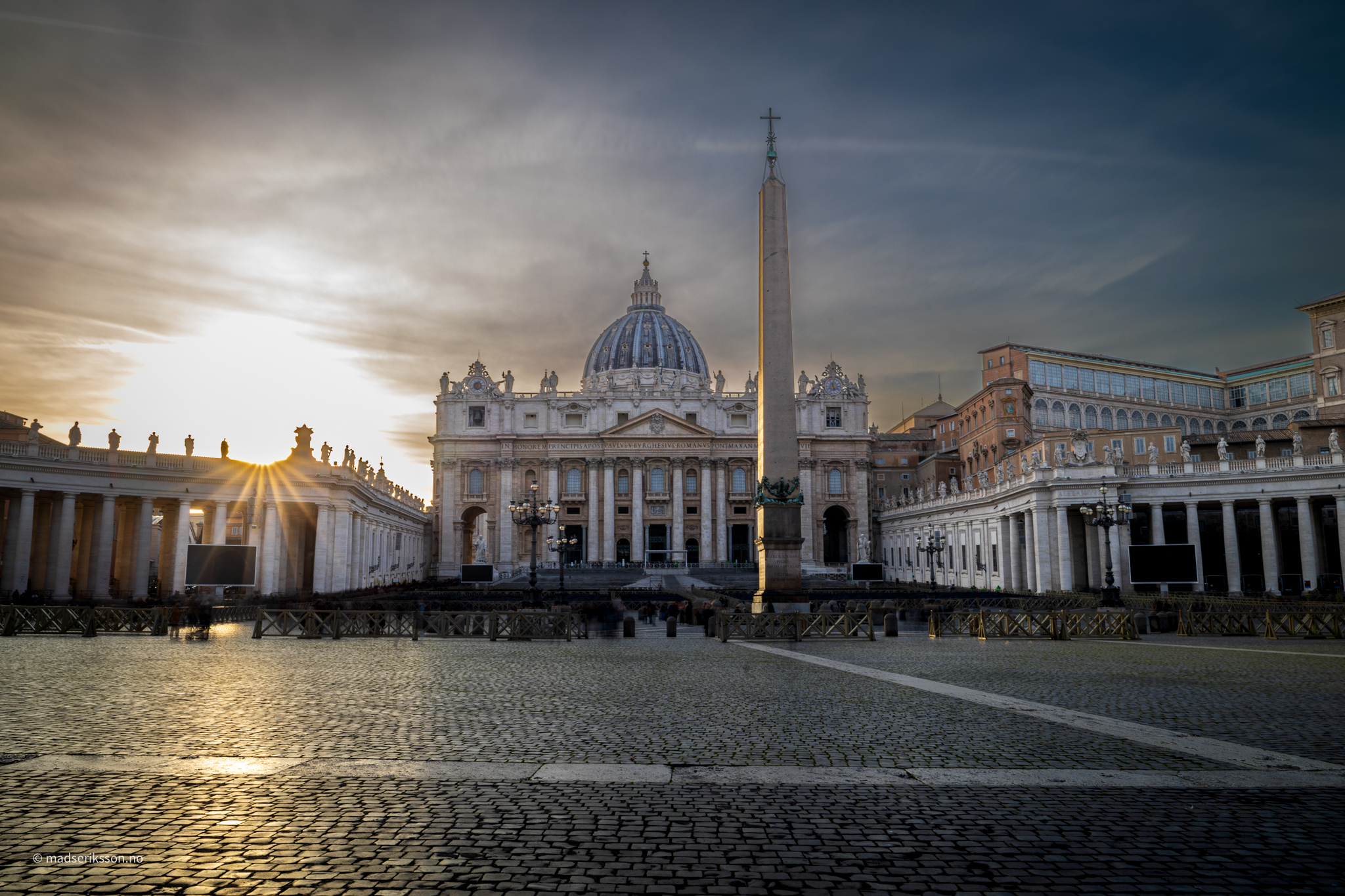 ArchitectureSt Peter’s Basilica: Michelangelo’s Dome and 120 Years of Building
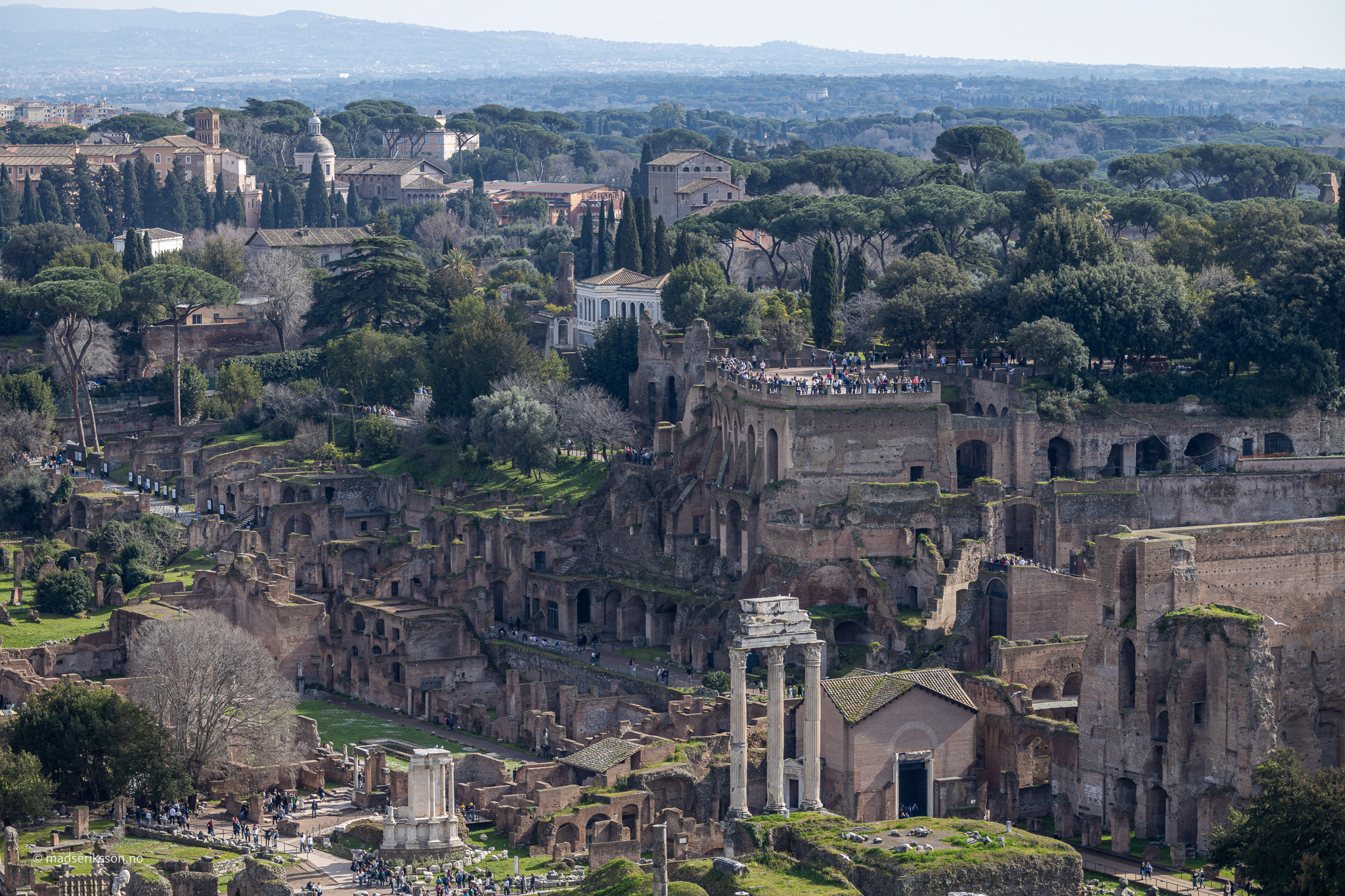 ArchaeologyForum Romanum — The Centre of the Ancient World
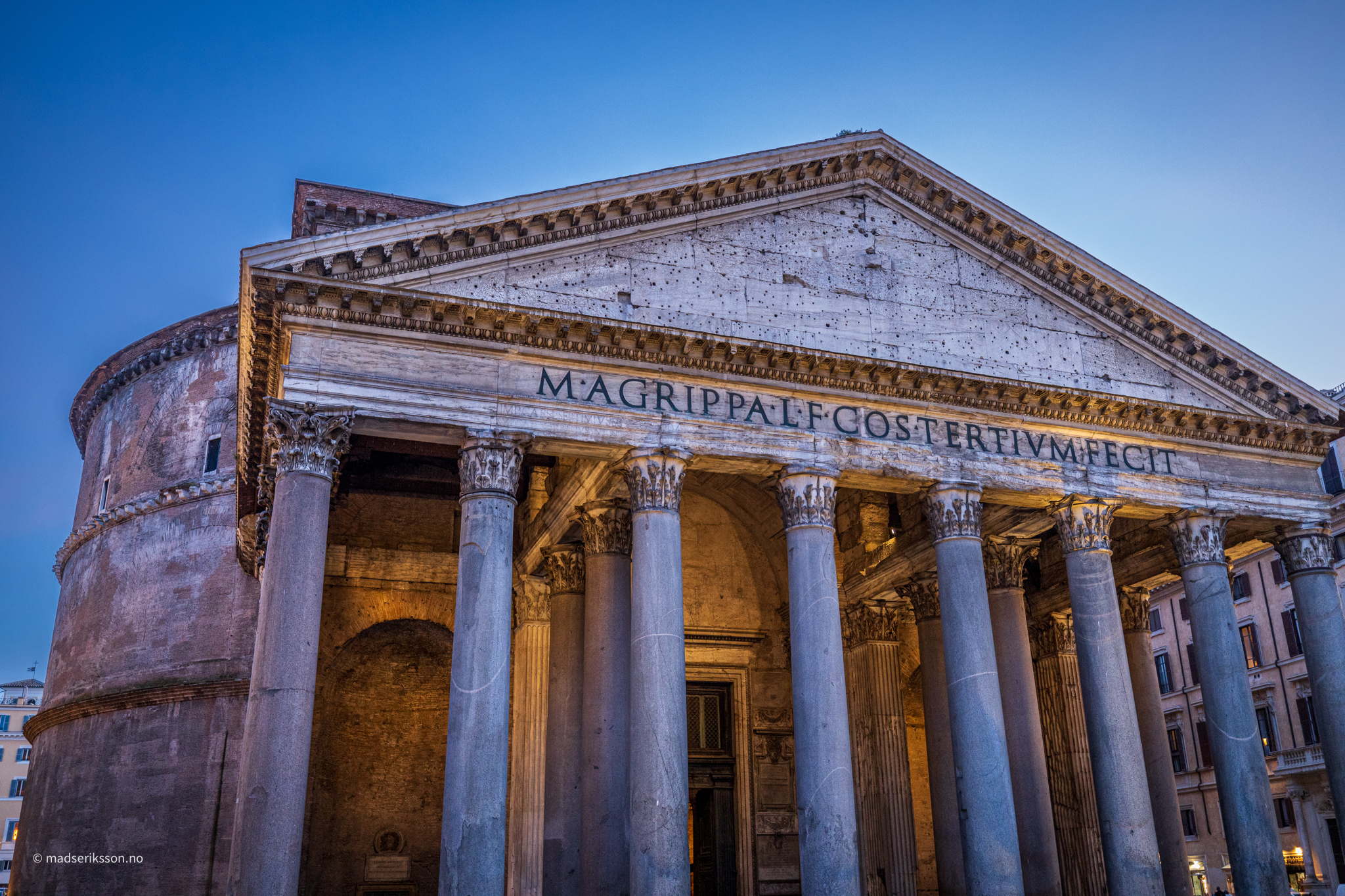 ArchitectureThe Pantheon in Rome: A Marvel of Ancient Architecture
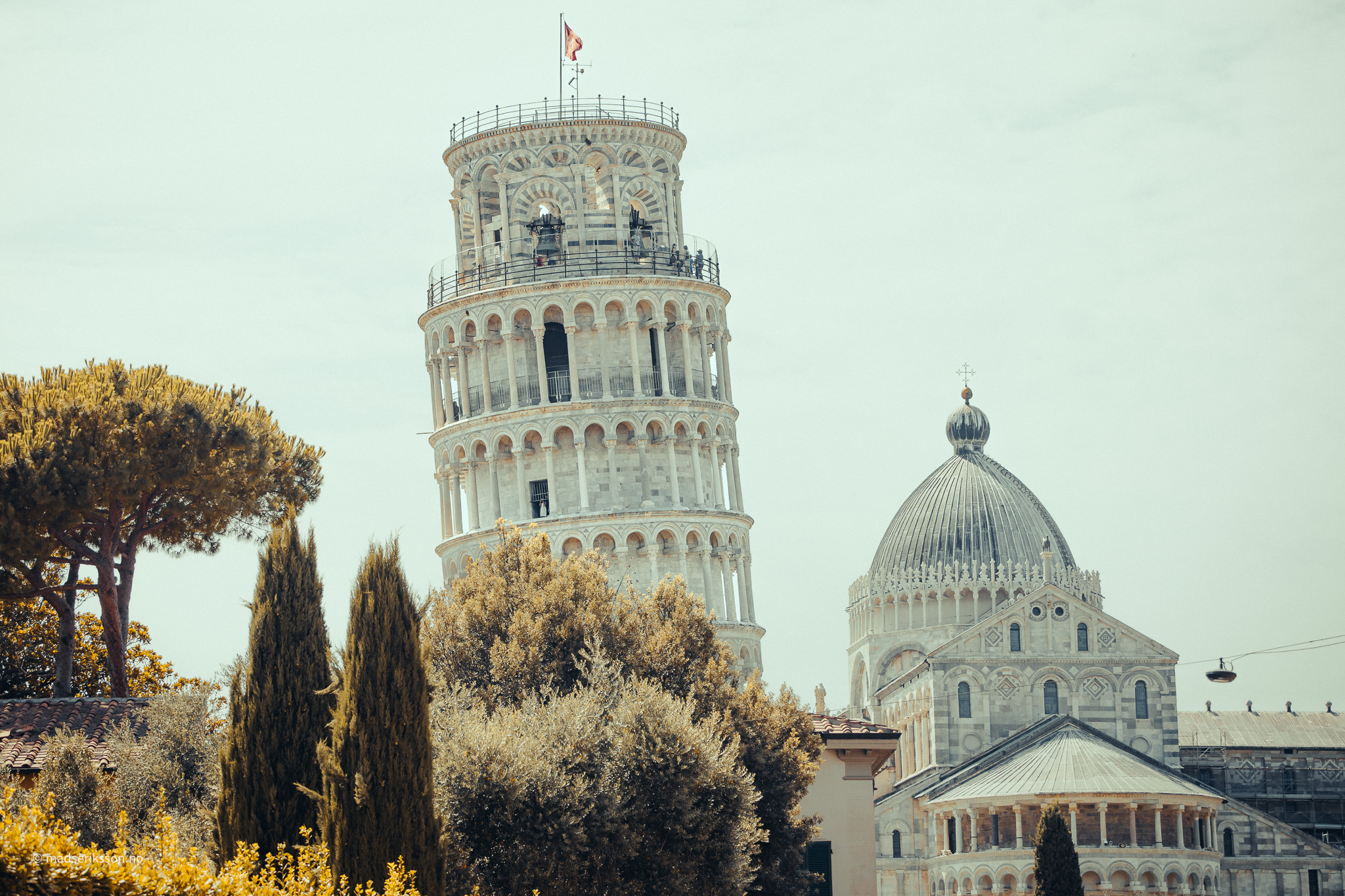 ArchitecturePisa — The Leaning Tower, the Square of Miracles and the City on the Arno
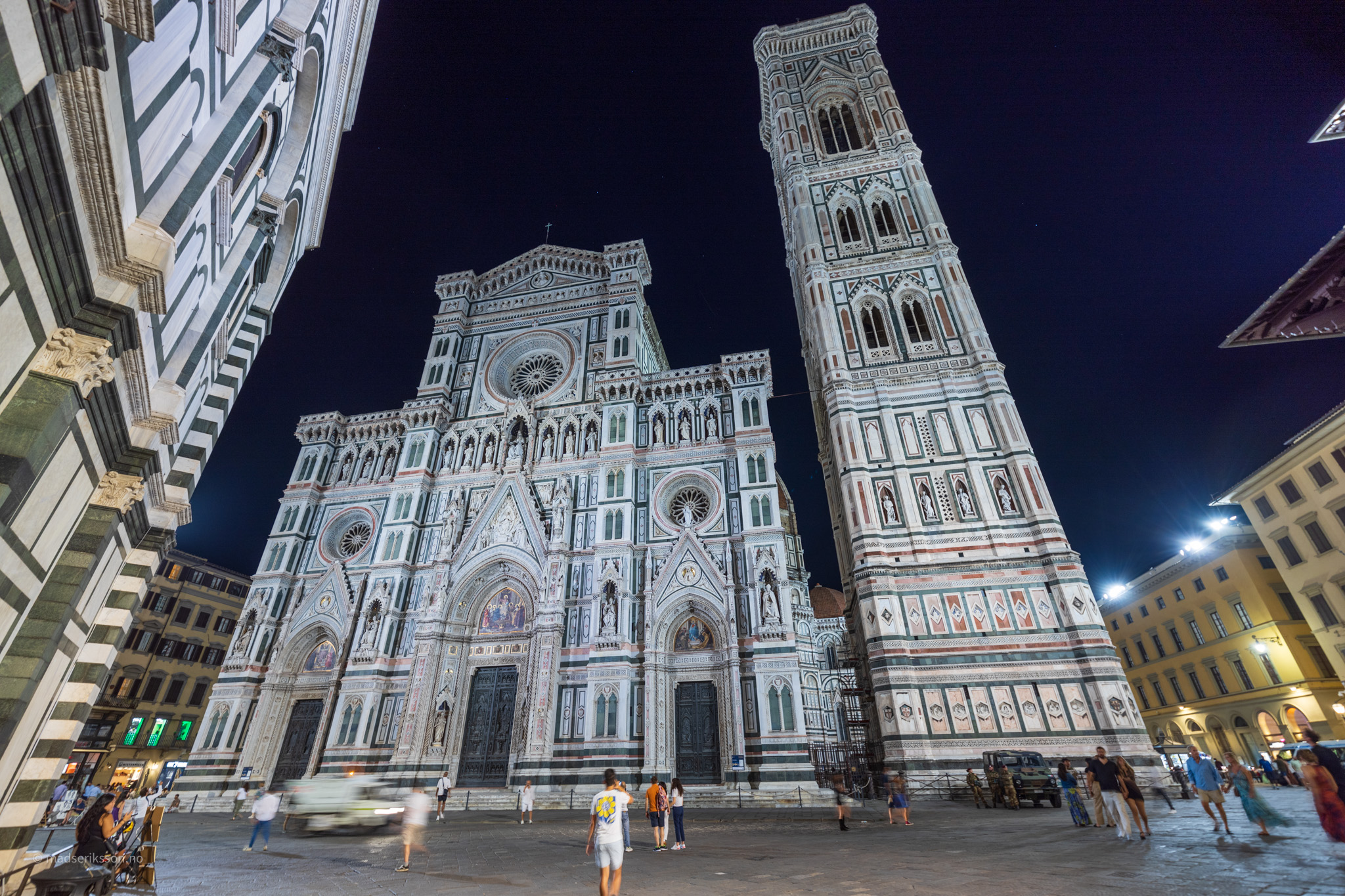 CitiesTimeless Beauty and Cultural Marvels in Florence
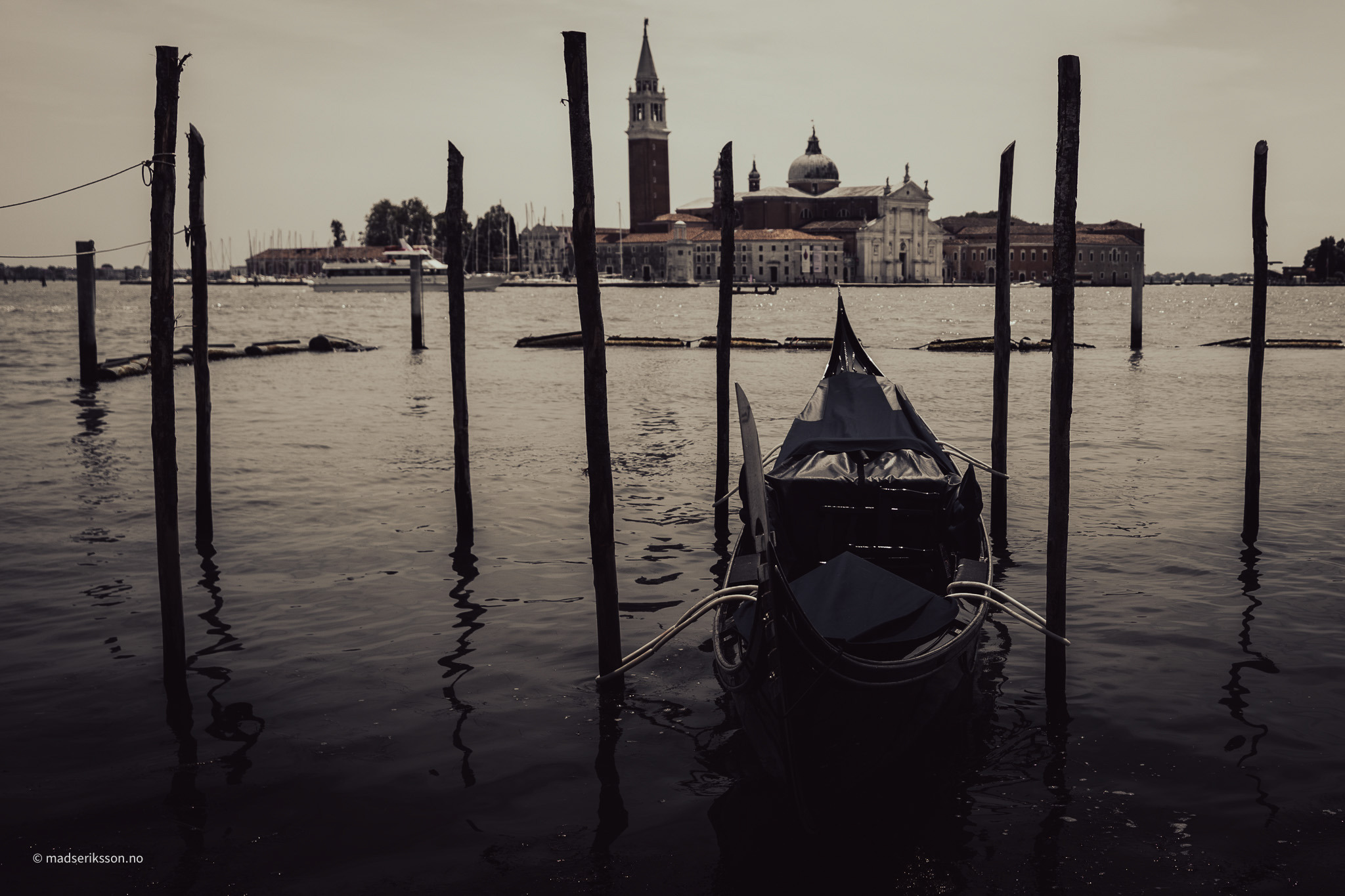 CitiesExploring the Enchanting City of Venice
City Frames · scroll-driven 3D
More cities in three dimensions
54 city guides open with a model built from open map data. Scroll, and the camera moves from landmark to landmark.
Departures · City Frames
Where to next?
| Time | Destination | Country | Status |
|---|
Live · position of the sun
Golden hour, right now
The low, warm light just after sunrise and just before sunset. These are the cities on the site where it is happening at this moment.