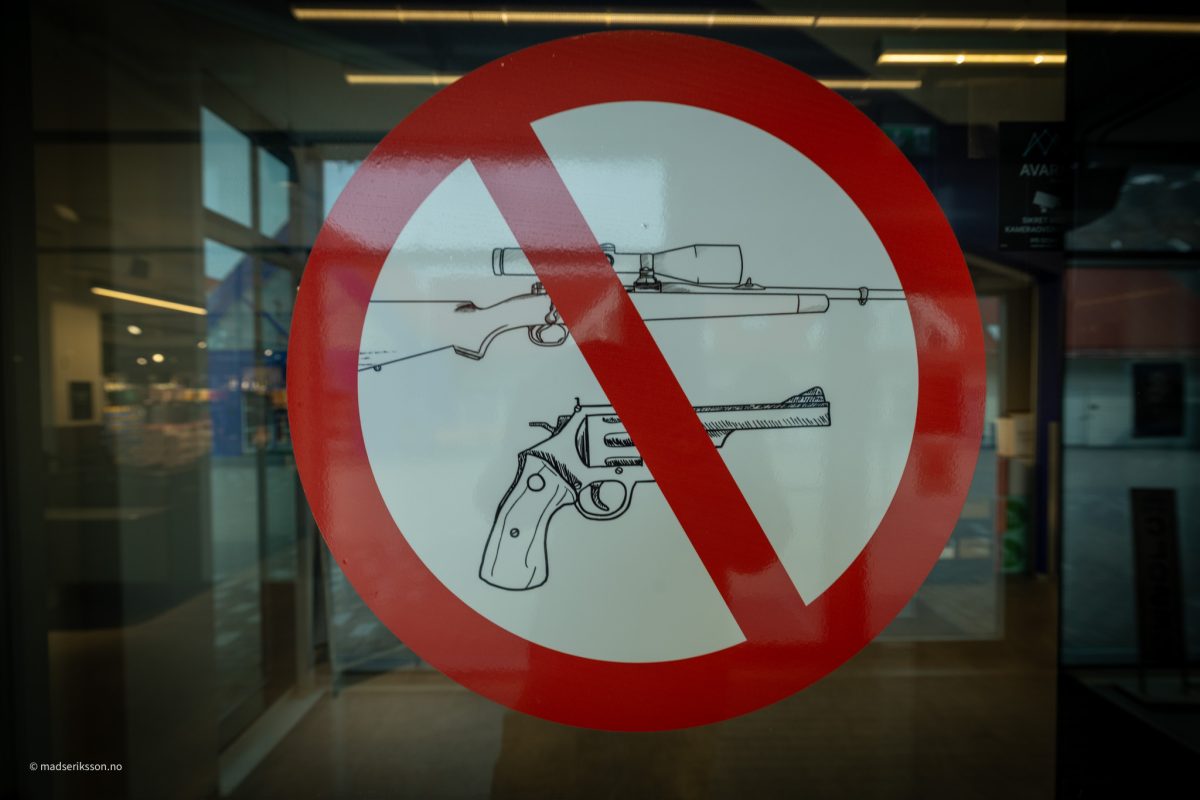
Longyearbyen is where the rules that govern every other city on Earth stop applying. You cannot be buried here — the permafrost preserves bodies too well, and the town lacks the space. Expectant mothers are evacuated before they give birth. You are legally required to carry a rifle when leaving the settlement boundary, because the polar bears that outnumber the human population do not recognise the town limits as theirs. The sun does not set for four months. For another four months, it does not rise. The nearest tree is 1,000 kilometres south. And yet approximately 2,400 people from more than 50 nations choose to live at 78 degrees north, in the world’s most remote settled community of any significant size, on an archipelago halfway between Norway and the North Pole. This is a guide to what they found worth living for.

Longyearbyen in 3D
Longyearbyen lies at 78° N on the southern shore of Adventfjorden on Spitsbergen, and is the largest settlement on Svalbard. It was founded in 1906 by the Arctic Coal Company of the American John Munroe Longyear, who sold it in 1916 to the Norwegian company Store Norske. This frame covers the town from the fjord shore up the valley of Longyeardalen to Nybyen.
The Cableway Centre and Svalbard Church
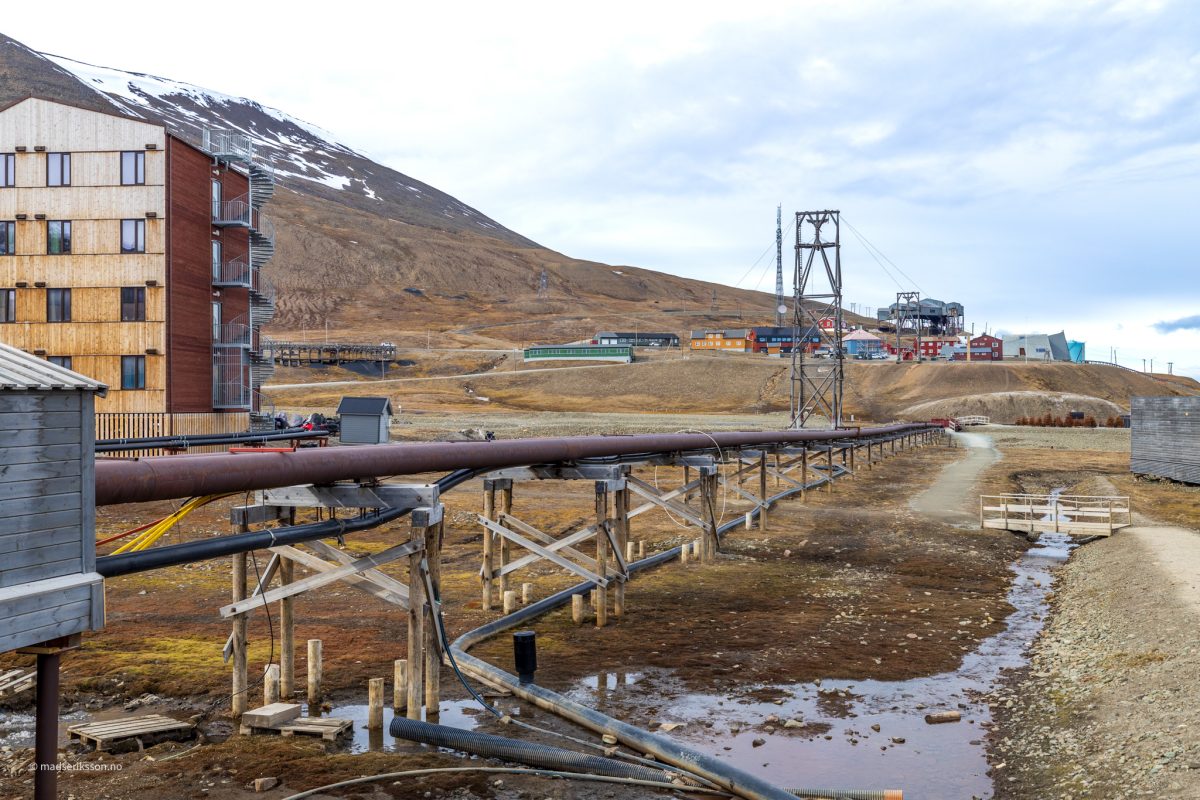
Taubanesentralen, completed in 1957, was the junction where aerial ropeways carrying coal from the mines in Longyeardalen and Adventdalen met on their way to the loading quay; it was in use until 1987, and pylons from the lines still stand across the town. Svalbard Church, consecrated on 24 August 1958, replaced the first church of 1921, which was destroyed during the Second World War. By the road west out of town stands the familiar polar bear warning sign.
Utility pipes on wooden stilts above the permafrost in Longyearbyen, with an old mining cableway pylon behind
The town centre
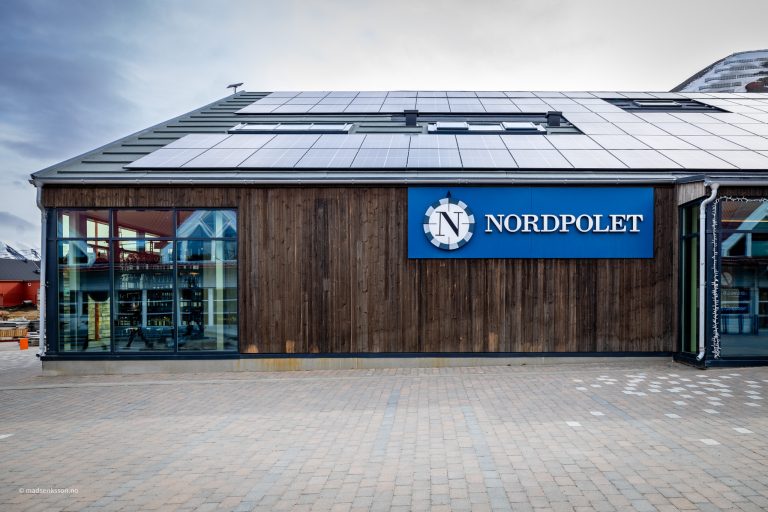
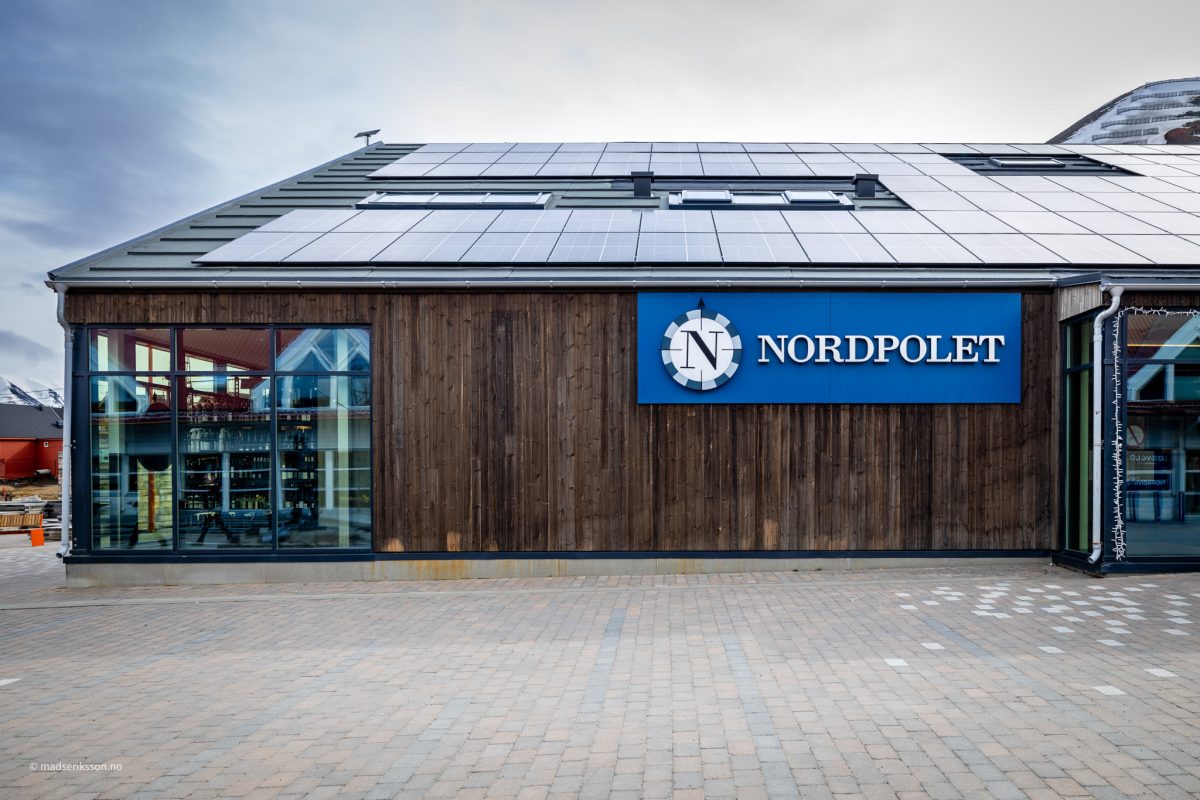
The small centre around the pedestrian street and the Lompensenteret shopping centre holds the supermarket, shops, cafés and Nordpolet, the off-licence where residents' purchases are limited by a quota. German warships shelled the settlement in September 1943, so almost everything here was built after 1945.
The Nordpolet shop in Longyearbyen, a timber building with solar panels on its roof
Svalbard Science Centre
The Svalbard Science Centre, completed in 2006, houses the University Centre in Svalbard, UNIS, together with research institutions and the Svalbard Museum. UNIS, founded in 1993, teaches Arctic biology, geology, geophysics and technology, with fieldwork across the archipelago.
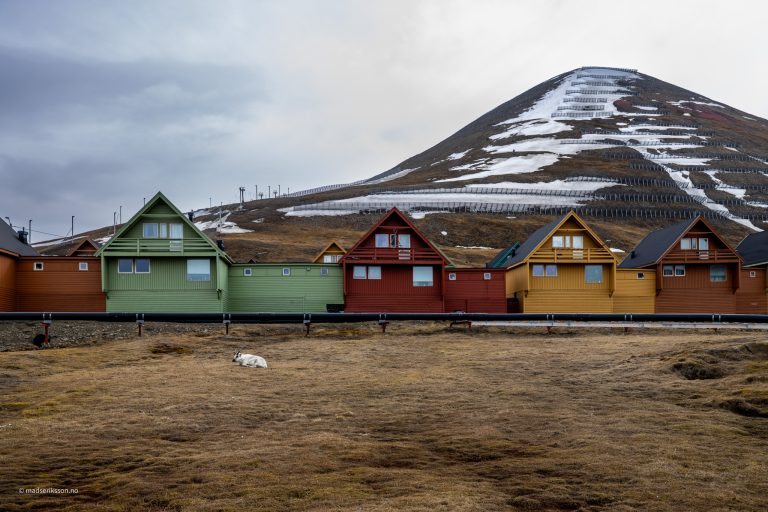
The coloured houses of Lia
Rows of timber houses painted in strong colours line the slope of Lia below the mountain Sukkertoppen. On 19 December 2015 an avalanche of wind-drifted snow hit eleven homes here and killed two people. Snow fences have since been built on the mountainside above.
Huset and Nybyen
Huset, opened by Store Norske in 1951, was the community building of the mining town, serving as café, shop, cinema, church, school and post office. Today it is a restaurant known for one of the most respected wine cellars in Northern Europe. Further up the valley, Nybyen grew up as housing for miners and now holds guesthouses.
Adventfjorden
Longyearbyen faces Adventfjorden, a side arm of Isfjorden that within living memory froze over every winter but now rarely does. Coal shaped the town for more than a century, until Mine 7, Norway's last coal mine on Svalbard, closed on 4 May 2026. Research, education and tourism now carry the town, and boats leave from its quays for the glaciers and bird cliffs of the west coast.
Read more: Borebreen and Nansenbreen: Remote Glaciers of Oscar II Land
3D model © 2026 madseriksson.no · Photographs © madseriksson.no. Buildings and heights: © OpenStreetMap contributors (ODbL), via OpenMapTiles. Ground imagery: Sentinel-2 cloudless 2023 by EOX IT Services GmbH (contains modified Copernicus Sentinel data 2023; CC BY 4.0). Heights are approximate where OpenStreetMap has no measured value; sun positions are approximate.
The Town at the Top of the World — Coal, Treaties and Extraordinary Rules
Founded by an American businessman in 1906, bombed by the Germans in 1943, rebuilt and transformed into a tourist and research hub — and governed by a 1920 treaty that makes it unlike any other place on Earth
John Munroe Longyear visited Spitsbergen on a tourist cruise in 1901, saw the coal seams exposed in the hillside above Adventfjorden, and within five years had founded the Arctic Coal Company and established the settlement that would bear his name. The first miners arrived in 1906; by 1916 Longyear had sold the operation to the Norwegian company Store Norske Spitsbergen Kulkompani (SNSK), which still operates on Svalbard today, though coal production has wound down dramatically. The Svalbard Treaty of 1920 — signed at the Paris Peace Conference by Norway, the United States, the United Kingdom, France, Russia and 41 other nations — gave Norway sovereignty over the archipelago while guaranteeing the signatory nations’ right to engage in commercial activity there. The no-visa clause was a practical necessity in 1920 and has become an extraordinary anomaly in the contemporary world: any citizen of the 46 signatory states can move to Longyearbyen tomorrow, without paperwork, and begin working. The town consequently has a population distribution that reflects the Svalbard Treaty as much as Norwegian immigration policy.
The rules that govern Longyearbyen derive from its physical environment rather than from political ideology. The prohibition on burial is the most striking: in 1950, researchers examining bodies interred in the local cemetery discovered that the permafrost had preserved them so effectively that viable strains of the 1918 influenza virus — the pandemic that killed 50–100 million people worldwide — remained recoverable from lung tissue. The graveyard was closed; since then, terminally ill residents are evacuated to the mainland as their condition deteriorates. There is no nursing home in Longyearbyen, no hospice, and no pathway to a natural death at 78 degrees north. The requirement to carry a firearm outside the settlement boundary is equally practical: polar bears are not theoretical. In 2020, a polar bear entered the settlement and was shot after entering a residential building. The town’s relationship with the bears that surround it is one of cautious coexistence, in which the bears reliably have the upper hand beyond the streetlights.
The bodies buried in Longyearbyen’s cemetery in the 1910s were exhumed in 1998. Scientists found viable 1918 influenza virus still preserved in the lung tissue — 80 years after the pandemic that killed up to 100 million people. The permafrost is the world’s most reliable cold storage. It is now thawing.
The Russian settlement of Barentsburg, 50 kilometres southwest of Longyearbyen, is the other significant human community on Svalbard — a Soviet-era mining town of approximately 500 people still operated by the Russian state trust Arktikugol, which continues to mine coal largely for symbolic and geopolitical rather than economic reasons. The two communities coexisted in the pragmatic manner of Cold War proximity until 2022; the Russian invasion of Ukraine has complicated their relationship considerably. A boat trip to Barentsburg remains one of the more unusual day trips in Europe: a functioning piece of the Soviet Union, still operating its Lenin statue and company store, on a Norwegian archipelago in the Arctic Ocean.
The Arctic Environment — Bears, Darkness and the World’s Fastest-Warming Climate
3,000 polar bears, four months of continuous darkness, four months of continuous daylight, and a rate of climate warming five to seven times the global average — Svalbard is where the consequences of what happens elsewhere arrive first
Svalbard has approximately 3,000 polar bears across the archipelago — more polar bears than people, a fact that shapes every outdoor activity and every journey beyond the town boundary. Polar bears are the apex predator of the Arctic and are entirely without fear of humans; they are also fast, capable of running at 40 km/h and swimming for days across open water. The requirement to carry a rifle outside Longyearbyen is not theatre: fatal polar bear attacks on Svalbard have occurred within living memory, and near-misses are a regular occurrence for guides and researchers working in the field. The bears are also, themselves, under pressure: their sea ice hunting platform has declined dramatically as the Arctic warms, forcing them to spend more time on land and in proximity to human settlements. The relationship between the people of Longyearbyen and the bears around them is one of the more direct human-wildlife coexistences on the planet — not a wildlife reserve seen from a vehicle, but a negotiation conducted daily at the edge of a small town.
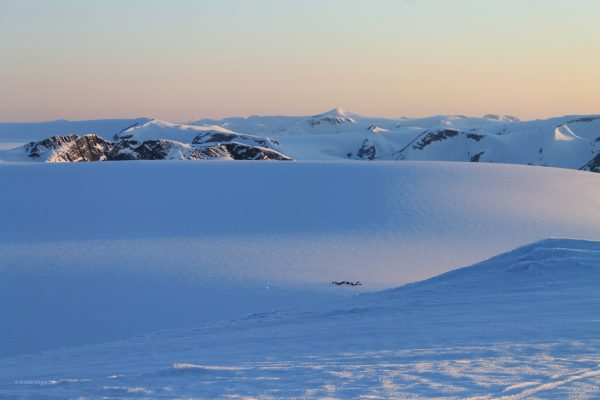
The light cycle at 78 degrees north is among the most extreme experienced by any permanent human settlement. Polar night — the period when the sun does not rise above the horizon — lasts from approximately 26 October to 15 February in Longyearbyen: 112 days of darkness, ranging from complete blackness to a blue twilight glow on the horizon for a few hours around midday. The psychological effects of polar night on new residents are well documented; the town has developed cultural and social responses — the Solfesten (Sun Festival) celebrating the first sunlight after polar night, deliberate social engagement, vitamin D supplementation — that constitute a local knowledge of how to survive darkness. The aurora borealis, visible on clear nights throughout the polar night period, is the compensation: at 78 degrees north, in the heart of the auroral oval, Longyearbyen offers some of the most reliable and intense northern lights viewing on Earth. From late April to late August, the midnight sun reverses the problem entirely: the sun circles the horizon without setting, and sleeping requires blackout curtains and an adjustment of every circadian assumption.
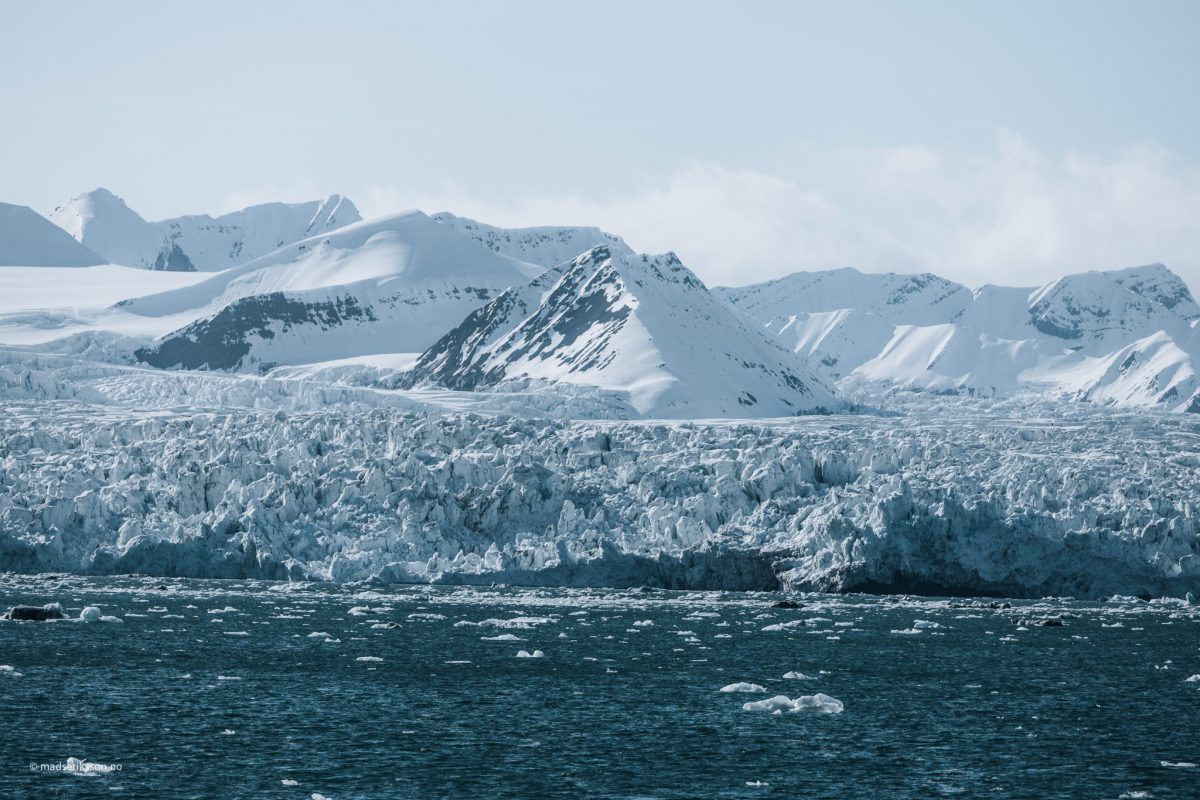
Svalbard is the fastest-warming region on Earth. In the 1970s, Adventfjorden — the fjord that Longyearbyen sits on — was reliably frozen every winter. It now rarely freezes. The dog sleds that once operated across the sea ice now run on land. The snowmobile seasons are shorter every decade.
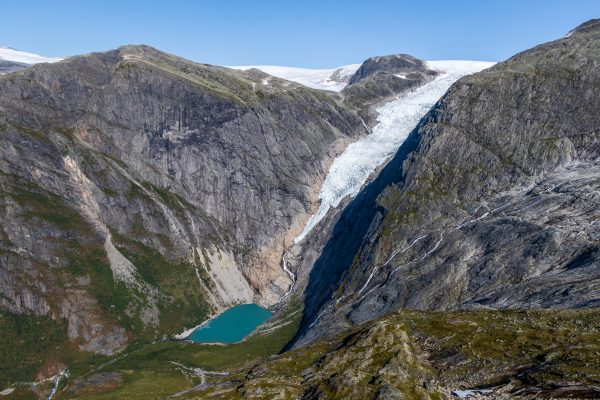
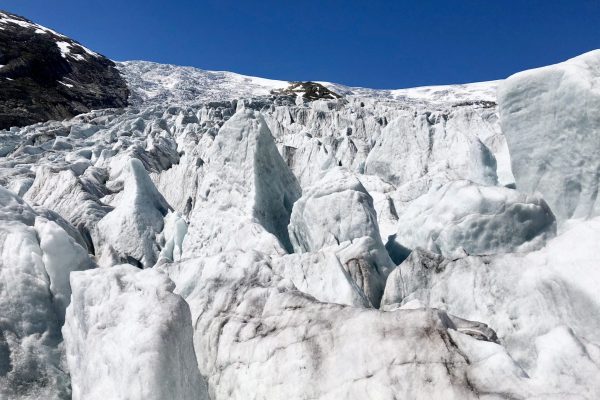
Svalbard’s rate of climate warming — five to seven times the global average — makes it the most direct observable consequence of global emissions anywhere on Earth accessible to ordinary visitors. Adventfjorden, the fjord that Longyearbyen sits on, rarely freezes in winter now; it was reliably frozen within living memory of older residents. Glaciers that were accessible by snowmobile a decade ago have retreated to distances requiring helicopter access. The permafrost that underlies the entire town — the foundation on which every building rests, the cold storage in which the Seed Vault is embedded, the preserved ecosystem that keeps the cemetery’s contents frozen — is thawing. Buildings in Longyearbyen are being evacuated and demolished as their permafrost foundations destabilise; the town is, in a literal sense, beginning to melt. Svalbard does not cause climate change. It experiences it, faster and more visibly than anywhere else, on behalf of the rest of the world.
The Global Seed Vault — Humanity’s Insurance Policy, Carved into the Permafrost
1.3 million seed varieties from 93 countries stored in a mountain 1.7 kilometres from Longyearbyen, designed to survive any conceivable catastrophe — and already threatened by the very climate change it was built to outlast
The Svalbard Global Seed Vault, opened in February 2008, is a repository carved 120 metres into the sandstone mountain above Adventfjorden, 1.7 kilometres from Longyearbyen town centre. It holds over 1.3 million seed varieties — the most complete collection of food crop diversity in existence — deposited by 93 countries as an insurance policy against the loss of agricultural biodiversity through war, disease, natural disaster or the ordinary institutional failures that have allowed gene banks to be lost throughout history. The Syrian gene bank at Aleppo, one of the most important in the Middle East, was used during the Syrian Civil War: researchers withdrew seeds in 2015 to regenerate varieties that had been destroyed by the conflict, then redeposited them in 2017 after rebuilding the Aleppo facility. This was the first withdrawal in the vault’s history, and it was exactly the scenario the vault was designed for. The logic is straightforward: seeds are the foundation of agriculture, agriculture is the foundation of civilisation, and the diversity of seeds is the insurance against agricultural collapse in the face of new diseases, climate shifts or crop failures. Storing that diversity in one of the most remote and geologically stable locations on Earth — and in the permafrost, which provides passive refrigeration without requiring power — was considered the most robust available solution.
In 2017, meltwater entered the outer tunnel of the Seed Vault for the first time — a consequence of permafrost thaw driven by the same warming that is reshaping every other aspect of Svalbard’s physical environment. The seeds themselves were not threatened — the meltwater refroze before reaching the seed chambers — but the incident exposed the central irony of the vault’s design: it was built to rely on permanently frozen ground as its passive cooling system, in a region that is now warming faster than anywhere else on Earth. Since 2017 the Norwegian government has invested significantly in upgrades — waterproofing the outer tunnel, installing additional refrigeration capacity, improving drainage — to compensate for the degradation of the permafrost it was built to exploit. The vault can be seen from the road that leads out of Longyearbyen toward the airport; the entrance, set into the hillside and lit by Norwegian artist Dyveke Sanne with fibre optics and steel mirrors that catch and refract the Arctic light, is visible but not accessible to the public without specific permission.
The first withdrawal from the Svalbard Seed Vault was made in 2015, by the International Center for Agricultural Research in the Dry Areas, whose Aleppo gene bank had been destroyed in the Syrian Civil War. The seeds were grown out, the varieties restored, and the seeds redeposited in 2017. The system worked exactly as designed.
The vault currently holds approximately 1.3 million of its 4.5 million variety capacity. Among the deposits are seeds from every major food crop in the world — wheat, rice, maize, barley, sorghum — as well as thousands of traditional varieties that exist nowhere else: local landraces adapted over generations to specific soils, climates and culinary traditions that industrial agriculture has made commercially unviable but that may prove essential as climate change shifts the conditions under which food is grown. The vault charges no storage fee; the depositing institution retains ownership of its seeds and may withdraw them at any time. Norway covers all operating costs. It is, by any reasonable measure, the most important single building in Longyearbyen.
Visiting Longyearbyen — The World’s Most Northerly Tourism Destination
Two hours from Oslo by air, no visa required, with dog sledding, snowmobile safaris, glacier hikes, the most reliable aurora viewing in Europe and, in summer, a sun that never sets
Longyearbyen is served by Svalbard Airport (LYR), approximately 5 kilometres from the town centre, with direct flights from Oslo Gardermoen (approximately 2 hours) and Tromsø (approximately 1.5 hours) operated by Norwegian Air and SAS. No visa is required for citizens of the 46 Svalbard Treaty signatory nations, which covers essentially all visitors likely to be reading this. The airport is one of the most northerly commercial airports in the world. All activities outside the town require a guide; the logistics of a Longyearbyen visit are therefore centred on booking through one of the town’s established guiding operations, who provide the rifles, transport and Arctic expertise that independent travel beyond the settlement boundary requires. The Svalbard Museum in the town centre is the best single introduction to the archipelago’s natural history, human history and contemporary situation; its permanent exhibition on the whaling era, the mining history and the current research landscape is well designed and comprehensive.
The winter season — February through April — is the most popular and most rewarding for activity tourism. Dog sledding, which has been the primary means of overland transport on Svalbard for over a century, is available in multi-day expeditions into the backcountry or shorter day trips from the kennels near town; the experience of travelling across a frozen Arctic landscape in silence, behind a team of huskies, with the blue twilight of the polar day on the horizon, is specific to this latitude and this season. Snowmobile safaris cover larger distances and reach glacier fronts inaccessible by sled. The aurora borealis is visible on clear, dark nights from early October through late March; Longyearbyen’s position within the auroral oval makes sightings significantly more reliable than at lower latitudes, and the combination of polar night darkness and minimal light pollution produces conditions for aurora viewing unmatched in accessible Europe. February is particularly recommended: the polar night is ending, the first twilight begins to appear at midday, temperatures are extreme but manageable (typically −15 to −25°C), and both the aurora and the dog sledding are at their best.
In February in Longyearbyen, the sun is still below the horizon but the sky turns blue-pink at midday for two or three hours. Dog sleds run across the fjord ice. The temperature is −20°C. The aurora appears at night. There is nowhere else in Europe where this specific combination of things occurs. It is worth the cold.
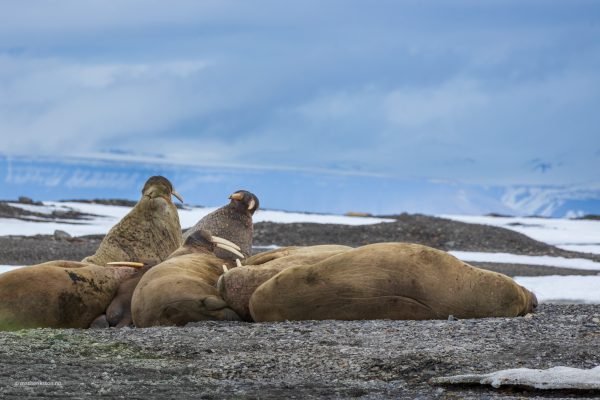
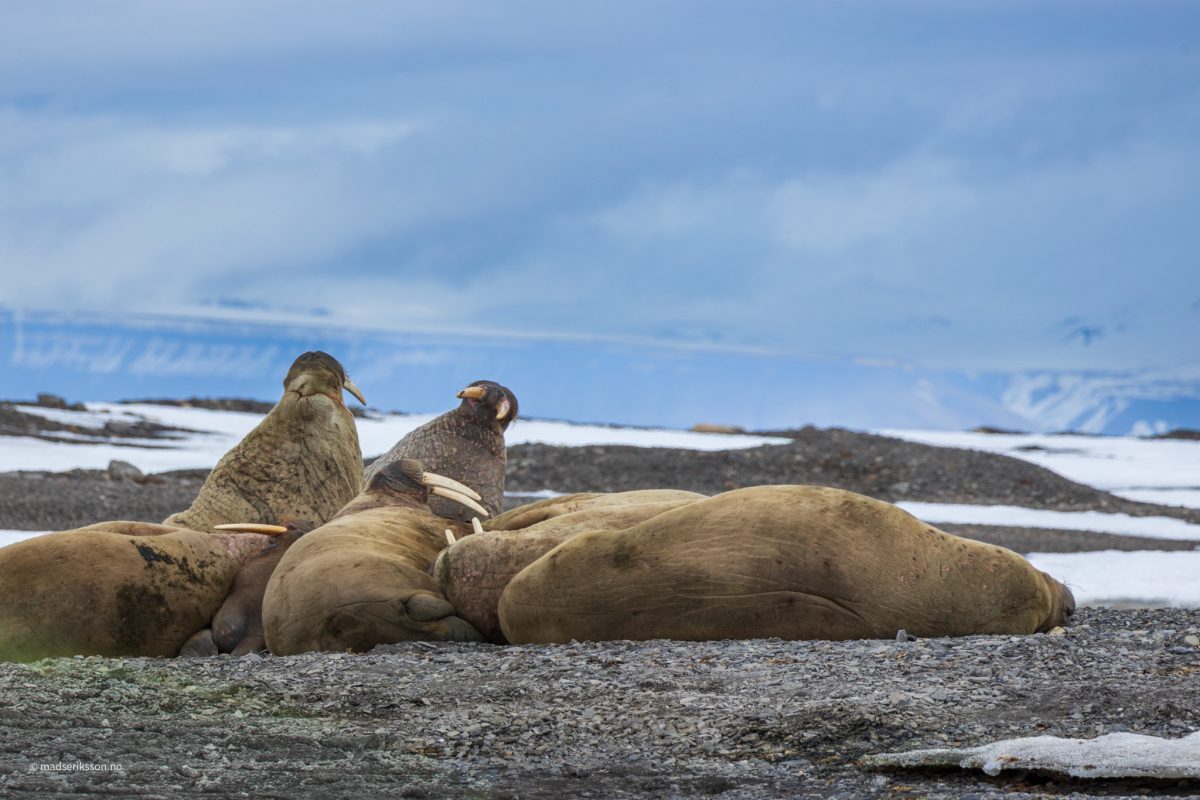
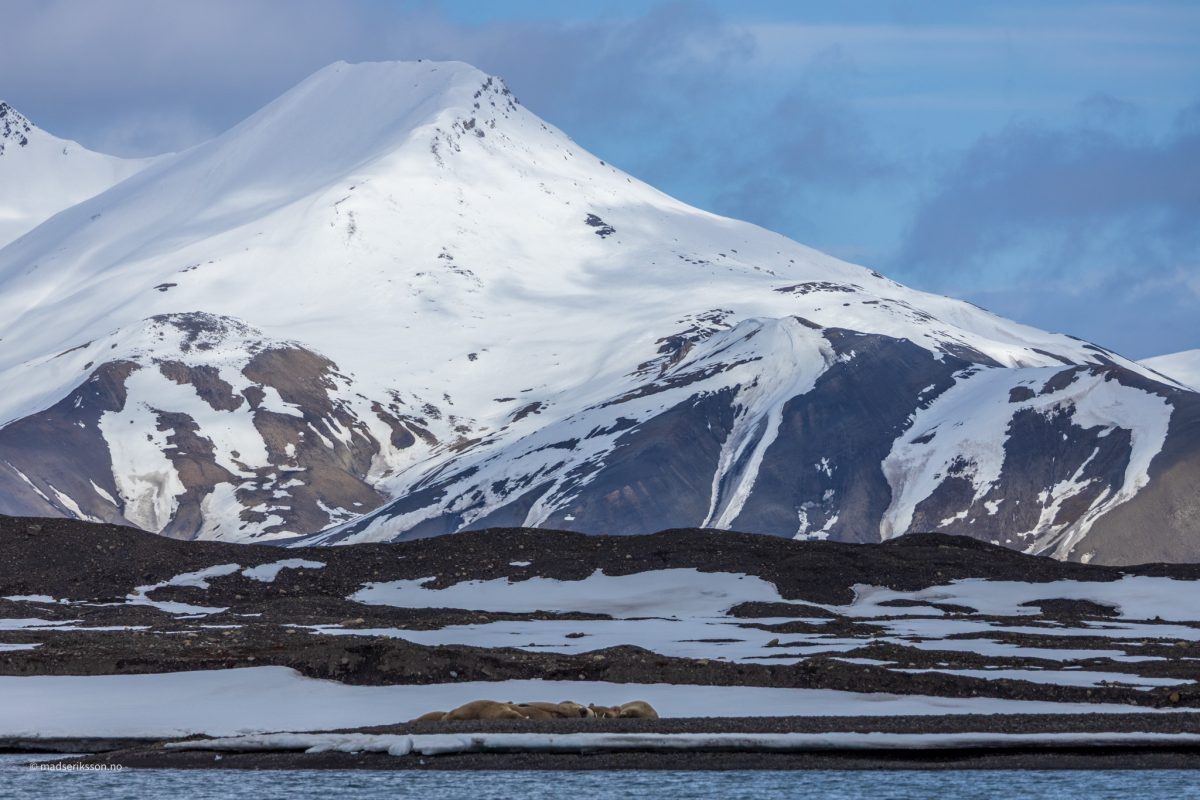
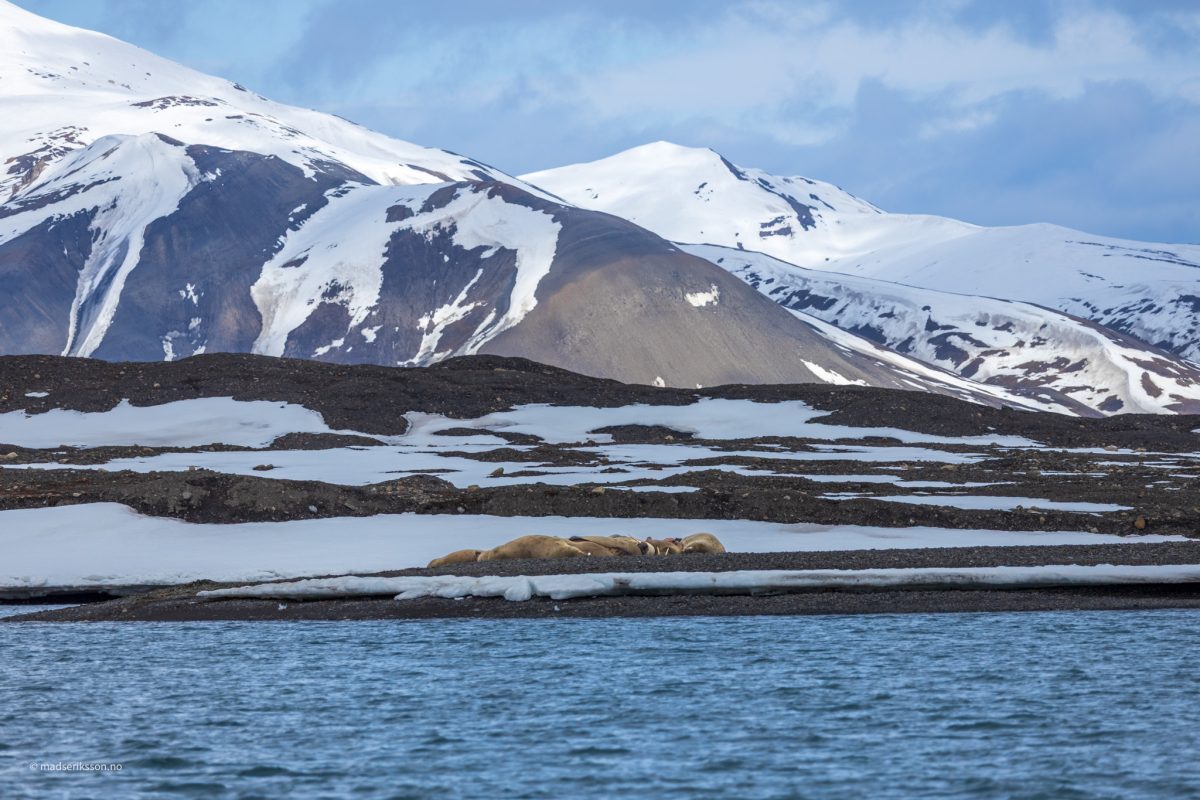
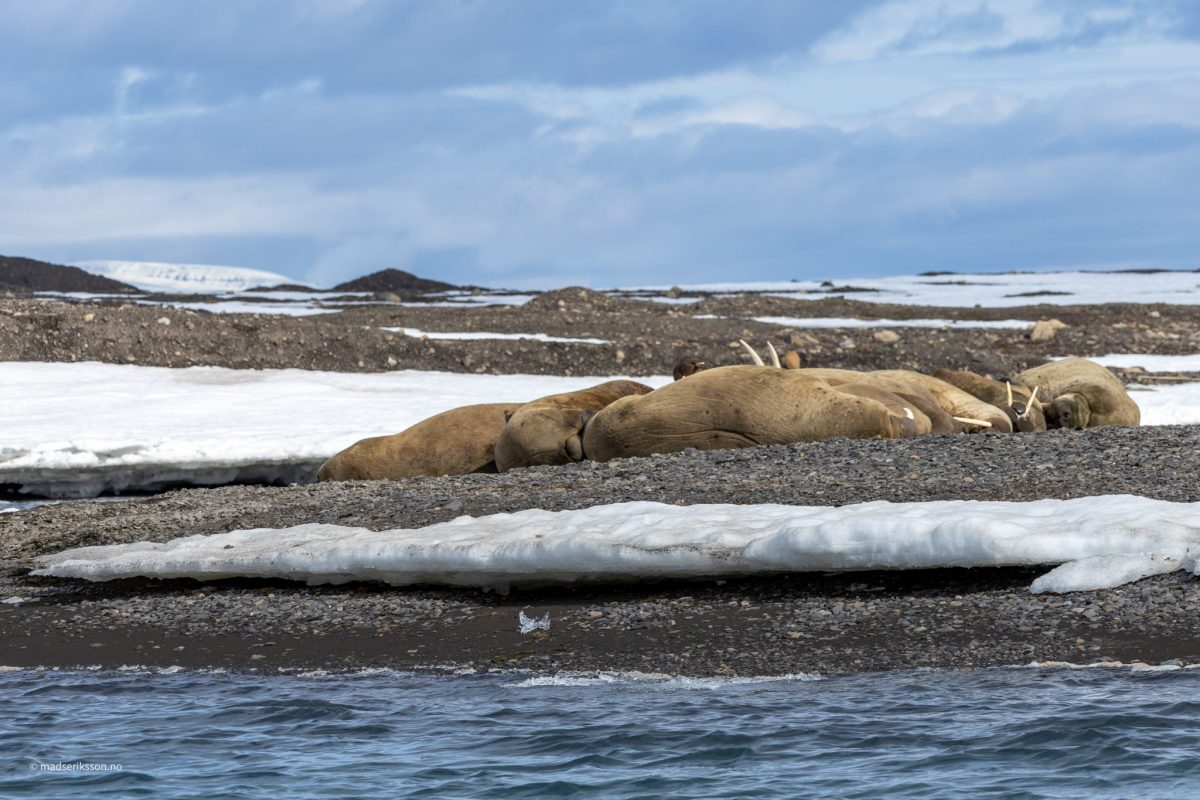
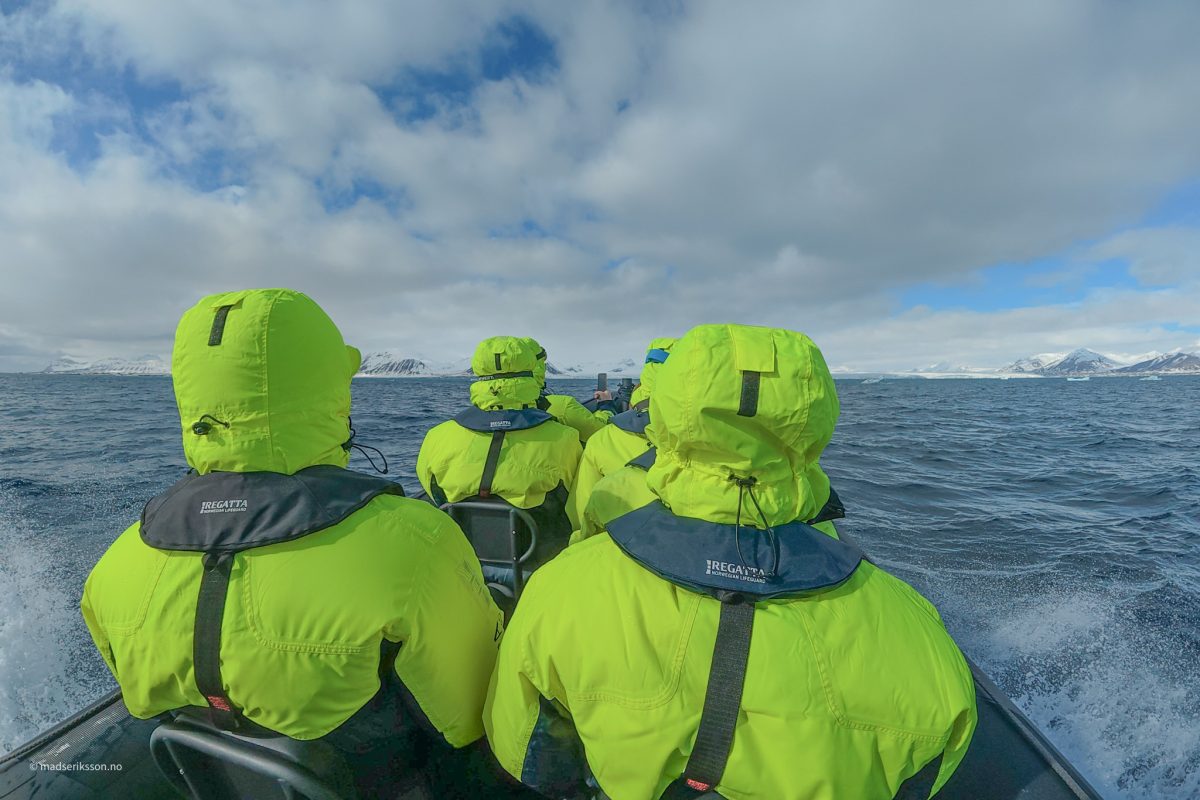
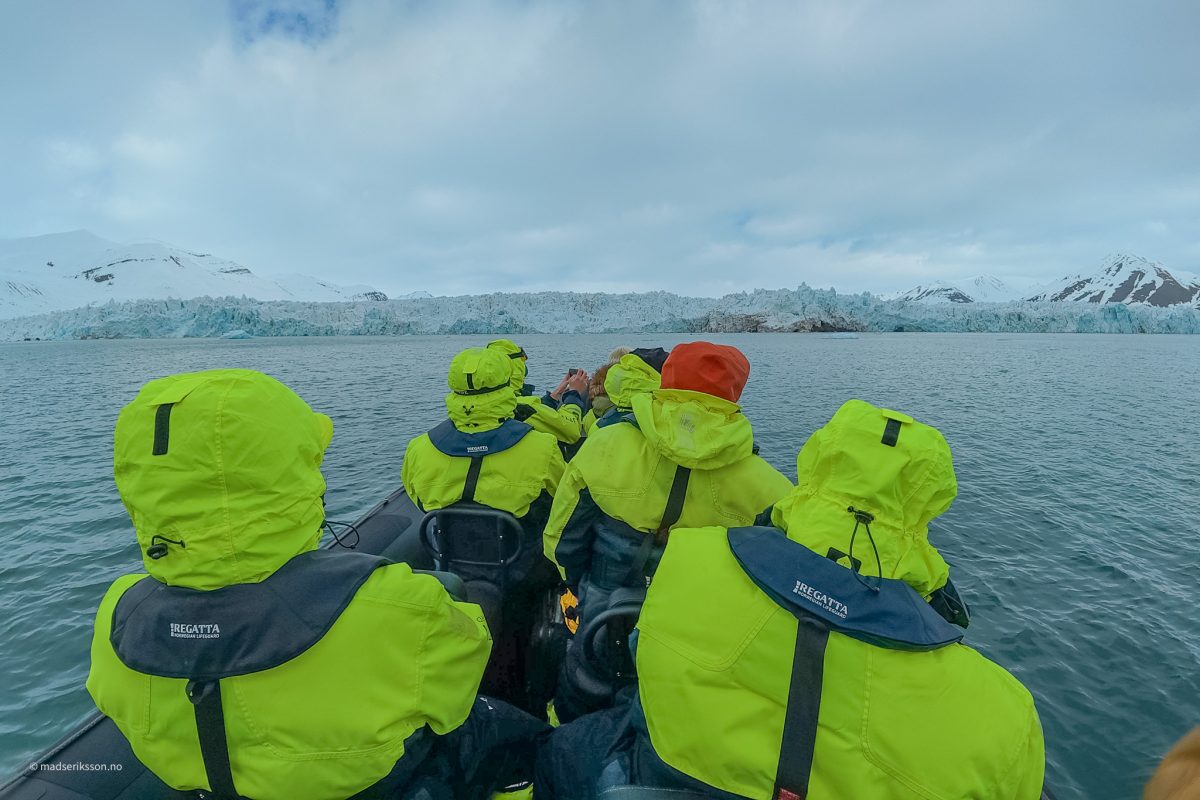
The summer season — June and July — offers the midnight sun: continuous daylight in which glaciers can be hiked at any hour, boat trips reach bird cliffs and walrus haul-outs, and the landscape of Spitsbergen opens up in a way that winter’s darkness and cold preclude. The Arctic summer light — soft, golden, coming from every direction because the sun circles rather than rises and sets — is unlike any other light in the world, and the tundra wildflowers that bloom briefly in July are among the most vivid natural spectacles on the archipelago. The shoulder seasons of September and October offer a combination of aurora, the last of the light, and the possibility of seeing polar bears active on the land as they begin ranging south with the retreating sea ice. All seasons have one thing in common: the price of accommodation, guiding and transport in Longyearbyen is high by Norwegian standards and extreme by any other. Budget accordingly, and book guides well in advance for the peak February–April window.
«Longyearbyen is the place where the rest of the world’s decisions arrive first. The carbon emitted in traffic jams in Jakarta and power stations in Ohio reaches its most visible consequences in the fjords that no longer freeze, the permafrost that shifts under buildings, the sea ice that no longer forms when it once did. The people who live here — the miners, the researchers, the guides, the hotel workers, the families — did not cause this. They are watching it happen in real time, from the front row. Visiting Longyearbyen is not, in the end, simply an adventure. It is a confrontation with the most consequential fact of our moment: what we are doing to the coldest, most remote and most beautiful parts of the planet, and how quickly.»
More in the same area
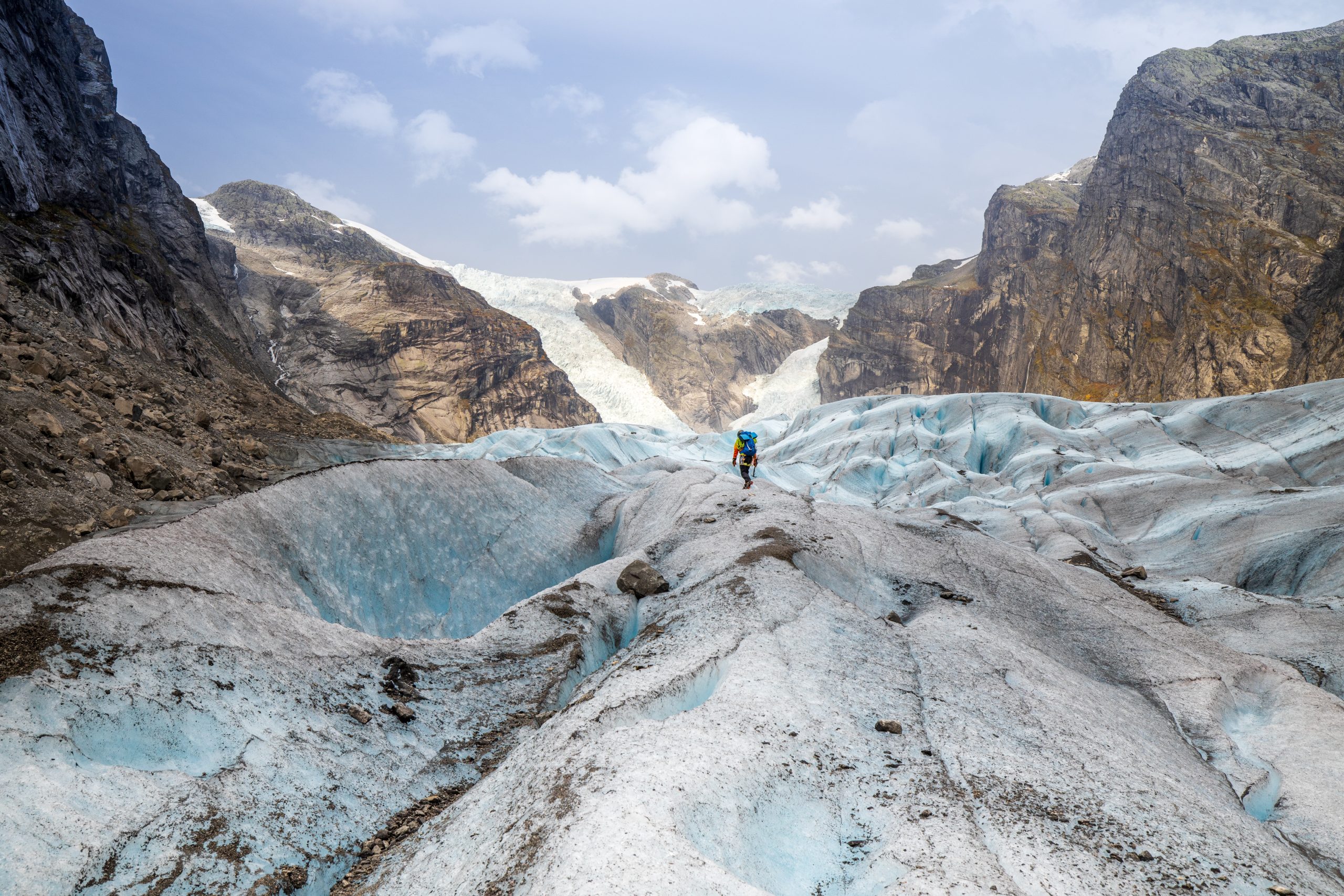 GlaciersEurope’s 10 Greatest Glaciers — And How to Experience Them
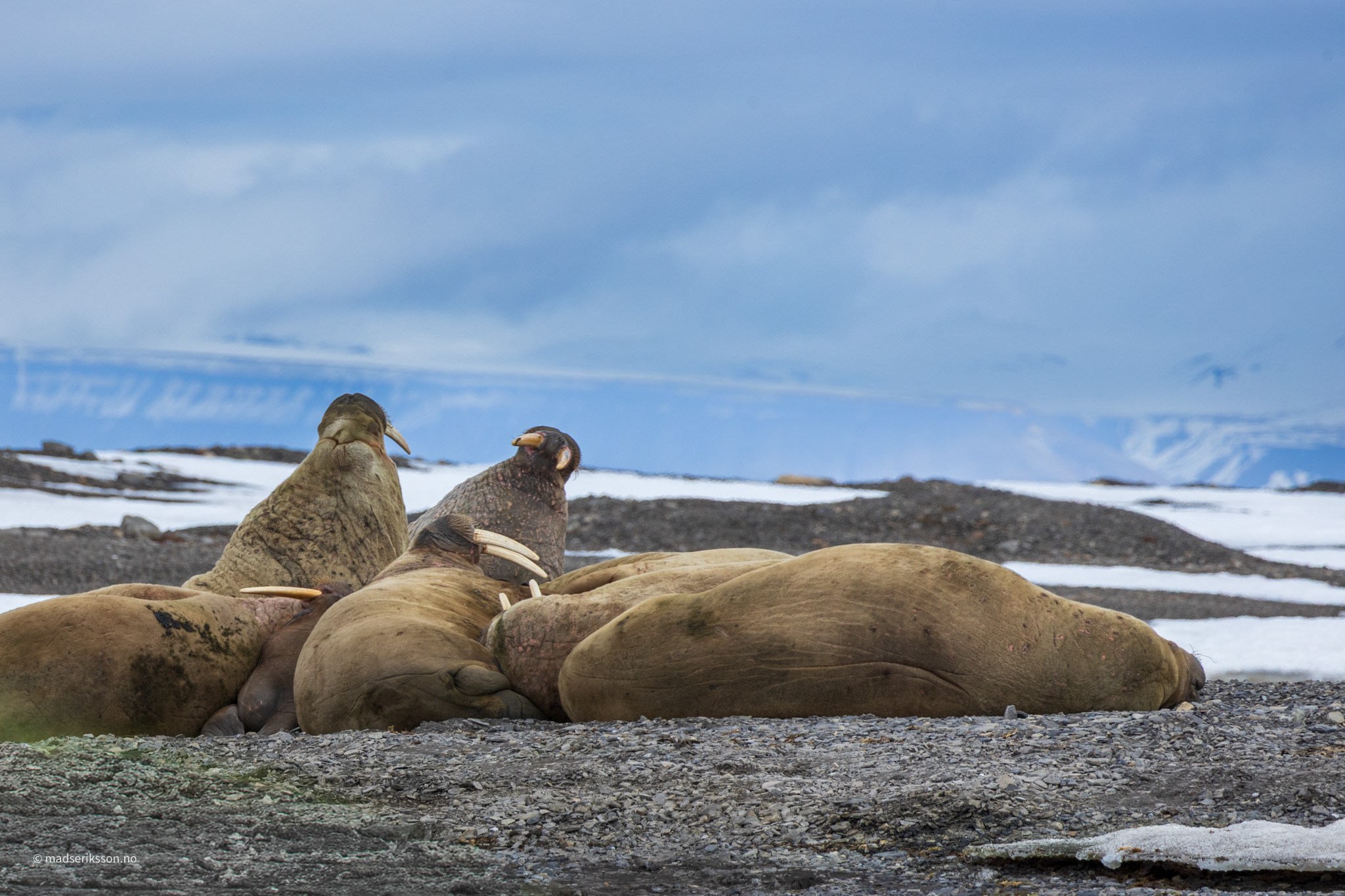 FjordsBorebreen and Nansenbreen: Remote Glaciers of Oscar II Land
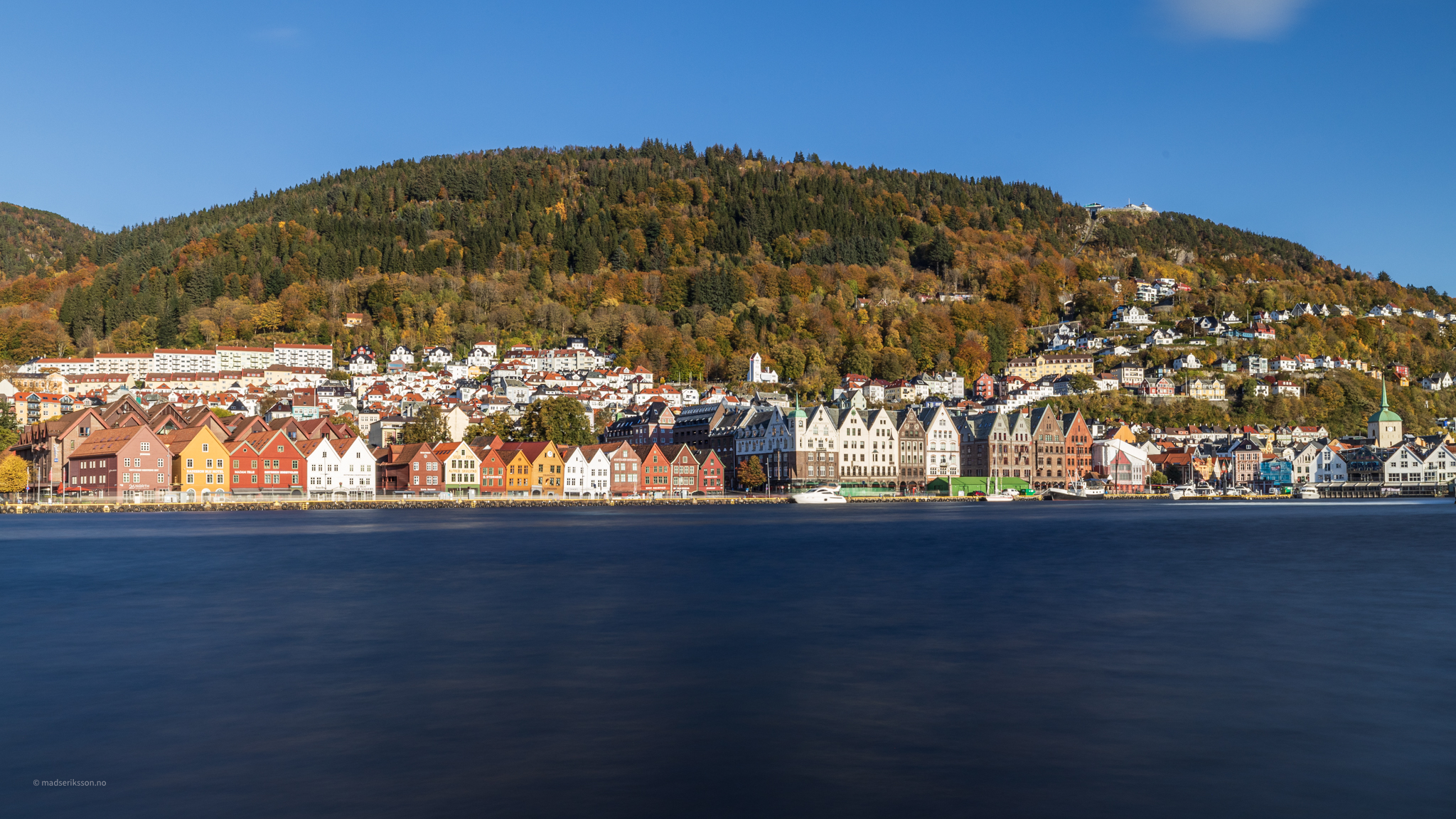 CitiesBergen: The Gateway to the Fjords
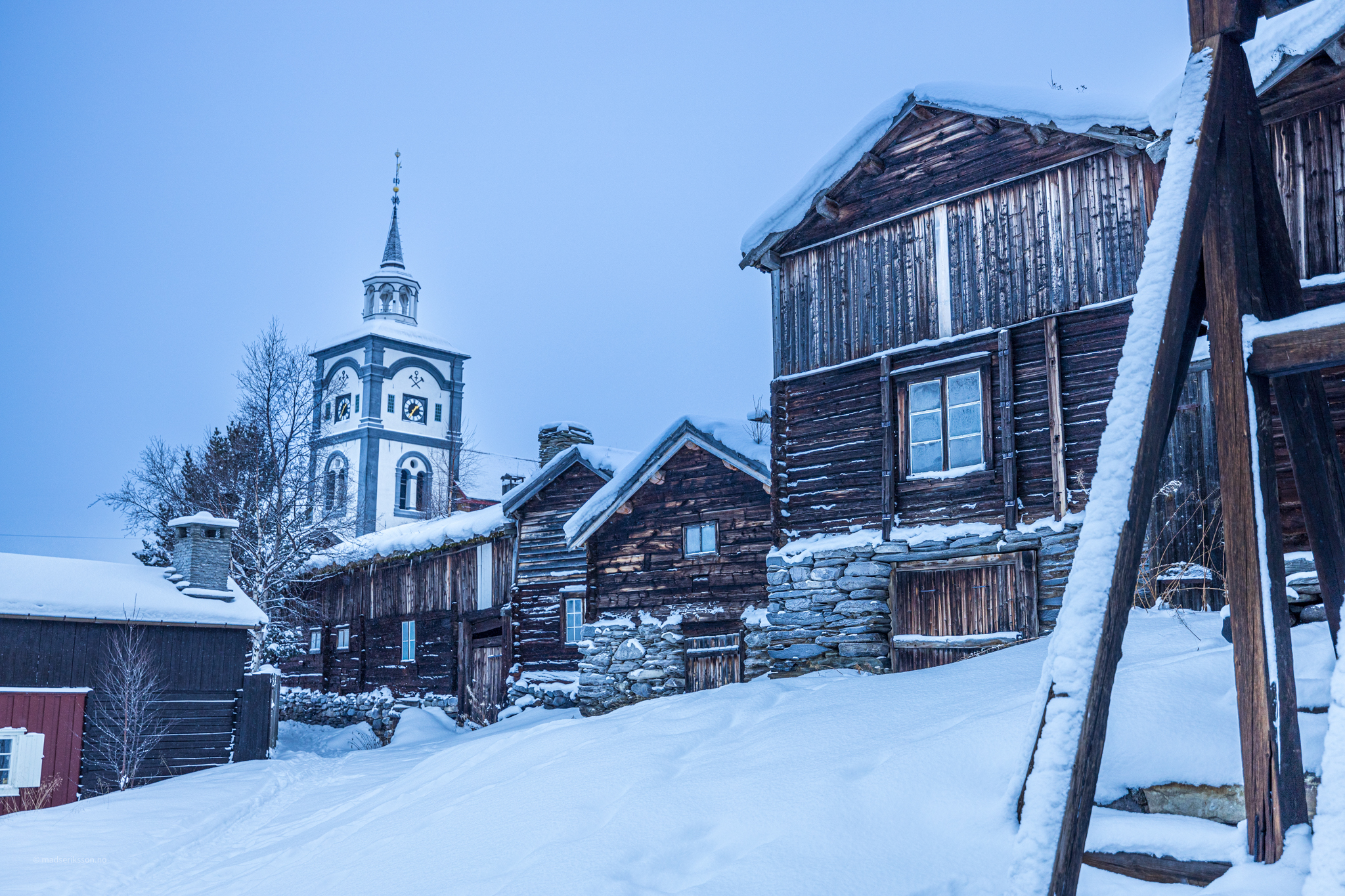 CitiesRøros: Norway’s Copper Town and World Heritage Site
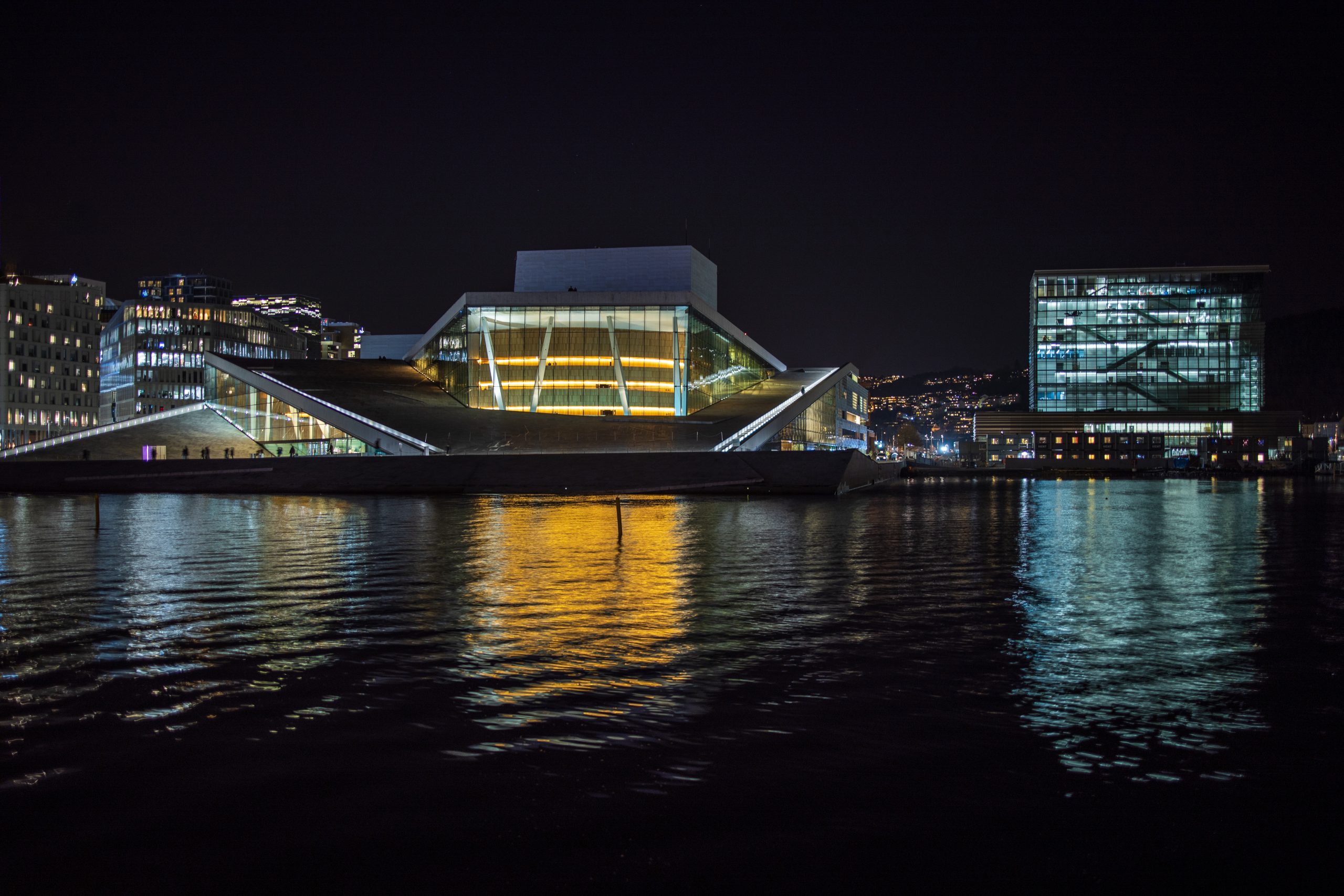 CitiesThe Vibrant Heart of Norway, Oslo
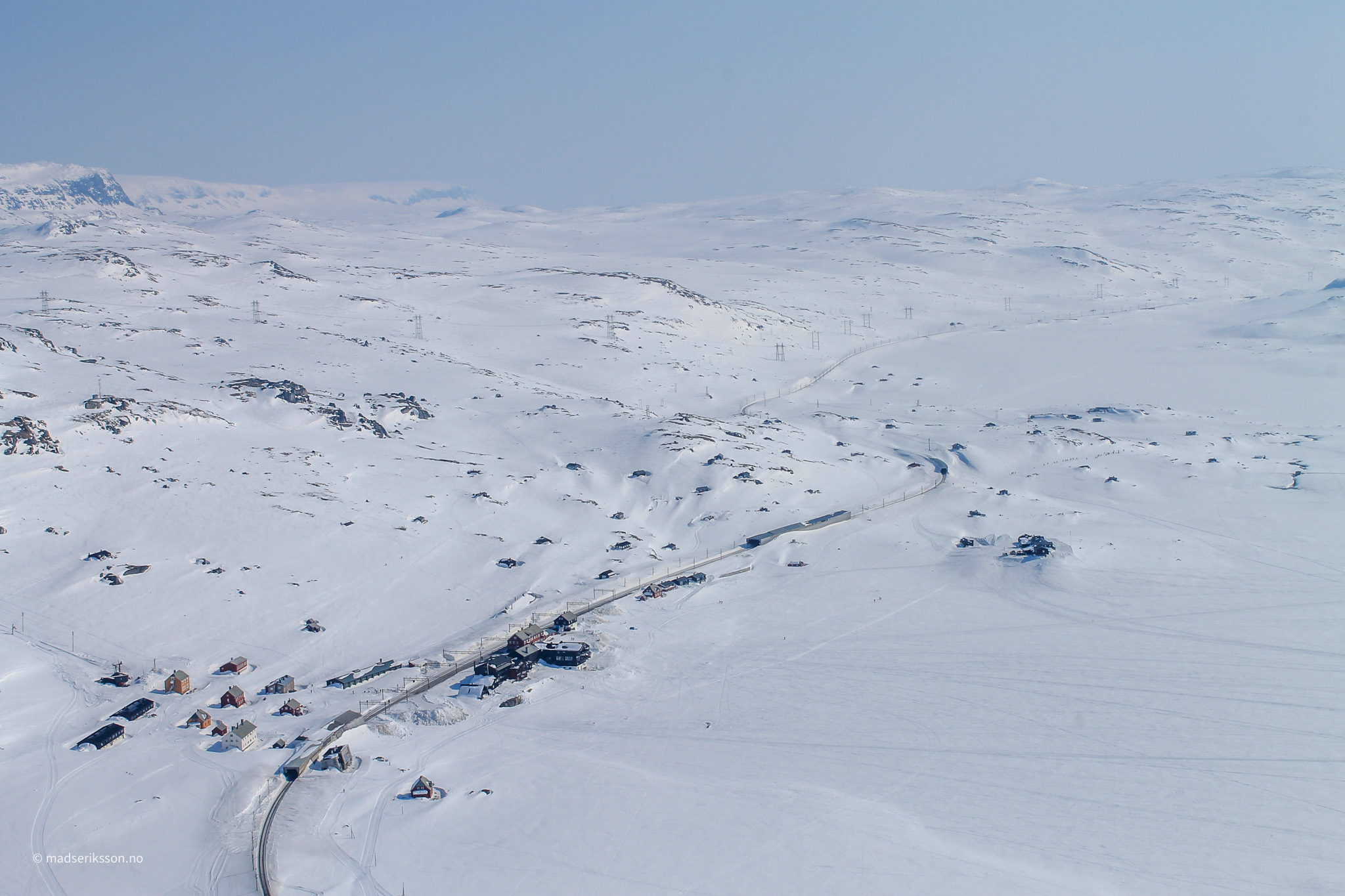 Train travelThe World’s 10 Great Railway Journeys
City Frames · scroll-driven 3D
More cities in three dimensions
54 city guides open with a model built from open map data. Scroll, and the camera moves from landmark to landmark.
Departures · City Frames
Where to next?
| Time | Destination | Country | Status |
|---|
Live · position of the sun
Golden hour, right now
The low, warm light just after sunrise and just before sunset. These are the cities on the site where it is happening at this moment.