The word “authentic” has been so thoroughly colonised by travel marketing that it risks meaning nothing. What we mean by it here is specific: cities where the historical urban fabric is still largely intact, where the cultural traditions that gave the city its character predate and outlast the tourism that now surrounds them, and where the daily life of the people who actually live there is still the most visible thing about the place. Not frozen. Not a museum. Not performing their own culture for visitors. Simply still here, still functioning, still more themselves than anything else. These are ten of the most remarkable examples of that quality anywhere in Asia.

Asia contains the oldest continuously inhabited cities on Earth, the most concentrated accumulations of living religious tradition, and urban cultures of a complexity and age that European cities rarely match. The ten cities in this guide were chosen because each of them has retained something that is increasingly rare: a relationship between its history and its present that is not primarily mediated by tourism, commerce or the urge to modernise everything at once. Varanasi has been continuously inhabited for over three millennia and its ghats on the Ganges perform the same function they always have. Bhaktapur banned most motorised vehicles from its medieval centre and has preserved a Newari urban culture that survives nowhere else. Xi’an’s Muslim Quarter has been there since the Tang dynasty. Kandy’s Temple of the Tooth has housed its relic without interruption for 2,000 years.
None of these cities is unchanged. All of them face the pressures of modernisation, population growth, mass tourism and the economic logic that tends to convert traditional urban fabric into hotels and souvenir markets. Some — Luang Prabang most visibly — are at risk of losing to those pressures what made them worth visiting in the first place. The ranking in this guide reflects both what these cities still have and, in some cases, how urgently it needs protecting. Three cities in the ranking — Luang Prabang, Kyoto and Yogyakarta — have full guides on madseriksson.no, linked in their respective sections.
How to read this ranking
The cities are ranked by the depth and completeness of their cultural character: the degree to which the traditions, architecture, food, religious practice and daily life of each city constitute a coherent, self-sustaining identity rather than a curated heritage product. The ranking is subjective and defended. Each section covers what makes the city distinctive, what the visitor will encounter, and what to prioritise in limited time.
#1 Varanasi — The City Where the Living and the Dead Share the Same Riverbank
The holiest city in Hinduism has been burning its dead on the Ganges for over three millennia, its ghats receiving pilgrims, priests, mourners and dying people from across India in a continuous ceremony that no amount of tourism has interrupted
Varanasi — also known as Kashi (“the city of light”) and Benares — has been continuously inhabited for at least 3,000 years, making it one of the oldest living cities on Earth. It sits on the western bank of the Ganges in Uttar Pradesh, at a point where the river curves in a way that ensures the east bank, where the sun rises, has no permanent settlement — the sunrise view from the ghats is therefore across open water, which is considered auspicious. The 88 ghats — broad stone stairways descending from the city to the river — are the defining feature of Varanasi: they are simultaneously bathing steps, prayer platforms, laundry areas, yoga spaces and cremation grounds, occupied at every hour of the day by priests, pilgrims, bathers, sadhus, boatmen, tourists and the families of the dying. The convergence of all of this on a single riverbank, in uninterrupted operation for three millennia, is what makes Varanasi unlike any other place in Asia. Manikarnika Ghat — the main cremation ghat — burns 80–100 bodies every day without pause; it is the most sacred site in Hinduism for cremation, because dying in Varanasi is believed to grant moksha (liberation from the cycle of rebirth), and families travel from across India to bring their dead here. The fires at Manikarnika are said to have been burning continuously for 3,500 years. Photographing the cremations is prohibited and the prohibition deserves respect: these are not a spectacle but a private ceremony conducted in public by necessity, and the presence of cameras changes their character fundamentally.
The old city of Varanasi — the galis, the narrow lanes that run between the river and the main roads — is one of the most disorienting urban environments in Asia: a labyrinth of passages barely wide enough for two people, lined with temples, chai stalls, flower sellers and the occasional cow, entirely without vehicular access. Walking the galis without a destination and without a map, following the sound of chanting or the smell of incense or simply the logic of the next turning, is the most direct engagement with what Varanasi actually is. The evening Ganga Aarti at Dashashwamedh Ghat — a nightly ceremony of fire, flowers, chanting and choreographed devotion performed by priests on the riverbank, attended by thousands — is theatrical and deeply meaningful in equal measure; its having become a major tourist event does not diminish its religious function, which continues regardless of who is watching. Sarnath, 10 kilometres north, is where the Buddha gave his first sermon after his enlightenment; the Dhamek Stupa and the Sarnath Museum, which holds the Lion Capital of Ashoka (the symbol of the Indian state), are a full day in their own right.
Mark Twain, who visited in 1896, wrote that Varanasi was “older than history, older than tradition, older even than legend, and looks twice as old as all of them put together.” The cremation fires he saw were the same fires burning today. Very little has changed. Very little is expected to.
#2 Luang Prabang — The Most Complete Traditional City in Southeast Asia
Thirty Buddhist temples on a Mekong peninsula, saffron-robed monks at dawn, French colonial villas between the wats — and a fragility that makes the question of how long it will remain itself the most urgent one about the city
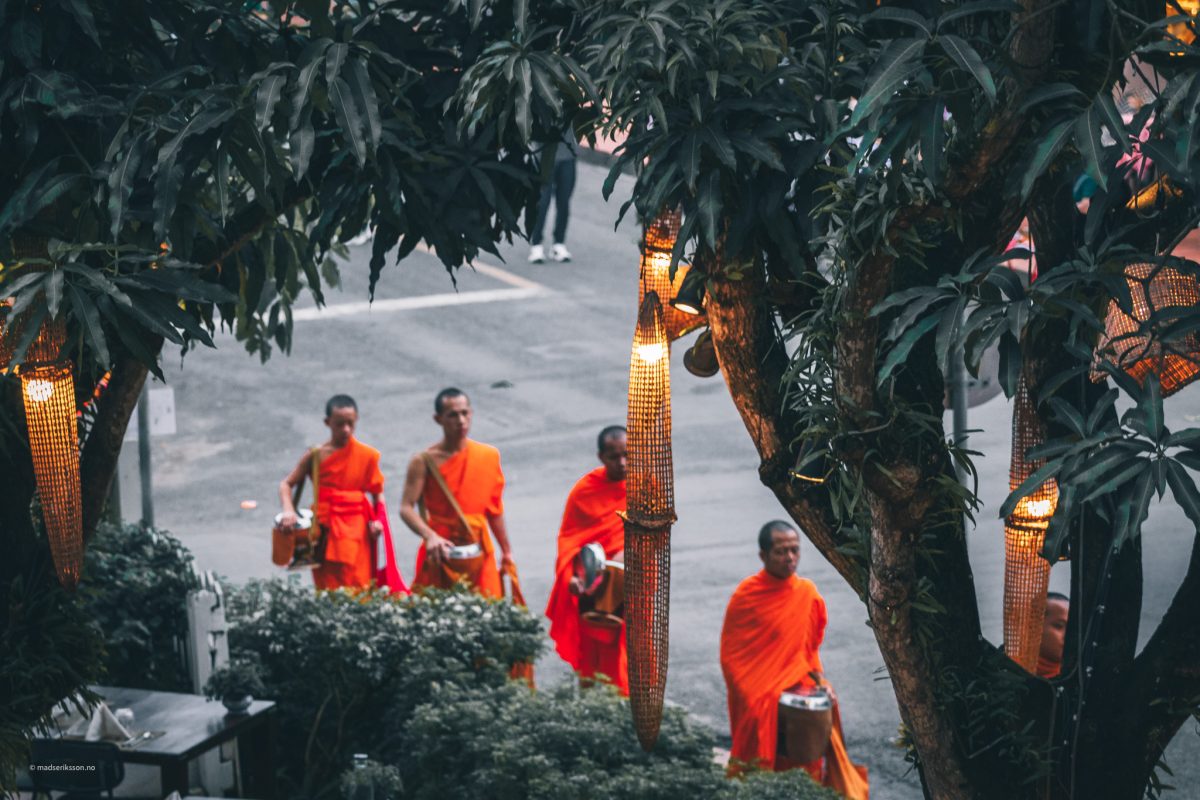
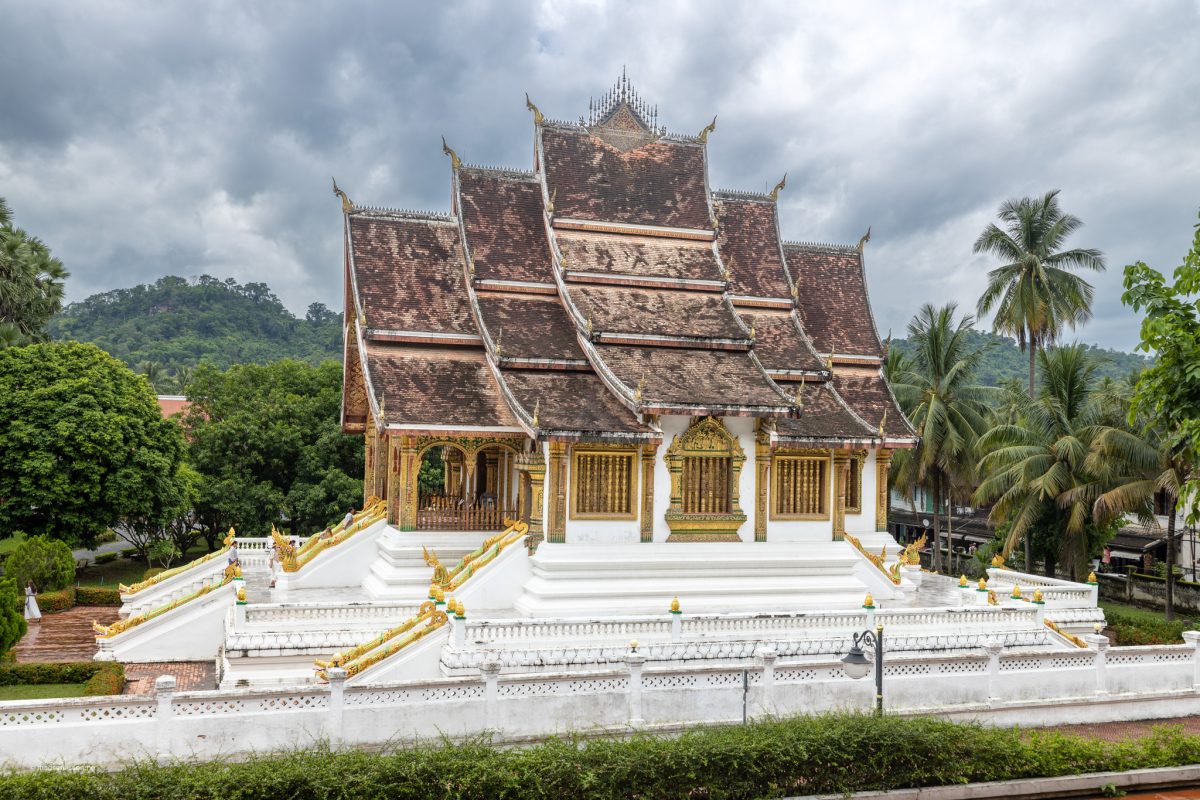
Luang Prabang is the former royal capital of Laos, a narrow peninsula where the Mekong and Nam Khan rivers meet, inscribed as a UNESCO World Heritage Site in 1995 for its extraordinary fusion of traditional Lao Buddhist architecture and French colonial urban fabric. More than thirty temples occupy the old town within a few walkable kilometres; Wat Xieng Thong (1560), at the northern tip of the peninsula where the rivers converge, is considered the finest surviving example of Lao temple architecture. The Tak Bat — the dawn procession of monks collecting alms from lay Buddhists — occurs every morning on the main streets at approximately 5:30am, a ceremony of genuine religious significance that has been complicated by its status as the most photographed event in Laos. The city’s character is inseparable from the approximately 1,000 monks resident in its temples at any given time, many of them novices from rural villages sent for their education; their presence at dawn, at dusk and at the temple steps in the evenings gives the streets a quality unlike any other city in Southeast Asia. The last king of Laos, Sisavang Vatthana, abdicated in 1975 and died in communist captivity; the monarchy ended but the Buddhist culture of the city it headed did not.
Luang Prabang is also the most at-risk city on this list. The UNESCO designation that preserved its buildings has attracted the tourism that is now transforming it: the colonial villas are increasingly guesthouses and restaurants, the traditional wooden shophouses are steadily converting to cafes and tour operators, and residents are moving to the outskirts as property values in the heritage zone rise beyond reach. The 2021 opening of the Laos-China Railway — reducing travel time from the Chinese border to under two hours — has brought a new wave of Chinese tourism that is changing the visitor profile. The city is still more itself than not; the question is whether it will be in ten years. Come now, and come for longer than you planned.
The slow boat from the Thai border takes two days on the Mekong through limestone canyons and river villages. Most people who have done it describe it as one of the finest journeys in Asia. The arrival in Luang Prabang at dusk — the golden roofline of Wat Xieng Thong appearing around a bend in the river — is one of the better arrivals available to a traveller anywhere. Fly in if you must. Take the boat if you can.
Full Luang Prabang guide on madseriksson.no →
#3 Bhaktapur — The Medieval City That Banned the Car and Kept Its Soul
The best-preserved Newari city in the Kathmandu Valley — 15th-century temples, brick courtyards and a cultural tradition that survived the 2015 earthquake with its identity intact, largely because it had the foresight to keep the motorcycles out
Bhaktapur — “City of Devotees” in Newari — sits 13 kilometres east of Kathmandu in the Kathmandu Valley, at an elevation of 1,400 metres, and is the best-preserved of the three medieval city-states (the others are Kathmandu and Patan/Lalitpur) that divided the valley between them until Prithvi Narayan Shah unified Nepal in 1768. The old city centre, inscribed as part of the UNESCO Kathmandu Valley World Heritage Site in 1979, contains a concentration of Newari temples, courtyards (chowks), woodcarved windows and traditional brick architecture that has no equivalent in Nepal. Bhaktapur’s decision to restrict motorised vehicles from its historic centre — a policy maintained while the surrounding cities allowed traffic to gradually overwhelm their streets — has preserved a quality of pedestrian urban life that makes it the most walkable and most intelligible of the three valley cities. Durbar Square, with its 15th-century royal palace, the 55-Window Palace facade and the Golden Gate (1754), is the most elaborate of the valley’s three durbar squares. The Nyatapola Temple (1702), Bhaktapur’s tallest structure at five tiered storeys, is the finest pagoda-style temple in Nepal and the only one that has survived every earthquake without collapsing — a testament to the structural wisdom of its original builders.
Bhaktapur is also a living city, not a heritage park: Newari families live in the medieval houses, farmers bring produce to the morning market in Taumadhi Square, potters work the clay on Pottery Square as they have for centuries. The city’s culture is specific and self-sustaining: the Newari people — the indigenous inhabitants of the Kathmandu Valley, with a distinct language, religion and artistic tradition — maintain festivals, rituals and crafts that exist here in their most complete form. Bhaktapur’s dahi (yogurt), made in the traditional clay pots visible stacked in the markets, is considered the finest in Nepal. The April 2015 earthquake (7.8 magnitude) caused significant damage: the Vatsala Temple in Durbar Square, the Wakupati Narayan Temple and several other structures were destroyed or severely damaged. Restoration is ongoing; the city’s character survived even where its buildings did not.
Bhaktapur charges an entry fee for foreign visitors — the only city in the Kathmandu Valley to do so — and uses the revenue for heritage maintenance. It is the smartest thing any of the valley cities has done. The result is a city that looks, in its medieval core, broadly as it did five centuries ago. The alternative is free and visible 13 kilometres west.
#4 Hoi An — The Trading Port Where Three Civilisations Met and Left Their Buildings
Japanese merchants, Chinese traders and French colonists each left their architectural mark on this Mekong estuary port — and the lanterns, the tailors and the noodle specific to one ancient well have made it the most complete surviving example of a Southeast Asian trading town
Hoi An was one of Southeast Asia’s most important trading ports between the 15th and 19th centuries, when its position on the Thu Bon River made it the principal commercial exchange point for the spice and silk routes connecting China, Japan, India and the European trading powers. The Japanese merchant community established itself in the northern quarter of the town; the Chinese merchant community in the southern half; the French colonial administration, arriving later, left its mark on the warehouses and administrative buildings along the riverfront. The Japanese Bridge — a covered wooden bridge with a small temple, built in 1593 to connect the Japanese and Chinese quarters — has been repaired and rebuilt multiple times but has stood in the same position for over 430 years and is the most recognisable symbol of the old town. The Chinese Assembly Halls — five of them, each built and maintained by a different regional Chinese community (Fujian, Cantonese, Chaozhou, Hainan and the broader Minh Huong community) — are among the finest examples of Chinese temple architecture in Vietnam outside of China. The UNESCO inscription of 1999 recognised the old town as the most complete surviving example of a Southeast Asian trading port in which the multicultural character of the trade is physically legible in the surviving architecture.
Hoi An’s contemporary tourism economy is built primarily on three things: its tailoring tradition (hundreds of shops offering custom garments in 24–48 hours, the quality variable but the speed genuine), its lantern festival (on the full moon of every month, electric lights are extinguished in the old town and paper lanterns are floated on the river — the most atmospheric evening in any Vietnamese city), and its food. Cao Lau — thick rice noodles served with pork, greens and crispy rice crackers, in a dish specific to Hoi An — is made with water from a specific ancient Cham well in the old town, which gives the noodles a distinctive texture and slight mineral flavour that, traditionalists insist, cannot be replicated elsewhere. White Rose dumplings (banh bao vac), a Hoi An speciality of translucent rice-paper dumplings filled with shrimp, are available only from the family that makes them and sells them wholesale to restaurants across the old town. The food specificity of Hoi An — dishes that exist only here, made with ingredients or water specific to this place — is itself a form of cultural authenticity that resists replication.
Cao Lau can only be made with water from one specific ancient Cham well in Hoi An. The noodle vendors and restaurant owners claim this is not marketing but fact: the mineral content of the water is specific to that well, and it produces the particular texture and flavour that makes Cao Lau what it is. Whether or not this is strictly true, no version of it made anywhere else tastes the same.
#5 George Town — The Most Culinarily Complex City in Southeast Asia
A Peranakan city where Chinese, Malay, Indian and British colonial cultures produced a food tradition of extraordinary depth, a street art scene that emerged organically from the buildings it decorates, and a UNESCO inscription that has managed to preserve the city without destroying its lived character
George Town was founded in 1786 by the British East India Company captain Francis Light on the northeastern tip of Penang island, off the west coast of the Malay Peninsula, as a free port — a trading settlement where no duties were levied, designed to attract commerce from across the region. The policy worked: Chinese merchants arrived from Fujian and Guangdong, Indian traders from Tamil Nadu and Gujarat, Malay communities from the surrounding peninsula, and the result was one of the most culturally complex cities in Southeast Asia. The Peranakan — the Straits Chinese, the descendants of Chinese men who married Malay women over generations and produced a hybrid culture of extraordinary richness — are the most distinctive cultural product of this mixing: their cuisine (Nyonya cooking, combining Chinese techniques with Malay spices and ingredients), their shophouse architecture (elaborately decorated facades in pastel colours with a characteristic five-foot walkway), their ceremonies and dress are specific to the Straits Settlements and have their most complete expression in George Town and Melaka. The Peranakan Mansion on Church Street, the Cheong Fatt Tze Mansion (the Blue Mansion, 1880s, now a hotel and museum) and the five Clan Jetties — waterfront villages of wooden houses built on stilts over the sea, each historically belonging to a specific Chinese clan — are the principal heritage sites. The UNESCO inscription of 2008 (shared with Melaka) recognised the historic enclave as an outstanding example of multicultural trading city heritage.
George Town’s food culture is its most celebrated attribute and its most genuine expression of cultural layering. Penang laksa — an intensely sour, fish-based noodle soup specific to Penang, made with mackerel, tamarind and prawn paste — is categorically different from any other laksa style in Malaysia or Singapore and represents a distinct culinary tradition. Char kway teow (flat rice noodles fried with cockles, bean sprouts and Chinese sausage over very high flame), Hokkien mee (prawn-based noodle soup), nasi kandar (Indian-Muslim rice with curries, introduced by Tamil Muslim traders), cendol (shaved ice with pandan jelly, coconut milk and palm sugar) — the hawker food geography of George Town is as diverse and as seriously contested (which stall, which exact location, at what hour) as any food city in the world. The street art that appeared across George Town from 2012 onward — initiated by the Lithuanian artist Ernest Zacharevic, who painted murals incorporating the actual iron features of the shophouses into his compositions — has become as much a part of the city’s identity as any of its historical monuments, and navigating between the art and the hawker stalls and the Clan Jetties constitutes one of the better days available in any Asian city.
Penang laksa uses prawn paste, tamarind and mackerel to produce a broth that is sour, fishy, intensely flavoured and entirely specific to this city. CNN ranked it the 7th best food in the world. The stall that makes the best version is a matter of local controversy that shows no sign of resolution. The disagreement is part of the culture.
#6 Yogyakarta — The Only City in Indonesia With a Sultan Who Still Governs
A traditional Javanese sultanate integrated into the Indonesian republic, producing the world’s finest batik, the most sophisticated shadow puppetry tradition in Asia and the best access point for Borobudur and Prambanan
Yogyakarta — known to its residents as Jogja — is the cultural capital of Java and the only city in Indonesia with a traditional hereditary monarchy still integrated into its governance structure. Sultan Hamengkubuwono X is simultaneously the traditional ruler of the Yogyakarta Sultanate and the Governor of the Yogyakarta Special Region — a constitutional arrangement established at independence when the Sultan allied the sultanate with the Indonesian republic in exchange for the retention of traditional authority. The Kraton — the Sultan’s palace complex, built in 1755 and still occupied — is the centre of Javanese court culture: its gamelan orchestras, court dances, batik workshops and wayang kulit (shadow puppet) performances are maintained as living traditions rather than heritage reconstructions, performed on specific days of the Javanese calendar by practitioners whose families have served the court for generations. Wayang kulit — shadow puppetry using intricately carved leather figures to narrate episodes from the Hindu epics, performed behind a backlit screen with live gamelan accompaniment, in performances that can last all night — was inscribed by UNESCO as Intangible Cultural Heritage in 2003. Yogyakarta batik — the hand-drawn and hand-stamped wax-resist fabric tradition of Java — was inscribed in 2009; the batik workshops of the Kraton district produce the finest examples.
Yogyakarta is also the most practical base for visiting two of the greatest archaeological sites in Asia: Borobudur (40 kilometres northwest), the 9th-century Buddhist temple complex that is the world’s largest Buddhist monument; and Prambanan (17 kilometres east), a 9th-century Hindu temple compound of comparable scale and elaboration. Both are reachable in under an hour from the city, and a two-day itinerary — Borobudur at dawn on the first day, Prambanan in the afternoon, the Kraton and the city’s batik and food culture on the second — is the minimum for a meaningful visit. Gudeg — slow-cooked young jackfruit in coconut milk and palm sugar, served with rice, egg, tempeh and krecek (spiced fried buffalo skin) — is the definitive Yogyakarta dish, eaten at dawn from carts that have been serving it since before the Kraton opened.
A full-night wayang kulit performance in Yogyakarta begins after sunset and ends at dawn. The dalang (puppeteer) manipulates dozens of characters, narrates the story, cues the gamelan and delivers philosophical commentary — alone, for eight hours. Most visitors watch for an hour and leave. The performance is not designed around their schedule. It is designed around the Javanese cosmos.
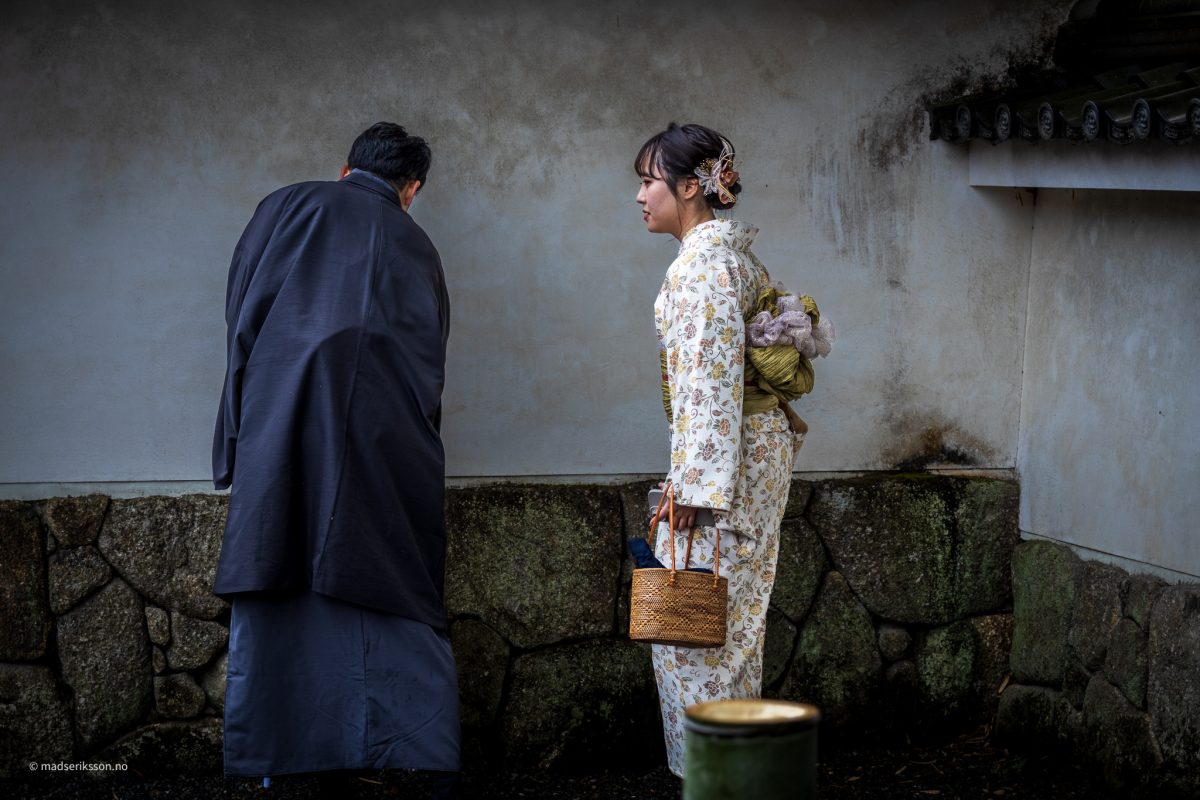
#7 Kyoto — A Thousand Years of Japanese Court Culture in One City
The imperial capital of Japan for over a millennium, with 1,600 Buddhist temples, 400 Shinto shrines, the geisha culture of Gion, the tea ceremony tradition and the machiya townhouses — and the discipline to have resisted the worst of what modernisation could have done to it
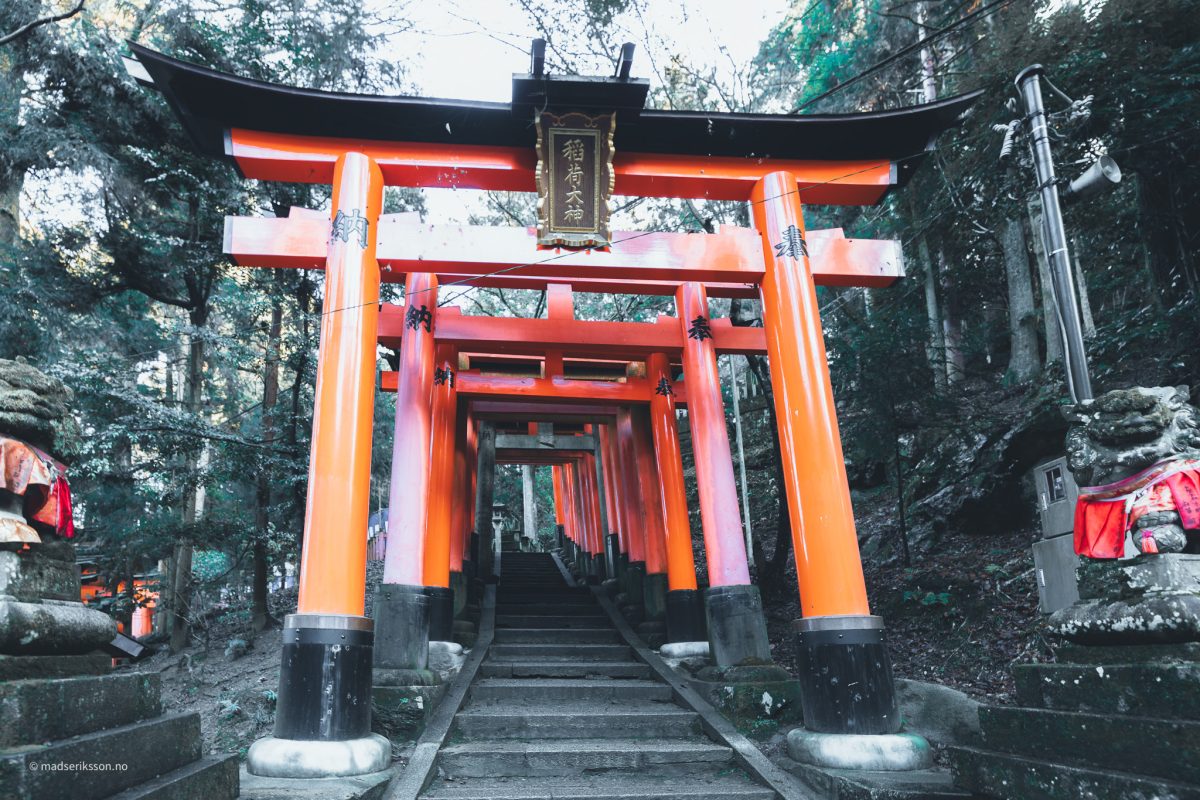
Kyoto was the imperial capital of Japan from 794 CE, when Emperor Kammu relocated the court from Nara, to 1868, when the Meiji Restoration moved the capital to Tokyo. In those 1,074 years, it accumulated the most concentrated assembly of Japanese cultural production in existence: the temples, gardens, tea ceremony traditions, theatrical forms, textile arts, ceramics and courtly aesthetics that constitute what the world thinks of as “Japanese culture” were largely developed, refined and preserved here. The approximately 1,600 Buddhist temples — including Kinkaku-ji (the Golden Pavilion), Ryoan-ji (the finest dry garden in Japan), Ginkaku-ji (the Silver Pavilion) and the vast Nishi Hongan-ji complex — and 400 Shinto shrines, including Fushimi Inari-taisha with its thousands of vermilion torii gates climbing the mountain above the city, constitute a heritage landscape of extraordinary density. Seventeen of these sites are collectively inscribed as the Historic Monuments of Ancient Kyoto by UNESCO (1994). The Gion district — the preserved machiya (traditional townhouse) neighbourhood southeast of the Kamo River — is the centre of Kyoto’s geisha (geiko) and maiko (apprentice geisha) culture: one of the most demanding artistic training traditions in the world, sustained in its most complete form in this city by women whose apprenticeship lasts five years and whose art encompasses dance, music, tea ceremony and conversation.
Kyoto is on this list and not Tokyo or Osaka because it is the city where the traditional forms of Japanese culture were developed and where they are most completely preserved. It is also the most visited city in Japan after Tokyo, and the management of that tourism is Kyoto’s central contemporary challenge: the Gion neighbourhood has implemented restrictions on tourist access to certain lanes; Arashiyama’s bamboo grove is crowded at almost every hour; specific temples have introduced timed entry and crowd controls. The solution is the same one that works everywhere: be early, go in autumn or winter (November, February and March are the finest months for crowds, foliage and plum blossoms respectively), and walk past the obvious to the neighbourhood temple that nobody has photographed yet. Kyoto rewards this approach more than almost any other city in Asia.
Kyoto was removed from the US atomic bomb target list in 1945 — reportedly at the insistence of Secretary of War Henry Stimson, who had visited and understood what would be lost. Nagasaki was added as a replacement. Whether this account is fully accurate is still debated by historians. What is not debated is that Kyoto exists, and what it contains.
Full Kyoto guide on madseriksson.no →
#8 Kandy — The Last Royal Capital and the Tooth That Rules Sri Lanka
The final stronghold of Sinhala kingship — taken by the British only in 1815 — houses the most sacred Buddhist relic in the world in a lakeside temple whose ritual calendar has not been interrupted in 1,600 years
Kandy, set in a mountain valley at 465 metres surrounded by tea-covered highlands, was the capital of the last independent Sinhala kingdom and the final part of Sri Lanka to fall to European colonisation — the British took it in 1815, after the Dutch and Portuguese had been unable to subdue it. Its inaccessibility in the central highlands and its strategic position had made it unconquerable for four centuries while the coastal cities fell in succession. The Temple of the Tooth Relic — Sri Dalada Maligawa — on the north shore of the Kandy Lake is the most sacred Buddhist site in Sri Lanka: it houses a tooth of the Buddha, said to have been brought from India in the 4th century CE by Princess Hemamali, who hid it in her hair to smuggle it past the guards of the Indian king who sought to prevent its export. Possession of the relic was historically associated with the right to rule the island; every significant political event in Sri Lankan history has involved a relationship with the Tooth. The temple’s daily puja ceremonies — three times a day, with drumming and offering — give any visitor who attends them a direct encounter with a living religious tradition of considerable intensity. The Esala Perahera — the annual ten-day festival held in July or August in which the Tooth’s golden casket is carried in procession through the streets on the back of a decorated elephant, accompanied by hundreds of elephants, drummers, dancers and torch-bearers — is the most spectacular Buddhist festival in Asia and among the most extraordinary public ceremonies in the world.
Kandy is also the gateway to the tea culture of Sri Lanka: the Bogawantalawa and Nuwara Eliya tea estates are within two hours, and the hill country railway from Kandy to Ella — one of the most scenic train journeys in Asia, through cloud forest and tea terraces and waterfalls — departs from Kandy station. The city’s market, its Kandyan dance performances (a distinct and acrobatic classical dance tradition specific to this region) and the Peradeniya Royal Botanical Gardens (one of the finest in Asia, established by the last Kandyan kings in the 18th century) constitute a full two-day itinerary independent of the Tooth and the train.
The Esala Perahera in Kandy is ten nights of procession through the streets: up to 100 decorated elephants, Kandyan dancers, fire-spinners, whip-crackers and the golden casket of the Tooth Relic carried by the Maligawa Tusker. It has been held every year for 2,000 years. It is, on any reasonable measure, the most impressive street event in Asia.
#9 Hué — The Imperial Capital and the Most Refined Kitchen in Vietnam
The seat of the Nguyen dynasty from 1802 to 1945, devastated in the 1968 Tet Offensive and never fully rebuilt, Hué preserves a royal citadel, river tombs and a court cuisine of extraordinary delicacy that is the finest cooking tradition in Vietnam
Hué was the capital of the Nguyen dynasty — the last royal house of Vietnam — from 1802, when Emperor Gia Long unified the country and established his capital here, to 1945, when Emperor Bao Dai abdicated to Ho Chi Minh’s provisional government. The Imperial Citadel (Dai Noi), modelled on the Forbidden City in Beijing, occupies a walled complex of 520 hectares on the north bank of the Perfume River (Song Huong): its concentric moats, walls, gates and inner enclosures contain the Thai Hoa Palace (the throne room), the royal temples, the Forbidden Purple City (the emperor’s private residence, now largely destroyed) and extensive gardens. Seven royal tombs are distributed along the Perfume River south of the city, each reflecting the personality and philosophy of the emperor who built it: Tu Duc’s tomb (1864–1867) is the most elaborate — a complex of pavilions, ponds and poetry inscribed by the emperor himself, who spent decades composing there during his lifetime. The city was the site of the Battle of Hue during the 1968 Tet Offensive, in which North Vietnamese forces occupied the citadel for 25 days; the fighting that followed left approximately 5,800 civilians dead and destroyed much of the inner citadel. Restoration has been ongoing since the 1990s but significant areas remain in ruin, which gives the site an authenticity that full restoration would remove.
Hue’s court cuisine is considered the most refined cooking tradition in Vietnam — more complex, more technically demanding and more historically layered than the food cultures of Hanoi or Ho Chi Minh City. The Nguyen court employed hundreds of cooks and demanded elaborate daily menus; this tradition produced a cuisine of small, delicately prepared dishes served in sequence rather than simultaneously. Bun bo Hue — a beef and pork noodle soup with lemongrass and shrimp paste, significantly spicier than northern pho — is the most widely known Hue dish internationally, but the royal table dishes — banh khoai (crispy rice flour crepe with shrimp, pork and bean sprouts, dipped in fermented soybean sauce), banh beo (small steamed rice cakes with dried shrimp), com hen (baby clam rice with over a dozen accompaniments) — represent a breadth and intricacy of preparation that rewards a visitor willing to seek out the small, family-run restaurants that preserve the authentic versions.
The Nguyen emperors required that their cooks prepare 50 different dishes for every meal. This demand for variety within small quantities — each dish a few bites, each preparation distinct — produced the most technically demanding court cuisine in Vietnamese history. The tradition survived the dynasty, the French and the American War. It is still available at small restaurants near the citadel for very little money.
#10 Xi’an — The Silk Road Capital With an Army of 8,000 Soldiers Still Underground
Capital of 13 Chinese dynasties including the Tang, the starting point of the Silk Road, home to the best-preserved city wall in China and a Muslim Quarter where 70,000 Hui people have been present since the 7th century CE
Xi’an — the ancient Chang’an, eastern terminus of the Silk Road and capital of 13 Chinese dynasties, most importantly the Qin (221–206 BCE), Han (206 BCE–220 CE) and Tang (618–907 CE) — was at various points the largest and most cosmopolitan city in the world. During the Tang dynasty, when Chang’an had a population of approximately one million, it was the destination of merchants, diplomats, monks and artists from Persia, Arabia, India, Central Asia and Korea, and the religious diversity of the city — Buddhist temples, Zoroastrian fire temples, Nestorian Christian churches, and the mosque that is still standing — reflected this. The Great Mosque of Xi’an, founded in 742 CE during the reign of Emperor Xuanzong and expanded multiple times since, is one of the oldest and most architecturally distinctive mosques in China: built in Chinese architectural style with green-tiled roofs, pavilions and courtyard gardens rather than domes and minarets, it reads as a Chinese building at first glance and reveals its Islamic function only in the prayer hall orientation and the Arabic calligraphy. The Hui Muslim community of Xi’an — approximately 70,000 people in the Muslim Quarter (Huimin Jie) west of the Drum Tower — have been continuously present for approximately 1,300 years, since the first Arab and Persian merchants settled in Chang’an during the Tang dynasty. The street food of the Muslim Quarter — rou jia mo (slow-braised spiced meat in a flatbread, often called the “Chinese burger”), yang rou pao mo (lamb soup served with hand-torn bread broken directly into the broth) and countless grilled and fried preparations — represents one of the most distinctive food cultures in China.
The Terracotta Army — the funerary complex of Emperor Qin Shi Huang, discovered in 1974 when a farmer digging a well struck bronze in the ground 35 kilometres east of Xi’an — is the most significant archaeological discovery of the 20th century: approximately 8,000 life-size clay soldiers, 130 chariots and 670 horses arranged in battle formation in underground pits, each warrior with individually modelled facial features. Only a fraction has been excavated; the main tomb mound of the emperor himself has not been opened. The Ming Dynasty city wall (1370–1378 CE), 14 kilometres in circumference, 12 metres tall and wide enough on top for two carriages to pass, is the best-preserved ancient city wall in China and can be cycled in approximately two hours. The combination of the Terracotta Army, the Muslim Quarter, the city wall and the Big Wild Goose Pagoda (652 CE) constitutes one of the richest day-and-a-half itineraries in China.
The farmers who found the Terracotta Army in 1974 were digging a well. They struck bronze at about 4 metres depth. They had discovered the greatest archaeological site of the 20th century. They had no idea. The Chinese government eventually compensated them. One of the original farmers spent the last years of his life in the museum gift shop, signing books.
«The word “authentic” is always, at some level, a judgment made from the outside — by a visitor who has arrived to find something that the people who live there are simply living. The Varanasi priest performing the Ganga Aarti is not performing it for the cameras; the Bhaktapur potter at Pottery Square is not demonstrating traditional craft for the tourists; the Kandy temple drums are not playing for the traveller from Europe. What makes these ten cities remarkable is precisely that: the practices that attract visitors are not primarily oriented toward visitors. They are self-sustaining. They would continue in the same form whether anyone came to observe them or not. That is the only authenticity that is worth the word — and it is, in 2025, the rarest thing in travel.»
More in the same area
 CitiesThe World’s 10 Great Food Markets
 Train travelThe World’s 10 Great Railway Journeys
 NatureThe World’s 15 Most Spectacular Waterfalls
 ArchitectureEurope’s 10 Greatest Cathedrals and Churches
 ArchitectureTen Buildings That Changed Their Cities — Modern Architecture Ranked on Impact, Not Image
 ArchitectureThe World’s 10 Greatest Museums