Lyon was founded by the Romans in 43 BC on a hill above the meeting of two rivers, and it has been an important city ever since: capital of Roman Gaul, a Renaissance banking centre, the silk capital of Europe, the birthplace of cinema and, for many, the capital of French cooking. Today it is France’s third-largest city, with around 520,000 inhabitants and more than two million in its wider urban area, and its historic core — from the Roman theatres on Fourvière to the Renaissance lanes of Vieux Lyon and the silk-weavers’ hill of the Croix-Rousse — has been a UNESCO World Heritage Site since 1998. It is a city best understood on foot, and best finished at the table.

The shape of the city explains much of its history. The Saône flows in from the north and the Rhône from the north-east, and between them runs a long, narrow peninsula, the Presqu’île, before the two rivers meet at its southern tip. To the west of the Saône rises the hill of Fourvière, where the Romans built their city; to the north, between the rivers, rises the Croix-Rousse, where the silk weavers worked. The Lyonnais call them “the hill that prays” and “the hill that works”. Each period of the city’s history has left its mark in a different place, which is why its historic districts read almost like the chapters of a book.
Lyon is not a city of one great monument, and it does not try to be. Its pleasures are cumulative: the view from Fourvière at the end of the day, the passages through the old houses of Vieux Lyon, the market halls, the long riverside quays, and the small, crowded restaurants serving the city’s own cooking. It also has a modern side — the business district of the Part-Dieu, the second largest in France after La Défense, and the new quarter of the Confluence — and a calendar anchored by the Festival of Lights each December.
How to approach Lyon
This guide covers Lyon in four parts: Roman Lugdunum and the hill of Fourvière; the Renaissance town of Vieux Lyon and its traboules; the silk city of the Croix-Rousse and the revolts of the canuts; and the Lyon of the table and the screen — bouchons, market halls, the Lumière brothers and the Festival of Lights.
Lyon in 3D
Lyon was founded by the Romans as Lugdunum in 43 BC on the hill of Fourvière, above the meeting of the Saône and the Rhône. Between the two rivers runs the long, narrow Presqu'île, with the hill of the Croix-Rousse to the north and the Confluence district at its southern tip. The historic centre has been a UNESCO World Heritage Site since 1998.
Fourvière, the hill that prays
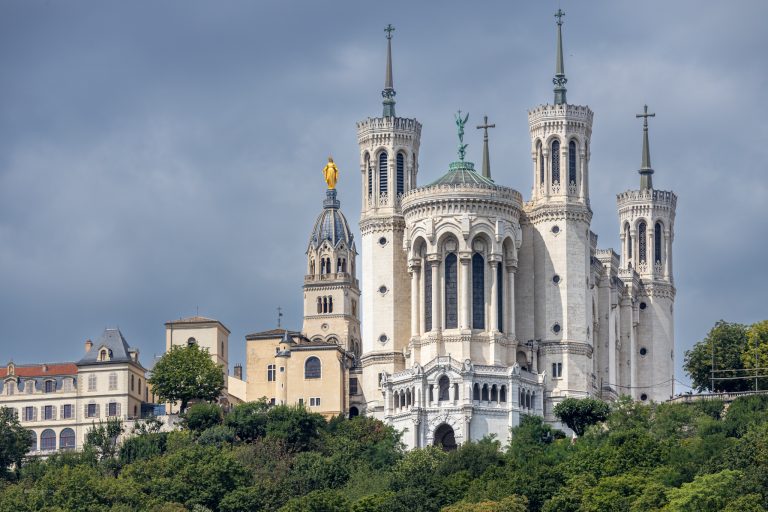
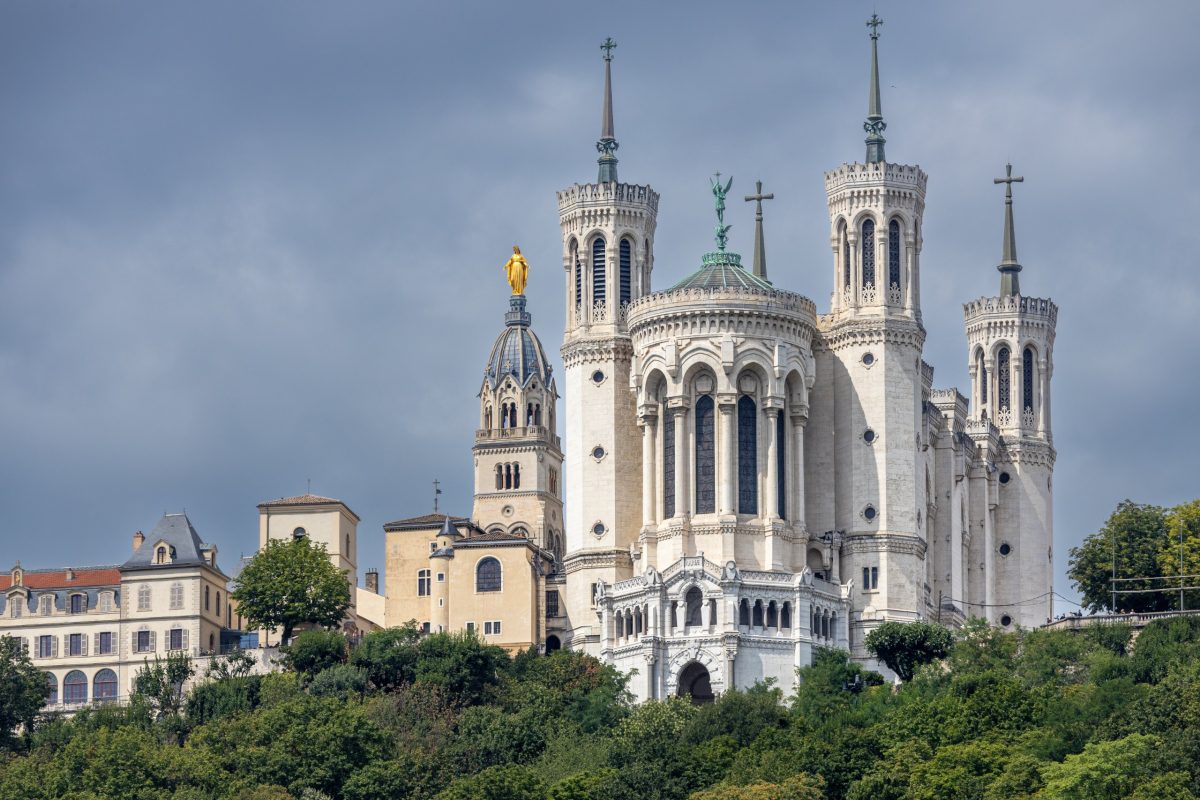
The Basilica of Notre-Dame de Fourvière was built between 1872 and 1896 to designs by Pierre Bossan, fulfilling a vow made in 1870 that the city would build a church to the Virgin if it were spared in the war with Prussia; its four corner towers rise 48 m. Just north of it stands the Metallic Tower, an 85.9-metre lattice tower built for the exhibition of 1894 and used as a transmitter since 1963. On the slope below, the Roman theatre, built around 15 BC, could seat about 10,000 people.
Lyon's Basilica Notre-Dame de Fourviere
Vieux Lyon and Saint-Jean
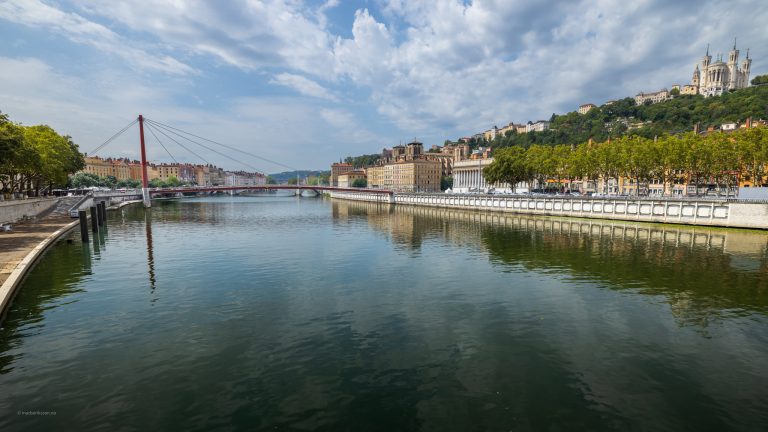
Vieux Lyon, about 24 hectares along the Saône at the foot of Fourvière, is one of the largest Renaissance districts in Europe, and in 1964 it became the first area in France protected under the Malraux law. Saint-Jean Cathedral, begun in 1180 and completed in the late 15th century, has a nave 32.5 m high and an astronomical clock from the 14th century. Traboules, passages through the buildings and their courtyards, link one street to the next.
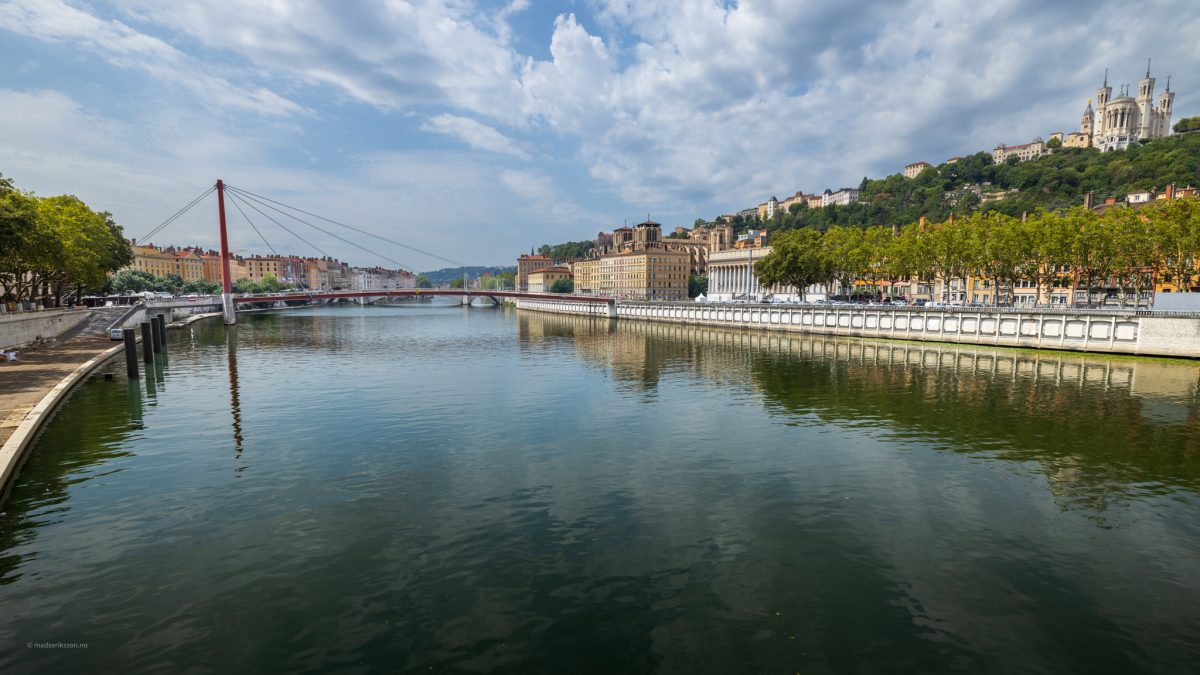
View of the Soane River, Lyon
Place Bellecour and the Presqu'île
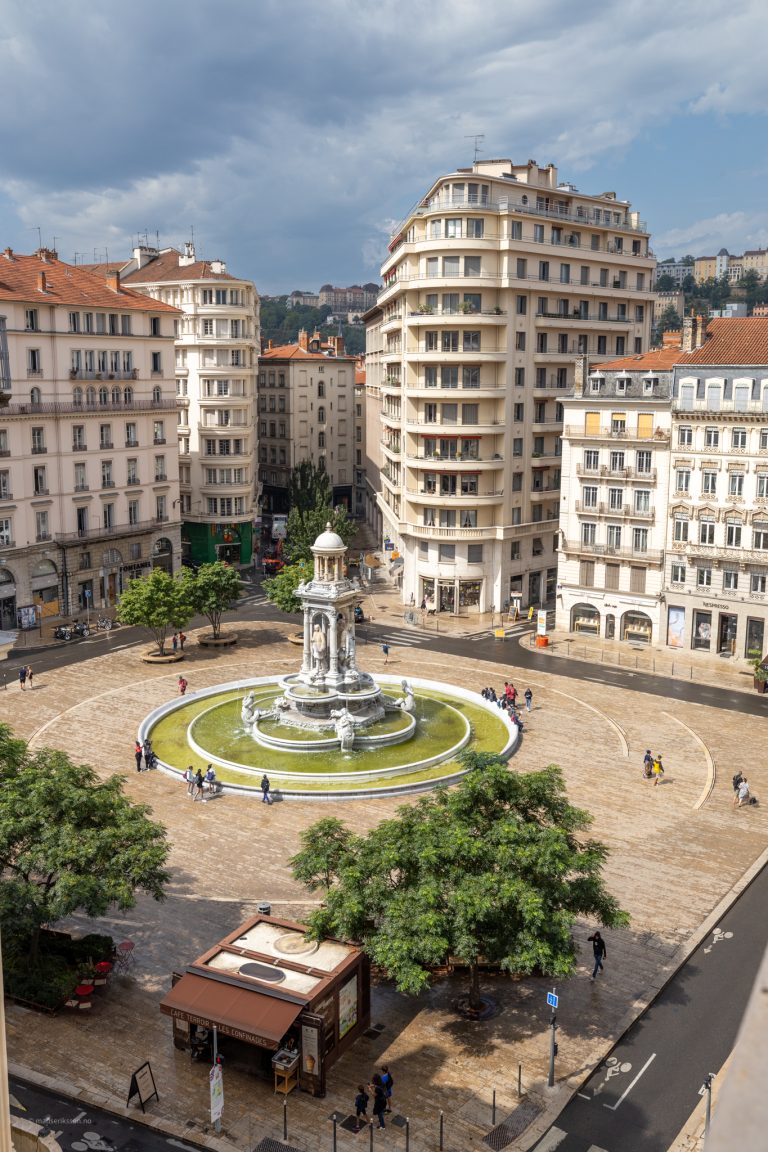
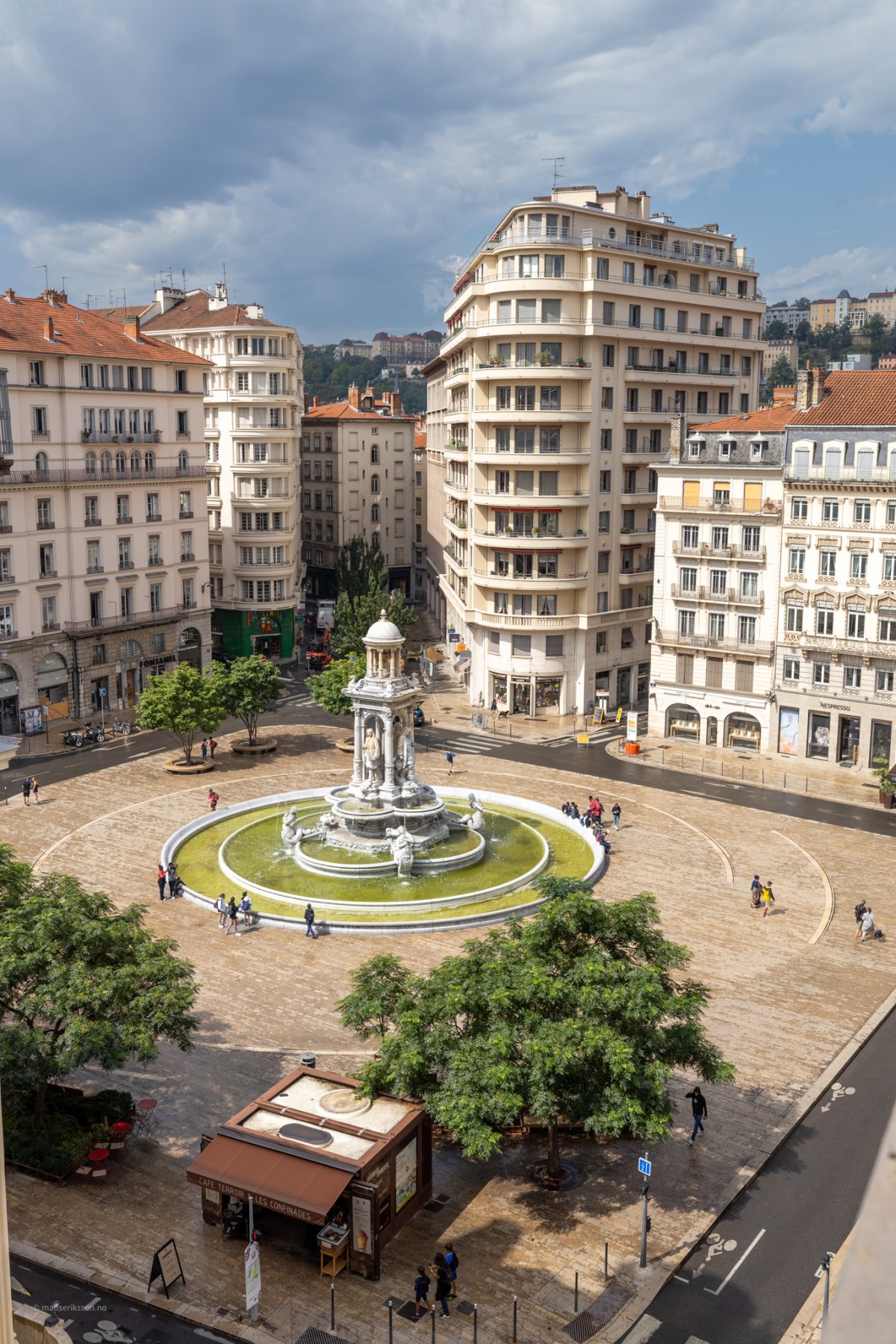
Place Bellecour, 312 by 200 m, is one of the largest open squares in Europe, with an equestrian statue of Louis XIV by François-Frédéric Lemot, installed in 1825 to replace one destroyed in 1793. To the north, the Place des Jacobins and the streets of the Presqu'île are lined with tall 19th-century apartment blocks in pale stone.
Lyon, France
Terreaux and the Croix-Rousse
The Place des Terreaux and the 17th-century Hôtel de Ville lie at the foot of the Croix-Rousse, the 'hill that works'. In the early 19th century the silk workshops moved up its slopes, where tall buildings with high ceilings were built to fit the looms, and by 1833 the city had around 40,000 of them. The weavers, the canuts, rose in revolt in 1831 and again in 1834.
Musée des Confluences
At the southern tip of the Presqu'île, where the Rhône and the Saône meet, the Musée des Confluences opened on 20 December 2014 to designs by Coop Himmelb(l)au. Its building of glass and steel, 44 m high and 150 m long, holds some 2.2 million objects of natural science and anthropology. The Confluence district around it has been rebuilt on former port and rail land.
La Part-Dieu
East of the Rhône, the Part-Dieu business district is the second largest in France after La Défense. Its skyline is led by the Incity tower, completed in 2015, 170 m to the roof and 200 m with its mast, and by the cylindrical 165-metre Tour Part-Dieu, known as 'le Crayon'. Nearby, Les Halles de Lyon Paul Bocuse gather 55 food traders under one roof.
The Festival of Lights
On 8 December 1852, when a storm postponed the inauguration of the gilded statue of the Virgin on Fourvière, the people of Lyon lit candles in their windows anyway. They have done so every year since, and the Fête des Lumières now fills the city's façades, squares and parks with light installations over four nights each December.
3D model © 2026 madseriksson.no · Photographs © madseriksson.no. Buildings and heights: © OpenStreetMap contributors (ODbL), via OpenMapTiles. Ground imagery: Sentinel-2 cloudless 2023 by EOX IT Services GmbH (contains modified Copernicus Sentinel data 2023; CC BY 4.0). Heights are approximate where OpenStreetMap has no measured value; sun positions are approximate.
Lugdunum — The Roman Capital on the Hill That Prays
How a colony for Roman refugees became the capital of Gaul, and how its hill became the city’s place of pilgrimage
Lugdunum was founded in 43 BC by the Roman governor Lucius Munatius Plancus, on the hill of Fourvière above an existing Gallic settlement. Its position, where the Saône and the Rhône opened routes north to the Rhine and south to the Mediterranean, made it the natural centre of Roman Gaul. It became the capital of the province of Gallia Lugdunensis, and in 12 BC the Altar of the Three Gauls was set up there as the centre of the imperial cult for the Gallic provinces. For decades Lugdunum was also the only mint producing gold and silver coin for the whole empire. Two emperors, Claudius and Caracalla, were born in the city.
The most impressive remains of the Roman city are on the slope of Fourvière itself. The great theatre, built around 15 BC beside the hill and enlarged in the early 2nd century to a diameter of 108 metres, could seat around 10,000 people; on summer evenings the theatre is used again for the Nuits de Fourvière festival of music and theatre. Lugdunum was also the scene of one of the first great persecutions of Christians in Gaul: in AD 177, around forty Christians, among them the aged bishop Pothinus, were killed in the city.
The basilica on top of Fourvière was built to keep a promise. In 1870, as Prussian armies advanced through France, the people of Lyon vowed to build a great church to the Virgin if the city was spared. It was, and work began two years later.
The Basilica of Notre-Dame de Fourvière, designed by Pierre Bossan, was built with private donations between 1872 and 1896, and its interior decoration — mosaics, marble and gilding on almost every surface — was only completed in the 1960s. Standing at the top of the hill, it dominates the skyline of the city, and it receives around two million visitors a year. Next to it stands the older chapel, whose bell tower carries the gilded statue of the Virgin by Joseph-Hugues Fabisch, put in place in 1852. The esplanade in front of the basilica is the classic viewpoint over Lyon: the roofs of Vieux Lyon directly below, the Presqu’île and the two rivers, with the Croix-Rousse rising to the north.
Vieux Lyon — A Renaissance Town Between the Hill and the River
Merchants’ houses, Italian bankers, a cathedral with a medieval clock, and passages that run straight through the buildings
At the foot of Fourvière, on a narrow strip of land along the Saône, lies one of the largest Renaissance districts in Europe. Vieux Lyon covers only about 24 hectares, but in the 15th and 16th centuries it was one of the richest places in France. Lyon’s fairs drew merchants from across Europe, and Italian bankers settled in the city and built grand town houses around inner courtyards. The district falls into three quarters: Saint-Paul in the north, where many of the bankers lived; Saint-Jean in the centre, the seat of religious and political power; and Saint-Georges in the south, once home to silk weavers.
At the heart of Saint-Jean stands the cathedral, begun in 1180 and completed three centuries later, which blends Romanesque and Gothic styles. Its archbishop has held the title of Primate of the Gauls since 1079, and inside stands an astronomical clock dating from the 14th century. In 1964 Vieux Lyon became the first area in France to be protected under the new Malraux law on historic districts. It is now part of the UNESCO World Heritage Site.
The traboules are passages that run through the buildings themselves, across courtyards and up stairwells, linking one street to the next. The name comes from the Latin trans-ambulare — to walk through.
The traboules are the great discovery of Vieux Lyon. Seen from the street, they are ordinary doors; behind them, vaulted corridors lead into courtyards with galleries and stair towers and out again onto a parallel street. The first are thought to date back to the 4th century, when residents used them to reach the Saône for water, and later the silk weavers used them to carry cloth between workshops and merchants, sheltered from the rain. Most are on private property, but a number are open to the public during the day in Vieux Lyon and on the Croix-Rousse. Walking them quietly, without disturbing the residents, is the best way to understand how the old town was lived in.
The Croix-Rousse — Silk, Looms and the Hill That Works
How Lyon became the silk capital of Europe, and how the weavers on its northern hill staged some of the first workers’ uprisings of the industrial age
Lyon’s silk industry began with a royal privilege. In 1536 Francis I granted two Piedmontese merchants, Étienne Turquet and Barthélemy Naris, letters patent to establish the weaving of cloth of gold, silver and silk in the city, with tax exemptions for the workers. Over the following centuries Lyon became the leading silk centre in Europe, supplying the royal court and the fashionable world with brocades, damasks and velvets. In the 18th century the workshops moved up from Vieux Lyon to the slopes of the Croix-Rousse, then still a separate commune outside the city’s tolls, which was only annexed to Lyon in 1851.
The buildings of the Croix-Rousse are still shaped by that work. The tall apartment blocks on the slopes have exceptionally high ceilings with exposed wooden beams, built to fit the looms that filled each workshop-home. At the start of the 19th century, Joseph Marie Jacquard developed his loom mechanism in response to an 1801 prize competition: a system of punched cards that allowed one weaver to produce complex patterns that had needed several workers before. By 1833 there were around 40,000 looms in the city. The weavers, known as canuts, were paid by the piece by the silk merchants, and their conditions were hard; in 1831 they rose up.
In November 1831 the silk workers took control of the Croix-Rousse and the Presqu’île, and held them until an army arrived. A second revolt in April 1834 was crushed by the army, with around 300 dead.
The canut revolts of 1831 and 1834 are counted among the first workers’ uprisings of the industrial age, and the Croix-Rousse has kept a proud, independent character ever since. The slopes are threaded with traboules too, most famously the Cour des Voraces, a courtyard linked to the revolts, with the oldest reinforced-concrete stairwell in Lyon. Climbing up through the slopes from the Place des Terreaux, by stairs, lanes and passages, is one of the best walks in Lyon, ending on the plateau among cafes and small shops. Today the hill is one of the liveliest neighbourhoods in the city, and its nickname still holds: if Fourvière is the hill that prays, the Croix-Rousse is the hill that works.
Food, Film and Light — The Lyon of the Table and the Screen
The cooks who made the city’s name, the market hall named after its most famous chef, the factory gate where cinema began, and four nights of light every December
Lyon’s reputation for food was built less by famous chefs than by its cooks. From the 18th and 19th centuries, women who had cooked for the families of the city’s bourgeoisie began to open their own restaurants. These mères lyonnaises created a style of cooking that was generous, precise and built on the produce of the surrounding regions — Bresse poultry, Charolais beef, game from the Dombes. The most celebrated of them, Eugénie Brazier, became in 1933 the first woman to win three Michelin stars. A generation later Paul Bocuse turned Lyonnaise cuisine into a worldwide success. The city’s indoor market, Les Halles de Lyon Paul Bocuse, now bears his name, and its 55 traders are the best introduction to what the city eats.
The everyday face of that tradition is the bouchon: a small, busy restaurant with checked tablecloths, serving the city’s own dishes. A typical menu runs from salade lyonnaise and saucisson brioché to quenelles, andouillette and tablier de sapeur, a breaded and fried tripe, with cervelle de canut — a fresh cheese with herbs named after the silk weavers — and a praline tart to finish. Wine comes in the pot lyonnais, a 46-centilitre bottle. Because the word is used freely, the Lyon chamber of commerce has run a label, Les Bouchons Lyonnais, since 2012 to identify the restaurants that keep to the tradition.
On 8 December 1852, when a storm postponed the inauguration of the golden statue of the Virgin on Fourvière, the people of Lyon lit candles in their windows anyway. They have done so every year since.
Lyon also gave the world cinema. In the Monplaisir district, east of the Rhône, the Lumière family ran a factory making photographic plates, and on 19 March 1895 the brothers Auguste and Louis Lumière filmed their workers leaving through its gates — one of the first films ever made. The family house is now the Institut Lumière, a museum devoted to the brothers that also hosts a film festival every October. At the southern tip of the Presqu’île, the Musée des Confluences, designed by Coop Himmelb(l)au and opened in December 2014, holds some 2.2 million objects of science and anthropology where the two rivers meet. And every December the city celebrates the Fête des Lumières: families still set candles in coloured glasses on their windowsills on the 8th, while light artists transform the facades, squares and parks of the city for four nights. In 2026 the festival runs from 5 to 8 December, and it is free.
«Lyon rewards the visitor who walks. Climb to Fourvière in the late afternoon and sit in the Roman theatre before looking out from the basilica over the two rivers. Go down through the gardens into Vieux Lyon and push open the doors of the traboules. Cross the Saône, walk the Presqu’île, and climb the slopes of the Croix-Rousse through the passages the silk weavers used. Then sit down in a bouchon, order a pot of Beaujolais and a plate of quenelles, and understand why the French take this city’s cooking so seriously. Two thousand years of history, and every chapter still within walking distance.»

More in the same area
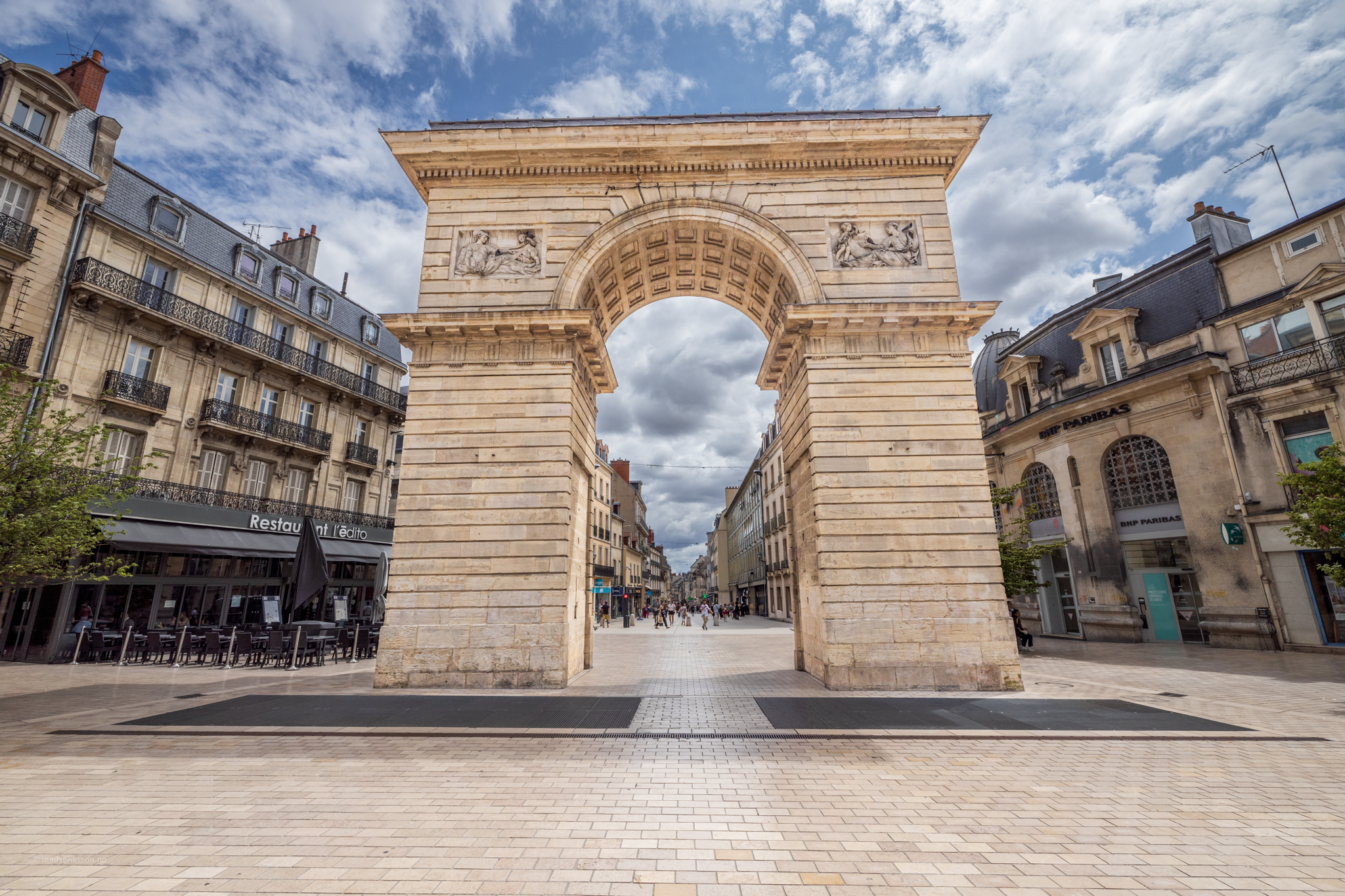 CitiesDijon: The Dukes’ Capital, Its Owl and Its Mustard
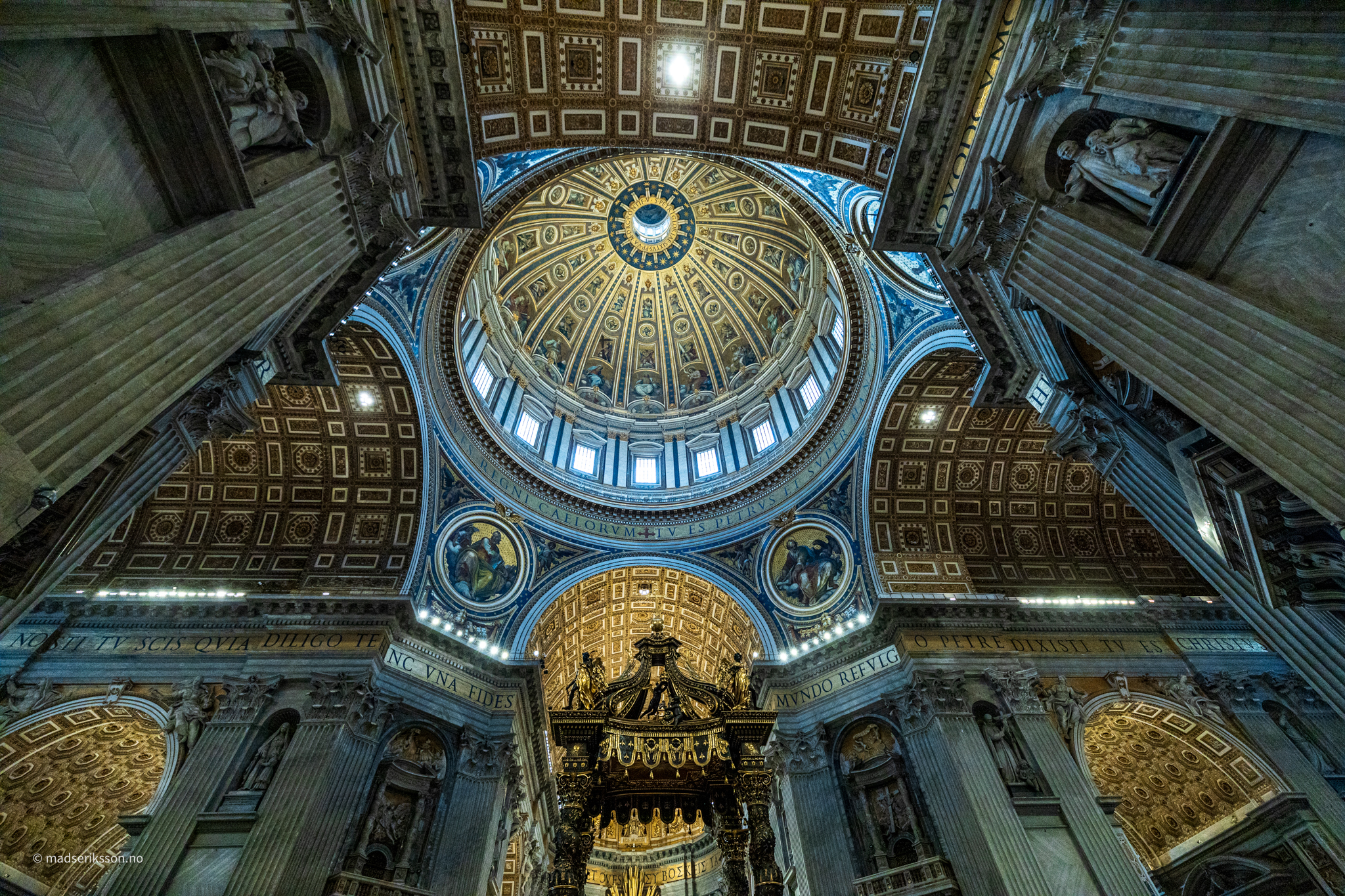 ArchitectureEurope’s 10 Greatest Cathedrals and Churches
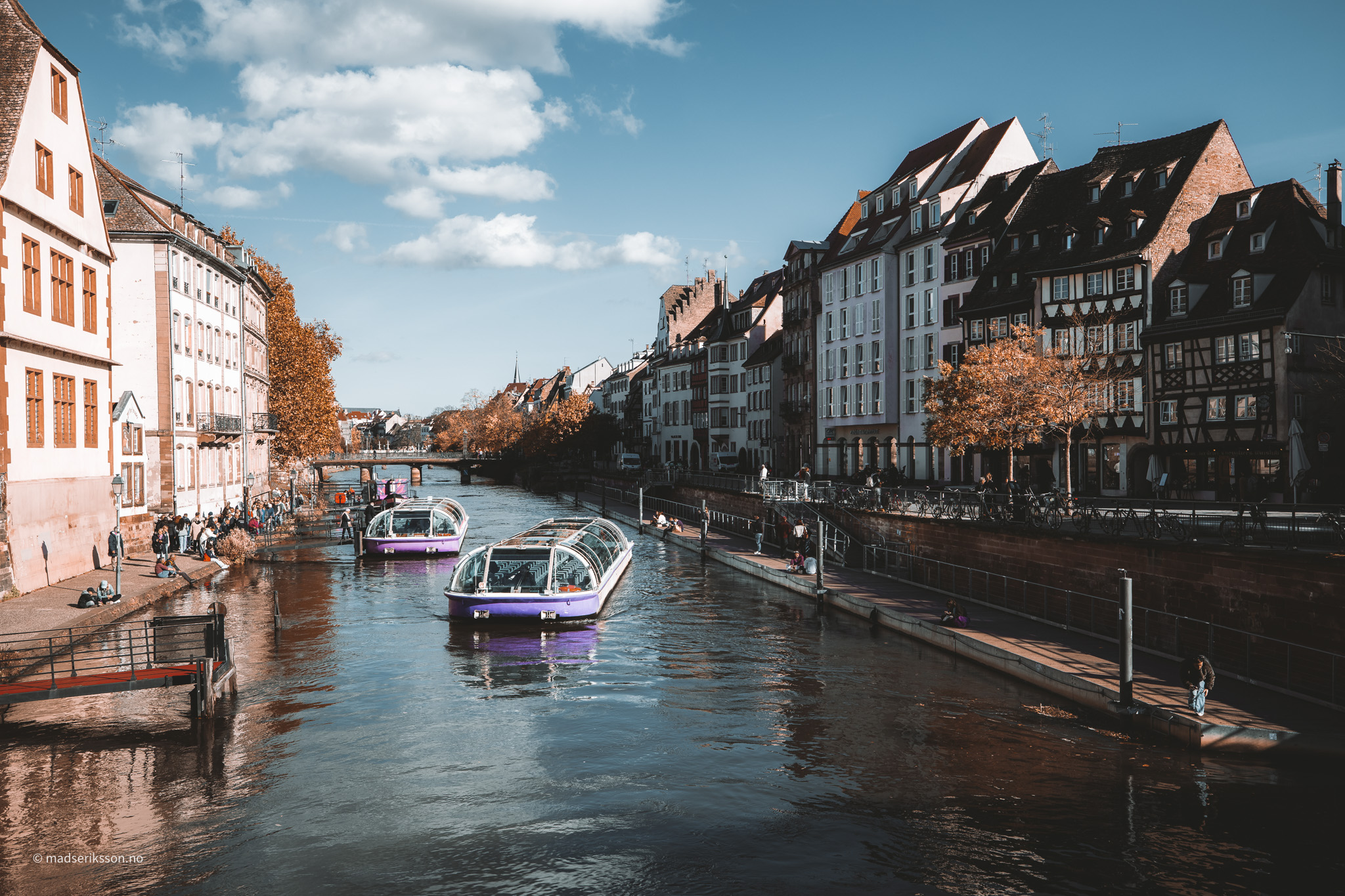 CitiesStrasbourg — The City That Changed Country Five Times and Ended Up Hosting Europe
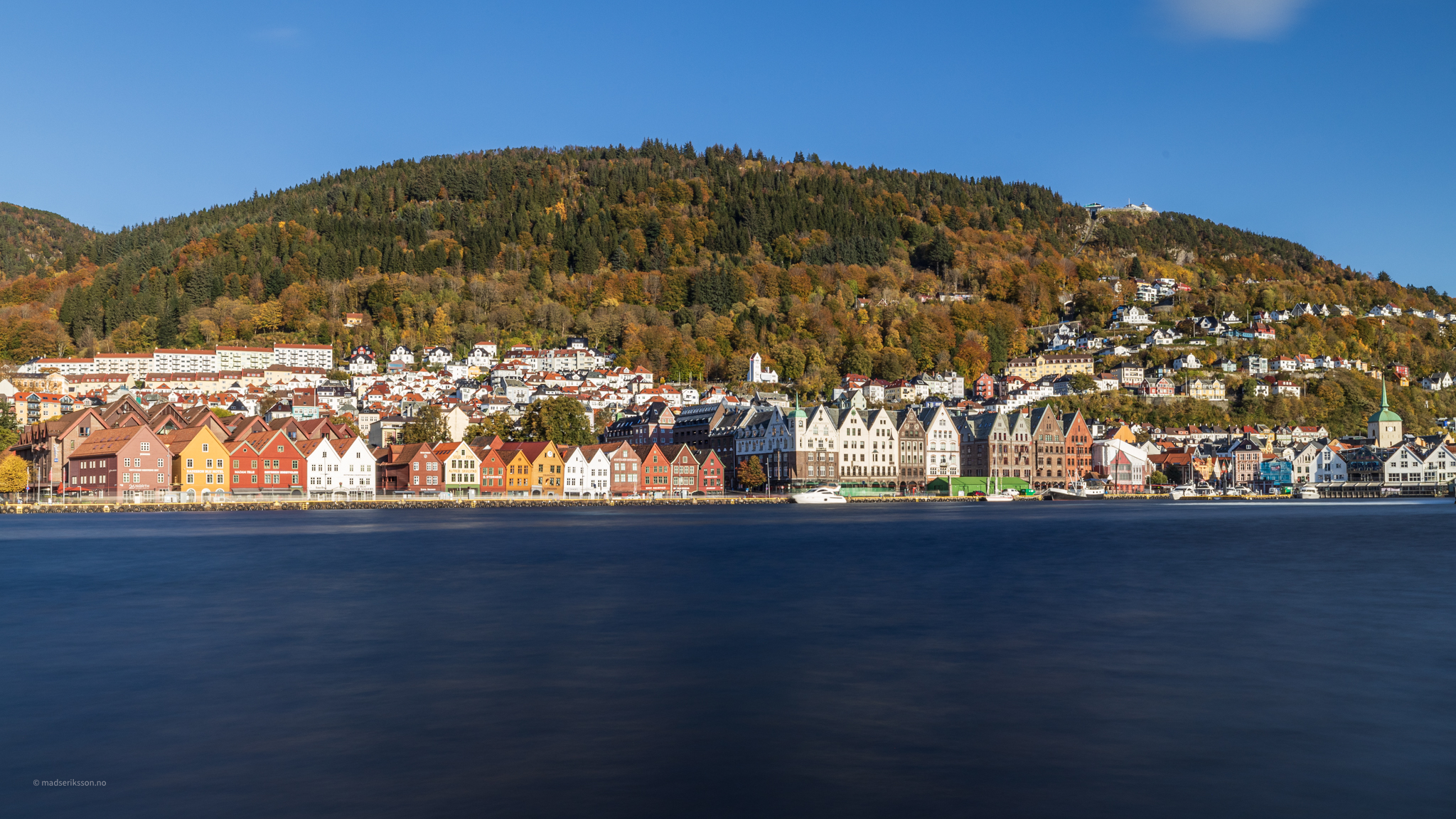 CitiesBergen: The Gateway to the Fjords
 CitiesRøros: Norway’s Copper Town and World Heritage Site
 CitiesNaples: Exploring the Soul of Southern Italy
City Frames · scroll-driven 3D
More cities in three dimensions
54 city guides open with a model built from open map data. Scroll, and the camera moves from landmark to landmark.
Departures · City Frames
Where to next?
| Time | Destination | Country | Status |
|---|
Live · position of the sun
Golden hour, right now
The low, warm light just after sunrise and just before sunset. These are the cities on the site where it is happening at this moment.