San Sebastián — Donostia in Basque — has more Michelin-starred restaurants per capita than any other city in the world, a horseshoe bay that is among the most beautiful in Europe, a pintxos bar culture that constitutes a distinct form of public life, and a language — Euskara, the Basque tongue — that predates all Indo-European migrations into Europe and has no known relationship to any other living language. It also has the most beautiful urban promenade in the north of Spain, two hills flanking the bay whose summits compete for the finest view, a sculptor named Eduardo Chillida who installed three iron combs into the rock where the Atlantic meets the city’s western headland, and a film festival in September that is one of the five most significant in the world. San Sebastián is a small city — 187,000 people — that does everything at a level of quality that cities twenty times its size do not consistently achieve. There is no adequate preparation for it. You simply have to go.

San Sebastián sits at the eastern end of the Bay of Biscay, 20 kilometres from the French border, in the Basque Country — the autonomous community of northern Spain that encompasses Gipuzkoa, Álava and Bizkaia, governed by its own institutions, funded by its own tax system and inhabited by a people whose cultural and linguistic identity is entirely distinct from the Spanish mainstream. The city is the capital of Gipuzkoa province and one of the wealthiest cities in Spain by per capita income: the Basque Country’s fiscal autonomy, which allows it to collect its own taxes and transfer a negotiated sum to the central government rather than the reverse, has produced public services and urban infrastructure of a quality visible in everything from the condition of the streets to the calibre of the public market. San Sebastián is, in physical terms, an extremely well-maintained city. This is not an accident.
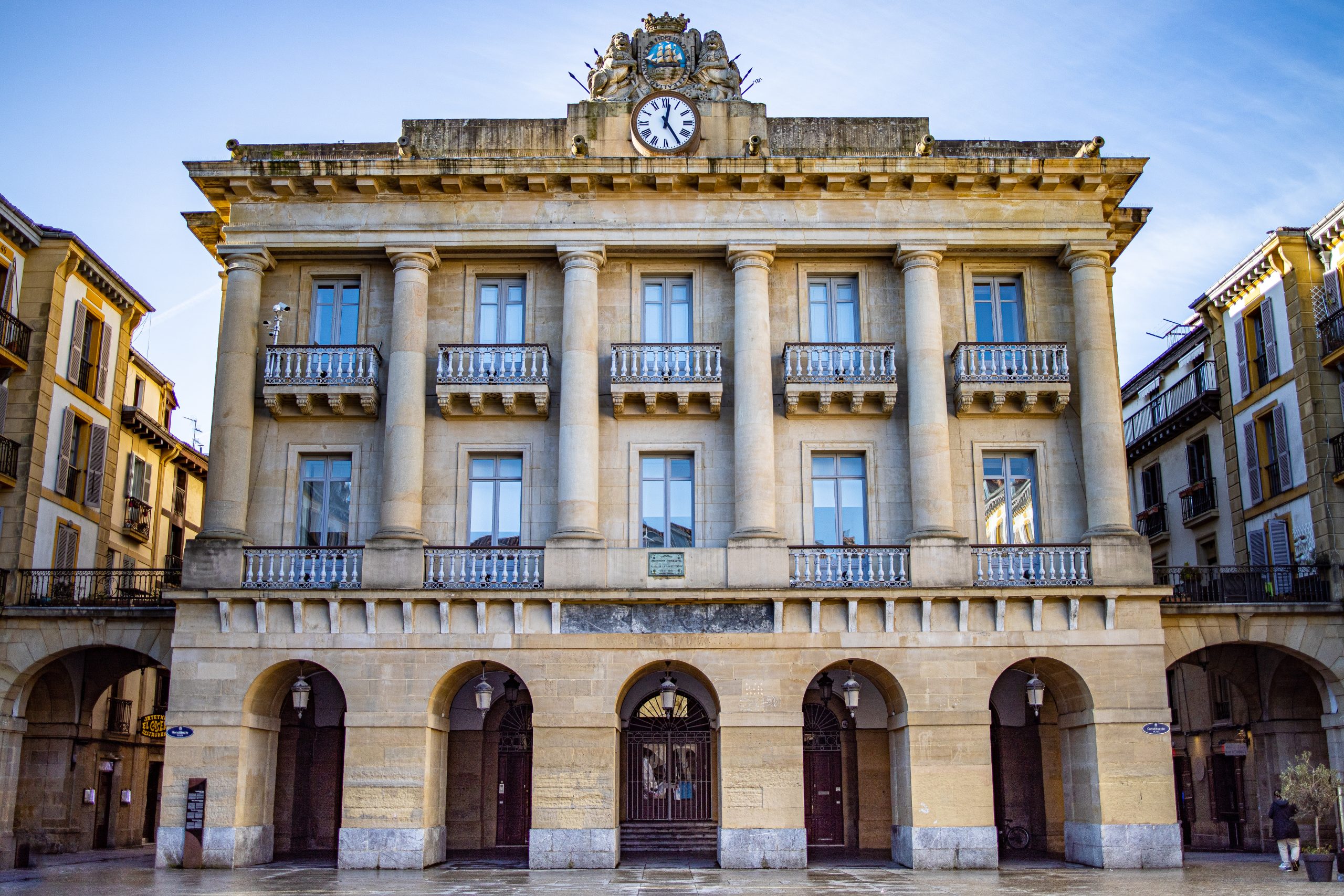
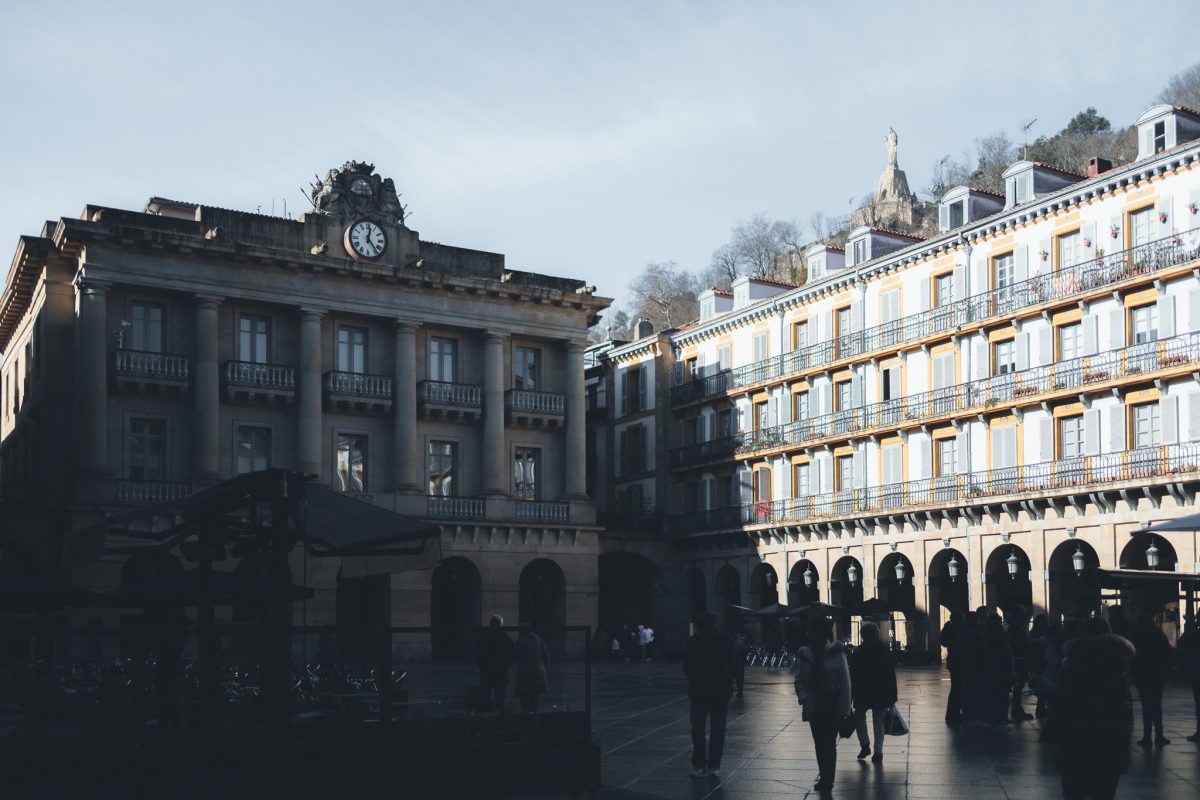
The city was largely destroyed by fire in August 1813, when British and Portuguese troops fighting against Napoleon’s occupation looted and burned the city after a successful assault — an event that San Sebastián remembers with considerable specificity on its anniversary and that shaped the current layout of the Parte Vieja (the Old Town), which was rebuilt on a grid plan after the fire. The Plaza de la Constitución at the heart of the Parte Vieja, with its numbered balconies — the numbers remaining from the period when the plaza served as a bullring and the balconies were sold as viewing boxes — is the most legible reminder that the city was comprehensively redesigned in the early 19th century. The bay, the hills and the geography were always there; everything built in the Old Town is newer than it looks.
How to approach San Sebastián
San Sebastián is a walking city. The historic core, the bay, both hills, the Gros neighbourhood across the river and the Michelin restaurants within the city are all reachable on foot or by a short taxi. Three nights is the minimum that allows the city to reveal its full character: one evening in the pintxos bars of the Parte Vieja, one evening for a serious restaurant meal, and one afternoon on the summit of Monte Igueldo watching the light change over La Concha. The city is served by Bilbao airport (1 hour by bus) and Biarritz airport in France (45 minutes); the train from Madrid takes approximately 5 hours on the Renfe high-speed service.
San Sebastián in 3D
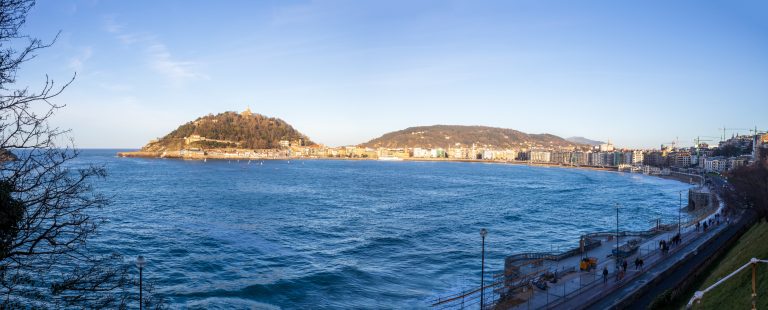
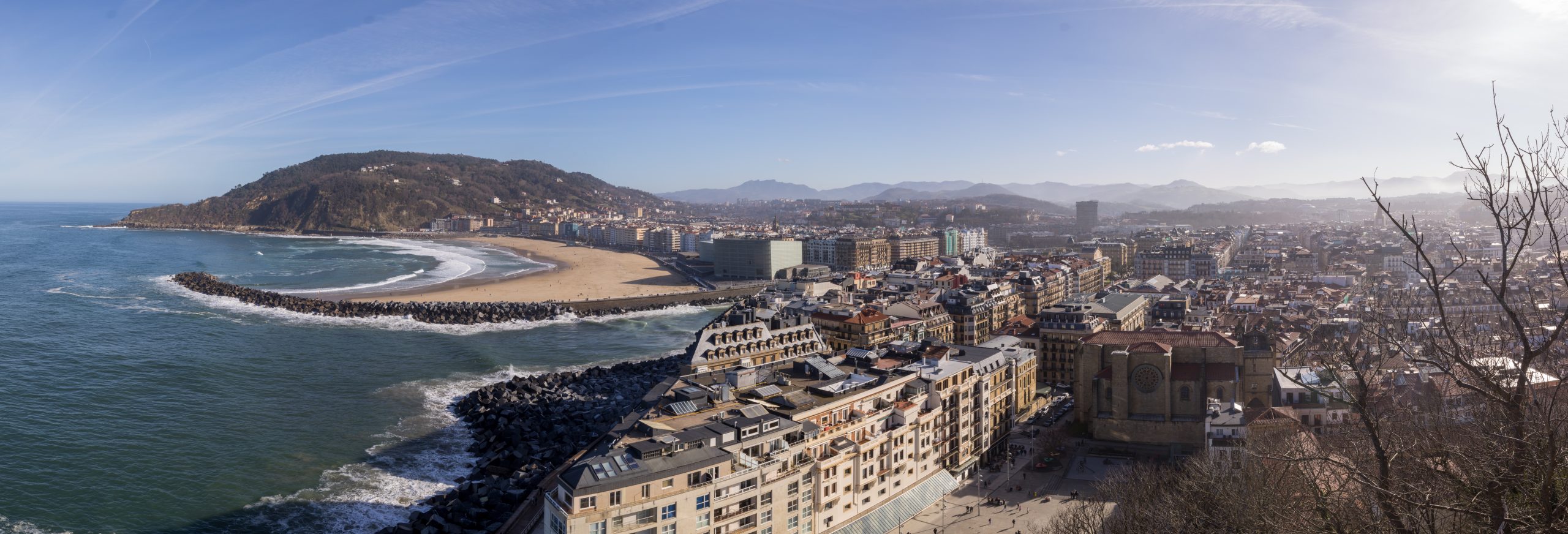
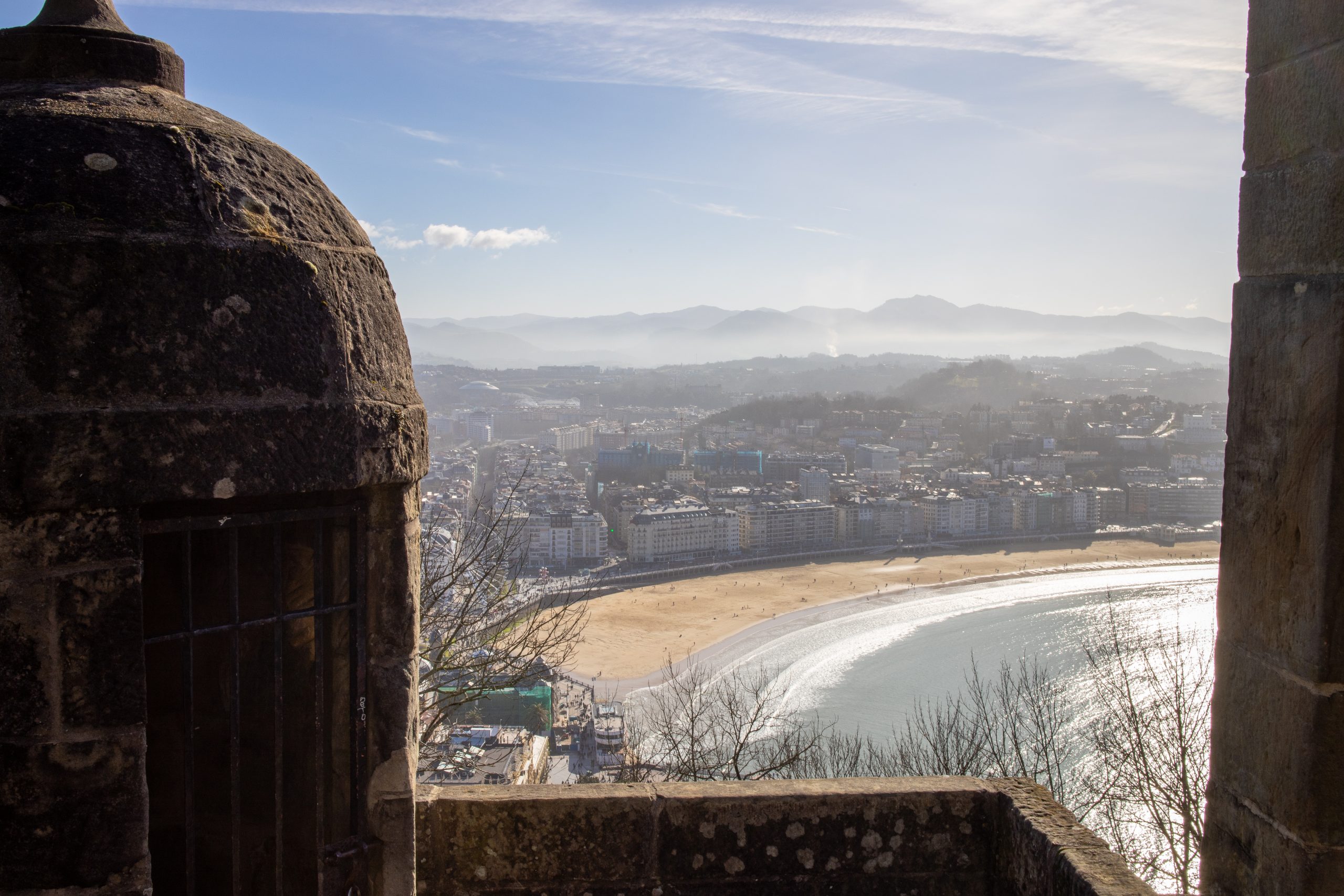
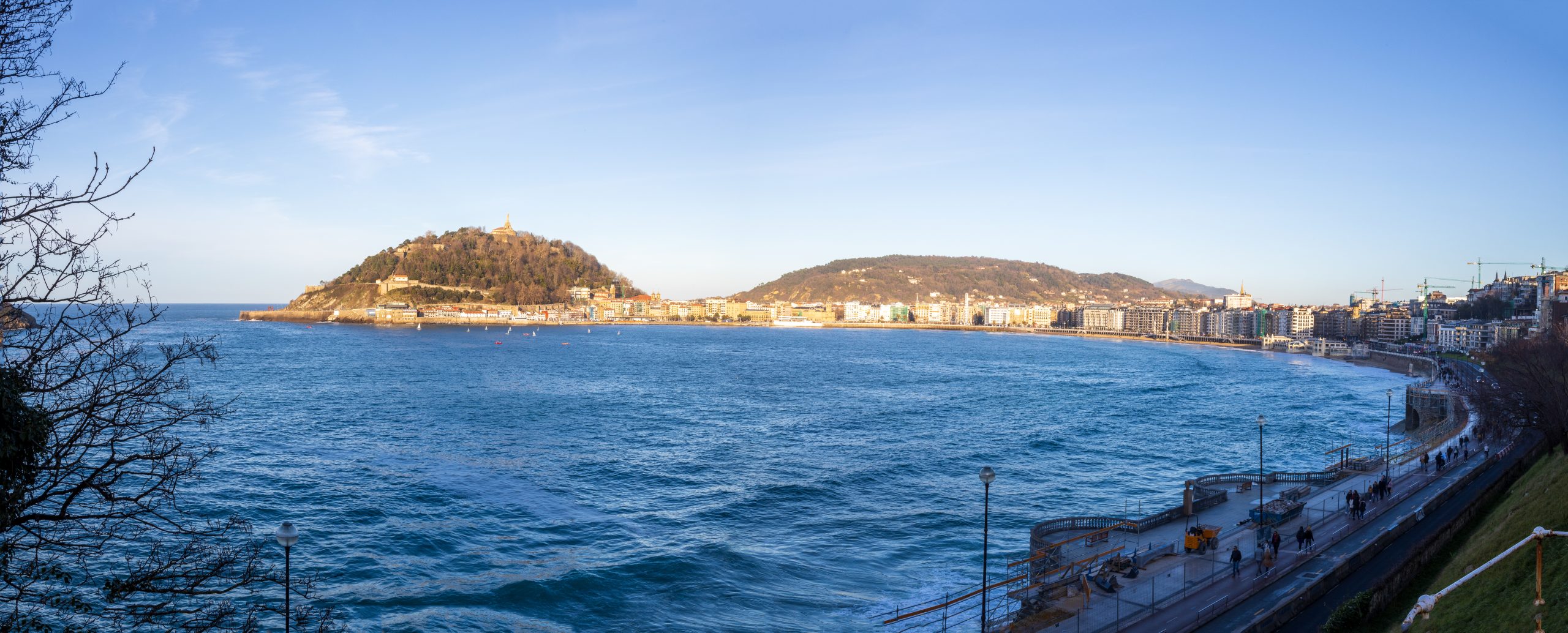
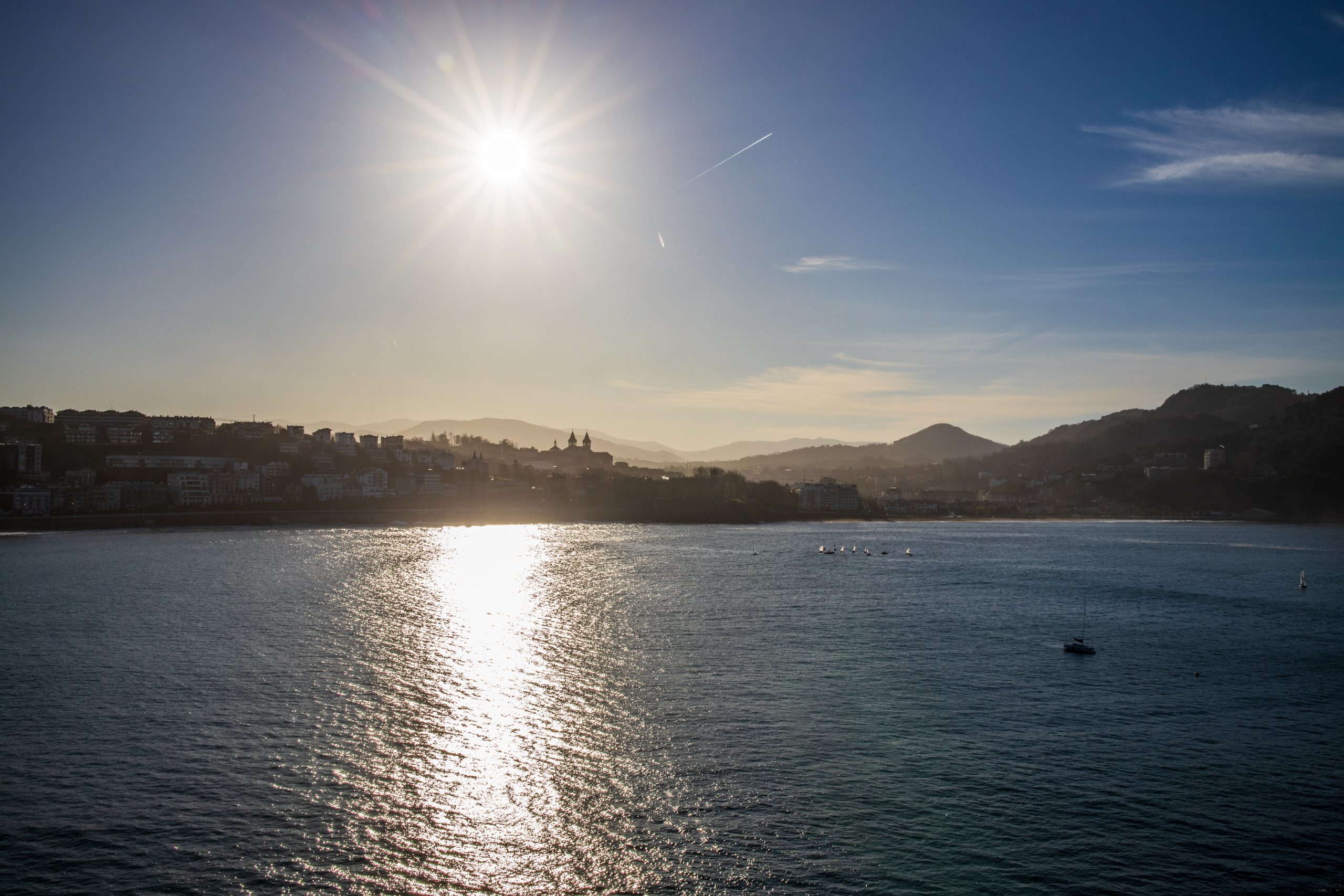
San Sebastián, Donostia in Basque, lies on the Bay of Biscay about 20 km from the French border and is home to around 187,000 people. The city wraps around the horseshoe bay of La Concha, framed by Monte Igueldo to the west and Monte Urgull to the east, with the island of Santa Clara in between. This frame runs from the Peine del Viento to the Kursaal at the mouth of the Urumea.
Panorama across the Bay of La Concha in San Sebastián, with a wooded headland and the town along the shore
Monte Urgull
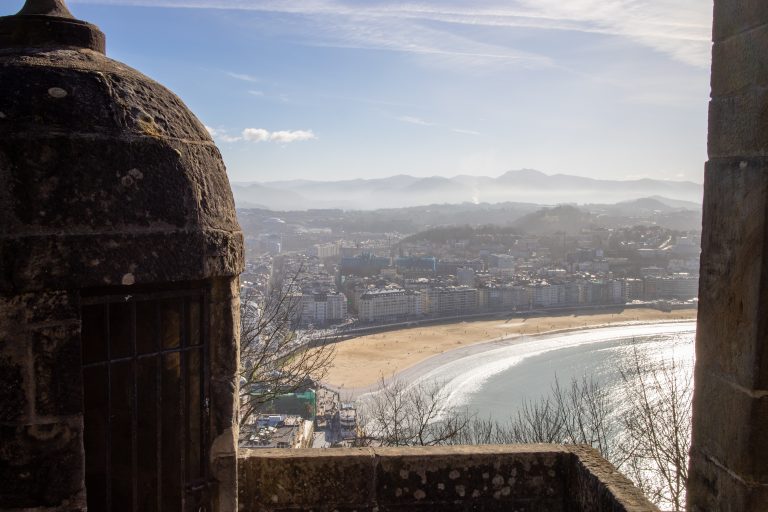
Monte Urgull rises 123 m above the old town and was fortified for centuries; the Castillo de la Mota stands on its summit, reinforced in the 16th century. A large statue of Christ was added in 1950 and looks out over the bay. The walk up from the Parte Vieja takes about 20 minutes.
La Concha beach and the city spread along the bay, seen past an old stone sentry box above San Sebastián
The Parte Vieja
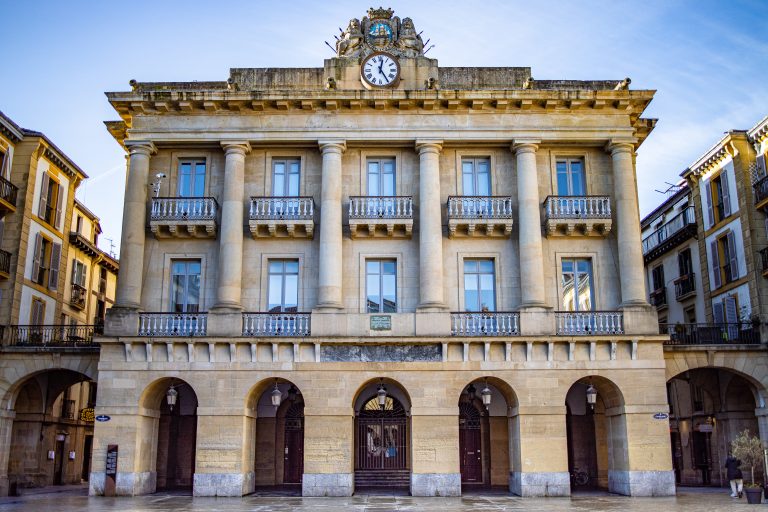
British and Portuguese troops captured the city from the French on 31 August 1813 and then looted and burned it; the Parte Vieja was rebuilt on a grid afterwards. The Plaza de la Constitución at its heart was once a bullring, and its balconies still carry their old box numbers. On the edge of the quarter, the former Gran Casino of 1887 has served as the city hall since 1947.
The Belle Époque façade of the former Gran Casino, now San Sebastián City Hall
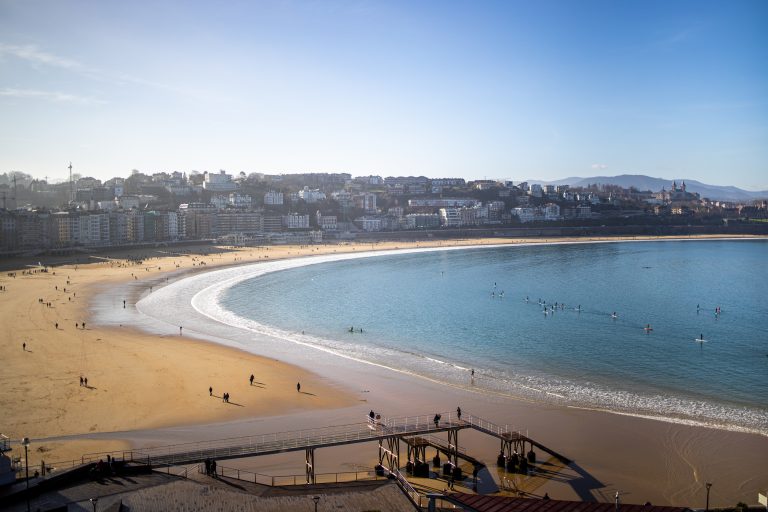
La Concha
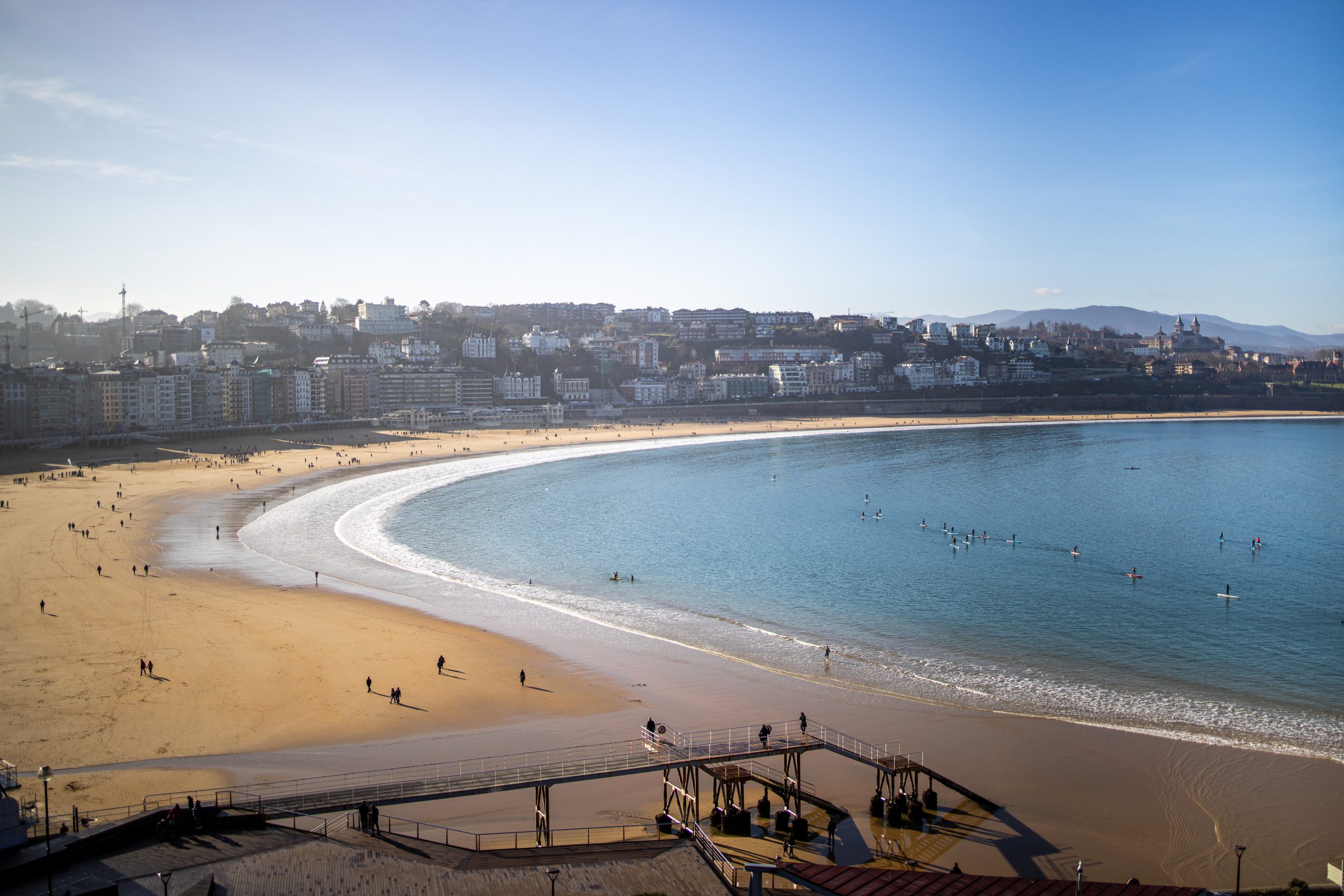
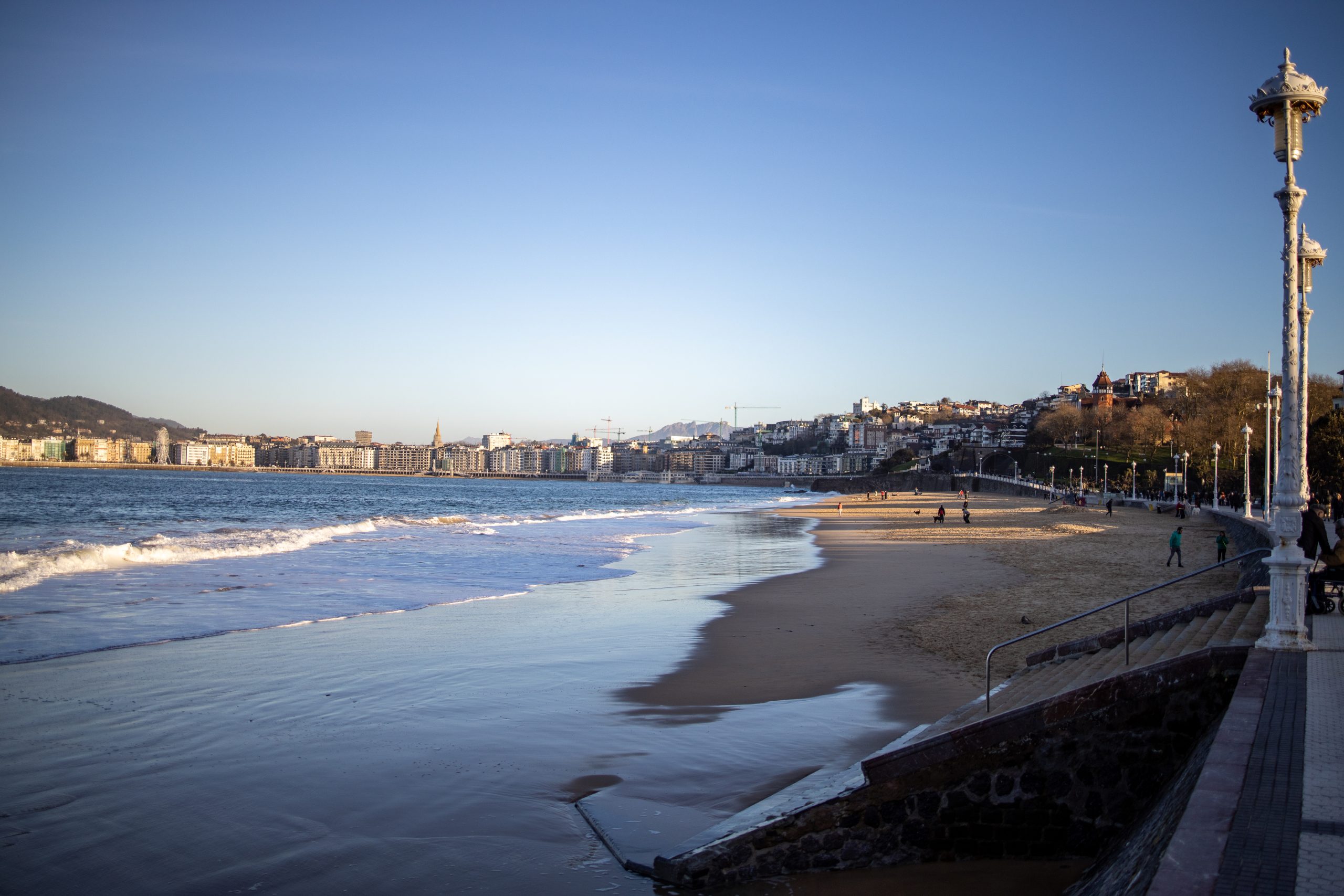
La Concha takes its name from its shell shape: a near-perfect horseshoe sheltered from the open Atlantic between Urgull and Igueldo. The Paseo de la Concha runs above the beach on a white balustrade lined with Belle Époque lamps, a reminder of the decades when the Spanish court summered here.
The curve of La Concha beach, seen from the promenade above the sand in San Sebastián
The Kursaal and the cathedral
Rafael Moneo's Kursaal, inaugurated on 23 August 1999, sets two angled glass cubes at the mouth of the Urumea and is the main venue of the San Sebastián Film Festival. It won the European Union Prize for Contemporary Architecture in 2001. Inland, the neo-Gothic Buen Pastor Cathedral, consecrated in 1897, has a spire 75 m tall.
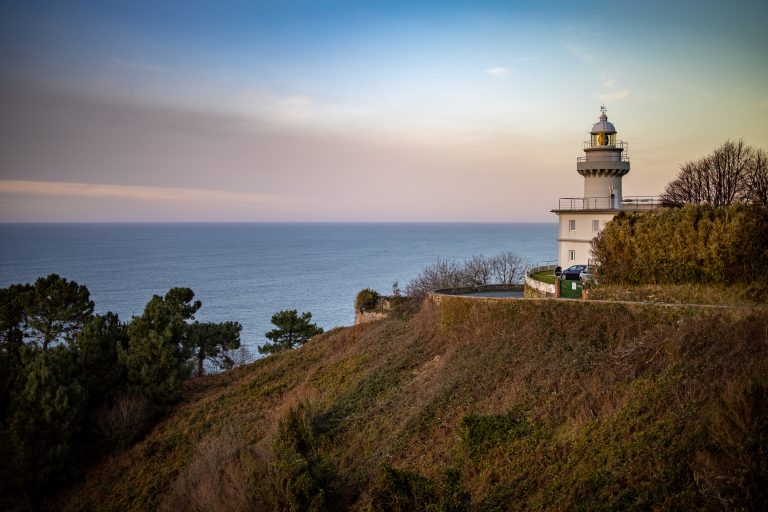
Igueldo and the Comb of the Wind
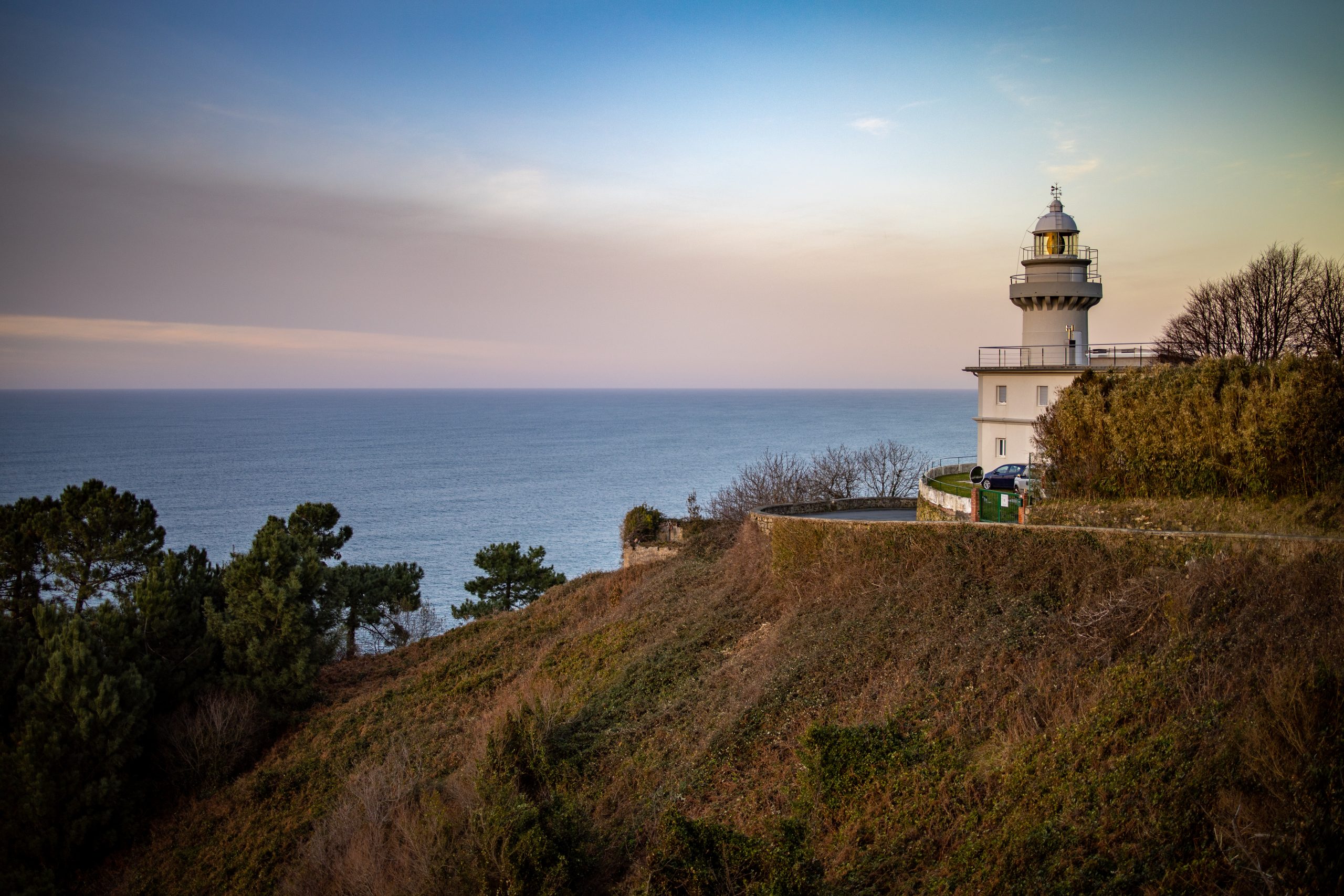
The funicular up Monte Igueldo opened on 25 August 1912, together with the amusement park on the summit, and the view from the top takes in the whole bay. At the foot of the hill, Eduardo Chillida's Peine del Viento, three steel sculptures of about 10 tonnes each, has been anchored to the rocks since 1977 in a setting designed by Luis Peña Ganchegui.
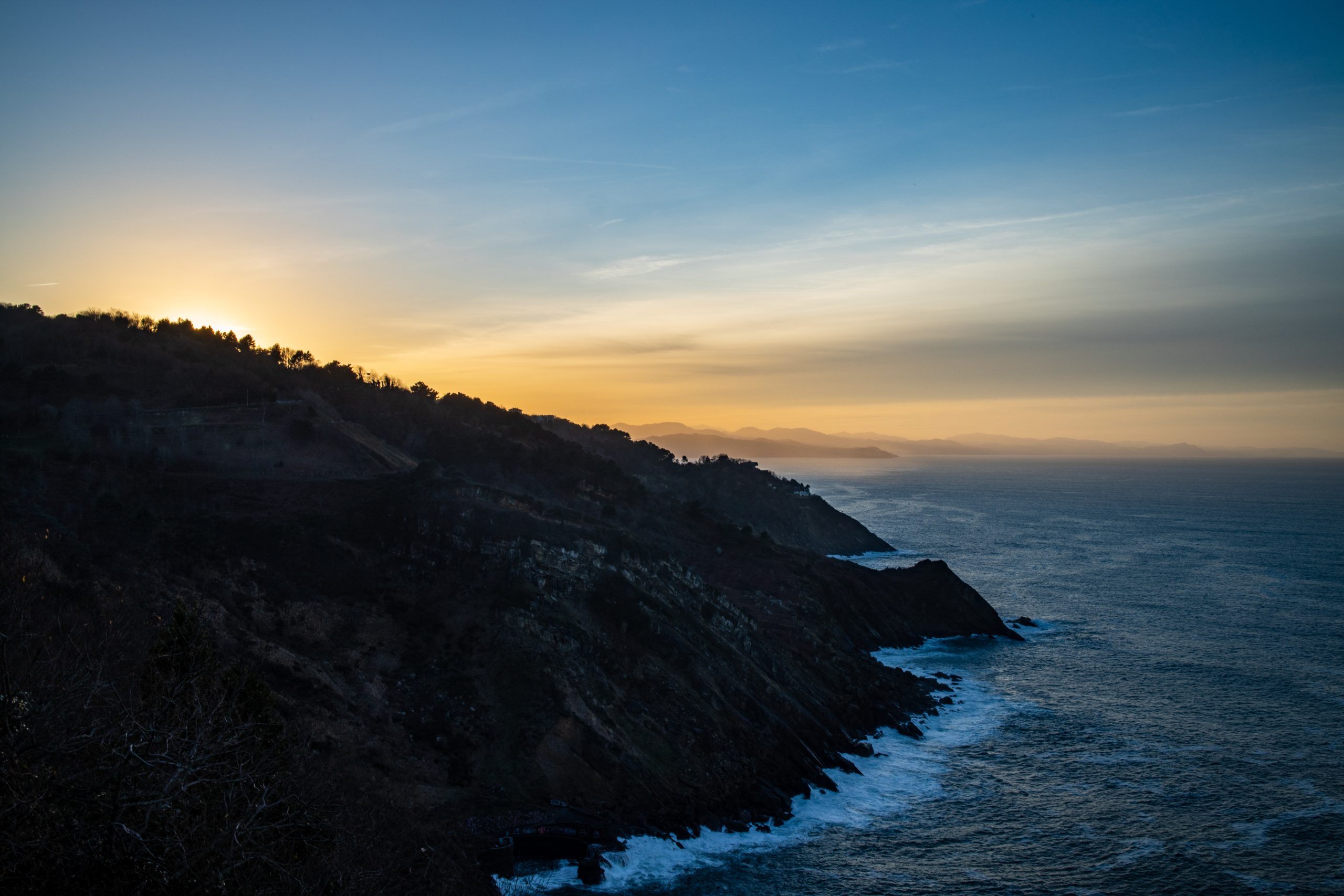
The lighthouse on Monte Igueldo above the Bay of Biscay at the western edge of San Sebastián
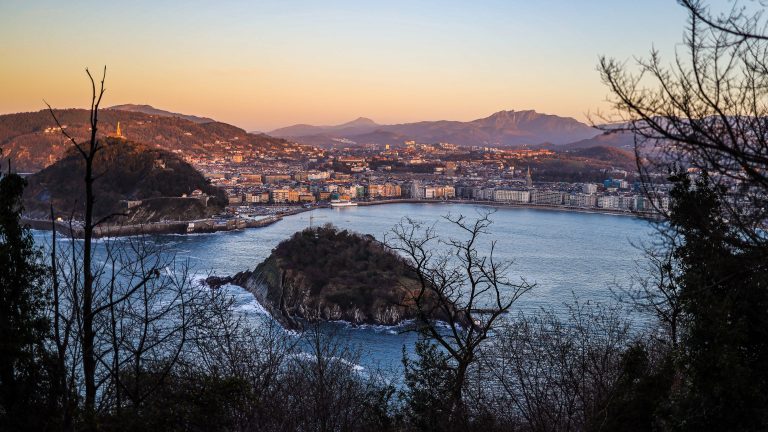
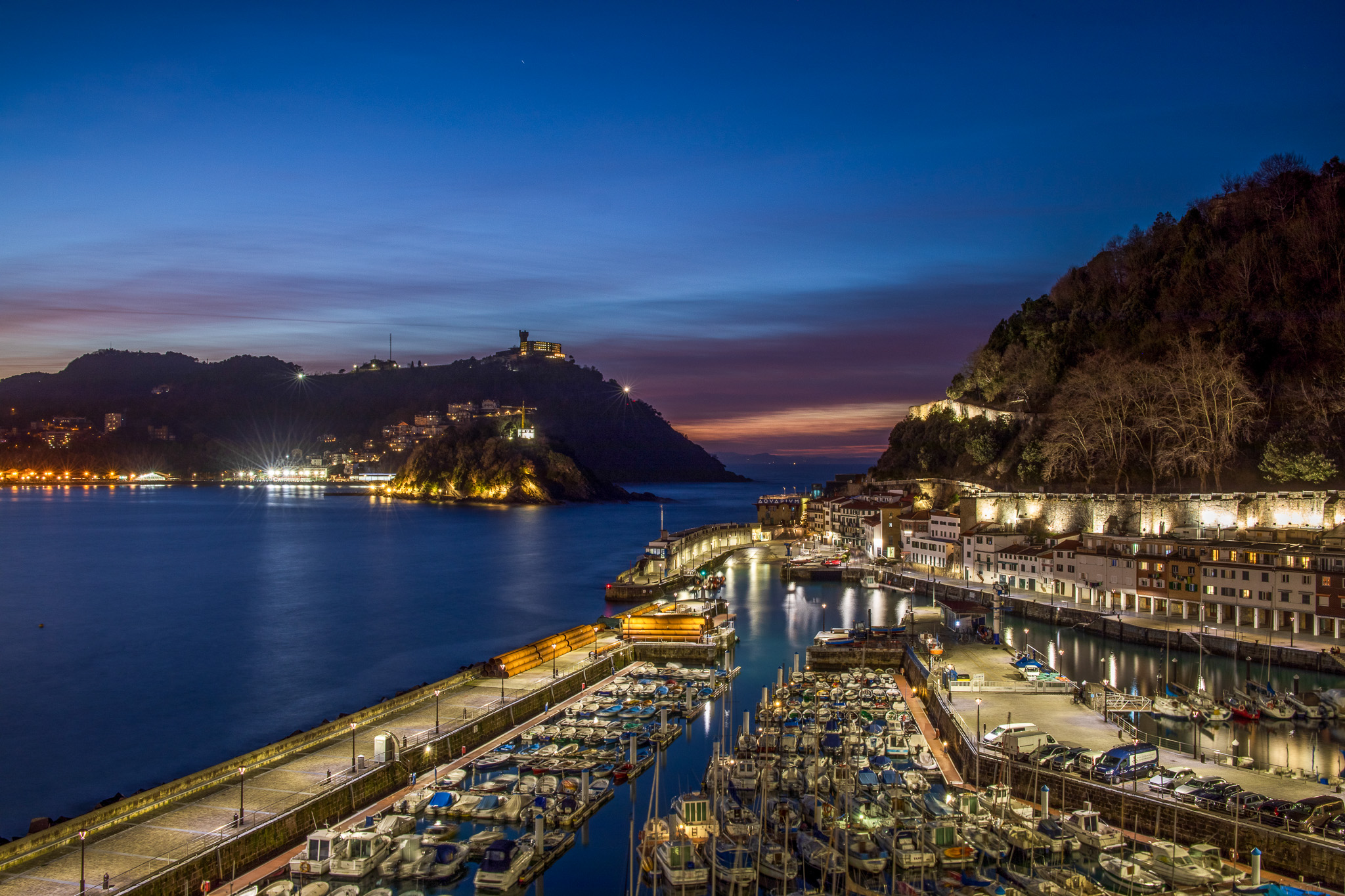
The bay at dusk
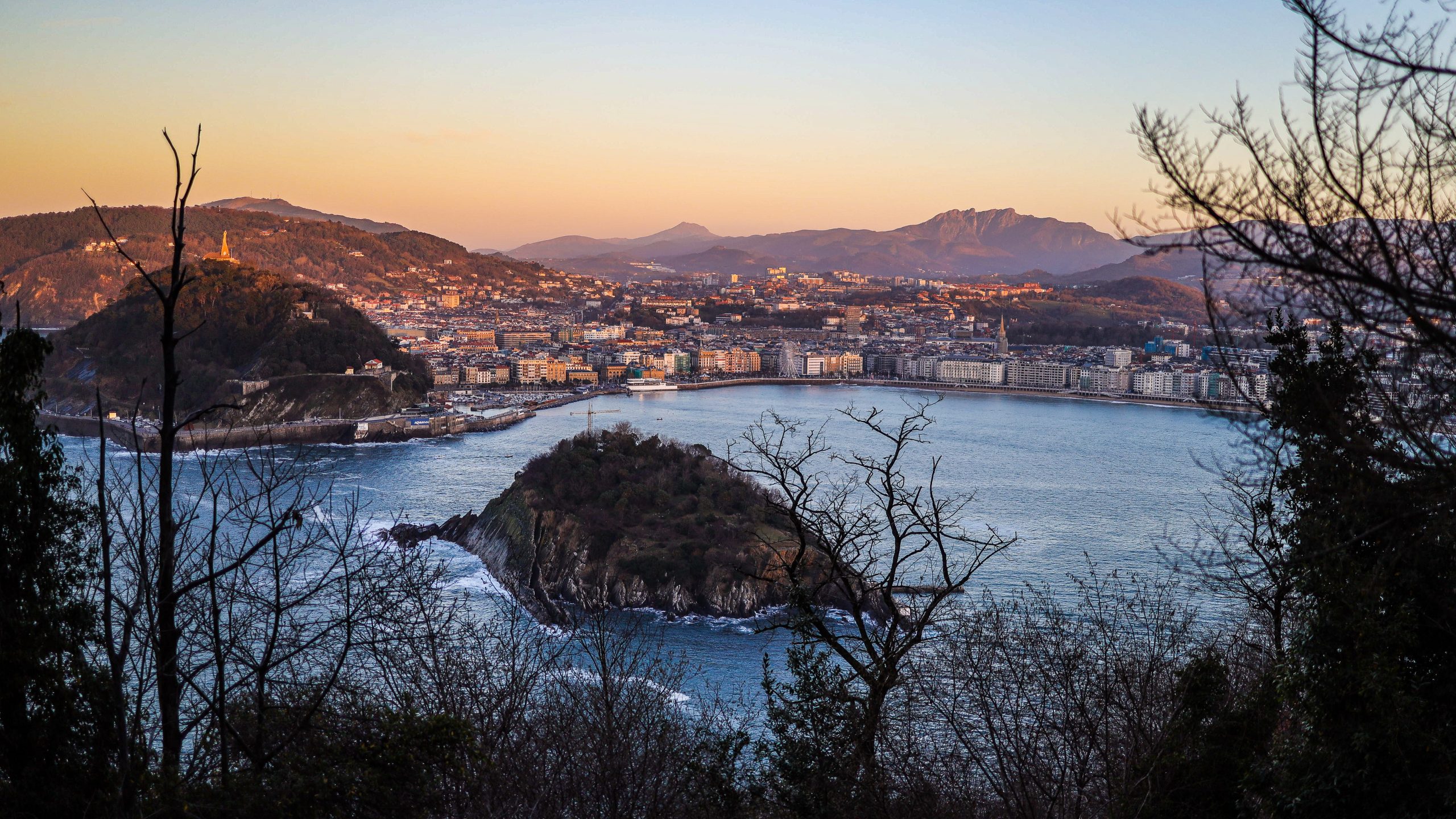
Santa Clara sits near the mouth of the bay, and in summer boats run out to it from the harbour beneath Urgull. At dusk the lights come on along the fishing quays, and Igueldo turns into a dark outline against the western sky.
Santa Clara Island in the middle of the Bay of La Concha at dusk, with San Sebastián spread around the shore
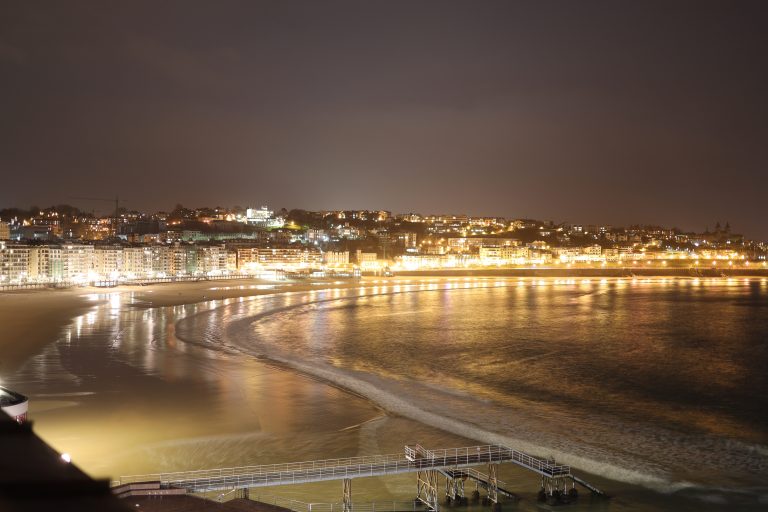
La Concha after dark
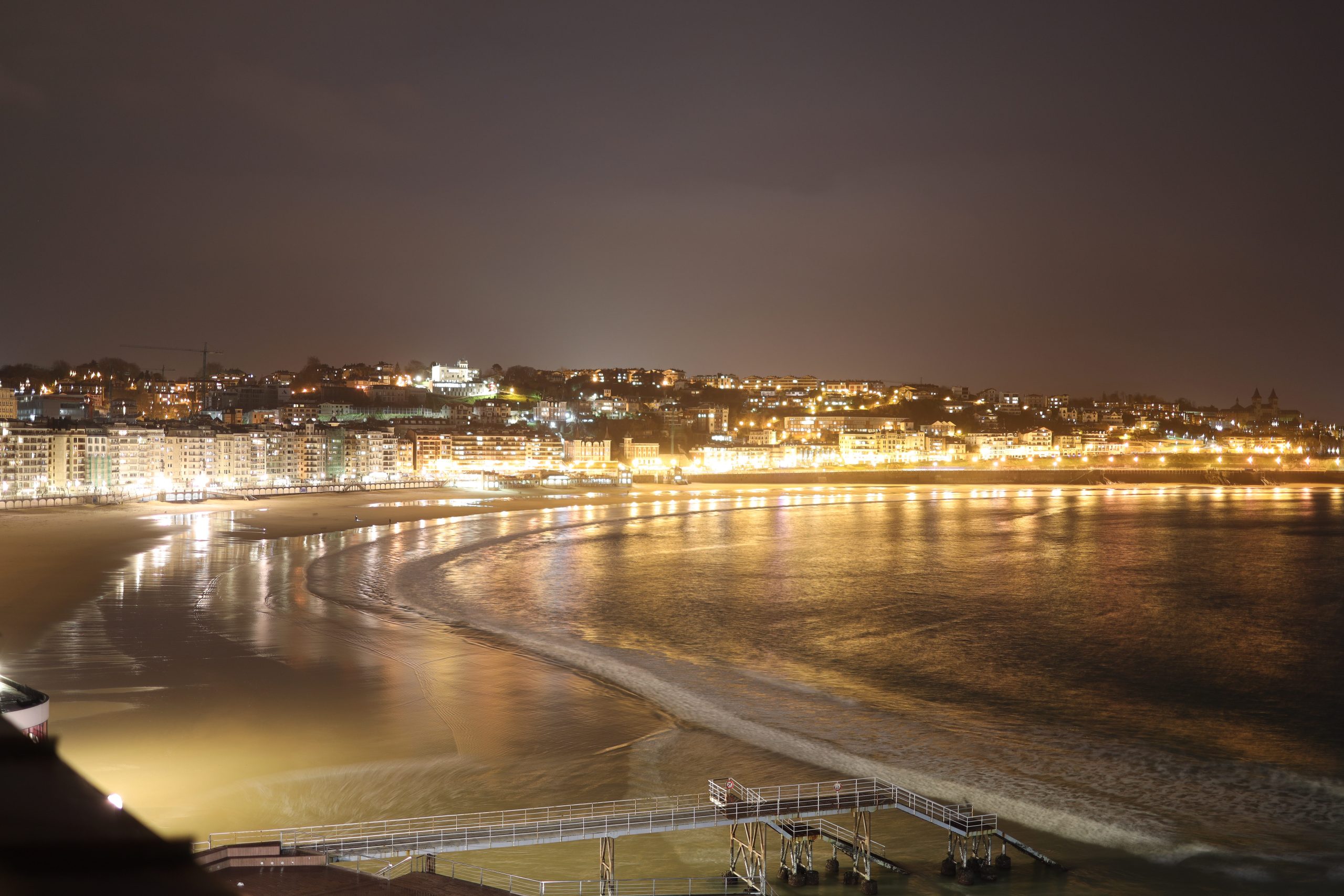
After dark the lamps of the Paseo de la Concha trace the curve of the bay, and the pintxos bars of the Parte Vieja fill from about seven in the evening. The city has more Michelin-starred restaurants per capita than almost anywhere in the world.
The curve of La Concha beach and the lights of San Sebastián reflected on wet sand at night
3D model © 2026 madseriksson.no · Photographs © madseriksson.no. Buildings and heights: © OpenStreetMap contributors (ODbL), via OpenMapTiles. Ground imagery: Sentinel-2 cloudless 2023 by EOX IT Services GmbH (contains modified Copernicus Sentinel data 2023; CC BY 4.0). Heights are approximate where OpenStreetMap has no measured value; sun positions are approximate.
La Concha — The Bay That Everything Else in the City Is Organised Around
A perfect horseshoe of green hills, silver sand and Atlantic water, framed by Monte Urgull to the east and Monte Igueldo to the west, with the island of Santa Clara in its centre and Eduardo Chillida’s iron Combs of the Wind anchored into the western headland where the ocean ends — the most beautiful urban bay in northern Europe and the reason San Sebastián is what it is
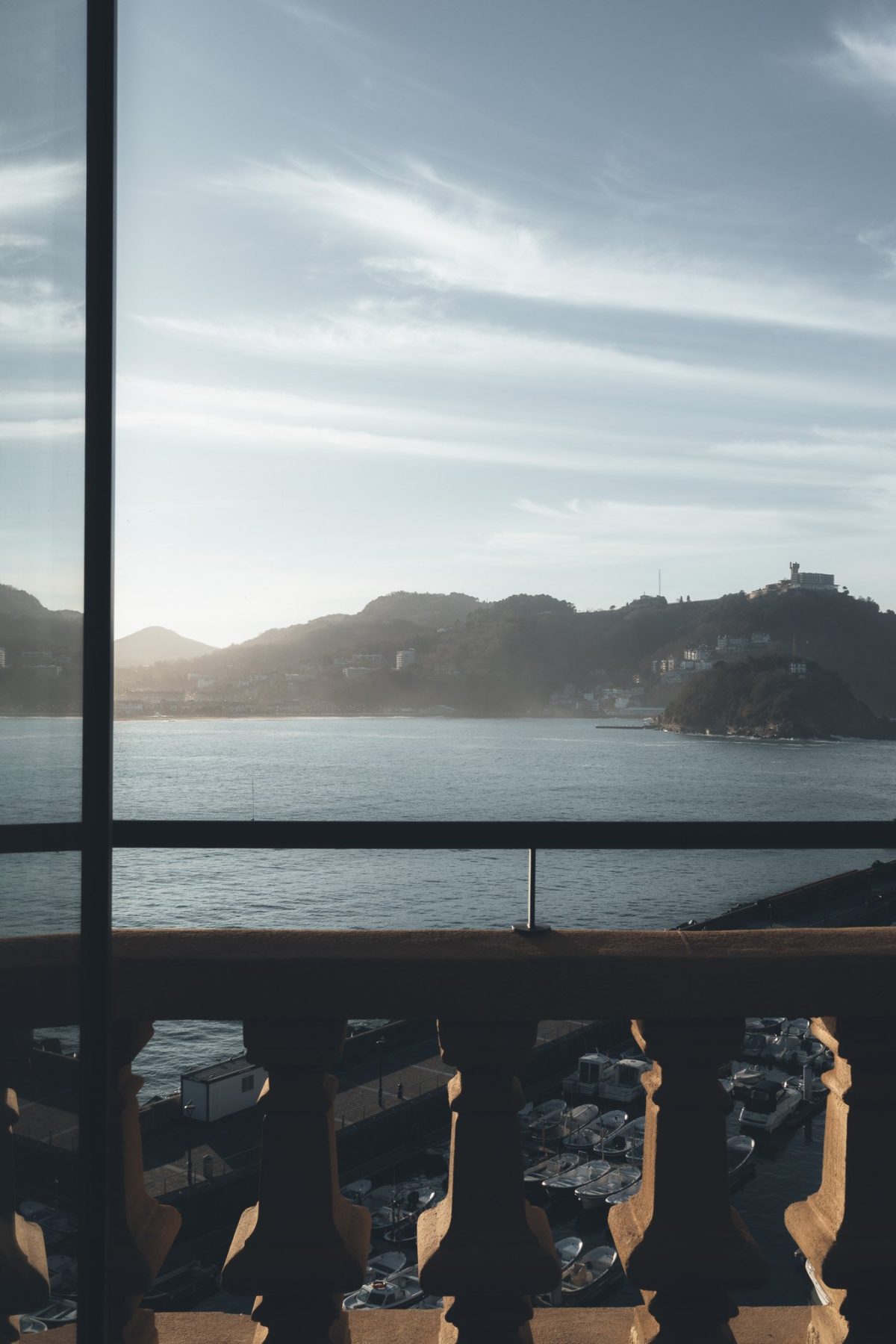
La Concha — the Shell — is named for its shape: a near-perfect horseshoe of approximately 1.8 kilometres, sheltered from the open Atlantic by the bulk of Monte Urgull to the east and Monte Igueldo to the west, with the island of Santa Clara sitting in the centre of the bay like a punctuation mark. The beach that lines the inner arc of the bay, the Paseo de la Concha that runs above it, and the two hills that frame it constitute the defining geography of the city and the reason for its character: San Sebastián is a city organised around a bay that is too beautiful to ignore, and its public life — the morning swimmers, the evening walkers, the restaurant terraces facing the water, the festivals on the sand — reflects a collective awareness of where it lives. The Paseo de la Concha, running the full length of the bay from the old town end to the foot of Monte Igueldo, is one of the finest urban promenades in Spain: wide enough for competing directions of pedestrian traffic, raised above the beach on a stone balustrade from which the view of the bay is continuous, lined with the ornate street furniture of the Belle Époque period when San Sebastián was a fashionable resort for the Spanish royal family and the court.
Monte Urgull, rising 123 metres from the eastern end of the bay directly above the Parte Vieja, is accessible on foot from the old town and topped by the Castillo de la Mota — the medieval fortress that successive governments used and modified — and a large statue of Christ (the Sagrado Corazón) visible from the bay. The walk up takes 20 minutes; the summit gives the best view over the Parte Vieja, the bay and the Kursaal at the mouth of the Urumea River. Monte Igueldo, at the western end, reaches 181 metres and is accessible by a funicular railway built in 1912; its summit platform has an old amusement park (also 1912, in continuous operation) and the most famous panoramic view in San Sebastián: the full horseshoe of La Concha laid out below, the city visible in its entirety, the Atlantic extending to the north and west. At the foot of Monte Igueldo, where the sea meets the headland, Eduardo Chillida installed the three iron sculptures of Peine del Viento (Comb of the Wind) in 1977 after 20 years of design work: three massive abstract forms anchored directly into the rock, positioned so that the Atlantic waves break around and through them at every tide, producing sounds and spray that change with the sea state. In storm conditions the sculptures disappear in spray; in calm weather they sit in the water with a stillness that, given the scale of the Atlantic around them, reads as a very specific kind of Basque confidence.
The best view of La Concha is not from the beach but from the summit of Monte Igueldo, looking down and east as the afternoon light moves across the bay. The horseshoe geometry becomes fully legible: the old town on its peninsula, the island in the centre, the hills framing both ends, the city filling the space between them. San Sebastián from this height looks exactly like a city that knows what it has and has built itself accordingly. It is difficult to look at the bay from this angle and not understand why the quality of everything at sea level is what it is.
The Parte Vieja — The Bar Culture That Constitutes a Form of Public Life
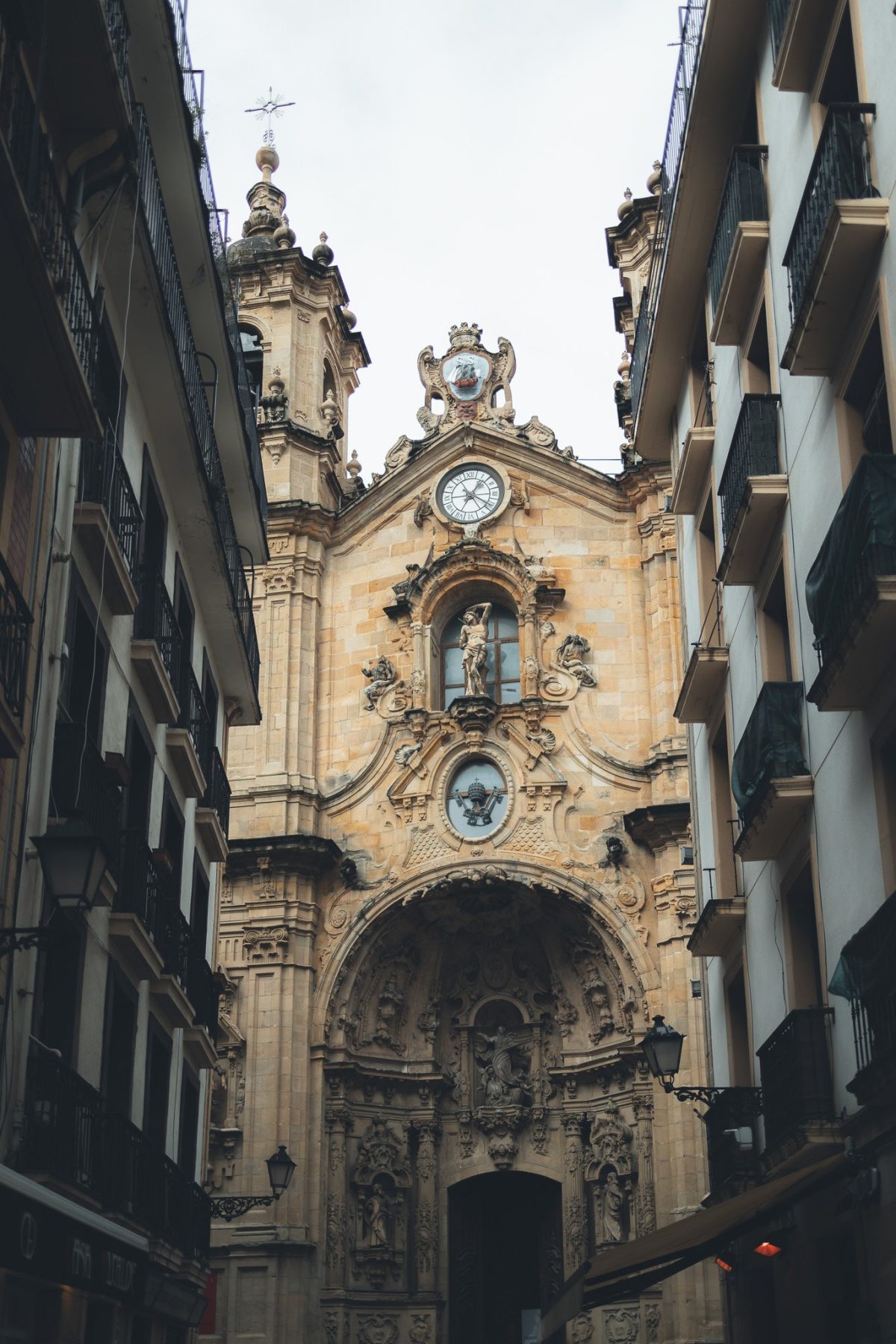
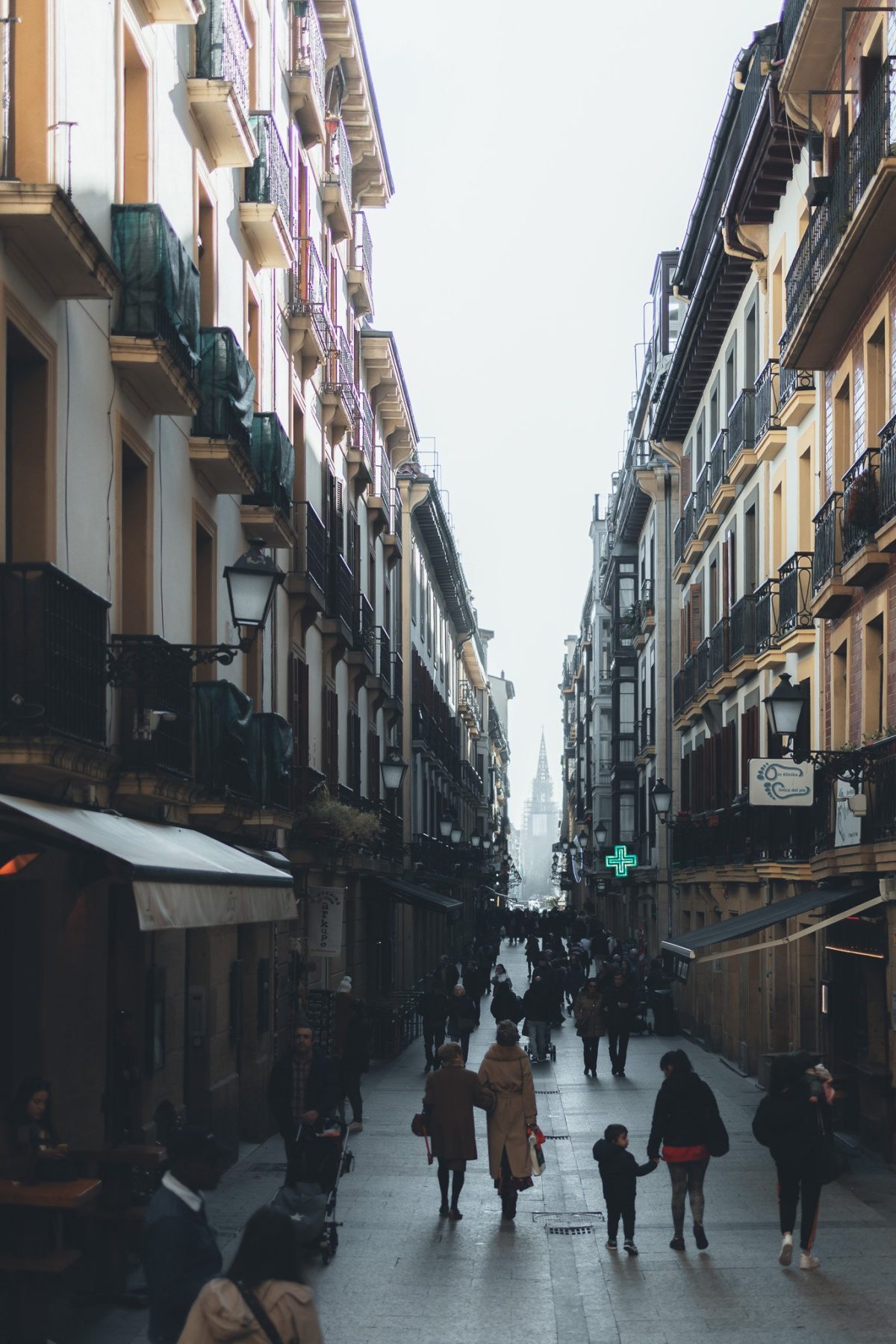
The old town’s pintxos bars, open every evening from 7pm, where the ritual involves a glass of txakoli poured from 40 centimetres above, a Gilda on a toothpick (anchovy, olive, guindilla — the original pintxo since 1946), and then movement to the next bar — a social institution practised by every generation of the city simultaneously, in streets so small you can touch both walls
The Parte Vieja — Alde Zaharra in Basque — is the old town of San Sebastián, a tight grid of narrow streets on the peninsula between Monte Urgull and the Urumea River mouth, rebuilt on its current plan after the fire of 1813 and now containing approximately 100 pintxos bars, several fish restaurants, the city’s main market, two churches and the Plaza de la Constitución with its bullring balconies. The evening rhythm of the Parte Vieja is a specific and learnable institution: bars open in earnest from 7pm, laying out their pintxo selections on the counter — small preparations on bread, on skewers, in miniature vessels, covering the full range from the simplest Gilda to elaborate miniature constructions of foie gras, truffle and idiazábal cheese; the established ritual involves ordering txakoli (or red wine, or cider) and one or two pintxos, consuming them standing at the bar or on the pavement outside, and then moving to the next bar to do the same. The movement between bars — the txikiteo — is not hurried; it is the evening’s social structure. The total expenditure for an evening of pintxos and txakoli in four or five bars typically comes to between €15 and €25 per person. The quality is uniformly high; the best bars in the Parte Vieja serve food that is formally equivalent to that of restaurants at three times the price.
The Gilda — anchovy, olive, guindilla on a single toothpick — was created at Bar Casa Valles in 1946 and named after the Rita Hayworth film of the same year for being, in the words of the person who invented it, “salty, spicy and a little green.” It is the correct beginning to any pintxos evening: not because it is the most complex preparation available but because the three ingredients, in their specific proportions, calibrate the palate for everything that follows. The anchovies of San Sebastián — packed in salt, cured for months, from the Cantabrian Sea — are the finest in Spain, and the Gilda uses them straight, uncomplicated by anything that would reduce their intensity. The Plaza de la Constitución, a five-minute walk from most of the best pintxos bars, still carries the numbers of the original bullring boxes on its balconies; on the evening of 31 August each year, the anniversary of the 1813 burning, black flags are hung from those same balconies. The city conducts its food culture and its historical memory in the same streets simultaneously.
The correct approach to the Parte Vieja pintxos bars is not to have a plan. The bars whose exteriors look most modest often serve the most serious food; the bars with the most elaborate counter displays are often the most tourist-oriented. The reliable heuristic is to look for Basque-speaking clientele and follow them. Failing that, go to Bar Bergara, Bar La Cuchara de San Telmo (which requires a small detour but is worth it) and Gandarias, in that order, and let the txakoli decide the rest of the evening.
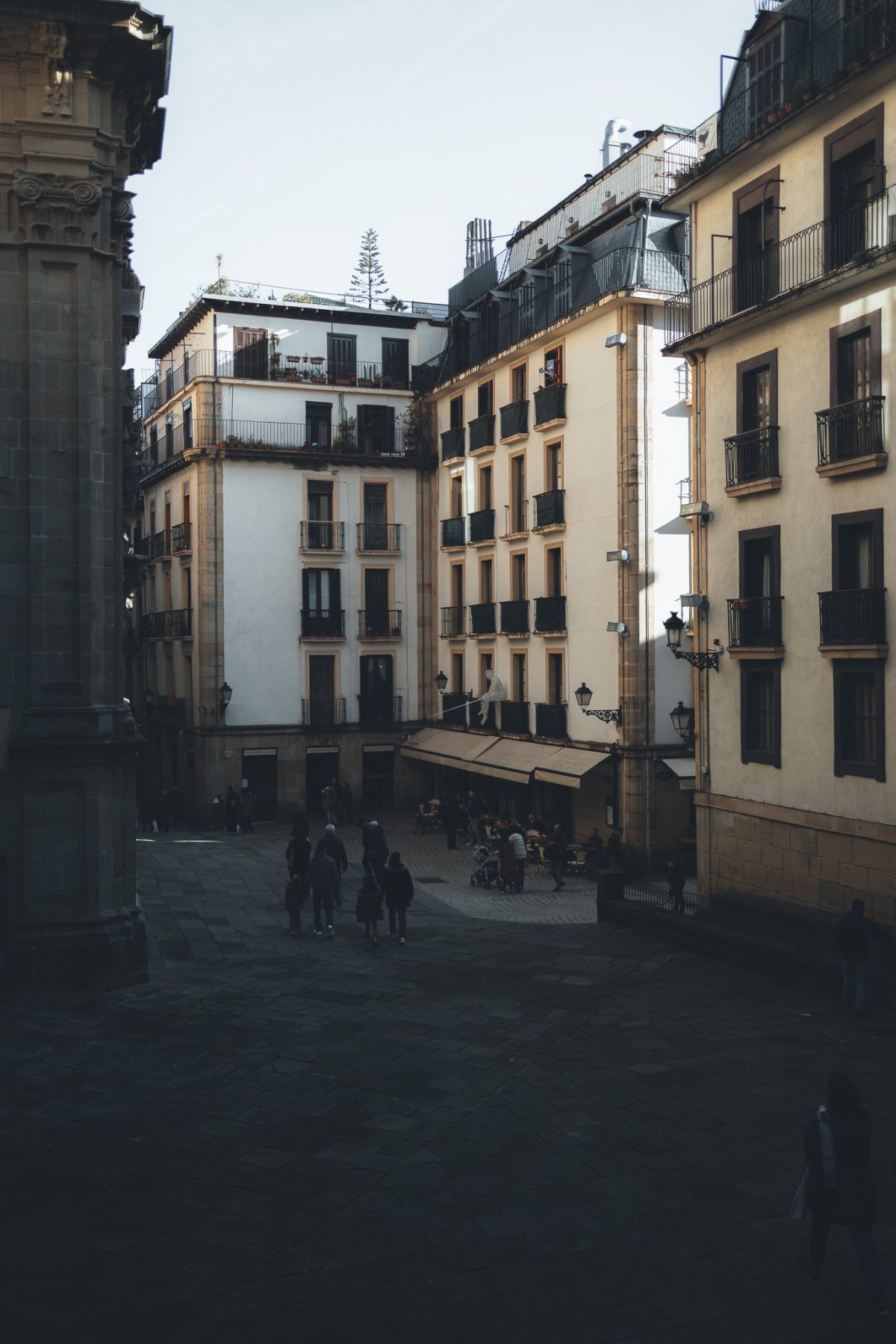
The Alta Cocina — How a Group of Basque Chefs Collectively Decided to Change Everything
In 1976, Juan Mari Arzak and Pedro Subijana met with a group of Basque colleagues and collectively agreed to create a new cuisine. What followed was the most significant regional culinary transformation in European history since Escoffier — and a city of 187,000 people that now has more Michelin stars per capita than any other place on Earth
In 1976, a group of Basque chefs meeting in San Sebastián agreed collectively to create a new Basque cuisine. The decision was explicit, self-conscious and deliberate: inspired by the French nouvelle cuisine movement and the writings of Henri Gault and Christian Millau, the group — which included Juan Mari Arzak, Pedro Subijana, Karlos Arguiñano, Ramón Roteta and others — committed to modernising the traditional recipes of Basque cooking, reducing the weight of sauces, emphasising local ingredients, and introducing technique from French haute cuisine into a culinary tradition that had always been excellent but had never been systematised. They called what they were doing Nueva Cocina Vasca (New Basque Cuisine) and published it as a manifesto. What followed over the next four decades was the most significant regional culinary transformation in European history since Auguste Escoffier codified French haute cuisine in the late 19th century. The Basque Country became, and has remained, the most densely Michelin-starred region in the world relative to its population, and San Sebastián became its most concentrated expression.
Arzak, at the eastern edge of San Sebastián on the road toward the French border, has held three Michelin stars since 1989 — a continuous 35-year tenure that is one of the longest at three stars anywhere in the world. Juan Mari Arzak, now in his 80s, runs the restaurant with his daughter Elena, who was named the World’s Best Female Chef in 2012. The cooking at Arzak is firmly within the tradition of the 1976 movement but continuously evolving: technically precise, rooted in Basque ingredients, expressed with a playfulness that the generation of chefs trained here subsequently amplified. Akelarre, on the headland of Monte Igueldo with one of the most dramatic dining room views in Europe (the Atlantic through floor-to-ceiling glass), has three stars under Pedro Subijana, the other original architect of the 1976 movement. Mugaritz, in the hills above the city, has held two stars for years but consistently appears in the World’s 50 Best Restaurants list and is in some respects more influential than its star count implies: Andoni Luis Aduriz’s cooking at Mugaritz is the most intellectually radical in the Basque Country, regularly described as cuisine that challenges the definition of a meal rather than simply providing one. All three restaurants require reservations made months in advance; all three are worth the planning.
Juan Mari Arzak and Pedro Subijana grew up eating the same txipirones en su tinta (squid in their ink), kokotxas (cod cheeks) and marmitako (tuna stew) that every Basque family ate. The decision they made in 1976 was not to abandon this food but to understand it at a level that allowed them to improve it. The result, 50 years later, is a city where the most elaborately Michelin-starred meal and the €3 pintxo at the bar counter down the hill are expressions of the same culinary intelligence operating at different scales. This is what a food culture looks like when it is genuinely a culture rather than a collection of restaurants.
The Basque City — The Oldest Language in Europe, a Class A Film Festival and the Surf at Zurriola
San Sebastián is a Basque city in a way that is prior to and deeper than its role as a Spanish city: the language on the street signs predates every other language in Europe, the identity is specific and confidently held, and the city beyond the bay and the pintxos bars — the surf beach of Zurriola, the sidrerías in the hills, the September film festival, Rafael Moneo’s glowing Kursaal — is as fully realised as what draws people here in the first place
Euskara, the Basque language, is spoken by approximately 750,000 people across the Basque Country of Spain and France and is classified as a language isolate: it has no demonstrable genetic relationship to any other living or recorded language. It predates the arrival of Indo-European languages in Europe — the migrations that brought the ancestors of Latin, Greek, Celtic and Germanic — by several thousand years, making it the oldest continuously spoken language on the continent. In San Sebastián, Euskara is present everywhere: on street signs (Donostia alongside San Sebastián, Parte Zaharra alongside Parte Vieja), in bar names, in the conversations of the people at the next table. Approximately 50% of Gipuzkoa’s population speaks Basque; in San Sebastián the figure is somewhat lower but growing, driven by an immersion education system (the ikastola schools, which teach entirely in Basque) that has reversed the decline of the language under Franco, who banned its public use. The Basque identity that the language expresses is not aggressive or exclusionary in the daily experience of visiting the city; it is simply present, as a fact about where you are and who lives there, in the same way that the geography of the bay is a fact about where you are.
Zurriola beach, across the Urumea River from the old town in the Gros neighbourhood, faces a different direction from La Concha and receives swell directly from the Atlantic — making it one of the most significant surf beaches in northern Spain. The Gros district that backs it is the city’s most genuinely local neighbourhood: younger, less tourist-oriented than the Parte Vieja, with its own pintxos bar culture that the city’s residents consider equal to or better than the old town and that the guidebooks have not yet fully discovered. The Kursaal auditorium (1999) by Rafael Moneo sits at the mouth of the Urumea where it meets Zurriola beach: two large glass cubes set at angles to each other, glowing amber from within when illuminated at night, serving as the city’s primary concert hall and the main venue of the San Sebastián International Film Festival in September. The sidrerías — traditional Basque cider houses in the hills around the city — operate from January to April during the cider season, when the new cider is ready; the ritual involves pouring cider directly from a large barrel into the glass from a height of a metre, producing the aeration that the cider requires, and eating a fixed menu of bacalao omelette, salt cod with peppers, txuleta (a large Basque beef chop) and cheese with quince paste and walnuts. The experience is specific to the season, the landscape and the culture that produced it.
The September film festival turns San Sebastián into something it is for no other week of the year: a city with a specific international dimension, full of filmmakers, critics and audiences from everywhere, watching films in the Kursaal and the Victoria Eugenia theatre and arguing about them afterwards in the pintxos bars of the Parte Vieja. The combination of the festival infrastructure and the city’s existing food culture produces, for one week in late September, what may be the best concentrated cultural experience available in any small city in Europe. The bay looks the same as it always does. Everything around it is briefly different.
«San Sebastián is a city that has managed something rare: it has become internationally celebrated for its food, its bay and its quality of life without losing the character that made it worth celebrating in the first place. The pintxos bars of the Parte Vieja are packed every evening because the people of San Sebastián use them, not because tourists fill them; the txikiteo — the movement from bar to bar — is a social institution that belongs to the city rather than to its tourism industry. The bay is magnificent because the geography is magnificent and because the city has chosen, consistently, to treat it as the centre of public life rather than as a backdrop for development. The Michelin stars exist because a group of Basque chefs made a collective decision in 1976 and then spent fifty years making it real. All of this — the food, the bay, the language no linguist has connected to any other, the iron combs in the Atlantic rock, the film festival in September, the cider poured from a height in January — comes from the same source: a place with a specific identity and the confidence to express it without modification for an outside audience. San Sebastián is, in this sense, the least compromised major tourist destination in Western Europe. This is its most remarkable achievement.»
More in the same area
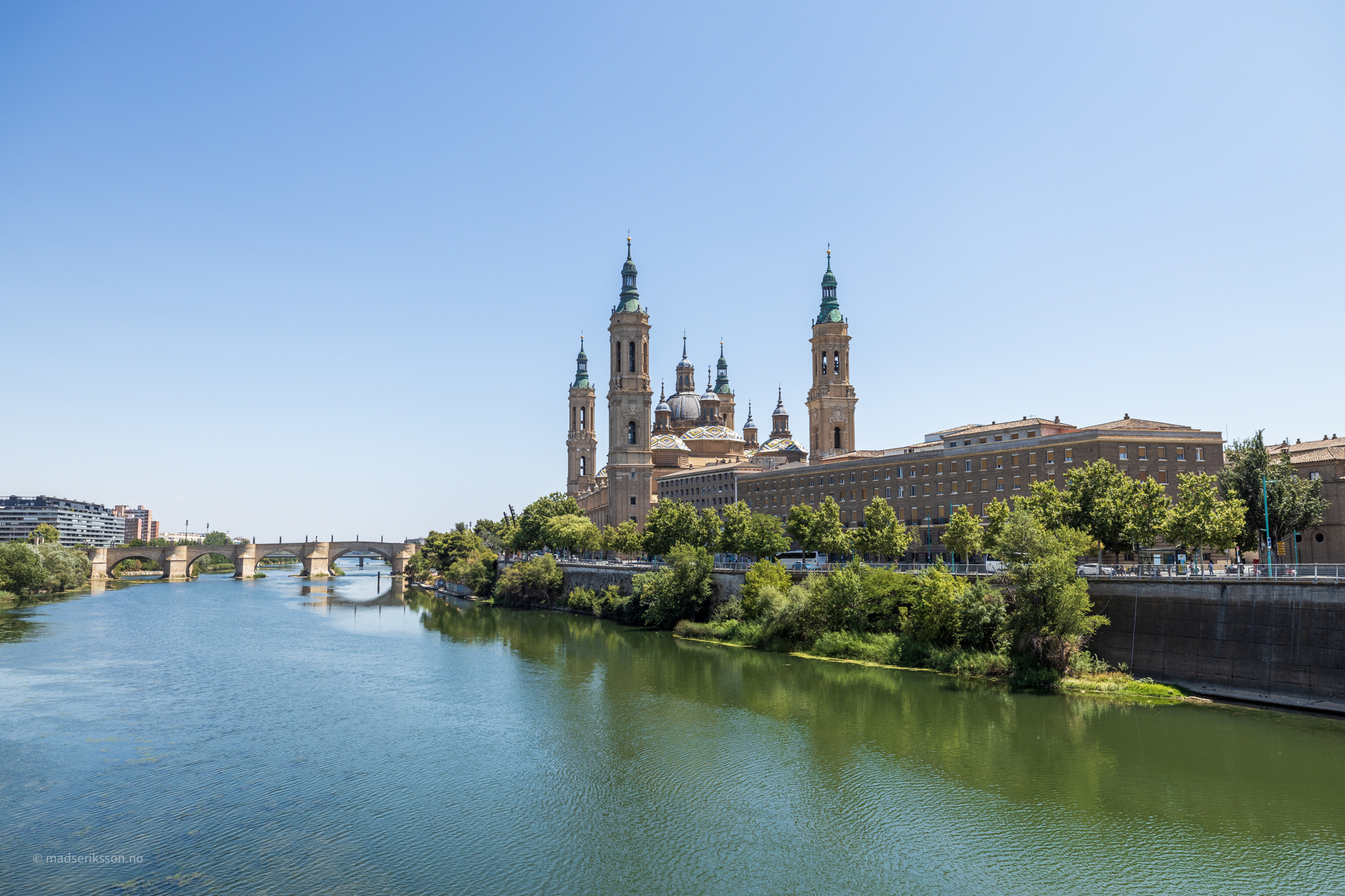 CitiesZaragoza: Roman Colony, Islamic Palace and the Basilica of the Pillar
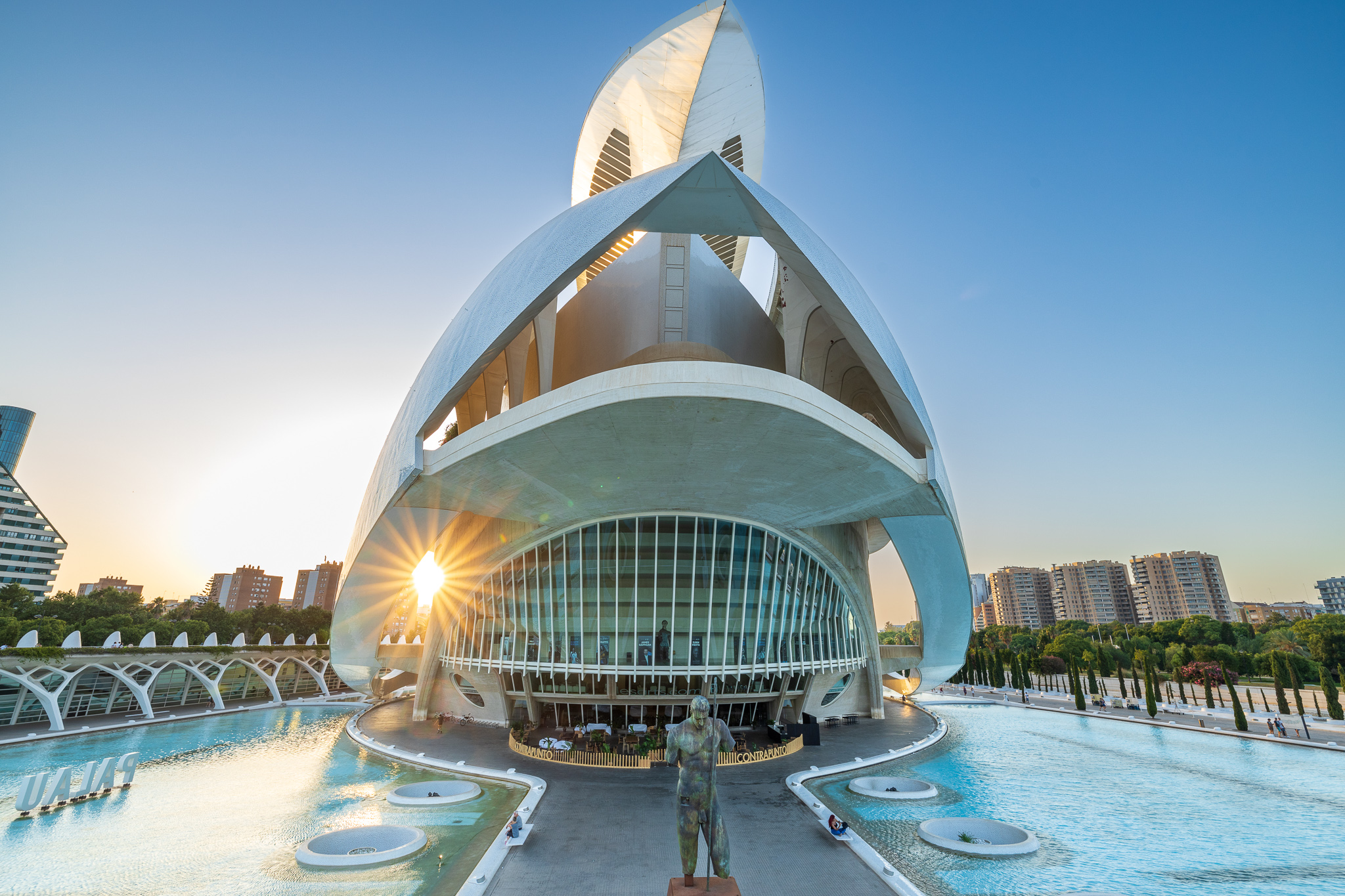 ArchitectureValencia’s City of Arts and Sciences — The Eye, the Skeleton and the €400 Million Opera House
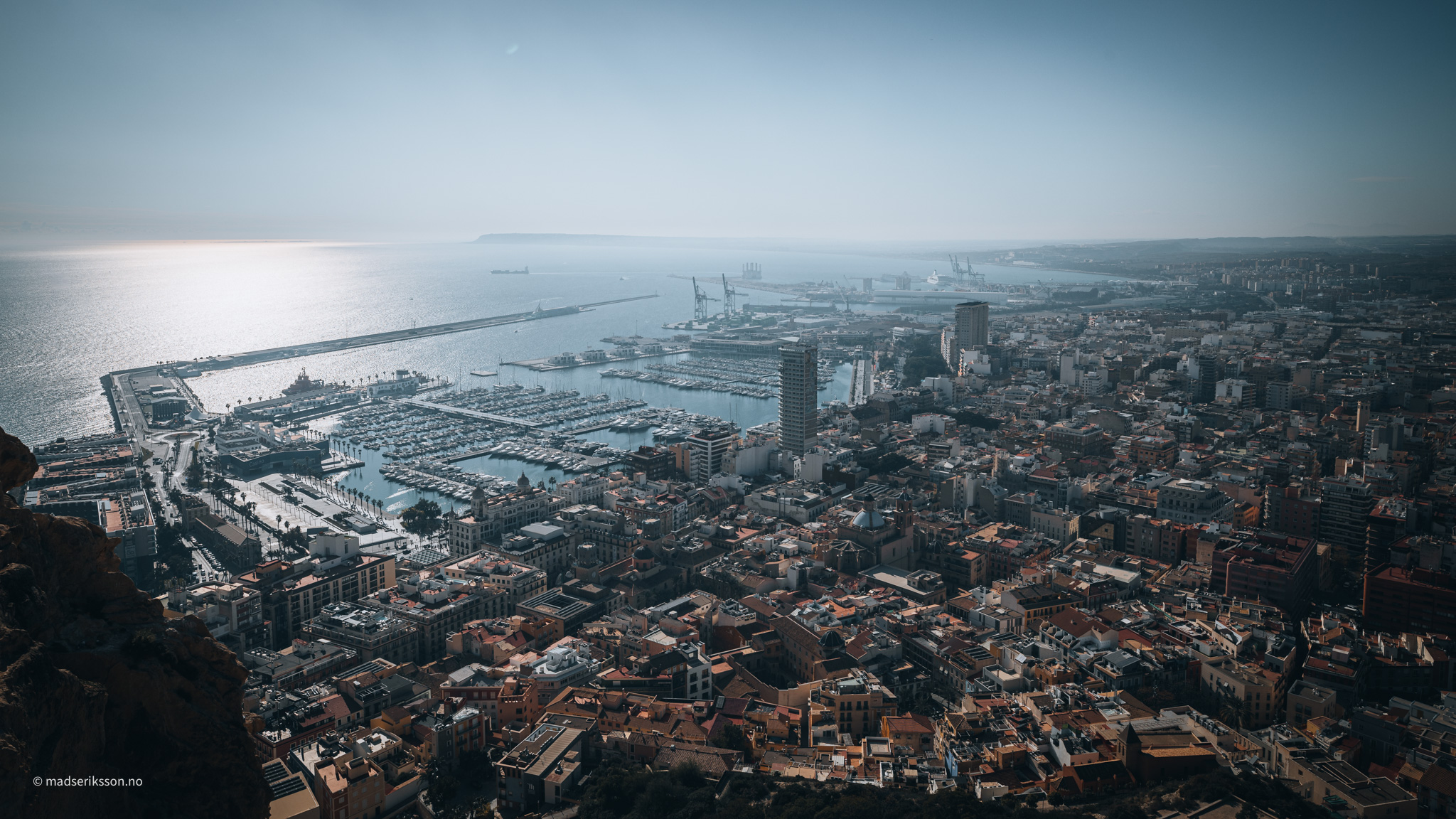 CitiesAlicante — Castillo, Explanada and the Festival That Burns at Midnight
 CitiesMadrid — The Capital That Was Chosen by Calculation and Became Something Else
 ArchitectureGuggenheim Museum, Bilbao
 CitiesThe World’s 10 Great Food Markets
City Frames · scroll-driven 3D
More cities in three dimensions
54 city guides open with a model built from open map data. Scroll, and the camera moves from landmark to landmark.
Departures · City Frames
Where to next?
| Time | Destination | Country | Status |
|---|
Live · position of the sun
Golden hour, right now
The low, warm light just after sunrise and just before sunset. These are the cities on the site where it is happening at this moment.