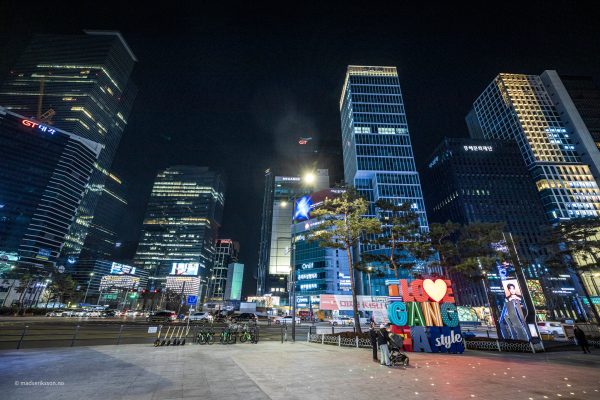
Seoul is a city of 25 million people built among granite mountains, bisected by the Han River, and operating on an energy that seems to belong to a city still in the process of becoming — despite being, in various forms, a capital for over six hundred years. It destroyed and rebuilt itself after the Korean War with a speed that has no modern parallel. It gave the world K-pop, Korean cinema and a food culture of extraordinary depth. And it manages, somehow, to contain Joseon dynasty palaces, one of the world’s most visited national parks, and a nightlife that runs until morning, all within the same metro system.

Seoul has been continuously inhabited since at least the 2nd century BCE, when the city now known as Wiryeseong served as the capital of the ancient Baekje kingdom. It became the capital of the Joseon dynasty in 1394, when King Taejo moved the seat of government from Gaeseong and built the great palace complex of Gyeongbokgung at the foot of Bugaksan mountain. Over the following five centuries, the Joseon court developed a sophisticated administrative and cultural tradition — commissioning the Hangul writing system in 1443 under King Sejong, building the UNESCO-listed Changdeokgung palace complex with its extraordinary Secret Garden, and transforming the walled city into the political and cultural centre of the Korean peninsula.
The Japanese occupation (1910–1945), the liberation, and above all the Korean War (1950–1953) — during which Seoul changed hands four times and was almost entirely destroyed — left the city with almost no physical continuity with its past. What Seoul has now is largely built since 1953: one of the most rapid reconstructions and economic transformations in modern history. South Korea’s GDP per capita grew from approximately $64 in 1953 to over $35,000 today. Seoul absorbed that transformation and is now simultaneously one of the most technologically advanced, culturally dynamic and gastronomically serious cities in Asia — while still maintaining the palace complexes, the hanok villages and the mountain trails that connect it to a much older city.
How to approach Seoul
This guide covers four aspects of Seoul: the historic palaces, villages and cultural districts of the northern city; the mountains and parks that make Seoul one of the greenest capitals in Asia; the modern city from Gangnam to Hongdae and the cultural wave that has made Korean popular culture global; and the food — from the Korean BBQ counter to the street food of Gwangjang Market to the pojangmacha tents where Seoulites eat late. Seoul rewards those who use the metro without hesitation, eat without a fixed plan, and stay up later than is sensible.
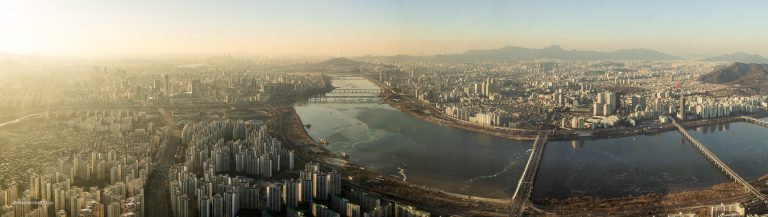
Seoul in 3D
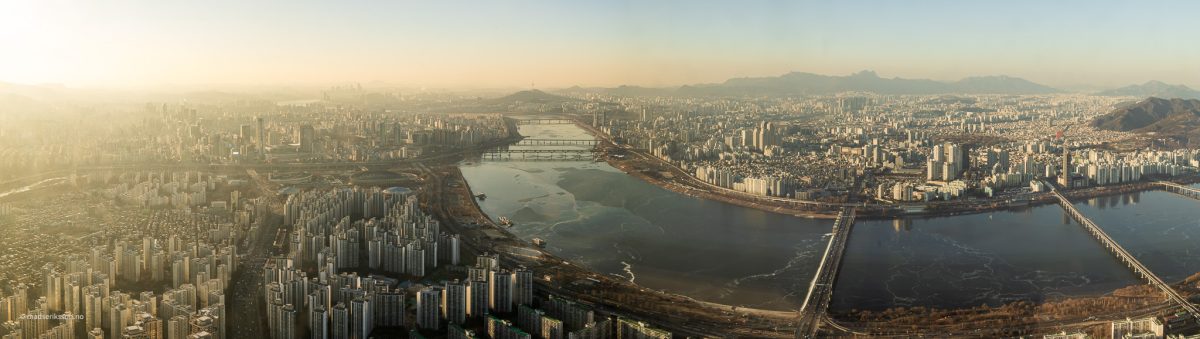
Seoul became the capital of the Joseon dynasty in 1394, and the walled city lay in a basin between Bugaksan to the north and Namsan to the south. This frame covers that historic centre, from Gyeongbokgung and Changdeokgung down to Namsan and N Seoul Tower, and east to Dongdaemun. Gangnam and Lotte World Tower lie south of the Han River, around 8 and 11 km from the middle of the frame.
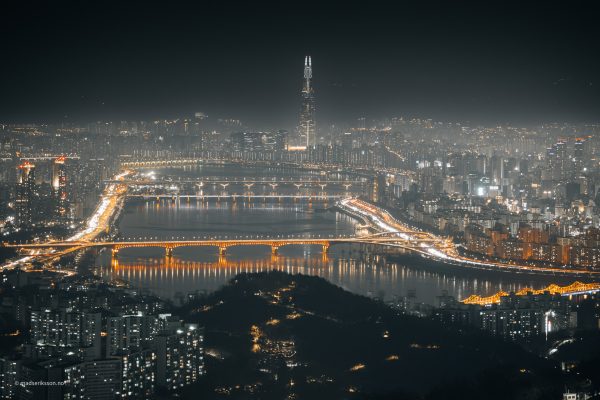
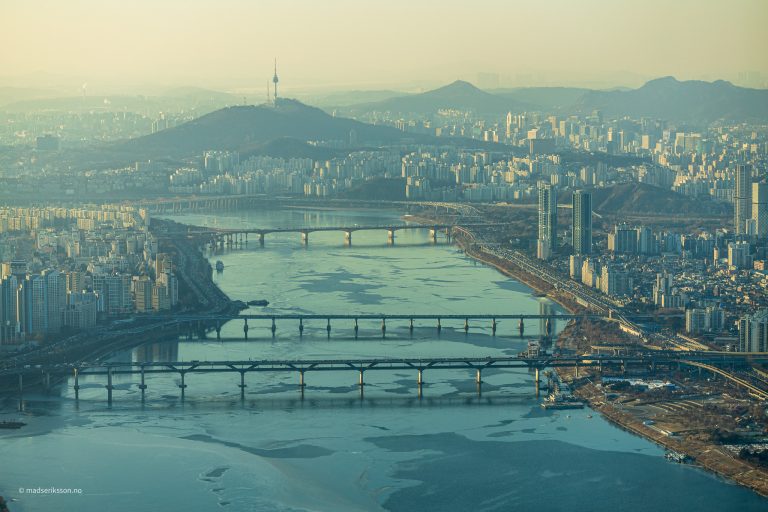
Panorama of the Han River and its bridges stretching across Seoul in hazy evening light
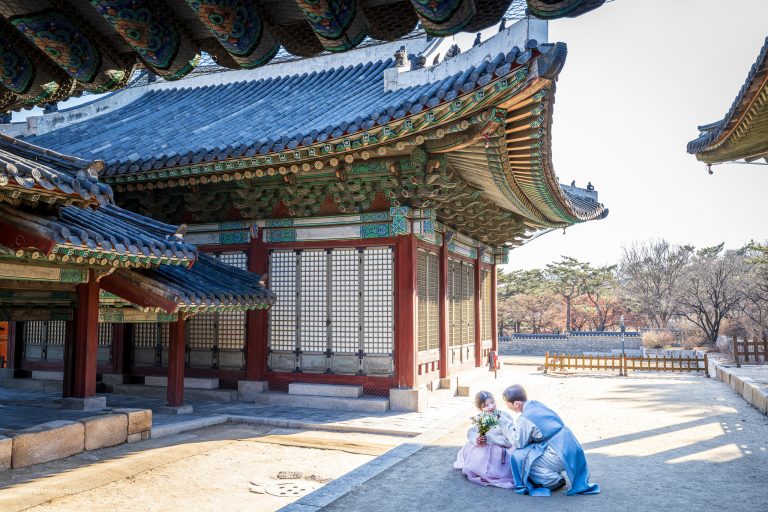
Gyeongbokgung
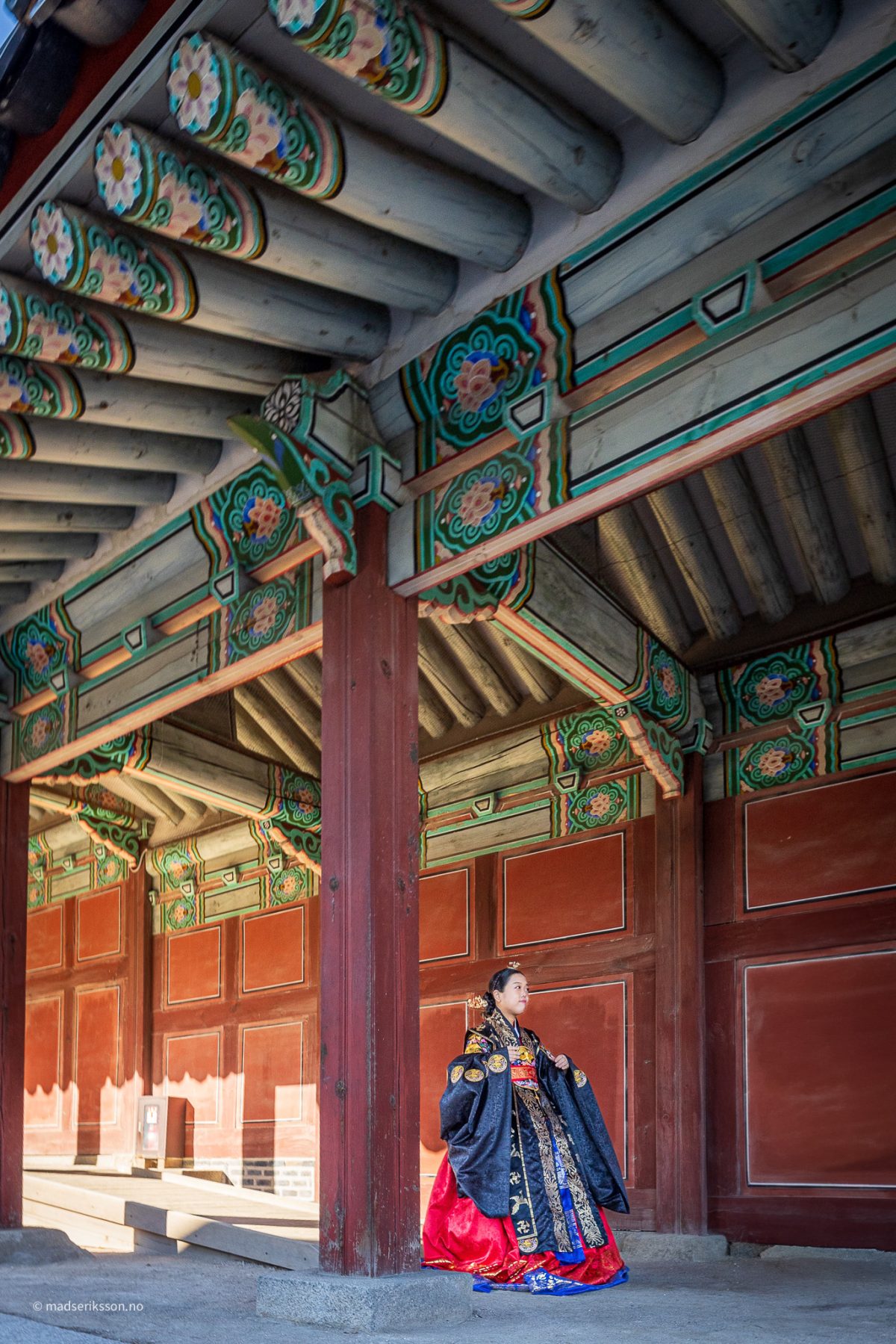
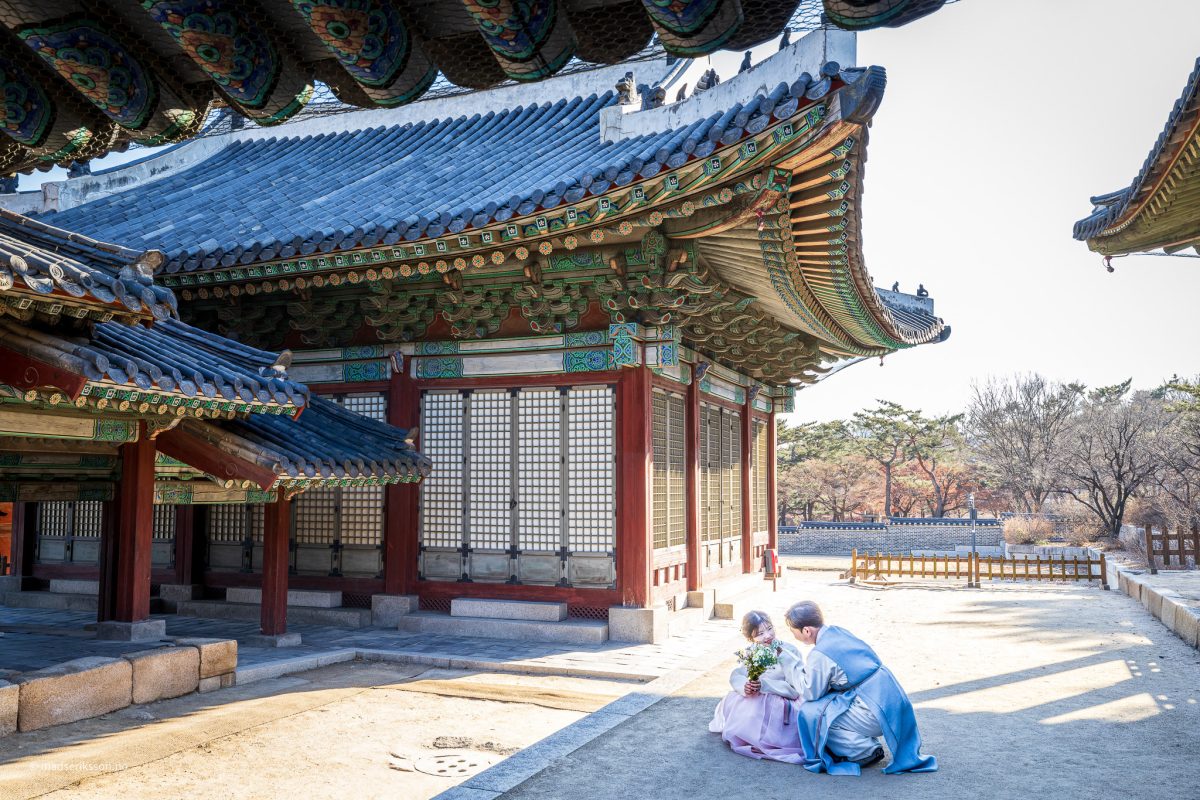
Gyeongbokgung was completed in 1395 as the first royal palace of the Joseon dynasty, burned down during the Imjin War in 1592 and rebuilt from 1865, with King Gojong moving in in 1868. Most of its buildings were sold off after 1910, and the first restoration plan rebuilt 89 of them between 1990 and 2010. Geunjeongjeon, where five kings including Sejong were crowned, is the largest throne hall of any Joseon palace.
Visitors in hanbok posing in the sunlit courtyard of a Joseon-era palace in Seoul
Changdeokgung and Bukchon
Changdeokgung was built in 1405 and served as the main palace of the Joseon kings from the 17th century until the court moved back to Gyeongbokgung in 1868; its gate Donhwamun, of 1412, is the oldest surviving gate of any Joseon palace. The 57.9-hectare complex, including the Huwon garden, was listed by UNESCO in 1997. Bukchon, on the slope between the two palaces, was a quarter of officials and nobles, and since November 2024 tourists may enter its core lanes only between 10:00 and 17:00.
Gwanghwamun Square and Cheonggyecheon
Gwanghwamun Square opened on 1 August 2009 along Sejong-daero, between the 1968 statue of Admiral Yi Sun-sin and the 6.2 m bronze King Sejong unveiled that October; after a redesign it reopened in August 2022 with more than twice the pedestrian space. At its southern end begins Cheonggyecheon, a 10.9 km stream opened in 2005 after the 5.6 km elevated Cheonggye Expressway of 1976 was torn down.
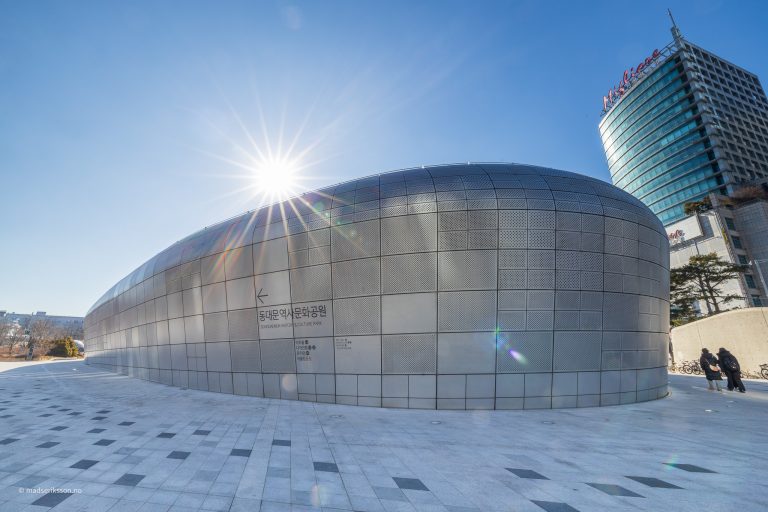
Gwangjang Market and DDP
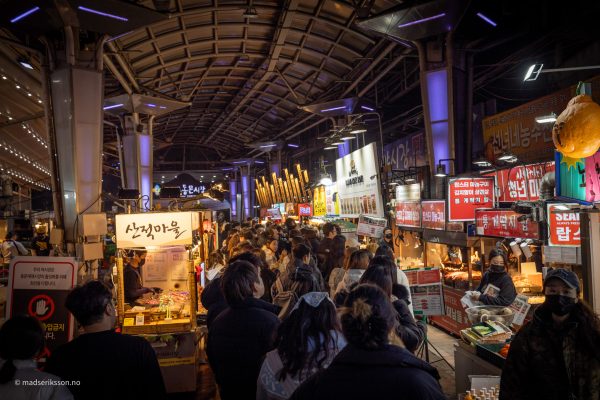
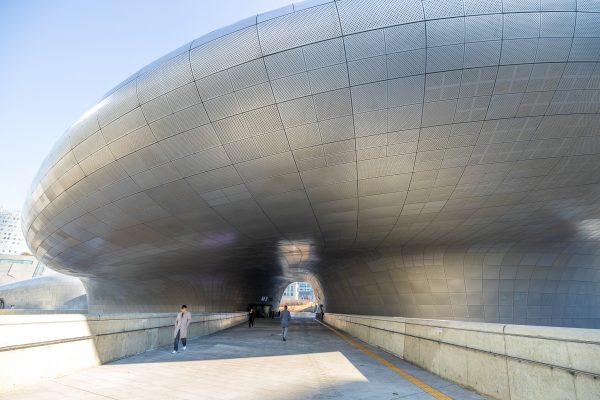
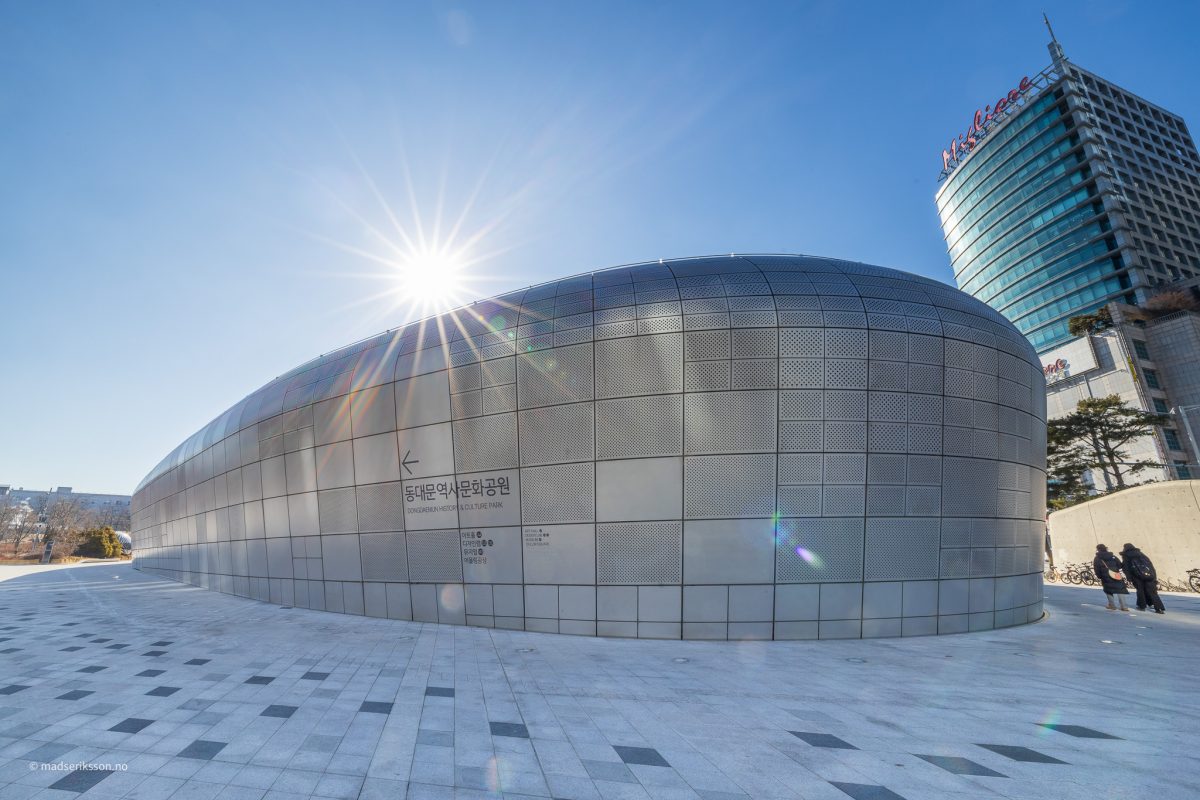
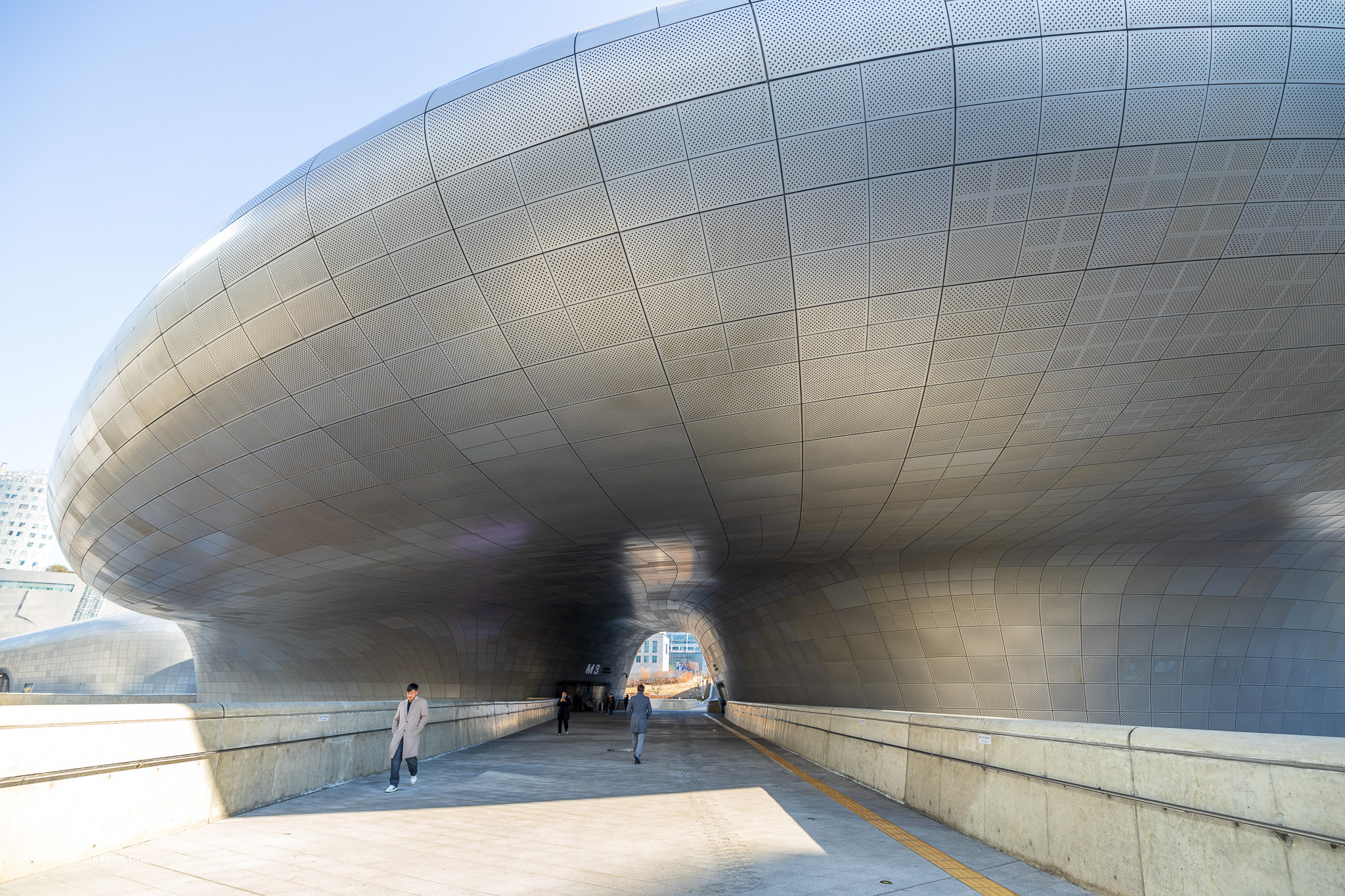
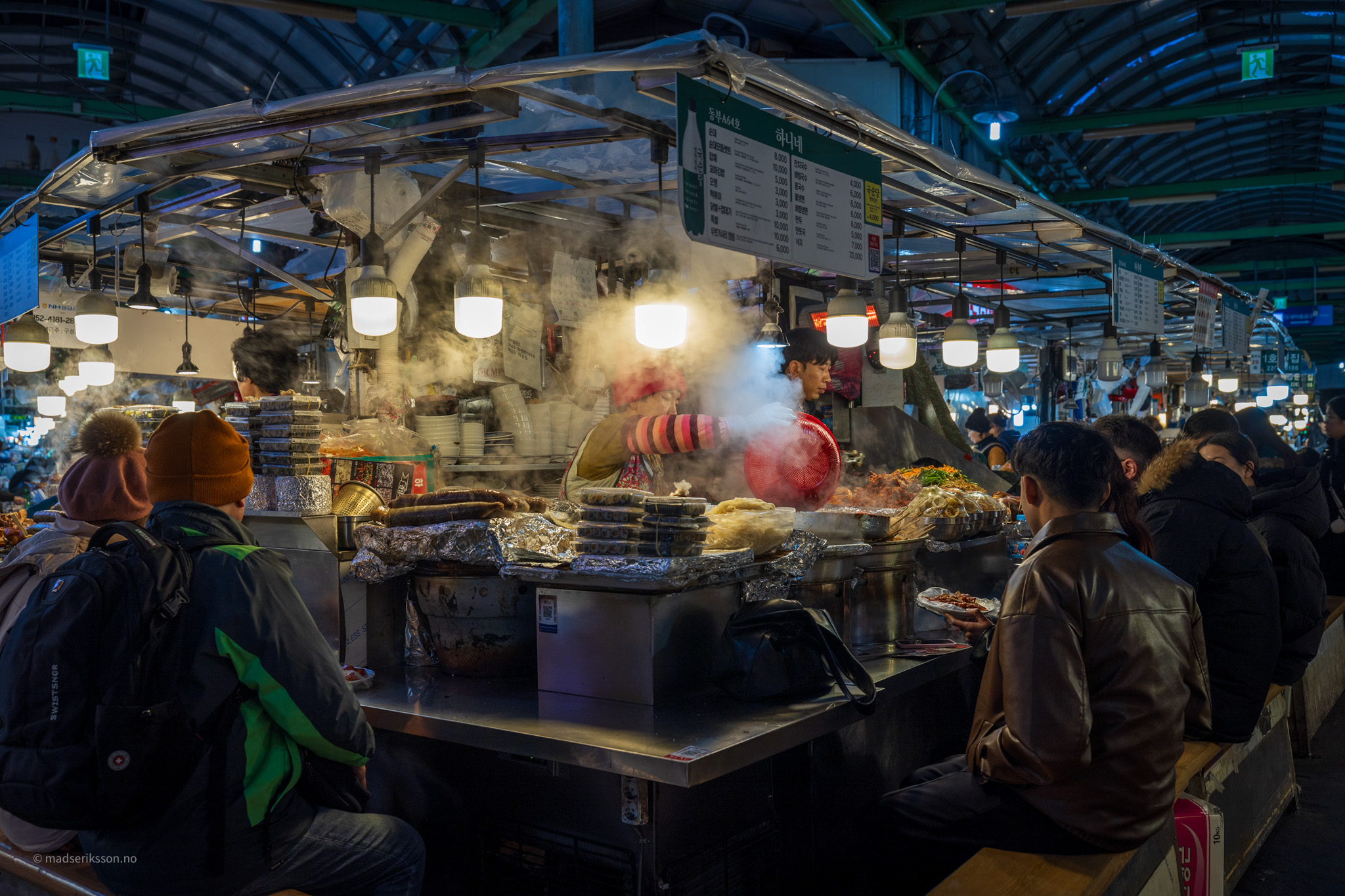
Gwangjang Market was founded in 1905 and is one of the oldest and largest traditional markets in Korea, best known for bindaetteok mung bean pancakes and mayak gimbap. About 900 m to the east, Zaha Hadid's Dongdaemun Design Plaza opened on 21 March 2014 near the site of Dongdaemun Stadium, demolished in 2007, its curved aluminium skin wrapping 86,575 m² of floor space. Heunginjimun, the east gate of the old city wall, stands just to the north.
The curving aluminium facade of Dongdaemun Design Plaza in winter sunshine, Seoul
Read more: Dongdaemun Design Plaza: A Modern Architectural Marvel in Seoul
Namsan and N Seoul Tower
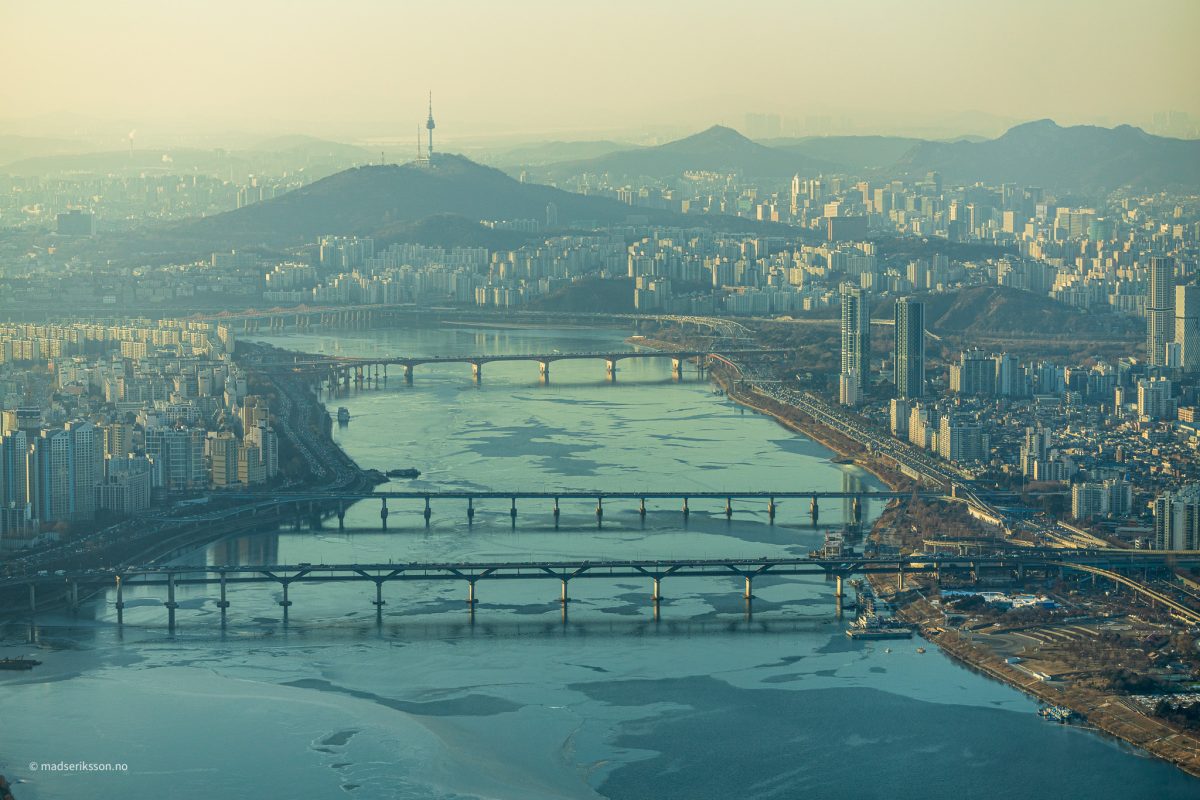
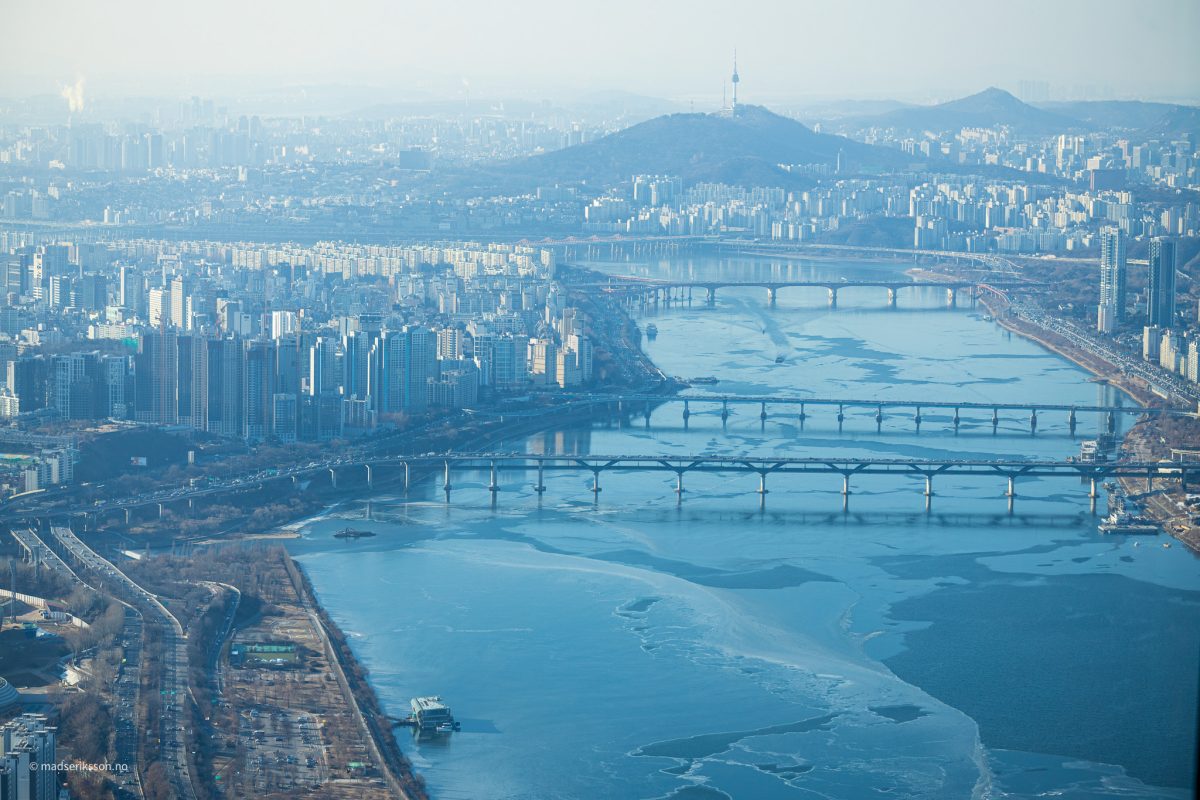
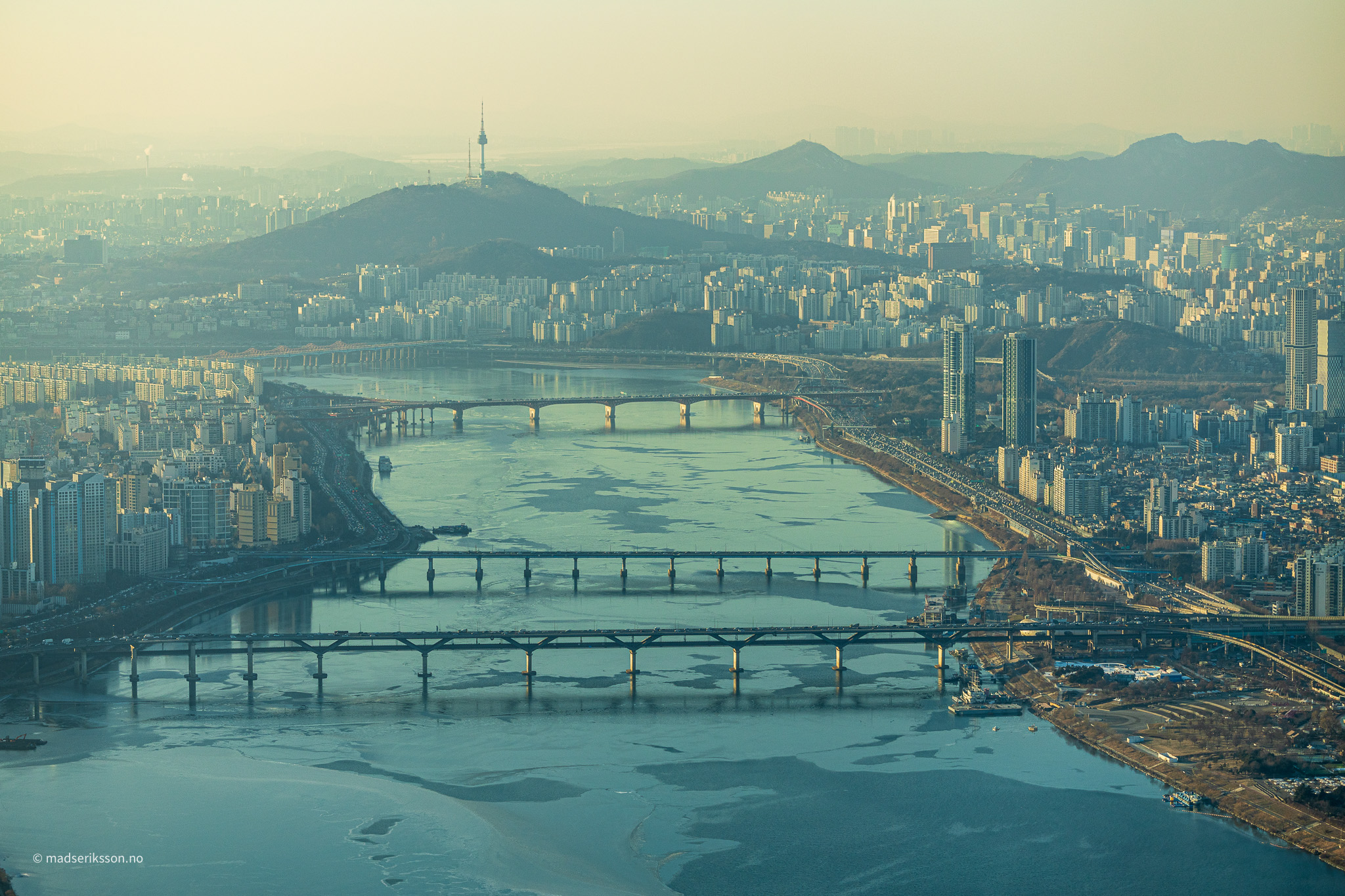
N Seoul Tower, 236 m tall, stands on the summit of Namsan, the 270 m peak that marked the southern edge of the old city, so its top reaches about 480 m above sea level. Construction began in 1969, the observation decks were finished in 1975 and the tower opened to the public in October 1980; a cable car has run up the mountain since 1962. From the top of the 555 m Lotte World Tower, 11 km to the south-east, it can be seen on its ridge beyond the Han River.
The frozen Han River winding through Seoul, with N Seoul Tower on Namsan rising above the city
Read more: The Breathtaking View from Lotte World Tower in Seoul
Sungnyemun
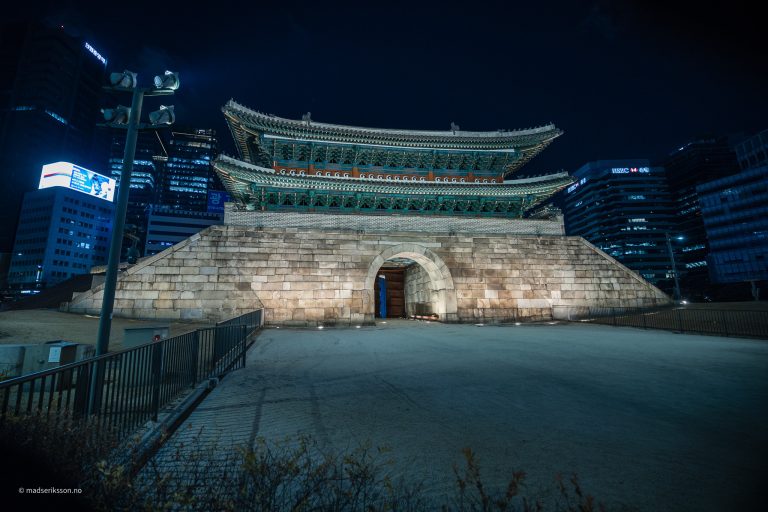
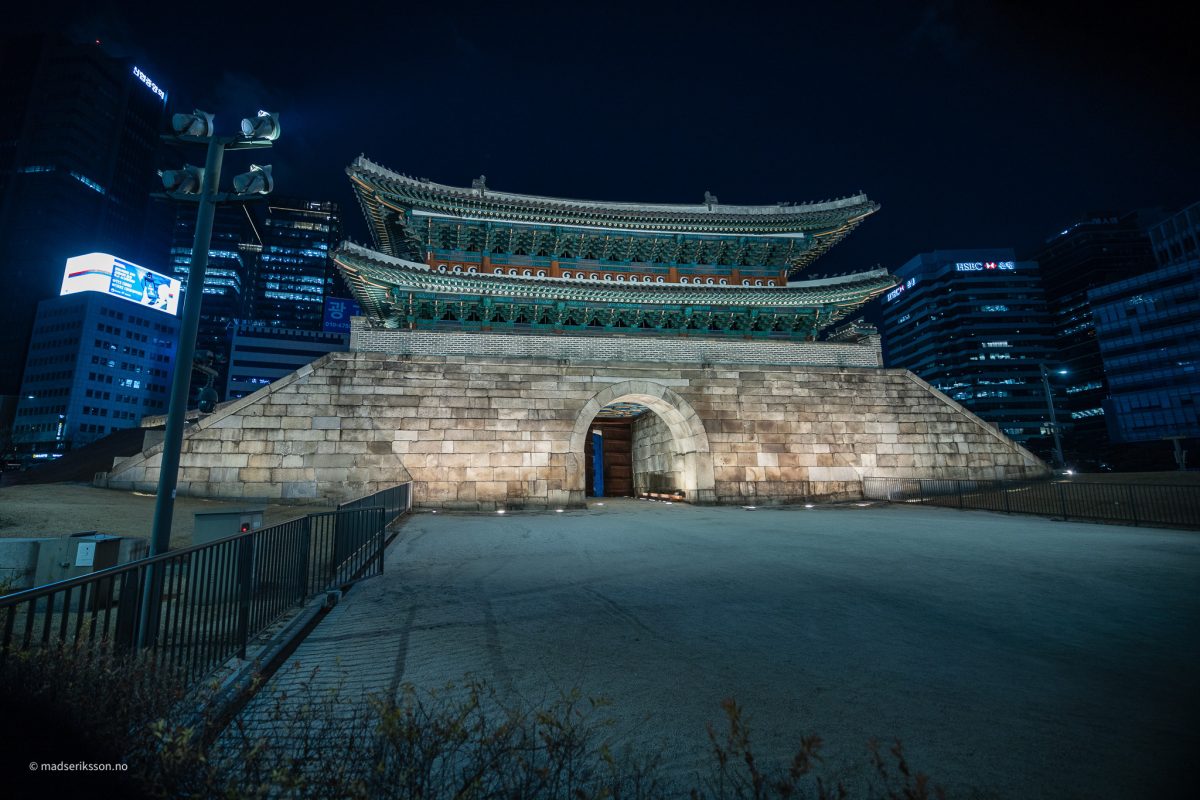
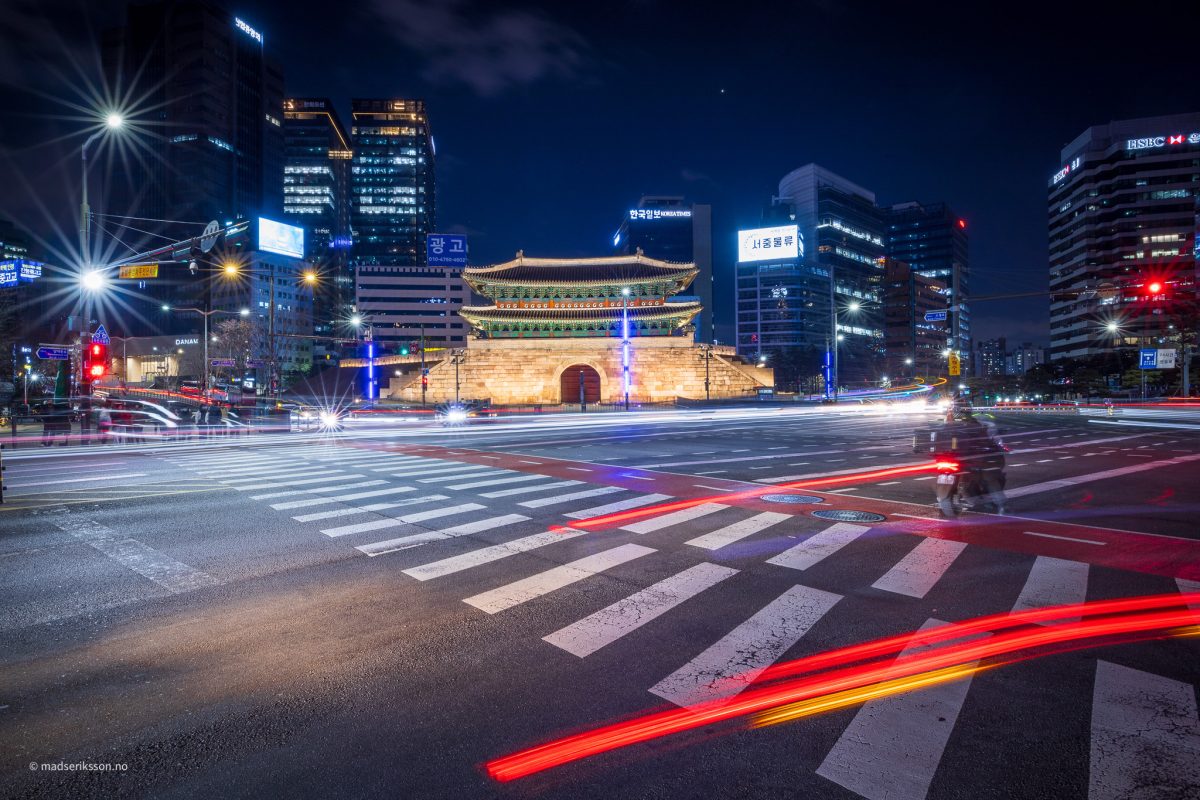
Sungnyemun, the great south gate of the Seoul city wall, was completed in 1398 and rebuilt in 1447, and it was the oldest wooden structure in the city until an arsonist destroyed its pavilion on 10 February 2008. Designated National Treasure No. 1 in 1962, the restored gate reopened in May 2013. It now stands on a traffic island between Seoul Station and Deoksugung.
Sungnyemun, Seoul’s great south gate, floodlit at night against the office towers of the city centre
Myeongdong after dark
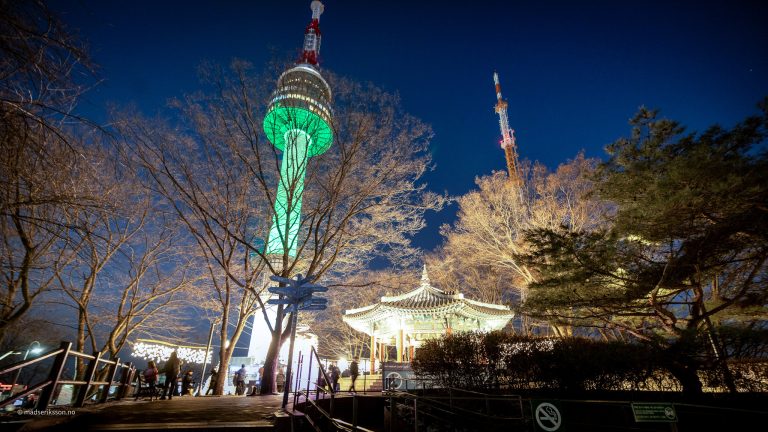
Myeongdong, at the northern foot of Namsan, is one of central Seoul's main shopping districts, its lanes filled with cosmetics shops and street-food stalls in the evening. Above it stands the Gothic Revival Myeongdong Cathedral, consecrated on 29 May 1898, with a 45 m clock tower. Higher still, N Seoul Tower is lit up on the ridge of Namsan.
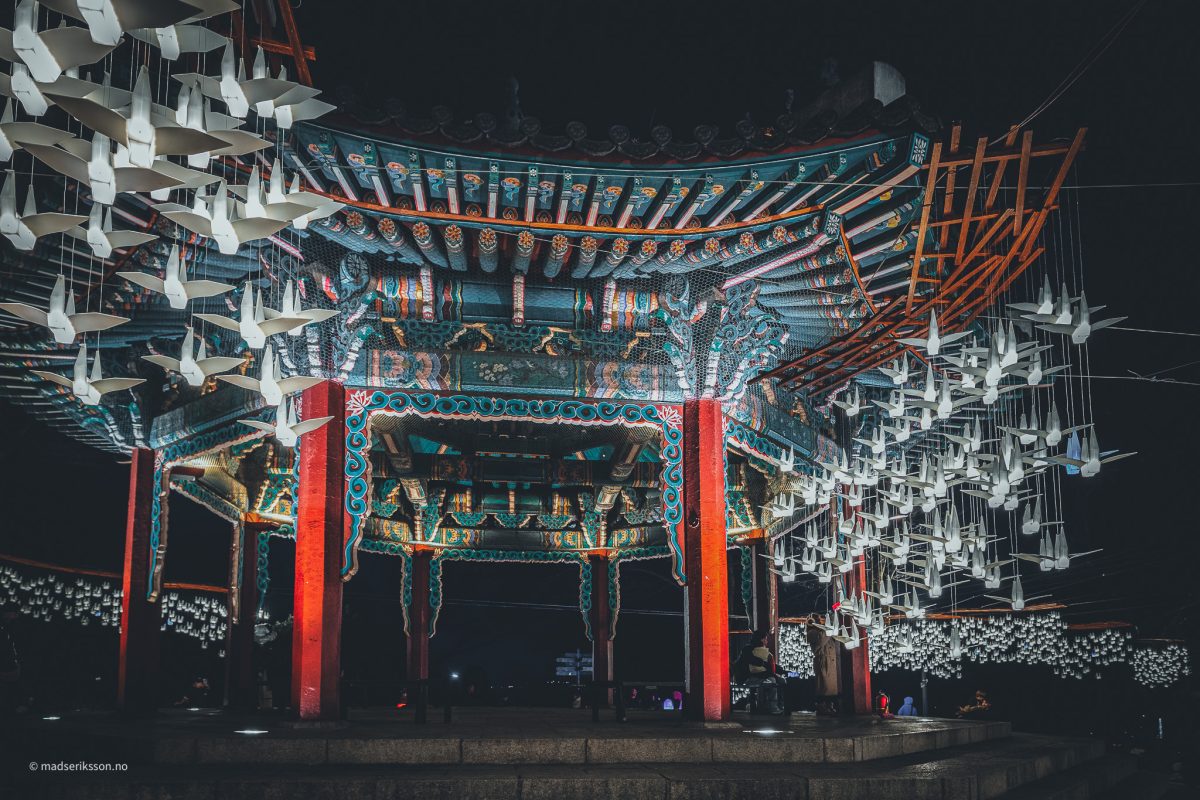
N Seoul Tower lit green at night on the summit of Namsan, with a traditional pavilion below
3D model © 2026 madseriksson.no · Photographs © madseriksson.no. Buildings and heights: © OpenStreetMap contributors (ODbL), via OpenMapTiles. Ground imagery: Sentinel-2 cloudless 2023 by EOX IT Services GmbH (contains modified Copernicus Sentinel data 2023; CC BY 4.0). Heights are approximate where OpenStreetMap has no measured value; sun positions are approximate.
Historic Seoul — Five Palaces and a Village of Tile Roofs
The Joseon dynasty built five grand palaces in Seoul. The largest was destroyed three times. The most beautiful hides a secret garden behind its walls.
Gyeongbokgung — the Palace of Shining Happiness — was built in 1395 as the primary palace of the Joseon dynasty, at the foot of Bugaksan mountain at the northern end of the city. At its height it contained 330 buildings spread across a vast walled compound. It was burned by Japanese invaders in 1592, rebuilt in 1867 under the regent Heungseon Daewongun, then systematically demolished during the Japanese colonial period (1910–1945) with most of its buildings destroyed and the Japanese Government-General building placed directly in front of the throne hall. Restoration has been ongoing since 1990 and the main ceremonial buildings — Gwanghwamun Gate, the Gyeonghoeru pavilion over its lotus pond, the Geunjeongjeon throne hall — now convey something of the palace’s original scale. The changing of the royal guard ceremony at the Gwanghwamun Gate takes place daily at 10:00 and 14:00 and is free to watch.
Changdeokgung, the second of the Five Grand Palaces, was designated a UNESCO World Heritage Site in 1997 for the exceptional integration of its architecture with the natural landscape. The palace buildings follow the contours of the hillside behind Jongno in a way that Gyeongbokgung, with its formal axial layout, does not. The rear of the complex contains Huwon — the Secret Garden — a 32-hectare woodland garden of ponds, pavilions and ancient trees that was reserved exclusively for royal use for five centuries. Access to Huwon is by guided tour only, with a separate admission fee; the combination of the wooded hillside, the traditional pond gardens and the almost complete absence of the city outside the walls makes it one of the most extraordinary spaces in Seoul.
The Huwon — the Secret Garden of Changdeokgung — was reserved for the exclusive use of the Joseon royal family for five centuries. The woodland, the ponds and the pavilions are essentially unchanged from the 17th century.
Bukchon Hanok Village, on the hillside between Gyeongbokgung and Changdeokgung, preserves over 900 traditional Korean hanok houses in a dense residential neighbourhood that dates largely from the early 20th century. The curved tile rooftops, the narrow stone-paved lanes and the views over the village to the palaces below and Bugaksan above are the most-photographed scenes in Seoul. The neighbourhood is a functioning residential area and not a theme park: the houses are private homes and small guesthouses, and visitors are asked to keep noise down out of consideration for residents. Insadong, immediately south, is the principal area for traditional arts, antiques, Korean tea and crafts shops, and is best visited on weekend mornings when the main street becomes pedestrian-only and the surrounding lanes fill with independent galleries and street food.
Mountains, Tower and River — The Green Seoul
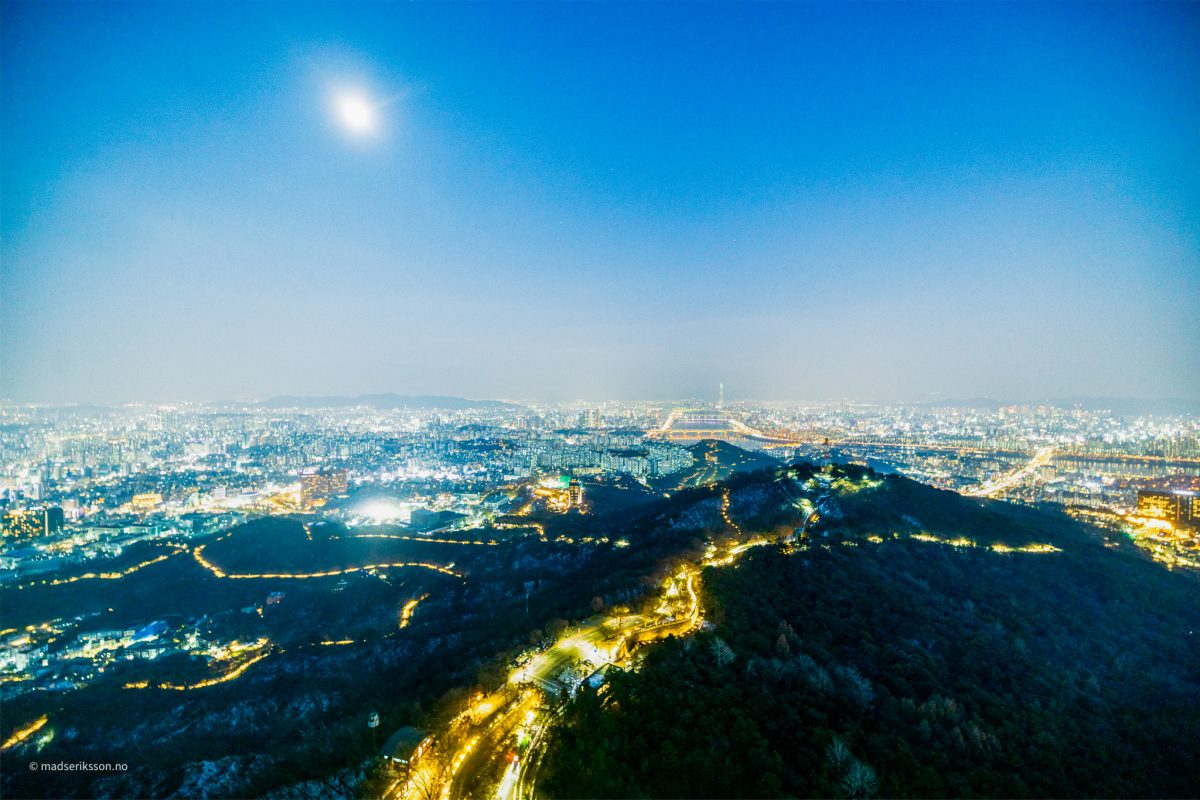
Seoul is one of the greenest major capitals in the world — ringed by mountains accessible by metro and bisected by a river lined with parks
Bukhansan National Park rises to 836 metres at the summit of Baekundae, within the northern city limits of Seoul, accessible by metro from the city centre in approximately 40 minutes. The park covers 79.9 square kilometres of granite peaks, dense temperate forest, Buddhist temples and sections of the ancient fortress wall of Bukhansanseong, built in 1711 and running 8.5 kilometres along the ridgeline. The hiking is real: the granite surfaces are steep and require attention, particularly in wet conditions. But the scale of what is available — multiple routes of varying difficulty, summit views over the full extent of the city and into the mountains beyond, temples in the forested valleys, autumn foliage from late October — makes Bukhansan one of the defining experiences Seoul offers visitors who are willing to invest a full day. The park receives an estimated 5–10 million visitors a year, making it one of the most visited national parks per square kilometre in the world.
Namsan — a 265-metre hill at the centre of the city — is topped by N Seoul Tower, a broadcasting and observation tower standing 236 metres above its hilltop base, making the observation deck approximately 480 metres above sea level. The tower is reachable by cable car or by the pleasant walking trails through Namsan Park, and the view from the observation deck is the most complete panorama over the city available — on a clear day extending to the mountains beyond the metropolitan area. The hillside of Namsan is heavily wooded and offers a rare sense of quiet and green space within the dense urban fabric. Couples attach padlocks to the railings around the tower in the thousands, in a tradition that has become inseparable from the site.
Bukhansan National Park — with its granite peaks, Buddhist temples and sections of an 18th-century fortress wall — is reachable from central Seoul by metro. On autumn weekends, trails fill with Seoulites in full hiking gear.
The Han River runs 514 kilometres in total, but its passage through Seoul — approximately 40 kilometres — has been transformed since the 1980s into a network of riverside parks (Hangang Parks) that are one of the most-used leisure spaces in the city. On warm evenings and weekend afternoons, Seoulites descend to the riverbanks in large numbers to cycle, picnic, eat delivery fried chicken (a very specific and deeply embedded tradition), watch the sunset, and simply sit at the water’s edge with the city skyline on both banks. Yeouido Hangang Park, on the island in the river, is the most visited section; during cherry blossom season in April the riverside walkways become one of Seoul’s great collective experiences.
Modern Seoul — Gangnam, Hongdae and the Korean Wave
The city that rebuilt itself from rubble in a generation is now one of the world’s leading exporters of popular culture — and the neighbourhoods that produced it are worth visiting on their own terms
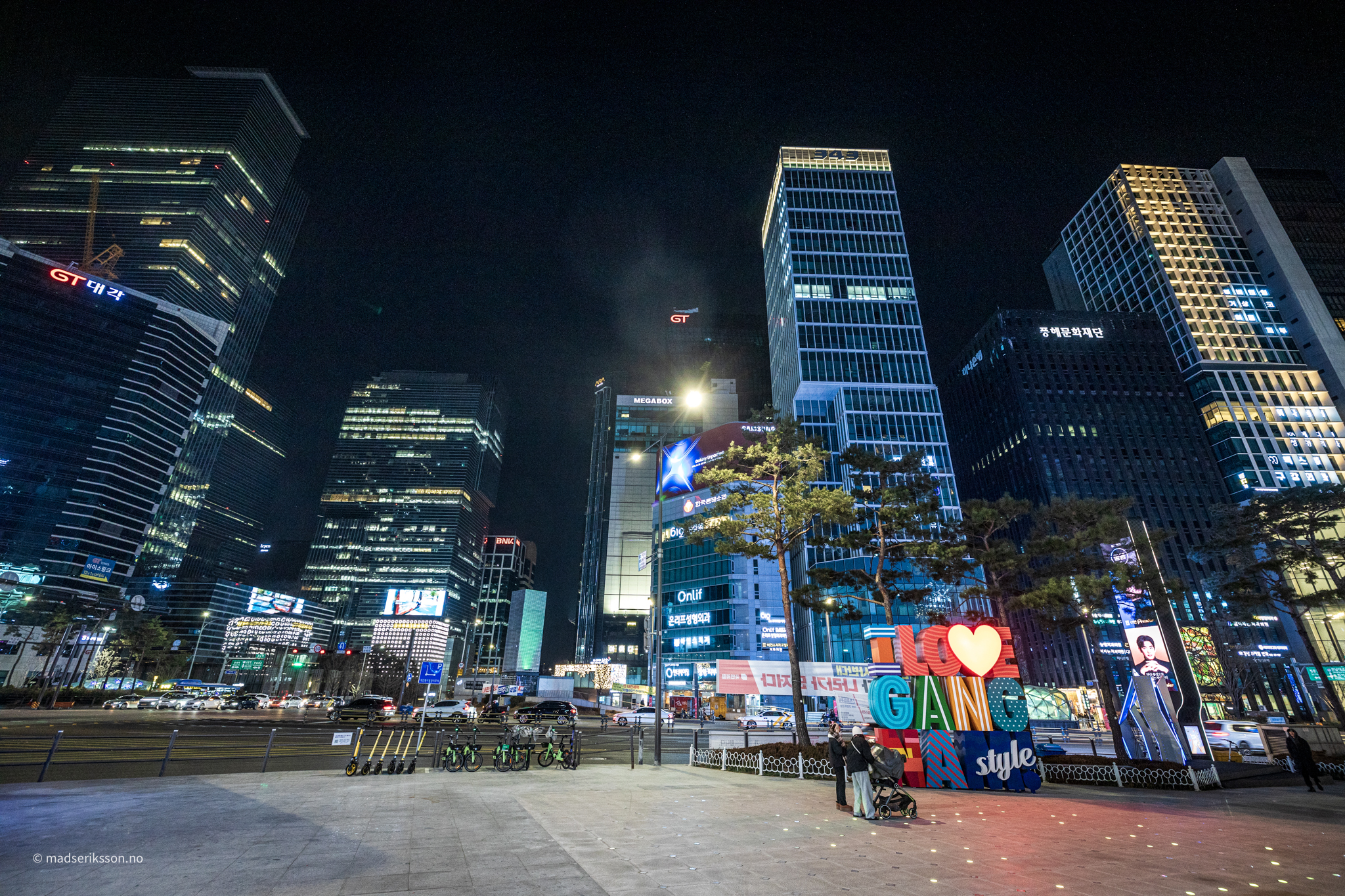
Gangnam — the district south of the Han River that Psy’s 2012 global hit named into international consciousness — is Seoul’s most affluent commercial zone: a concentration of luxury hotels, corporate headquarters, high-end retail and the entertainment agencies (HYBE, SM, YG, JYP) that produce the K-pop industry. The neighbourhood around Apgujeong-dong and Cheongdam-dong is where Korean luxury consumption is most visible; the Sinsa-dong Garosu-gil is a tree-lined street of independent boutiques, cafés and design shops that gives a more accessible entry point. Coex, the underground mall beneath the COEX Convention Centre, contains the Starfield Library — a multi-storey open bookshelf installation that has become one of Seoul’s most photographed interior spaces.
The Dongdaemun Design Plaza — DDP — opened in 2014 to a design by Zaha Hadid: a curvilinear aluminium-clad structure of 86,574 square metres that sits on the site of the old Dongdaemun Stadium, which itself stood over the ruins of a section of the old city wall. The excavated wall fragments and the foundations of a military camp from the Joseon period are visible through glass panels in the DDP’s landscaping, making it a building that simultaneously represents the cutting edge of contemporary design and the layered history underneath the city. The DDP hosts design exhibitions, fashion shows and public events throughout the year; the surrounding Dongdaemun market district, which trades in wholesale fashion and operates through the night, is one of Seoul’s most distinctive nocturnal environments.
Zaha Hadid’s Dongdaemun Design Plaza sits on a site where ancient city walls, a Joseon military camp and a 20th-century stadium stood in succession. The excavated layers are visible through glass in the plaza below.
Hongdae — the neighbourhood around Hongik University in the western part of the city — is Seoul’s principal area for indie music, street performance, art and late-night culture. The area developed its identity in the 1990s as art students established clubs and small venues, and has retained its character despite significant commercial development. Friday and Saturday nights bring street performers to the main plaza, while the side streets fill with bars, live music venues, themed cafés and the specific energy of a university neighbourhood that takes its cultural life seriously. The nearby area of Mangwon has more recently become known for a concentration of independent coffee shops and small restaurants that has made it one of the more interesting daytime neighbourhoods in the western city.
Korean Food — The Grill, the Market and the Late Night Tent
Seoul’s food culture runs from UNESCO-listed traditions to street vendors operating at 2am — and the quality floor is remarkably high at every level
Korean BBQ — gogi-gui, “meat roasting” — is eaten at a table with a charcoal or gas grill set into its surface, where cuts of pork belly (samgyeopsal), marinated beef short rib (galbi), sliced beef (bulgogi) or any of dozens of other options are cooked by the diners themselves and eaten wrapped in perilla or lettuce leaves with fermented soybean paste, garlic roasted on the grill and kimchi from the array of small side dishes (banchan) that arrive automatically with every Korean meal. The format is communal, unhurried and built for conversation; the appropriate drinks are soju (the Korean rice-and-wheat spirit, the best-selling spirit in the world by volume) or beer. Eating Korean BBQ alone is technically possible and faintly melancholy. With four people and a second round of pork belly, it is one of the most enjoyable meal formats in Asia.
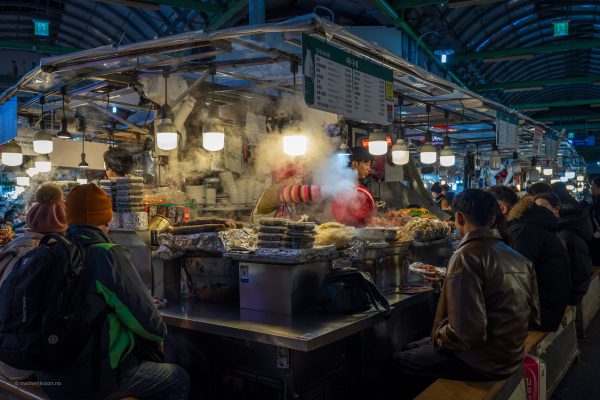
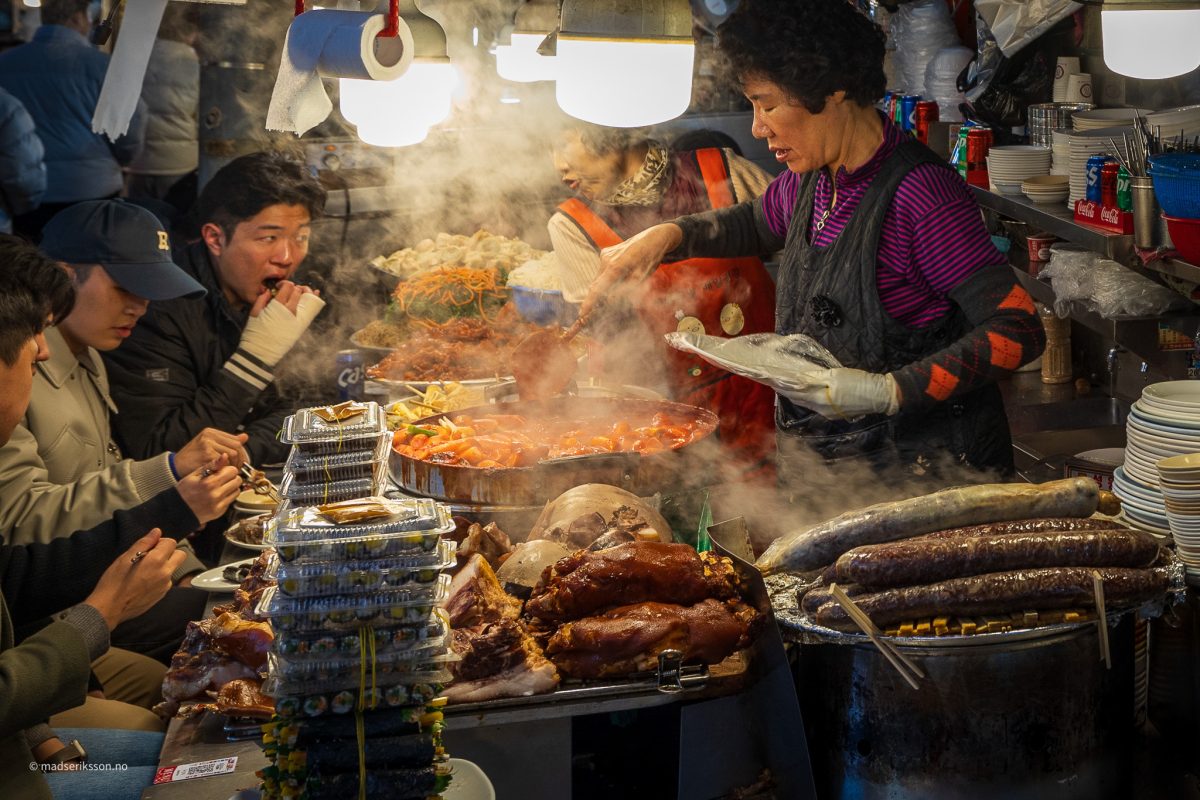
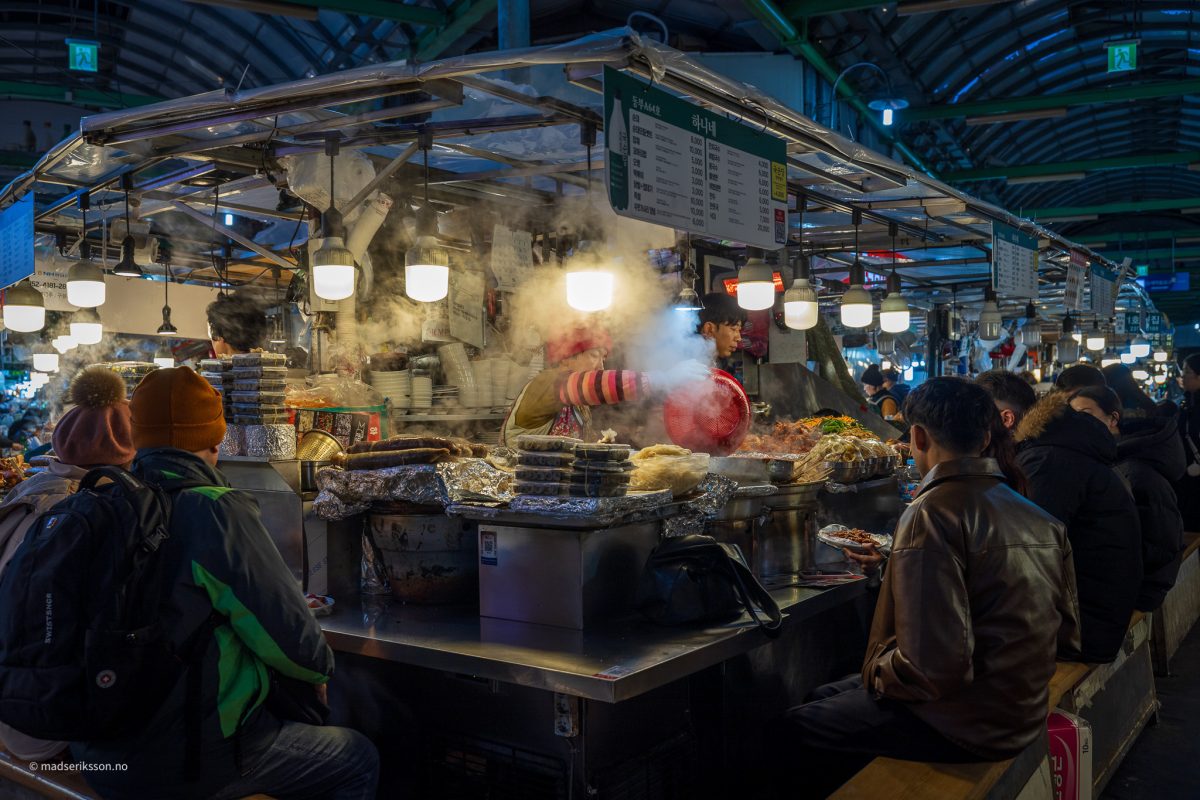
Gwangjang Market, in Jongno, is Seoul’s oldest continuously operating market, established in 1905. The covered market’s food section runs down a central alley lined with stalls serving bindaetteok (mung bean pancakes, fried to order in large pans of hot oil), yukhoe (raw beef mixed with Asian pear and sesame oil), mayak gimbap (small rice rolls addictively seasoned with mustard and soy), and various noodle dishes. The market is busy and authentic in the best sense — the stall holders are vendors who have been working the same position for decades, the food is made from ingredients delivered that morning, and the atmosphere of the eating alley is entirely Korean in a way that Myeongdong, with its international tourist traffic, is not.
Gwangjang Market’s bindaetteok — mung bean pancakes fried in a large iron pan, served with makgeolli rice wine and kimchi at a low table in a covered alley — is one of the oldest street-food experiences in Seoul, and one of the best.
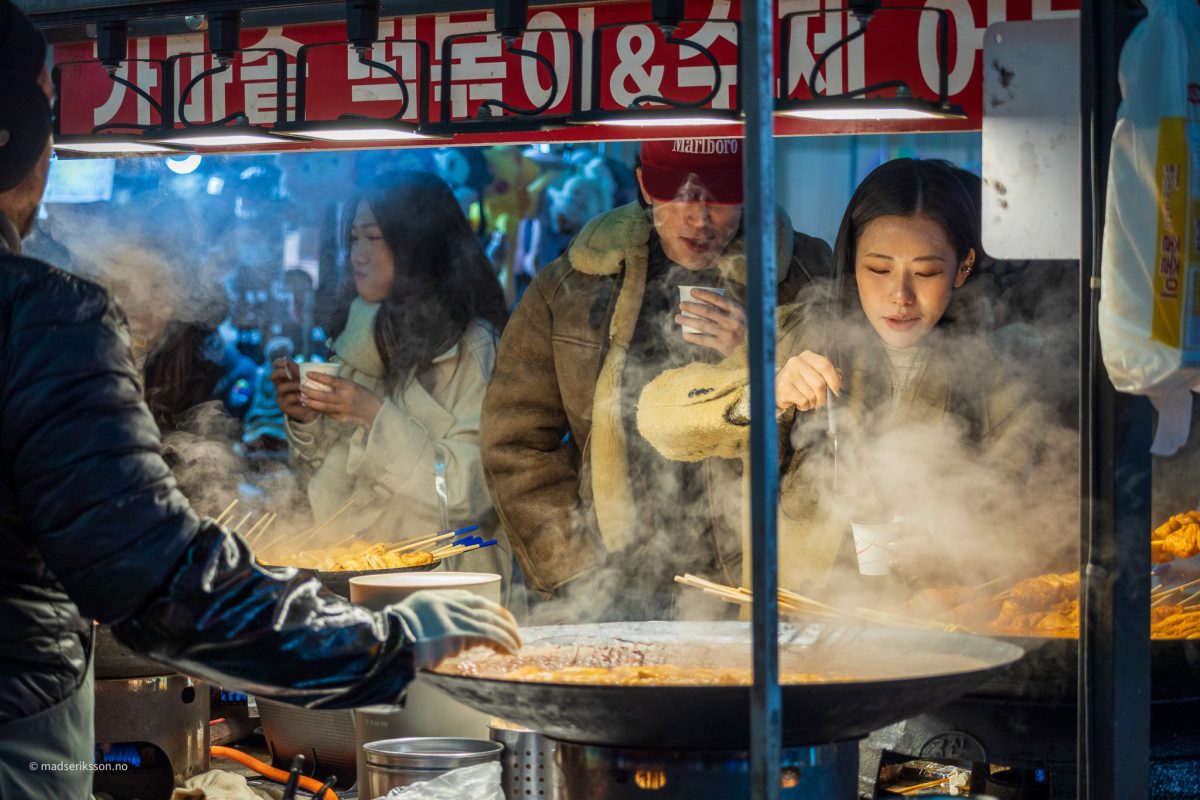
Tteokbokki — chewy cylindrical rice cakes simmered in a sweet-spicy gochujang (fermented chilli paste) sauce, typically sold from street carts — is one of Seoul’s defining street foods, available throughout the city from mid-morning to late at night. The pojangmacha — orange-tented street stalls serving soju, beer, fried snacks and simple hot food — are a central institution of Seoul’s late-night culture: lit orange from within, scattered across the city’s commercial streets, operating until the last customer leaves. They are the correct place to drink soju after a long night of Korean BBQ and noraebang (karaoke). Makgeolli — the milky, lightly sparkling unfiltered rice wine that preceded soju as Korea’s primary alcohol — has experienced a significant revival, with craft producers developing complex and aged versions that are now taken seriously by serious drinkers.
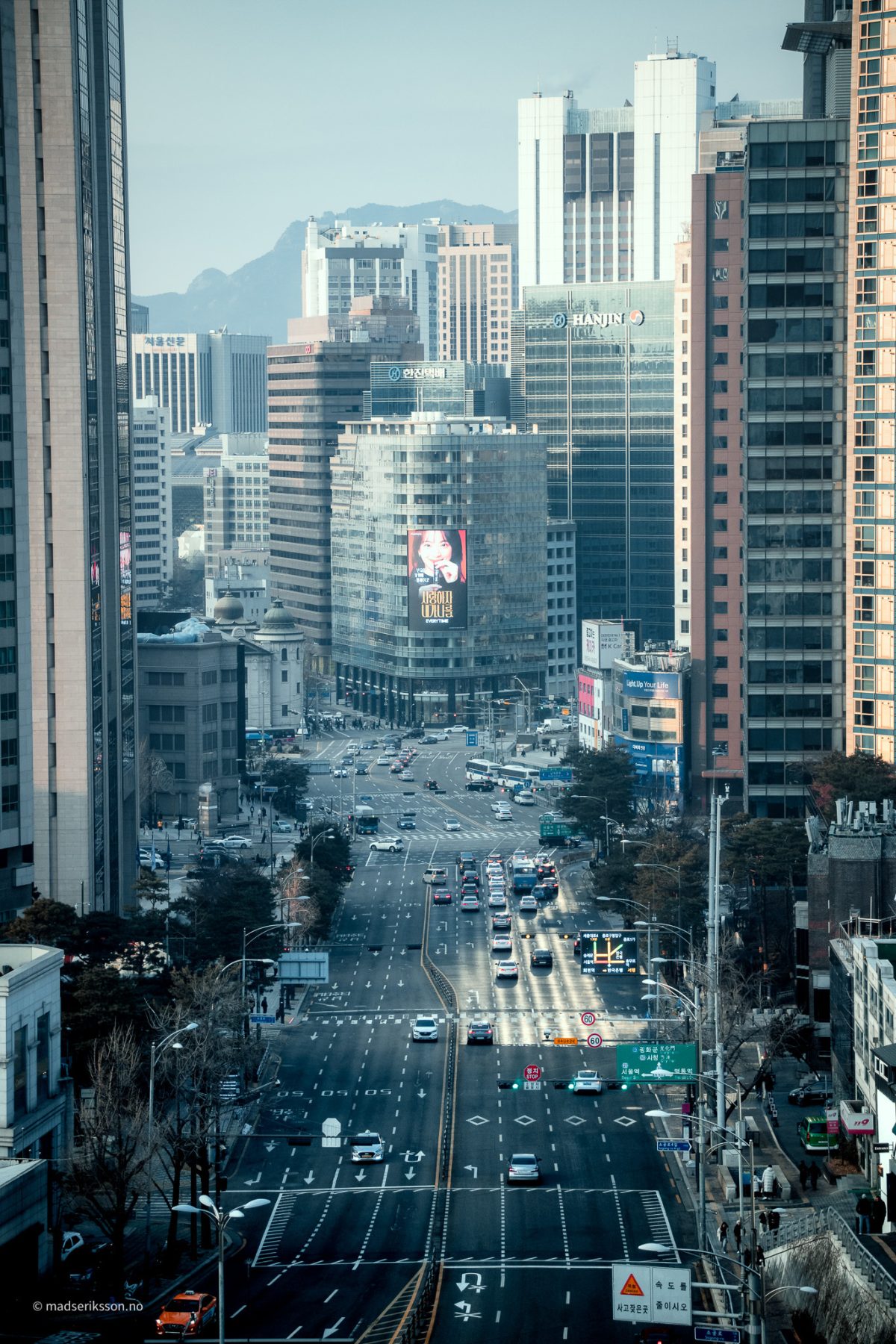
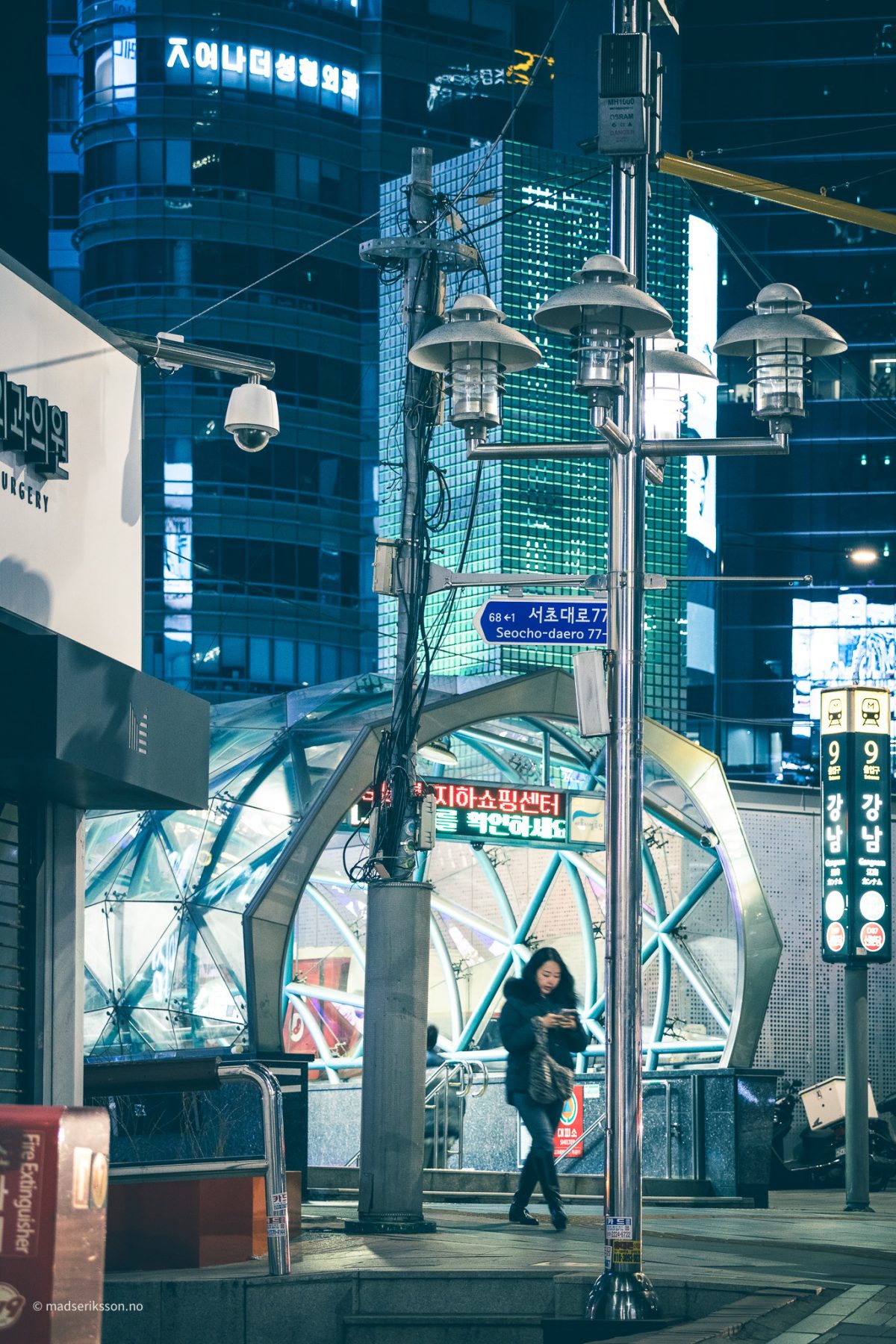
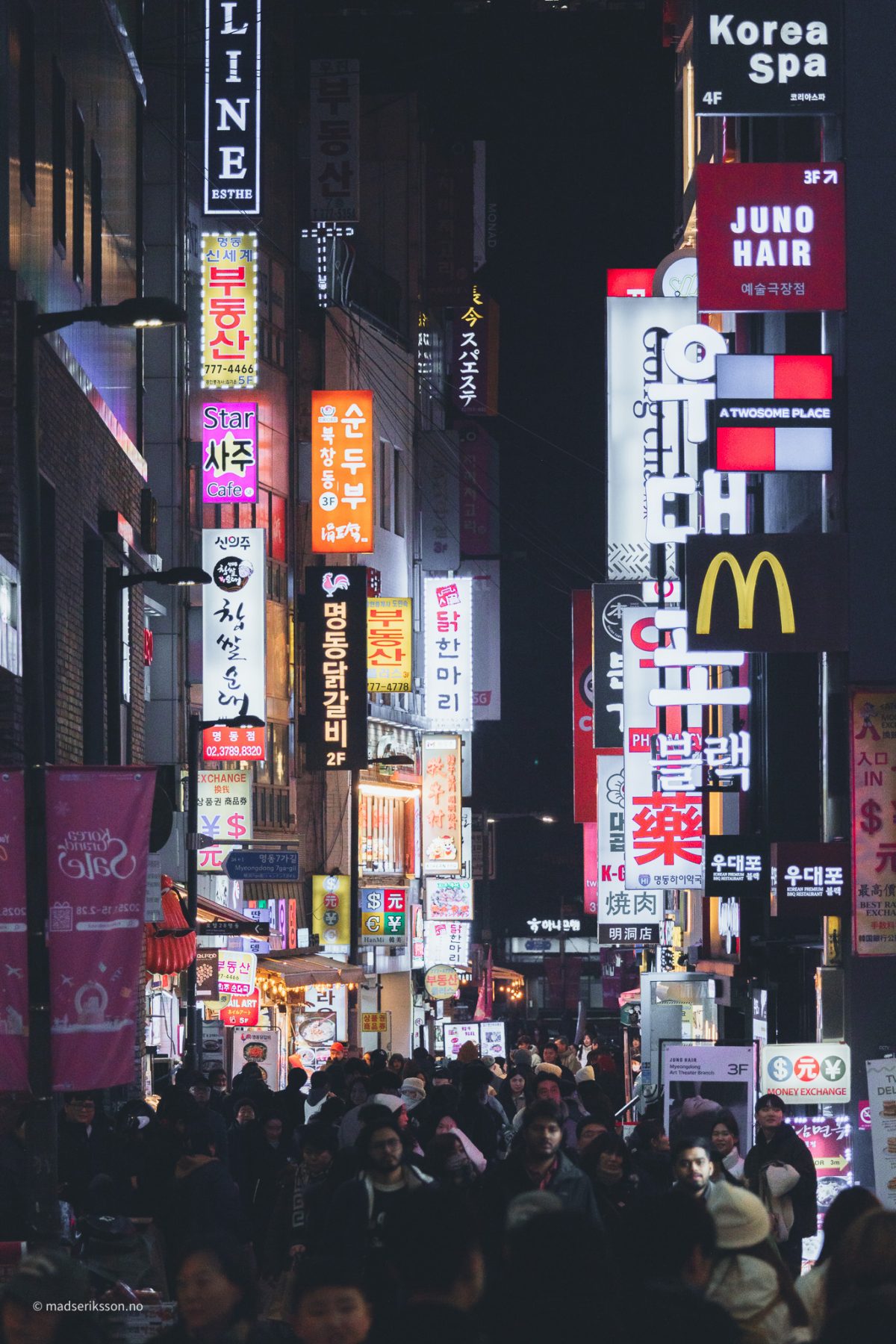
«Seoul is the city that surprises people the most. They come expecting the K-pop industry and the palaces they have seen in photographs, and they find those things — but they also find the hiking trails into the granite mountains within the city limits, the extraordinary food culture at every price level, the late-night markets and the soju tents and the noraebang rooms where Koreans sing alone or in groups until long past midnight. Seoul operates at a different temperature from most Asian capitals — faster and more intense, but also more good-humoured about it. It is a city that takes its culture, its food and its mountains seriously, and rewards visitors who do the same.»
More in the same area
 CitiesGangnam, Seoul: Temples, Royal Tombs and the City South of the River
 ArchitectureThe Breathtaking View from Lotte World Tower in Seoul
 ArchitectureDongdaemun Design Plaza: A Modern Architectural Marvel in Seoul
 Food and DrinksExploring Gwangjang Market: A Culinary Paradise in Seoul
 ArchitectureTen Buildings That Changed Their Cities — Modern Architecture Ranked on Impact, Not Image
 Food and DrinksDongmun Market: Jeju City’s Post-War Market and Its Night Market at Gate 8
City Frames · scroll-driven 3D
More cities in three dimensions
54 city guides open with a model built from open map data. Scroll, and the camera moves from landmark to landmark.
Departures · City Frames
Where to next?
| Time | Destination | Country | Status |
|---|
Live · position of the sun
Golden hour, right now
The low, warm light just after sunrise and just before sunset. These are the cities on the site where it is happening at this moment.