Bergen is Norway’s second city and its most atmospheric — a medieval trading port squeezed between seven mountains and the sea, with a UNESCO-listed wooden wharf, a fish market that has operated since the Middle Ages, and a relationship with rain that its inhabitants describe not as a problem but as a defining feature. It is also the gateway to the Norwegian fjords: the Hardangerfjord, the Sognefjord and the Nærøyfjord all begin within an hour or two, and the city that stands at their mouth wears the landscape like it earned it.

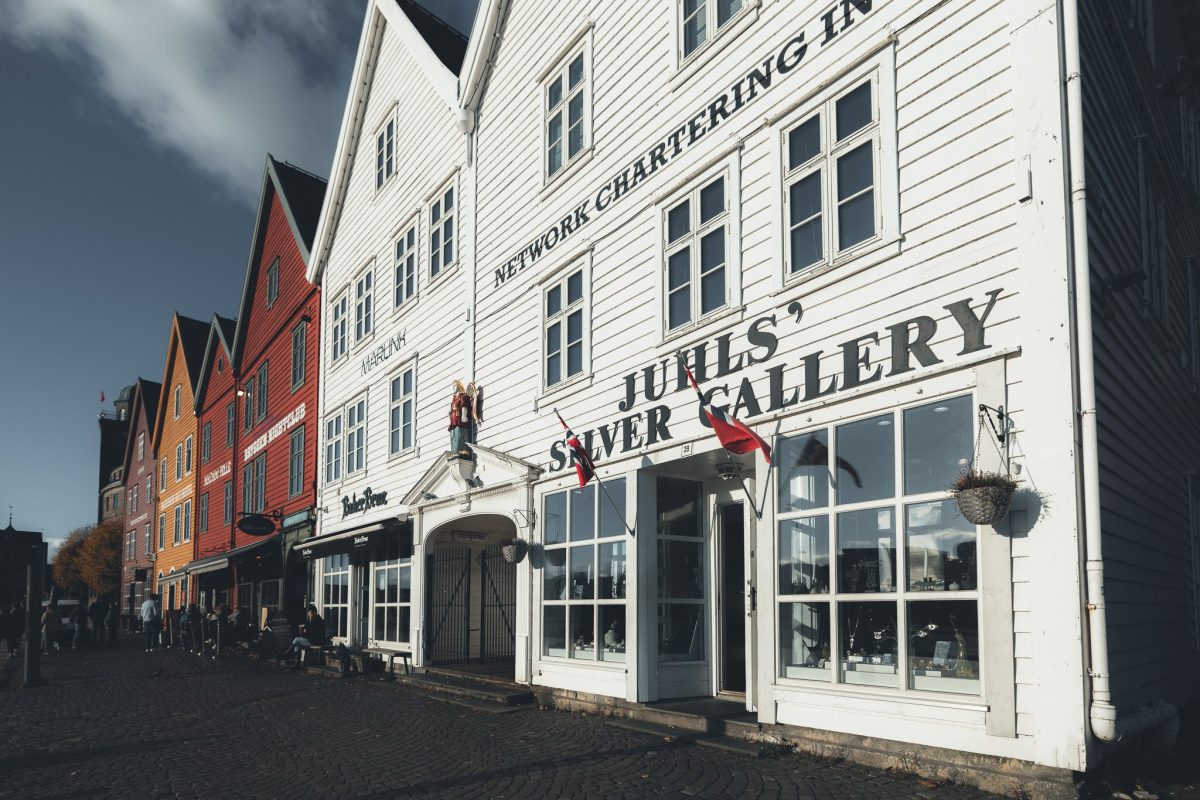
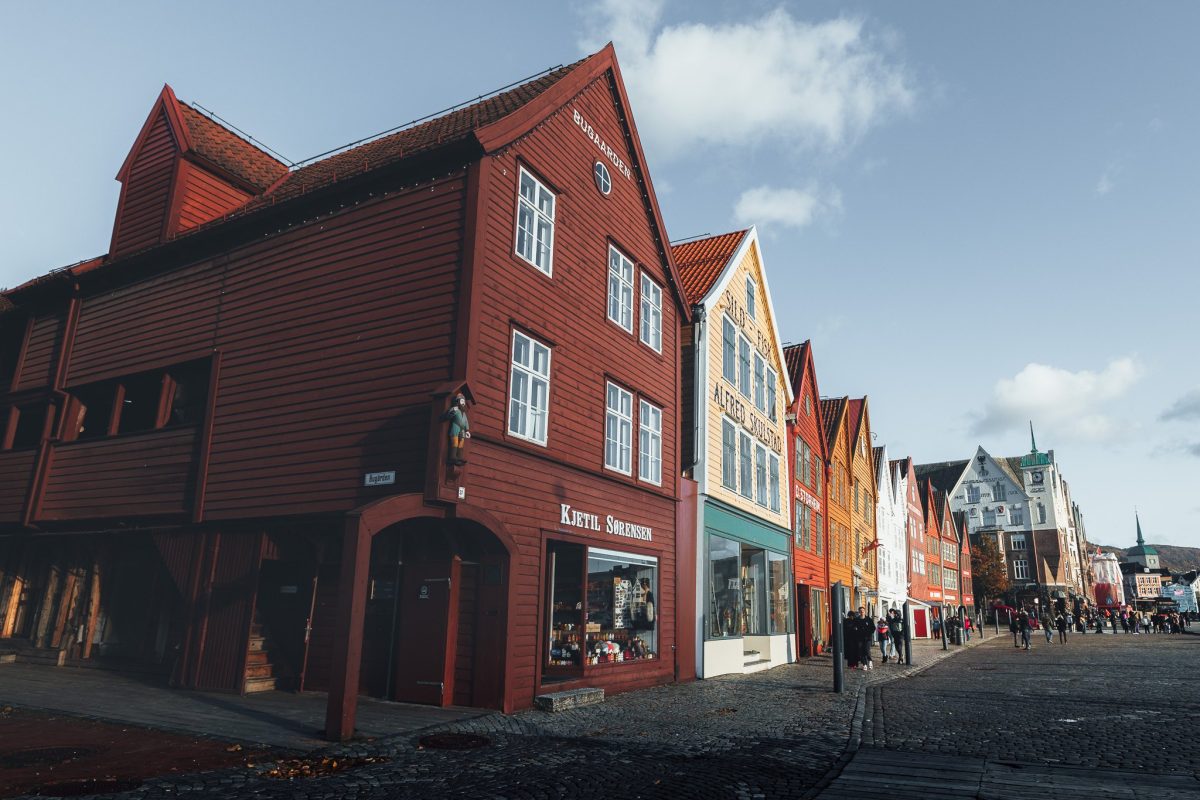
Bergen was founded in 1070 by King Olav Kyrre at the head of the Byfjord, on a strip of flat land between the mountain ridge and the harbour. The town grew quickly on the strength of the dried fish trade: the stockfish of northern Norway, carried south by boat and traded through Bergen to the rest of Europe, made the city one of the most significant commercial centres in medieval Scandinavia. In the 14th century the German Hanseatic League established a trading post on the eastern side of the harbour — the wharf now known as Bryggen — and the German merchants who settled there controlled the Bergen trade for several centuries, leaving behind a row of wooden commercial buildings whose painted gable ends have become the most recognised image of the city. Bryggen was inscribed as a UNESCO World Heritage Site in 1979, and the current buildings — the fifth or sixth reconstruction on the same foundations following repeated fires, the latest dating from 1702 — remain the physical record of a mercantile tradition that shaped the Norwegian economy for four centuries.
Bergen served as the capital of Norway through much of the medieval period and remains the cultural and commercial centre of western Norway. Edvard Grieg was born here in 1843 and is buried in the garden of Troldhaugen, his home south of the city. The Bergen Philharmonic Orchestra, founded in 1765, is the oldest in Scandinavia. The city has seven mountains — de syv fjell — within walking distance of the centre, and a funicular that has been carrying people to the summit of Fløyen since 1918. It rains here approximately 240 days a year, and the light on a rainy day in Bryggen, with the painted buildings reflected in the wet cobblestones, is one of the finest atmospheric effects in any Norwegian city.
How to approach Bergen
This guide covers four aspects of Bergen: the historic wharf at Bryggen and the medieval buildings of the city centre; the seven mountains, the Fløibanen funicular and the hiking culture that makes Bergen one of Norway’s most outdoors-oriented cities; the musical and artistic heritage of Grieg, the KODE museums and the Philharmonic; and Bergen as the departure point for the great fjords — the Hardangerfjord, the Sognefjord and the Nærøyfjord. Bergen is compact enough to cover much of on foot, but the landscape around it is the larger story.

Bergen in 3D
Bergen lies on the Byfjord on Norway's west coast, ringed by the hills known as the seven mountains, of which Ulriken is the highest at 643 m. Founded by King Olav Kyrre around 1070, it was the seat of the Norwegian kings in the 13th century and the country's largest city until the 19th century. This frame covers the old centre from the Nordnes peninsula in the west to the foot of Mount Fløyen in the east, and from Bergenhus Fortress south to Lille Lungegårdsvann.
Bergenhus Fortress
Bergenhus Fortress guards the entrance to Vågen at the northern end of the old harbour. Haakon's Hall, the stone banqueting hall built for King Håkon Håkonsson around 1260, was badly damaged by the explosion of the munitions ship Voorbode at the quay on 20 April 1944 and reopened after restoration in 1961. The neighbouring Rosenkrantz Tower combines a defensive tower of the 1270s with the residence that the governor Erik Rosenkrantz had built around it in the 1560s.

The Fish Market and Fløibanen
The market at the head of Vågen is first recorded in 1278; since 2012 the glass-fronted Mathallen beside the quay has housed an indoor fish market. A few hundred metres east, the Fløibanen funicular has run since January 1918, climbing 302 m over 848 m of track to its upper station at 320 m on Mount Fløyen.
Selection of seafood in the Bergen Fish Market.
St Mary's Church
St Mary's Church, completed around 1180, is the oldest surviving building in Bergen. The German community of the Hanseatic League took it over in 1408, and as the German church it held services in German until after the First World War. Bryggens Museum next door is built over the remains of the medieval town excavated after the fire of 1955.
The art museums and Grieghallen
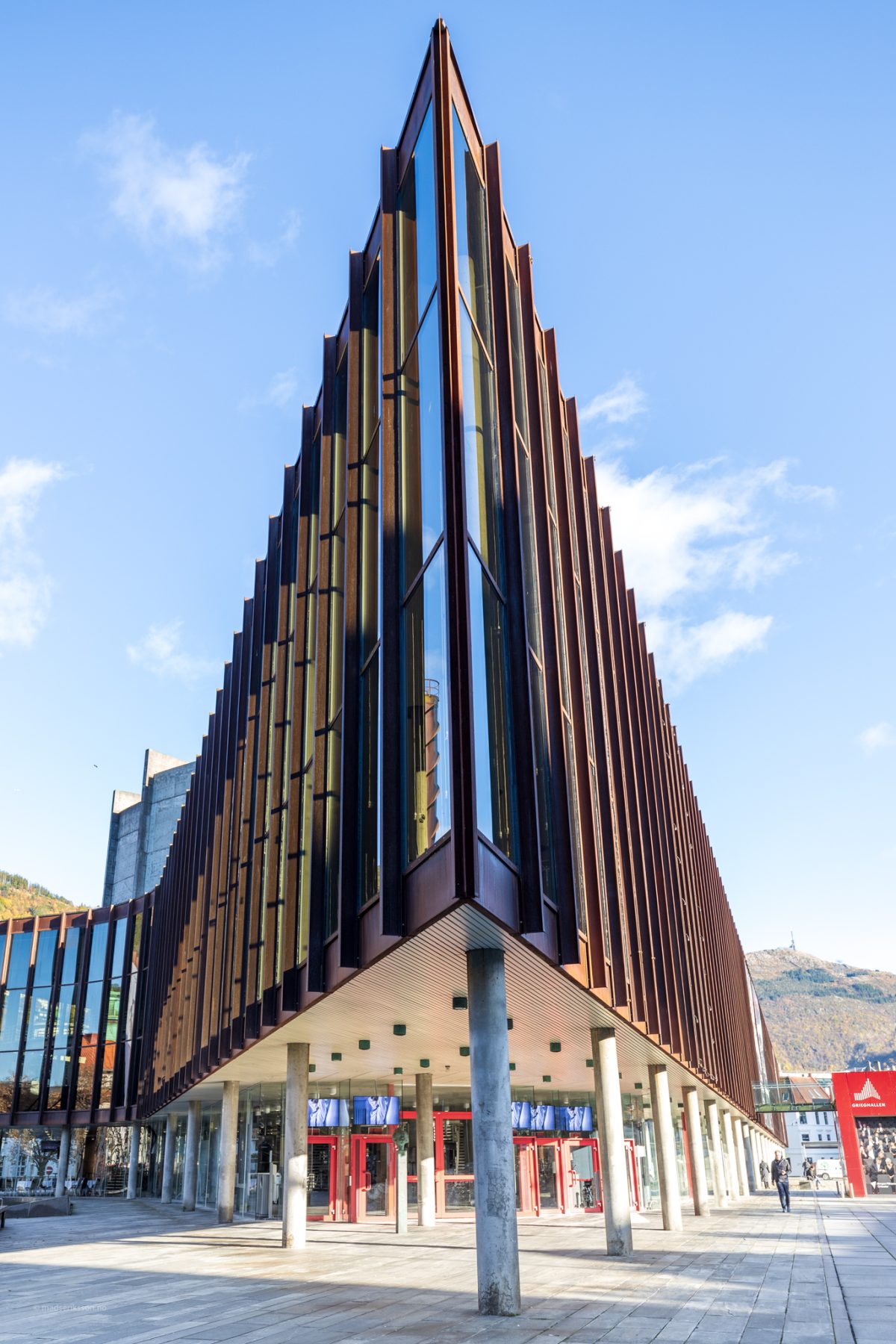
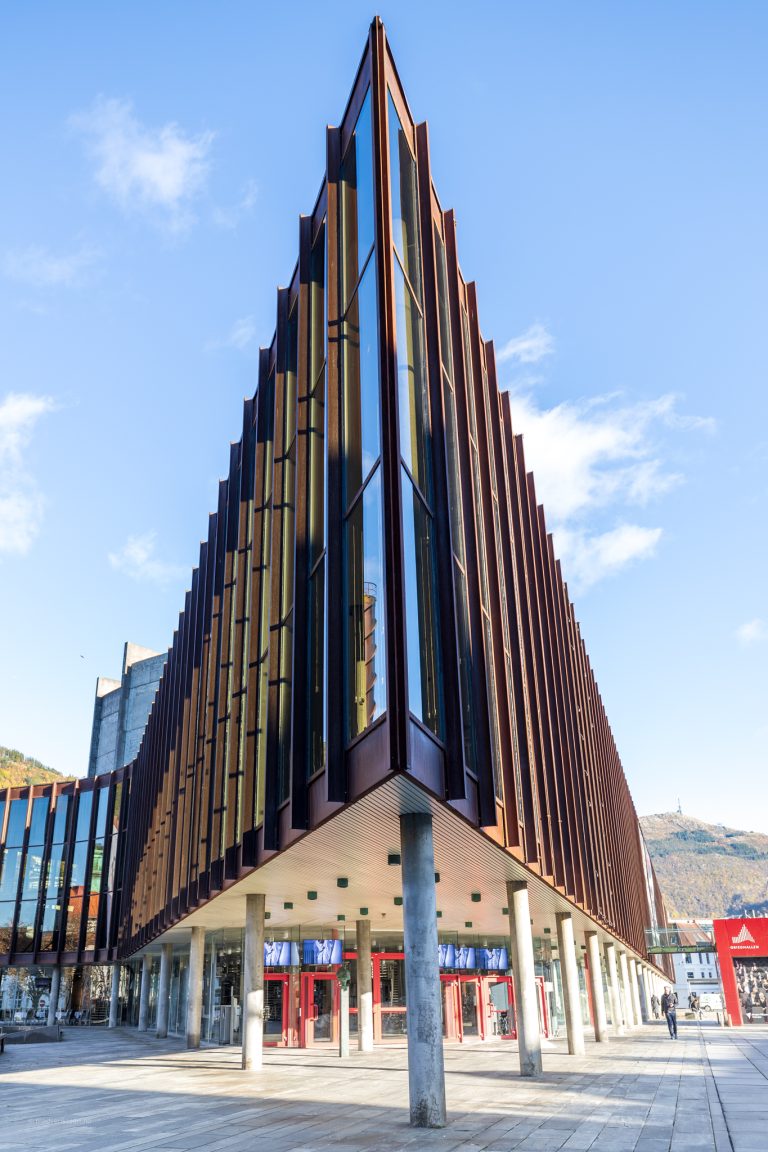
The KODE art museums occupy four buildings along Lille Lungegårdsvann: Permanenten (1896), Stenersen (1978), the Rasmus Meyer collection (designed in 1924) and Lysverket, designed in 1938 as offices for the city's electricity works. South-west of the lake stands Grieghallen, designed by Knud Munk and opened in May 1978, home of the Bergen Philharmonic Orchestra, founded in 1765.
The concert hall, Grieghallen in Bergen.
St John's Church
St John's Church, consecrated in 1894 to designs by Herman Major Backer, has the tallest tower in Bergen at 61 m and seats 690. It stands on the high ground of Sydneshaugen above the city centre, next to the University Museum of Bergen; the university itself was founded in 1946.
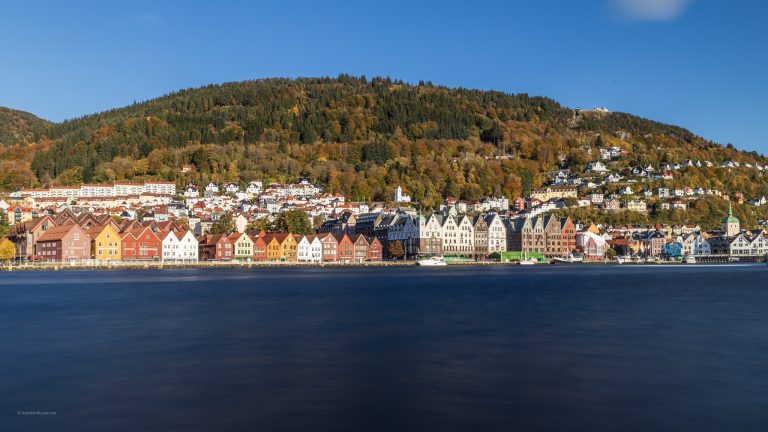
The Hanseatic wharf
Bryggen, the wharf on the eastern side of Vågen, housed the Hanseatic League's kontor from around 1350 until 1754. Its rows of gabled wooden buildings have burned and been rebuilt many times on the same narrow plots; the oldest of the present buildings date from the reconstruction after the fire of 1702, and part of the wharf was lost again in 1955. Bryggen was inscribed on the UNESCO World Heritage List in 1979.
Bryggen in Bergen with Mount Fløyen.
Vågen and Nordnes
Vågen, the narrow inner harbour, has been Bergen's port since the town was founded, with Bryggen on its eastern shore and the Nordnes peninsula closing it to the west. In 1665 English warships attacked a Dutch merchant fleet sheltering here in the Battle of Vågen. The Bergen Aquarium, opened in 1960, stands at the tip of Nordnes.
The cathedral and the station
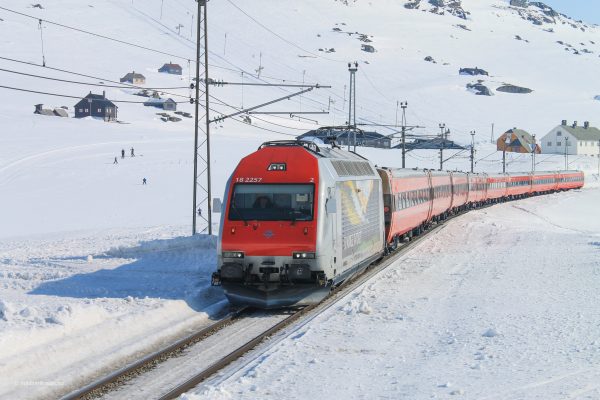
Bergen Cathedral is first recorded in 1181 as St Olaf's Church; its west tower was built after the fires of 1623 and 1640, and a cannonball from the Battle of Vågen in 1665 is still lodged in its wall. Bergen Station, a few hundred metres to the south-east, is the western terminus of the Bergen Line, which opened across Hardangervidda from Oslo in 1909.
Read more: Bergensbanen: The Oslo–Bergen Railway Across Hardangervidda
3D model © 2026 madseriksson.no · Photographs © madseriksson.no. Buildings and heights: © OpenStreetMap contributors (ODbL), via OpenMapTiles. Ground imagery: Sentinel-2 cloudless 2023 by EOX IT Services GmbH (contains modified Copernicus Sentinel data 2023; CC BY 4.0). Heights are approximate where OpenStreetMap has no measured value; sun positions are approximate.
Bryggen and the Old City — The Hanseatic Wharf and the Medieval Harbour
The painted wooden buildings of Bryggen have defined Bergen’s image for seven centuries — and the medieval fortress behind them is one of the finest in Norway
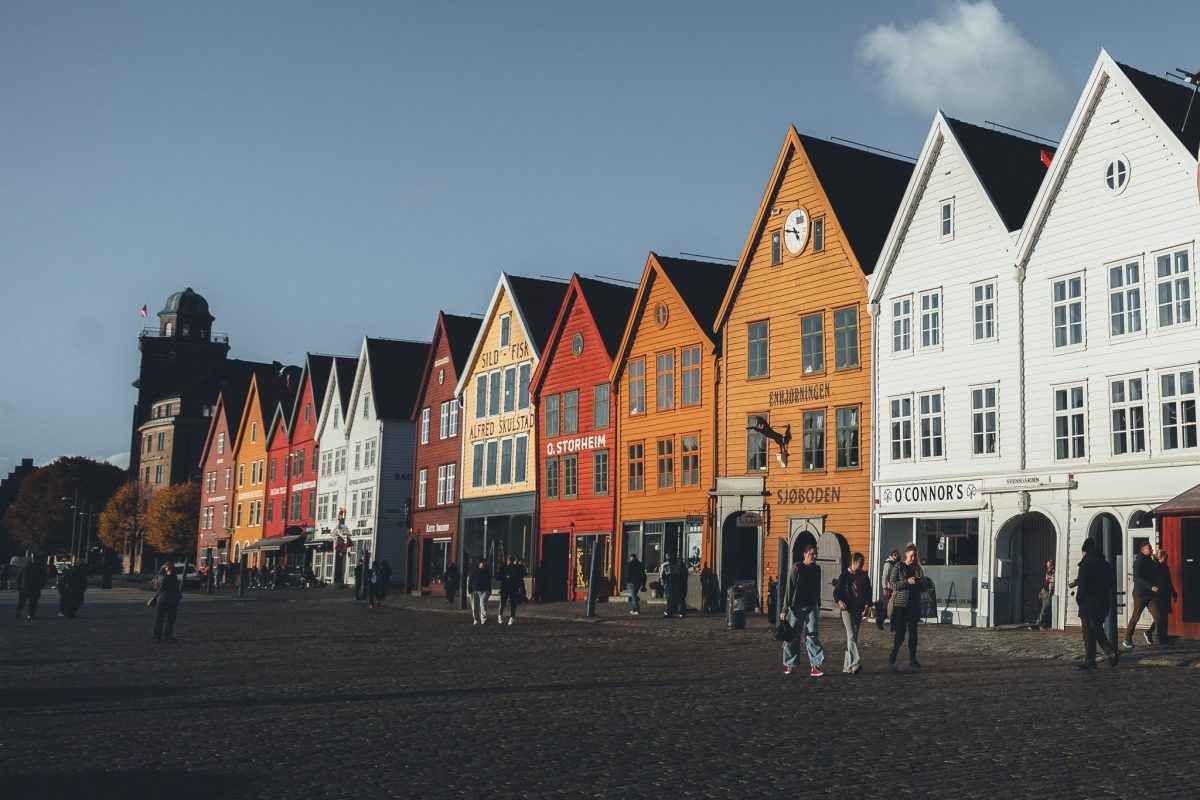
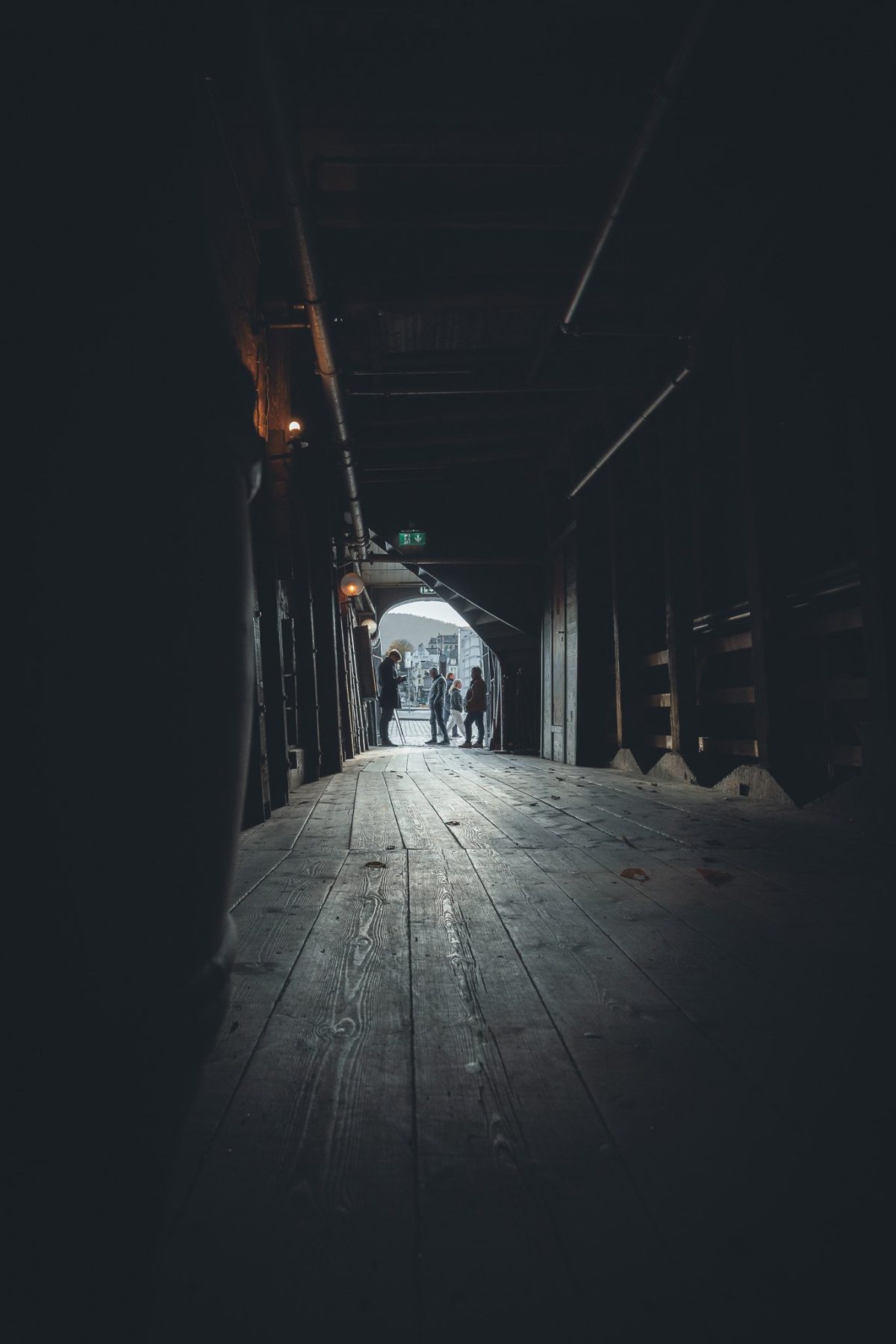
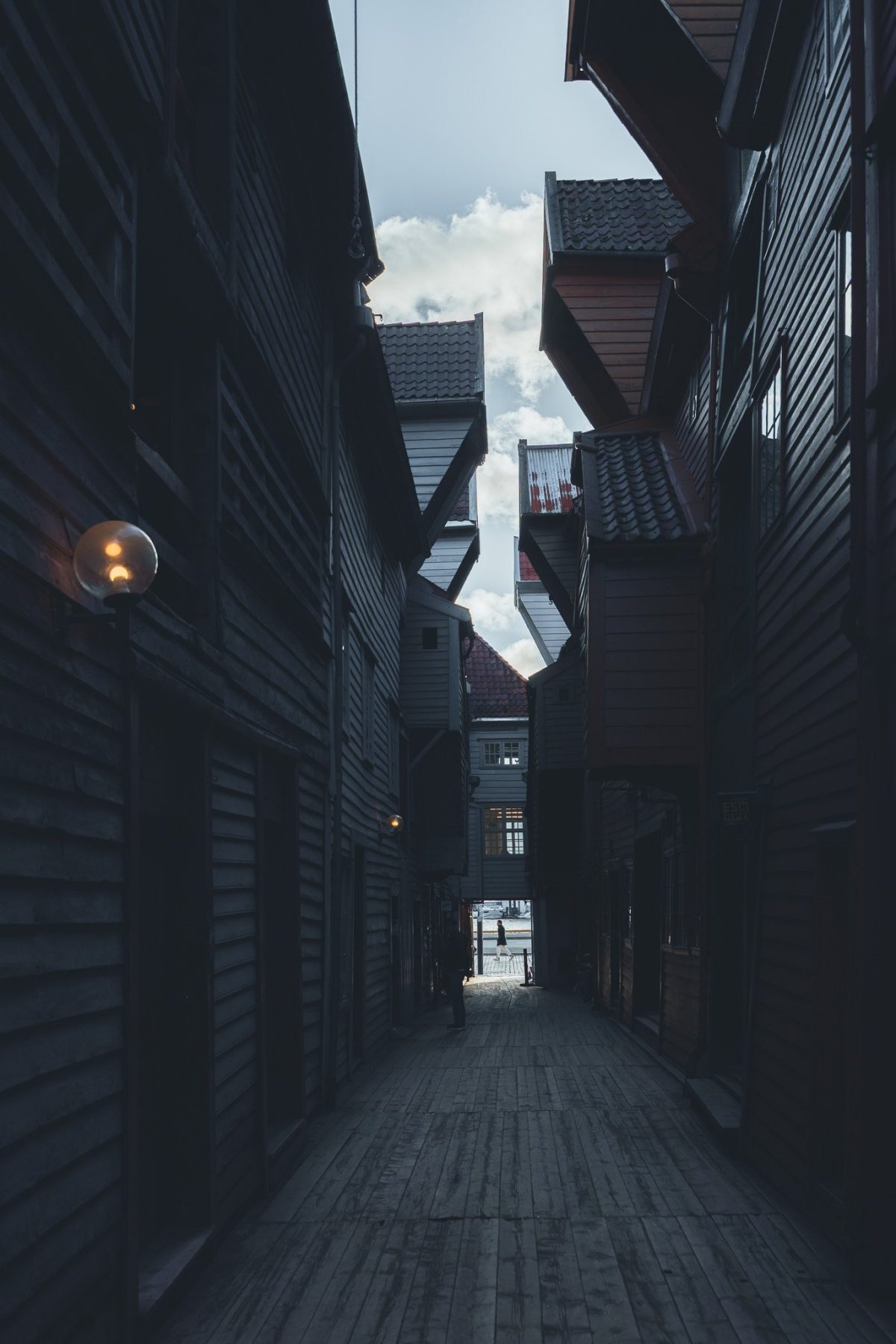
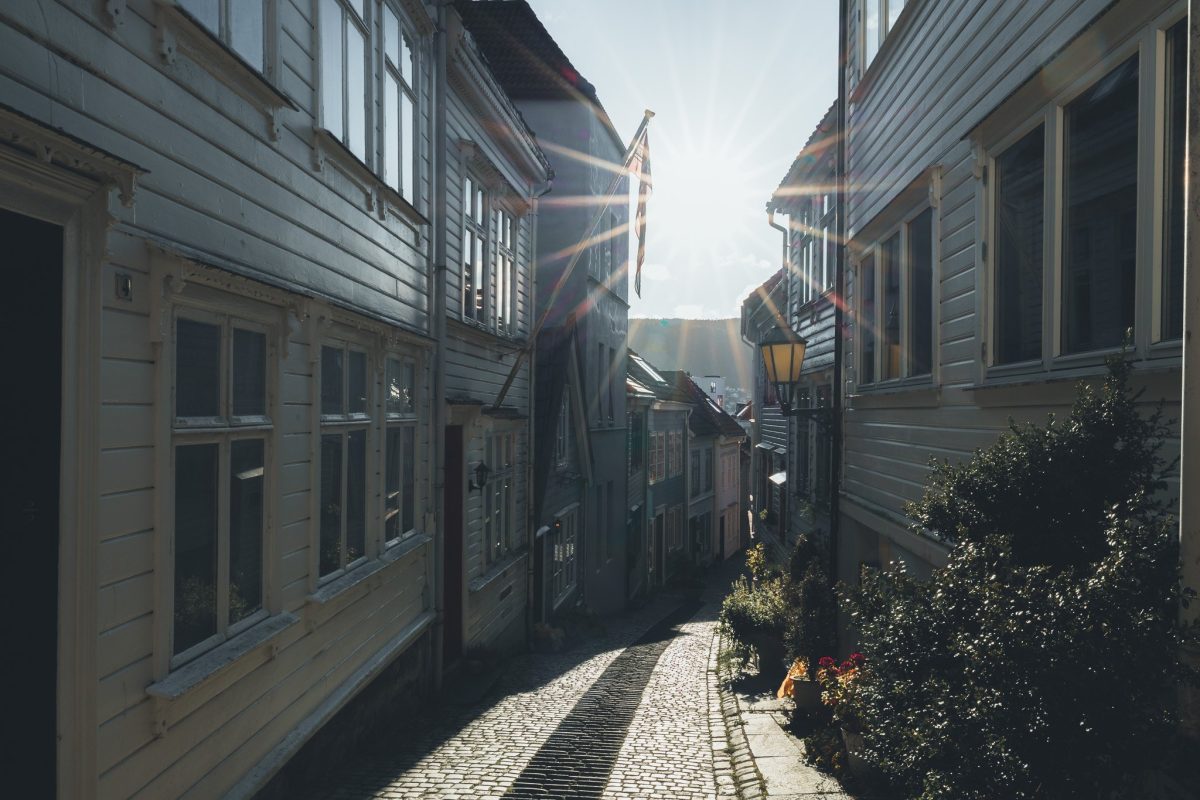
Bryggen — the word simply means “the wharf” in Norwegian — is the row of painted wooden commercial buildings on the eastern side of Bergen’s inner harbour, the Vågen. The Hanseatic League established their Bergen trading post here in the late 14th century, and the German merchants who lived and worked in these buildings controlled the Bergen fish trade for three centuries, forming a closed community that maintained its own laws, language and customs largely separate from the surrounding Norwegian city. The current buildings date largely from after the great fire of 1702 — repeated fires throughout the Hanseatic period destroyed and necessitated the reconstruction of the wharf multiple times, always on the same narrow medieval foundations — and are the fifth or sixth generation of structures on the same footprint. Walking through the alleys (streder) between the parallel rows of warehouses and living quarters gives the most vivid sense of the scale and organisation of the Hanseatic settlement: the buildings stack back from the harbour front, with ground-floor warehouses, first-floor workrooms and upper-floor sleeping quarters for the unmarried young men who made up most of the resident workforce.
At the northern end of the harbour, Bergenhus Fortress occupies the promontory that has guarded Bergen’s harbour entrance since the 13th century. Håkonshallen — the great stone feasting hall built by King Håkon Håkonsson in the 1260s — was one of the largest secular medieval buildings in Scandinavia, constructed for the wedding of Håkon the Young in 1261. It was later used as a gunpowder store, fell into ruin, was restored in the 19th century and damaged by a German munitions ship explosion in 1944; the current interior is a careful 20th-century reconstruction. The adjacent Rosenkrantz Tower, built in the 16th century by the governor Erik Rosenkrantz to incorporate an earlier medieval keep, gives the best elevated view over the harbour and the Bryggen rooftops.
The German merchants of the Hanseatic Kontor at Bryggen maintained their own courts, their own church and their own rules — including a prohibition on Norwegian wives and children. They lived in Bergen for decades without becoming Bergensians.
The Fish Market (Fisketorget) at the southern end of the harbour has sold fish, shellfish and Norwegian seafood in some form since the medieval period. The current open-air market, with its covered stalls and waterfront setting, operates from spring through autumn and functions as much as a gathering point and tourist destination as a market — but the seafood is genuine and the setting, with Bryggen visible across the harbour and the funicular climbing the hillside behind, is the definitive Bergen experience. Mariakirken — St. Mary’s Church, built in the 12th century — is the oldest building in Bergen and the church used by the Hanseatic merchants during their time in the city. Its Romanesque nave and twin towers survive largely intact.


The Seven Mountains — Bergen from Above, Bergen on Foot
Bergen is defined by the seven mountains that surround it — and its inhabitants’ relationship with those mountains, in all weathers, is the city’s most distinctive cultural characteristic
The Fløibanen funicular — opened in 1918 and one of the steepest urban funiculars in the world, climbing at gradients of up to 26 degrees — runs from a station near the fish market to the summit of Fløyen in 8 minutes. The view from the top (320 metres) takes in the full extent of Bergen’s harbour, the Bryggen rooftops, the Byfjord stretching north, and the surrounding mountains. It is the best single viewpoint over the city and worth visiting both in daylight and at dusk. The mountain itself, once you step away from the summit café and souvenir area, opens onto a network of well-marked trails through birch woodland and open heathland that connects to the broader trail system of the western Bergen mountains. In summer, families with pushchairs use the paths; in winter, cross-country skiers replace them. The funicular runs until 23:00 daily (midnight in summer), making an evening ascent for the city lights over the harbour one of Bergen’s most reliably memorable experiences.
Ulriken — at 643 metres, the highest of the seven mountains and the highest peak immediately adjacent to the city — is accessible by the Ulriksbanen cable car, which runs from a terminal east of the city centre. The summit gives a wider and higher perspective than Fløyen, encompassing the full geography of Bergen’s position between the mountains and the sea: the city compressed into its narrow coastal strip, the fjords extending in multiple directions, and on clear days the snowfields of the Hardanger plateau visible to the east. A marked trail known as Vidden — approximately 6 kilometres of high mountain plateau — connects the summits of Ulriken and Fløyen and is one of the most popular mountain walks in Norway accessible directly from an urban centre. The walk takes 3–4 hours and descends by the funicular at the Fløyen end.
Bergensians walk to the top of their mountains in ordinary shoes, in rain, after work. The seven mountains are not an outdoor destination — they are infrastructure. The Vidden trail between Ulriken and Fløyen is walked by office workers on their way home.
The Bergen culture of friluftsliv — the Norwegian concept of outdoor life as essential to wellbeing — is, in Bergen, conducted at a particularly high intensity. The city’s citizens walk in the rain without complaint and on the mountains in all seasons. The trail network above the city is maintained to a high standard by the Bergen Turlag (the local chapter of the Norwegian Trekking Association) and extends, from the summits of the seven mountains, into a wider system of marked routes through the Osterfjord hills that can occupy weeks of walking. Bergen is also the start of the Pilgrim’s Route (Pilegrimsleden) to Trondheim — a long-distance trail covering over 600 kilometres to the Nidaros Cathedral, which was walked by medieval pilgrims and has been revived as a hiking route.
Grieg, the Philharmonic and the Art Museums
Edvard Grieg spent most of his creative life in Bergen. The Philharmonic he conducted is the oldest in Scandinavia. The city’s art museums are among the largest in Norway.
Edvard Grieg was born in Bergen in 1843 and, despite years of study in Leipzig and extended periods abroad, remained deeply connected to the city and the Norwegian landscape his whole life. In 1885, he and his wife Nina moved into Troldhaugen — the “Hill of Trolls” — a villa south of Bergen overlooking the Nordåsvatnet lake, where Grieg composed prolifically and entertained international visitors including Brahms and Tchaikovsky. The house is preserved almost exactly as it was in Grieg’s time, with the original furniture, his Steinway piano and the personal objects he accumulated across a lifetime. He and Nina are buried together in the cliff face beside the house, in a tomb they chose themselves, sealed into the rock above the water. The adjacent concert hall — the Troldsalen — seats 200 and hosts regular summer concerts at which Grieg’s music is performed in the acoustic and surroundings for which much of it was conceived. The nearby composer’s hut, a small wooden studio set above the lake and separate from the main house, is where Grieg did his most concentrated work.
The Bergen Philharmonic Orchestra, founded in 1765, is the oldest symphony orchestra in Scandinavia and one of the oldest in the world still in continuous operation. Grieg served as its conductor from 1880 to 1882, and the orchestra’s connection to his music is the deepest in the world. It performs in the Grieghallen — the principal concert and conference venue of the city, built in 1978 and named in his honour — and is one of the finest Scandinavian orchestras of the current generation. Ole Bull (1810–1880), the Norwegian violin virtuoso who was born in Bergen and became one of the most celebrated performers in 19th-century Europe, is commemorated by a statue in the main city park that bears his name (Ole Bulls plass) — the social centre of the city, ringed by the principal cultural buildings.
Grieg and his wife Nina chose their own burial site — sealed into the cliff face above the lake at Troldhaugen — and had it cut during their lifetimes. The tomb is sealed behind a small metal door in the rock. There is no monument other than their names.
KODE — the Bergen art museum complex — occupies four buildings around the Lille Lungegårdsvann lake in the centre of the city, making it one of the largest art museum complexes in Scandinavia. The collection spans Norwegian and international art from the 17th century to the present, with particular strength in Edvard Munch (Bergen holds one of the largest Munch collections outside Oslo), J. C. Dahl (the Norwegian landscape painter who studied in Dresden and whose work defined the visual identity of Norwegian Romanticism), and the decorative arts and design of the 20th century. KODE 2 houses the Rasmus Meyer collection, assembled by the Bergen businessman Rasmus Meyer in the late 19th and early 20th centuries, which includes some of Munch’s most important early works. The Bergen International Festival — held in late May and early June, with music, theatre, dance and visual art — is one of the most significant arts festivals in Scandinavia.
Gateway to the Fjords — The Great Waterways Begin Here
Three of the world’s most celebrated fjords are within 1–3 hours of Bergen — and the city is the natural base for exploring the Norwegian fjord landscape
The Hardangerfjord — 179 kilometres long, cutting deep into the mountain plateau of Hardanger — is the closest of the major fjords to Bergen, accessible by bus or ferry in approximately 1.5 hours. In spring, the fjord sides are covered in flowering fruit trees — the Hardanger region is the largest fruit-growing area in Norway, and the combination of the white blossom, the dark water and the snow still on the upper ridges makes for a landscape that is photographed millions of times a year with good reason. Hardangervidda, the high plateau above the fjord, is the largest mountain plateau in Europe and a national park of extraordinary scale — a treeless expanse of lake, river and rock inhabited by the largest wild reindeer herd in Europe and used for hiking in summer, skiing in winter, and the occasional dramatic crossing on foot from the Bergen side to the Oslo side that Nansen famously made in 1884 as a test for his later Greenland expedition.
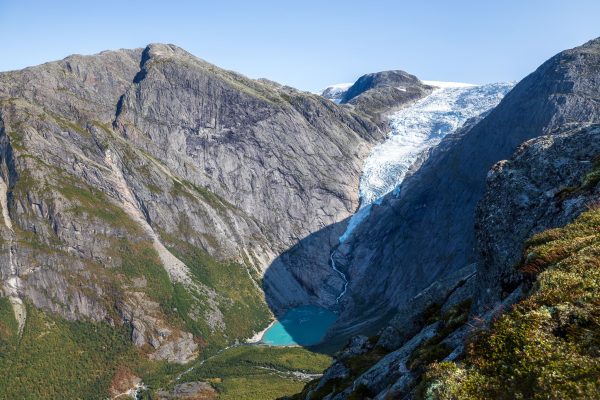
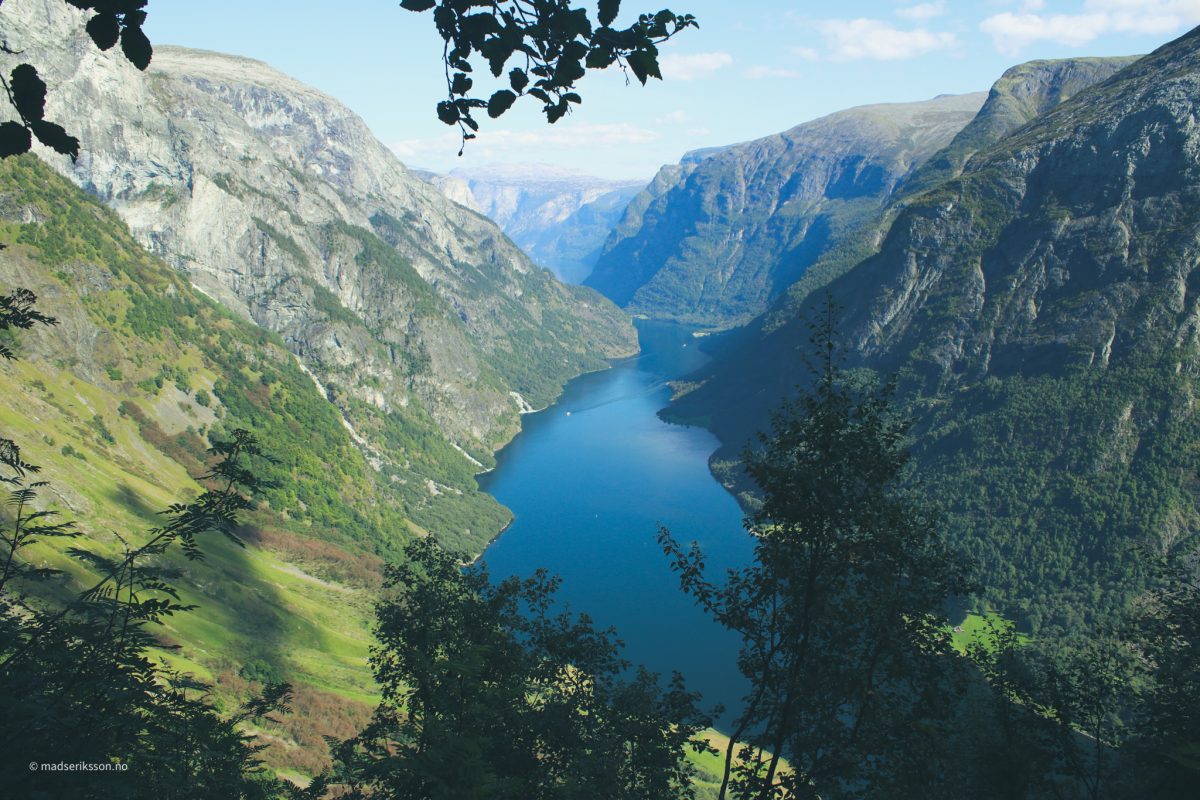
The Sognefjord is the longest fjord in Norway (205 kilometres) and the second longest in the world. Its main arm is wide and relatively calm; the narrower branches — particularly the Nærøyfjord and the Aurlandsfjord in the east — are where the fjord landscape achieves its most concentrated drama. The Nærøyfjord, just 250 metres wide at its narrowest point with walls rising to 1,700 metres on both sides, was inscribed as a UNESCO World Heritage Site in 2005 alongside the Geirangerfjord. Boat cruises from Gudvangen or Flåm through the Nærøyfjord take approximately 2 hours; the combination of the water, the walls and the waterfalls falling directly into the fjord is one of the most dramatic natural experiences in Europe.
The Nærøyfjord is 250 metres wide at its narrowest. The walls rise to 1,700 metres on both sides. Waterfalls fall directly into the water. It is the closest thing the European mainland has to a landscape that appears geologically impossible.
The “Norway in a Nutshell” route — a combination of train, bus and boat that takes in the Flåm railway (one of the steepest standard-gauge railways in the world), the Aurlandsfjord, the Nærøyfjord and the Bergen railway back to Bergen — is the most popular organised day trip from Bergen and is, despite its tourist profile, genuinely one of the finest one-day journeys available in Norway. The Flåm railway alone, descending 863 metres in 20 kilometres through tunnels and bridges above waterfalls, would justify the trip independently. Bergen itself, as the departure point for all of this, has the additional quality of a city that understands what it has behind it: the fish it sells, the fruit it imports from Hardanger, the hydroelectric power generated by the fjord waterfalls, and the identity that comes from standing at the point where Norway’s most dramatic geography meets the sea.
«Bergen rewards those who look up. Up to the seven mountains that ring it, up to the Fløibanen climbing the hillside, up to the painted gable ends of Bryggen reflected in the harbour. It also rewards those who go further — up the fjords to Hardanger, up the Flåm railway above the waterfalls, up to the Vidden plateau between Ulriken and Fløyen in the early morning when the city is below the cloud and the mountains are clear. Bergen gives the impression of a city that knows exactly what it is and where it is, and has built its identity — maritime, musical, wet, outdoors — out of both with complete confidence. The rain helps. It always has.»
More in the same area
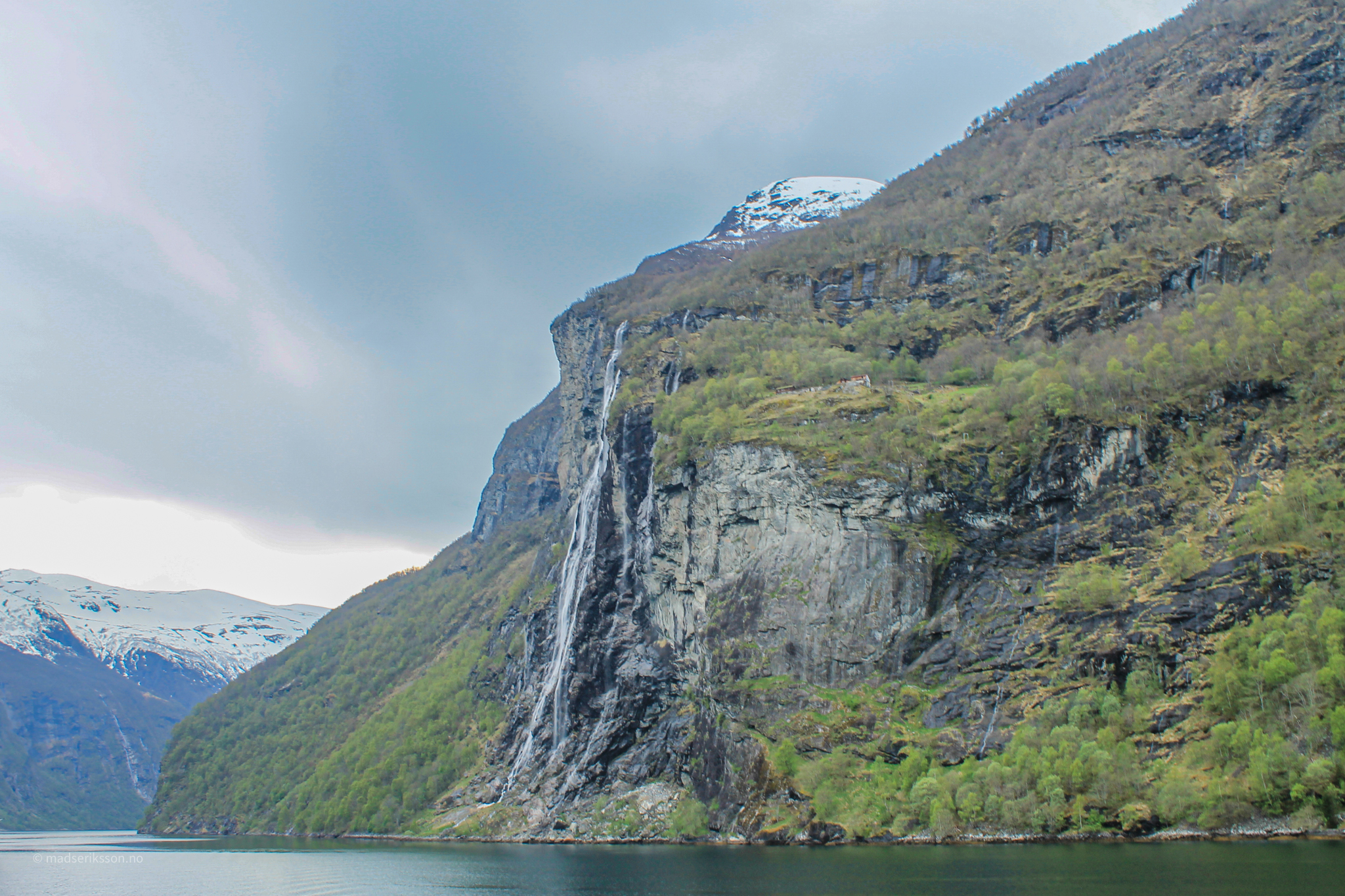 FjordsGeirangerfjord: Waterfalls, Ledge Farms and the Roads Above
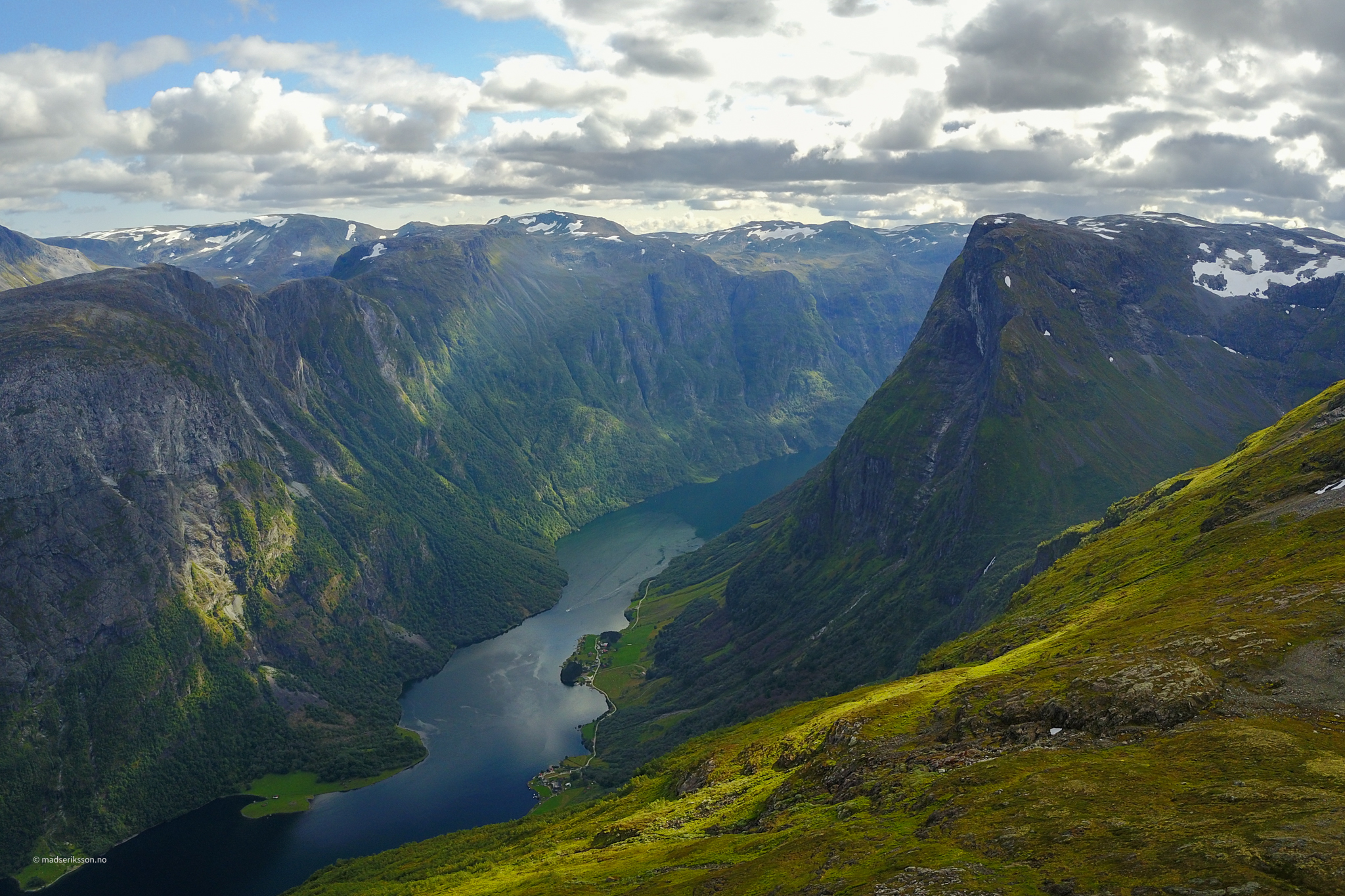 FjordsRimstigen: the old cattle path up the walls of the Nærøyfjord
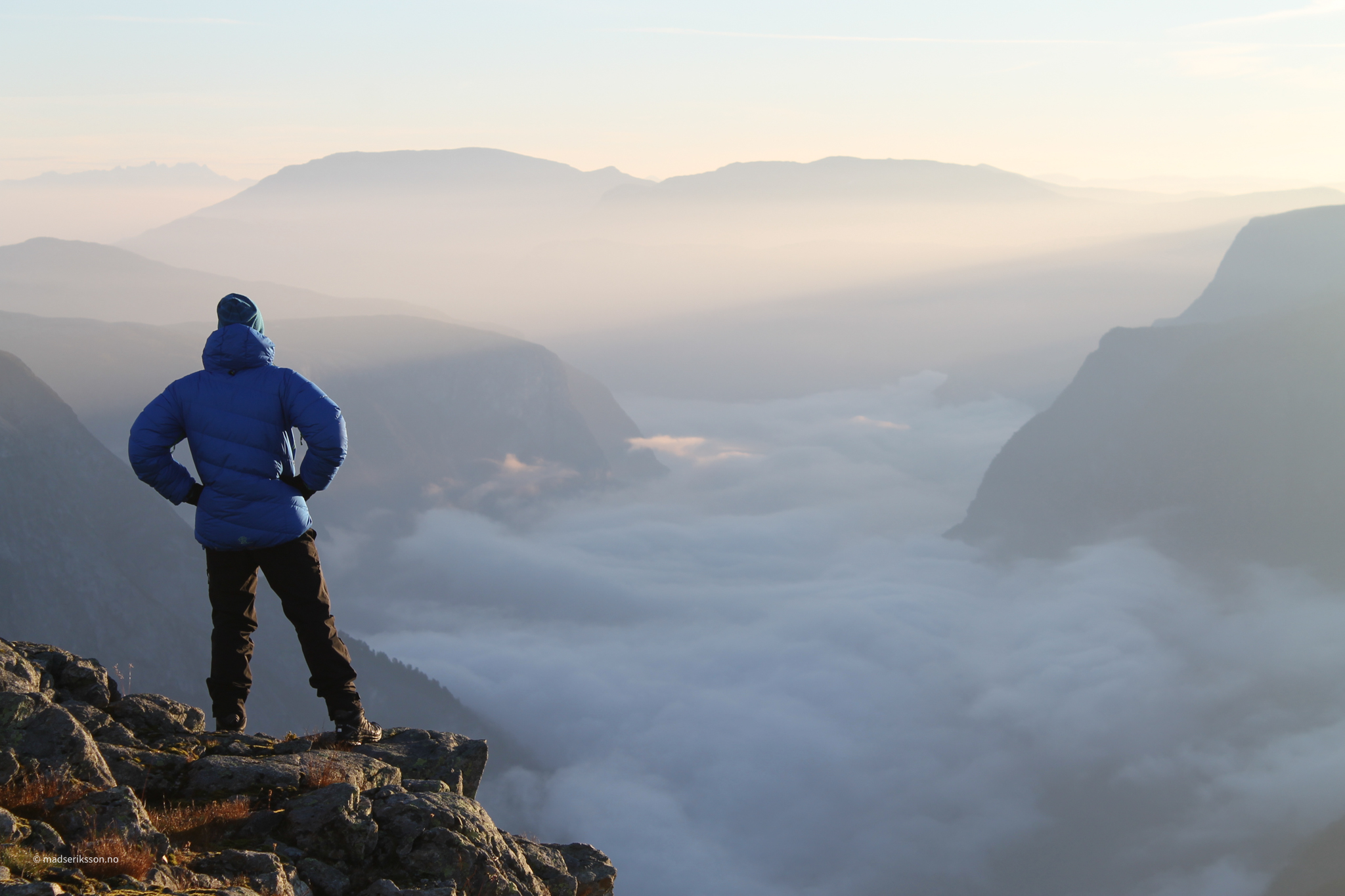 FjordsNærøyfjord: Norway’s Narrowest World Heritage Fjord, From the Water and Above
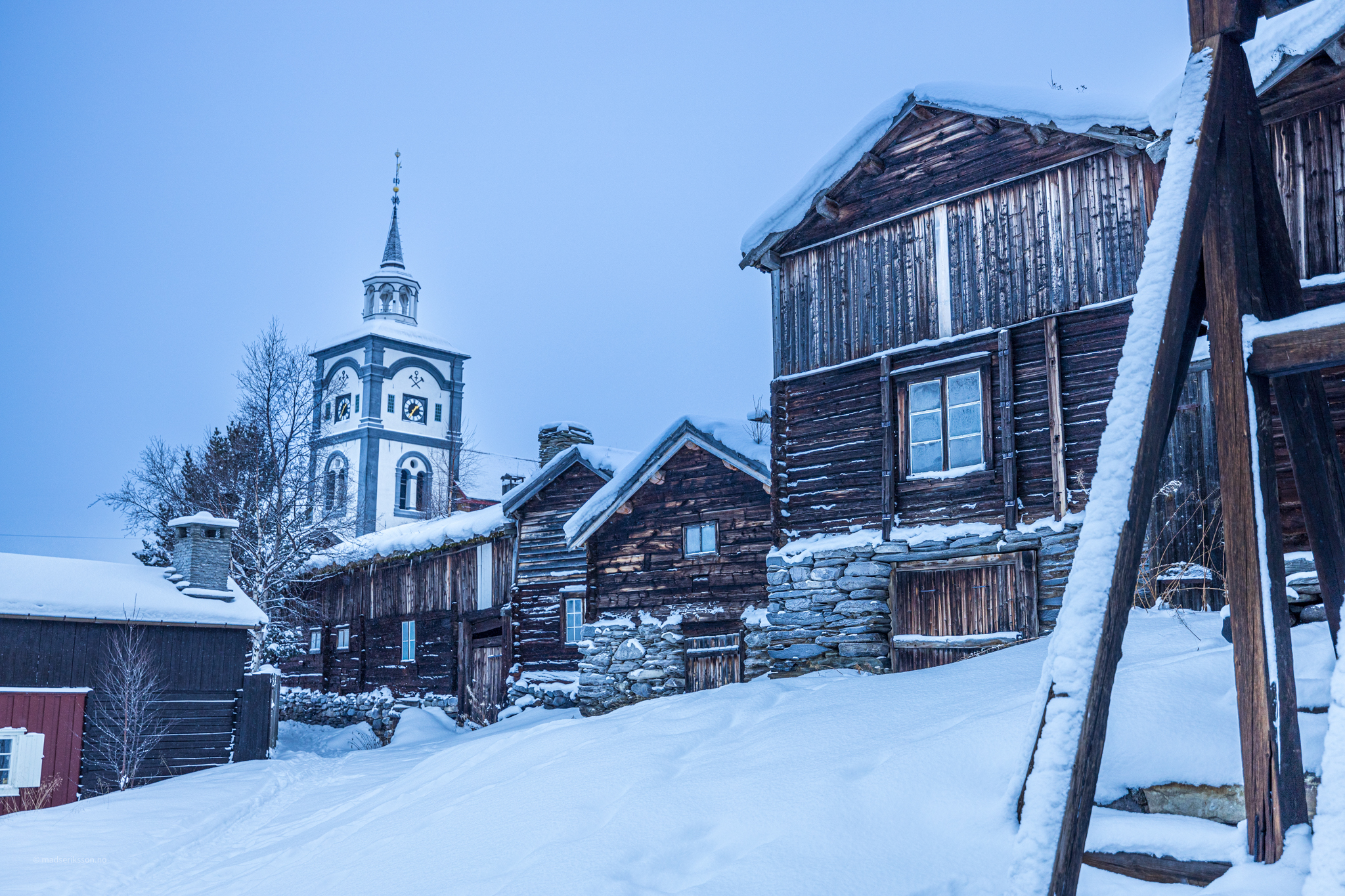 CitiesRøros: Norway’s Copper Town and World Heritage Site
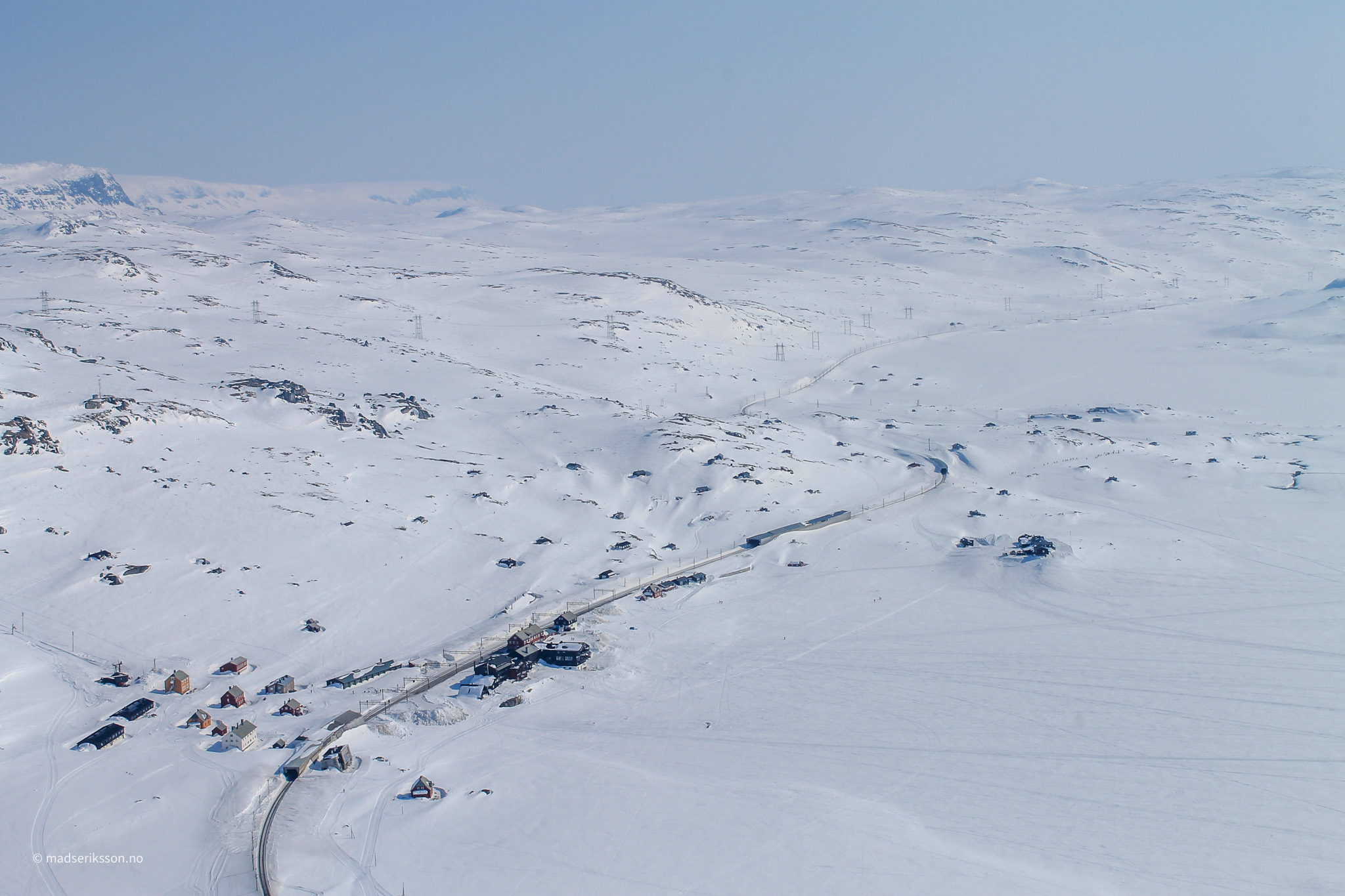 Train travelThe World’s 10 Great Railway Journeys
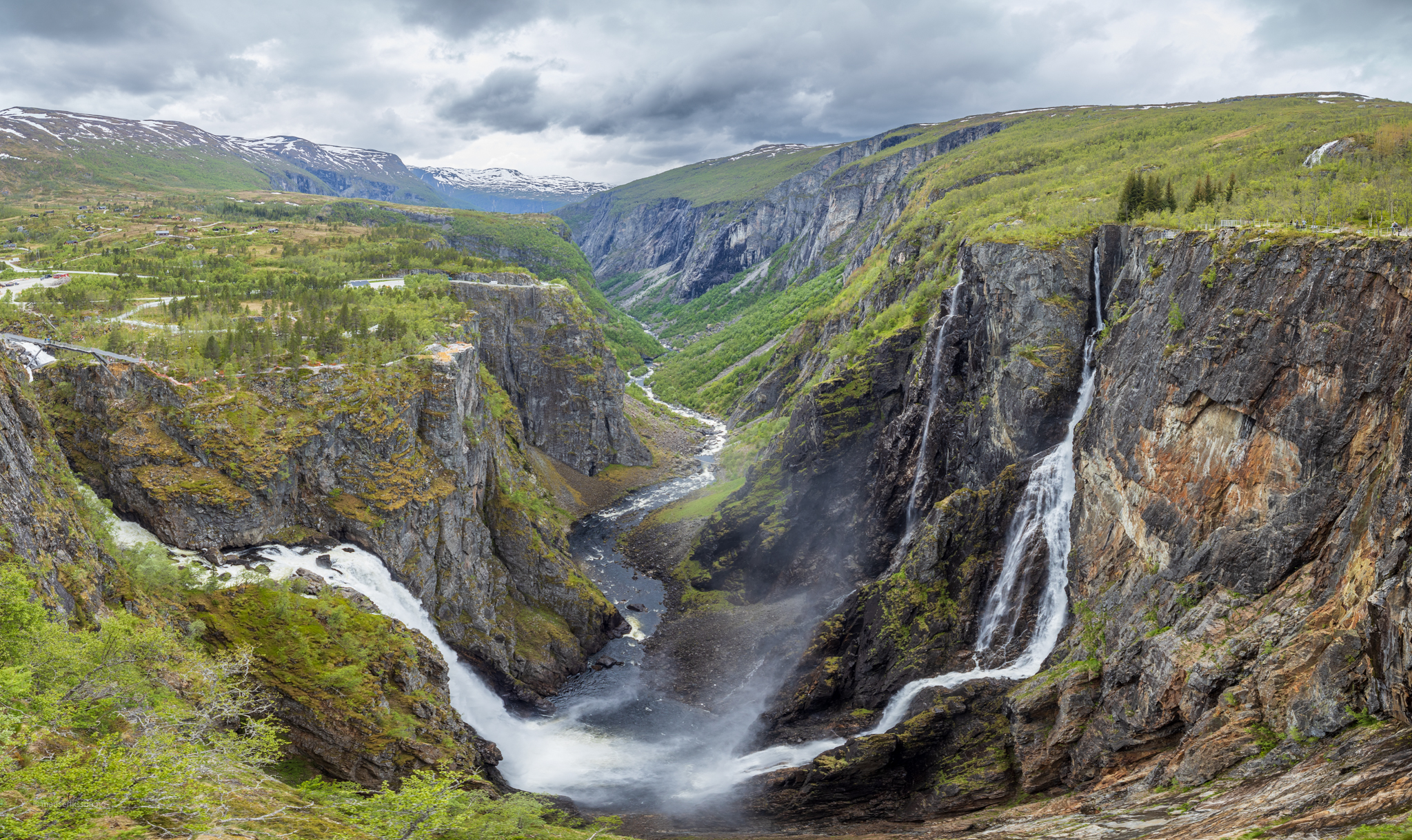 NatureThe World’s 15 Most Spectacular Waterfalls
City Frames · scroll-driven 3D
More cities in three dimensions
54 city guides open with a model built from open map data. Scroll, and the camera moves from landmark to landmark.
Departures · City Frames
Where to next?
| Time | Destination | Country | Status |
|---|
Live · position of the sun
Golden hour, right now
The low, warm light just after sunrise and just before sunset. These are the cities on the site where it is happening at this moment.