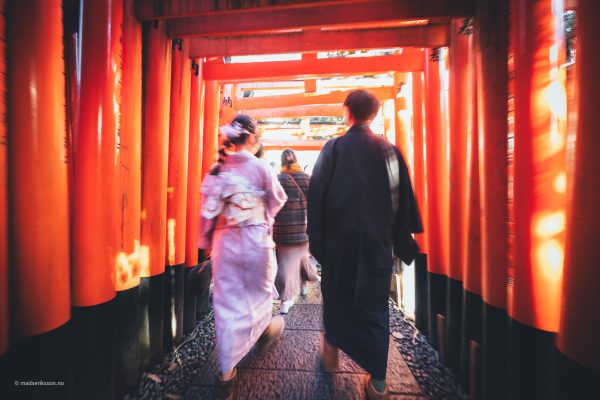
Two days, thirty kilometres apart, and almost nothing in common. The first is spent in a park built around the ruin of a building that should not still be standing. The second is spent on an island where a shrine was constructed over the tideline so that pilgrims would not have to set foot on sacred ground. Most visitors do them back to back, and the contrast is the reason to give it two days rather than one.

Hiroshima sits on a river delta on the Inland Sea, about ninety minutes from Osaka on the Shinkansen and a little over an hour and a half from Kyoto. It is a city of roughly 1.2 million people with a functioning tram network, good food and a reputation entirely dominated by four minutes of its history. That reputation is accurate and it is also incomplete, which is worth holding in mind for the whole visit.
Thirty kilometres south-west, reached by train and a ten-minute ferry, is the island of Itsukushima — universally called Miyajima, shrine island. Its shrine complex and the great torii standing in the water were built out over the tideline because the island itself was held sacred and, by long tradition, not to be walked on casually. Both the Genbaku Dome and Itsukushima Shrine were inscribed on the UNESCO World Heritage List in 1996, in the same year, for entirely opposite reasons.
How this article is arranged
Day one covers the Peace Memorial Park and the museum; day two covers Miyajima. The order matters slightly — doing the park first and the island second gives the trip a shape that works, and doing it the other way round generally does not. The practical section at the end covers trains, the ferry, the tides and the ¥100 island tax that catches people out. Figures and dates here are sourced; where the record is disputed or estimated, it says so.
Hiroshima in 3D
Hiroshima stands on the delta of the Ōta River, whose branches divide the centre into long islands, and it grew up around the castle that Mōri Terumoto built in the 1590s. At 8:15 on 6 August 1945 the atomic bomb exploded about 600 m above the city, and more than 140,000 people had died by the end of that year. This frame covers the rebuilt centre from the Peace Memorial Park to Hiroshima Station; the shrine island of Miyajima lies across the bay to the south-west.
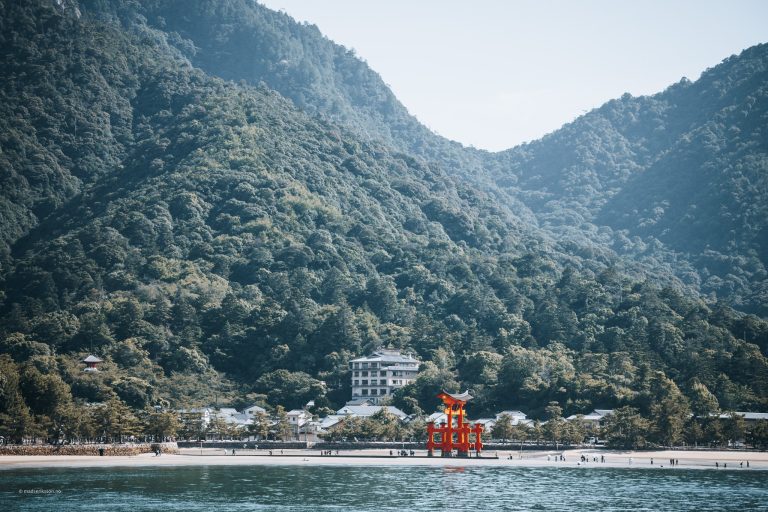
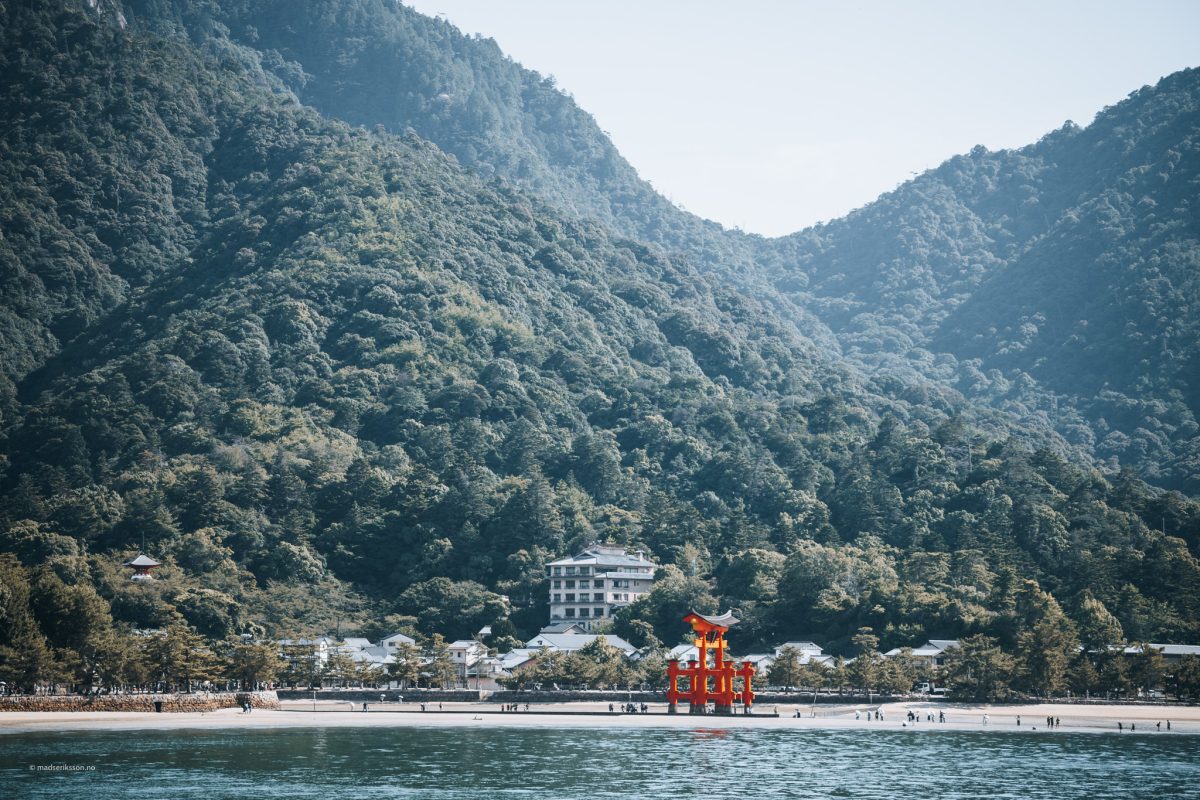
The great torii of Itsukushima Shrine in the shallows off Miyajima, below the forested slopes of the island
The Atomic Bomb Dome
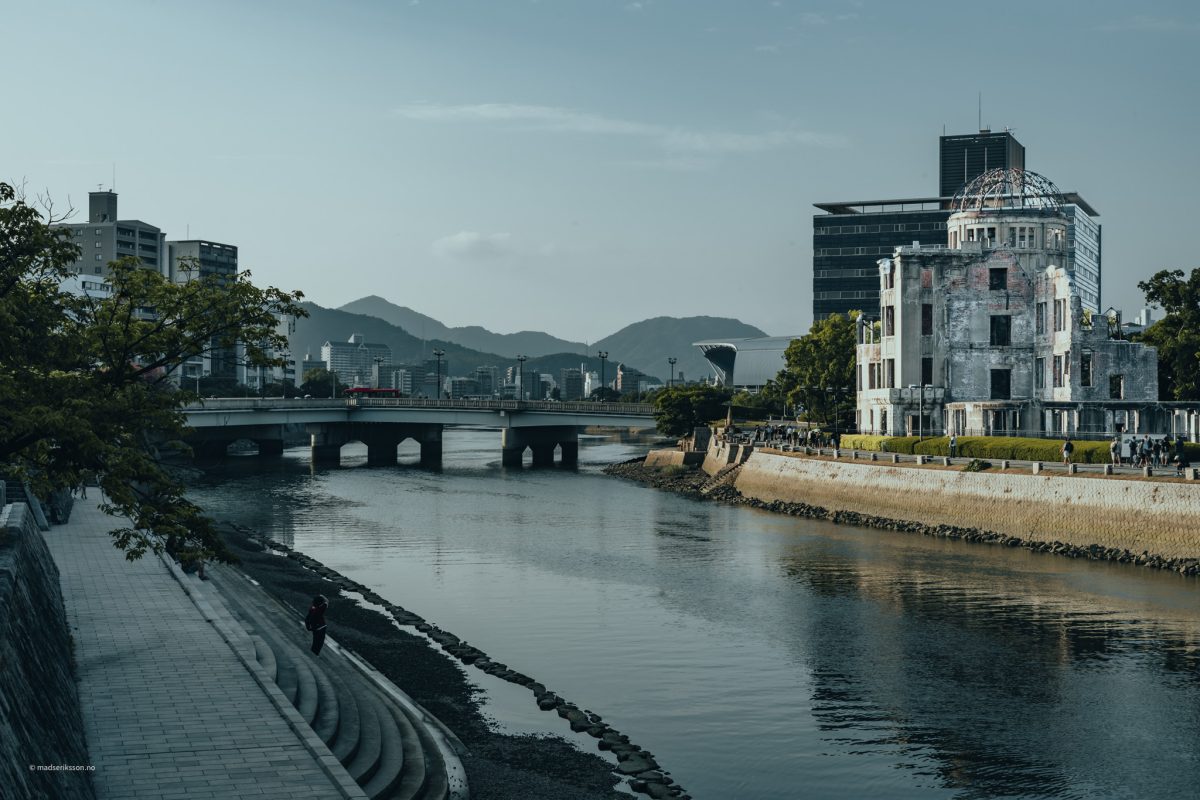
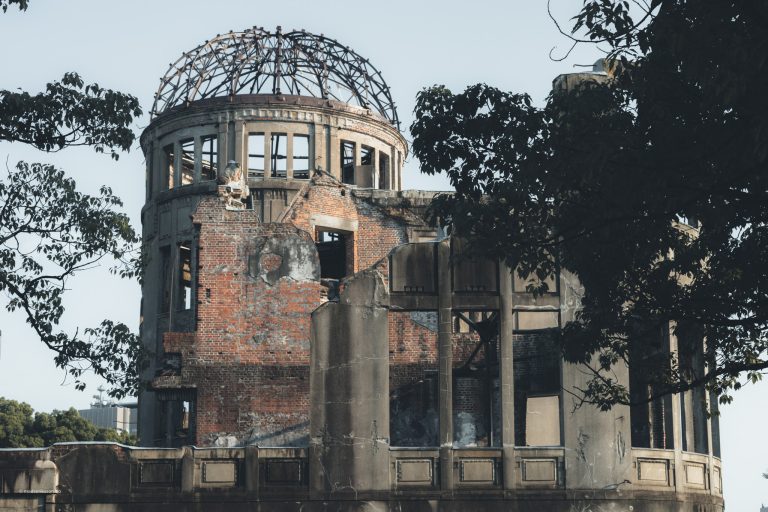
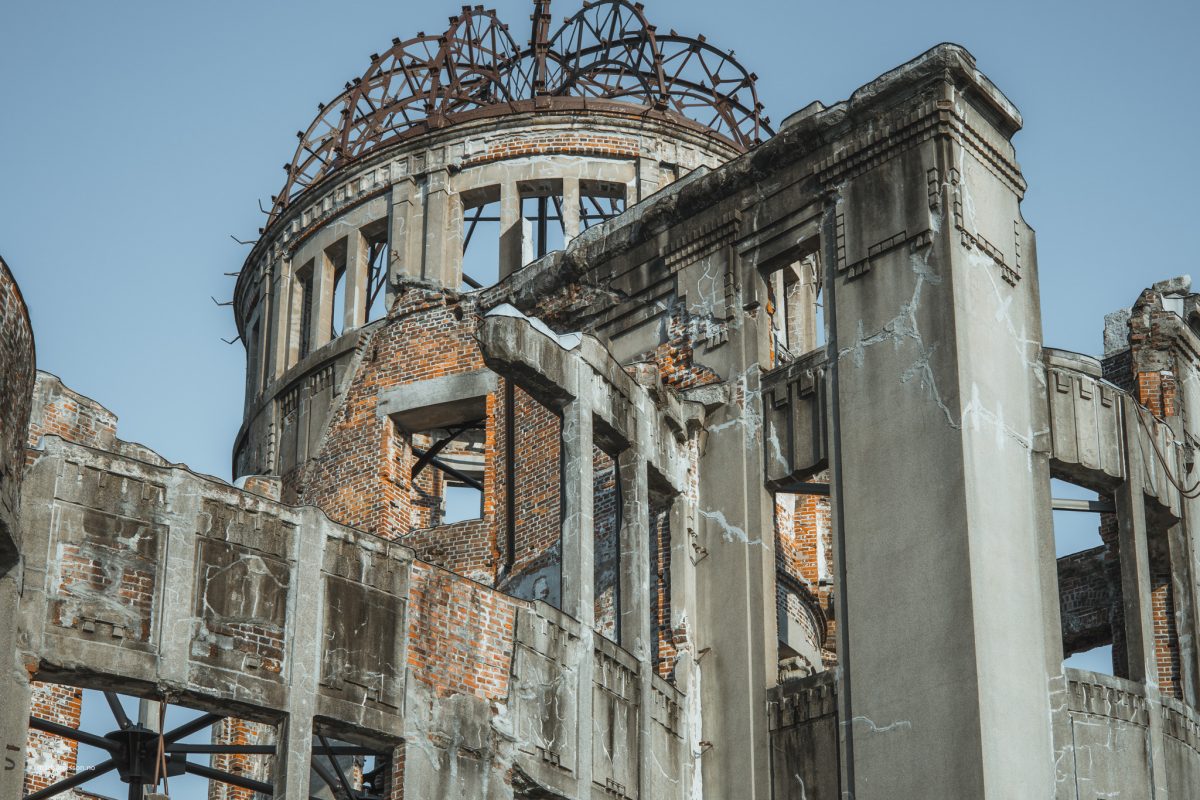
The Dome was completed in April 1915 to designs by the Czech architect Jan Letzel as the Hiroshima Prefectural Commercial Exhibition hall. The bomb, aimed at the T-shaped Aioi Bridge just to the north-west, burst about 600 m up and 150 m from the building, so the blast came down almost vertically and left its walls and the steel frame of the dome standing. The city resolved to preserve the ruin in 1966, and it was inscribed as a World Heritage Site in December 1996.
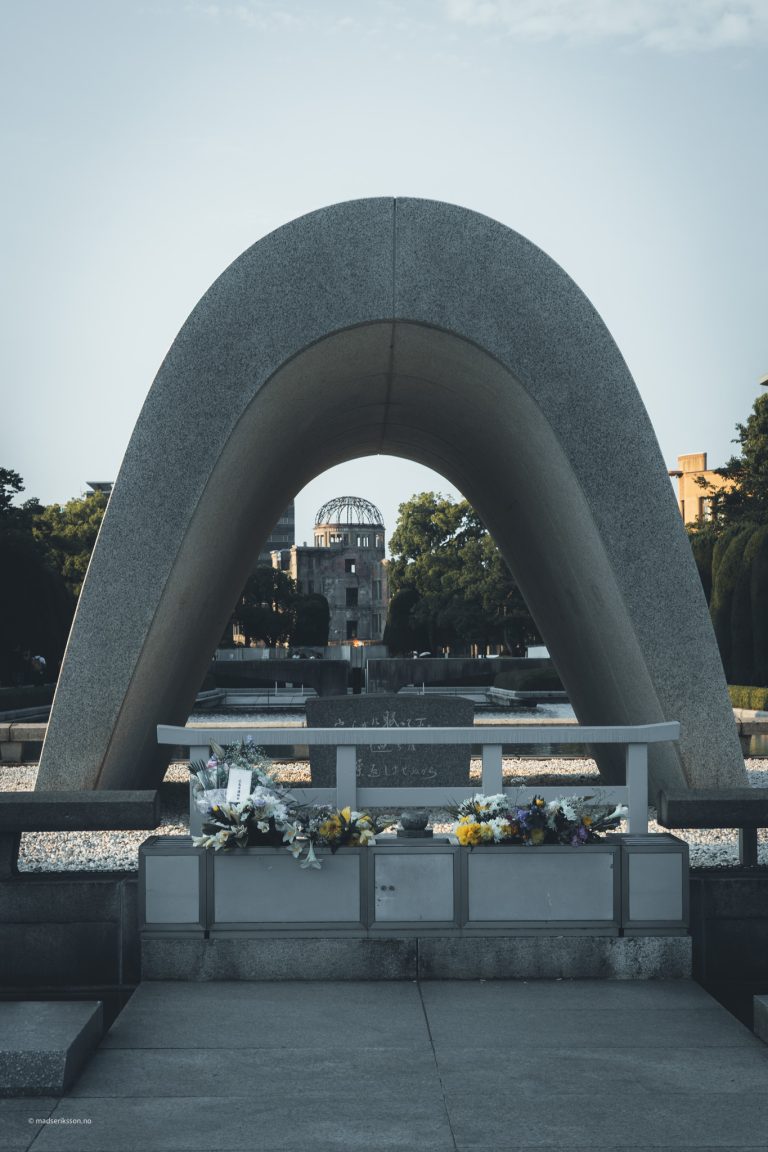
Peace Memorial Park
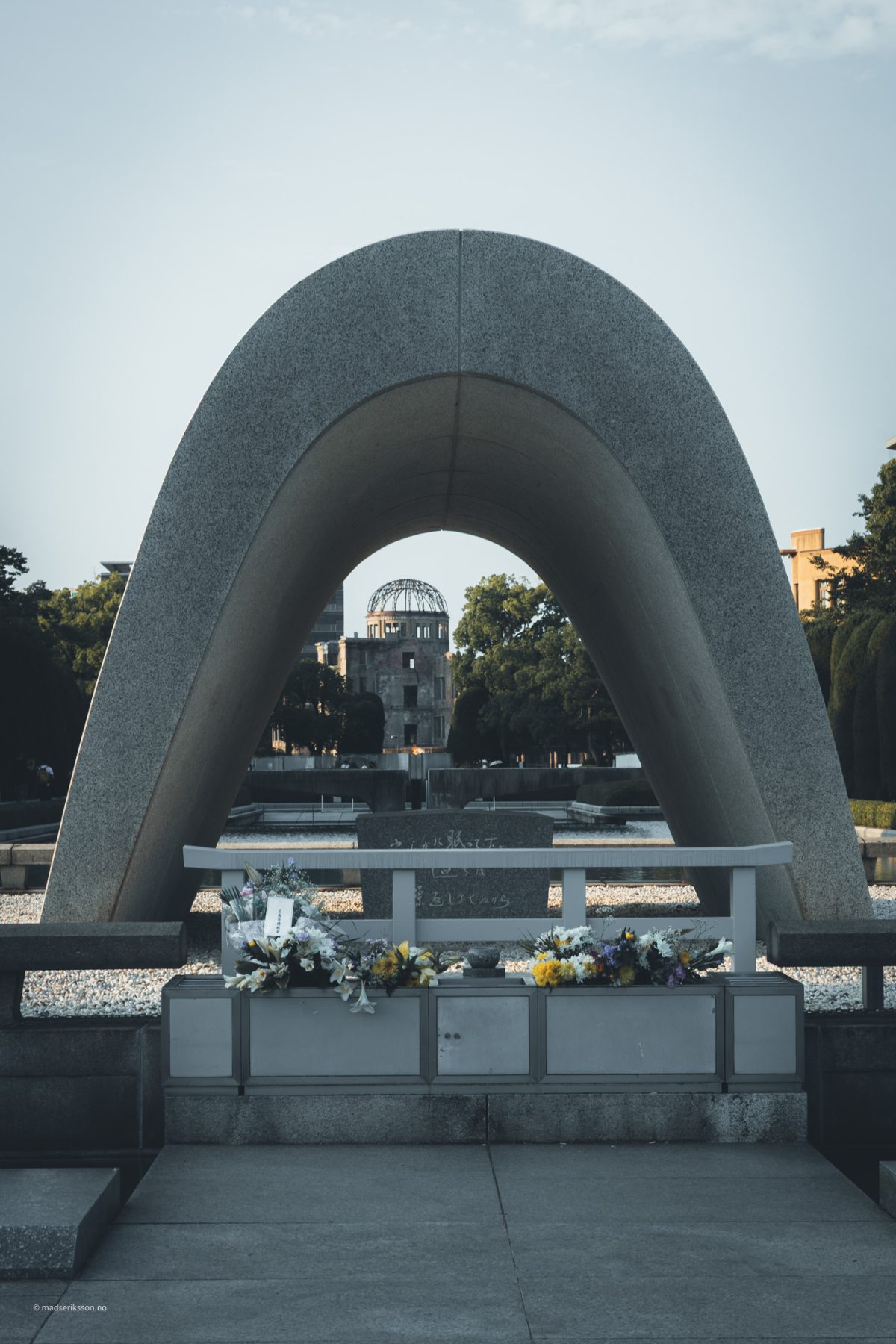
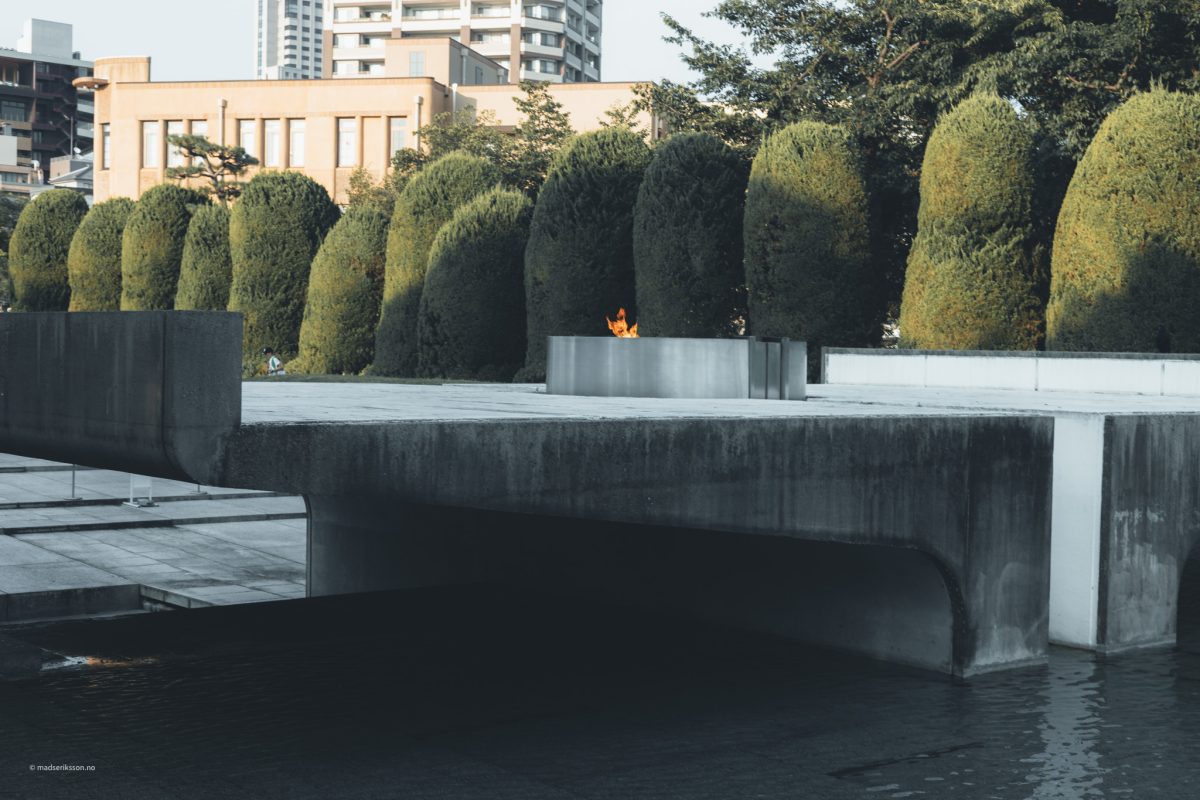
Kenzo Tange designed the Peace Memorial Park on the former Nakajima district, and it was formally established in 1954. The arched cenotaph of 1952 frames the Flame of Peace, lit in 1964, and the Dome beyond on a single axis that runs north from the Peace Memorial Museum. The museum's main building reopened in 2019 after a full renovation.
The Genbaku Dome framed by the arch of the cenotaph in Hiroshima’s Peace Memorial Park
Hiroshima Castle
Mōri Terumoto built Hiroshima Castle in the 1590s, and the castle known as Carp Castle stood until the bombing of 6 August 1945. The present five-storey keep was rebuilt in concrete in 1958 and rises 26.6 m above a 12.4 m stone base, surrounded by the old moats.
Shukkei-en
Shukkei-en was laid out in 1620 for Asano Nagaakira, lord of Hiroshima, by his chief retainer and tea master Ueda Sōko. Its name means 'shrunken scenery', and paths circle a central pond with islands, bridges and tea houses that recreate landscapes in miniature. The garden was badly damaged in 1945 and reopened in 1951.
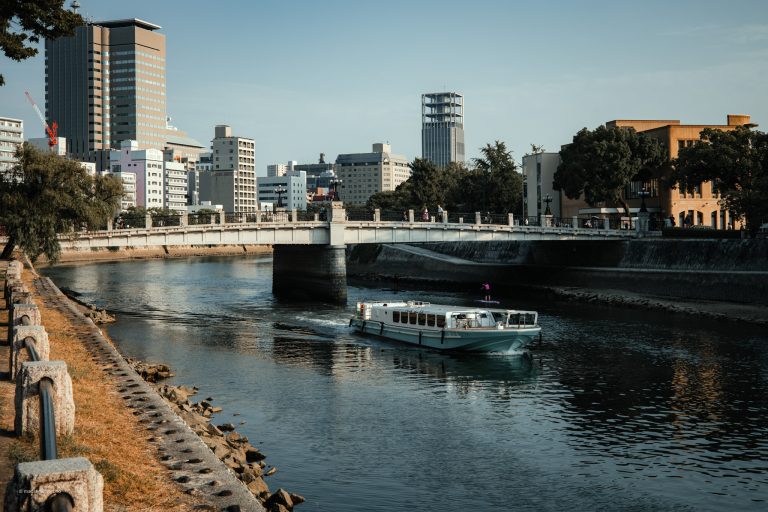
Orizuru Tower and the river
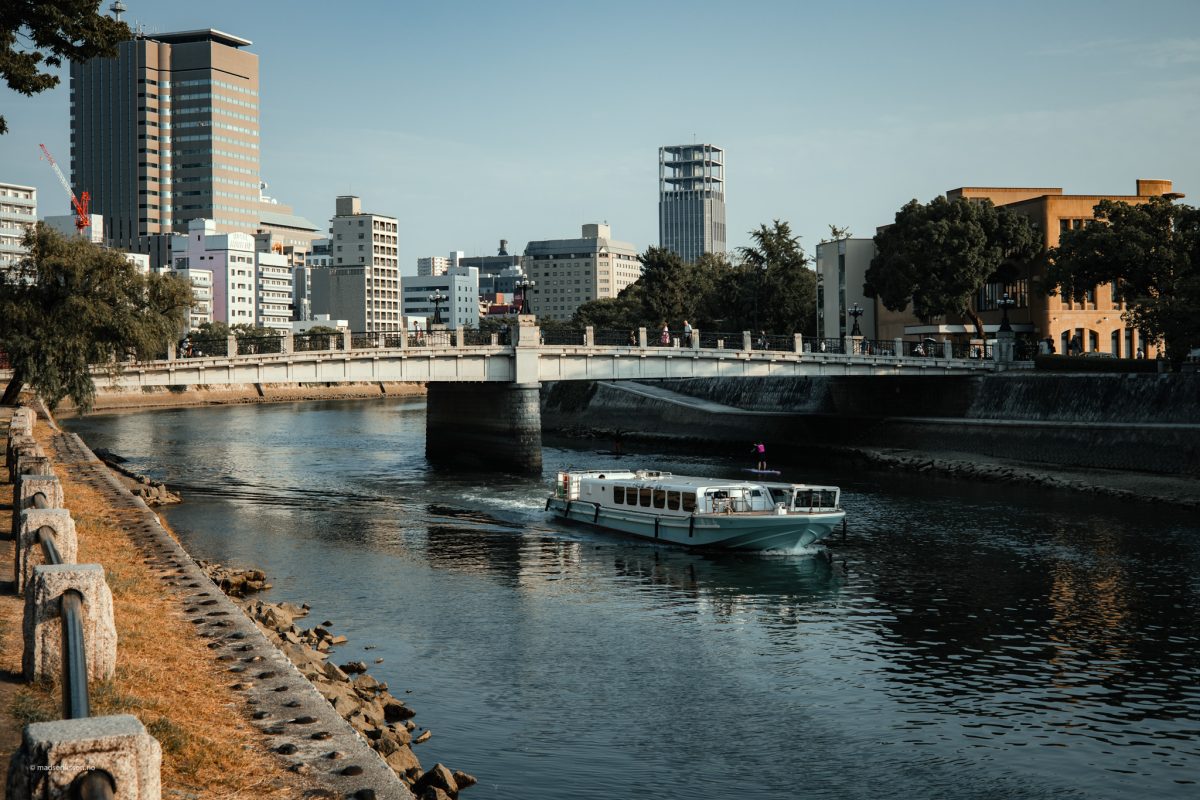
Orizuru Tower opened beside the Dome on 23 September 2016, with a rooftop deck looking down on the ruin, the river and the Peace Memorial Park. Inside, visitors can fold paper cranes and drop them into a glass wall, recalling the cranes left at the Children's Peace Monument. Sightseeing boats run along the Motoyasu River below, and some continue down the delta towards Miyajima.
A sightseeing boat on one of the rivers that divide Hiroshima’s delta, with a bridge and city towers beyond
Hiroshima Station
Hiroshima Station lies on the San'yō Shinkansen, about 90 minutes from Shin-Ōsaka, and the Hiroden trams take roughly 15 minutes from here to the Dome. Between the two, the covered Hondōri shopping street and the bars and okonomiyaki counters around it keep the centre busy after dark. Hiroshima-style okonomiyaki is layered rather than mixed, built up on a bed of fried noodles.
3D model © 2026 madseriksson.no · Photographs © madseriksson.no. Buildings and heights: © OpenStreetMap contributors (ODbL), via OpenMapTiles. Ground imagery: Sentinel-2 cloudless 2023 by EOX IT Services GmbH (contains modified Copernicus Sentinel data 2023; CC BY 4.0). Heights are approximate where OpenStreetMap has no measured value; sun positions are approximate.
Day one: the park and the museum
A ruin left standing on purpose, a museum that costs two hundred yen, and a set of memorials that reward being walked slowly rather than photographed quickly
Start at the Genbaku Dome, and start early. It is the ruin of the Hiroshima Prefectural Industrial Promotion Hall, designed by the Czech architect Jan Letzel and completed in April 1915 — an ordinary exhibition building in a business district, next to the Aioi Bridge. There is no entry and nothing to queue for. You walk around it.
The reason it is still there is a matter of geometry. The bomb was aimed at the Aioi Bridge, missed by 240 metres, and detonated over the Shima Hospital — roughly 600 metres up and 150 metres sideways from the Dome. Because the blast came almost straight down, the building’s vertical columns took the force rather than being pushed over, and enough of the walls held that the skeleton remained. It had also been built to resist earthquakes. Everyone inside was killed instantly.
“It was scheduled for demolition and survived partly by being too intact to clear. The argument over whether to keep it ran for twenty years.”
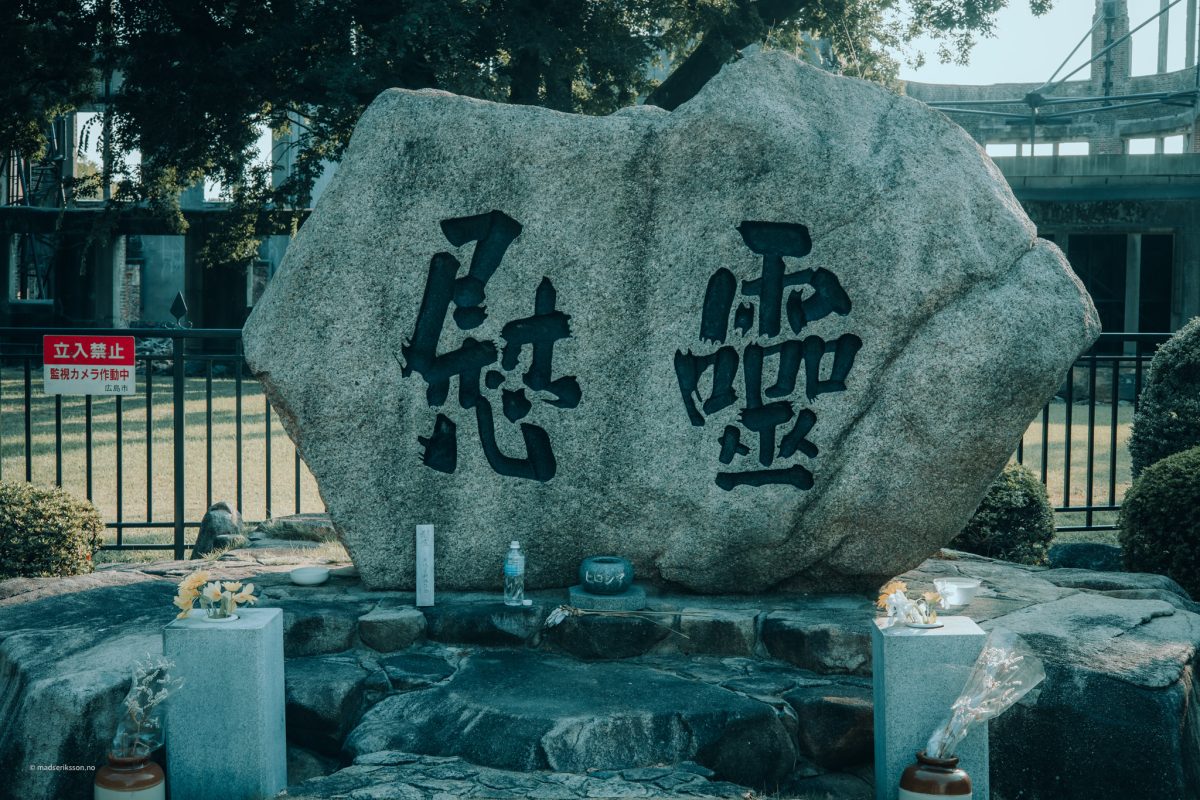
That argument is worth knowing. Many residents wanted the ruin gone; others wanted it kept. The city council only resolved on permanent preservation in 1966, and the first elected mayor, Shinzō Hamai, raised money for the work partly by standing on the street in Tokyo collecting donations. The park around it was laid out between 1950 and 1964. Nothing here was inevitable.
Walk south through the park to the Children’s Peace Monument and the cases of folded paper cranes, then to the cenotaph, where the arch is positioned so that the Flame of Peace, the cenotaph itself, the museum and the Dome all line up on a single axis. It is a deliberate piece of design and it works. Then the Peace Memorial Museum, which costs ¥200 and needs two to three hours.
A word about the museum. The main building reopened in 2019 after a full renovation that changed its method — away from objects in cases and towards a chronological account of the day itself and the weeks after it, told largely through individual people. It is direct, unsparing and not sensationalised, and it is difficult. Go in the morning rather than at the end of the day, and plan something ordinary afterwards. Shukkei-en, a garden laid out in 1620, or the rebuilt castle, or simply a long lunch. That is not avoidance; it is how you get through a day like this without it flattening you.
Day two: the shrine built over the tideline
A torii standing in the sea, a sacred mountain behind it, and a tide table that decides which of the two versions you get
Itsukushima Shrine is built out over the water on piles, and the reason is theological rather than aesthetic. The island was itself regarded as sacred, and the shrine was placed beyond the tideline so that worshippers arriving by boat could approach without setting foot on holy ground. The great torii, standing offshore in the shallows, is the gate to that arrangement. It is 16.6 metres tall, and it came out of a three-and-a-half-year restoration in December 2022, having spent most of that time hidden inside scaffolding.
Which brings up the single most important piece of planning for the day. Check the tide table before you go. At high water the shrine appears to float and the torii stands in the sea; at low water the bay drains and you can walk out across the sand to the base of the gate. Both are worth seeing and they are completely different experiences — and if you arrive without checking, you get whichever one the moon has arranged. If you can only pick one, high tide is the photograph and low tide is the closer encounter.
“The tide is not a detail here. It is the difference between a shrine standing on water and a shrine standing on mud, and it changes twice a day.”
Admission to the shrine is ¥300, or ¥500 including the Treasure Hall, and it opens at 06:30 — much earlier than most visitors realise, and the first hour is the quietest of the day. Closing shifts with the season, from 17:00 in December to 18:00 through the summer. One current caveat: the five-storey pagoda is under roof renovation until December 2026, so expect scaffolding on that part of the skyline.
Behind the shrine the island rises to Mount Misen, 535 metres, which is the half of Miyajima most day-trippers skip. A ropeway runs in two stages from Momijidani up towards the summit ridge, and from the top station there is still a genuine walk — twenty to thirty minutes over rock, with steps — to reach the actual summit. The view takes in the islands of the Inland Sea scattered out to the horizon. You can also walk the whole way up if you would rather, on any of three trails, in roughly two hours.
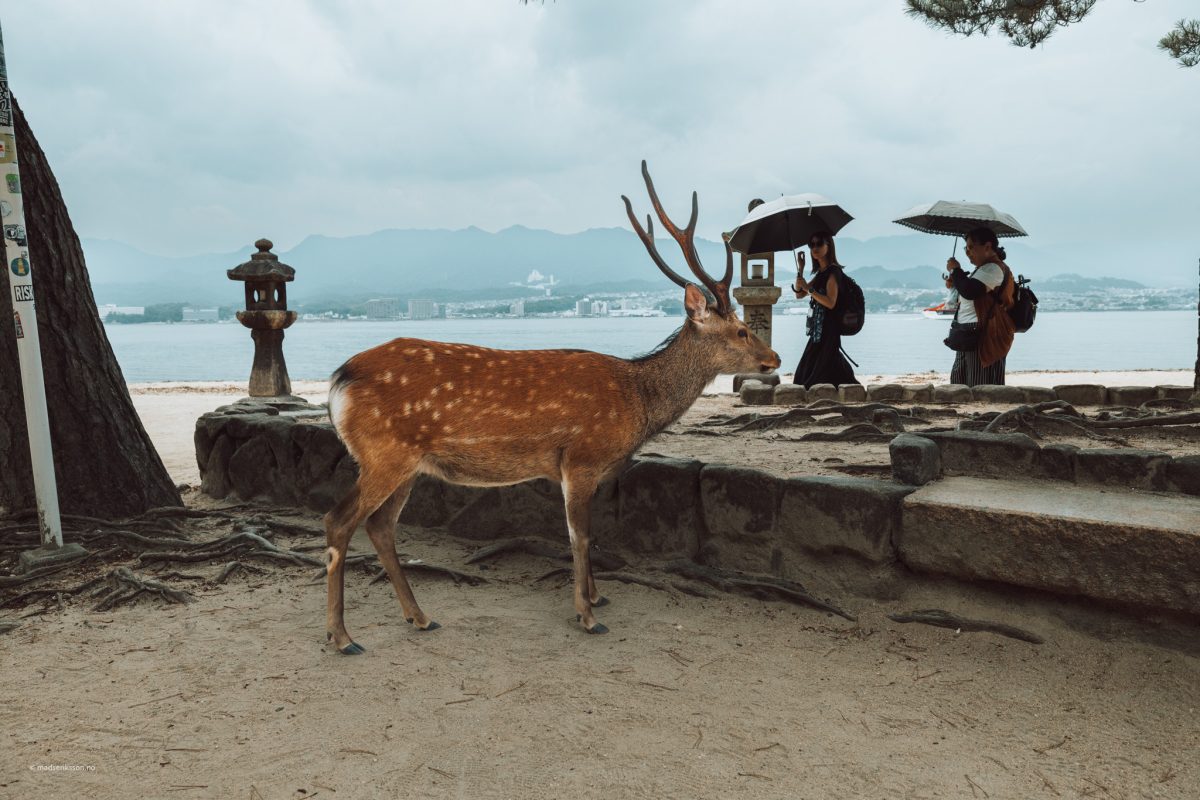
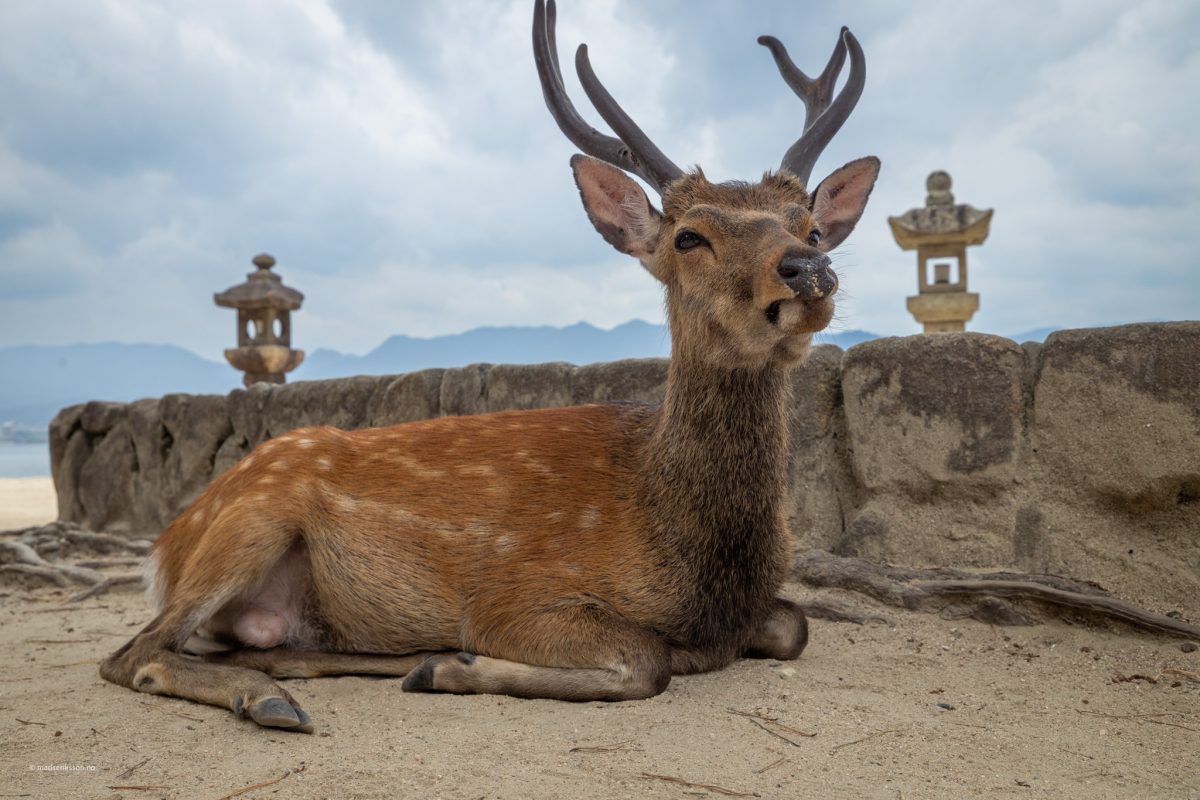
Two things not to miss on the way back down. Daishō-in, the temple at the foot of Misen, is elaborate, half-empty and considerably older-feeling than the shrine below it — spinning prayer wheels along the stairway, a hall of five hundred small statues, and almost nobody there. And the deer, which wander the village freely and are entirely unbothered by people. They are wild animals with long practice at appearing otherwise; do not feed them, and keep hold of your map, your ticket and anything else made of paper.
The practical half
Ninety minutes from Osaka, a tram, a ferry and one small tax that catches people out
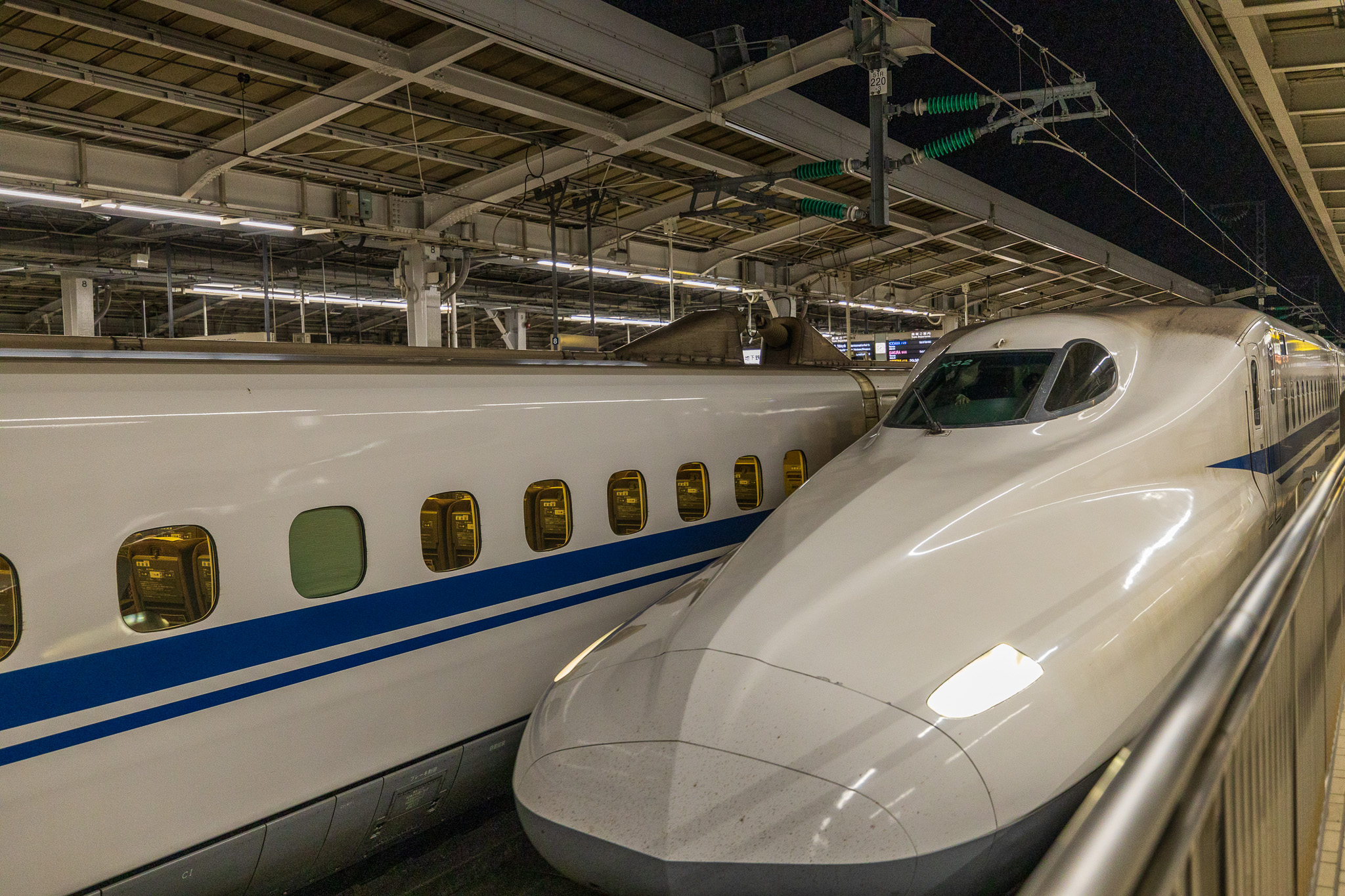
Hiroshima is on the San’yō Shinkansen, roughly ninety minutes from Shin-Ōsaka and a little over an hour and a half from Kyoto. Nozomi services are fastest; if you are travelling on a Japan Rail Pass without the Nozomi supplement, the Hikari and Sakura services cover the same ground and take somewhat longer. From Hiroshima Station the tram — the Hiroden — runs to Genbaku Dome-mae in about fifteen minutes, and is the pleasant way to do it.
For Miyajima, take the JR Sanyō line to Miyajimaguchi, about half an hour, then the ferry across, about ten minutes. The JR ferry is covered by the Japan Rail Pass; the ¥200 fare applies otherwise, ¥400 return. Since October 2023 there is also a ¥100 visitor tax collected with the ferry ticket, and this is payable even with a rail pass — a small sum, but the one thing most reliably missed in older guidebooks.
“Two nights in Hiroshima rather than one. A day trip from Kyoto technically works and reduces both halves to a rush.”
On how long to give it: two nights in Hiroshima is the right answer. It can be done as a day trip from Kyoto or Osaka, and people do, but that means three hours on trains and a compressed few hours in the park — and it rules out Miyajima almost entirely. Staying puts the museum in the morning of a full day and lets you take the early ferry on the second, which is when the island is at its best.
A note on the museum hours, which move with the season: broadly 07:30 to 19:00 from March through November, closing at 18:00 in the winter months and staying open later in August — until 20:00, and until 21:00 on 5 and 6 August. If you are travelling in early August, be aware that 6 August is the annual memorial ceremony. The park is busy, solemn and formally occupied that morning. Some visitors deliberately come for it; others should know it is happening and plan accordingly.
Finally, eat well. Hiroshima’s version of okonomiyaki is layered rather than mixed — batter, cabbage, pork, and a nest of fried noodles built up on the griddle rather than stirred together — and it is served at counters where you watch it being made. Along with the oysters from the Inland Sea, it is the part of the city that has nothing to do with 1945, which after a day in the park is exactly the point.
“What stays with me is not the museum, though it should be. It is the ordinariness of the city around it — trams, schoolchildren, a man making okonomiyaki at a counter, all of it on ground where nothing was left standing eighty years ago. Hiroshima is not a memorial that happens to have a city attached. It is a working city that decided to keep one ruin, argue about it for twenty years, and then explain itself to anyone who comes. Give it the second day. The island is the other half of the sentence.”
More in the same area
 CitiesShibuya Crossing: The Heartbeat of Tokyo
 CitiesHiking Mount Inari — Fushimi Inari’s Full Loop
 CitiesKinosaki Onsen: Seven Public Baths Along a Willow-Lined River
 CitiesTokyo — Enormous, Efficient, Beautiful and Entirely Unlike Anywhere Else
 ArchitectureTokyo Skytree: One tower over thirty-seven million
 CitiesJapan’s Kitchen, Osaka
City Frames · scroll-driven 3D
More cities in three dimensions
54 city guides open with a model built from open map data. Scroll, and the camera moves from landmark to landmark.
Departures · City Frames
Where to next?
| Time | Destination | Country | Status |
|---|
Live · position of the sun
Golden hour, right now
The low, warm light just after sunrise and just before sunset. These are the cities on the site where it is happening at this moment.