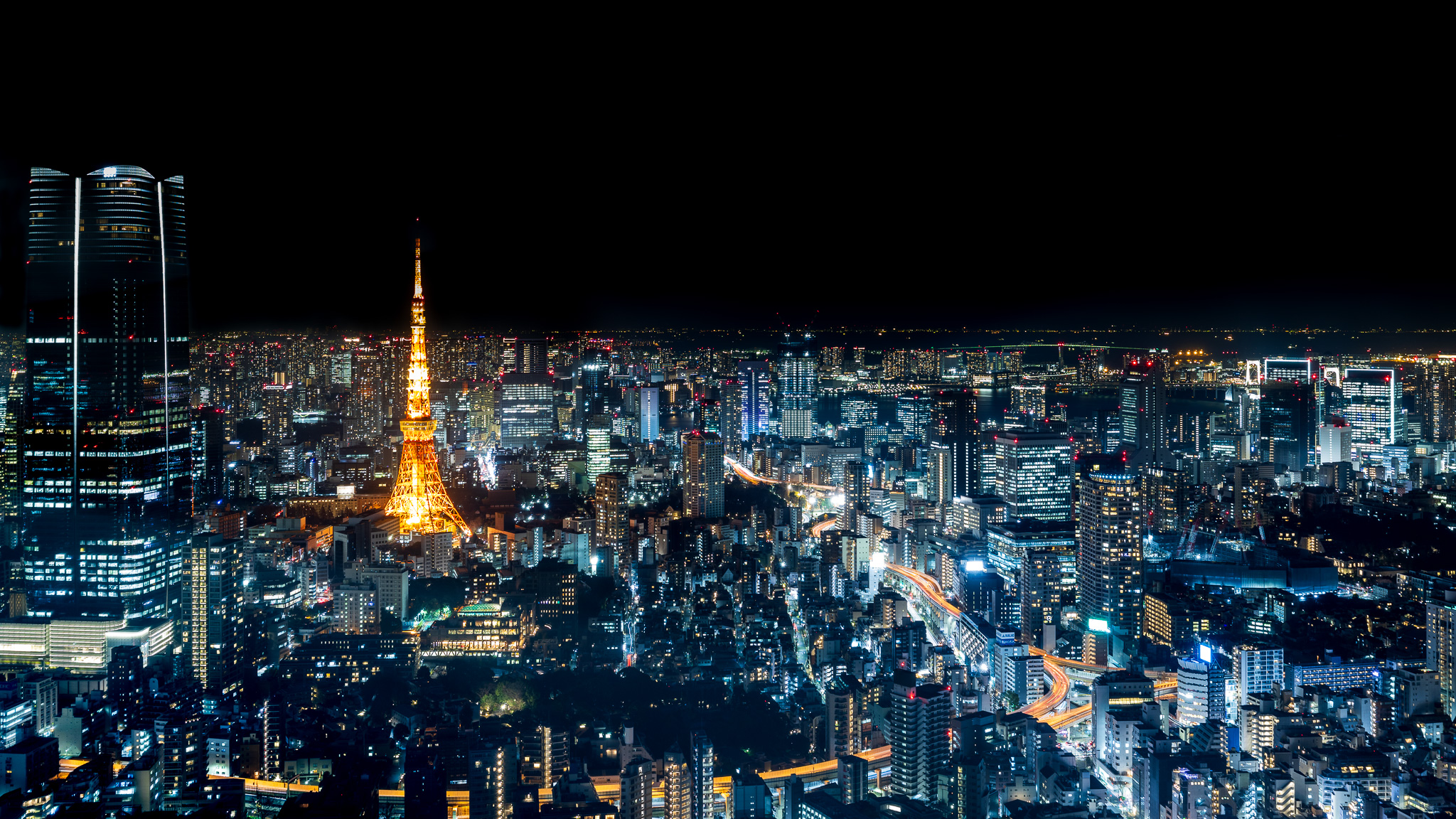
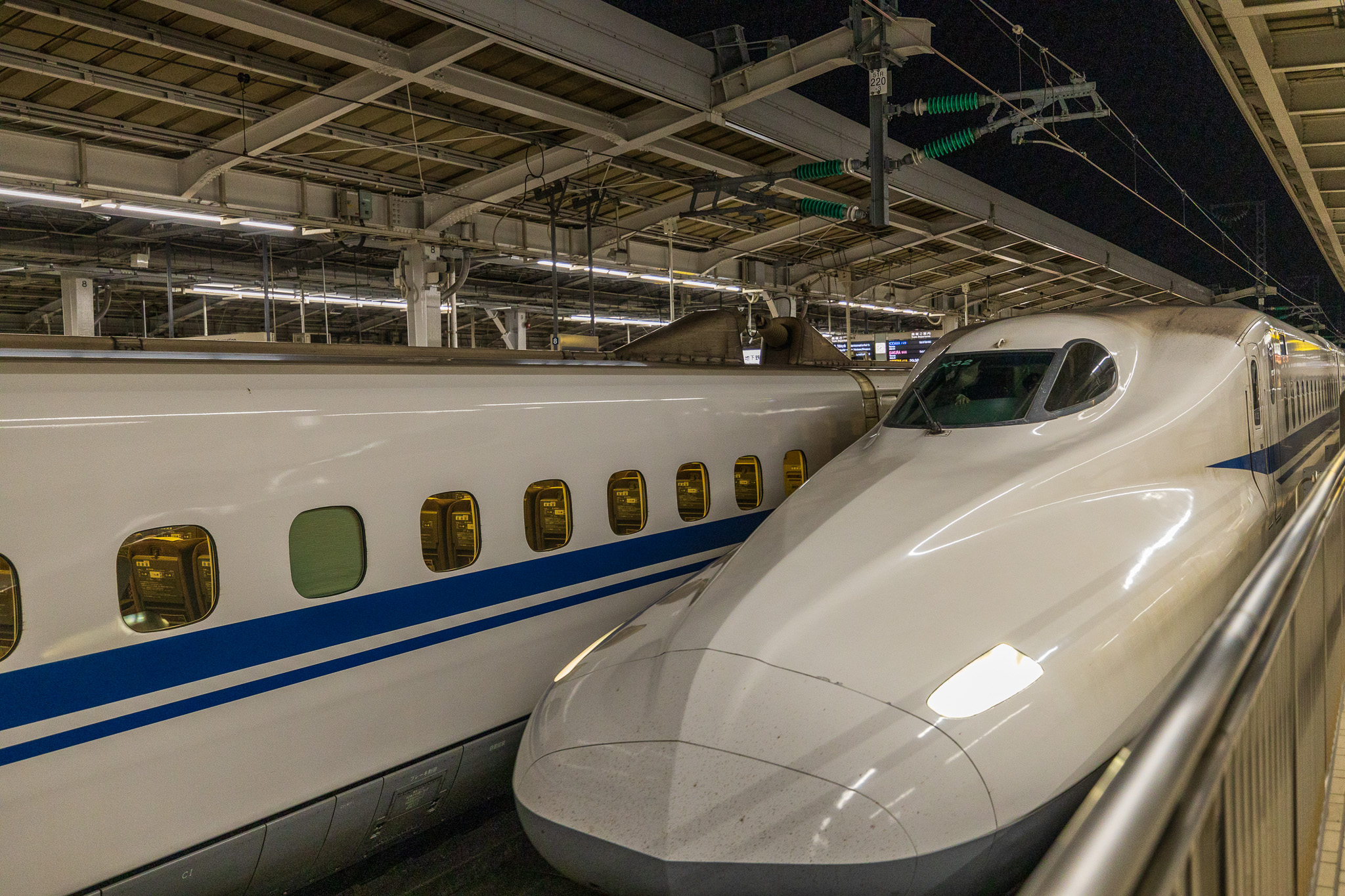
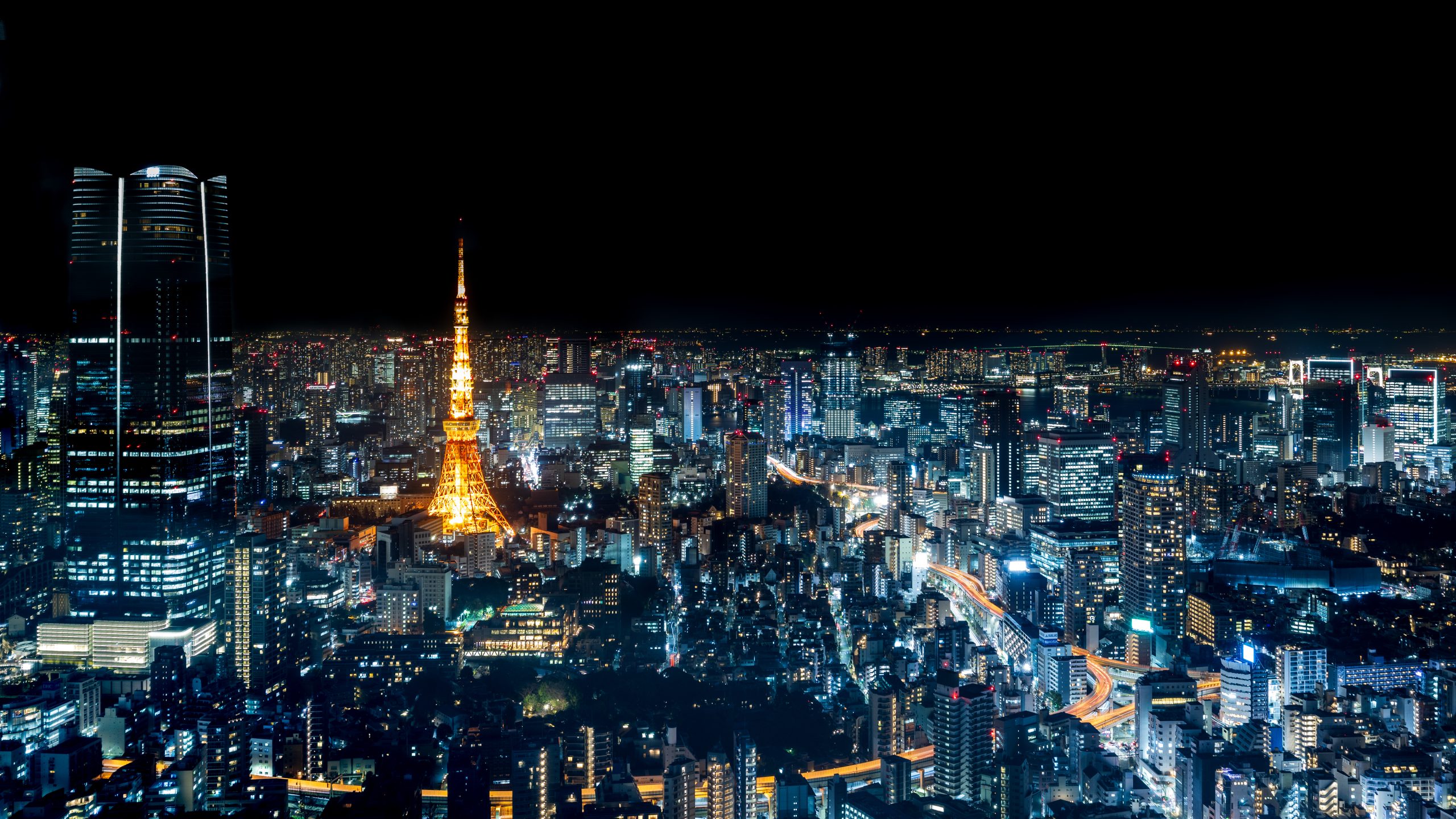
Tokyo is the largest metropolitan area in the world, with around 37 million people in the Greater Tokyo region. It also holds the world’s busiest train station, more Michelin-starred restaurants than any other city on Earth, and a convenience store network of such elaborateness that it functions as a parallel food culture. None of these facts, individually, prepares you for what it actually feels like to arrive. Tokyo is enormous, efficient, beautiful, and entirely unlike anywhere else.

Tokyo began as Edo, a small fishing settlement at the mouth of the Sumida River. In 1603, Tokugawa Ieyasu established his shogunate there and the city grew rapidly — by the early 18th century, Edo had a population of over a million, making it probably the largest city in the world. In 1868, following the Meiji Restoration, the Emperor moved from Kyoto to Edo, renamed the city Tokyo — meaning Eastern Capital — and Japan’s modernisation began in earnest. The city has been burning and rebuilding ever since: the Great Kanto Earthquake of 1923 destroyed much of it, and the Second World War bombing campaigns destroyed more. What stands today is largely postwar, continually evolving, and almost entirely different from the quiet fishing town at the mouth of the Sumida.
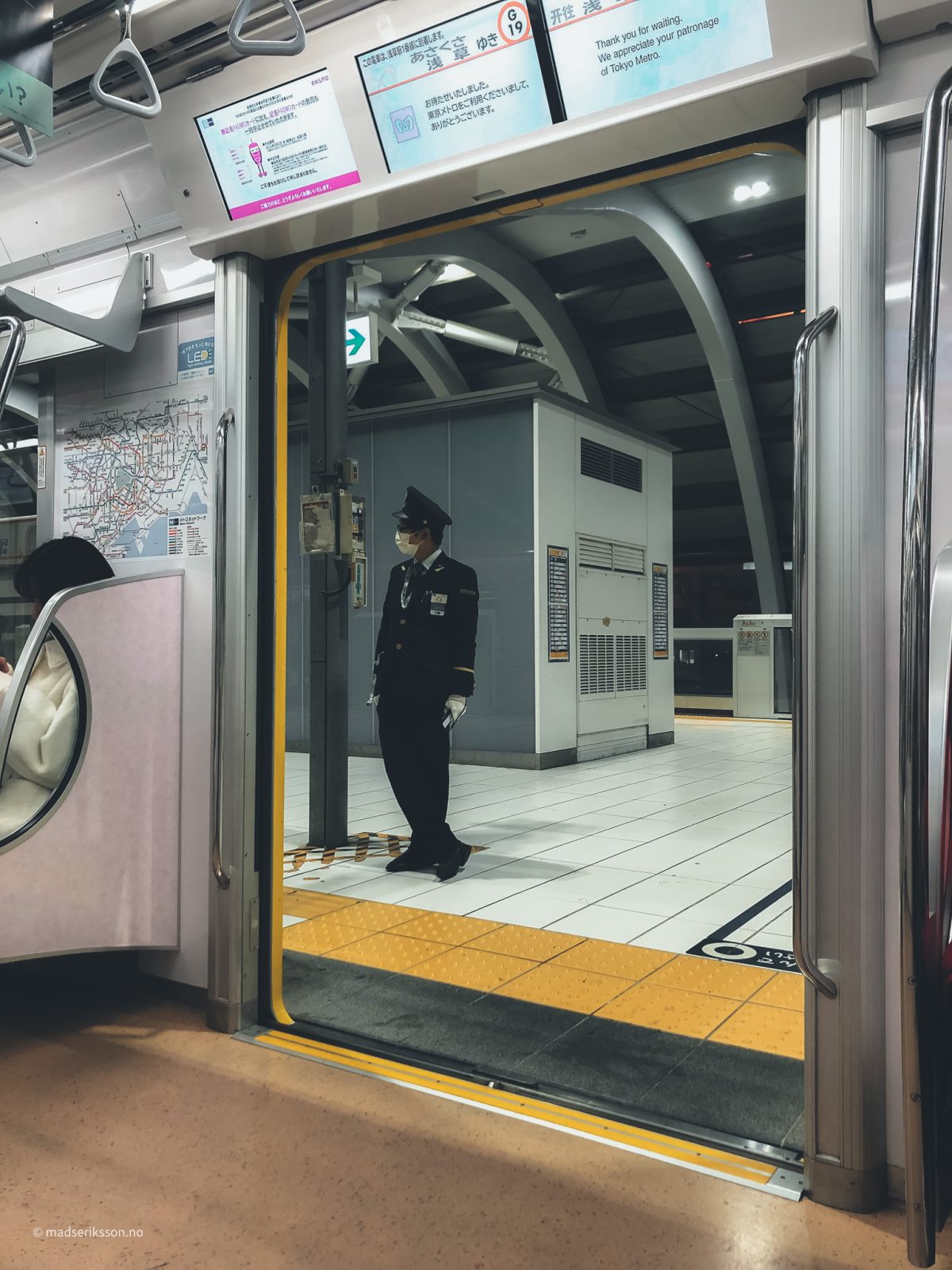
The result is a city that holds contradictions comfortably. Ultra-modern towers stand beside Edo-period temple complexes. The loudest, most neon-saturated entertainment district in the world is a 15-minute walk from ancient forests surrounding a Shinto shrine. The busiest station on Earth — Shinjuku, with 3.5 million passengers daily — operates with a precision and calm that any European commuter would find disorienting. Tokyo is chaotic in scale and meticulously organised in execution, and understanding both of those things simultaneously is the key to enjoying it.
How to approach Tokyo
This guide covers four aspects of Tokyo: the modern city — Shibuya, Shinjuku, and the extraordinary verticality of contemporary Tokyo; the old city of Asakusa and Edo-period Tokyo; the shrines, gardens and parks that give the city its quieter register; and the food culture that earns Tokyo its singular position in world gastronomy. Tokyo rewards those who get on the train. Each neighbourhood has its own complete character, and the city reveals itself incrementally, district by district, over days of unhurried exploration.
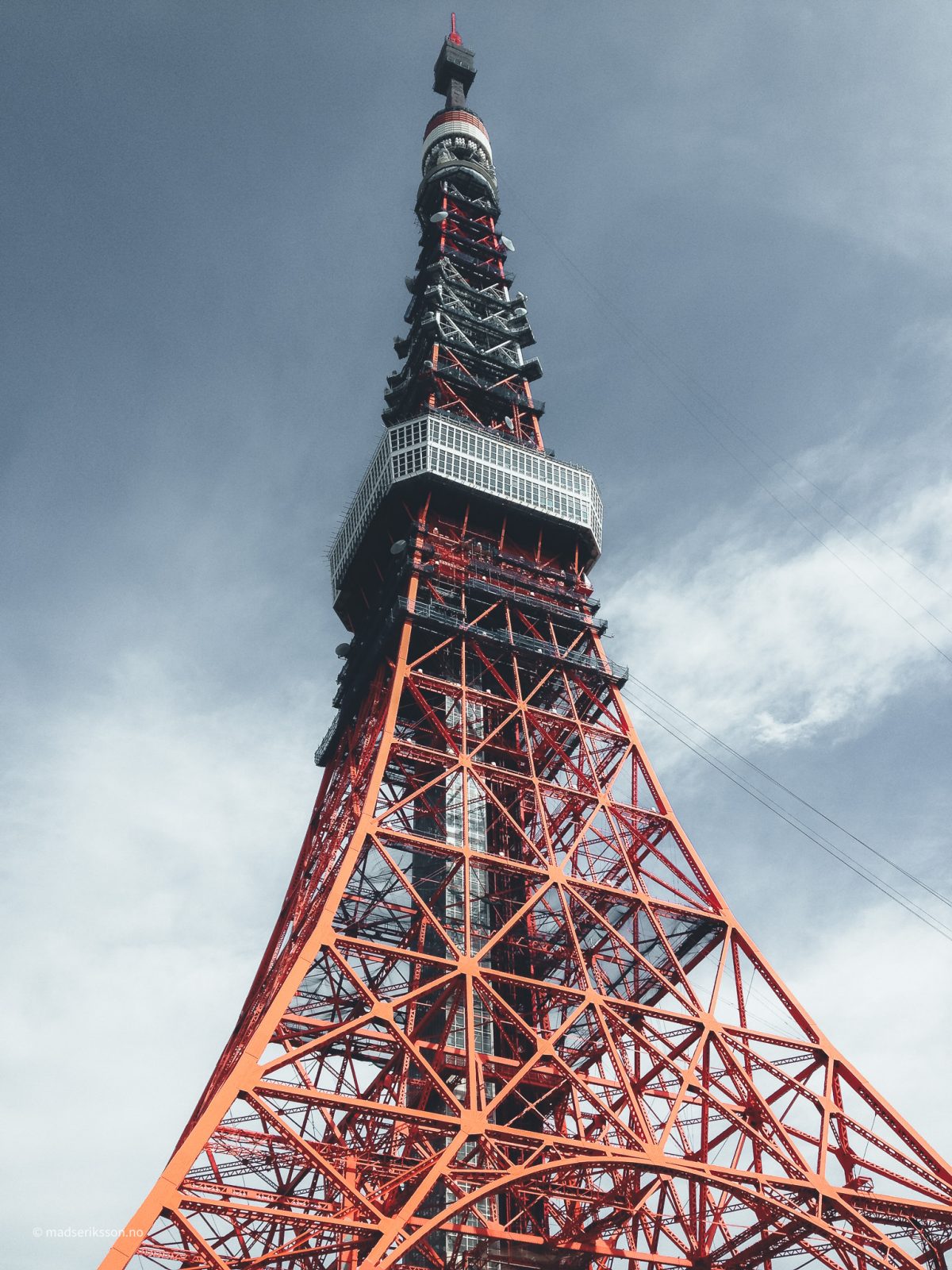
The Modern City — Neon, Vertigo and Perfect Trains
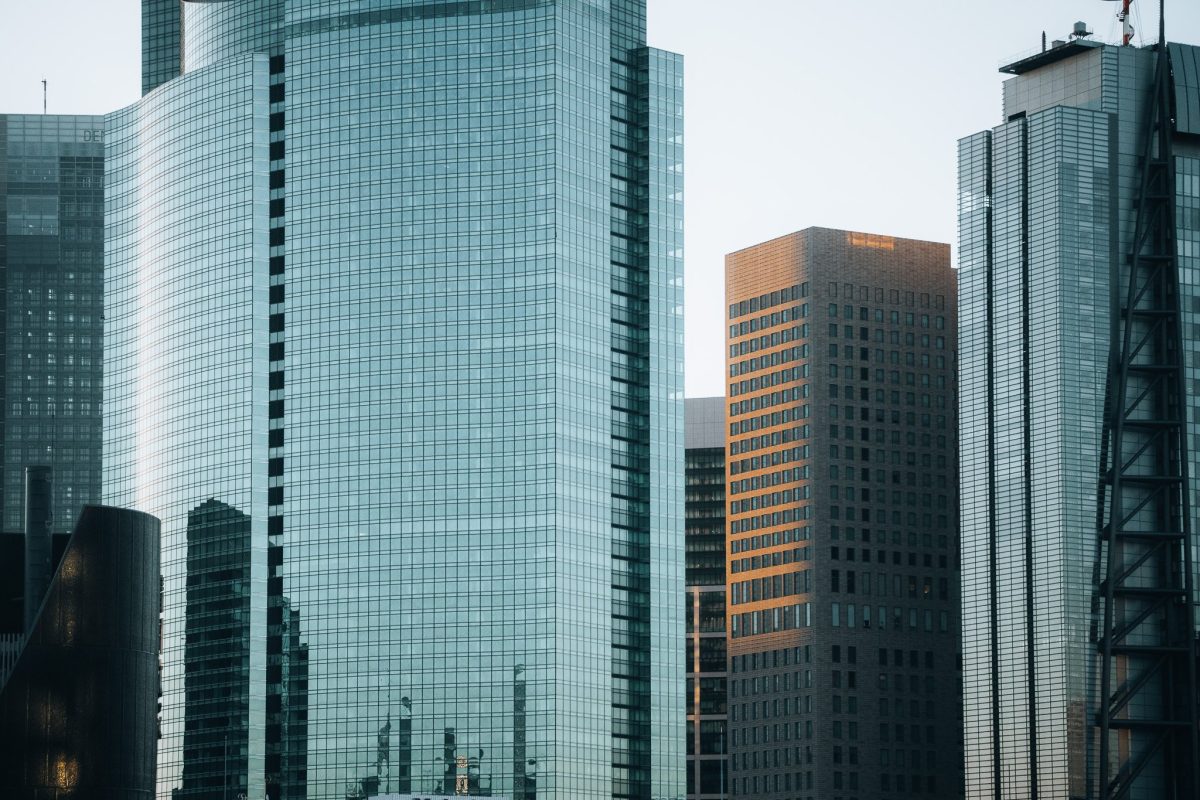
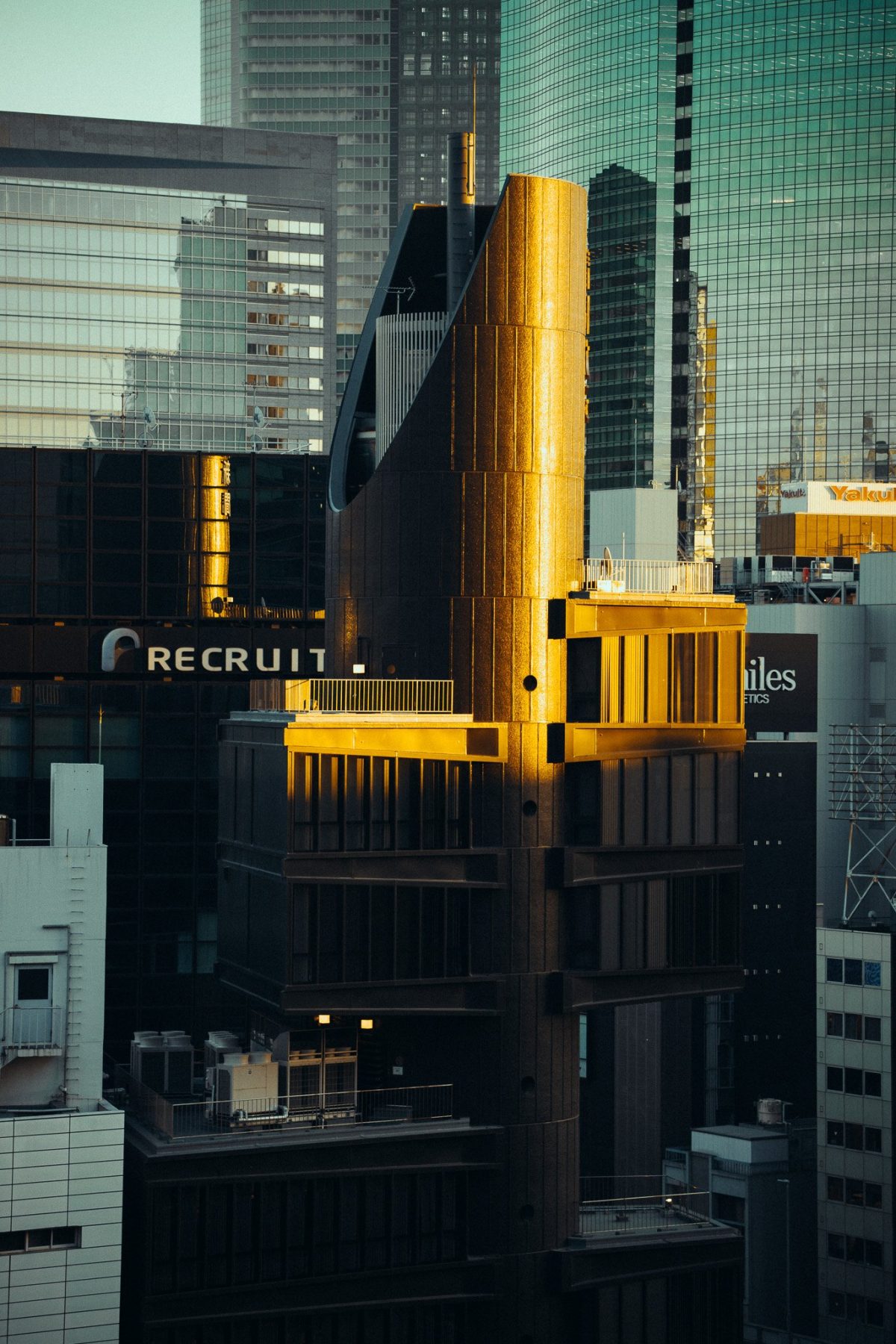
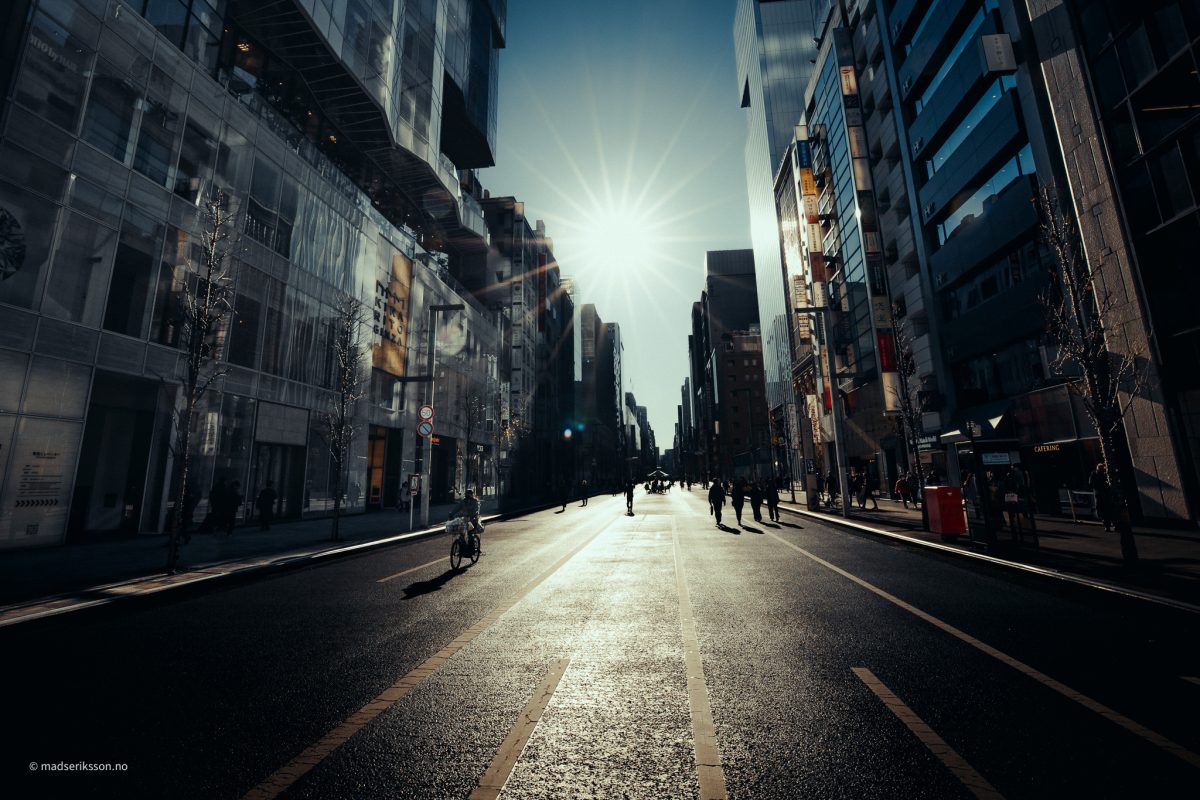
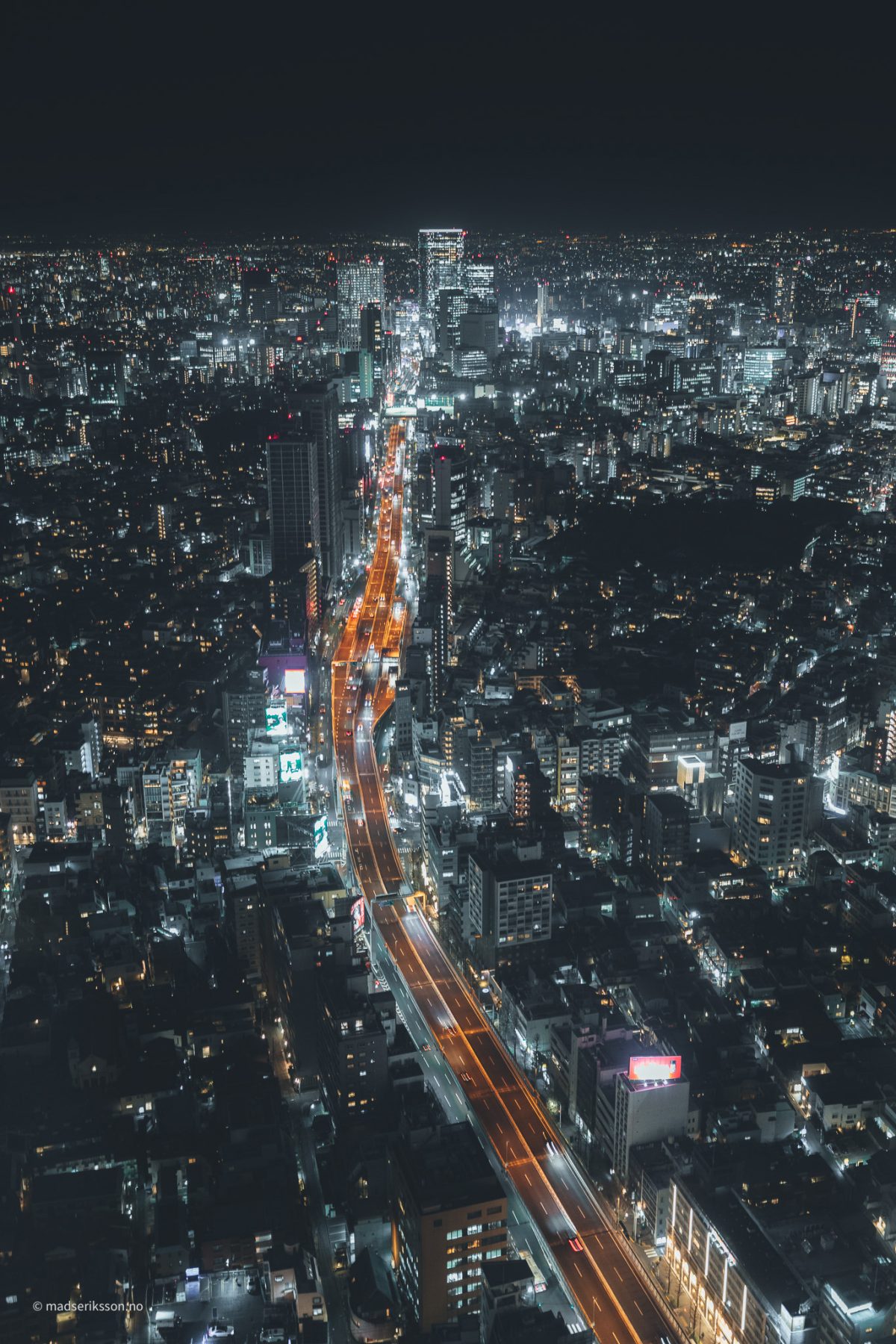
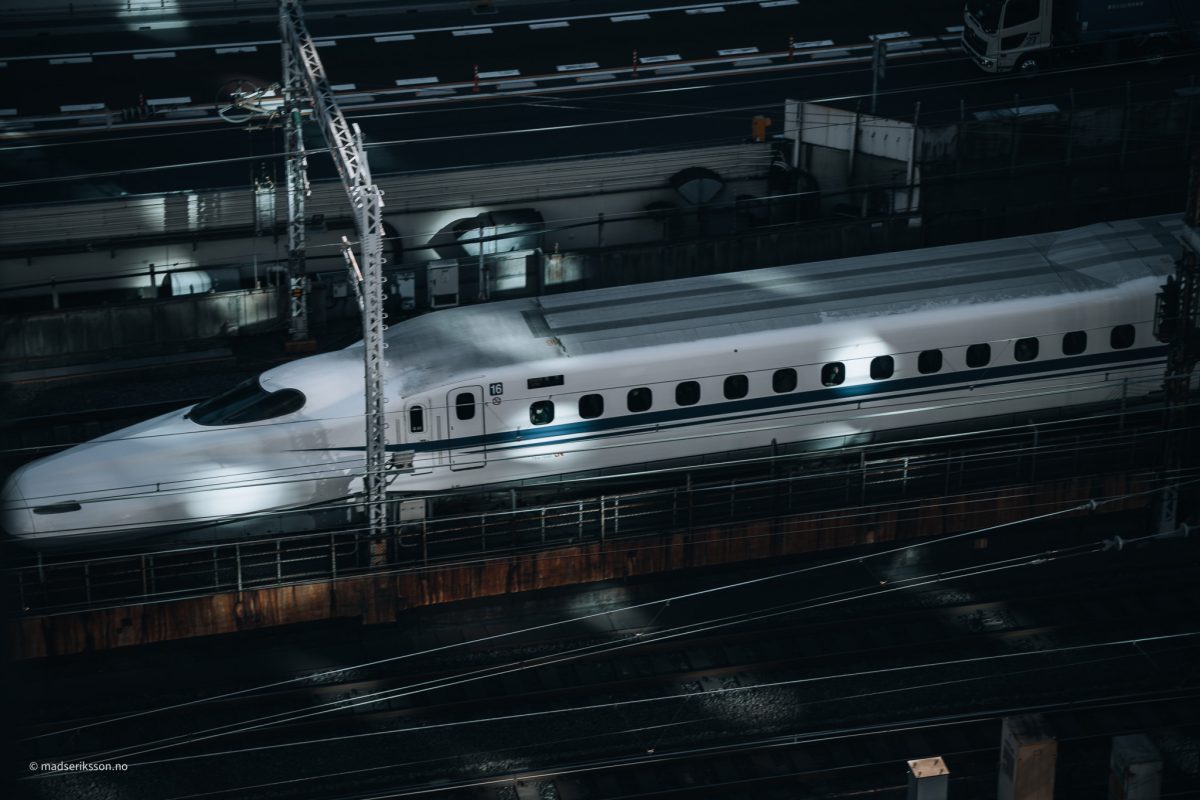
Contemporary Tokyo is built at a scale that makes most world cities look modest — and it runs with a precision that makes them look chaotic
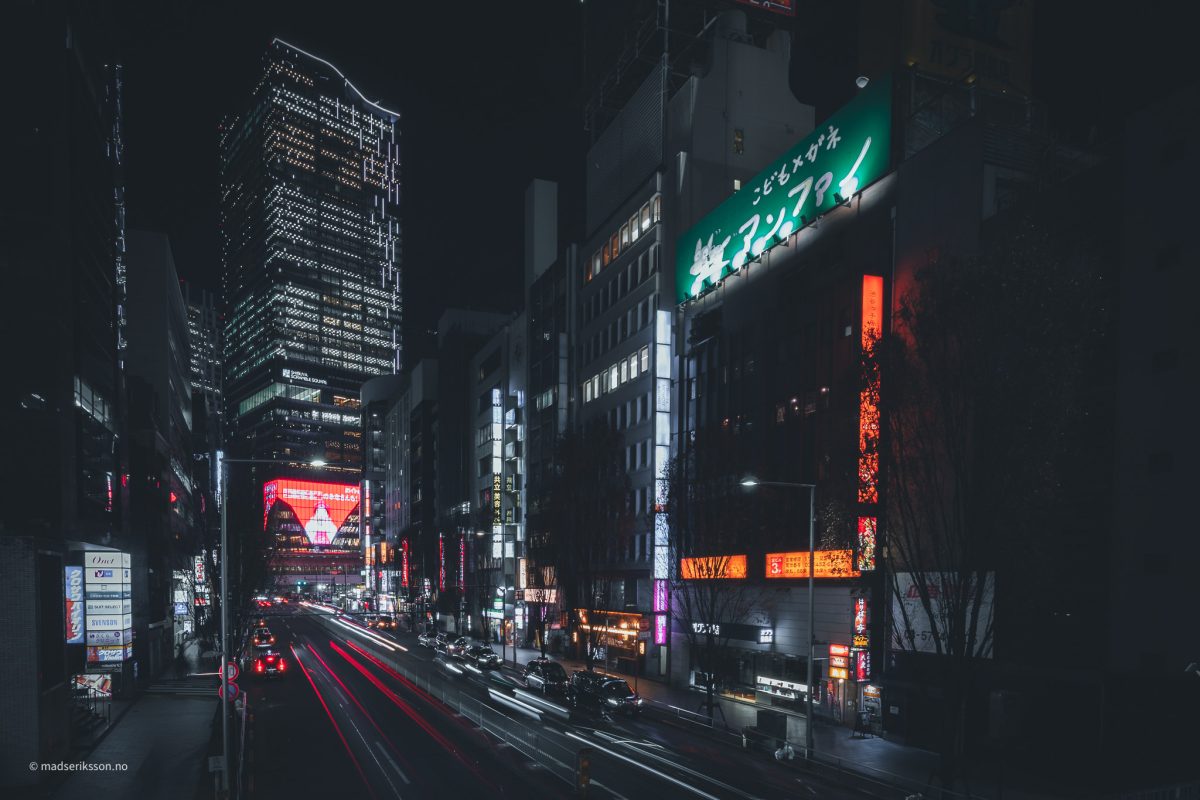
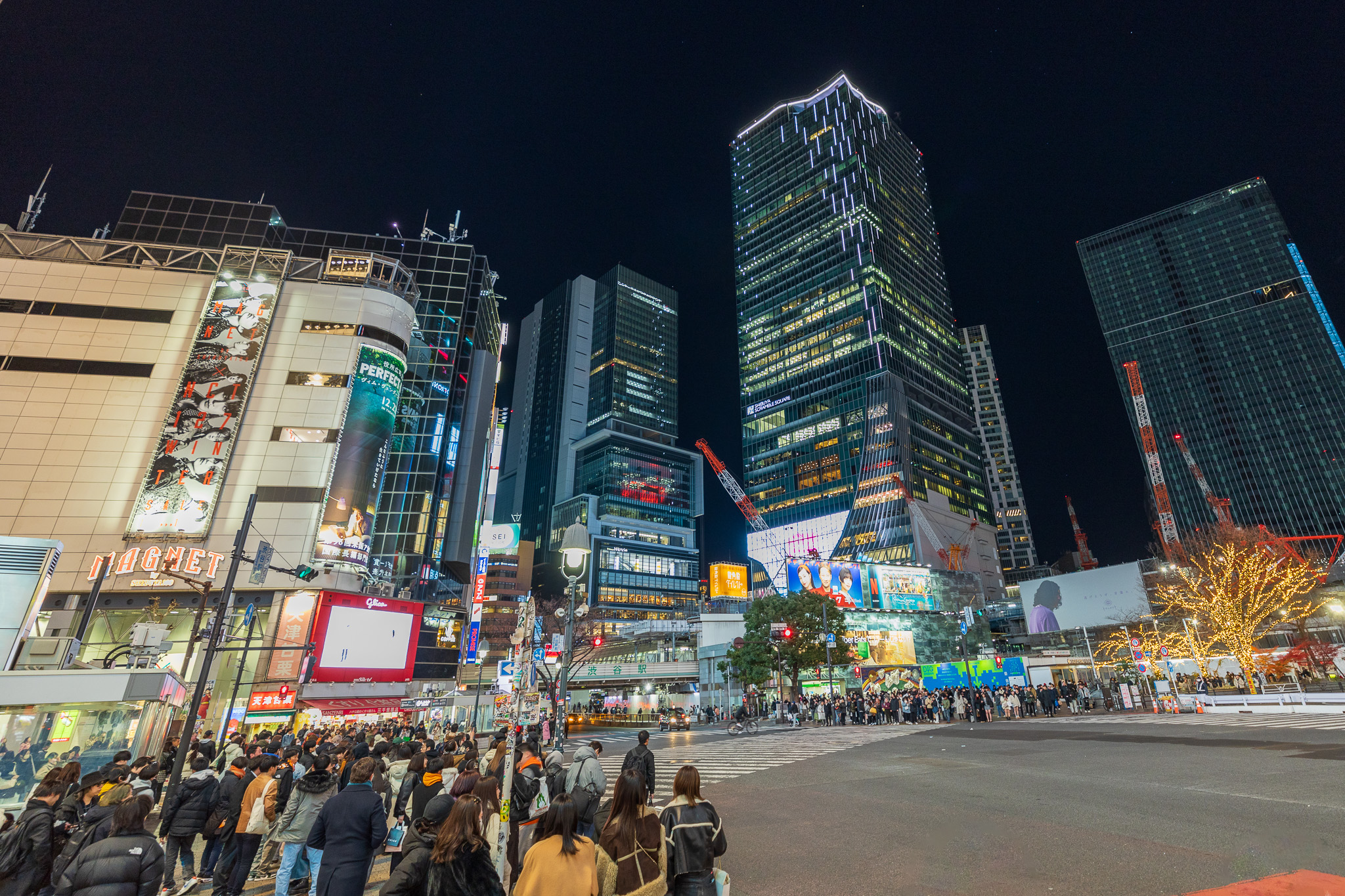
Shibuya Crossing — the scramble intersection outside Shibuya Station where pedestrians cross in all directions simultaneously when the lights change — is the most photographed intersection in the world, and one of the few tourist sights that exceeds its reputation. At peak times on a Friday evening, 150,000 people cross per hour. The surrounding streets amplify the effect: the screens of Shibuya’s department stores cast light and sound in all directions, and the density of people, noise and colour is total. From the second floor of the Starbucks opposite, which has one of the most coveted window seats in any city, you can watch the crossing from above and understand it as a system: perfectly timed, entirely voluntary, and somehow calm within its apparent chaos.
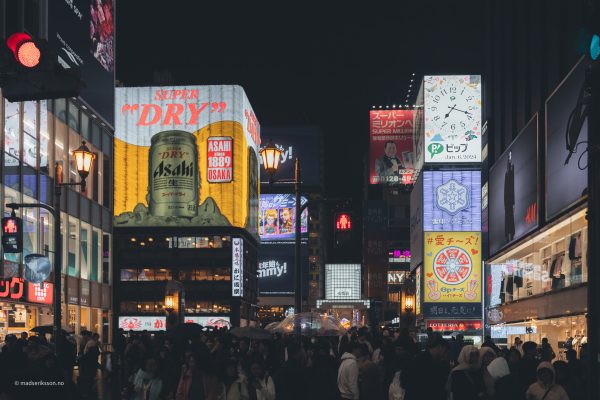
Shinjuku, north of Shibuya, is a different kind of intensity. During the day, the west side of Shinjuku Station is corporate Tokyo — skyscrapers, city hall, the Metropolitan Government Building with its free observation deck. At night, the east side transforms into one of the densest entertainment districts in the world: Kabukicho’s pachinko parlours and host clubs, the warren of tiny bars in the Golden Gai district (each holding no more than eight people), and Memory Lane (Omoide Yokocho) where smoke-filled yakitori restaurants pack into a covered alley barely two metres wide, unchanged since the 1940s. Shinjuku contains all of Tokyo in miniature.
Memory Lane in Shinjuku — a covered alley of tiny yakitori stalls, each seating six, smoke-filled and unchanged since the 1940s — is ten minutes on foot from the world’s busiest train station.
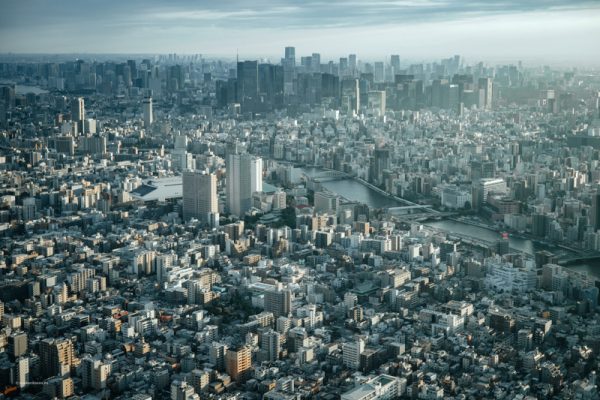
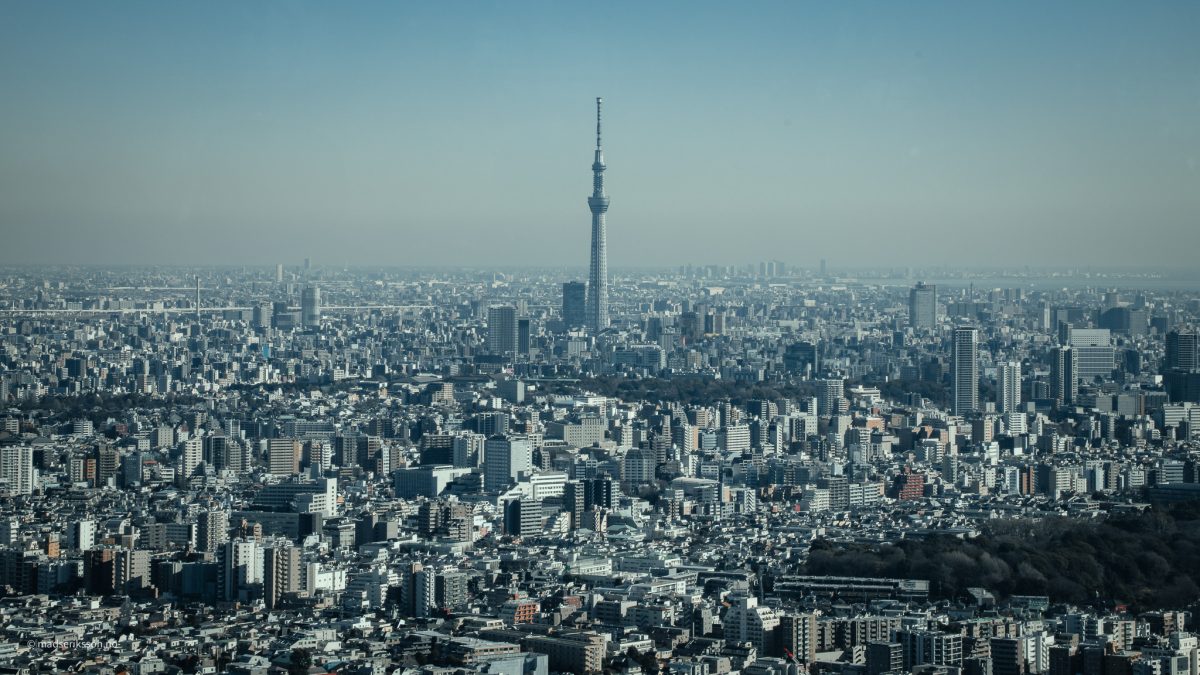
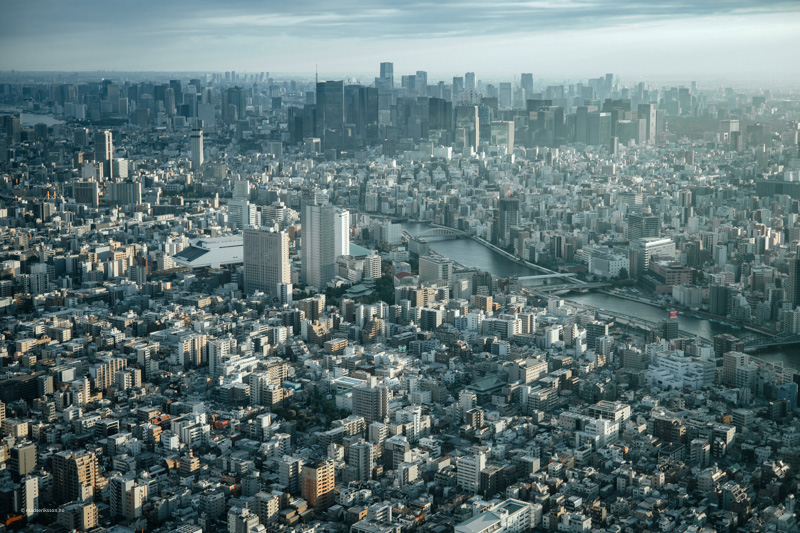
The Tokyo Skytree in Asakusa, opened in 2012, stands 634 metres — the tallest tower in the world. Its two observation decks at 350 and 450 metres give the most complete available view over the city, which stretches unbroken to every horizon: a dense, low grid of grey and terracotta, interrupted by occasional clusters of towers, and beyond them the perfectly conical white peak of Mount Fuji, 100 kilometres to the southwest. On a clear winter morning, with the air sharpened by cold, Fuji appears so close and sharp that it looks like something added in post-production. In Akihabara, east of the centre, the concentration of electronics shops, anime merchandise stores and gaming arcades represents a different facet of Tokyo’s culture — one that drew visitors from across Japan and the world long before the current wave of international tourism.
Asakusa — The Oldest Corner of the City
Asakusa preserves the atmosphere of old Edo more than any other part of Tokyo — wooden shopfronts, a 7th-century temple, and the smell of incense over the river
Senso-ji is Tokyo’s oldest and most visited temple, founded in 645 CE in what is now the district of Asakusa on the east bank of the Sumida River. The approach to the temple begins at the Kaminarimon — the Thunder Gate — a two-storey wooden gate hung with a 700-kilogram red lantern, one of the most photographed images in Japan. Beyond it, the Nakamise shopping street runs 250 metres to the temple’s inner gate, lined on both sides with 89 stalls selling sembei (rice crackers), sweet bean paste cakes, fans, traditional toys and souvenirs of every kind. The stalls themselves are old: some families have occupied the same pitch for generations. The crowds are always heavy, but the atmosphere is celebratory rather than oppressive — the shrine works.
Beyond the Nakamise, the main hall of Senso-ji sits in a courtyard filled with incense smoke from a large bronze cauldron. Visitors wave the smoke over their heads and shoulders, believing it brings good health. To the left of the main hall, the five-story pagoda — rebuilt in 1973 after the wartime bombing destroyed the previous structure — rises above the surrounding streets. The whole complex, despite receiving over 30 million visitors a year, retains something of the atmosphere of religious purpose: priests conduct ceremonies in the mornings, and in the early hours before the tourist crowds arrive, the temple has a different quality entirely.
Senso-ji has been here since 645 CE. The current buildings are postwar reconstructions, but the incense and the crowds and the prayers are continuous with a tradition that goes back thirteen centuries.
The area around Asakusa rewards exploration beyond the temple. Yanaka, north of Ueno, is one of the few Tokyo neighbourhoods that survived both the 1923 earthquake and the wartime bombing relatively intact, preserving a dense network of temples, traditional shops and narrow lanes that give some sense of the pre-modern city. The Sumida River can be followed by boat between Asakusa and Hamarikyu Gardens, passing under the bridges of old Edo with the Skytree rising above the eastern bank — a trip of about 40 minutes that offers the best perspective on how the old and new layers of the city coexist.
Shrines, Gardens and the Green City
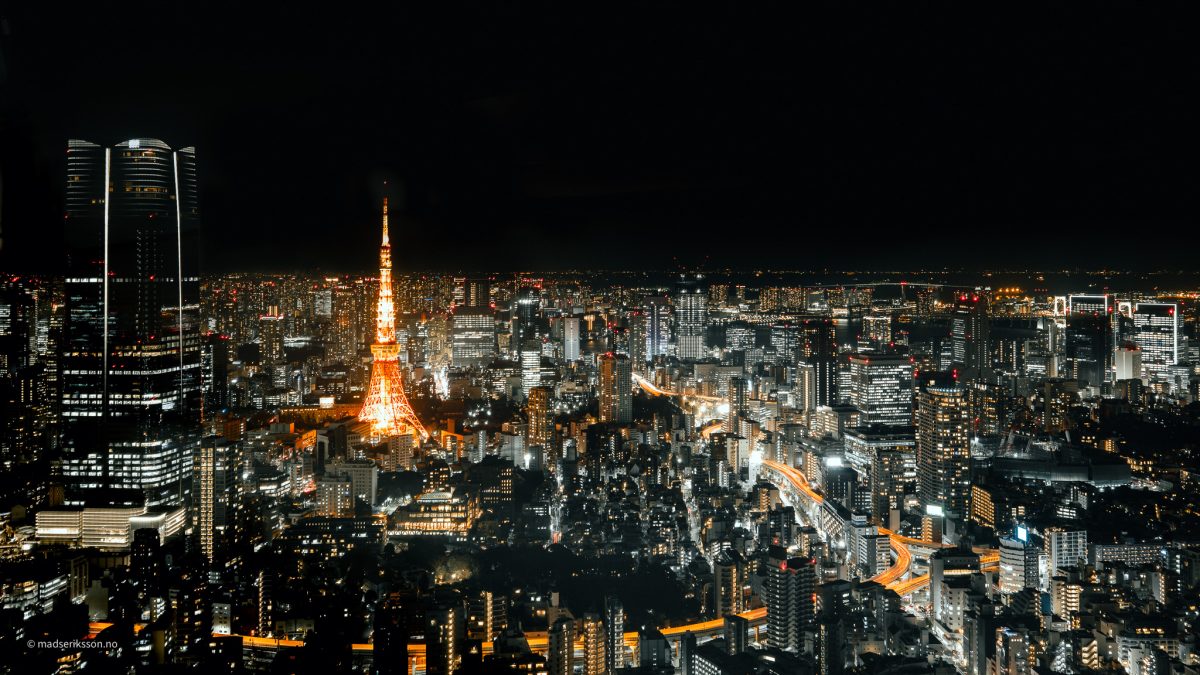
Tokyo is more green than its skyline suggests — its major shrines are surrounded by forests, and its gardens are among the most carefully maintained in the world
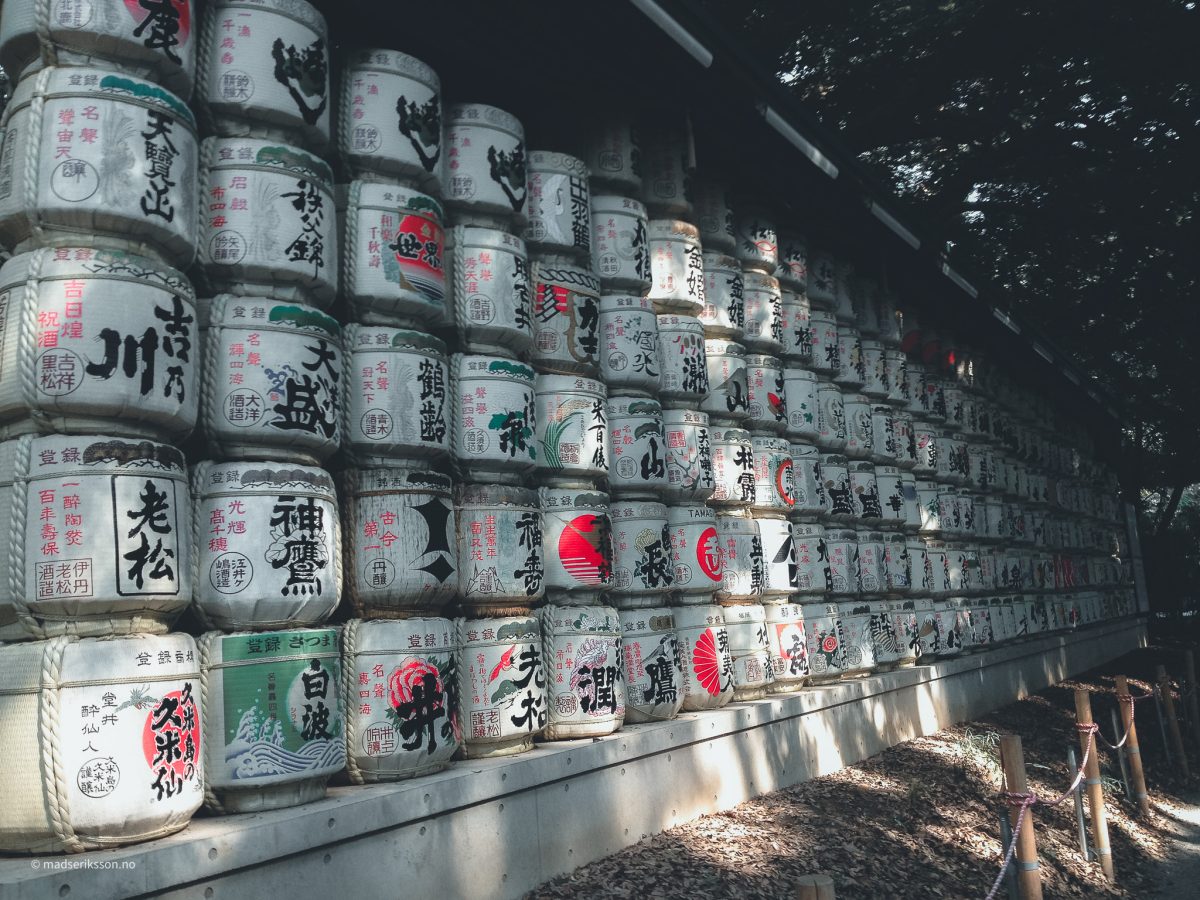
Meiji Shrine, completed in 1920 and dedicated to the Emperor Meiji and Empress Shoken, occupies 70 hectares of forested land in the heart of the city, adjacent to Harajuku and Yoyogi Park. The approach through the forest — a 700,000-tree artificial woodland planted when the shrine was constructed, using species donated from every prefecture in Japan — is one of the most effective transitions in any city: from the crowds and shops of Harajuku to a cool, dim path of gravel between towering cedars, the sound of the city dropping away within a few minutes of walking. The shrine itself is wooden and unornamented in the classic Shinto style, surrounded by sake barrels and wine barrels (donated by wineries from Burgundy, in a diplomatic gesture from France). On New Year’s Day it receives three million visitors in three days — the largest annual gathering at any shrine in Japan.
The Imperial Palace, on the former site of Edo Castle in central Tokyo, is the residence of the Emperor of Japan. The palace grounds are surrounded by a moat and extensive gardens, and most of the inner grounds are closed to the public except on two days a year. The Imperial Palace East Gardens, however, are open daily — 21 hectares of traditional Japanese garden design on the foundations of the old castle, with stone walls, pond gardens and seasonal plantings. The view across the outer moat from Nijubashi Bridge — the double-arched stone bridge that serves as the main visual symbol of the palace — is one of the classic Tokyo perspectives.
The forest around Meiji Shrine was planted in 1920 with trees from every region of Japan. A century later, it has grown into a mature woodland in the middle of the world’s largest city, dense enough to be genuinely cool in midsummer.
Hamarikyu Gardens, on the waterfront south of the Tsukiji district, are a surviving example of an Edo-period feudal garden — tidal duck-hunting ponds fed directly from Tokyo Bay, with stone bridges, pine trees and a tea house overlooking the water. The garden is surrounded on three sides by the skyscrapers of Shiodome, making it one of the more surreal juxtapositions in the city: a 17th-century landscape enclosed in 21st-century glass. The contrast is not uncomfortable; it is quintessentially Tokyo. Shinjuku Gyoen, in the centre of the city, is the finest garden in Tokyo for cherry blossom viewing — 1,100 cherry trees of 65 varieties bloom in sequence from late March, extending the sakura season over several weeks.
Tokyo Food — The World’s Most Starred City
Tokyo holds more Michelin stars than Paris and New York combined — and the best meal of the day might be from a vending machine
Tokyo holds more Michelin stars than any city in the world — consistently over 200 starred restaurants, with more three-star establishments than Paris. But this is only the formal surface of the food culture. The ramen shop where you order from a vending machine at the door and eat alone at a counter, the conveyor belt sushi where the plates circle silently and the tea is dispensed from the table, the yakitori stall under the railway tracks in Yurakucho — these are as central to what Tokyo eats as any kaiseki restaurant. The city applies the same seriousness to every level of cooking. The ramen at a ¥900 lunch counter is made by someone who has devoted decades to the ratio of their broth.
Tsukiji — the famous fish market — relocated its wholesale operations to Toyosu in 2018, but the outer market remains: some 460 shops and restaurants in the streets around the old site, selling sushi, sashimi, tamagoyaki (rolled omelette) and fresh seafood from the morning hours. A sushi breakfast at Tsukiji outer market, starting around 7am, is one of the great Tokyo rituals — a small counter, fish delivered that morning, green tea, and the particular pleasure of eating something exceptional very early in the day. Nearby, the Ginza district offers the opposite register: Tokyo’s most expensive shopping street, where the department stores and flagship boutiques are set back behind broad pavements and the atmosphere is unhurried and opulent.
The ramen at a ¥900 lunch counter in Tokyo is made by someone who has been making ramen for 30 years and who regards the clarity of their broth as a matter of professional honour. The Michelin stars and the lunch counters belong to the same food culture.
Izakaya — Japanese gastropubs — are the default venue for evening eating and drinking in Tokyo, and they range from the tiny, counter-only smoky establishments of Shinjuku’s Memory Lane to large, loud multi-storey operations in Shibuya with laminated menus thick as novels. The format is consistent: small plates ordered as the evening progresses, beer or sake or shochu, no fixed meal structure. Edamame arrives first, automatically. The evening ends when the last beer glass is empty, usually late. Tokyo is a city where dinner at 10pm is unremarkable, and where the last train home at midnight is taken seriously by a surprisingly large number of people who have been drinking for four hours.
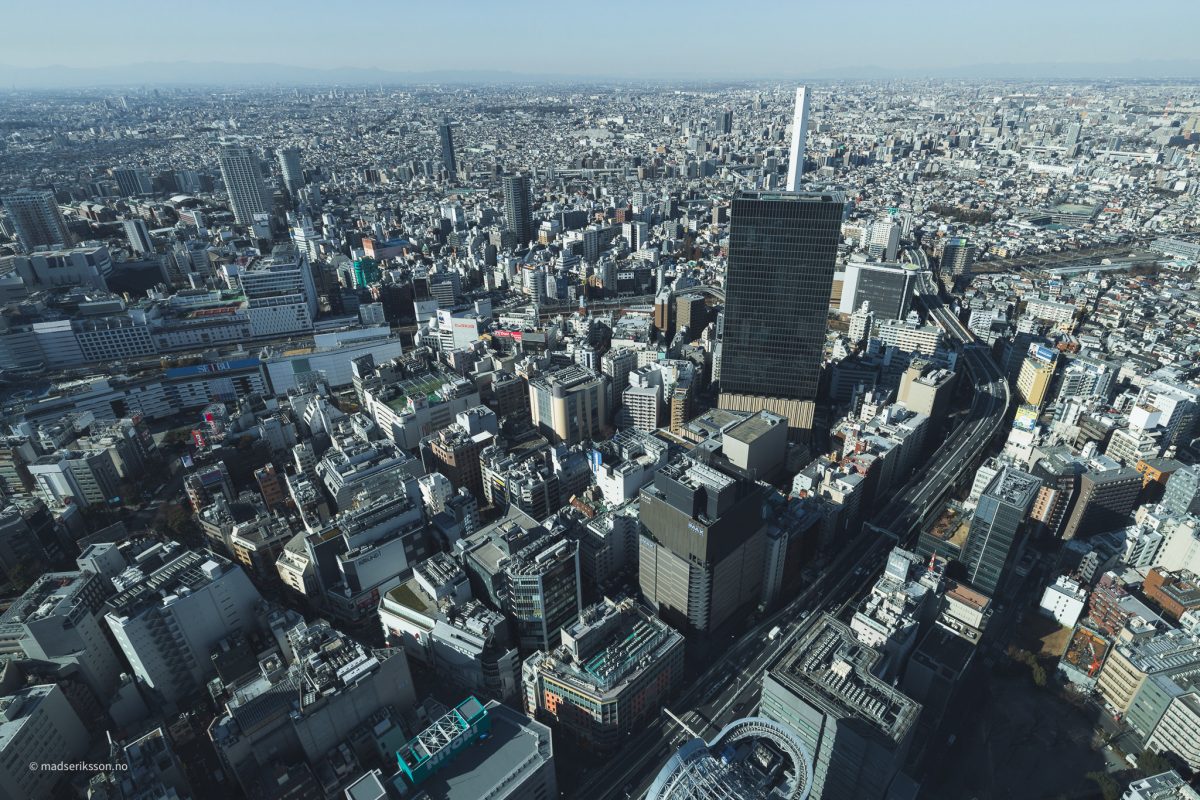
«Tokyo resists summary. It is too large, too varied, and too consistently surprising to be reduced to a set of highlights. What most visitors take away is not the Skytree or the crossing or the temple — it is the texture of the everyday: the precision of the trains, the quality of the convenience store onigiri, the way a street in Yanaka looks at eight in the morning, the particular silence of a Shinto shrine surrounded by forest in the middle of the world’s largest city. Tokyo rewards return visits more than almost anywhere. The second time, you know where you are going. The third time, you begin to understand why.»
More in the same area
 CitiesShibuya Crossing: The Heartbeat of Tokyo
 CitiesTokyo — Enormous, Efficient, Beautiful and Entirely Unlike Anywhere Else
 ArchitectureTokyo Skytree: One tower over thirty-seven million
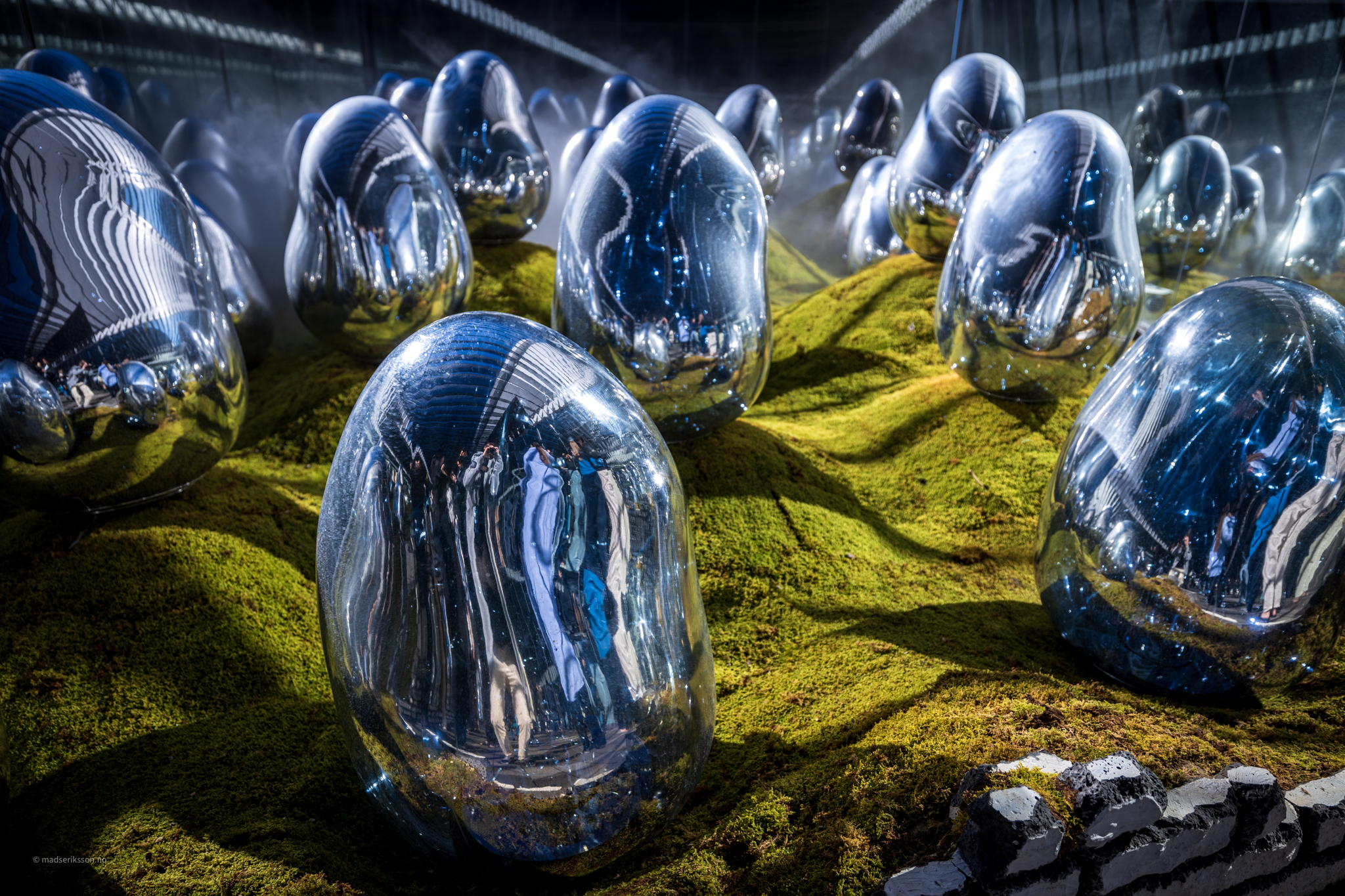 MuseumsteamLab in Tokyo: Planets in Toyosu and Borderless in Azabudai Hills
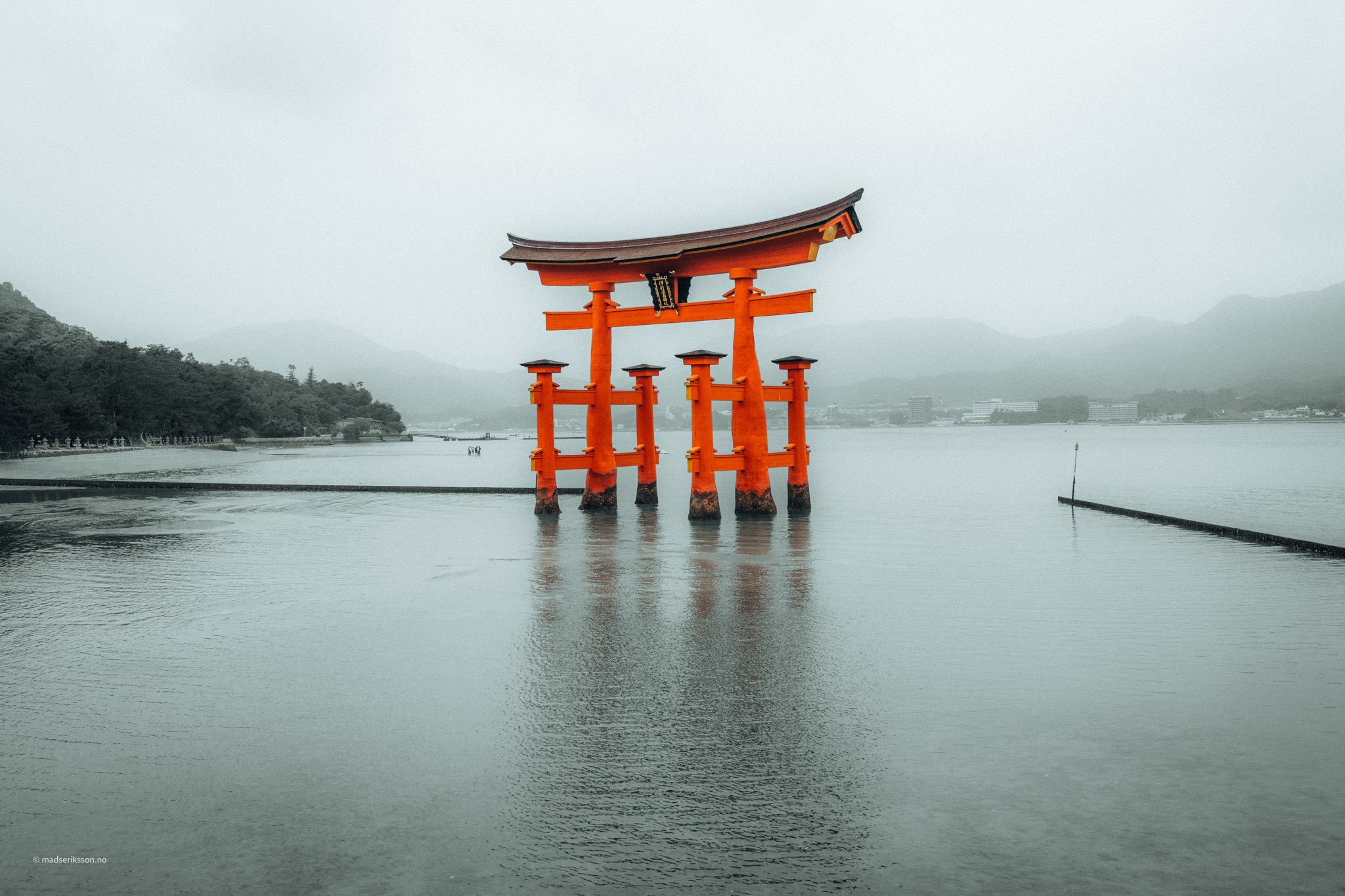 CitiesHiroshima and Miyajima: A preserved ruin and a shrine on the tideline
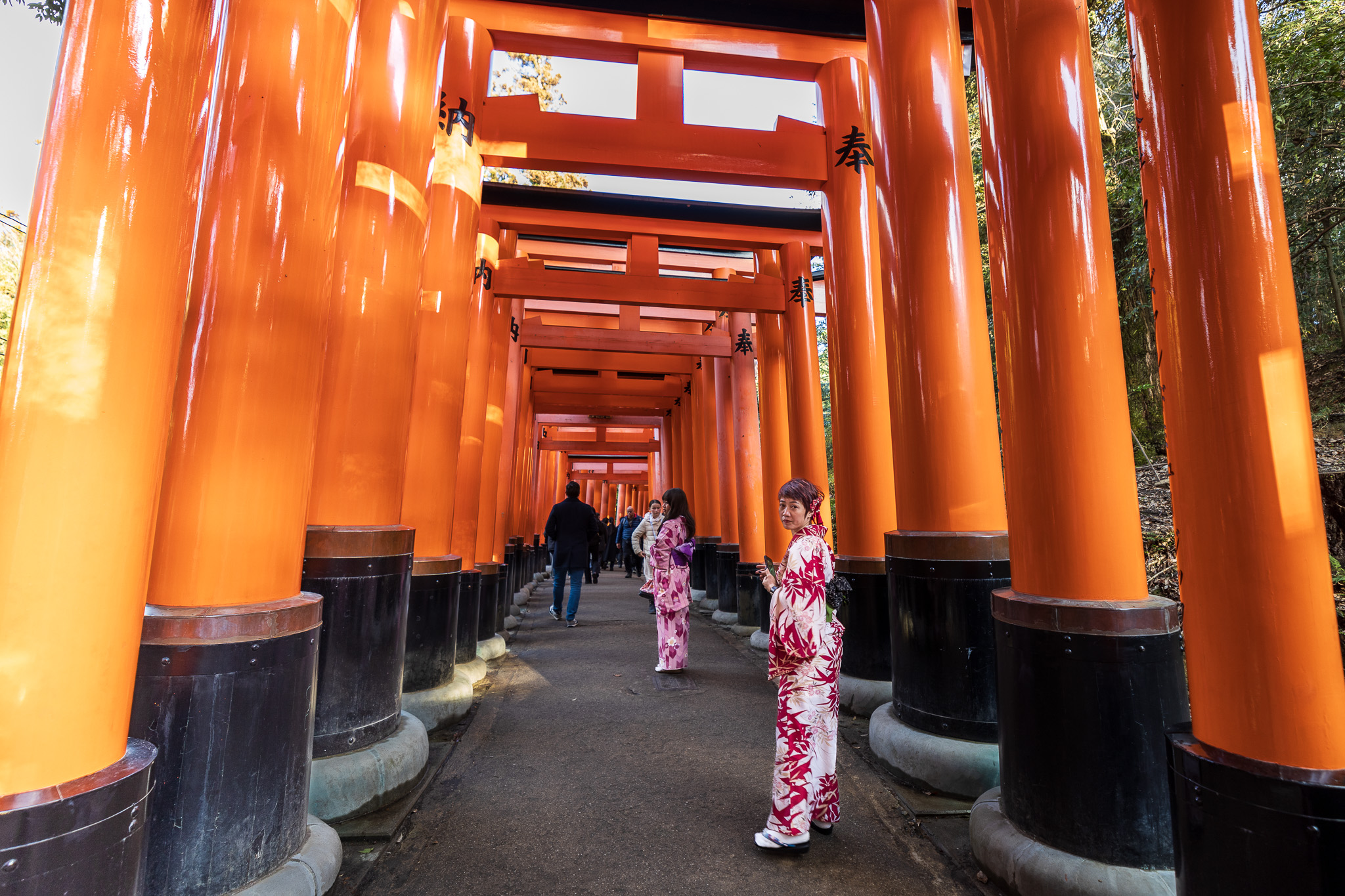 CitiesHiking Mount Inari — Fushimi Inari’s Full Loop