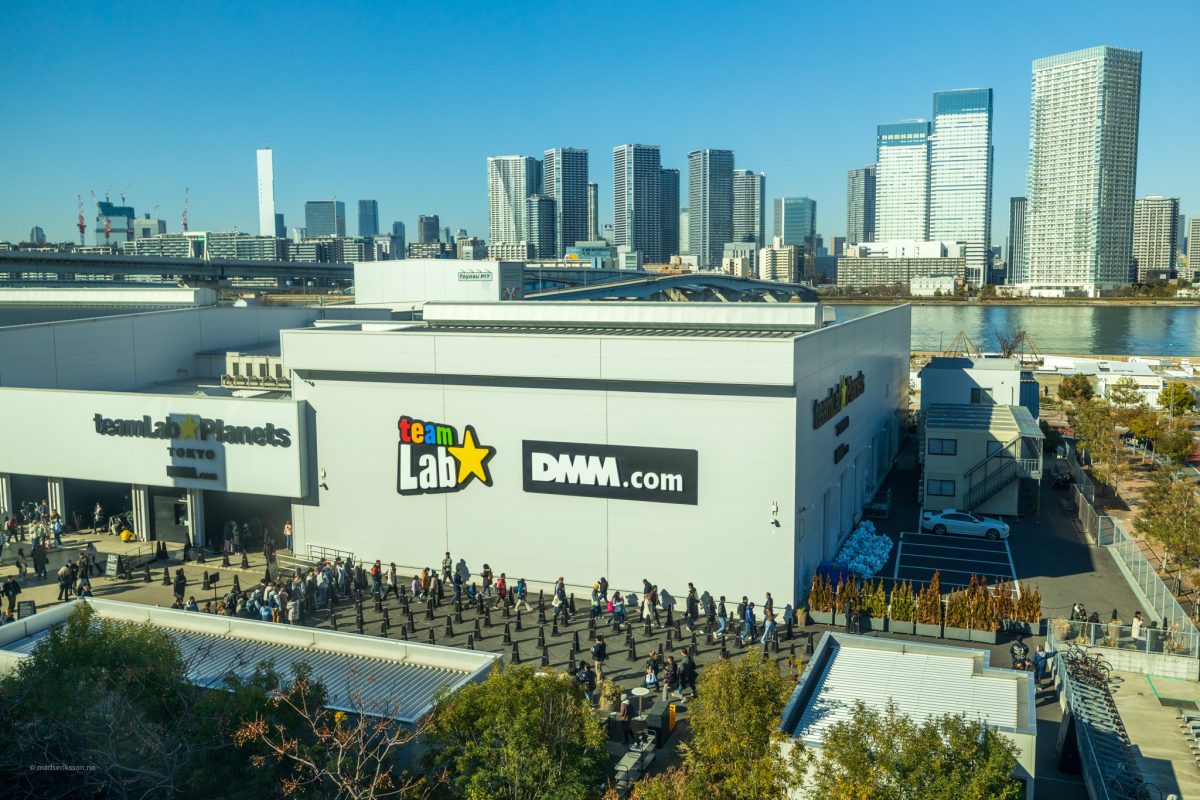
Tokyo has two permanent teamLab museums, and they could hardly be more different. teamLab Planets, on reclaimed land in Toyosu, is a barefoot walk through water, mirrors, orchids and light; in the year to March 2024 it drew more than 2.5 million visitors, a Guinness World Record for a museum devoted to a single art group. teamLab Borderless, reopened in 2024 beneath the towers of Azabudai Hills, is a dry labyrinth with no map and no set route, where the artworks move from room to room. Both are open in 2026, Planets until the end of 2027, and both sell out in advance.

teamLab is not a single artist but a collective. It was founded in 2001 by Toshiyuki Inoko and Shunsuke Aoki, then students in the engineering faculty of the University of Tokyo, and it brings together artists, programmers, engineers, computer-graphics animators, mathematicians and architects. Its works are made of projected light, sound, mirrors, water and sensors, and most of them respond to the people inside them: flowers scatter when touched, colours shift as visitors pass, and the image on a wall is never quite the same twice. The collective’s own phrase for what it is after is that “everything exists in a long, fragile yet miraculous, borderless continuity”.
In Tokyo that idea takes the form of two large, permanent museums on opposite sides of the bay. They are often treated as alternatives, but they are better understood as two different experiences. Planets is a single route of around an hour to an hour and a half, much of it through water, with large gardens and a newer zone of physical play. Borderless is a building to get lost in for two or three hours. They are thirty to forty minutes apart by metro, and seeing both in one long day is possible.
How to approach teamLab in Tokyo
This guide covers teamLab in Tokyo in four parts: the collective and how its museums grew from a temporary exhibition into some of the most visited art venues in the world; teamLab Planets in Toyosu, with its water rooms and gardens; teamLab Borderless in Azabudai Hills, the museum without a map; and how to choose between them, book them and fit them into a visit to Tokyo.
The Collective — From a Student Project to Two Record-Breaking Museums
How a group of engineering students became an art collective, and how two museums opened in the same summer of 2018 changed what a museum in Tokyo could be
The founders of teamLab began working together as students in the late 1990s and incorporated in 2001, the year Toshiyuki Inoko graduated. Its interactive installations gradually found their way into museums and galleries in Japan and abroad, and since 2014 the collective has been represented by Pace Gallery. Its members describe themselves as “ultra-technologists”: people who make art by writing code, engineering structures and composing sound rather than by painting or sculpting, and who treat the visitor as part of the artwork.
Two openings in the summer of 2018 made teamLab a household name. On 21 June, teamLab Borderless opened in Odaiba as the MORI Building Digital Art Museum, a joint venture with the developer Mori Building. Two and a half weeks later, on 7 July, teamLab Planets opened in Toyosu, on land beside the site of Tokyo’s new wholesale fish market, which moved there from Tsukiji that October. In 2019 Borderless set teamLab’s first Guinness World Record, with more than 2.1 million visitors.
Planets has since been enlarged by half, and named the most visited museum in the world devoted to a single art group — and it is now scheduled to stay open until the end of 2027.
The Odaiba museum closed on 31 August 2022, and Borderless reopened on 9 February 2024 in a new, purpose-built space beneath Azabudai Hills, Mori Building’s new district in central Tokyo. Planets, meanwhile, kept growing: two large gardens were added in July 2021, and in January 2025 a new zone made it half as large again. In 2024 it set teamLab’s second Guinness record, with more than 2.5 million visitors in a single year. Outside Tokyo, teamLab Biovortex Kyoto opened near Kyoto Station in October 2025 as the collective’s largest venue in Japan, with more than 10,000 square metres over four floors.
teamLab Planets — A Barefoot Walk Through Water and Light
Koi that turn into flowers on the surface of a pool, a forest of hanging lights, 13,000 orchids overhead, and a new zone made for climbing and jumping
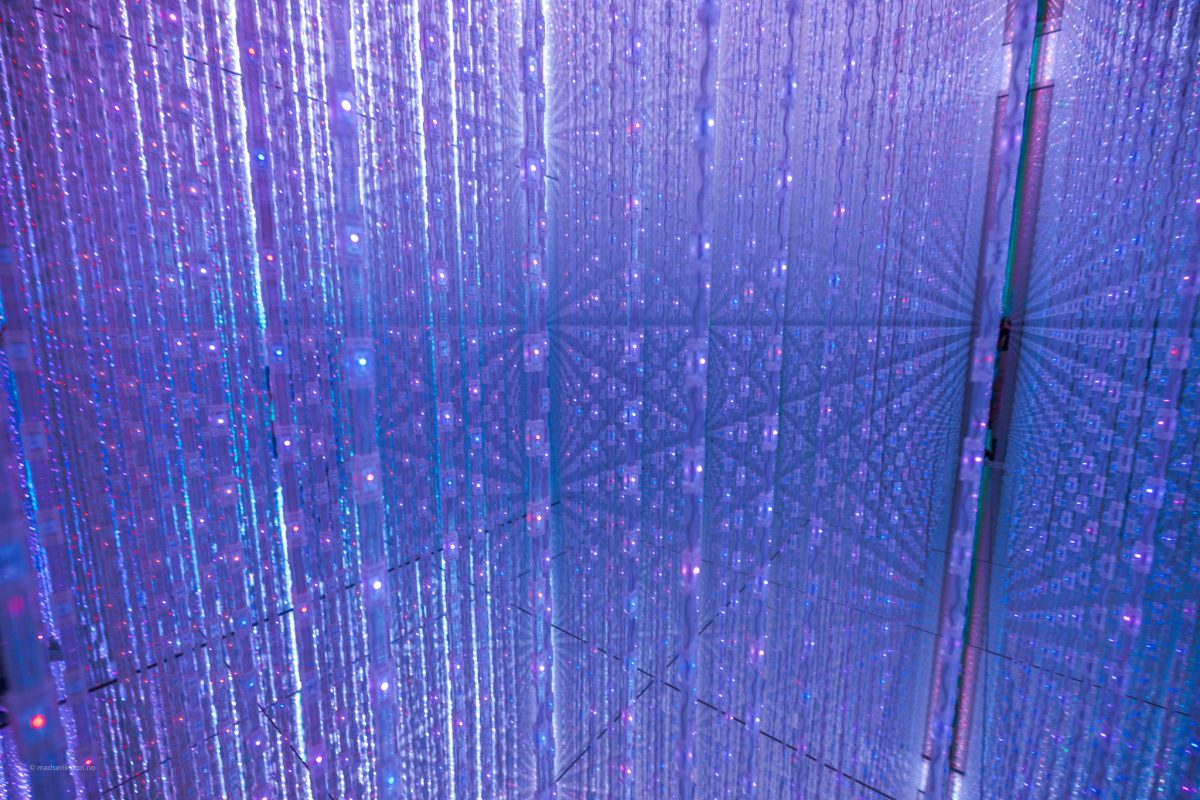
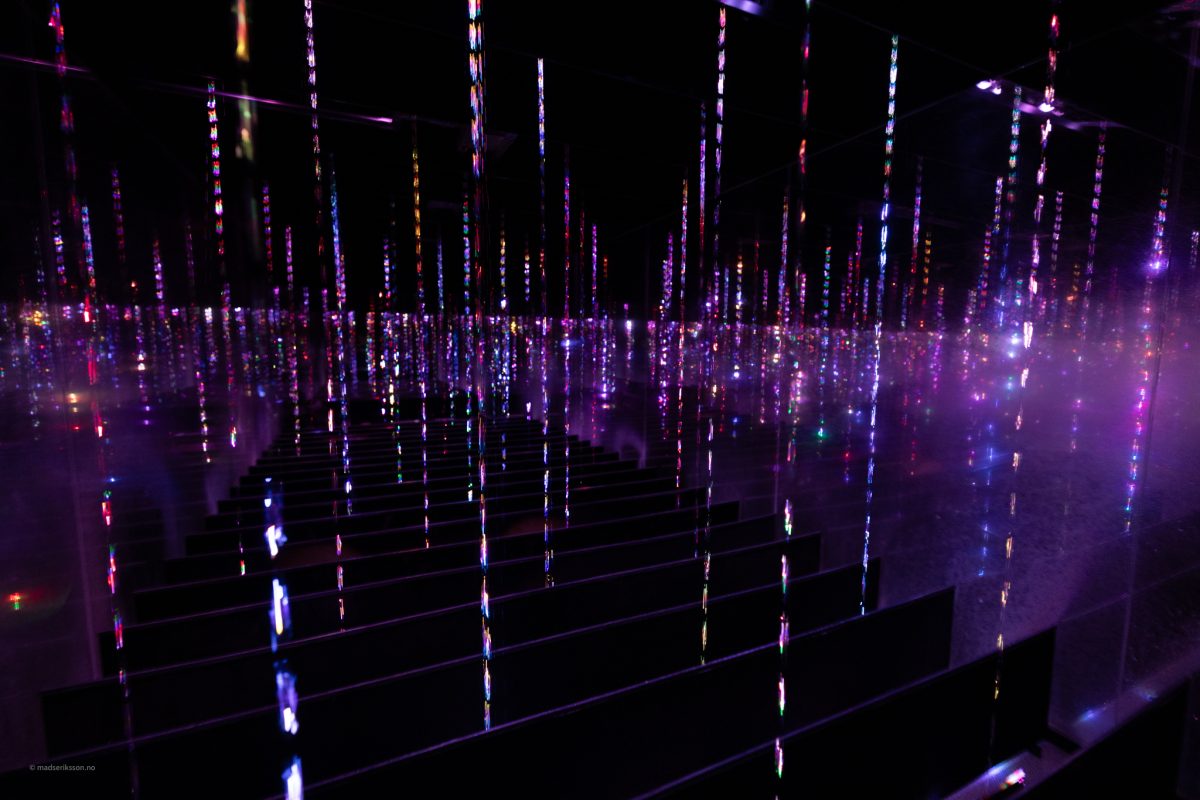
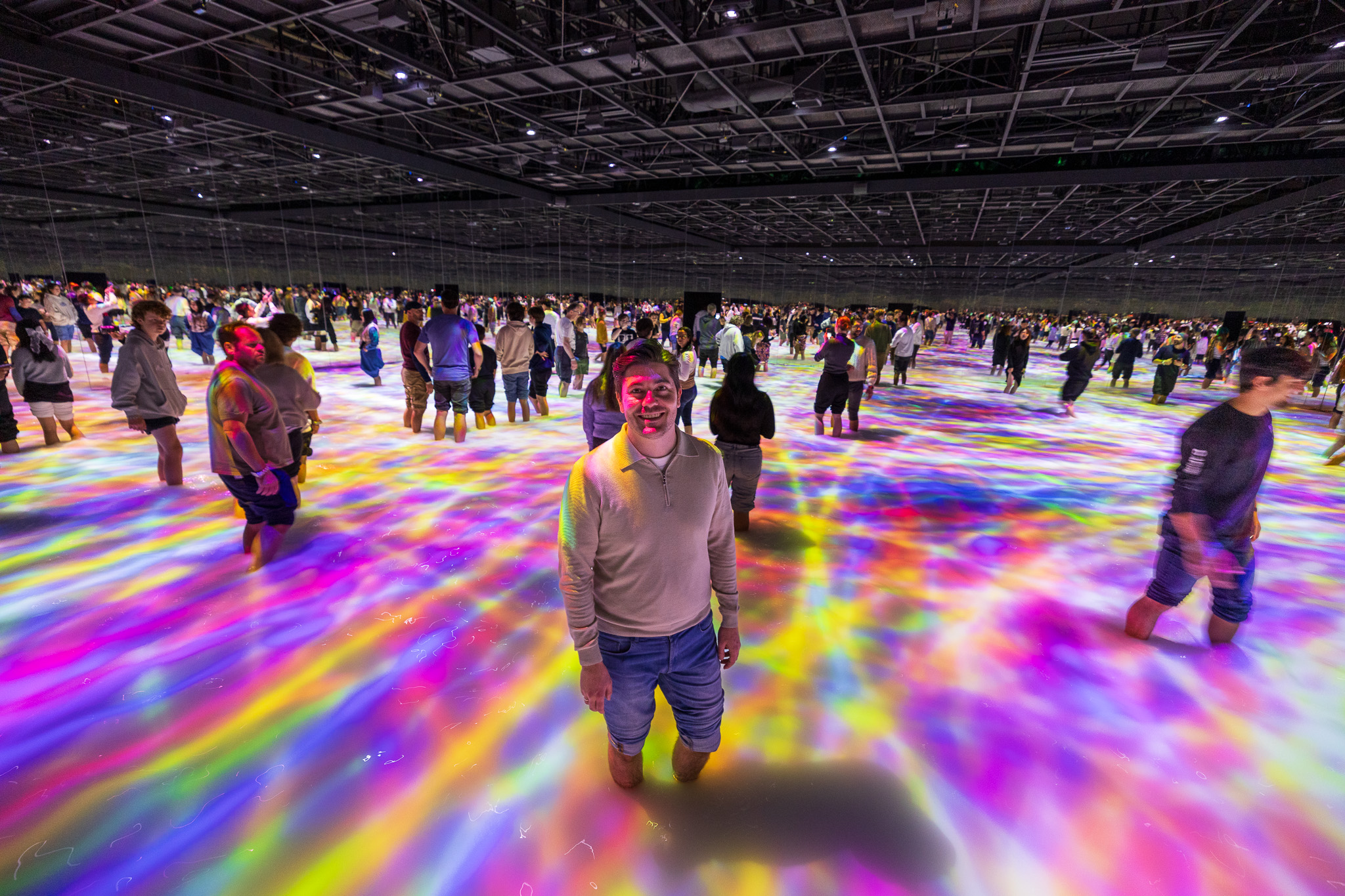
Planets begins at the lockers. Shoes, socks and anything that might get wet are left behind, and visitors walk barefoot from there on — into a series of rooms that make the whole body part of the work. In Drawing on the Water Surface Created by the Dance of Koi and People, the water is knee-deep and projected koi swim through it among the people wading across the room. In The Infinite Crystal Universe, strings of light hang from the ceiling of a mirrored room so that the space seems to extend without end; in Floating in the Falling Universe of Flowers, flowers fall across a dome overhead.
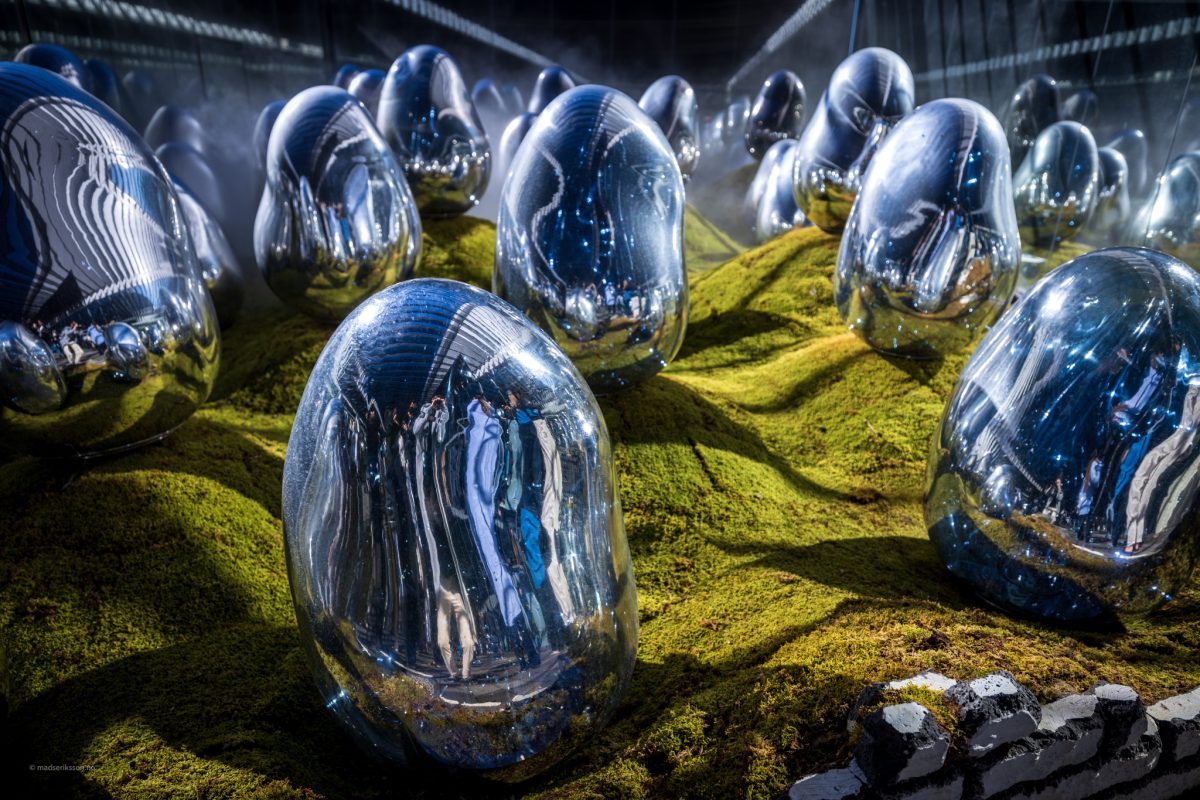
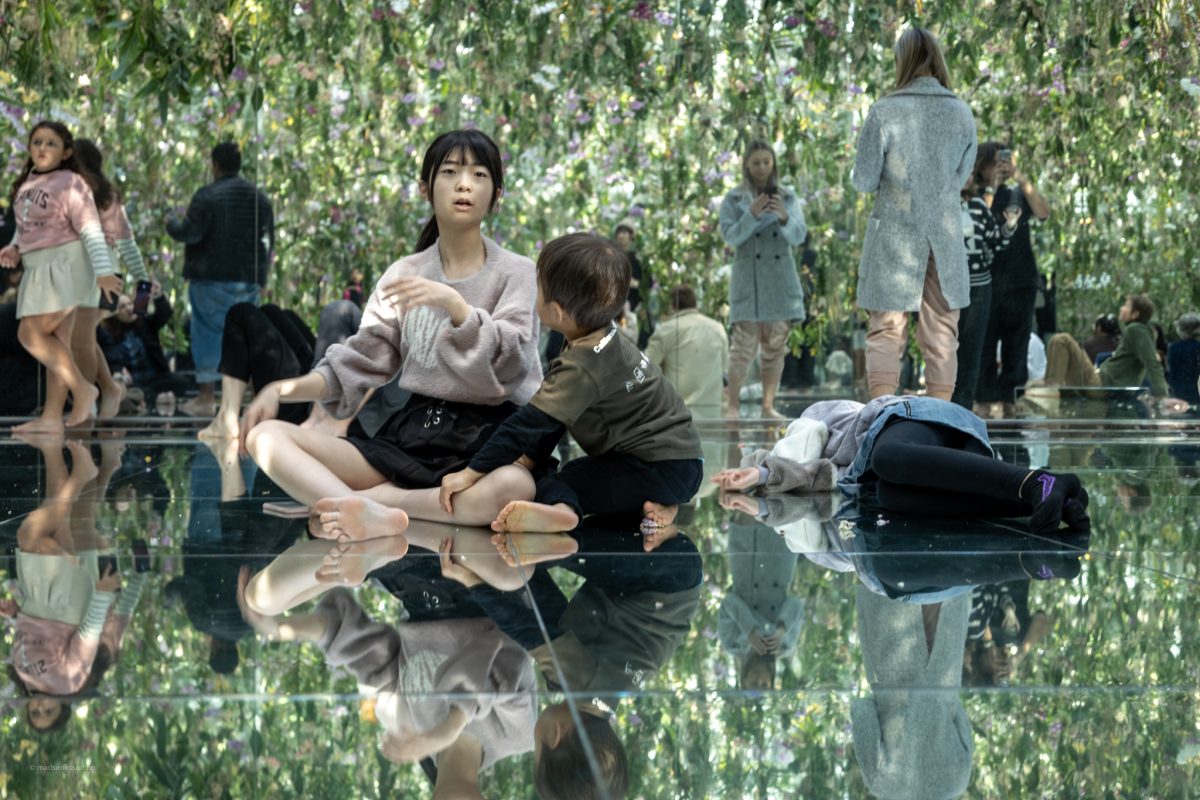
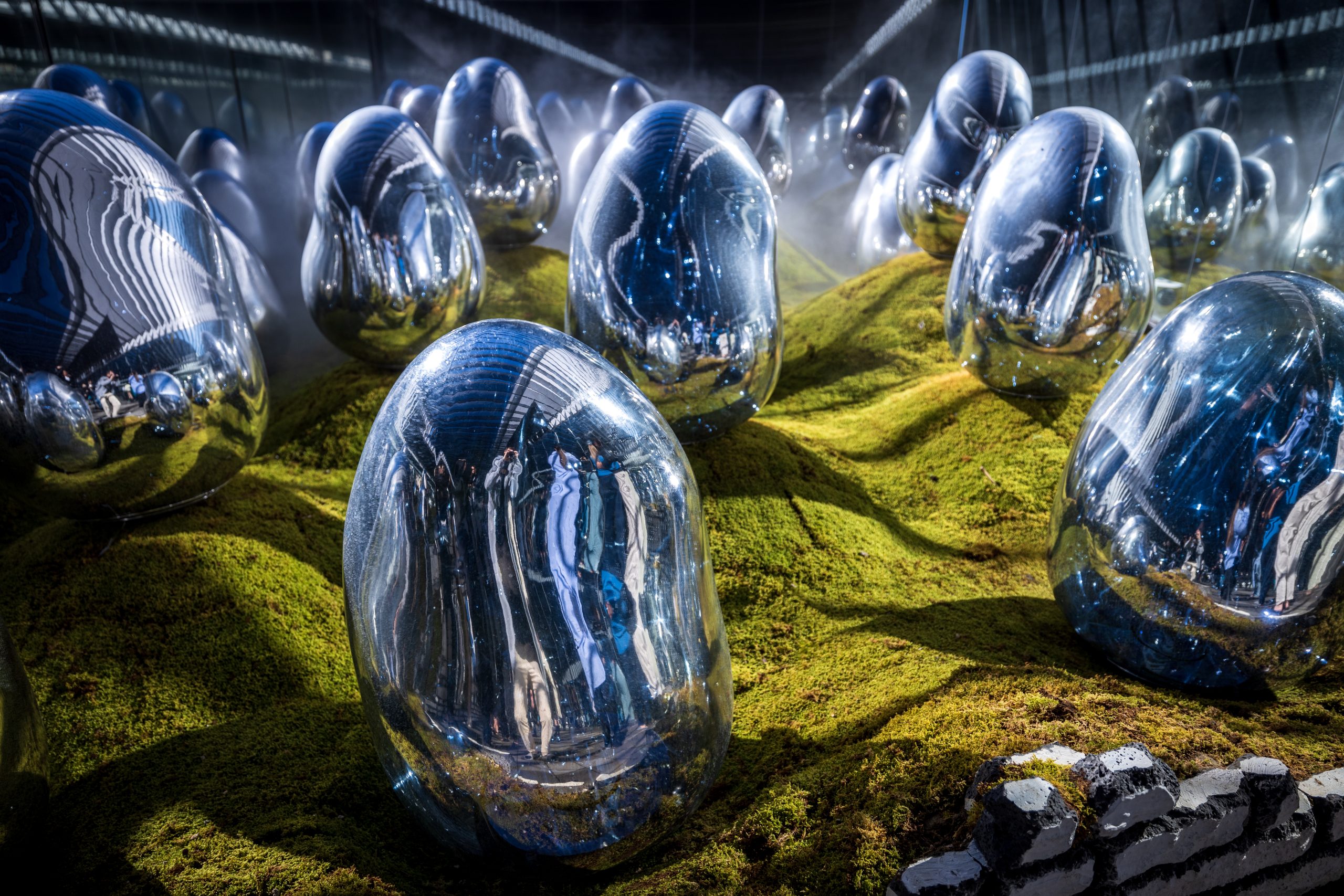
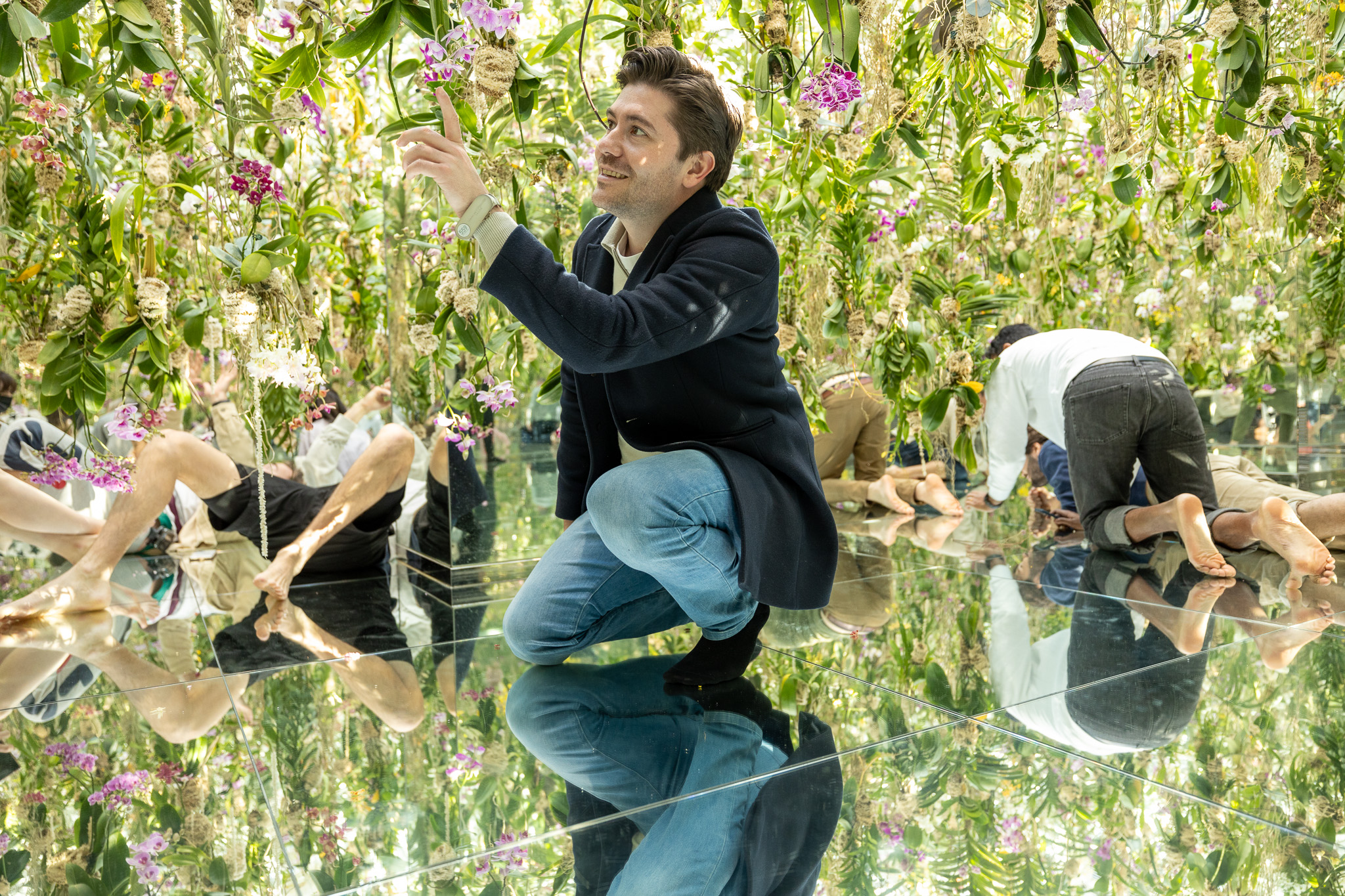
Between the water rooms and the outside lie the gardens, added in July 2021. The Floating Flower Garden is an enclosed space filled with more than 13,000 living orchids hanging in a dense mass; as visitors walk in, the flowers lift away above them, so each person seems to move inside a small clearing of air. The Moss Garden of Resonating Microcosms is outdoors, a field of moss scattered with mirror-like egg shapes that lean when touched or blown by the wind and glow in changing colours after dusk. It closes in typhoon-strength wind or heavy rain, which is worth knowing when planning a visit in late summer.
At Planets the visitor is not in front of the work but inside it — up to the knees in water, lying beneath a dome of falling flowers, or walking through a garden of orchids that rises out of the way.
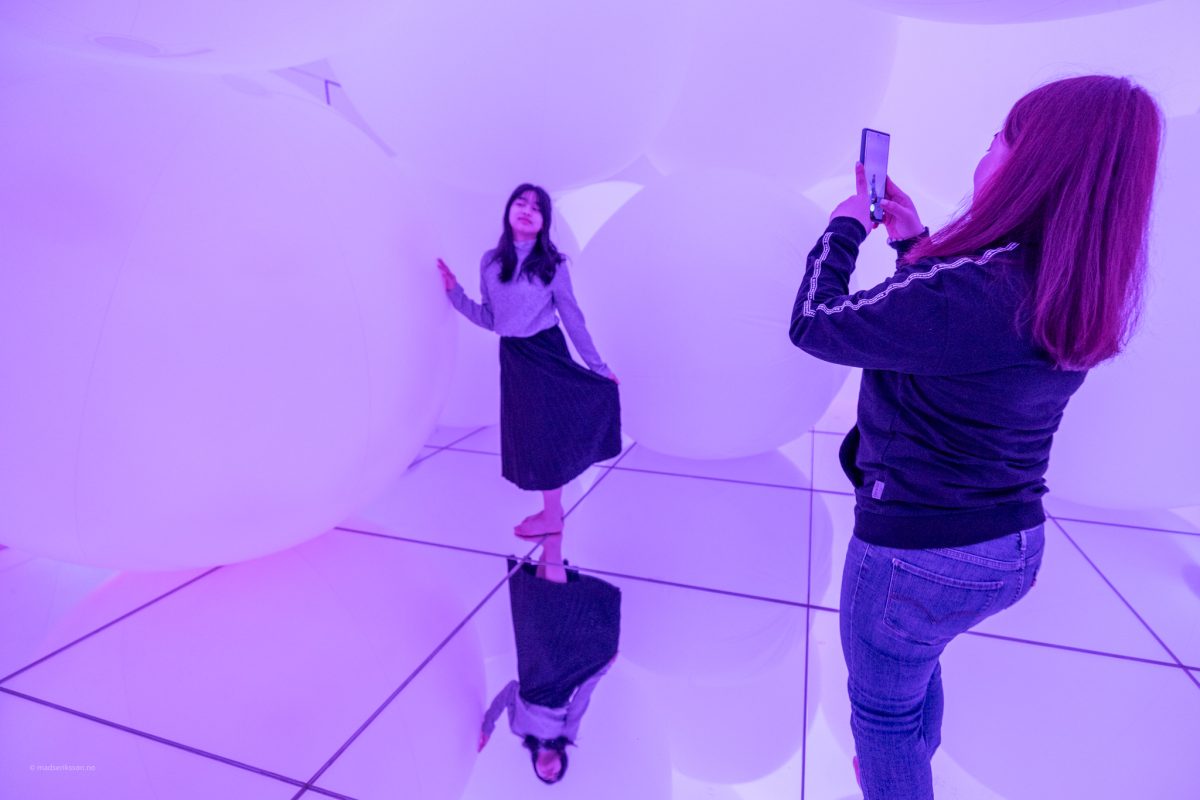
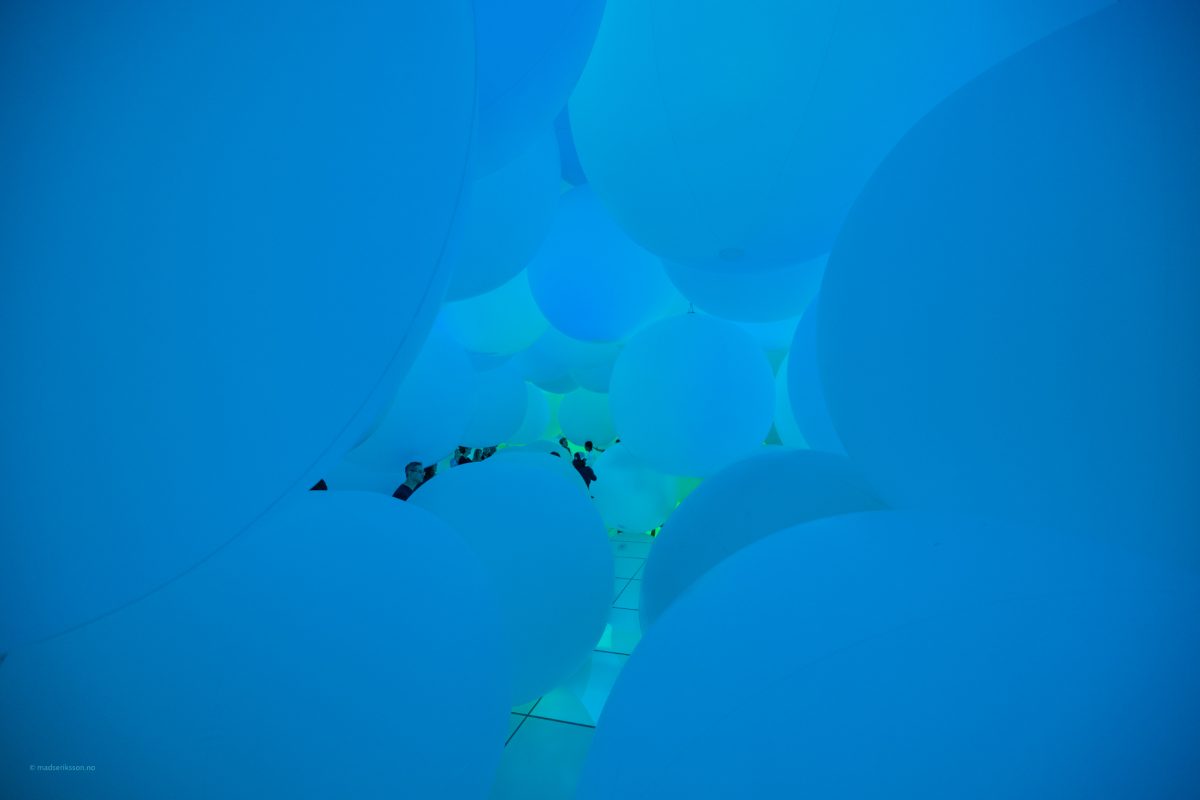
The expansion of January 2025 added the Athletics Forest, a large indoor zone of physically demanding artworks: bouncing spheres, a multi-level jumping floor, stepping stones that react underfoot, climbing walls with flocks of projected birds, and drawing stations whose sketches come to life on the walls. With the open-air artworks and a shop at the end, Planets now has five zones. The main route still runs one way and takes around an hour to an hour and a half; the water can reach the knees of adults, so shorts or rolled-up trousers are sensible, and the museum lends shorts free of charge. A vegan ramen restaurant and a tea and sake bar sit on the same site.
teamLab Borderless — A Museum Without a Map
Artworks that leave their rooms and wander into others, a tea house where flowers bloom in the cup, and a labyrinth designed to be explored rather than followed
Borderless is the opposite of Planets in almost every practical respect. It is dry, so shoes stay on; it has no fixed route and deliberately no map; and its artworks are not confined to rooms. A flock of birds, a field of flowers or a waterfall may begin on one wall, cross a corridor and continue in the next space, overlapping with other works on the way. The idea is the one in the museum’s name: a world without boundaries between artworks, or between the artworks and the people walking through them. The building sits on the basement level of Azabudai Hills, the district completed by Mori Building in 2023 around the Mori JP Tower, the tallest building in Japan.
The museum opened in its new home with more than 50 artworks. The largest is a long, curved main space near the entrance in which water, flowers, vortices, birds and butterflies move and mix across the walls and floor. Other spaces are more contained: the Light Sculpture – Flow rooms, where beams of light move to music; a room of lily-pad-like platforms laid out like terraced rice fields, across which projected fish, flowers and butterflies move; Infinite Crystal World; and several rooms with mirrored floors. Some works change with the seasons, and the programme is regularly updated with new pieces and temporary exhibitions.
Borderless is designed to be wandered rather than toured. There is no map and no prescribed route, and the most memorable rooms are often the ones visitors find on their second or third pass.
Two spaces add something to do as well as to see. At Sketch Ocean, visitors colour in a drawing of a sea creature, which is scanned and released to swim across a large wall alongside everyone else’s; at the Sketch Factory, the designs can be printed onto souvenirs for a fee. The En Tea House serves tea in which digital flowers bloom and scatter as the cup is lifted, at an extra charge. Visitors should allow two to three hours. Re-entry is not permitted, prams and pushchairs cannot be taken inside, and the many dark and mirrored rooms make flat, comfortable shoes a good idea.
Planning a Visit — Which One, and How to Get In
Water or labyrinth, one hour or three: how to choose between the two museums, when to book, and which time of day works best
The choice between the two is mostly a matter of temperament and time. Planets is the more intense and physical experience — the water, the orchids and the mirrored rooms are what most people remember — and it can be done in an hour and a half on a single route. Borderless is larger, calmer and more open-ended, better suited to visitors who like to explore and to return to rooms that caught their attention. Families with young children often find Planets’ Athletics Forest the high point; travellers with only a few hours in Tokyo usually find Planets the easier fit. Those with time to spare can see both: they are around thirty to forty minutes apart by metro.
Both museums sell tickets for a set date and entry time, and both use dynamic pricing, so the price depends on the day. In 2026 adult tickets start at ¥3,800 at both, rising at peak times; teenagers pay ¥2,800, children aged 4 to 12 ¥1,500, and children aged three and under go free. Planets does not sell tickets on site at all, and both museums sell out on weekends, public holidays and through the main Japanese holiday periods. Tickets cannot be refunded, but those bought from the official teamLab ticket stores can be moved to another date or time up to three times. Children under 13 must be accompanied by an adult.
Book through the official teamLab ticket stores, not on the day: Planets sells no tickets at the door, and both museums are often sold out at weekends and in the holiday seasons.
Timing makes a real difference. In 2026 Planets opens at 08:00 and the first slots of the day are the least crowded; the last entry is an hour before closing. Late afternoon at Planets lets visitors see the Moss Garden as its ovoids begin to glow at dusk. At Borderless the rooms are busiest in the middle of the day and quieter in the evening. Planets combines naturally with a morning at Toyosu Market, Tokyo’s wholesale fish market, which stands next door and has a public viewing deck over the tuna auction; Borderless is a few minutes’ walk from Roppongi. Both museums close on occasional days, so check the official calendars when booking.
«teamLab’s two Tokyo museums began as an experiment in what an art museum could be if the art moved, responded and refused to stay inside its frame. Eight years on, they are among the most visited museums in the world. Planets is the one to choose for intensity: an hour and a half barefoot, in water up to the knees, under orchids and through rooms of light that seem to go on forever. Borderless is the one to choose for wandering. Book either well ahead, arrive for the first slot of the day, and leave the map behind — at Borderless there is none to take.»

More in the same area
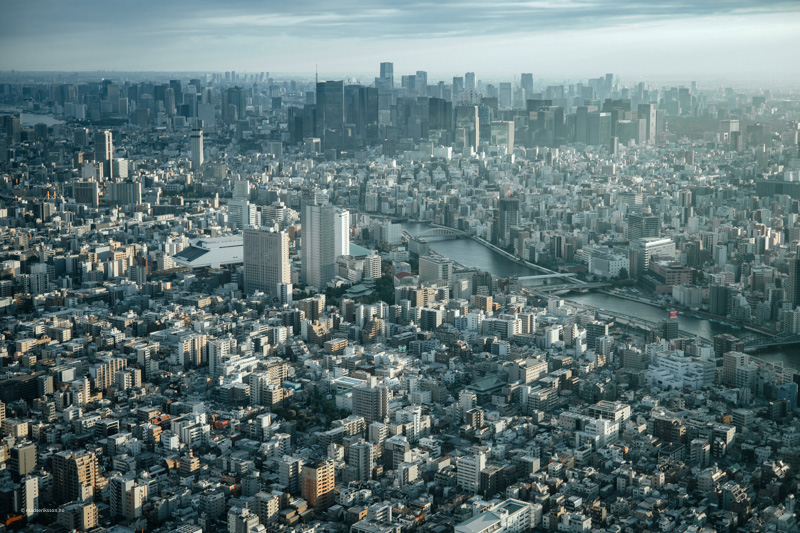 ArchitectureTokyo Skytree: One tower over thirty-seven million
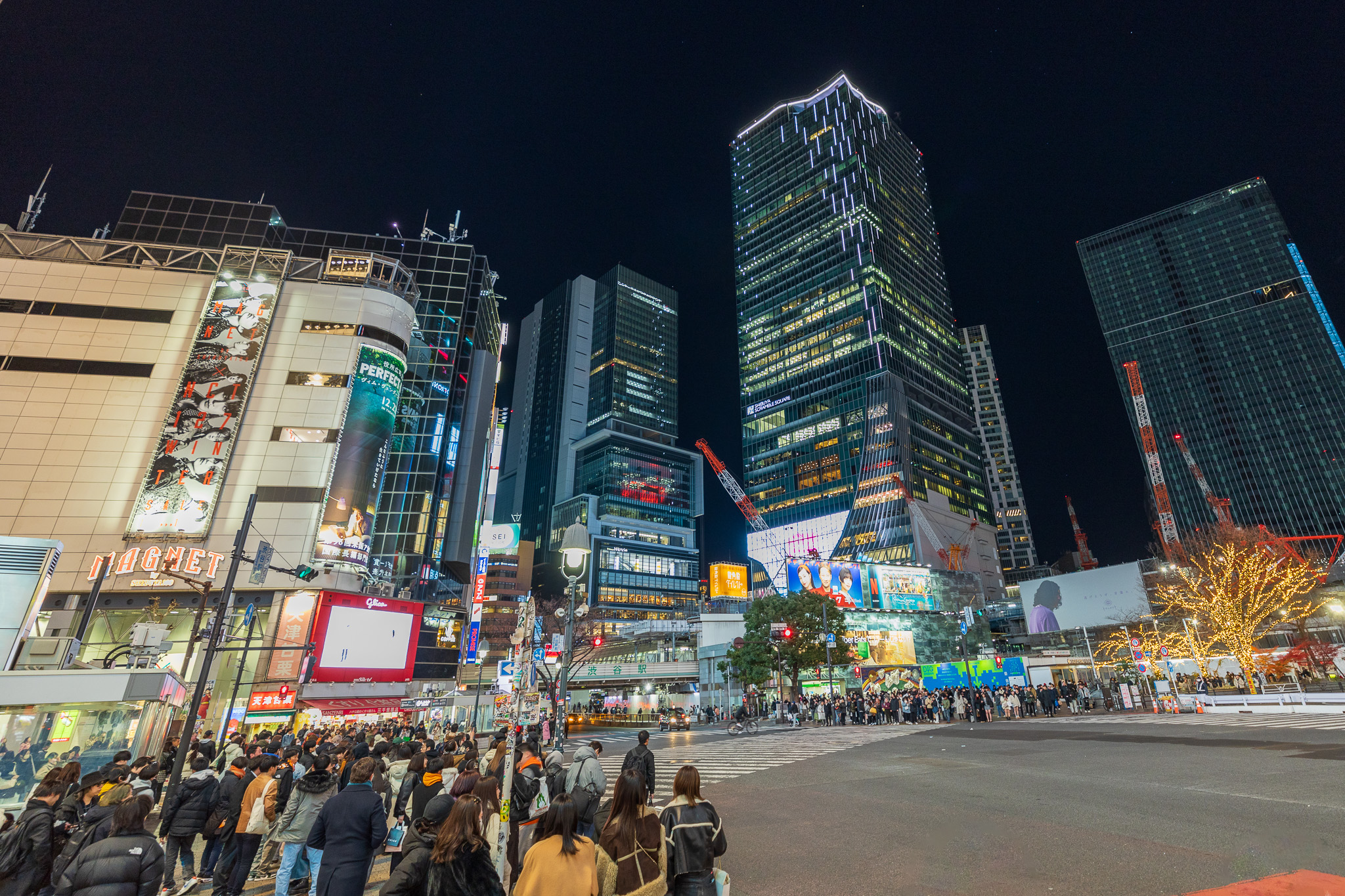 CitiesShibuya Crossing: The Heartbeat of Tokyo
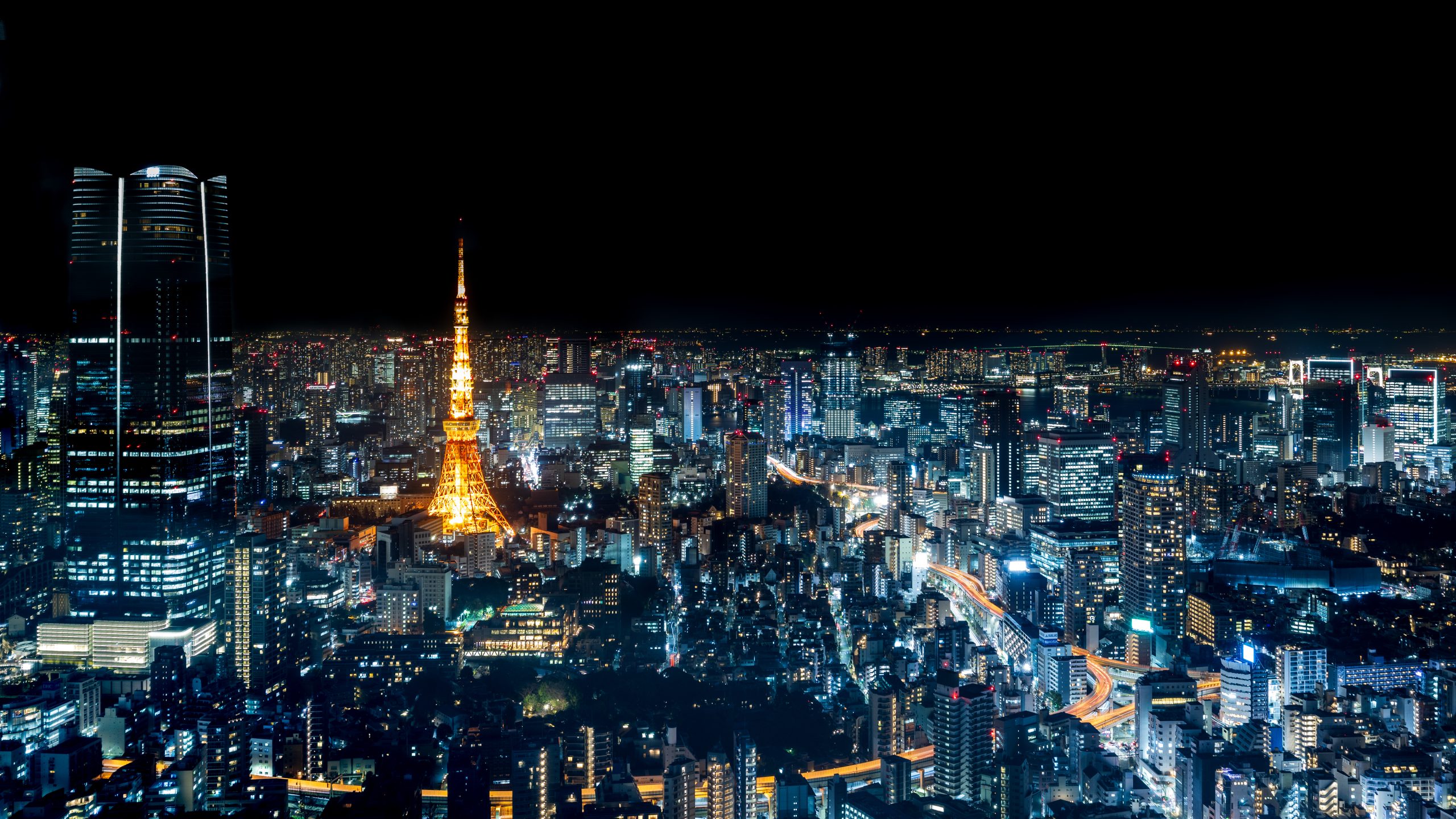 CitiesTokyo — Enormous, Efficient, Beautiful and Entirely Unlike Anywhere Else
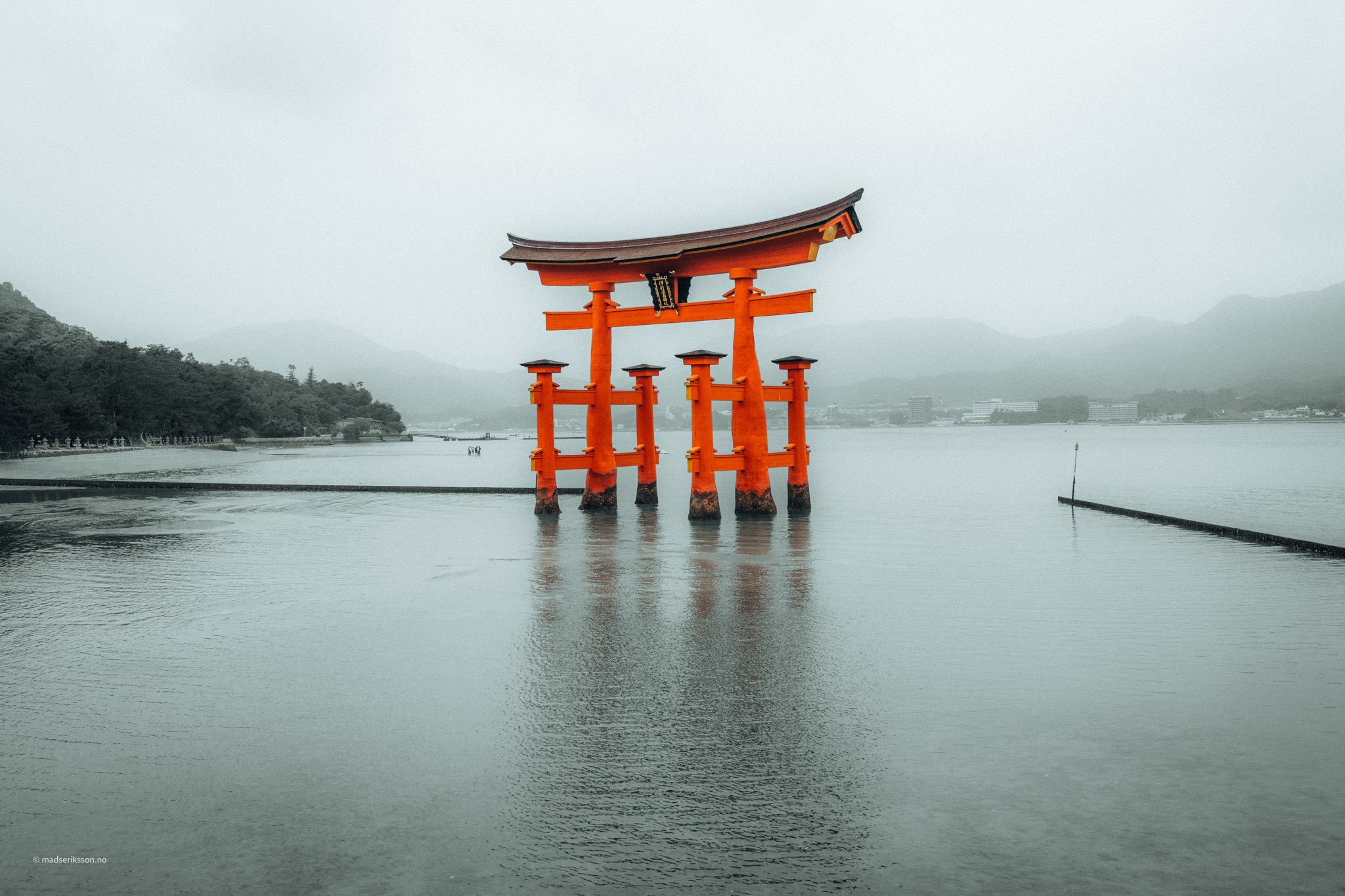 CitiesHiroshima and Miyajima: A preserved ruin and a shrine on the tideline
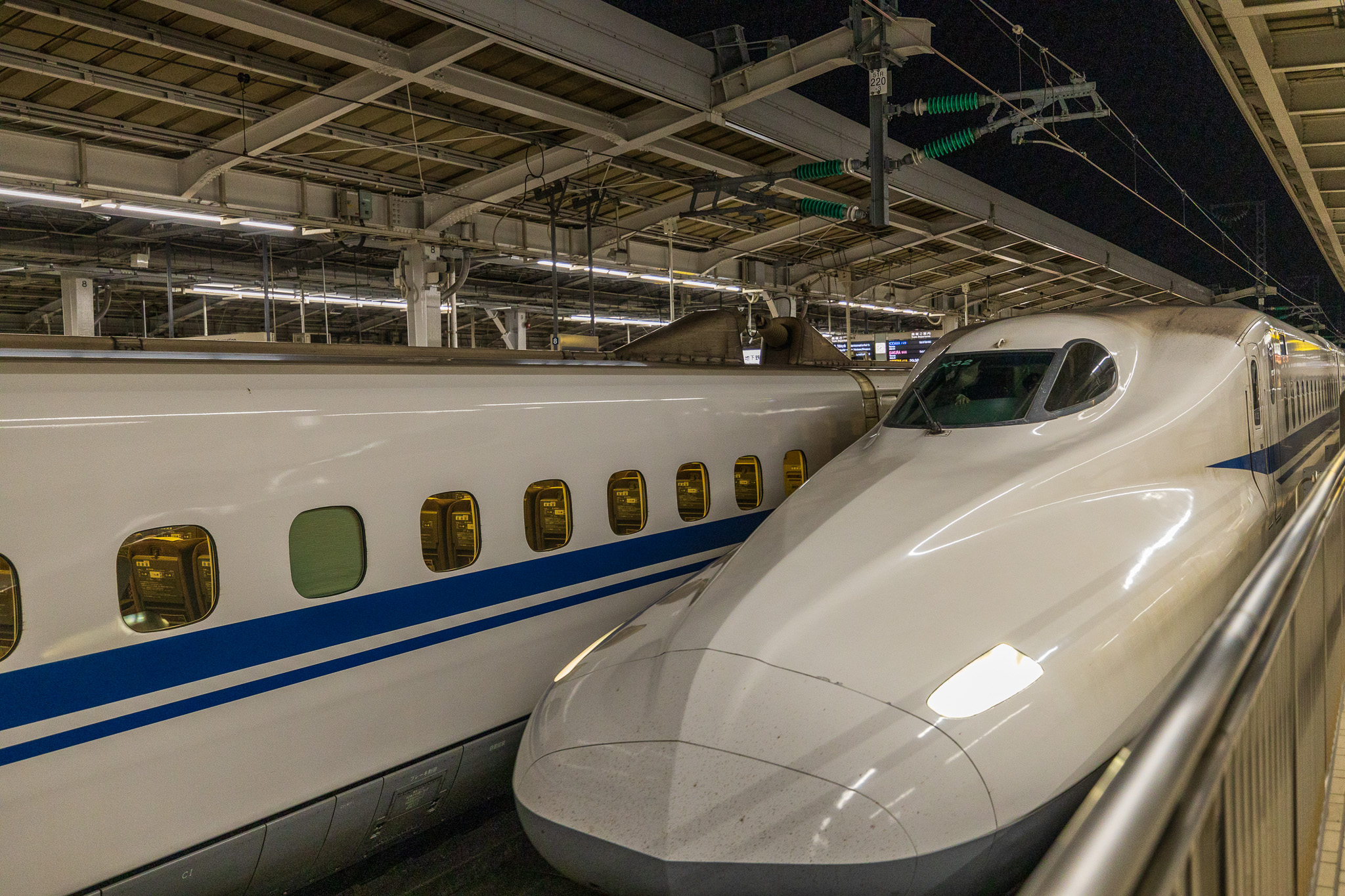 Train travelTwelve seconds: sixty years of the Shinkansen
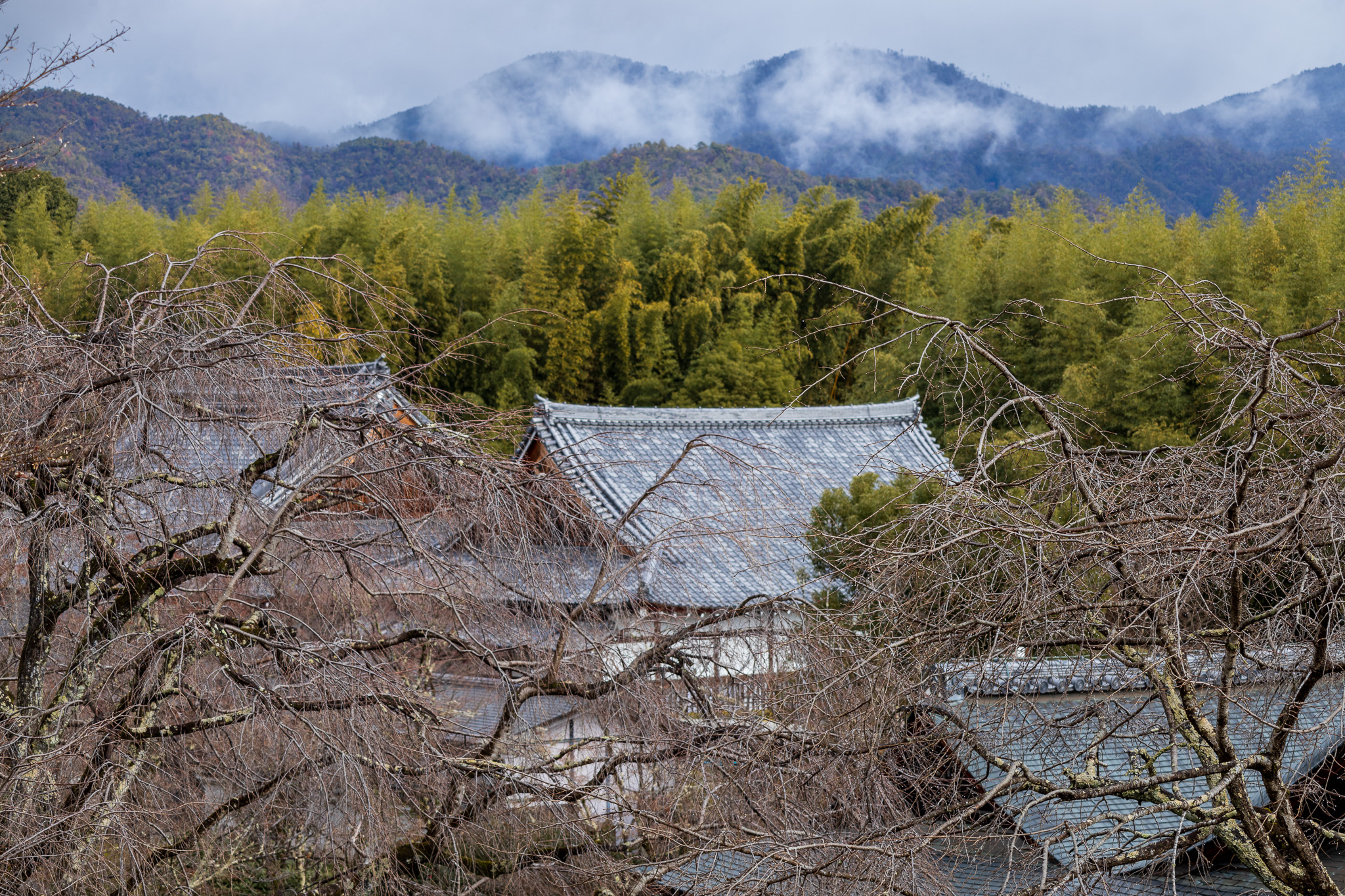 TravelTenryū-ji — Arashiyama’s Zen Temple and Japan’s Oldest Surviving Garden